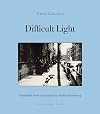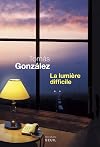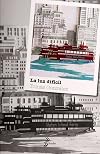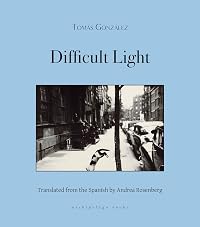
Difficult Light
by Tomás González
On This Page
Description
Grappling with his son's death, the painter David explores his grief through art and writing, etching out the rippled landscape of his loss. Over twenty years after his son's death, nearly blind and unable to paint, David turns to writing to examine the deep shades of his loss. Despite his acute pain, or perhaps because of it, David observes beauty in the ordinary: in the resemblance of a woman to Egyptian portraits, in the horseshoe crabs that wash up on Coney Island, in the foam gathering show more behind a ferry propeller; in these moments, González reveals the world through a painter's eyes. From one of Columbia's greatest contemporary novelists, Difficult Light is a formally daring meditation on grief, written in candid, arresting prose. show lessTags
Recommendations

























Member Reviews
Real Rating: 3.75* of five
The Publisher Says: Grappling with his son’s death, the painter David explores his grief through art and writing, etching out the rippled landscape of his loss.
Over twenty years after his son’s death, nearly blind and unable to paint, David turns to writing to examine the deep shades of his loss. Despite his acute pain, or perhaps because of it, David observes beauty in the ordinary: in the resemblance of a woman to Egyptian portraits, in the horseshoe crabs that wash up on Coney Island, in the foam gathering behind a ferry propeller; in these moments, González reveals the world through a painter’s eyes. From one of Colombia’s greatest contemporary novelists, Difficult Light is a daring meditation on show more grief, written in candid, arresting prose.
I RECEIVED A DRC FROM THE PUBLISHER VIA EDELWEISS+. THANK YOU.
My Review: Waiting to die. Needing to die. Suffering that no one in a god-run universe should be required to bear. Taking one's power back from an uncaring (or cruel) Providence and giving the order to extinguish suffering and life both. It is what David is doing; it is what Jacobo, his son, did.
David, a painter now going blind, is in his last days, revisiting in his mind the horrifying moment his severely injured, agonized son's assisted suicide is finally released from his torment.
It was a horrible thing to read; it is there from literal page-one introduction to the story. The amount of torment in reading a book about the death of your young-adult child, one capable of making this decision for himself legally (in Colombia, anyway), was terrible. After five years I can come tell you I think the writing as translated by Andrea Rosenberg is lovely, spare and evocative; the story involving; but in the end, what I felt was the overwhelming grief and outrage at the cruelty of life.
Catharsis? Yes, but in a curious way, no...how cathartic is death on a storybook's page, really? For me it's more the intensity of a father looking at blindness, death, and the awful unanswered question "why?" directly for the last time. There are moments of squick, as David is a bog-standard boomer man misogyny and all; his wife tells some jokes that clang in twenty-first century ears; there are unpleasant ethnic humor moments.
Granting those facts their weight, your decision about reading the book is better guided by your ability to be in the headspace of a man who can't quite ever feel at peace with a world so vicious as to take his child and leave him behind to mourn.
Right there with you, my dude. show less
The Publisher Says: Grappling with his son’s death, the painter David explores his grief through art and writing, etching out the rippled landscape of his loss.
Over twenty years after his son’s death, nearly blind and unable to paint, David turns to writing to examine the deep shades of his loss. Despite his acute pain, or perhaps because of it, David observes beauty in the ordinary: in the resemblance of a woman to Egyptian portraits, in the horseshoe crabs that wash up on Coney Island, in the foam gathering behind a ferry propeller; in these moments, González reveals the world through a painter’s eyes. From one of Colombia’s greatest contemporary novelists, Difficult Light is a daring meditation on show more grief, written in candid, arresting prose.
I RECEIVED A DRC FROM THE PUBLISHER VIA EDELWEISS+. THANK YOU.
My Review: Waiting to die. Needing to die. Suffering that no one in a god-run universe should be required to bear. Taking one's power back from an uncaring (or cruel) Providence and giving the order to extinguish suffering and life both. It is what David is doing; it is what Jacobo, his son, did.
In summer at a certain point you have the illusion that the days last forever. I didn't want night to come, because then I'd have to acknowledge that time was passing; that life was passing us over, crushing us with its wheels and gears. But only light, ever elusive, is eternal. And the light on the water beside the churning propeller of the boat, however much I studied it and reworked it, I was unable to find a way to capture it completely – that light that contains shadows, that contains death, and is so contained within them."
David, a painter now going blind, is in his last days, revisiting in his mind the horrifying moment his severely injured, agonized son's assisted suicide is finally released from his torment.
It was a horrible thing to read; it is there from literal page-one introduction to the story. The amount of torment in reading a book about the death of your young-adult child, one capable of making this decision for himself legally (in Colombia, anyway), was terrible. After five years I can come tell you I think the writing as translated by Andrea Rosenberg is lovely, spare and evocative; the story involving; but in the end, what I felt was the overwhelming grief and outrage at the cruelty of life.
Catharsis? Yes, but in a curious way, no...how cathartic is death on a storybook's page, really? For me it's more the intensity of a father looking at blindness, death, and the awful unanswered question "why?" directly for the last time. There are moments of squick, as David is a bog-standard boomer man misogyny and all; his wife tells some jokes that clang in twenty-first century ears; there are unpleasant ethnic humor moments.
Granting those facts their weight, your decision about reading the book is better guided by your ability to be in the headspace of a man who can't quite ever feel at peace with a world so vicious as to take his child and leave him behind to mourn.
Right there with you, my dude. show less
"I slept almost four hours straight, dreamlessly, until I was awakened at seven by the knot of grief in my belly at the death of my son Jacobo, which we’d scheduled for seven that night, Portland time, ten o’clock in New York."
By the time the first very short chapter (there are 33 of them and the first is the shortest) closes with this sentence, we know that the narrator, David, is in New York and not in Portland and we know that most of the family is there with him while Jacobo and his brother Pablo are making their way to Portland. So why is Jacobo scheduled to die, why is it happening away from home and why is the family not with him?
Instead of relying on alternating chapters, Tomás González uses alternating paragraphs in most show more of his chapters to jump around the timeline. The here and now is a small Colombian village, La Mesa de Juan Díaz, in 2018. But that time shares the spotlight with New York in 1999 on the day his son died and we get glimpses of other times in David's life.
In 2018, David is a widower, living alone and employing a local family to help him after having lost his wife Sara 2 years earlier and now slowly starting to loose his eyesight. He still gets visitors and his sons and friends call often but he is nevertheless alone. In 1999, he was a successful painter, with a loving wife, 3 sons and a circle of friends.
Unable to paint anymore due to the damage to his eyes, the old man takes to writing and starts a memoir. What we read is a mix between the memoir and his current thoughts, without separators and without indication of which part belongs to what. It feels a bit disjointed at first but when the rhythm settles, it starts feeling like the thought of a man in his later years - now he thinks about his housekeeper, now he is back in time with his dead wife.
It is a story of grief and loss - the grief of losing a child, the grief of losing a wife, the grief of losing your eyesight when you had made beauty and the visual arts your life. David's voice is melancholic and as he is telling the story of the life he lived, he is able to see and appreciate the things he could have done better. But under it all runs the inevitable - Jacobo always dies, Sara can never come back and even the doctors are surprised with the rapid loss of his eyesight. And yet, it never feels hopeless and part of it is David's attitude to life and its surprises, all the way to that last sentence which he cannot even write himself anymore and needs someone else to write and yet it summarizes his life: "Wunderful!" (creative spelling fully intended - read the novella/short novel to learn why). show less
By the time the first very short chapter (there are 33 of them and the first is the shortest) closes with this sentence, we know that the narrator, David, is in New York and not in Portland and we know that most of the family is there with him while Jacobo and his brother Pablo are making their way to Portland. So why is Jacobo scheduled to die, why is it happening away from home and why is the family not with him?
Instead of relying on alternating chapters, Tomás González uses alternating paragraphs in most show more of his chapters to jump around the timeline. The here and now is a small Colombian village, La Mesa de Juan Díaz, in 2018. But that time shares the spotlight with New York in 1999 on the day his son died and we get glimpses of other times in David's life.
In 2018, David is a widower, living alone and employing a local family to help him after having lost his wife Sara 2 years earlier and now slowly starting to loose his eyesight. He still gets visitors and his sons and friends call often but he is nevertheless alone. In 1999, he was a successful painter, with a loving wife, 3 sons and a circle of friends.
Unable to paint anymore due to the damage to his eyes, the old man takes to writing and starts a memoir. What we read is a mix between the memoir and his current thoughts, without separators and without indication of which part belongs to what. It feels a bit disjointed at first but when the rhythm settles, it starts feeling like the thought of a man in his later years - now he thinks about his housekeeper, now he is back in time with his dead wife.
It is a story of grief and loss - the grief of losing a child, the grief of losing a wife, the grief of losing your eyesight when you had made beauty and the visual arts your life. David's voice is melancholic and as he is telling the story of the life he lived, he is able to see and appreciate the things he could have done better. But under it all runs the inevitable - Jacobo always dies, Sara can never come back and even the doctors are surprised with the rapid loss of his eyesight. And yet, it never feels hopeless and part of it is David's attitude to life and its surprises, all the way to that last sentence which he cannot even write himself anymore and needs someone else to write and yet it summarizes his life: "Wunderful!" (creative spelling fully intended - read the novella/short novel to learn why). show less
(Escrita por el colombiano Tomás González)
Una conmovedora novela sobre la vida y la muerte. Un relato en medio del horror de la pérdida de un ser querido y la belleza de la pintura, del arte. Sin duda, un relato que invita a la reflexión sobre la escencia de la vida , las amistades y la familia. Narrada desde dos lugares diferentes:desde La Mesa actual y el Nueva York del siglo pasado, el narrador hace un recorrido de más de 10 años de su vida contando la muerte de su hijo quien después de un accidente que lo deja cuadraplejico decide aplciarse la eutanasia.
Una conmovedora novela sobre la vida y la muerte. Un relato en medio del horror de la pérdida de un ser querido y la belleza de la pintura, del arte. Sin duda, un relato que invita a la reflexión sobre la escencia de la vida , las amistades y la familia. Narrada desde dos lugares diferentes:desde La Mesa actual y el Nueva York del siglo pasado, el narrador hace un recorrido de más de 10 años de su vida contando la muerte de su hijo quien después de un accidente que lo deja cuadraplejico decide aplciarse la eutanasia.
Aug 9, 2012Spanish
un libro para leer en una noche tranquila y degustarlo letra por letra. permite hundirse en el más profundo dolor de David hasta salir con él a flote entre sus pinturas.
Aug 9, 2012Spanish
Fueron complicados los momentos por los que tuvo que pasar David, el protagonista de esta historia. Pero creo que más que difícil fue un acto de mucho valor haber decidido contar su historia y aquellos momentos o más bien días u horas agobiantes de espera tras la decisión que tomaría Jacobo frente al estado de sufrimiento que estaba viviendo. Jacobo era su hijo, el mayor de los tres, en orden irían Jacobo, Pablo y Arturo. Pablo se encargó de su hermano Jacobo cundo quedo parapléjico después de un accidente automovilístico que además lo dejaría con dolores insoportables que lo llevarían a tomar, como ya mencione, la decisión más importante de su vida. Sara, la esposa de David y por ende madre de los muchachos también show more sufriría este agobiante proceso pero ella moriría unos años después.
Después de haber llegado y sobretodo “superado” lo que vivió en Norte América David empieza su narración desde la mesa, lugar en Colombia donde viviría mucho después y con ayuda de Ángela, la muchacha que le ayudaba en la casa, se atrevería a escribir esos momentos agobiantes por los que paso, hablarnos de su trabajo y demás cosas que lo acompañaron toda su vida.
Es posible darse cuenta que frente a la situación tan difícil que vivía David y su familia, siempre prevalecía el apoyo y la unión entre ellos mismos y sus amigos quienes, como decía David habían acogido a sus hijos como si fueran de ellos, de quien les hablo es de Debrah y James que siempre estuvieron atentos y ofreciéndoles ese cariño y apoyo que tanto necesitaban, aunque en algunas ocasiones David decía que los abrazos o las muestras de cariño al estilo Norte Americano de ellos no le agradaba tanto, pero en esta situación por la que pasaban no estaban mal. También es importante mostrar la prevalencia y el cariño de venus, la novia de Jacobo y Ámbar, la novia de Arturo que estuvieron atentas ante cualquier acontecimiento que pasara en la familia.
La tristeza, la soledad y el dolor fueron visibles en esta historia pero creo que lo más importante que debo resaltar es la amistad y la unión que prevalecen en cualquier situación, donde Debrah, James, Sara, Pablo, Arturo, Michael (amigo de Jacobo) Cristóbal (el gato) Preet (taxista) y Ángela en el ahora, hicieron parte de esta importante y resaltable compañía, aunque unos mas que otros.
Para terminar quiero resaltar un factor importante de la historia. A pesar de los momentos difíciles que se pueden vivir en la vida hay que prevalecer y superarlos, aunque bien se sabe, en algún momento todos nos dirigimos a una inevitable verdad cuando empieza la vejez, tal vez demasiado trágico para mí, un joven de 18 años.
La soledad. show less
Después de haber llegado y sobretodo “superado” lo que vivió en Norte América David empieza su narración desde la mesa, lugar en Colombia donde viviría mucho después y con ayuda de Ángela, la muchacha que le ayudaba en la casa, se atrevería a escribir esos momentos agobiantes por los que paso, hablarnos de su trabajo y demás cosas que lo acompañaron toda su vida.
Es posible darse cuenta que frente a la situación tan difícil que vivía David y su familia, siempre prevalecía el apoyo y la unión entre ellos mismos y sus amigos quienes, como decía David habían acogido a sus hijos como si fueran de ellos, de quien les hablo es de Debrah y James que siempre estuvieron atentos y ofreciéndoles ese cariño y apoyo que tanto necesitaban, aunque en algunas ocasiones David decía que los abrazos o las muestras de cariño al estilo Norte Americano de ellos no le agradaba tanto, pero en esta situación por la que pasaban no estaban mal. También es importante mostrar la prevalencia y el cariño de venus, la novia de Jacobo y Ámbar, la novia de Arturo que estuvieron atentas ante cualquier acontecimiento que pasara en la familia.
La tristeza, la soledad y el dolor fueron visibles en esta historia pero creo que lo más importante que debo resaltar es la amistad y la unión que prevalecen en cualquier situación, donde Debrah, James, Sara, Pablo, Arturo, Michael (amigo de Jacobo) Cristóbal (el gato) Preet (taxista) y Ángela en el ahora, hicieron parte de esta importante y resaltable compañía, aunque unos mas que otros.
Para terminar quiero resaltar un factor importante de la historia. A pesar de los momentos difíciles que se pueden vivir en la vida hay que prevalecer y superarlos, aunque bien se sabe, en algún momento todos nos dirigimos a una inevitable verdad cuando empieza la vejez, tal vez demasiado trágico para mí, un joven de 18 años.
La soledad. show less
Aug 10, 2012Spanish
Ratings
Members
- Recently Added By
Author Information

27+ Works 479 Members
Some Editions
Awards and Honors
Awards
Common Knowledge
- Original title
- Luz difícil
- Original publication date
- 2015 (original Spanish) (original Spanish); 2020 (English: Rosenberg) (English: Rosenberg)
- Important places
- New York, New York, USA; La Mesa, Colombia
- Epigraph
- If the doors of perception were cleansed every thing would appear to man as it is: Infinite.
William Blake
The world is unstable, like a house on fire.
Linji - First words
- That night I spent a lot of time awake.
- Last words
- (Click to show. Warning: May contain spoilers.)Wunderful!
- Original language
- Spanish
Classifications
- Genres
- Fiction and Literature, General Fiction
- DDC/MDS
- 863.64 — Literature & rhetoric Spanish Literature Spanish fiction 20th Century 1945-2000
- LCC
- PQ8180.17 .O483 .L89 — Language and Literature French, Italian, Spanish and Portuguese literatures Spanish literature Provincial, local, colonial, etc. Spanish America
- BISAC
Statistics
- Members
- 115
- Popularity
- 284,049
- Reviews
- 5
- Rating
- (4.02)
- Languages
- 6 — English, French, German, Polish, Portuguese, Spanish
- Media
- Paper, Ebook
- ISBNs
- 15
- ASINs
- 4