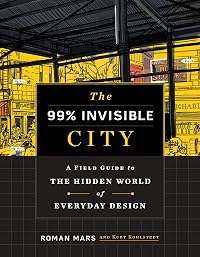
The 99% Invisible City: A Field Guide to the Hidden World of Everyday Design
by Roman Mars, Kurt Kohlstedt
On This Page
Description
"A beautifully designed guidebook to the unnoticed yet essential elements of our cities, from the creators of the wildly popular 99% Invisible podcast"--Tags
Recommendations


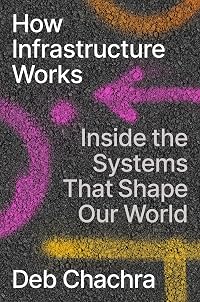
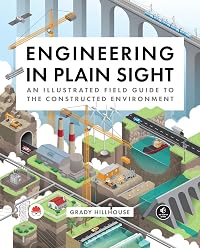
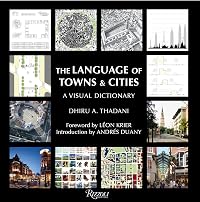
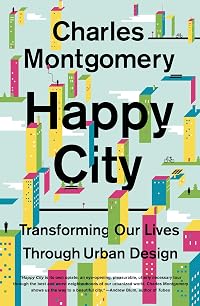







Member Recommendations
grizzly.anderson Munroe takes apart complex parts of the world and helps us understand them simply. Mars & Kohlstedt highlight all the hidden parts of the world around us and give them context.
20
grizzly.anderson What Bryson does for the home, taking it one room at a time and looking at how we got where we are, Mars & Kohlstedt do for cities and infrastructure.
Member Reviews
I've been a longtime listener of the 99% Invisible podcast, which explores odd and sometimes surprising stories about the human-built world around us and how it got that way. So, of course, I had to pick up this book, and I'm pleased to report that it did not disappoint! It's full of bite-sized tidbits about all kinds of weird, quirky, important, and overlooked stuff to be found in and around cities and roads. False building facades concealing ventilation shafts, skyscrapers with extra-high towers at the top just so they could claim to be the world's tallest building for a brief moment, coded signs in Hollywood that point to movie shooting locations, brick thieves in St. Louis, spikes on sidewalks to keep homeless people away, parking show more spaces repurposed into mini-parks... And on and on and on.
The whole thing is engaging and fun to read, whether you want to dip in and out or read it straight through, and whether you actually live in a city or not. And the book itself is a nice, solid, rather attractive physical object. With the holiday season coming up, it occurs to me that it might make a really nice gift for the sort of person who likes non-fiction books that make you want to go around saying, "Hey, did you know...?" to people.
Admittedly, a fair amount of it was already familiar to me from the podcast -- more than I was expecting, to be honest -- but I found I didn't particularly mind. It's still interesting the second time, and they're never just transcribing stories verbatim from the podcast. Plus, there's plenty that was new to me, too.
My only dissatisfaction with it is that I really wish it had photographs. There are lots of black-and-white line drawings, which have a certain charm, and which do help to illustrate some of the things that need illustrating, but it was occasionally frustrating not to be able to just see real examples of the things the book was describing. show less
The whole thing is engaging and fun to read, whether you want to dip in and out or read it straight through, and whether you actually live in a city or not. And the book itself is a nice, solid, rather attractive physical object. With the holiday season coming up, it occurs to me that it might make a really nice gift for the sort of person who likes non-fiction books that make you want to go around saying, "Hey, did you know...?" to people.
Admittedly, a fair amount of it was already familiar to me from the podcast -- more than I was expecting, to be honest -- but I found I didn't particularly mind. It's still interesting the second time, and they're never just transcribing stories verbatim from the podcast. Plus, there's plenty that was new to me, too.
My only dissatisfaction with it is that I really wish it had photographs. There are lots of black-and-white line drawings, which have a certain charm, and which do help to illustrate some of the things that need illustrating, but it was occasionally frustrating not to be able to just see real examples of the things the book was describing. show less
This is a book that celebrates nerdiness - inherently, in its entire premise, literally, in it's dedication, and in spirit throughout the entire book. The authors are themselves nerds for their subject. Their enthusiasm and the joy they get from learning and sharing comes through in every essay, which in turn makes each essay a joy to read.
While I did find some essays more interesting than others - something that I suspect will be true for anyone who reads this book - every essay in the book was interesting to at least some degree.
I would call this book interesting, but not engrossing. The way that the book is organized both allows for and encourages skipping around from topic to topic by interest, which, given the focus on design show more throughout the book, is certainly no accident. This book would make a useful reference volume to have on the shelf, as well, and its size and design also reflect that.
The prose style was concise, casual, often humorous, and easy to follow. The format and structure of the book made it easy to read during small chunks of time, one essay at a time. Engineering and architectural terms were used throughout but always defined right after, and the same was true for any other technical terminology.
All in all, The 99% Invisible City is a fun and interesting reference book and a great place to start if you want to do more reading on urbanism, city engineering and design, or architecture, and I would recommend it not only to anyone interested in any of these topics, but also to anyone who is at least not not-interested in them. I think you'll be surprised how interesting a lot of it turns out to be. show less
While I did find some essays more interesting than others - something that I suspect will be true for anyone who reads this book - every essay in the book was interesting to at least some degree.
I would call this book interesting, but not engrossing. The way that the book is organized both allows for and encourages skipping around from topic to topic by interest, which, given the focus on design show more throughout the book, is certainly no accident. This book would make a useful reference volume to have on the shelf, as well, and its size and design also reflect that.
The prose style was concise, casual, often humorous, and easy to follow. The format and structure of the book made it easy to read during small chunks of time, one essay at a time. Engineering and architectural terms were used throughout but always defined right after, and the same was true for any other technical terminology.
All in all, The 99% Invisible City is a fun and interesting reference book and a great place to start if you want to do more reading on urbanism, city engineering and design, or architecture, and I would recommend it not only to anyone interested in any of these topics, but also to anyone who is at least not not-interested in them. I think you'll be surprised how interesting a lot of it turns out to be. show less
I found this book to be fascinating! So many little tidbits to be discovered. From subjects as different as the meanings of those little colored paint markings you find on your road, to big things like decisions in historic preservation. It just amazed me as to how my eyes have been opened to so many things in the city that I never knew, or even thought about.
And it's the type of book that you can read a page or two at your leisure, set the book down, and come back a week later and read a couple more pages. Told in easy to understand language, laced with cute line drawings, and highly educational.
A great book to increase all of our situational awareness of our surroundings.
And it's the type of book that you can read a page or two at your leisure, set the book down, and come back a week later and read a couple more pages. Told in easy to understand language, laced with cute line drawings, and highly educational.
A great book to increase all of our situational awareness of our surroundings.
99% Invisible is one of my absolute favorite podcasts series. It focuses on "the unnoticed architecture and design that shape our world," which sounds like a highly specific thing but actually leads to a wide diversity of fascinating topics. This book is a hand "field guide" to the little secrets of design you find in cities around the world. It includes many of the stories previously covered in podcast episodes as well as a lot of new material. You can read it straight through like I did, hop around the book at your leisure, or even just refer to it as a reference book.
Oddly fascinating topics you can learn about include:
All of this and more in this fascinating volume! show less
Oddly fascinating topics you can learn about include:
- decoding the spray paint markings on pavement made by utility companies
- electrical substations disguised as ordinary
- houses
- seemingly useless architecture that is nevertheless maintained, known as "Thomassons"
- municipal flag design
- the Olympic history of those inflatable figures that dance outside of car washes
- the mysteries of rotaries/traffic circles
- boxes on the exterior of many buildings with emergency information for first responders
- an island named for Busta Rhymes
- synanthropes, or the animals who live among us (squirrels, fish, pigeons, racoons, etc.)
- hostile design the specifically targets "undesirable" people
- the story of a Buddha statue placed in an intersection to prevent littering that became a local shrine
All of this and more in this fascinating volume! show less
This book looks at the design of aspects of cities that most people likely never think much about: manhole covers, traffic lights, signage, public drinking fountains, and more. The various essays often focus on specific intriguing examples from cities around the world (although heavily featuring San Francisco and Los Angeles, likely due to Roman Mars' location).
I came across this book while looking for accessible works on cities, architecture, infrastructure, and design. It was steeply discounted, so I figured "why not?" I didn't learn until later that it was based on a podcast, although I've now marked that down as something I need to listen to sometime.
The essay format of this made it easy to read a bit at a time, making it perfect show more for my evening reading routine. Overall, this was fascinating and enjoyable. If there was one thing I could change, it would be the illustrations. There were times when actual photographs would have been more helpful. At the very least some of the illustrations could have more clearly featured whatever it was the essays were focusing on - sometimes I couldn't tell what part I was supposed to be looking at.
(Original review posted on A Library Girl's Familiar Diversions.) show less
I came across this book while looking for accessible works on cities, architecture, infrastructure, and design. It was steeply discounted, so I figured "why not?" I didn't learn until later that it was based on a podcast, although I've now marked that down as something I need to listen to sometime.
The essay format of this made it easy to read a bit at a time, making it perfect show more for my evening reading routine. Overall, this was fascinating and enjoyable. If there was one thing I could change, it would be the illustrations. There were times when actual photographs would have been more helpful. At the very least some of the illustrations could have more clearly featured whatever it was the essays were focusing on - sometimes I couldn't tell what part I was supposed to be looking at.
(Original review posted on A Library Girl's Familiar Diversions.) show less
I originally started by describing The 99% Invisible City in the context of the 99% Invisible podcast. But if you already know the podcast you already know if you want this book. For everyone else Roman Mars and Kurt Kohlstedt provide a field guide to all of the interesting bits you probably never notice, or at least don't think on much, about cites, how they work and how they got that way. It's not just a rehashing of the podcast (although fans will recognize some of the stories). Nor is it stuff you're just going to find on google or wikipedia because, well, you can find that on google and wikipedia. (Although I'm sure people are busily adding all the interesting bits from the book to wikipedia already). You can find out about stop show more signs, but not "why are they red?" because that is kind of boring, but how did they come to be standardized and why someone once thought that we would be able to derive instant meaning from the number of sides on a sign. Or about that one traffic light that has green at the top, and the park next to it to commemorate how it got that way.
The book is organized into 6 chapters, and each of those into 3-6 sub-chapters that contain a handful of vignettes each. There is absolutely no need to read them in order. This is the perfect book for
* someone who enjoys not just random facts, but the human stories that go with those facts
* someone who is interested in opening their eyes to all the little things all around us in the city
* someone who likes to puzzle out how any why things are the way they are, and loves the surprise of finding out that an everyday thing is an elegant and subtle way to solve a problem
* anyone who always reads the plaque.
And as you might expect from a book by a couple of design nerds, the book itself is an exercise in meticulous design.It looks and feels like one of those Intro to Blah college textbooks, except one you'll want to read. The illustrations are generally photographs that have been re-rendered as drawings to highlight the important, relevant, or interesting bits. show less
The book is organized into 6 chapters, and each of those into 3-6 sub-chapters that contain a handful of vignettes each. There is absolutely no need to read them in order. This is the perfect book for
* someone who enjoys not just random facts, but the human stories that go with those facts
* someone who is interested in opening their eyes to all the little things all around us in the city
* someone who likes to puzzle out how any why things are the way they are, and loves the surprise of finding out that an everyday thing is an elegant and subtle way to solve a problem
* anyone who always reads the plaque.
And as you might expect from a book by a couple of design nerds, the book itself is an exercise in meticulous design.It looks and feels like one of those Intro to Blah college textbooks, except one you'll want to read. The illustrations are generally photographs that have been re-rendered as drawings to highlight the important, relevant, or interesting bits. show less
The chapters are comprised of text & picture versions of the original on-line video podcasts, with additional material.
They give a fascinating view of the mundane details of cities and buildings.
I thought the earlier chapters were the best, in terms of interest and narrative.
The later chapters were more theoretical than actual, and began to stray into the author's ideological positions.
They give a fascinating view of the mundane details of cities and buildings.
I thought the earlier chapters were the best, in terms of interest and narrative.
The later chapters were more theoretical than actual, and began to stray into the author's ideological positions.
Members
- Recently Added By
Lists

Top Five Books of 2022
736 works; 272 members

Books Read in 2022
5,226 works; 115 members

Favorite Books from the 2020s
32 works; 4 members
Author Information

1 Work 1,242 Members
2 Works 1,240 Members
Common Knowledge
- Original publication date
- 2020
- Dedication
- For all you plaque readers and curious urbanists
- Original language
- English US
Classifications
Statistics
- Members
- 1,242
- Popularity
- 19,898
- Reviews
- 25
- Rating
- (3.87)
- Languages
- English, Spanish
- Media
- Paper, Audiobook, Ebook
- ISBNs
- 12
- ASINs
- 6
