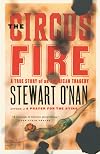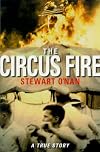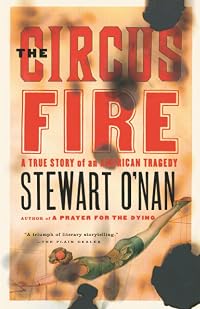
The Circus Fire: A True Story of an American Tragedy
by Stewart O'Nan
On This Page
Description
Chronicles the disastrous Hartford circus fire of 1944, a tragedy that claimed 167 lives and changed the history of the city.Tags
Recommendations


Member Reviews
Back in 2006 I read an excellent account of the 1918 Influenza pandemic by John Barry entitled The Great Influenza: The story of the deadliest pandemic in history. This was a well-written account not only of the pandemic but also the rise of the medical establishment and the aftermath of the event. My sister had recommended this and recently she recommended another very good disaster book: The Circus Fire: A True Story of an American Tragedy by Stewart O'Nan. It is an account of the great Hartford circus fire of 1944. This event was unknown to me but was nevertheless a great tragedy as 167 people died in the fire, including many children. O'Nan's account is very well-written as he brings the disaster alive with hour-by-hour retelling of show more the worst American circus disaster and its aftermath, seen with a restless, unflinching eye for the details—touching, ironic, and depraved. His narrative never lags despite the attention to detail. The psychological insight and focus on particular families makes this an exceptionally good read.
“The fire was the size of a baseball, a football, a basketball, a dishpan, a briefcase, a small window, half a tablecloth. . . . One thing people agreed on was that it was small.” How the blaze started on July 6, 1944, in Hartford, Connecticut, remains unknown. At least 167 people died, and several thousand were injured. The resulting bad publicity (and nearly $5 million in civil judgments) not only pushed Ringling Brothers Barnum & Bailey’s into receivership, it eventually forced the Greatest Show on Earth to discard its sideshow and abandon the outdoor “big top” for the gloomy (but fireproof) confines of concrete sports arenas. Novelist O’Nan portrays the event is a small-town tragedy that grew quickly into a national scandal: the show business equivalent of the sinking of the Titanic, inspiring works of fact and fiction and setting off a nationwide hunt for a crazed arsonist, 25 years of courtroom battles, thousands of dollars in donated funds for survivors, and mountains of sensationalist journalism. He finds epic pathos in the heroics of common individuals and circus performers (clown Emmet Kelly and the Flying Wallendas among them), the bellowing of doomed animals, the panic of the mob, the shameless buck-passing of local officials, and the disgraceful efforts of circus staff to avoid responsibility.
O’Nan alleviates his gripping, tragic story with brief pieces on circus history and its better-known personalities and performers, as well as interviews with numerous survivors whose lives the fire changed. show less
“The fire was the size of a baseball, a football, a basketball, a dishpan, a briefcase, a small window, half a tablecloth. . . . One thing people agreed on was that it was small.” How the blaze started on July 6, 1944, in Hartford, Connecticut, remains unknown. At least 167 people died, and several thousand were injured. The resulting bad publicity (and nearly $5 million in civil judgments) not only pushed Ringling Brothers Barnum & Bailey’s into receivership, it eventually forced the Greatest Show on Earth to discard its sideshow and abandon the outdoor “big top” for the gloomy (but fireproof) confines of concrete sports arenas. Novelist O’Nan portrays the event is a small-town tragedy that grew quickly into a national scandal: the show business equivalent of the sinking of the Titanic, inspiring works of fact and fiction and setting off a nationwide hunt for a crazed arsonist, 25 years of courtroom battles, thousands of dollars in donated funds for survivors, and mountains of sensationalist journalism. He finds epic pathos in the heroics of common individuals and circus performers (clown Emmet Kelly and the Flying Wallendas among them), the bellowing of doomed animals, the panic of the mob, the shameless buck-passing of local officials, and the disgraceful efforts of circus staff to avoid responsibility.
O’Nan alleviates his gripping, tragic story with brief pieces on circus history and its better-known personalities and performers, as well as interviews with numerous survivors whose lives the fire changed. show less
At first, the fire was small. The flames burned a hole the size of a silver dollar in the canvas wall of the big-top tent. Very few of the 8,700 people inside saw the smoke and flames. They were too busy watching the lion act and the Wallenda family’s high-wire act—all part of the Ringling Brothers Barnum and Bailey Circus. Those who did the see the fire at its origin shrugged and thought, “Somebody will be along soon to put it out.âÂ?
But nobody doused the flames that afternoon.
What happened during the next few disastrous minutes on July 6, 1944 in Hartford, Connecticut changed history. Those of you who pick up and read The Circus Fire by Stewart OâÂÂNan will be witnesses to that history and, try as you might, show more youâÂÂll never be able to erase it from your mind.
Reading this minute-by-minute, detailed account of the Hartford Circus Fire is the closest youâÂÂll ever come to experiencing the heart-shriveling terror and confusion of the event. OâÂÂNan brings the disaster to life so vividly youâÂÂll swear the pages smell like smoke.
The fire, a sad landmark in American disaster history, killed 167 and injured thousandsâÂÂmost of them trampled as panic-stricken circus-goers clogged the narrow exits while trying to escape the burning and collapsing tent. There were heroes (Bill Curlee who stood on top of a lion cage and pulled dozens of children to safety), there were villains (a sailor who broke a womanâÂÂs jaw to keep her from escaping before him) and there were tragic victims (relatives who went back inside in search of loved ones whoâÂÂd already made it to safety). The stories are manifold and they are heartbreaking, all of them brought to us under the watchful gaze of OâÂÂNan, a novelist and short story writer (Everyday People, Snow Angels).
OâÂÂNan says he never intended to write the book. Soon after moving to Hartford, the novelist went in search of an account of the cityâÂÂs âÂÂemotional touchstone.âÂ? He came up empty-handed. âÂÂSo many people had died, I couldnâÂÂt believe no one had commemorated the event,âÂ? he writes in the bookâÂÂs foreword. He started doing research, thinking heâÂÂd turn his notes over to another writer, one who specialized in non-fiction. Instead, the stories wormed their way into his heart. âÂÂI started asking people around town what they knew about it. Everyone had a friend or neighbor who had been there that day, a grandmother or a cousin. Everyone had a story.âÂ?
OâÂÂNan carefully compiled the stories, winnowed down the thousands of witnesses to a manageable two dozen or so, then he stepped back and let the tale tell itself. With only a few exceptions (âÂÂIt was snowing fire,âÂ? is one), OâÂÂNan resists literary flourishes. Ignoring the fiction-reflex, he presents the story in an exact, clear-eyed styleâÂÂitâÂÂs as if we were watching a documentary on the History Channel. It is the smartest move he could ever make. There are times when real life needs to be fluffed-up and tintedâÂÂthis is not one of those times. The facts of the fire and the testimonies of the survivors and investigators are strong enough to break the stoniest of hearts.
I read through The Circus Fire at breakneck speed and came away shaken and haunted through and through.
Suspense builds as we watch the ill-fated, war-weary crowd gather for the matinee on that stifling hot afternoon. WeâÂÂre taken inside the huge tent, we sit down next to several families as they watch the lion-tamerâÂÂs act and then the acrobatic thrills of the Great Wallendas. We groan at the irony of a vendor moving through the aisles, hawking paper fans and calling, âÂÂItâÂÂs going to get hotter and hotter.âÂ? The band blares, the cats roar, the sawdust swirls.
And then it starts. To this day, no one knows exactly what caused the fire (though OâÂÂNan follows every investigative lead). The why and how doesnâÂÂt matter to those 8,700 people; theyâÂÂre only concerned with the what of the moment. OâÂÂNan really jolted me with these four sentences:
The flames leapt up the roof, and now everybody could see the fire. No one was going to put this out. The crowd gasped and then let loose a roar. The grandstands stood, and the chairs went over with a deafening clatter, Coke bottles rolling down the risers.
OâÂÂNanâÂÂs description of the fire and panicking crowd-crush goes on for nearly 50 pages. ItâÂÂs like watching a slow-motion horror film and reading it is an emotionally-draining experience.
The Circus Fire is liberally sprinkled with photographsâÂÂsome of them, incredibly, taken just before and just after the fire started. The pictures of terrified survivors running from the still-burning tent are as haunting as OâÂÂNanâÂÂs text.
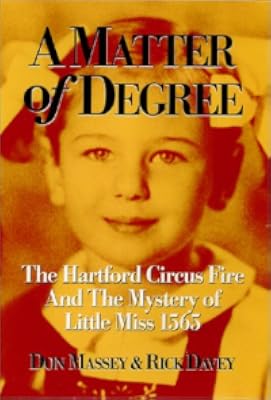
What struck me the most about The Circus Fire was the unselfish, heroic display of human spirit during and after the fire. In the confusing aftermath, strangers took children under their wing and helped them reunite with parents (those who survived the flames, at any rate). Residents of neighboring homes opened their doors, served lemonade, treated burns and let survivors use the telephone to call families (of course, there were an opportunistic few who charged five dollars a call). Emergency workers quickly deployed to set up a makeshift morgue in the armory, lining up the charred bodies on cots and leading relatives through the gruesome task of identification (to this day, several bodies remain unidentified, buried in anonymous gravesâÂÂmost famously, the blonde-haired Little Miss 1565 whose cherubic face struck an emotional chord in America). In the midst of the awful event, it was comforting to be reminded that mankind does sometimes rise to the occasion.
The circus owners, however, come away smelling like elephant dung. Starting with RickettâÂÂs Equestrian Circus in 1799, circuses in America had been prone to fires, train wrecks and other unnatural disasters. By the time Ringling Brothers Barnum and Bailey Circus reached Hartford on July 5, 1944, theyâÂÂd had their share of troubles that year: political in-fighting between the owners, labor problems and schedule delays. Surely the least of their worries was the common practice of weatherproofing the big top by coating it with 6,000 gallons of gasoline and 18,000 pounds of paraffin. It was a proven method for keeping out the rain, they later told the court. As with the bookâÂÂs other events, OâÂÂNan tells the Ringling story with the emotional balance of a court reporter.
It is, however, one transcript youâÂÂll never ever forget. show less
But nobody doused the flames that afternoon.
What happened during the next few disastrous minutes on July 6, 1944 in Hartford, Connecticut changed history. Those of you who pick up and read The Circus Fire by Stewart OâÂÂNan will be witnesses to that history and, try as you might, show more youâÂÂll never be able to erase it from your mind.
Reading this minute-by-minute, detailed account of the Hartford Circus Fire is the closest youâÂÂll ever come to experiencing the heart-shriveling terror and confusion of the event. OâÂÂNan brings the disaster to life so vividly youâÂÂll swear the pages smell like smoke.
The fire, a sad landmark in American disaster history, killed 167 and injured thousandsâÂÂmost of them trampled as panic-stricken circus-goers clogged the narrow exits while trying to escape the burning and collapsing tent. There were heroes (Bill Curlee who stood on top of a lion cage and pulled dozens of children to safety), there were villains (a sailor who broke a womanâÂÂs jaw to keep her from escaping before him) and there were tragic victims (relatives who went back inside in search of loved ones whoâÂÂd already made it to safety). The stories are manifold and they are heartbreaking, all of them brought to us under the watchful gaze of OâÂÂNan, a novelist and short story writer (Everyday People, Snow Angels).
OâÂÂNan says he never intended to write the book. Soon after moving to Hartford, the novelist went in search of an account of the cityâÂÂs âÂÂemotional touchstone.âÂ? He came up empty-handed. âÂÂSo many people had died, I couldnâÂÂt believe no one had commemorated the event,âÂ? he writes in the bookâÂÂs foreword. He started doing research, thinking heâÂÂd turn his notes over to another writer, one who specialized in non-fiction. Instead, the stories wormed their way into his heart. âÂÂI started asking people around town what they knew about it. Everyone had a friend or neighbor who had been there that day, a grandmother or a cousin. Everyone had a story.âÂ?
OâÂÂNan carefully compiled the stories, winnowed down the thousands of witnesses to a manageable two dozen or so, then he stepped back and let the tale tell itself. With only a few exceptions (âÂÂIt was snowing fire,âÂ? is one), OâÂÂNan resists literary flourishes. Ignoring the fiction-reflex, he presents the story in an exact, clear-eyed styleâÂÂitâÂÂs as if we were watching a documentary on the History Channel. It is the smartest move he could ever make. There are times when real life needs to be fluffed-up and tintedâÂÂthis is not one of those times. The facts of the fire and the testimonies of the survivors and investigators are strong enough to break the stoniest of hearts.
I read through The Circus Fire at breakneck speed and came away shaken and haunted through and through.
Suspense builds as we watch the ill-fated, war-weary crowd gather for the matinee on that stifling hot afternoon. WeâÂÂre taken inside the huge tent, we sit down next to several families as they watch the lion-tamerâÂÂs act and then the acrobatic thrills of the Great Wallendas. We groan at the irony of a vendor moving through the aisles, hawking paper fans and calling, âÂÂItâÂÂs going to get hotter and hotter.âÂ? The band blares, the cats roar, the sawdust swirls.
And then it starts. To this day, no one knows exactly what caused the fire (though OâÂÂNan follows every investigative lead). The why and how doesnâÂÂt matter to those 8,700 people; theyâÂÂre only concerned with the what of the moment. OâÂÂNan really jolted me with these four sentences:
The flames leapt up the roof, and now everybody could see the fire. No one was going to put this out. The crowd gasped and then let loose a roar. The grandstands stood, and the chairs went over with a deafening clatter, Coke bottles rolling down the risers.
OâÂÂNanâÂÂs description of the fire and panicking crowd-crush goes on for nearly 50 pages. ItâÂÂs like watching a slow-motion horror film and reading it is an emotionally-draining experience.
The Circus Fire is liberally sprinkled with photographsâÂÂsome of them, incredibly, taken just before and just after the fire started. The pictures of terrified survivors running from the still-burning tent are as haunting as OâÂÂNanâÂÂs text.
What struck me the most about The Circus Fire was the unselfish, heroic display of human spirit during and after the fire. In the confusing aftermath, strangers took children under their wing and helped them reunite with parents (those who survived the flames, at any rate). Residents of neighboring homes opened their doors, served lemonade, treated burns and let survivors use the telephone to call families (of course, there were an opportunistic few who charged five dollars a call). Emergency workers quickly deployed to set up a makeshift morgue in the armory, lining up the charred bodies on cots and leading relatives through the gruesome task of identification (to this day, several bodies remain unidentified, buried in anonymous gravesâÂÂmost famously, the blonde-haired Little Miss 1565 whose cherubic face struck an emotional chord in America). In the midst of the awful event, it was comforting to be reminded that mankind does sometimes rise to the occasion.
The circus owners, however, come away smelling like elephant dung. Starting with RickettâÂÂs Equestrian Circus in 1799, circuses in America had been prone to fires, train wrecks and other unnatural disasters. By the time Ringling Brothers Barnum and Bailey Circus reached Hartford on July 5, 1944, theyâÂÂd had their share of troubles that year: political in-fighting between the owners, labor problems and schedule delays. Surely the least of their worries was the common practice of weatherproofing the big top by coating it with 6,000 gallons of gasoline and 18,000 pounds of paraffin. It was a proven method for keeping out the rain, they later told the court. As with the bookâÂÂs other events, OâÂÂNan tells the Ringling story with the emotional balance of a court reporter.
It is, however, one transcript youâÂÂll never ever forget. show less
I was born and raised in Connecticut (and a big chunk of that happened to be in Hartford), but I didn't hear about the Hartford Circus Fire until about three years ago when I went to the Manchester Public Library for the first time and saw about 50 copies all around the library (In fact, there are 145 copies in that one branch alone). I was intrigued about what had happened, yet I didn't check out the book. Instead, I went to wikipedia (I know, I know...) to get a broad overview about what happened. That satisfied me at the time. Well, the Ringling Bros. circus showed up in Hartford a few months ago and that brought all my intrigue on the fire back, and now here we are.
The Circus Fire is a heartbreaking book. It's heartbreaking that show more 167 people died and it's even more heartbreaking that a bit chunk of the deceased were children. Then, you have the fact that most of the people who died didn't die of smoke inhalation. Some of them were trampled to death, but most of them were burned to death. However, I think the most heartbreaking thing is that these deaths could have been prevented. This wasn't the first circus fire that the Ringling Bros. had experienced and other circuses were using some chemical to fireproof the big tops. Yet, the Ringling Bros. circus didn't do this citing that they couldn't get the materials because they didn't have military priority (which Stewart O'Nan just proves is crap). It's enough to make anyone angry.
The most intriguing part of The Circus Fire were the mysteries that surrounded it. The cause of the circus fire, the true identity of Little Miss 1565, the identities of the other five victims who were never identified, these mysteries were never solved. O'Nan writes this story with chilling detail and painstaking honesty. It's hard to read about those people who pushed others out of the way so they could get to the exits first, but it is uplifting to hear about those who risked their lives to try to save the others who were still trapped inside.
The Circus Fire is a heartbreaking book, but I commend Mr. O'Nan for knowing that it was a story that needed to be told without trying to exploit the survivors and their grief (the way another Circus Fire book did). This story is saddening, but not without hope. He brings the events that happened to life for those who weren't there to see or feel the effects of the fire. I urge everyone to pick up a copy of this great book. show less
The Circus Fire is a heartbreaking book. It's heartbreaking that show more 167 people died and it's even more heartbreaking that a bit chunk of the deceased were children. Then, you have the fact that most of the people who died didn't die of smoke inhalation. Some of them were trampled to death, but most of them were burned to death. However, I think the most heartbreaking thing is that these deaths could have been prevented. This wasn't the first circus fire that the Ringling Bros. had experienced and other circuses were using some chemical to fireproof the big tops. Yet, the Ringling Bros. circus didn't do this citing that they couldn't get the materials because they didn't have military priority (which Stewart O'Nan just proves is crap). It's enough to make anyone angry.
The most intriguing part of The Circus Fire were the mysteries that surrounded it. The cause of the circus fire, the true identity of Little Miss 1565, the identities of the other five victims who were never identified, these mysteries were never solved. O'Nan writes this story with chilling detail and painstaking honesty. It's hard to read about those people who pushed others out of the way so they could get to the exits first, but it is uplifting to hear about those who risked their lives to try to save the others who were still trapped inside.
The Circus Fire is a heartbreaking book, but I commend Mr. O'Nan for knowing that it was a story that needed to be told without trying to exploit the survivors and their grief (the way another Circus Fire book did). This story is saddening, but not without hope. He brings the events that happened to life for those who weren't there to see or feel the effects of the fire. I urge everyone to pick up a copy of this great book. show less
July 6, 1944. Hartford, Connecticut. The circus is in town and almost 10,000 people fill the stands in the main "big top" tent. As the tent catches fire, people scramble to get out - some are trampled, lots are separated from family and friends, some don't make it. 167 people, including 67 kids, died in that fire. O'Nan's book describes a bit of circus history before the fire, describes the fire and people's recollections of it, and looks at the aftermath. Some of the aftermath is trying to find out what (or who?) started the fire, and some of the aftermath is focused on people recovering and trying to solve the mystery of a few unidentified people who died that day. O'Nan also included some photographs in his book.
Very interesting show more book. I don't know why I'm so interested in disasters like this, but I find them fascinating to read about. I especially found the mystery of the unidentified little girl - Little Miss 1565 - intriguing. show less
Very interesting show more book. I don't know why I'm so interested in disasters like this, but I find them fascinating to read about. I especially found the mystery of the unidentified little girl - Little Miss 1565 - intriguing. show less
Yep. It's a hard book to read as any true story of tragic loss of life. Especially one that involves the loss of so many kids and families. As with any large-scale tragedy, both the best and worst of human behavior is on display.
That said, I thought it was fascinating. It's a bit of American history that I'd not heard before and wouldn't have otherwise known anything about.
It's gruesome, searing and painful for sure, but I think stories like this should be told and read. Uncomfortable and as awful as it may be, it is part of our history. Shame on display us if we choose not to tell it.
That said, I thought it was fascinating. It's a bit of American history that I'd not heard before and wouldn't have otherwise known anything about.
It's gruesome, searing and painful for sure, but I think stories like this should be told and read. Uncomfortable and as awful as it may be, it is part of our history. Shame on display us if we choose not to tell it.
On the afternoon of July 6, 1944, a fire broke out during a performance of the Ringling Brothers Barnum and Bailey Circus in Hartford, Connecticut. The circus tent had been waterproofed with gasoline and paraffin and the fire spread quickly with 167 people (mostly women and children) ultimately dying and many others horribly burned. "The Circus fire" details the events leading up to the fire (although the worst, this was not the first fire to hit the circus), the fire itself and the ensuing panic, and the aftermath of the fire, up until 1999. There are accounts from victims of the fire, the firefighters, circus performers, and neighbors that helped out, as well as many pictures that show the horrible results of the fire. The book show more follows several survivors through their recovery and how they are doing years after the fire.
"The Circus Fire" is a well-written and well-researched book. Stewart O'Nan is a gifted writer and his description of the fire and the frantic attempts of the circusgoers to escape are written so that the reader can picture what is happening as they read the book. In fact, he described it so well that I had to put the book aside at times because I was having nightmares about the fire. His description of the confusion after the fire as parents searched frantically for their missing children and how neighbors and strangers pitched in to help is equally moving (and unsettling at times as some neighbors actually charged a fee for the victims to use their phones). He mentions Little Miss 1565 who died in the fire and was never identified despite the fact that her face was barely burnt (O'Nan successfully debunks the theory that Little Miss 1565 was Eleanor Cook). Her story will haunt the reader as will the story of Raymond Erickson who was taken to a hospital and whose clothes were found there but his body was never located. Also moving is the story of how the survivors dealt with the aftermath of the fire; many had nightmares years after the fire.
The only problem I had with the book is that it switched from person to person and it was often hard to keep track of who was who, especially when there were long gaps between their story. I wish there had been a list of victims at the back of the book or at least a list of the fate of the people specifically mentioned in the book.
"The Circus Fire" is a moving account of a real life tragedy. show less
"The Circus Fire" is a well-written and well-researched book. Stewart O'Nan is a gifted writer and his description of the fire and the frantic attempts of the circusgoers to escape are written so that the reader can picture what is happening as they read the book. In fact, he described it so well that I had to put the book aside at times because I was having nightmares about the fire. His description of the confusion after the fire as parents searched frantically for their missing children and how neighbors and strangers pitched in to help is equally moving (and unsettling at times as some neighbors actually charged a fee for the victims to use their phones). He mentions Little Miss 1565 who died in the fire and was never identified despite the fact that her face was barely burnt (O'Nan successfully debunks the theory that Little Miss 1565 was Eleanor Cook). Her story will haunt the reader as will the story of Raymond Erickson who was taken to a hospital and whose clothes were found there but his body was never located. Also moving is the story of how the survivors dealt with the aftermath of the fire; many had nightmares years after the fire.
The only problem I had with the book is that it switched from person to person and it was often hard to keep track of who was who, especially when there were long gaps between their story. I wish there had been a list of victims at the back of the book or at least a list of the fate of the people specifically mentioned in the book.
"The Circus Fire" is a moving account of a real life tragedy. show less
On a hot July 6th afternoon in 1944 eager citizens of Hartford, Connecticut, gathered under the big top of the Ringling Brothers Barnum & Bailey circus tent. The audience of nearly 9,000 was made up of mostly women and children as it was a weekday and many men were at work. Just as two wild animal acts were finishing their performances the dreaded cry of "Fire" was heard and within minutes the circus tent was fully engulfed in flames. The common practice in those days was to waterproof the canvas tent roof with a mixture of parrafin and gasoline which only added to the rapid spread of the deadly flames. The panic striken crowd rushed toward exits that were difficult to see through the thick smoke and the melting parrifin soaked pieces show more of canvas falling from the sky. Many people were crushed under the stampeding crowd while others were burned beyond recognition in the fire. In total 167 people died and over 400 needed hospitalization. After a sorrowful week of survivors claiming their loved one's bodies, most only recognizable by personal effects or dental records, six remained unidentified most surprisingly a young girl whose face was unmarked but would be buried as Little Miss 1565.
O'Nan painstakingly details the fire and its aftermath the last third of the book focusing on legal battles between the circus, the city of Hartford, and the survivors and families of the deceased. Although the circus executives stated that they were unable to obtain fireproofing material for their tents as it was war time and the Army would not release the solutions to commercial enterprises, several of the circus top men were sentenced to prison for negligence and involuntary manslaughter. The cause of the fire was never definitively determined although rumors of arson by disgruntled ex-empolyees or a serial arsonist were investigated. This is an obviously well-researched book and it was very good, if very heartrending. show less
O'Nan painstakingly details the fire and its aftermath the last third of the book focusing on legal battles between the circus, the city of Hartford, and the survivors and families of the deceased. Although the circus executives stated that they were unable to obtain fireproofing material for their tents as it was war time and the Army would not release the solutions to commercial enterprises, several of the circus top men were sentenced to prison for negligence and involuntary manslaughter. The cause of the fire was never definitively determined although rumors of arson by disgruntled ex-empolyees or a serial arsonist were investigated. This is an obviously well-researched book and it was very good, if very heartrending. show less
Members
- Recently Added By
Lists

Disaster Books
74 works; 19 members

Best History Books about Disasters
33 works; 19 members

Accidents, Disasters, and Tragedies
175 works; 7 members

History can be Interesting (or Horrifying or Fun...)
14 works; 2 members

Non-Fiction Worth Reading
1,025 works; 264 members

One Book, Many Authors
441 works; 40 members

Five star books
1,767 works; 110 members

Page Turners
185 works; 11 members

Books Read in 2008
336 works; 8 members

Deena's Favorites--How Many have you read?
102 works; 3 members
Fires
9 works; 1 member
Author Information

39+ Works 10,620 Members
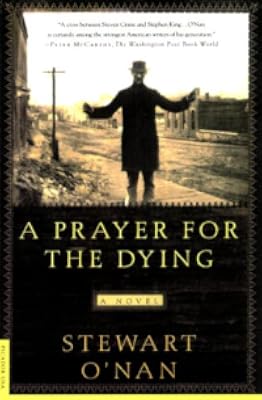
Stewart O'Nan was born in Pittsburgh, Pennsylvania on February 4, 1961. He received a B. S. from Boston University in 1983 and received a M. F. A. in fiction from Cornell University in 1992. Before becoming a writer, he worked as a test engineer for Grumman Aerospace from 1984 to 1988. He has written several novels including The Speed Queen, A show more Prayer for the Dying, Last Night at the Lobster, The Circus Fire, and Faithful: Two Diehard Boston Red Sox Fans Chronicle the Historic 2004 Season. In the Walled City won the 1993 Due Heinz Literature Prize; Snow Angels won the 1993 Pirates Alley William Faulkner Prize; and The Names of the Dead won the 1996 Oklahoma Book Award. Snow Angels was made into a feature film in 2007. In 1996, he was listed as one of Granta's best young American novelists. (Bowker Author Biography) show less
Some Editions
Common Knowledge
- Alternate titles
- Burn, Clown, Burn (author's original title, vetoed by publisher) (author's original title, vetoed by publisher)
- Original publication date
- 2000 (copyright) (copyright)
- People/Characters
- P. T. Barnum; Emmett Kelly; Karl Wallenda
- Important places
- USA; Connecticut, USA; Hartford, Connecticut, USA
- Important events
- Hartford circus fire (1944-07-06)
- Epigraph
- A carnival should be all growls, roars like timberlands stacked, bundled, rolled and crashed, great explosions of lion dust, men ablaze with working anger, pop bottles jangling, horse buckles shivering, engines and elephants ... (show all)in full stampede through rains of sweat while zebras neighed and trembled like cage trapped in cage.
But this was like old movies, the silent theater haunted with black-and-white ghosts, silvery mouths opening to let moonlight smoke out, gestures made in silence so hushed you could hear the wind fizz the hair on your cheeks.
More shadows rustled from the train, passing the animal cages where darkness prowled with unlit eyes and the calliope stood mute save for the faintest idiot tune the breeze piped wandering up the flues.
The ringmaster stood in the middle of the land. The balloon like a vast moldy green cheese stood fixed to the sky. Then - darkness came.
--Ray Bradbury, Something Wicked This Way Comes - Dedication
- This book is for everyone who went to the circus that day --
those who came home
and those who stayed. - First words
- Foreword: I did not want to write this book.
They played by the lake, their tops guyed out on the lot by Municiple Stadium. - Last words
- (Click to show. Warning: May contain spoilers.)In that respect, she has received the only gift we can give her, a gift we wish desperately for our loved ones, a gift we all want, finally: to be remembered.
- Blurbers
- Bragg, Rick; Brass, Rick
- Canonical DDC/MDS
- 974.63
- Canonical LCC
- F104.H3
Classifications
- Genres
- Nonfiction, General Nonfiction, History
- DDC/MDS
- 974.63 — History & geography History of North America Northeastern United States (New England and Middle Atlantic states) Connecticut Hartford
- LCC
- F104 .H3 — Local History of the United States, Canada and Latin America United States local history Connecticut
- BISAC
Statistics
- Members
- 638
- Popularity
- 45,670
- Reviews
- 27
- Rating
- (3.94)
- Languages
- English, German
- Media
- Paper, Audiobook, Ebook
- ISBNs
- 14
- ASINs
- 4