On This Page
Description
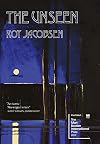
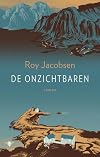
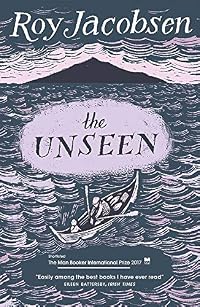
"Islanders are never afraid, if they were, they wouldn't be able to live here. Born on the island that bears her name, Ingrid Barrøy's world is circumscribed by storm-scoured rocks and the moods of the sea by which her family lives and dies. But her father dreams of a bridge, and her mother longs for her own childhood island, and Norway faces its own sea change: the advent of a modern world and its attendant unpredictability and violence. Brilliantly translated into English by Don Bartlett show more and Don Shaw, The Unseen is a profound exploration of family, resilience, and fate."-- show lessTags
Recommendations





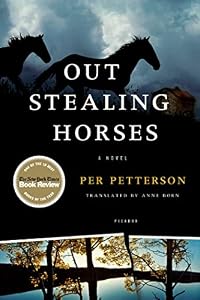
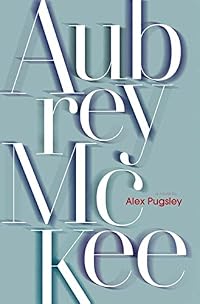
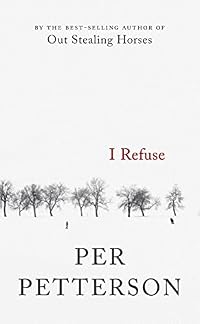

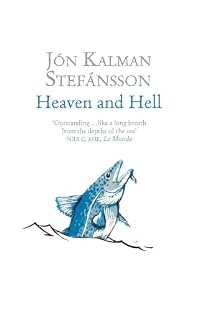

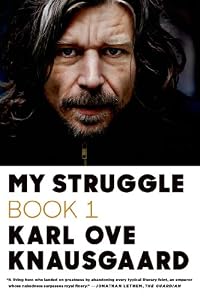
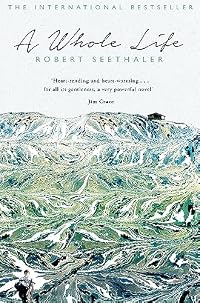

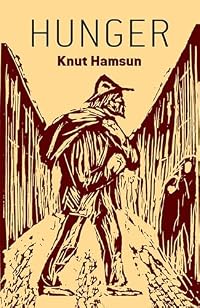


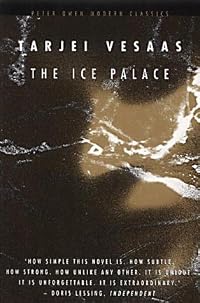


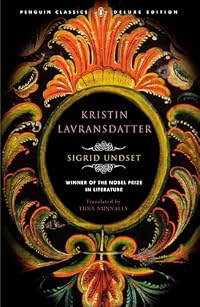
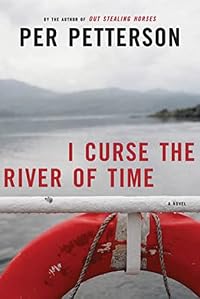


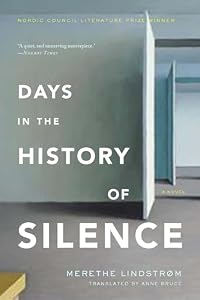
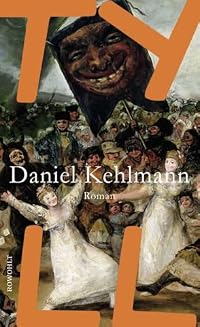







Member Recommendations
by Milda-TX
DarthFisticuffs Both books take place on islands in northern Europe (Jansson's in Norway, Jacobsen's in Sweden) and concern the daily life of a girl growing up there with a close-knit family. While the tone differs in each, the subject matter and general plot have many similarities.
Member Reviews
The Unseen takes place on a tiny island off the coast of Norway in the early 20th century, where the Barroy family lives and works. It is just the 5 of them: grandfather Martin, father Hans, mother Maria, their daughter Ingrid, and Barbro, Hans' sister. They have occasional contact with the small town on the mainland and Hans goes off to fish every winter. But Hans builds a quay on their island, which opens them up a bit more to interaction. And as Ingrid grows older, a wider life begins to intrude on the island and their world expands.
This book is very Scandinavian in tone. If you've read much Scandinavian lit, you'll know what I mean - spare sentences, hard work, little fun, weather that dictates life, interior, little dialogue. I show more love it. The characters end up being rich, though as a reader you discover them differently than you're used to in American and British books. I love the setting and learning the small details of life in this sort of location. And there is plenty of drama - it's just not presented dramatically.
This is the start of a trilogy that follows Ingrid, and I will definitely continue it.
Original publication date: 2017
Author’s nationality: Norwegian
Original language: Norwegian
Length: 272 pages
Rating: 4 stars
Format/where I acquired the book: purchased for kindle
Why I read this: review caught my eye show less
This book is very Scandinavian in tone. If you've read much Scandinavian lit, you'll know what I mean - spare sentences, hard work, little fun, weather that dictates life, interior, little dialogue. I show more love it. The characters end up being rich, though as a reader you discover them differently than you're used to in American and British books. I love the setting and learning the small details of life in this sort of location. And there is plenty of drama - it's just not presented dramatically.
This is the start of a trilogy that follows Ingrid, and I will definitely continue it.
Original publication date: 2017
Author’s nationality: Norwegian
Original language: Norwegian
Length: 272 pages
Rating: 4 stars
Format/where I acquired the book: purchased for kindle
Why I read this: review caught my eye show less
This is the first book in the Barroy Trilogy, and it was shortlisted for the 2017 International Booker. It is the story of the Barroy family eking out a living on bleak rocky island of the northern Norwegian coast, an island that bears their name, and on which they are the only inhabitants. The focus is on Ingrid, who is mere toddler when the book opens and a young woman coming into her own when the book concludes. You could call it a coming-of-age story, yet it is so much more.
The island's other inhabitants are Ingrid's mother and father, Maria and Hans, her grandfather Martin, and her aunt Barbro, who is mentally "not all there," but whose capacity for physical labor makes her an important member of the group. Every winter, Hans goes show more away for months to fish, and in the summer he often goes to the mainland as a laborer to earn cash for the improvements he hopes to make on the island. This means that much of the island work must be done by the two women, the elderly man and the child. So their days are filled with plowing, sheep-tending, cutting peat, and yes, fishing and salting and drying fish. As Ingrid grows up, it seems like very little is happening, yet each day is filled, and we learn all that is involved in eking out an existence in a hostile environment. The weather in particular can suddenly turn and destroy a day's or a week's work. Jacobsen brings this all to life, and I came to love this taciturn, stoic family. This was a great reading experience (I've already checked volume 2 out of the library). I've been wavering between 4 1/2 and 5 stars, but I'm going to go ahead and give it:
5 stars
FIRST LINE: "On a windless day in July, the smoke rises vertically to the sky."
LAST LINE: "Then it is as though they have had their working day halved or been given a whole new day within the old one, and can set to work on the scythe again. show less
The island's other inhabitants are Ingrid's mother and father, Maria and Hans, her grandfather Martin, and her aunt Barbro, who is mentally "not all there," but whose capacity for physical labor makes her an important member of the group. Every winter, Hans goes show more away for months to fish, and in the summer he often goes to the mainland as a laborer to earn cash for the improvements he hopes to make on the island. This means that much of the island work must be done by the two women, the elderly man and the child. So their days are filled with plowing, sheep-tending, cutting peat, and yes, fishing and salting and drying fish. As Ingrid grows up, it seems like very little is happening, yet each day is filled, and we learn all that is involved in eking out an existence in a hostile environment. The weather in particular can suddenly turn and destroy a day's or a week's work. Jacobsen brings this all to life, and I came to love this taciturn, stoic family. This was a great reading experience (I've already checked volume 2 out of the library). I've been wavering between 4 1/2 and 5 stars, but I'm going to go ahead and give it:
5 stars
FIRST LINE: "On a windless day in July, the smoke rises vertically to the sky."
LAST LINE: "Then it is as though they have had their working day halved or been given a whole new day within the old one, and can set to work on the scythe again. show less
What is the meaning of this novel's enigmatic title? For me, "The Unseen" are the book's protagonists, the Barrøys, who own and live on one of the tiny, remote islands off the coast of Norway - aptly named Barrøy. When the novel starts, the Barrøys are old widower Martin, his son Hans (who has recently assumed the mantle of "head of the family"), Hans's wife Maria, their toddler daughter Ingrid and Hans's sister Barbro, who is "not quite there". "The Unseen" follows the fate of the Barrøys over roughly three decades. This might make it sound like a "family saga" or even an updated "Nordic saga", except that, instead of epic battles against gods and monsters, we witness the Barrøys' daily challenges as they toil to eke out a living show more from the island's soil and the surrounding sea.
From hints throughout the book, we get the feel that the novel is set roughly a hundred years ago, but the story it relates has a feeling of timelessness, an eternity marked by the recurring seasons. The sun rises and sets. The years roll by. Storms rage, wreak havoc and recede. Children are born. So are lambs. Old men die. So do cows. There are brushes with death - the sea sustains life but it can also take it away. The surrounding world tries to stake its claim over the island, as when there is an insistence that Barrøy be put on the milk route, or when the price of Barrøy's produce is determined by the Mainland's fickle rules of supply and demand. But Barrøy lives on in splendid isolation as a new generation of Barrøys proudly continues the family traditions.
The novel's language, as rendered in the joint translation by Don Bartlett and Don Shaw, is poetic yet lean and blunt. There are plenty of pages of nature writing, but nowhere does it become florid or overly sentimental. Use of dialogue is spare, which is a good thing as the thick dialect of the islanders is conveyed in a dense form of English (I wonder if it is an invented form of speech or based on an actual dialect).
I was pleasantly surprised to learn that The Unseen became a bestseller in Jacobsen's native Norway. It's a striking novel, but no page-turner. Its beauty is as austere as light refracted through a glacier. And just as memorable.
An ebook version of the novel was provided by the publisher via NetGalley in exchange for an honest review show less
From hints throughout the book, we get the feel that the novel is set roughly a hundred years ago, but the story it relates has a feeling of timelessness, an eternity marked by the recurring seasons. The sun rises and sets. The years roll by. Storms rage, wreak havoc and recede. Children are born. So are lambs. Old men die. So do cows. There are brushes with death - the sea sustains life but it can also take it away. The surrounding world tries to stake its claim over the island, as when there is an insistence that Barrøy be put on the milk route, or when the price of Barrøy's produce is determined by the Mainland's fickle rules of supply and demand. But Barrøy lives on in splendid isolation as a new generation of Barrøys proudly continues the family traditions.
The novel's language, as rendered in the joint translation by Don Bartlett and Don Shaw, is poetic yet lean and blunt. There are plenty of pages of nature writing, but nowhere does it become florid or overly sentimental. Use of dialogue is spare, which is a good thing as the thick dialect of the islanders is conveyed in a dense form of English (I wonder if it is an invented form of speech or based on an actual dialect).
I was pleasantly surprised to learn that The Unseen became a bestseller in Jacobsen's native Norway. It's a striking novel, but no page-turner. Its beauty is as austere as light refracted through a glacier. And just as memorable.
An ebook version of the novel was provided by the publisher via NetGalley in exchange for an honest review show less
This is the best novel set on an island that I've read since the outstanding Elizabeth Ogilvie Bennett's Island sagas set in Maine. Only one small, close-knit family remains on Barroy, a Norwegian coastal islet, and as they have for hundreds of years, now only five inhabitants remain, all laboring intensely to feed and clothe themselves and their livestock: grandfather Martin, his daughter Barbro, son Hans, Hans’ wife Maria, and their daughter Ingrid. As seen through Ingrid's fearless eyes, from childhood through adolescence, Barroy is a paradise of rock, sheep, and boats, with minimal and difficult connections to the surrounding larger and more populated islands. Their perseverance and the battering down by the weather – storms, show more droughts, and heat waves alike - is fascinating, as is the dialogue that the clever translators have turned into Norse patois. As the family’s numbers diminish and grow, the reader becomes annealed to their lives and it is indeed a relief to discover that this fine book is part 1 of a trilogy. There is admiration and almost disbelief at the challenge of maintaining their mastery of such a wild and unforgiving locale. show less
“...once you settle on an island, you never leave, an island holds on to what it has with all its might and main.”
The Barroy family live on their own island off the Norwegian coast. This wonderful, almost hypnotic novel captures their day to day lives, with the many struggles they encounter, along with glimmers of love and joy. The fine details and descriptions may overwhelm some readers but I was swept along with it. I also want to commend the incredible translation by Don Shaw. This is the first of a trilogy. If I can find the others, I will be continuing.
The Barroy family live on their own island off the Norwegian coast. This wonderful, almost hypnotic novel captures their day to day lives, with the many struggles they encounter, along with glimmers of love and joy. The fine details and descriptions may overwhelm some readers but I was swept along with it. I also want to commend the incredible translation by Don Shaw. This is the first of a trilogy. If I can find the others, I will be continuing.
What is the meaning of this novel's enigmatic title? For me, "The Unseen" are the book's protagonists, the Barrøys, who own and live on one of the tiny, remote islands off the coast of Norway - aptly named Barrøy. When the novel starts, the Barrøys are old widower Martin, his son Hans (who has recently assumed the mantle of "head of the family"), Hans's wife Maria, their toddler daughter Ingrid and Hans's sister Barbro, who is "not quite there". "The Unseen" follows the fate of the Barrøys over roughly three decades. This might make it sound like a "family saga" or even an updated "Nordic saga", except that, instead of epic battles against gods and monsters, we witness the Barrøys' daily challenges as they toil to eke out a living show more from the island's soil and the surrounding sea.
From hints throughout the book, we get the feel that the novel is set roughly a hundred years ago, but the story it relates has a feeling of timelessness, an eternity marked by the recurring seasons. The sun rises and sets. The years roll by. Storms rage, wreak havoc and recede. Children are born. So are lambs. Old men die. So do cows. There are brushes with death - the sea sustains life but it can also take it away. The surrounding world tries to stake its claim over the island, as when there is an insistence that Barrøy be put on the milk route, or when the price of Barrøy's produce is determined by the Mainland's fickle rules of supply and demand. But Barrøy lives on in splendid isolation as a new generation of Barrøys proudly continues the family traditions.
The novel's language, as rendered in the joint translation by Don Bartlett and Don Shaw, is poetic yet lean and blunt. There are plenty of pages of nature writing, but nowhere does it become florid or overly sentimental. Use of dialogue is spare, which is a good thing as the thick dialect of the islanders is conveyed in a dense form of English (I wonder if it is an invented form of speech or based on an actual dialect).
I was pleasantly surprised to learn that The Unseen became a bestseller in Jacobsen's native Norway. It's a striking novel, but no page-turner. Its beauty is as austere as light refracted through a glacier. And just as memorable.
An ebook version of the novel was provided by the publisher via NetGalley in exchange for an honest review show less
From hints throughout the book, we get the feel that the novel is set roughly a hundred years ago, but the story it relates has a feeling of timelessness, an eternity marked by the recurring seasons. The sun rises and sets. The years roll by. Storms rage, wreak havoc and recede. Children are born. So are lambs. Old men die. So do cows. There are brushes with death - the sea sustains life but it can also take it away. The surrounding world tries to stake its claim over the island, as when there is an insistence that Barrøy be put on the milk route, or when the price of Barrøy's produce is determined by the Mainland's fickle rules of supply and demand. But Barrøy lives on in splendid isolation as a new generation of Barrøys proudly continues the family traditions.
The novel's language, as rendered in the joint translation by Don Bartlett and Don Shaw, is poetic yet lean and blunt. There are plenty of pages of nature writing, but nowhere does it become florid or overly sentimental. Use of dialogue is spare, which is a good thing as the thick dialect of the islanders is conveyed in a dense form of English (I wonder if it is an invented form of speech or based on an actual dialect).
I was pleasantly surprised to learn that The Unseen became a bestseller in Jacobsen's native Norway. It's a striking novel, but no page-turner. Its beauty is as austere as light refracted through a glacier. And just as memorable.
An ebook version of the novel was provided by the publisher via NetGalley in exchange for an honest review show less
What is the meaning of this novel's enigmatic title? For me, "The Unseen" are the book's protagonists, the Barrøys, who own and live on one of the tiny, remote islands off the coast of Norway - aptly named Barrøy. When the novel starts, the Barrøys are old widower Martin, his son Hans (who has recently assumed the mantle of "head of the family"), Hans's wife Maria, their toddler daughter Ingrid and Hans's sister Barbro, who is "not quite there". "The Unseen" follows the fate of the Barrøys over roughly three decades. This might make it sound like a "family saga" or even an updated "Nordic saga", except that, instead of epic battles against gods and monsters, we witness the Barrøys' daily challenges as they toil to eke out a living show more from the island's soil and the surrounding sea.
From hints throughout the book, we get the feel that the novel is set roughly a hundred years ago, but the story it relates has a feeling of timelessness, an eternity marked by the recurring seasons. The sun rises and sets. The years roll by. Storms rage, wreak havoc and recede. Children are born. So are lambs. Old men die. So do cows. There are brushes with death - the sea sustains life but it can also take it away. The surrounding world tries to stake its claim over the island, as when there is an insistence that Barrøy be put on the milk route, or when the price of Barrøy's produce is determined by the Mainland's fickle rules of supply and demand. But Barrøy lives on in splendid isolation as a new generation of Barrøys proudly continues the family traditions.
The novel's language, as rendered in the joint translation by Don Bartlett and Don Shaw, is poetic yet lean and blunt. There are plenty of pages of nature writing, but nowhere does it become florid or overly sentimental. Use of dialogue is spare, which is a good thing as the thick dialect of the islanders is conveyed in a dense form of English (I wonder if it is an invented form of speech or based on an actual dialect).
I was pleasantly surprised to learn that The Unseen became a bestseller in Jacobsen's native Norway. It's a striking novel, but no page-turner. Its beauty is as austere as light refracted through a glacier. And just as memorable.
An ebook version of the novel was provided by the publisher via NetGalley in exchange for an honest review show less
From hints throughout the book, we get the feel that the novel is set roughly a hundred years ago, but the story it relates has a feeling of timelessness, an eternity marked by the recurring seasons. The sun rises and sets. The years roll by. Storms rage, wreak havoc and recede. Children are born. So are lambs. Old men die. So do cows. There are brushes with death - the sea sustains life but it can also take it away. The surrounding world tries to stake its claim over the island, as when there is an insistence that Barrøy be put on the milk route, or when the price of Barrøy's produce is determined by the Mainland's fickle rules of supply and demand. But Barrøy lives on in splendid isolation as a new generation of Barrøys proudly continues the family traditions.
The novel's language, as rendered in the joint translation by Don Bartlett and Don Shaw, is poetic yet lean and blunt. There are plenty of pages of nature writing, but nowhere does it become florid or overly sentimental. Use of dialogue is spare, which is a good thing as the thick dialect of the islanders is conveyed in a dense form of English (I wonder if it is an invented form of speech or based on an actual dialect).
I was pleasantly surprised to learn that The Unseen became a bestseller in Jacobsen's native Norway. It's a striking novel, but no page-turner. Its beauty is as austere as light refracted through a glacier. And just as memorable.
An ebook version of the novel was provided by the publisher via NetGalley in exchange for an honest review show less
Members
- Recently Added By
Published Reviews
ThingScore 95
"De usynlige er en kontemplativ roman om livet ute i havgapet på 1920-tallet. Bare en god forfatter som Roy Jacobsen kan lande en slik bok, der forfatteren ikke lener seg på en rikholdig handlingsstruktur ... Dette er en suveren roman. Presisjonsnivået er frydefullt, språket er poetisk. Roy Jacobsen holder koken. Han har blikket og evnene til å formidle sannheten om mennesket. Resultatet show more blir stor kunst." show less
added by geitebukkeskjegg
"...mesterskapet hans består i at han setter sine ofte hardt prøvede personer i en så ekstremt fysisk og følbar bevegelse at leseren opplever en nærmest optimal deltagelse i både sinn og skinn. Jacobsens prosa er jordnær ved å være himmelhøy og himmelhøy ved å være jordnær. Den puster fullstendig fritt ... skjønnlitteratur av høy, høy klasse. Ganske enkelt."
added by geitebukkeskjegg
De usynlige er rett og slett ei uvanleg fengslande og viktig bok. Det er også ei bok med mange lause trådar som ikkje krev, men som i allefall opnar for fleire bøker. Sjølv om den store historia om desse øyane er kjent, skulle eg gjerne følgt Ingrid og Lars og dei andre gjennom livet.
added by annek49
Lists

Best Historical Fiction
620 works; 261 members

Top Five Books of 2022
736 works; 272 members

Top Five Books of 2014
1,064 works; 397 members

Childhood: Books for or about children in different cultures around the wor
345 works; 18 members

Books Read in 2022
5,164 works; 113 members

Books Read in 2018
4,360 works; 110 members

Favorite Books in Translation
320 works; 133 members
Author Information

31+ Works 2,309 Members
Some Editions
Awards and Honors
Series

Belongs to Publisher Series
Common Knowledge
- Canonical title
- The Unseen
- Original title
- De usynlige
- Original publication date
- 2013
- People/Characters
- Ingrid Barrøy
- Important places
- Helgeland, Norway
- First words
- On a windless day in July the smoke rises vertically to the sky.
- Last words
- (Click to show. Warning: May contain spoilers.)Then it is as though they have had their working day halved, or been given a whole new day within the old one, and can set to work with the scythe again.
- Blurbers
- Tonkin, Boyd; Binding, Paul
- Original language
- Norwegian: Bokmål
Classifications
- Genres
- General Fiction, Fiction and Literature, Historical Fiction
- DDC/MDS
- 839.82374 — Literature & rhetoric German & related literatures Other Germanic literatures Danish and Norwegian literatures Norwegian literature Norwegian Bokmål fiction 1900–2000 Late 20th century 1945–2000
- LCC
- PT8951.2 .A385 .U7813 — Language and Literature German, Dutch and Scandinavian literatures Norwegian literature Individual authors or works 1961-2000
- BISAC
Statistics
- Members
- 655
- Popularity
- 43,987
- Reviews
- 32
- Rating
- (4.11)
- Languages
- 14 — Danish, Dutch, English, Estonian, French, German, Icelandic, Italian, Norwegian (Bokmål), Norwegian, Polish, Portuguese, Spanish, Swedish
- Media
- Paper, Audiobook, Ebook
- ISBNs
- 47
- ASINs
- 8