The Sleepwalker's Guide to Dancing
by Mira Jacob
On This Page
Description
"Brain surgeon Thomas Eapen's decision to shorten his visit to his mother's home in India has consequences that reverberate two decades later as he starts conversing with the dead and daughter Amina must sort through the family's past to help him."--Tags
Recommendations





































Member Recommendations

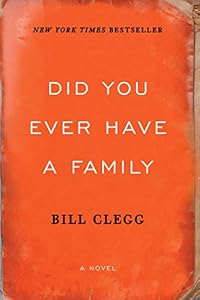
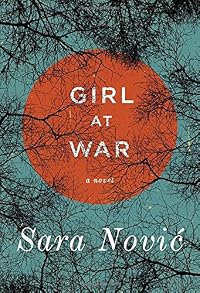
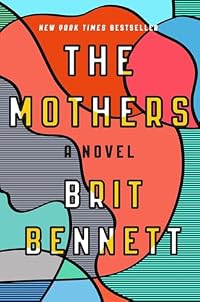
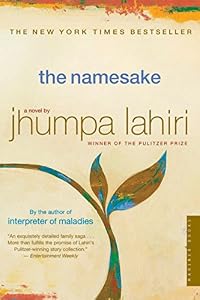
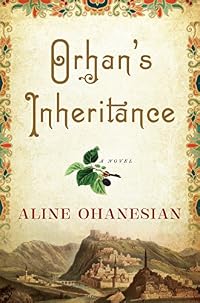
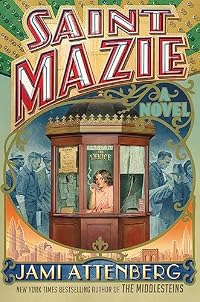
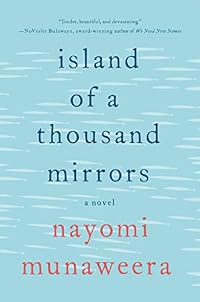
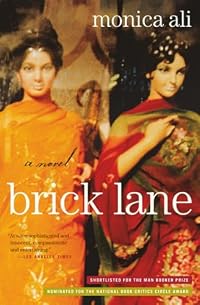
charl08 Both novels include a young female protagonist who is charismatic, surrounded by interesting characters and loving books. And both are funny.
02
Member Reviews
This is one of those books that was all the rage a few years back, the kind that makes me Leary with all the hubbub. But I bought a copy, because the author is a local and sets the book partially here in NM, and let it marinate on the shelves a while. The book held up, and was a surprisingly unique and evocative read. Covering the young life of the narrator, Amina, during a visit to India when a family crisis erupts, the narrative then picks up with how those events play out across the family over the years. Amina has to process her brother's death and her father's fading health. In the additional materials after the story, Jacob admits the book is partially auto-biographical - though she didn't intend to write a memoir, the father show more character was based largely on her own father. It lends the book a certain credibility.
Recommended.
4 1/2 bones!!!!! show less
Recommended.
4 1/2 bones!!!!! show less
In Mira Jacob’s impressive debut novel, Amina Eapen is living is Seattle in 1998 when she gets a call from her mother saying her father, a brain surgeon, has been conducting full conversations with deceased family members. Amina is concerned and decides to see for herself what is happening. At first everything seems fine but, as the story unfolds, she realizes her father is in distress. A substantial subplot concerns Amina’s change in career from photojournalist to wedding photographer, due to the notoriety of a photo she had taken. Another major segment revolves around Amina’s brother, Akhil, and his impact on the family’s struggles. The Eapen family experiences more than its fair share of suffering and heartbreak. The story is show more told in multiple timelines from the 1970’s in Salem, India, to the 1980’s in New Mexico to the 1998 present, portraying the Eapens’ individual secrets and family tragedies.
The author appears to be a keen observer of human nature. The characters are complex, nuanced, and memorable. Jacob uses elegant prose and well-crafted dialogue that expresses a wide range of emotions. The East Indian-American culture is vividly evoked. This dysfunctional family felt very real to me. Themes include the devastation of profound loss, the importance of coming to terms with the past, and the dangers of sleepwalking through life. Although the novel is filled with pain, loss, and grief, it also contains a thread of hope. Recommended to those who appreciate multi-generational family dramas (unless currently dealing with family illness or loss). show less
The author appears to be a keen observer of human nature. The characters are complex, nuanced, and memorable. Jacob uses elegant prose and well-crafted dialogue that expresses a wide range of emotions. The East Indian-American culture is vividly evoked. This dysfunctional family felt very real to me. Themes include the devastation of profound loss, the importance of coming to terms with the past, and the dangers of sleepwalking through life. Although the novel is filled with pain, loss, and grief, it also contains a thread of hope. Recommended to those who appreciate multi-generational family dramas (unless currently dealing with family illness or loss). show less
Mira Jacobs writes about the familiar theme of coming home and discovery of the new amidst the old, enriching the tale with layers of time and place and magical realism. The story unfurls in a way that makes the reader equally engaged by any time or place, and this is not often the case in a novel structured this way. Jacobs does this in part by offering the constant rhythm of entertaining dialogue. But she has more up her sleeve than just that.
Straddling the worlds of being Indian and American, Amina Eapen and her sharp-tongued older brother, Akhil, have grown up navigating between these cultures. Amina’s mother, Kamala has resented leaving her homeland to come to Tucson with her physician husband, Thomas. Thomas, embracing all show more America offers, is a successful brain surgeon devoted to his work. His choice to leave India and family, however, has cost him something dear.
Awareness of that cost will be laid out in stages beginning with the opening sequence when Amina and her family visit Thomas’ mother and brother living in India. It is 1979 and Amina recalls her strong-willed grandmother and father coming to blows soon after their arrival. “ Traitors! Cowards! Good for nothings! “ were hurled like weapons by Amina’s grandmother at Thomas as he stood his ground, unwilling to be dominated by his mother and her desire for him to live the life she envisioned for him in India.
It is now years later, though, and Amina is a photographer living in Seattle near her close cousin, Dimple. Both women are independent and successful. But competing with those attributes is another one. They are both single. Just as Thomas’ mother could not restrain her need to see her son living her idealized version, so too Kamala cannot stop her need to shape Amina’s life. Amina, like Thomas, uses geography to ensure some degree of independence.
Amina took one photograph that established her as someone with particular talent. Besides the acclaim, criticism for taking the photo at all also followed and that criticism has since been eclipsed by self-doubt. That photo unexpectedly captured a man jumping off a bridge to his death. The man was another kind of Indian, a member of the Puyallup Tribe, who had fallen into despair after fighting on behalf of his tribe for better conditions. Unable to come to terms with that frozen moment and the the man’s tragedy, Amina has toned down her aspirations as a photographer of note and accepted a job as a wedding/special events photographer. She is tredding water emotionally and at a crossroads.
A call from Kamala urges Amina to return home because Thomas is talking to his dead mother. Amina describes this as delusional. Kamala says no, it is not. It is weakness. The possible interpretations of the world are revealed in this nutshell conversation.
Amina cares about her parents so reluctantly agrees to return where she know she will be on even shakier ground emotionally. Part of her return will involve returning to old, but still fresh wounds related to Akhil’s death when they were both in high school.
Amina’s world is sensually rich in aromas, taste, and touch. The dialogue is tart, funny and smart. Kamala’s malaproisms alone are reason to read the story. There may be pain, loss, and maybe even ghosts in the story, but those darker aspects never outweigh what it means to be alive and connected to others. Coming to terms with that which lingers in one’s mind, be it the ghost of a brother, bitter words, or the photograph of a falling man, involves a high price but what is gained may be well worth it. To Mira Jacobs credit, she says this without being pedantic.
We now have an abundance of riches in the Indian-American experience with Mira Jacobs joining Jhumpa Lahiri as a writer who gives the reader great pleasure. show less
Straddling the worlds of being Indian and American, Amina Eapen and her sharp-tongued older brother, Akhil, have grown up navigating between these cultures. Amina’s mother, Kamala has resented leaving her homeland to come to Tucson with her physician husband, Thomas. Thomas, embracing all show more America offers, is a successful brain surgeon devoted to his work. His choice to leave India and family, however, has cost him something dear.
Awareness of that cost will be laid out in stages beginning with the opening sequence when Amina and her family visit Thomas’ mother and brother living in India. It is 1979 and Amina recalls her strong-willed grandmother and father coming to blows soon after their arrival. “ Traitors! Cowards! Good for nothings! “ were hurled like weapons by Amina’s grandmother at Thomas as he stood his ground, unwilling to be dominated by his mother and her desire for him to live the life she envisioned for him in India.
It is now years later, though, and Amina is a photographer living in Seattle near her close cousin, Dimple. Both women are independent and successful. But competing with those attributes is another one. They are both single. Just as Thomas’ mother could not restrain her need to see her son living her idealized version, so too Kamala cannot stop her need to shape Amina’s life. Amina, like Thomas, uses geography to ensure some degree of independence.
Amina took one photograph that established her as someone with particular talent. Besides the acclaim, criticism for taking the photo at all also followed and that criticism has since been eclipsed by self-doubt. That photo unexpectedly captured a man jumping off a bridge to his death. The man was another kind of Indian, a member of the Puyallup Tribe, who had fallen into despair after fighting on behalf of his tribe for better conditions. Unable to come to terms with that frozen moment and the the man’s tragedy, Amina has toned down her aspirations as a photographer of note and accepted a job as a wedding/special events photographer. She is tredding water emotionally and at a crossroads.
A call from Kamala urges Amina to return home because Thomas is talking to his dead mother. Amina describes this as delusional. Kamala says no, it is not. It is weakness. The possible interpretations of the world are revealed in this nutshell conversation.
Amina cares about her parents so reluctantly agrees to return where she know she will be on even shakier ground emotionally. Part of her return will involve returning to old, but still fresh wounds related to Akhil’s death when they were both in high school.
Amina’s world is sensually rich in aromas, taste, and touch. The dialogue is tart, funny and smart. Kamala’s malaproisms alone are reason to read the story. There may be pain, loss, and maybe even ghosts in the story, but those darker aspects never outweigh what it means to be alive and connected to others. Coming to terms with that which lingers in one’s mind, be it the ghost of a brother, bitter words, or the photograph of a falling man, involves a high price but what is gained may be well worth it. To Mira Jacobs credit, she says this without being pedantic.
We now have an abundance of riches in the Indian-American experience with Mira Jacobs joining Jhumpa Lahiri as a writer who gives the reader great pleasure. show less
 This review was written for LibraryThing Early Reviewers.
In Mira Jacob’s impressive debut novel, Amina Eapen is living is Seattle in 1998 when she gets a call from her mother saying her father, a brain surgeon, has been conducting full conversations with deceased family members. Amina is concerned and decides to see for herself what is happening. At first everything seems fine but, as the story unfolds, she realizes her father is in distress. A substantial subplot concerns Amina’s change in career from photojournalist to wedding photographer, due to the notoriety of a photo she had taken. Another major segment revolves around Amina’s brother, Akhil, and his impact on the family’s struggles. The Eapen family experiences more than its fair share of suffering and heartbreak. The story is show more told in multiple timelines from the 1970’s in Salem, India, to the 1980’s in New Mexico to the 1998 present, portraying the Eapens’ individual secrets and family tragedies.
The author appears to be a keen observer of human nature. The characters are complex, nuanced, and memorable. Jacob uses elegant prose and well-crafted dialogue that expresses a wide range of emotions. The East Indian-American culture is vividly evoked. This dysfunctional family felt very real to me. Themes include the devastation of profound loss, the importance of coming to terms with the past, and the dangers of sleepwalking through life. Although the novel is filled with pain, loss, and grief, it also contains a thread of hope. Recommended to those who appreciate multi-generational family dramas (unless currently dealing with family illness or loss). show less
The author appears to be a keen observer of human nature. The characters are complex, nuanced, and memorable. Jacob uses elegant prose and well-crafted dialogue that expresses a wide range of emotions. The East Indian-American culture is vividly evoked. This dysfunctional family felt very real to me. Themes include the devastation of profound loss, the importance of coming to terms with the past, and the dangers of sleepwalking through life. Although the novel is filled with pain, loss, and grief, it also contains a thread of hope. Recommended to those who appreciate multi-generational family dramas (unless currently dealing with family illness or loss). show less
Amina is a special event photographer living in 1998's Seattle, Washington. Amina was a photojournalist, but she seems to get too attached to photos that show too much real & raw in a human being, images that others might not want to see. She goes back to New Mexico to check on her parents, because something is wrong with her dad: he spends nights talking seemingly to himself on the porch and he is a brain surgeon, so if there is something wrong, there is more at risk if he continues his work. Being home brings back hurtful memories for Amina, so the book also flashes back to her 1980s Mesa high school days, growing up with her brother & cousin. One chapter of the book also takes place in India, where Amina's parents are from. I did show more wish more of the book was spent in India. It seems many people in Amina's family have different harmful sleeping disorders. The book is much better than I'm describing.
While reading this book, I just think of all the color, color, color. I thought I was imagining what New Mexico looked like and searching for photos of the state, this is exactly what I envision: http://d2dxvtbjf2drh.cloudfront.net/wp-content/uploads/2013/03/red-rock-new-mexi... All those burnt orange mesas and super blue skies. If New Mexico itself isn't colorful enough, then add lovely silk saris and imagine all those chutneys! I wish I had a shelf in my fridge just for chutneys! (At least I was sipping some masala chai while reading.) Also, at certain points in the book it's the 1980s: color enough there. This book invents colors.
I adored this book. Amina & her entire family, you just grow to care so much! I love the idea that Amina has an extended family that isn't really related to her, just fellow immigrants from India that were invited over to the house one day, and they all stuck together. I'd love to think this happens for immigrants all of the time, because it sounds much nicer than remaining so isolated in a new country. It's almost difficult to imagine it was possible for Amina's family to have this much support, as at one point in the book the emotion of everyone almost became unbelievable (which probably says more about my own family and what I'm accustomed to). It was also unbelievable that with that much support, they couldn't overcome certain challenges: "They say it's unlike anything else. A grief so profound it can bring people closer to the dying than the living." (page 457) This might be a problem for both the characters and the book itself. Yes, those no longer around are important to remember, but I wanted to hear more from the laughter inspiring living. I'd say the book's main theme is family, no matter who you choose them to be, or if they are still with you. The entire time, Jacob has your heart in her hands, both for the characters and this perfect and at times darkly hilarious writing style. I was both tearing up and laughing at times. I had no expectations from this new author, and I was very surprised at how well written this is. It's very fluid and detailed. Though I feel like the author's note did a better job at explaining one of the plot points than the story itself. I would have liked to see more of that, so I think some things could have been expanded (the book wasn't long enough for me anyway, even at 500 pages!) No spoilers, but it was tough for me to see if some of this was magical realism or if I was supposed to take it as real, but I usually have that problem. I will DEFINITELY be keeping an eye out for Mira Jacob's other books, if the first is this good. I loved this much more than this year's Pulitzer Prize winner, 'The Goldfinch' by Donna Tartt. If only a book like this could win, but it doesn't need awards, it stands on its own sleepwalking dancing feet. I can't say enough about this one. I'm very happy I caught this one! show less
While reading this book, I just think of all the color, color, color. I thought I was imagining what New Mexico looked like and searching for photos of the state, this is exactly what I envision: http://d2dxvtbjf2drh.cloudfront.net/wp-content/uploads/2013/03/red-rock-new-mexi... All those burnt orange mesas and super blue skies. If New Mexico itself isn't colorful enough, then add lovely silk saris and imagine all those chutneys! I wish I had a shelf in my fridge just for chutneys! (At least I was sipping some masala chai while reading.) Also, at certain points in the book it's the 1980s: color enough there. This book invents colors.
I adored this book. Amina & her entire family, you just grow to care so much! I love the idea that Amina has an extended family that isn't really related to her, just fellow immigrants from India that were invited over to the house one day, and they all stuck together. I'd love to think this happens for immigrants all of the time, because it sounds much nicer than remaining so isolated in a new country. It's almost difficult to imagine it was possible for Amina's family to have this much support, as at one point in the book the emotion of everyone almost became unbelievable (which probably says more about my own family and what I'm accustomed to). It was also unbelievable that with that much support, they couldn't overcome certain challenges: "They say it's unlike anything else. A grief so profound it can bring people closer to the dying than the living." (page 457) This might be a problem for both the characters and the book itself. Yes, those no longer around are important to remember, but I wanted to hear more from the laughter inspiring living. I'd say the book's main theme is family, no matter who you choose them to be, or if they are still with you. The entire time, Jacob has your heart in her hands, both for the characters and this perfect and at times darkly hilarious writing style. I was both tearing up and laughing at times. I had no expectations from this new author, and I was very surprised at how well written this is. It's very fluid and detailed. Though I feel like the author's note did a better job at explaining one of the plot points than the story itself. I would have liked to see more of that, so I think some things could have been expanded (the book wasn't long enough for me anyway, even at 500 pages!) No spoilers, but it was tough for me to see if some of this was magical realism or if I was supposed to take it as real, but I usually have that problem. I will DEFINITELY be keeping an eye out for Mira Jacob's other books, if the first is this good. I loved this much more than this year's Pulitzer Prize winner, 'The Goldfinch' by Donna Tartt. If only a book like this could win, but it doesn't need awards, it stands on its own sleepwalking dancing feet. I can't say enough about this one. I'm very happy I caught this one! show less
This review was written for LibraryThing Early Reviewers.Mira Jacob's debut novel is a sure winner. The Sleepwalker's Guide to Dancing follows the lives of an Indian immigrant family in America over the span of some thirty years. It is written in a way that allows us to bond with and develop and understanding for the complexity of her characters. Jacob does not shy away from issues that are difficult, but handles them with both compassion and humor. I didn't want to put this one down, and I didn't want it to end. Her characters are common people with flaws, but Jacob manages to reveal them as characters with beauty and humanity. This is a story of family ties, of loss, heartache, loyalty, love and redemption. This one is definitely worth a read!
This review was written for LibraryThing Early Reviewers.The Sleepwalker's Guide to Dancing brings us a cast of sometimes looney, but always loveable characters whose quirks are laid out for all to see, and whose struggles to become integrated into their society while holding onto their unique cultural identity are easily understood by anyone who has ever felt "different" for whatever reason.
The publisher's notes about the premise "Brain surgeon Thomas Eapen's decision to shorten his visit to his mother's home in India has consequences that reverberate two decades later as he starts conversing with the dead and daughter Amina must sort through the family's past to help him." give us just a hint of the magic and mayhem the reader deals with in this story of three generations of family coming show more to grips with illness, emmigration, and different cultural norms - especially for young women.
The main character, Amina Eapen is a 20 something budding photographer living in Seattle who is called home to Albuquerque by her mother to help with her father Thomas' strange behavior. (He's talking to dead people for one thing.) Not only does Amina have to decide if this call for help is just a ploy on her mother's part to get her home again, but she has to sort out whether or not her father truly needs help and what she is responsible for doing. All during her visit, various relatives appear, (among them her cousin "Dimple" the all-American girl who has fully adopted to not only the American way of life, but to the full feminist agenda) telling stories about the family back in India, and pulling Amina further along into the family past, not to mention trying to convince her to abandon her job in Seattle, and find a nice Indian boy to marry to settle down near her parents.
Mira does a fantastic job of weaving back and forth from past to present, of painting word pictures that have us seeing, hearing and smelling all the elements of the cultures this family is dealing with. It's an emotional roller-coaster; it's a long read that takes a while to settle into; but in the end it's a story of love, forgiveness, acceptance, and hope. It's perfect to settle into as the nights lengthen this autumn. I just wish we had a good Indian take-away close by!
I had so much fun with this I checked out the audio also. It's exceptionally well done - read by the author - and really gives the listener an added emotional dimension. Her ability to give different voices and accents to the characters is exceptional. show less
The publisher's notes about the premise "Brain surgeon Thomas Eapen's decision to shorten his visit to his mother's home in India has consequences that reverberate two decades later as he starts conversing with the dead and daughter Amina must sort through the family's past to help him." give us just a hint of the magic and mayhem the reader deals with in this story of three generations of family coming show more to grips with illness, emmigration, and different cultural norms - especially for young women.
The main character, Amina Eapen is a 20 something budding photographer living in Seattle who is called home to Albuquerque by her mother to help with her father Thomas' strange behavior. (He's talking to dead people for one thing.) Not only does Amina have to decide if this call for help is just a ploy on her mother's part to get her home again, but she has to sort out whether or not her father truly needs help and what she is responsible for doing. All during her visit, various relatives appear, (among them her cousin "Dimple" the all-American girl who has fully adopted to not only the American way of life, but to the full feminist agenda) telling stories about the family back in India, and pulling Amina further along into the family past, not to mention trying to convince her to abandon her job in Seattle, and find a nice Indian boy to marry to settle down near her parents.
Mira does a fantastic job of weaving back and forth from past to present, of painting word pictures that have us seeing, hearing and smelling all the elements of the cultures this family is dealing with. It's an emotional roller-coaster; it's a long read that takes a while to settle into; but in the end it's a story of love, forgiveness, acceptance, and hope. It's perfect to settle into as the nights lengthen this autumn. I just wish we had a good Indian take-away close by!
I had so much fun with this I checked out the audio also. It's exceptionally well done - read by the author - and really gives the listener an added emotional dimension. Her ability to give different voices and accents to the characters is exceptional. show less
Members
- Recently Added By
Lists

Recommend the 20 best books you've read in the last five years
2,167 works; 601 members

Top Five Books of 2014
1,064 works; 397 members

Kirkus Reviews Best Fiction of 2014
100 works; 7 members

Retrospective of 20th- and 21st-century literature
154 works; 1 member
Author Information

3+ Works 1,526 Members
Awards and Honors
Awards
Common Knowledge
- Canonical title
- The Sleepwalker's Guide to Dancing
- Original title
- The Sleepwalker's Guide to Dancing
- People/Characters
- Amina Eapen; Thomas Eapen; Kamala Eapen; Akhil Eapen; Jamie Anderson
- Important places
- Albuquerque, New Mexico, USA; Seattle, Washington, USA; Salem, Tamil Nadu, India
Classifications
Statistics
- Members
- 681
- Popularity
- 41,855
- Reviews
- 97
- Rating
- (3.99)
- Languages
- English, French, German, Italian
- Media
- Paper, Audiobook, Ebook
- ISBNs
- 19
- UPCs
- 1
- ASINs
- 8