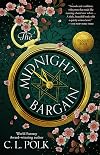
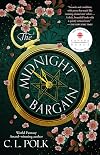
The Midnight Bargain
by C. L. Polk
On This Page
Description
From the beloved World Fantasy Award-winning author of Witchmark comes a sweeping, romantic new fantasy set in a world reminiscent of Regency England, where women’s magic is taken from them when they marry. A sorceress must balance her desire to become the first great female magician against her duty to her family.Beatrice Clayborn is a sorceress who practices magic in secret, terrified of the day she will be locked into a marital collar that will cut off her powers to protect her unborn show more children. She dreams of becoming a full-fledged Magus and pursuing magic as her calling as men do, but her family has staked everything to equip her for Bargaining Season, when young men and women of means descend upon the city to negotiate the best marriages. The Clayborns are in severe debt, and only she can save them, by securing an advantageous match before their creditors come calling.
In a stroke of luck, Beatrice finds a grimoire that contains the key to becoming a Magus, but before she can purchase it, a rival sorceress swindles the book right out of her hands. Beatrice summons a spirit to help her get it back, but her new ally exacts a price: Beatrice’s first kiss . . . with her adversary’s brother, the handsome, compassionate, and fabulously wealthy Ianthe Lavan.
The more Beatrice is entangled with the Lavan siblings, the harder her decision becomes: If she casts the spell to become a Magus, she will devastate her family and lose the only man to ever see her for who she is; but if she marries—even for love—she will sacrifice her magic, her identity, and her dreams. But how can she choose just one, knowing she will forever regret the path not taken? show less
Tags
Recommendations

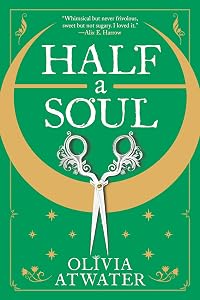
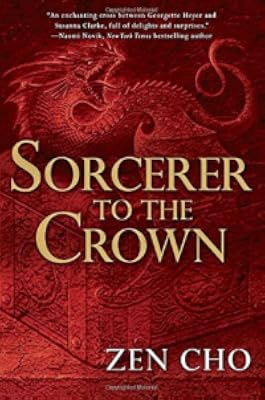

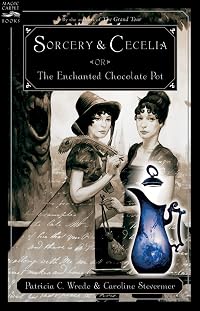
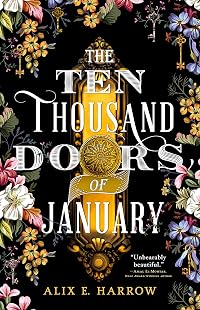
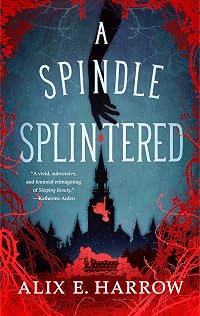
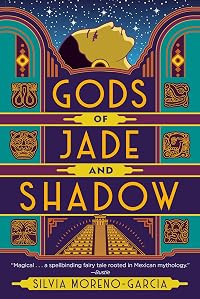
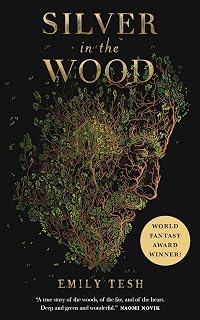
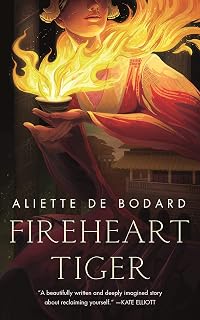

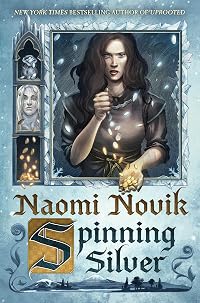
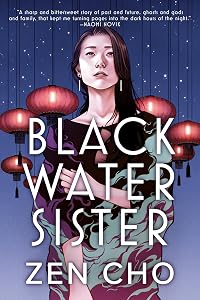
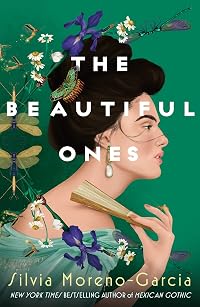
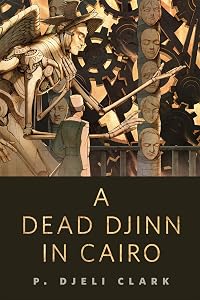
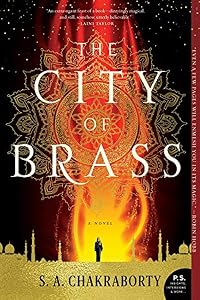

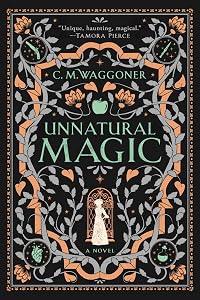
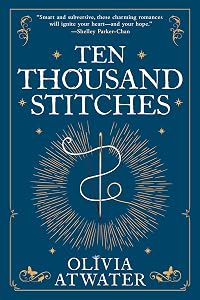
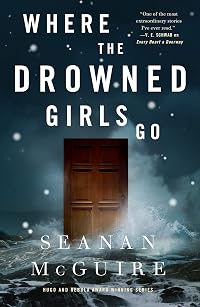

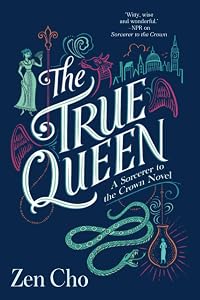
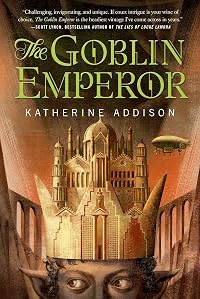
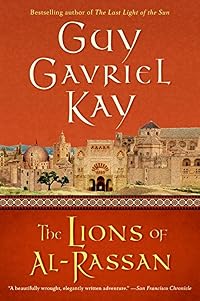
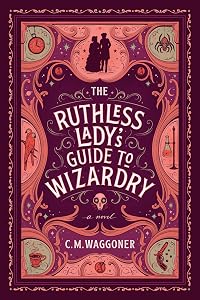
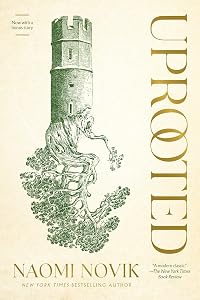
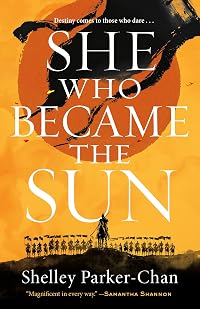
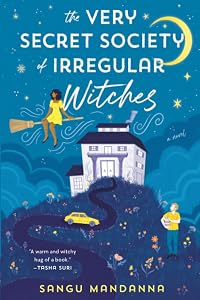
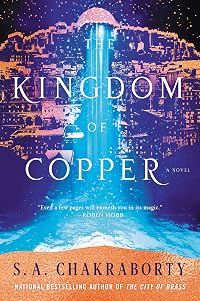
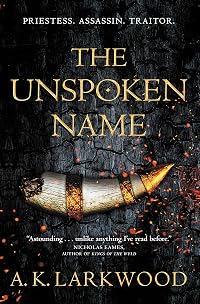
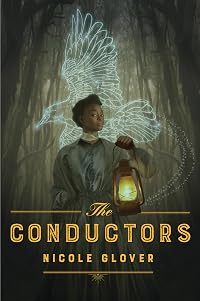
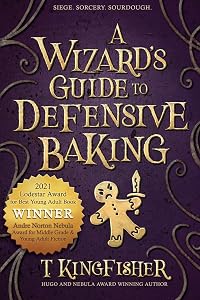
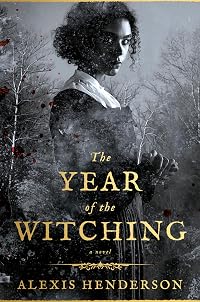

Member Recommendations
amberwitch Historical fantasy, women magicians being oppressed.
Sammelsurium Books about women in fantasy versions of historical England fighting to pursue aspirations beyond marriage.
Member Reviews
I checked out this book from my library as part of my reading of Nebula finalists for this year.
I LOVE THIS BOOK. LOOOOOOOVE. It hits all of my sweet spots. A regency-inspired original world, with magic! Women striving for independence against societal expectations! A central romance with a guy who is a respectful, smart, supportive person, not a jerk! Smart heroines! Everything about this book is glorious and wonderful, including an ending that delivered a multitude of surprises and immense satisfaction.
I LOVE THIS BOOK. LOOOOOOOVE. It hits all of my sweet spots. A regency-inspired original world, with magic! Women striving for independence against societal expectations! A central romance with a guy who is a respectful, smart, supportive person, not a jerk! Smart heroines! Everything about this book is glorious and wonderful, including an ending that delivered a multitude of surprises and immense satisfaction.
This is not a book I would normally read, but did so because it is one of the Canada Reads contenders for 2021.
It held my interest, which says a lot for a book of this genre! I commend C.L. Polk on her imagination. This was a blend of Jane Austen meets magical fantasy. Debutante balls, making a good marriage, money issues...etc. It also dealt with the choice so many women still have to make in our world between family and career. Granted, most of us have it much easier than the women in this novel, but the questions are the same: why does the burden fall solely (in this novel) on women? Why does no one question this?
So, good writing that provokes an examination of our own world...for that I give it high marks.
It held my interest, which says a lot for a book of this genre! I commend C.L. Polk on her imagination. This was a blend of Jane Austen meets magical fantasy. Debutante balls, making a good marriage, money issues...etc. It also dealt with the choice so many women still have to make in our world between family and career. Granted, most of us have it much easier than the women in this novel, but the questions are the same: why does the burden fall solely (in this novel) on women? Why does no one question this?
So, good writing that provokes an examination of our own world...for that I give it high marks.
Beatrice Clayborn is of marriageable age, and her family's future hangs on her finding a wealthy husband. However, Beatrice doesn't want to marry, as marriage would mean giving up magic. Beatrice has been illicitly studying magic for years, and she's ready to take the next step -- but doing so would mean becoming a spinster. She's fine with this -- until she meets Ianthe Lavan, the most eligible bachelor in town, who finds her singular and fascinating. She also meets Ianthe's sister Ysbeta, who shares Beatrice's disdain for marriage, and who is also determined to dedicate her life to magic. As Beatrice's feelings for Ianthe grow stronger, she begins to wonder if marriage to him might be worth turning her back on her full magical show more potential. She can't live without magic -- but more and more, she begins to feel that she can't live without Ianthe. No matter what she chooses, it's going to break her heart.
I do like a good fantasy of manners occasionally, and this one pressed a lot of the right buttons for me. The characters are solid, the magic system well-described, the romance works for me. I thought the dialogue was particularly skillful. The message was heavy-handed in spots, and I found the pacing just a little off, but that may have been more about my mood than about the book. I'll look for more by this author in future. show less
I do like a good fantasy of manners occasionally, and this one pressed a lot of the right buttons for me. The characters are solid, the magic system well-described, the romance works for me. I thought the dialogue was particularly skillful. The message was heavy-handed in spots, and I found the pacing just a little off, but that may have been more about my mood than about the book. I'll look for more by this author in future. show less
What I particularly love about The Midnight Bargain is that it embodies the classic feminist idea that "the personal is political." In this book, drawing rooms are the fundamental loci of political discussion, not courts, and the power relationships between husband and wife or parent and child are as worthy of political critique as that between ruler and subject. When characters debate gender politics in this book, they are never speaking theoretically, because they know what a large and concrete role those politics play in their personal lives: sexism is not just some abstract evil, but a concrete narrative force that pushes these women to submit to men, pursue heteronormative ideals, and give up their aspirations. So of course their show more personal lives are very politically charged.
Conversely, the characters' political lives are heavily personal. The ways that the characters seek liberation are well-rooted in their personal experiences. For instance, the male love interest respects women, but he struggles to understand and accept the risks that the protagonist takes for the sake of her liberation in a way that his sister, who faces similar struggles under sexism, does not. While the characters desire systematic change, they seek change for self-serving reasons, and often do so in ways that put them at odds with their allies. Freedom means something different to each character, and they have to fight to find commonalities between their experiences in order to work together. The differences between the characters' approaches make them feel like real people and bring a much larger degree of nuance to the political questions the book occupies itself with.
While the blurb may make it seem like this book is a romance novel, note that the gender-politics plot is the real meat of the novel. Related to that, the romance between Beatrice and Ianthe is not as well-developed as the friendship between Beatrice and Ianthe's sister, Ysbeta. And I like that a lot! Ysbeta makes a good foil for Beatrice, and has a lot more to contribute to a conversation about sexism than Ianthe. Just keep in mind that romance is not the main point of this book.
Although I love a lot of what Polk does in this book, I can't help feeling that it stumbles at the final hurdle. The book is about how sexism is a massive social problem that is forcing Beatrice to sacrifice either love or freedom, the two things she values most in life. Over and over again, the book underscores the inescapability of this sacrifice, which speaks to the inescapability of sexism. However, in somewhat vague terms,the resolution to this problem is that the characters make a technological advance that completely nullifies the sacrifice dilemma and strikes a massive blow against sexism in the process. It feels like Beatrice's unproblematic ending is at odds with the institutionalized, inescapable nature of sexism as is set up by the novel. While the author may not have intended the book's message to be "Technology can solve sexism!" the ending still comes across that way, and it feels like an inadequate answer to the difficult questions about surviving and thriving in an oppressive society that are brought up earlier in the novel. . While I wasn't enthused about the ending, the rest of the book is so good and thoughtful that I think it's worth a read anyways. show less
Conversely, the characters' political lives are heavily personal. The ways that the characters seek liberation are well-rooted in their personal experiences. For instance, the male love interest respects women, but he struggles to understand and accept the risks that the protagonist takes for the sake of her liberation in a way that his sister, who faces similar struggles under sexism, does not. While the characters desire systematic change, they seek change for self-serving reasons, and often do so in ways that put them at odds with their allies. Freedom means something different to each character, and they have to fight to find commonalities between their experiences in order to work together. The differences between the characters' approaches make them feel like real people and bring a much larger degree of nuance to the political questions the book occupies itself with.
While the blurb may make it seem like this book is a romance novel, note that the gender-politics plot is the real meat of the novel. Related to that, the romance between Beatrice and Ianthe is not as well-developed as the friendship between Beatrice and Ianthe's sister, Ysbeta. And I like that a lot! Ysbeta makes a good foil for Beatrice, and has a lot more to contribute to a conversation about sexism than Ianthe. Just keep in mind that romance is not the main point of this book.
Although I love a lot of what Polk does in this book, I can't help feeling that it stumbles at the final hurdle. The book is about how sexism is a massive social problem that is forcing Beatrice to sacrifice either love or freedom, the two things she values most in life. Over and over again, the book underscores the inescapability of this sacrifice, which speaks to the inescapability of sexism. However, in somewhat vague terms,
I wonder if this book was written before Polk's first trilogy and only picked up for publication once those were successful? It's definitely not as thoughtful as they were. Still good---if you like Austen and other stories about women navigating baroque social rules, you will probably like this. It was genuinely stressful to read at many points. Unfortunately the ending went on too long and a few too many wishes were fulfilled all in a row. Could've left the solution to collars to another book; having the solution dumped on the reader in a rush felt unearned.
I didn't read the description closely before I picked this up, so of course I assumed that Ianthe was a tall dark handsome dyke, based on the name. Nope, all het. Sigh!
I didn't read the description closely before I picked this up, so of course I assumed that Ianthe was a tall dark handsome dyke, based on the name. Nope, all het. Sigh!
The Midnight Bargain is a beautiful blend of original fantasy and regency tinged romance with a backbone. At once an engaging tale of romance, magic, and an examination of women’s lives under a patriarchal society, The Midnight Bargain will sweep you away.
All Beatrice Clayborn has ever wanted is to become a Magus. She has a strong gift and the dedication to study, but women aren’t allowed to practice the higher magics. Ladies with the talent must marry. And in this world, marriage means being locked away in a collar that will suppress a woman’s magic for the rest of her child bearing years.
Forced to take part in the Bargaining Season, Beatrice is determined to track down the secret grimoires that can teach her how to become a show more Magus before her father completes a deal for her hand in marriage. Things quickly get complicated when another sorceress snatches the very tome Beatrice needs from her hands - and introduces Beatrice to her brother. Torn between her only chance at a life of magic and a man she grows to realize she may love, Beatrice finds herself in a quickly closing trap that will save her family but spell the end of her study of magic - and her freedom.
Female empowerment is an often neglected theme in fantasy novels, more frequently books casually support male dominated societies that are a reflection of our own. The Midnight Bargain chooses instead to examine what it means to be a woman living under the thumb of her father or husband. What freedoms must be sacrificed for a family when women’s lives are a black or white choice? Why are women the ones who have to make this sacrifice? Isn’t there a better way? Placing this examination against a familiar feeling background with rules any woman who grew up on Pride and Prejudice will recognize, makes that argument hit harder. This is a society with rules we understand because it’s so close to that of our own culture’s past.
Written in an open engaging style, The Midnight Bargain is a fast paced novel that draws a reader in and keeps them turning the page. That’s not to say it is entirely without flaw - the plot is often predictable and hits all the expected beats. However, while more creativity in plotting would have served this book well, it is still an enjoyable storyline with interesting world building that is a satisfying read. Once started, you’ll want to see it to the end.
A digital galley of this book was provided by Erewhon Books via Netgalley in exchange for an honest review. show less
All Beatrice Clayborn has ever wanted is to become a Magus. She has a strong gift and the dedication to study, but women aren’t allowed to practice the higher magics. Ladies with the talent must marry. And in this world, marriage means being locked away in a collar that will suppress a woman’s magic for the rest of her child bearing years.
Forced to take part in the Bargaining Season, Beatrice is determined to track down the secret grimoires that can teach her how to become a show more Magus before her father completes a deal for her hand in marriage. Things quickly get complicated when another sorceress snatches the very tome Beatrice needs from her hands - and introduces Beatrice to her brother. Torn between her only chance at a life of magic and a man she grows to realize she may love, Beatrice finds herself in a quickly closing trap that will save her family but spell the end of her study of magic - and her freedom.
Female empowerment is an often neglected theme in fantasy novels, more frequently books casually support male dominated societies that are a reflection of our own. The Midnight Bargain chooses instead to examine what it means to be a woman living under the thumb of her father or husband. What freedoms must be sacrificed for a family when women’s lives are a black or white choice? Why are women the ones who have to make this sacrifice? Isn’t there a better way? Placing this examination against a familiar feeling background with rules any woman who grew up on Pride and Prejudice will recognize, makes that argument hit harder. This is a society with rules we understand because it’s so close to that of our own culture’s past.
Written in an open engaging style, The Midnight Bargain is a fast paced novel that draws a reader in and keeps them turning the page. That’s not to say it is entirely without flaw - the plot is often predictable and hits all the expected beats. However, while more creativity in plotting would have served this book well, it is still an enjoyable storyline with interesting world building that is a satisfying read. Once started, you’ll want to see it to the end.
A digital galley of this book was provided by Erewhon Books via Netgalley in exchange for an honest review. show less
It's Jane Austen plus magic, with a side of institutionalized misogyny. Despte the heaviness of that last one, the book is witty and charming. Two women are looking for a way to escape their lives as dictated by society. There are bookstores, witches, codes, spells, colonialism, parties, and visits to to the tailors.
I would read other stories in this universe, even though the novel has a very satisfactory ending that does not seed an obvious sequel or series.
I would read other stories in this universe, even though the novel has a very satisfactory ending that does not seed an obvious sequel or series.
Members
- Recently Added By
Lists

Favourite Fantasy Books of the 21st Century
51 works; 6 members

Stories About Other Worlds
145 works; 13 members

Fantasy of manners
54 works; 4 members

Top Five Books of 2021
604 works; 181 members

Diversity in Fantasy and Science Fiction
219 works; 33 members

Female Author
1,234 works; 66 members

Canada Reads Winners and Nominees
129 works; 9 members

Five star books
1,767 works; 110 members

Books Read in 2021
5,361 works; 114 members

Books Read in 2020
4,379 works; 123 members

Black Authors
386 works; 32 members
Favorite Romance Fiction
247 works; 115 members
Author Information

16+ Works 3,658 Members
Some Editions
Awards and Honors
Awards
Distinctions
Notable Lists
Common Knowledge
- Canonical title
- The Midnight Bargain
- Original publication date
- 2020-10-13
- People/Characters
- Beatrice Clayborn; Harriet Clayborn; Ysbeta Lavan; Ianthe Lavan
- Dedication
- To Alexis, Kim, and Sarah
you know what you did - First words
- The carriage drew closer to Booksellers' Row, and Beatrice Clayborn drew in a hopeful breath before she cast her spell.
- Last words
- (Click to show. Warning: May contain spoilers.)Inside her, Harriet kicked.
- Publisher's editor
- Guan, Sarah T.
- Blurbers
- Kowal, Mary Robinette; Elliott, Kate; Harrow, Alix E.; Duncan, Emily A.; Howard, Kat; Suri, Tasha (show all 10); Klages, Ellen; Parry, H. G.; Caruso, Melissa; Wilde, Fran
Classifications
Statistics
- Members
- 820
- Popularity
- 33,814
- Reviews
- 40
- Rating
- (3.78)
- Languages
- English, German
- Media
- Paper, Audiobook, Ebook
- ISBNs
- 14
- ASINs
- 4