On This Page
Description
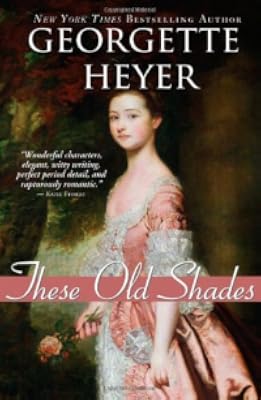
Set in the Georgian period, about 20 years before the Regency, These Old Shades is considered to be the novel that launched Heyer's career. It features two of Heyer's most memorable characters: Justin Alastair, the Duke of Avon, and Leonie, whom he rescues from a life of ignomy and comes to love and marry. The Duke is known for his coldness of manner, his remarkable omniscience, and his debauched lifestyle. Late one evening, he is accosted by a young person dressed in ragged boy's clothing show more running away from a brutal rustic guardian. The Duke buys "Leon" and makes the child his page. "Leon" is in fact Leonie, and she serves the Duke with deep devotion. When he uncovers the true story of her birth, he wreaks an unforgettable revenge on her sinister father in a chilling scene of public humiliation. Praise for Georgette Heyer: "Our Georgette Heyer display of the Sourcebooks reprints has been a huge success, not only to those early fans like myself, but to many new readers who appreciate her style and wit." --Nancy Olson, Quail Ridge Books, Raleigh, NC "Reading Georgette Heyer is the next best thing to reading Jane Austen." --Publishers Weekly "Wonderful characters, elegant, witty writing, perfect period detail, and rapturously romantic. Georgette Heyer achieves what the rest of us only aspire to." --Katie Fforde "Absolute monarch of the Regency romance." --Kirkus Reviews show lessTags
Recommendations

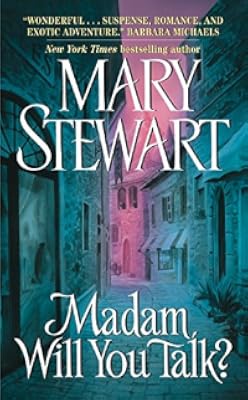
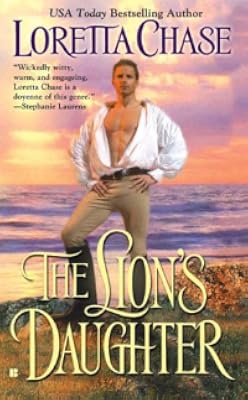
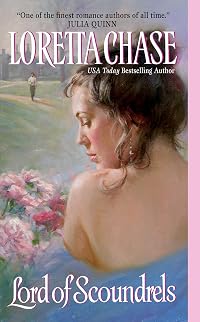
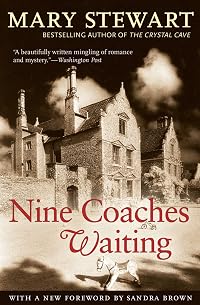











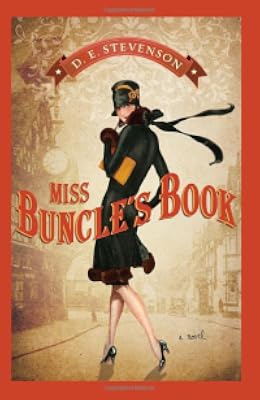
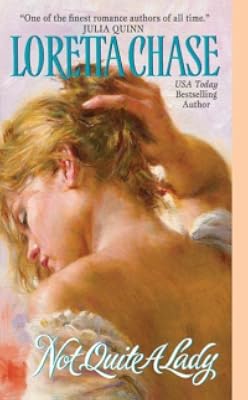
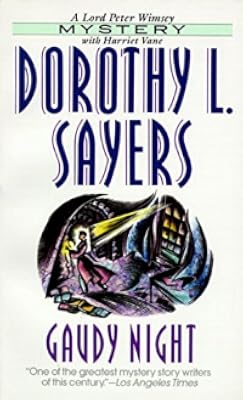
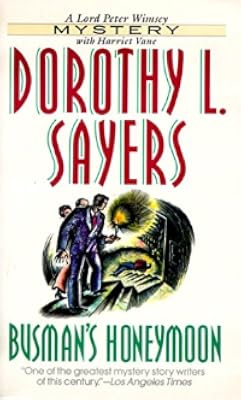

Member Recommendations


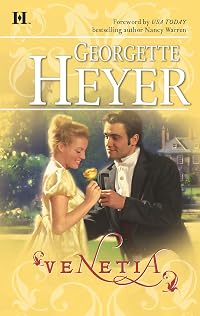
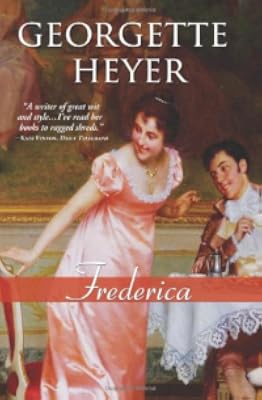
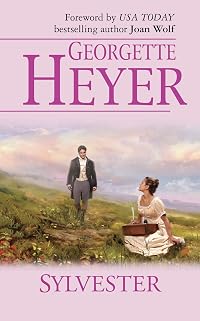
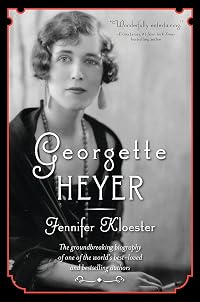
Litrvixen Inspired by These Old Shades

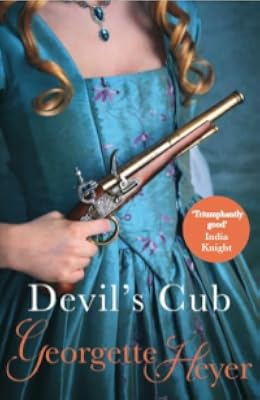
thebookishpilgrim About the son. Same author, similar style
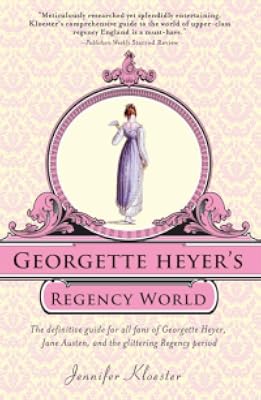
thebookishpilgrim Similar

Member Reviews
One of Georgette Heyer's most popular novels, These Old Shades is a Georgian romantic-adventure-novel, and the first in a series of three titles devoted to the affairs of the Alastair family. It follows the story of Justin Alastair, the Duke of Avon, dubbed "Satanas" as a result of his many scandalous and unworthy deeds. When Avon "rescues" the red-headed "Leon/Leonie" from the streets of Paris, it is with the intention of using him/her in a game of revenge against his old enemy, the Comte de Saint-Vire. But even the devil can fall in love, and soon the Duke has another goal in sight...
Reading These Old Shades is a bit like chewing on crushed glass - quite painful, and attended by the knowledge that it cannot be good for me. If I were show more not so intent on reading Heyer's entire ouevre as part of a project, I might have spared myself the discomfort. Set it down to my neat soul, or a completist nature. However that may be, my long-standing distaste at this work is mostly unchanged, with a few grudging caveats.
I am aware that many readers perceive in this novel a story of redemption, and I am constrained to acknowledge, after this re-reading, that Avon does indeed allow love to soften him somewhat (one of the aforementioned caveats). But though I came to believe in the sincerity of his regard for Leonie, I found him such a hideously vile "hero" otherwise - cold, manipulative and hypocritical - that I remained indifferent, much as I would if informed that some horrible mass-murderer had a secret fondness for puppies. Puppies are lovely (I have a soft spot for them myself), but let's keep our gaze focused on all those mutilated bodies, if you please...
Avon demonstrates an inhumanity that I find hard to forgive, particularly in a romantic hero. His behavior towards women is exploitative and contemptuous, and I found myself thinking of him as a likely rapist. I realize that this might seem far-fetched to some, as it is never mentioned in the text (this is Heyer, after all), but I think it safe to assume that an eighteenth-century aristocrat who wouldn't hesitate to abduct a "lady," and who has such a reputation for debauchery, has probably used coercion with women of lower economic classes. His stricter standards, as regards his own sister, and eventually Leonie, thus struck me as arising from a hypocritical double-standard, rather than any honorable impulse.
Avon displays a virulent kind of class hatred that, while perhaps not surprising in a character of his time and background, was still grating to witness. In this schema, class is not a question of upbringing, but of blood. It is innate - nature rather than nurture. Thus the peasant boy who is foisted upon society as the Comte's son is discontented and dull-witted, and longs only for a farm, while the aristocratic girl raised by peasants is all delicate sensitivity - a diamond in the rough. The scene, early in the novel, in which they are compared, had almost the flavor of racism to it, as if he were an "animal" and she a "person."
While perhaps not as contemptible as Avon, the "heroine" of the piece is more irritating than charming, displaying exactly the kind of "my man can do no wrong" attitude that I find so obnoxious. Anyone placed, as Leonie was, in a position to observe the worst of human behavior, could not be unaware of the suffering that must accompany it, and her indifference to Avon's past cruelties seems incredible. Perhaps we are meant to believe that she is so grateful at being rescued from a life of misery, that she has abandoned all independent thought, as concerns the matter? How charming...
I have been taken to task by my fellow readers before, both for imposing my modern views on characters meant to be historical creations, and for reading too much social meaning into works that are meant, at most, to entertain the reader. I suppose my response would be that there is quite a bit of ugliness in These Old Shades, and however "appropriate" the attitudes and behaviors depicted may have been for characters of that time and place, they do NOT entertain me. If that is what Georgette Heyer meant to do, than regrettably, she has failed... show less
Reading These Old Shades is a bit like chewing on crushed glass - quite painful, and attended by the knowledge that it cannot be good for me. If I were show more not so intent on reading Heyer's entire ouevre as part of a project, I might have spared myself the discomfort. Set it down to my neat soul, or a completist nature. However that may be, my long-standing distaste at this work is mostly unchanged, with a few grudging caveats.
I am aware that many readers perceive in this novel a story of redemption, and I am constrained to acknowledge, after this re-reading, that Avon does indeed allow love to soften him somewhat (one of the aforementioned caveats). But though I came to believe in the sincerity of his regard for Leonie, I found him such a hideously vile "hero" otherwise - cold, manipulative and hypocritical - that I remained indifferent, much as I would if informed that some horrible mass-murderer had a secret fondness for puppies. Puppies are lovely (I have a soft spot for them myself), but let's keep our gaze focused on all those mutilated bodies, if you please...
Avon demonstrates an inhumanity that I find hard to forgive, particularly in a romantic hero. His behavior towards women is exploitative and contemptuous, and I found myself thinking of him as a likely rapist. I realize that this might seem far-fetched to some, as it is never mentioned in the text (this is Heyer, after all), but I think it safe to assume that an eighteenth-century aristocrat who wouldn't hesitate to abduct a "lady," and who has such a reputation for debauchery, has probably used coercion with women of lower economic classes. His stricter standards, as regards his own sister, and eventually Leonie, thus struck me as arising from a hypocritical double-standard, rather than any honorable impulse.
Avon displays a virulent kind of class hatred that, while perhaps not surprising in a character of his time and background, was still grating to witness. In this schema, class is not a question of upbringing, but of blood. It is innate - nature rather than nurture. Thus the peasant boy who is foisted upon society as the Comte's son is discontented and dull-witted, and longs only for a farm, while the aristocratic girl raised by peasants is all delicate sensitivity - a diamond in the rough. The scene, early in the novel, in which they are compared, had almost the flavor of racism to it, as if he were an "animal" and she a "person."
While perhaps not as contemptible as Avon, the "heroine" of the piece is more irritating than charming, displaying exactly the kind of "my man can do no wrong" attitude that I find so obnoxious. Anyone placed, as Leonie was, in a position to observe the worst of human behavior, could not be unaware of the suffering that must accompany it, and her indifference to Avon's past cruelties seems incredible. Perhaps we are meant to believe that she is so grateful at being rescued from a life of misery, that she has abandoned all independent thought, as concerns the matter? How charming...
I have been taken to task by my fellow readers before, both for imposing my modern views on characters meant to be historical creations, and for reading too much social meaning into works that are meant, at most, to entertain the reader. I suppose my response would be that there is quite a bit of ugliness in These Old Shades, and however "appropriate" the attitudes and behaviors depicted may have been for characters of that time and place, they do NOT entertain me. If that is what Georgette Heyer meant to do, than regrettably, she has failed... show less
How much do I love Georgette Heyer? Oh goodness, her books always make me so very, VERY happy! I swear, I cannot be in a bad mood when I pick up one of her books.
This one was especially super adorable. I mean, the relationship between Léon/Léonie and the Duke – ah! The Duke loved her right from the beginning, and the way he wanted to adopt her and launch her into society, all the while ignoring his own feelings of love for her, ah! I am quite the sucker for those kinds of stories.
You know what is most exciting about these books? The fact that quite often the hero is a total and complete rake! And the heroine KNOWS this fact but oh loves the hero anyways, and maybe just MAYBE she may be his salvation but it would actually be much show more more exciting if he didn’t redeem his ways because his rakishness is what made him so charming and attractive in the first place. OH YES IT’S WONDERFUL.
I will admit one thing about this book, however. I really kind of wish that Léon had STAYED Léon and if they had had a page-Duke love affair. That would’ve been so much more adorable. Alas, ’twas not to be. (On that note, I’m wondering if maybe I should pick up Ellen Kushner’s Swordspoint again. Or maybe someone should recommend me some lgbt regency books.)
The Bottom Line
One of my favourites of hers! Yes, yes it is! show less
This one was especially super adorable. I mean, the relationship between Léon/Léonie and the Duke – ah! The Duke loved her right from the beginning, and the way he wanted to adopt her and launch her into society, all the while ignoring his own feelings of love for her, ah! I am quite the sucker for those kinds of stories.
You know what is most exciting about these books? The fact that quite often the hero is a total and complete rake! And the heroine KNOWS this fact but oh loves the hero anyways, and maybe just MAYBE she may be his salvation but it would actually be much show more more exciting if he didn’t redeem his ways because his rakishness is what made him so charming and attractive in the first place. OH YES IT’S WONDERFUL.
I will admit one thing about this book, however. I really kind of wish that Léon had STAYED Léon and if they had had a page-Duke love affair. That would’ve been so much more adorable. Alas, ’twas not to be. (On that note, I’m wondering if maybe I should pick up Ellen Kushner’s Swordspoint again. Or maybe someone should recommend me some lgbt regency books.)
The Bottom Line
One of my favourites of hers! Yes, yes it is! show less
This book is an absolute classic of historical romantic fiction. Although not Heyer's first published novel, it was her first runaway best seller, and for good reason. Oddly enough, it is a sequel of sorts to her first novel, [ The Black Moth], written when she was 19. The villain of that story is redeemed and becomes the hero of this one . All the character names have been changed between the two books. One story is that she did not have publishing rights over the first book and thus could not write a true sequel with a different publisher. Another is that she wanted to improve on her characterizations in her youthful book. I suspect it's a bit of both.
Anyway, by description, I would not care for this story. May-December romances are show more usually not a favorite and Avon is forty to Leonie's nineteen. And any description of the plot sounds overwrought and melodramatic. But in Heyer's masterful hands, it is purely romantic. It is set in the Georgian period, (powdered wigs, wide panniers under skirts, men in velvet and lace, false beauty patches, etc.). Heyer totally makes the reader believe that the extravagant story suits the extravagant era. And Leonie, the young/old impish heroine, is a delight from start to finish. No one could resist her, not even the jaded and cynical Avon . So cast realism aside, and enjoy this wild romantic escapade. show less
Anyway, by description, I would not care for this story. May-December romances are show more usually not a favorite and Avon is forty to Leonie's nineteen. And any description of the plot sounds overwrought and melodramatic. But in Heyer's masterful hands, it is purely romantic. It is set in the Georgian period, (powdered wigs, wide panniers under skirts, men in velvet and lace, false beauty patches, etc.). Heyer totally makes the reader believe that the extravagant story suits the extravagant era. And Leonie, the young/old impish heroine, is a delight from start to finish. No one could resist her, not even the jaded and cynical Avon . So cast realism aside, and enjoy this wild romantic escapade. show less
Enid Blyton meets PG Wodehouse; all very frothy and silly, but a smattering of historical slang does not a satisfying story make. Leon/Leonie is a typical Heyer-oine, delighting the hero and all secondary characters with the force of her desire to act like a boy (this theory that a heroine must mask or deny her gender to be regarded as 'equal' to the men is popular with Heyer); a tedious caricature who speaks in stunted sentences peppered with French, to show that she is foreign ("Ah, bah! Monsieur, he is a pig-person - voila!") The Duke of Avon - given the preposterous and anachronistic first name of Justin, which I chose to mentally replace with his family name, Alastair - was a promising hero, a dark and brooding Sir Percy Blakeney show more with a Reputation, until Heyer chose to iron out his personality and make him a safe and aging suitor - tamed by this supposedly 'original' young woman in his care. And Avon's relationship with Leon/Leonie was disturbing throughout - an aging roue buying a young lad as his 'page', the cringing dependency of a whiny and obsequious 'ward' who sits at her master's feet, and then the suggestion that this is the basis for a successful marriage? Not to mention the irony that 'high-born' Leonie is considered a very forward young woman who will bow to no man's will - put her in a frock and the 'hoydenish' behaviour is replaced by a submissive, simpering, tearful milksop! The contradiction in terms of a Heyer hoyden is not unique to this story, however.
The plot volleys between the France of King Louis XV and Georgian England, but the only real difference is the increase of bad accents and a change of titles. Nobility of birth is all, personality is nil; men are men, despite addressing each other as 'beloved' and carrying fans, but being a woman merely gets in the way of a good Adventure. The dialogue, usually the best feature of Heyer's writing, is drawn-out and repetitive in this novel - if the 'banter' and exposition were trimmed, this book could be a hundred pages shorter - and certain words and phrases are over-used ('twinkling' eyes, 'desolated' men, that unattractive 'gurgle' of the more mature women, and a smattering of schoolgirl French).
A weak novel, unfortunately bought in tandem with its sequel, 'Devil's Cub' - but a recovery might be in order before crawling on hands and knees to meet Leonie again! show less
The plot volleys between the France of King Louis XV and Georgian England, but the only real difference is the increase of bad accents and a change of titles. Nobility of birth is all, personality is nil; men are men, despite addressing each other as 'beloved' and carrying fans, but being a woman merely gets in the way of a good Adventure. The dialogue, usually the best feature of Heyer's writing, is drawn-out and repetitive in this novel - if the 'banter' and exposition were trimmed, this book could be a hundred pages shorter - and certain words and phrases are over-used ('twinkling' eyes, 'desolated' men, that unattractive 'gurgle' of the more mature women, and a smattering of schoolgirl French).
A weak novel, unfortunately bought in tandem with its sequel, 'Devil's Cub' - but a recovery might be in order before crawling on hands and knees to meet Leonie again! show less
This is one of my favorite Georgette Heyer books, and I was long overdue for a reread. Justin, Duke of Avon, and Leon/Leonie are two of the most enjoyable characters I have ever read. The duke is a notorious rake, arrogant, condescending, and seemingly obsessed with his appearance. His conversations are laced with insults and sarcasm. But he is also good to his friends and family, though he hides it well behind snarky comments at the same time. In the opening scene, he impetuously saves a young urchin from the clutches of the boy's older brother and decides to make him a page. It's clear that Justin has a plan, but keeps it a closely guarded secret.
Leon is young, innocent, but not naïve. He has seen a lot in his nineteen years and show more knows that he has gotten very lucky. His adoration of the duke is immediate and all-encompassing, and it seems that he will do anything that Justin asks of him. There is also a streak of rebelliousness, as shown by his tendency to question Justin's dictates when they don't suit him. He also has a volatile temper, which makes its appearance when anyone has the temerity to bad-mouth the duke.
I thoroughly enjoyed the first part of the book, as Leon settled into his role as a page. We get a hint that Justin is using him as some sort of revenge against his long-time enemy St. Vire, and small pieces of the plot are slowly revealed. It was fascinating to see Justin's cool and calculating actions as he put his plans in place. It was fun to see the changes in Leon - as he gets more comfortable, he seems to enjoy tweaking Justin's cool exterior. I liked seeing Justin's surprise, and then amusement at Leon's temerity. There were plenty of amusing moments involving Leon's opinions on what he sees. I especially enjoyed the trip to Versailles. But not everything is as it seems, and Leon is keeping a rather big secret - or so he thinks. I loved the confrontation between Justin and his friend Hugh, as the truth about Leon comes out between the two. I liked Hugh's protectiveness, even though it wasn't really needed.
The second part of the book, after Justin reveals to her that he's known all along that Leon is really Leonie, was even more fun to read. Leonie's disgust at Justin's plans to turn her back into a girl was hilarious, as was her attempt to bargain her cooperation for lessons in swordplay. I thoroughly enjoyed his sister Fanny's amazement at Justin's plans. She was, as Leonie said, rather "silly" but she had a kind and generous heart, and I loved the way she took to Leonie. I ached a little for Leonie as Justin left her in the country with her chaperone. She was a little bit lost and lonely without her " Monseigneur," at least until Justin's younger brother Rupert showed up. The two of them were quite the pair with their teasing and arguing. Leonie liked nothing better than getting a rise out of him, and she was very good at it.
Justin's actions have begun to bear fruit, and the unexpected appearance of St. Vire in England portends trouble. Even though I've read the book before, I was still on the edge of my seat when he kidnapped Leonie and made off with her. Rupert was hilarious in his role of white knight. I was a bit disappointed in Justin's first reaction to their disappearance, but he made up for it quite well when he discovered the truth. The complexity of Justin's machinations continued once they arrive back in Paris. Leonie clearly enjoys all the hoopla, and I loved her reactions to the various people she met. It's pretty obvious that she compares them all to her " Monseigneur " and most of them do not fare well in the comparison. As always, I was captivated by the sheer audacity of Justin's plans. I ached for Leonie when she heard the rumors and confronted St. Vire. Her love for Justin was quite clear and drove her to take the actions she did. I could feel Justin's pain and anger, and the bone-deep need to bring St. Vire to justice. The confrontation was masterfully done, and I loved how Justin had everyone spellbound as he carried it out. I also loved how all of their friends had important parts to play.
The scene between Leonie and Justin when he went after her was heart-wrenching and romantic. Throughout the book, Justin gradually changed from the cold, selfish man he used to be, to one who could show the love he felt. But though he admitted his feelings, he insists that he is too old and too steeped in scandal for her. I loved that Leonie still refused to hear a word against him - even from himself. These words said it best:
"Léonie, you will do well to consider. You are not the first woman in my life."
She smiled through her tears. "Monseigneur, I would so much rather be the last woman than the first,” she said.”
and
”His Grace looked deep into her eyes, and then went down on one knee, and raised her hand to his lips.
‘Little one,’ he said, very low, ‘since you will stoop to wed me, I pledge you my word that you shall not in the future have cause to regret it."
The secondary characters are great. There is Hugh Davenant, who plays the part of Justin's conscience. Justin's slightly flighty, but loving sister Fanny and her slightly stick-in-the-muddish husband, who come through when they are needed in France. Cousin Harriet, who played the part of instructor and chaperone, but in the end couldn't handle Leonie's unconventional personality. Justin's brother Rupert who is something of a comic foil, but also shows Justin's emotional growth thanks to Leonie. Lord and Lady Merivale, who have every reason to hate Justin, but again, are reconciled with him thanks to Leonie. Paris itself was another character, with the vividness of its world, from the streets to its glittering ballrooms to the colorful people who populated it.
There are a lot of people who find the age difference between Justin and Leonie (20 years) rather creepy, along with his seemingly patronizing attitude toward her. The age difference wasn't all that unusual for the time period, plus I felt that though Leonie was young in years, her soul was older thanks to the life she had lived. I also got the feeling that Justin's frequent use of "infant" and "my child" was his attempt to keep an emotional distance from her. It didn't work. I enjoyed seeing the reactions of each of their friends as they realized that Justin was in love with her. show less
Leon is young, innocent, but not naïve. He has seen a lot in his nineteen years and show more knows that he has gotten very lucky. His adoration of the duke is immediate and all-encompassing, and it seems that he will do anything that Justin asks of him. There is also a streak of rebelliousness, as shown by his tendency to question Justin's dictates when they don't suit him. He also has a volatile temper, which makes its appearance when anyone has the temerity to bad-mouth the duke.
I thoroughly enjoyed the first part of the book, as Leon settled into his role as a page. We get a hint that Justin is using him as some sort of revenge against his long-time enemy St. Vire, and small pieces of the plot are slowly revealed. It was fascinating to see Justin's cool and calculating actions as he put his plans in place. It was fun to see the changes in Leon - as he gets more comfortable, he seems to enjoy tweaking Justin's cool exterior. I liked seeing Justin's surprise, and then amusement at Leon's temerity. There were plenty of amusing moments involving Leon's opinions on what he sees. I especially enjoyed the trip to Versailles. But not everything is as it seems, and Leon is keeping a rather big secret - or so he thinks. I loved the confrontation between Justin and his friend Hugh, as the truth about Leon comes out between the two. I liked Hugh's protectiveness, even though it wasn't really needed.
The second part of the book, after Justin reveals to her that he's known all along that Leon is really Leonie, was even more fun to read. Leonie's disgust at Justin's plans to turn her back into a girl was hilarious, as was her attempt to bargain her cooperation for lessons in swordplay. I thoroughly enjoyed his sister Fanny's amazement at Justin's plans. She was, as Leonie said, rather "silly" but she had a kind and generous heart, and I loved the way she took to Leonie. I ached a little for Leonie as Justin left her in the country with her chaperone. She was a little bit lost and lonely without her " Monseigneur," at least until Justin's younger brother Rupert showed up. The two of them were quite the pair with their teasing and arguing. Leonie liked nothing better than getting a rise out of him, and she was very good at it.
Justin's actions have begun to bear fruit, and the unexpected appearance of St. Vire in England portends trouble. Even though I've read the book before, I was still on the edge of my seat when he kidnapped Leonie and made off with her. Rupert was hilarious in his role of white knight. I was a bit disappointed in Justin's first reaction to their disappearance, but he made up for it quite well when he discovered the truth. The complexity of Justin's machinations continued once they arrive back in Paris. Leonie clearly enjoys all the hoopla, and I loved her reactions to the various people she met. It's pretty obvious that she compares them all to her " Monseigneur " and most of them do not fare well in the comparison. As always, I was captivated by the sheer audacity of Justin's plans. I ached for Leonie when she heard the rumors and confronted St. Vire. Her love for Justin was quite clear and drove her to take the actions she did. I could feel Justin's pain and anger, and the bone-deep need to bring St. Vire to justice. The confrontation was masterfully done, and I loved how Justin had everyone spellbound as he carried it out. I also loved how all of their friends had important parts to play.
The scene between Leonie and Justin when he went after her was heart-wrenching and romantic. Throughout the book, Justin gradually changed from the cold, selfish man he used to be, to one who could show the love he felt. But though he admitted his feelings, he insists that he is too old and too steeped in scandal for her. I loved that Leonie still refused to hear a word against him - even from himself. These words said it best:
"Léonie, you will do well to consider. You are not the first woman in my life."
She smiled through her tears. "Monseigneur, I would so much rather be the last woman than the first,” she said.”
and
”His Grace looked deep into her eyes, and then went down on one knee, and raised her hand to his lips.
‘Little one,’ he said, very low, ‘since you will stoop to wed me, I pledge you my word that you shall not in the future have cause to regret it."
The secondary characters are great. There is Hugh Davenant, who plays the part of Justin's conscience. Justin's slightly flighty, but loving sister Fanny and her slightly stick-in-the-muddish husband, who come through when they are needed in France. Cousin Harriet, who played the part of instructor and chaperone, but in the end couldn't handle Leonie's unconventional personality. Justin's brother Rupert who is something of a comic foil, but also shows Justin's emotional growth thanks to Leonie. Lord and Lady Merivale, who have every reason to hate Justin, but again, are reconciled with him thanks to Leonie. Paris itself was another character, with the vividness of its world, from the streets to its glittering ballrooms to the colorful people who populated it.
There are a lot of people who find the age difference between Justin and Leonie (20 years) rather creepy, along with his seemingly patronizing attitude toward her. The age difference wasn't all that unusual for the time period, plus I felt that though Leonie was young in years, her soul was older thanks to the life she had lived. I also got the feeling that Justin's frequent use of "infant" and "my child" was his attempt to keep an emotional distance from her. It didn't work. I enjoyed seeing the reactions of each of their friends as they realized that Justin was in love with her. show less
Georgette Heyer outdid herself with this one. This is going in my top five for sure! The whole girl disguising herself as a boy thing always had me intrigued, Heyer added humor and BAM! A hilarious romp.
The Duke of Avon is strolling home one night and happens upon a ragamuffin fleeing from their nasty guardian. The Duke buys Leon and makes him his page and soon figures out that Leon is actually Leonie and that a mystery surrounds her.
As usual, I enjoyed the side characters more so than the main. Rupert had me cracking up every time he spoke and I just loved Fanny's silliness. Of course, I just loved Leonie, as well. She was a very outspoken heroine, not at all the norm.
When a Heyer novel makes me grin like a silly person without show more realizing it, than it is definitely a keeper! These Old Shades is a true Heyer classic! On to Devil's Cub! show less
The Duke of Avon is strolling home one night and happens upon a ragamuffin fleeing from their nasty guardian. The Duke buys Leon and makes him his page and soon figures out that Leon is actually Leonie and that a mystery surrounds her.
As usual, I enjoyed the side characters more so than the main. Rupert had me cracking up every time he spoke and I just loved Fanny's silliness. Of course, I just loved Leonie, as well. She was a very outspoken heroine, not at all the norm.
When a Heyer novel makes me grin like a silly person without show more realizing it, than it is definitely a keeper! These Old Shades is a true Heyer classic! On to Devil's Cub! show less
Gosh!
This was not a romance novel where I really loved any of the characters, they're all ridiculous (and pretty terrible people). It was very entertaining, however. How come Heyer does so much better at the crossdressing tropes than almost anyone in the hundred years since she wrote this? We have both forced masc AND forced fem (your brother sells you as a servant to a powerful man, he takes you back to his own country where you don't know anyone, and then tells you that he's decided you have to be a girl now, you scream cry and beg and he won't relent, you have to submit, but you can please your Dom employer by learning to be good at being a girl .... someone introduce this woman to fetlife.) Also, Leon's pronouns don't change smoothly show more - people still mess them up - and s/he refuses to give up pants, fencing, cussing (such as it is), and running around in the woods.
The gay subtext is bursting out of every jot and tittle. Hugh and Justin flirt, Justin's fashion is so far out that everyone else makes fun of him for it, and Rupert declares that he's not at all interested in women. That's of course leaving aside the outrageous flirting and D/s text between Justin and Leon. There's a massive power imbalance on top of the age difference, which Heyer is clearly enjoying too much to moderate.
The bad: Fanny has a slave who's mentioned in YIKES terms for all of two lines and then never appears again (small mercies....). The hero is an attempted rapist, but in a genteel kind of way where he "just" wanted to force the lady to marry him. Everyone is stratospheric levels of classist, including the author, who thinks that Blood Will Out and it's just genetics that some people are fascinated by farming and others are so smart and important and beautiful that they are able to take on the difficult but vital work of going to parties, gambling, wearing insane clothes, and torturing each other socially.
Anyway, I'm off to read some outrageous fanfic!
*
Wow, I nearly forgot about how mad I was about the "glossary of regency slang" at the back of my edition. a) it's arranged in ten(!) different sections by subject and then loosely by alphabet, so that you have to look at all ten to ensure you didn't miss the word you're looking for. b) YOU DIDN'T MISS THE WORD YOU'RE LOOKING FOR, not a single! solitary!! word!!! in the glossary!! is actually!!! in the text!!!!!!!
I noticed when I actually hit the end of the book that this was just a "sneak peek" at a glossary of regency slang someone else is publishing, and I think I might have to go rate that one star out of spite. show less
This was not a romance novel where I really loved any of the characters, they're all ridiculous (and pretty terrible people). It was very entertaining, however. How come Heyer does so much better at the crossdressing tropes than almost anyone in the hundred years since she wrote this? We have both forced masc AND forced fem (
The gay subtext is bursting out of every jot and tittle. Hugh and Justin flirt, Justin's fashion is so far out that everyone else makes fun of him for it, and Rupert declares that he's not at all interested in women. That's of course leaving aside the outrageous flirting and D/s text between Justin and Leon. There's a massive power imbalance on top of the age difference, which Heyer is clearly enjoying too much to moderate.
The bad: Fanny has a slave who's mentioned in YIKES terms for all of two lines and then never appears again (small mercies....). The hero is an attempted rapist, but in a genteel kind of way where he "just" wanted to force the lady to marry him. Everyone is stratospheric levels of classist, including the author, who thinks that Blood Will Out and it's just genetics that some people are fascinated by farming and others are so smart and important and beautiful that they are able to take on the difficult but vital work of going to parties, gambling, wearing insane clothes, and torturing each other socially.
Anyway, I'm off to read some outrageous fanfic!
*
Wow, I nearly forgot about how mad I was about the "glossary of regency slang" at the back of my edition. a) it's arranged in ten(!) different sections by subject and then loosely by alphabet, so that you have to look at all ten to ensure you didn't miss the word you're looking for. b) YOU DIDN'T MISS THE WORD YOU'RE LOOKING FOR, not a single! solitary!! word!!! in the glossary!! is actually!!! in the text!!!!!!!
I noticed when I actually hit the end of the book that this was just a "sneak peek" at a glossary of regency slang someone else is publishing, and I think I might have to go rate that one star out of spite. show less
Members
- Recently Added By
Lists

Favorite Georgette Heyer Novels, Ranked
49 works; 29 members

Best Historical Fiction
620 works; 261 members

Recommend the 20 best books you've read in the last five years
2,168 works; 606 members

French Books
102 works; 15 members

Favourite Books
1,819 works; 316 members

Comedy of Manners
73 works; 1 member
Ten Books That Have Stayed With Me
160 works; 30 members
Set in the 18th century
13 works; 4 members

Best Laugh Out Loud Books
143 works; 49 members

KayStJ's to-read list
1,616 works; 11 members

In and About the 1920s
181 works; 31 members
Author Information

125+ Works 78,177 Members
Georgette Heyer was born on August 16, 1902 at Wimbledon, London. She wrote The Black Moth as a story for her brother Boris. Her father, impressed with his daughter's imagination, suggested that she prepare it to be published, which it was by Constable in 1921. Having scored an instant success with The Black Moth at the age of nineteen under her show more own name, Georgette Heyer, she experimented with a pseudonym, Stella Martin, for her third book, published by Mills & Boon. She continued writing and in 1925 she married Ronald Rougier, a mining engineer. After reasonable but not spectacular sales from her first few books the instant success of These Old Shades in 1926 brought her a solid source of income which was very necessary at the time since the family relied to a large extent on the income from Georgette Heyer's writing. She wrote over fifty books during her lifetime and created the Regency England genre of romance novels. She died on July 4, 1974 at the age of 71. (Bowker Author Biography) show less
Some Editions
Awards and Honors
Notable Lists
Series

Belongs to Publisher Series
Fawcett Crest Books (Georgian Romance)
rororo (643-644)
Work Relationships
Common Knowledge
- Canonical title*
- Onnen velka
- Original title
- These Old Shades
- Alternate titles*
- These Old Shades
- Original publication date
- 1926
- People/Characters
- Lord Justin Alastair, Duke of Avon 'Satanas'; Leonie de Saint Vire 'Leon'; Comte de Saint Vire; Hugh Davenant; Lord Rupert Alastair
- Important places
- London, England, UK; Paris, France
- Important events
- Georgian Era
- First words
- A gentleman was strolling down a side street in Paris, on his way back from the house of one Madame de Verchoureux.
- Last words
- (Click to show. Warning: May contain spoilers.)"Ah, bah!" said the Duchess of Avon.
- Blurbers
- Drabble, Margaret; Fforde, Katie
- Original language
- English
*Some information comes from Common Knowledge in other languages. Click "Edit" for more information.
Classifications
Statistics
- Members
- 2,564
- Popularity
- 7,446
- Reviews
- 82
- Rating
- (4.07)
- Languages
- 10 — Dutch, English, Estonian, Finnish, French, German, Italian, Portuguese, Spanish, Swedish
- Media
- Paper, Audiobook, Ebook
- ISBNs
- 65
- UPCs
- 2
- ASINs
- 52