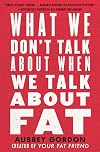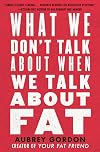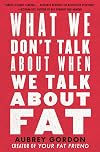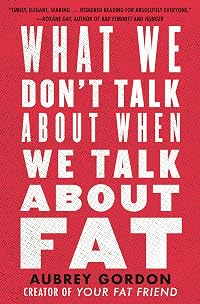
What We Don't Talk About When We Talk About Fat
by Aubrey Gordon
On This Page
Description
From the creator of Your Fat Friend and co-host of the Maintenance Phase podcast, an explosive indictment of the systemic and cultural bias facing plus-size people.Anti-fatness is everywhere. In What We Don’t Talk About When We Talk About Fat, Aubrey Gordon unearths the cultural attitudes and social systems that have led to people being denied basic needs because they are fat and calls for social justice movements to be inclusive of plus-sized people’s experiences. Unlike the recent show more wave of memoirs and quasi self-help books that encourage readers to love and accept themselves, Gordon pushes the discussion further towards authentic fat activism, which includes ending legal weight discrimination, giving equal access to health care for large people, increased access to public spaces, and ending anti-fat violence. As she argues, “I did not come to body positivity for self-esteem. I came to it for social justice.”
By sharing her experiences as well as those of others—from smaller fat to very fat people—she concludes that to be fat in our society is to be seen as an undeniable failure, unlovable, unforgivable, and morally condemnable. Fatness is an open invitation for others to express disgust, fear, and insidious concern. To be fat is to be denied humanity and empathy. Studies show that fat survivors of sexual assault are less likely to be believed and less likely than their thin counterparts to report various crimes; 27% of very fat women and 13% of very fat men attempt suicide; over 50% of doctors describe their fat patients as “awkward, unattractive, ugly and noncompliant”; and in 48 states, it’s legal—even routine—to deny employment because of an applicant’s size.
Advancing fat justice and changing prejudicial structures and attitudes will require work from all people. What We Don’t Talk About When We Talk About Fat is a crucial tool to create a tectonic shift in the way we see, talk about, and treat our bodies, fat and thin alike. show less
Tags
Recommendations




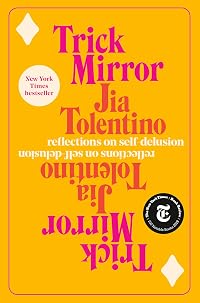
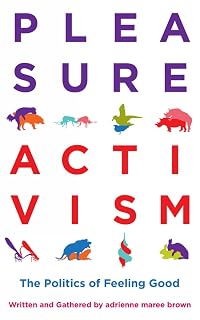



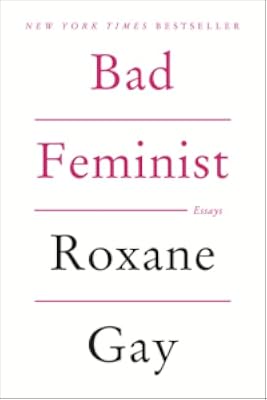
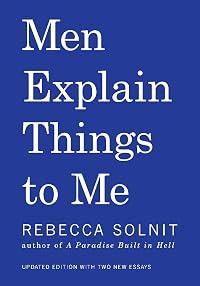







Member Reviews
Well to start off, this book just gave me more confirmation that most of the people out there are awful. It seems that fat bias really is the last frontier of hate, and it’s very important to know and learn more here. The author does a wonderful job of weaving her own stories with research and reporting on lots of horrible people. It’s actually a hard read in an emotional sense, but I hope that it’s read by many who are hopefully able to look inside themselves to see the hate and also start to change the tide with others who think the same.
Best for:
Everyone, but especially straight-sized individuals, and people who still hold onto ideas about weight as a proxy for health.
In a nutshell:
CN: Diets and all things weight related.
Author Gordon, who describes herself as very fat, explores all the ways in which society fails fat people, offering suggestions for body justice.
Worth quoting:
So much, but I’ll try to limit it…
“Despite a mountain of evidence linking physical and mental health to social discrimination, the conversation about fat and health stubbornly refuses to acknowledge the possible influence of stigma in determining fat people’s health.”
“What we have long considered the health conditions associated with being fat in actuality may be the effects of show more long-term dieting, which very fat people are pressured heavily to do.”
“We deserve a paradigm of personhood that does not make size or health a prerequisite for dignity and respect.”
“Anti-fatness isn’t about saving fat people, expressing concern for our health, or even about hurting us. Hurting us is a byproduct of reinforcing the egos of the privileged thin.”
“Like men hearing about the pervasiveness of catcalling for the first time, thin people cannot quite reconcile the differences in our daily lives.”
“The marginalization and public abuse of very fat people is so commonplace that it has become accepted, but that doesn’t make it acceptable.”
Why I chose it:
I started listening to the “Maintenance Phase” podcast, which explores all the bullshit within the Wellness and Diet industries, and is hosted by Gordon and a writer from Huff Post. I listened to a year and a half of back episodes in about a week, and when I got to the one about her book, I immediately ordered it.
Review:
I am not fat. I mean, according to the BMI (which, as Gordon clearly lays out in her book, is utter bullshit) I am a bit ‘overweight,’ but even at my heaviest I have always been able to shop in pretty much any store and know that something will fit me (except trousers, but that’s about my height). But I’ve dieted, and still find my mood impacted by the number I see on the scale.
More importantly than this, I’ve been raised in a society that seems to think that fat people don’t deserve kind or even humane treatment. A world where Courtney Cox dons a fat suit for laughs on the most popular TV show at the time. A world where the words ‘obesity epidemic’ are shared everywhere as fact without really anything to back up the reality that, even if there is an increase in obesity, there’s literally no proven way for the vast majority of people to lose weight and keep it off. A world where everyone - thin, fat, in-between - is encouraged to judge fat people and keep them ashamed and embarrassed.
Author Gordon explores all of this and much more in her book. She is what she describes as ‘very fat’, and she has experienced a life of doctors, friends, and strangers making all sorts of assumptions about her, and judgments about her life and frankly about her worth. In the book she shares her own experiences, but this isn’t a memoir. It’s a well-researched, evidence-based look at many of the different ways fat people experience discrimination at the hands of thin people, corporations, the diet industry, and society as a whole.
One area she focuses on, which I found enlightening, was the way the body positivity movement — along with other similar areas — treat the concerns fat people raise as ‘insecurities.’ ‘You just need to feel better in your skin!’ But that ignores the reality that fat people can feel as fine as they like in their skin, but that doesn’t mean a lot if they can’t buy clothes in person, or sit comfortably in a restaurant, or receive quality health care that doesn’t assumer every ailment from an ear infection to a broken bone is caused by weight.
This quote: “We deserve a paradigm of personhood that does not make size or health a prerequisite for dignity and respect,” has stuck with me. There is so much that society has decided we need to do before we are granted respect. People are MAYBE allowed to be fat, but they have to be healthy, or actively trying to become healthy. When in reality, none of that matters. People should be treated with humanity even if their BMI doesn’t fit between 18 and 25.
Recommend to a Friend / Donate it / Toss it:
Recommend to all the people show less
Everyone, but especially straight-sized individuals, and people who still hold onto ideas about weight as a proxy for health.
In a nutshell:
CN: Diets and all things weight related.
Author Gordon, who describes herself as very fat, explores all the ways in which society fails fat people, offering suggestions for body justice.
Worth quoting:
So much, but I’ll try to limit it…
“Despite a mountain of evidence linking physical and mental health to social discrimination, the conversation about fat and health stubbornly refuses to acknowledge the possible influence of stigma in determining fat people’s health.”
“What we have long considered the health conditions associated with being fat in actuality may be the effects of show more long-term dieting, which very fat people are pressured heavily to do.”
“We deserve a paradigm of personhood that does not make size or health a prerequisite for dignity and respect.”
“Anti-fatness isn’t about saving fat people, expressing concern for our health, or even about hurting us. Hurting us is a byproduct of reinforcing the egos of the privileged thin.”
“Like men hearing about the pervasiveness of catcalling for the first time, thin people cannot quite reconcile the differences in our daily lives.”
“The marginalization and public abuse of very fat people is so commonplace that it has become accepted, but that doesn’t make it acceptable.”
Why I chose it:
I started listening to the “Maintenance Phase” podcast, which explores all the bullshit within the Wellness and Diet industries, and is hosted by Gordon and a writer from Huff Post. I listened to a year and a half of back episodes in about a week, and when I got to the one about her book, I immediately ordered it.
Review:
I am not fat. I mean, according to the BMI (which, as Gordon clearly lays out in her book, is utter bullshit) I am a bit ‘overweight,’ but even at my heaviest I have always been able to shop in pretty much any store and know that something will fit me (except trousers, but that’s about my height). But I’ve dieted, and still find my mood impacted by the number I see on the scale.
More importantly than this, I’ve been raised in a society that seems to think that fat people don’t deserve kind or even humane treatment. A world where Courtney Cox dons a fat suit for laughs on the most popular TV show at the time. A world where the words ‘obesity epidemic’ are shared everywhere as fact without really anything to back up the reality that, even if there is an increase in obesity, there’s literally no proven way for the vast majority of people to lose weight and keep it off. A world where everyone - thin, fat, in-between - is encouraged to judge fat people and keep them ashamed and embarrassed.
Author Gordon explores all of this and much more in her book. She is what she describes as ‘very fat’, and she has experienced a life of doctors, friends, and strangers making all sorts of assumptions about her, and judgments about her life and frankly about her worth. In the book she shares her own experiences, but this isn’t a memoir. It’s a well-researched, evidence-based look at many of the different ways fat people experience discrimination at the hands of thin people, corporations, the diet industry, and society as a whole.
One area she focuses on, which I found enlightening, was the way the body positivity movement — along with other similar areas — treat the concerns fat people raise as ‘insecurities.’ ‘You just need to feel better in your skin!’ But that ignores the reality that fat people can feel as fine as they like in their skin, but that doesn’t mean a lot if they can’t buy clothes in person, or sit comfortably in a restaurant, or receive quality health care that doesn’t assumer every ailment from an ear infection to a broken bone is caused by weight.
This quote: “We deserve a paradigm of personhood that does not make size or health a prerequisite for dignity and respect,” has stuck with me. There is so much that society has decided we need to do before we are granted respect. People are MAYBE allowed to be fat, but they have to be healthy, or actively trying to become healthy. When in reality, none of that matters. People should be treated with humanity even if their BMI doesn’t fit between 18 and 25.
Recommend to a Friend / Donate it / Toss it:
Recommend to all the people show less
yes. yes. yes. “This cultural obsession with weight loss doesn’t just impact our physical and mental health; it also impacts our sense of self and, consequently, our relationships with others of different sizes.” this book addresses fat phobia, harassment of fat people, intersections of fat phobia with racism and misogyny, systemic anti-fat bias as it affects everything from employment to good health care and much more. Aubrey Gordon talks about the real effects of anti-fat bias tend to exist on a sliding scale with the worst of it often being directed at the very fat. she mentions a lot of research. research that shows dieting to be statistically really bad in helping people to lose significant amounts of weight and keeping it show more off. research on how cycling through weight loss and gain actually harms your metabolism and makes it harder to lose or even maintain a weight. research showing that the abuse and bias faced by fat people makes them less likely to engage in healthy behaviors. research showing that despite the public discourse that fat people are supposedly unattractive, fat porn is one of the most searched types. Aubrey Gordon writes about the reality of living in a fat body, the harmful nature of fatphobia and what it would take for our culture to re-imagine our relationships to our bodies. everyone should read this and really sit with it. “We can build a world in which fat bodies are valued and supported just as much as thin ones.” show less
I feel like this is a really really important book. Everyone really needs to read this. There are so many kinds of biases in the world and they're all basically bullshit, and anti-fat bias is an easy one to hold because it's almost always couched in "concern for your health". Once you look even a little bit closer though, the health excuse falls away. There are so many incredibly unhealthy and dangerous ways to lose weight, that are much worse for your health than living at a certain weight, that could potentially kill you or certainly shorten your life, and fat people are recommended these things BY DOCTORS. How could it be more healthy to live at a certain weight deemed "unhealthy" than to take medication that fucks up your liver? Or show more your kidneys? Or living on fewer calories than your body needs to maintain proper functioning? Or messing up your metabolism? Honestly, if the "it's for your own health" people went after behaviours instead of bodies I probably still wouldn't love it but at least it would make sense. Wanna tell people who eat pizza every day or never exercise that they're going to die earlier? I mean, rude, and shaming people isn't a helpful tactic, but at least you're going after a behaviour that is known to be unhealthy. Being fat in and of itself is not indicative of a person's health or activity level or diet. Assuming that all fat people must eat junk food and never exercise IS BIAS. Not believing fat people who tell you that they're eating well and exercising and just aren't losing weight IS BIAS. Weight is much more complicated than "calories in, calories out" and even if it wasn't, fat people are people and just want to live their damn lives without total strangers busting in to be concerned about their health. show less
This is an important and timely read. This book, in no uncertain terms, lays out the damage caused by diet culture and the ways in which that damage manifests differently depending on aspects of intersectional identity— queer, Black, trans, to name a few she cites often. It’s shocking to remember the shows I saw as a preteen and young person as completely normal TV (biggest loser, the swan) and consider them now in light of the book.
I subtract one star because I thought the other could have given more real estate to real ways of mythbusting around fatphobia, and confronting it when you observe it. If COVID has proven anything it’s that statistics aren’t quite enough for many skeptics— people need the full, detailed logical show more arc of why something (in this case as simple as being fat) should be allowable or acceptable. There’s a lot of “it’s not nice” to be fatphobic, and not enough “here’s why most people’s assumptions are actually untrue”. show less
I subtract one star because I thought the other could have given more real estate to real ways of mythbusting around fatphobia, and confronting it when you observe it. If COVID has proven anything it’s that statistics aren’t quite enough for many skeptics— people need the full, detailed logical show more arc of why something (in this case as simple as being fat) should be allowable or acceptable. There’s a lot of “it’s not nice” to be fatphobic, and not enough “here’s why most people’s assumptions are actually untrue”. show less
This was a hard one to get through. I had to pause and give myself time to process it, which is why it ended up taking me several months to finish. That being said, it's a very necessary read, and I would recommend it to anyone.
Really thinking about how necessary this work is today.
We need intersectional fat activism NOW. Wonderful and necessary book. Anyone going into healthcare should be required to read this book. Also, anyone in media should absolutely read this book.
I was average size for 20 years and then I was fat for about 10 years. I am, again, average sized. I used to refer to my heavier days as "my fat decade". I guess I felt like it was important to reassure folks that I was no longer that person, that it was a decade not worth remembering. That my existence during this time was better left unaccounted for. It is so strange that I consider my larger-body years as like a mistake or a bad place when so many wonderful things happened during that show more time: I began a relationship with my husband, I was married, I moved to different parts of the country and my fur babies came into my life. It's weird how nothing is really good unless you're skinny. Smaller. More toned. I didn't come up with this on my own, it was drilled into me by a media landscape that is violently anti-fat (anti-anything that is not THIN af).
Anyway - EVERYONE!!! DO BETTER! Hold people, industries, organizations, etc etc accountable. show less
We need intersectional fat activism NOW. Wonderful and necessary book. Anyone going into healthcare should be required to read this book. Also, anyone in media should absolutely read this book.
I was average size for 20 years and then I was fat for about 10 years. I am, again, average sized. I used to refer to my heavier days as "my fat decade". I guess I felt like it was important to reassure folks that I was no longer that person, that it was a decade not worth remembering. That my existence during this time was better left unaccounted for. It is so strange that I consider my larger-body years as like a mistake or a bad place when so many wonderful things happened during that show more time: I began a relationship with my husband, I was married, I moved to different parts of the country and my fur babies came into my life. It's weird how nothing is really good unless you're skinny. Smaller. More toned. I didn't come up with this on my own, it was drilled into me by a media landscape that is violently anti-fat (anti-anything that is not THIN af).
Anyway - EVERYONE!!! DO BETTER! Hold people, industries, organizations, etc etc accountable. show less
Members
- Recently Added By
Lists

Featured in Fat Talk by Virginia Sole-Smith
103 works; 1 member

Workplace Well-being
21 works; 1 member

Books Read 2025
70 works; 2 members
Author Information
3+ Works 775 Members
Awards and Honors
Awards
Common Knowledge
Classifications
- Genres
- Nonfiction, General Nonfiction, Sexuality and Gender Studies, Biography & Memoir
- DDC/MDS
- 616.398 — Applied science & technology Medicine & health Diseases, Allergies, Skin Conditions Diseases of the digestive system Dietetic diseases
- LCC
- RC628 .G674 — Medicine Internal medicine Internal medicine Specialties of internal medicine Metabolic diseases
- BISAC
Statistics
- Members
- 494
- Popularity
- 61,154
- Reviews
- 16
- Rating
- (4.14)
- Languages
- English
- Media
- Paper, Audiobook, Ebook
- ISBNs
- 7
- ASINs
- 4