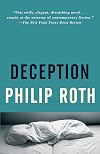
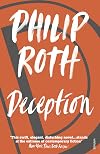
Deception
by Philip Roth
On This Page
Description
"With the lover everyday life recedes," Roth writes -- and exhibiting all his skill as a brilliant observer of human passion, he presents in Deception the tightly enclosed world of adulterous intimacy with a directness that has no equal in American fiction.At the center of Deception are two adulterers in their hiding place. He is a middle-aged American writer named Philip, living in London, and she is an articulate, intelligent, well-educated Englishwoman compromised by a humiliating show more marriage to which, in her thirties, she is already nervously half-resigned. The action consists of conversation -- mainly the lovers talking to each other before and after making love. That dialogue -- sharp, rich, playful, inquiring, "moving," as Hermione Lee writes, "on a scale of pain from furious bafflement to stoic gaiety" -- is nearly all there is to this audiobook, and all there needs to be."A fiendishly clever piece of work . . . an amazing feat. . . . He's invented the purest speech, the most convincing cadences, of any American novelist." -- William Pritchard, Hudson Review show lessTags
Recommendations




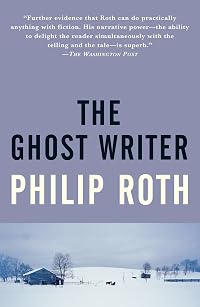
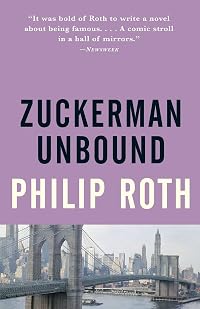











Member Reviews
Evli eşlerin birbirlerini aldatmasının arkasında; Jung’ın deyimiyle “karanlık oda”da neler var, eşler neden aldatır?
Peki aldatma nedir? Yeni bir dokunuşla günlük sıradan ilişkilerin boğuntusundan kaçış mı? Bireyin kendini arayış sürecinde “yaşanmazsa olmaz” bir uğrak mı? Haz, şiddet ve ihanetin tadıyla bezenmiş bir yasak meyve mi? Ego’nun bitip tükenmeyen isteklerinin bir sonucu mu? Aldatan neden haz duyar? Aldatılan neden acı çeker? Aldatma, aldanma mı yoksa? Times Literary Supplement tarafından yüzyılın en iyi yüz romanından biri seçilen Portnoy’un Feryadı’nın yazarı ve tutkuların parlak gözlemcisi Philip Roth, bu kitabında işte yukarıda sıralanan türden soruların show more peşine bütün dobralığıyla düşüyor. Aldatmanın sıcak olduğu kadar tedirgin dünyasını diyaloglardan oluşan sürükleyici bir üslupla aydınlatıyor. Romanın kahramanları olan kadın ve erkeğin sığınaklarında sürdürdükleri sakınımsız konuşmalar kitaba cüretkâr bir özellik kazandırırken, cesur okuru da söyleşiye davet ediyor. Erkek Londra’da yaşayan, orta yaşlı Amerikalı bir yazar. Kadın ise öfkeli, zeki, iyi bir öğrenim görmüş, etkileyici bir üslupla konuşuyor ve otuzlarında; yarı boyun eğerek ve aşağılanarak yaşadığı çekilmez evliliğini kabullenme çabası içinde. Erkek ve kadın sevişmeden önce ve sonra sürekli birbiriyle konuşur; birbirini, kendi iç dünyalarını anlamaya çalıştıkları bir ayna gibi kullanır... Konuşmanın boyutu öfkeli bir zihin karmaşasından; neşeli, kadere aldırış etmeyen geniş bir yelpazeye yayılır... Tek kelimeyle çarpıcı; kendi “yasaksever”likleriyle yüzleşmek isteyenler için show less
Peki aldatma nedir? Yeni bir dokunuşla günlük sıradan ilişkilerin boğuntusundan kaçış mı? Bireyin kendini arayış sürecinde “yaşanmazsa olmaz” bir uğrak mı? Haz, şiddet ve ihanetin tadıyla bezenmiş bir yasak meyve mi? Ego’nun bitip tükenmeyen isteklerinin bir sonucu mu? Aldatan neden haz duyar? Aldatılan neden acı çeker? Aldatma, aldanma mı yoksa? Times Literary Supplement tarafından yüzyılın en iyi yüz romanından biri seçilen Portnoy’un Feryadı’nın yazarı ve tutkuların parlak gözlemcisi Philip Roth, bu kitabında işte yukarıda sıralanan türden soruların show more peşine bütün dobralığıyla düşüyor. Aldatmanın sıcak olduğu kadar tedirgin dünyasını diyaloglardan oluşan sürükleyici bir üslupla aydınlatıyor. Romanın kahramanları olan kadın ve erkeğin sığınaklarında sürdürdükleri sakınımsız konuşmalar kitaba cüretkâr bir özellik kazandırırken, cesur okuru da söyleşiye davet ediyor. Erkek Londra’da yaşayan, orta yaşlı Amerikalı bir yazar. Kadın ise öfkeli, zeki, iyi bir öğrenim görmüş, etkileyici bir üslupla konuşuyor ve otuzlarında; yarı boyun eğerek ve aşağılanarak yaşadığı çekilmez evliliğini kabullenme çabası içinde. Erkek ve kadın sevişmeden önce ve sonra sürekli birbiriyle konuşur; birbirini, kendi iç dünyalarını anlamaya çalıştıkları bir ayna gibi kullanır... Konuşmanın boyutu öfkeli bir zihin karmaşasından; neşeli, kadere aldırış etmeyen geniş bir yelpazeye yayılır... Tek kelimeyle çarpıcı; kendi “yasaksever”likleriyle yüzleşmek isteyenler için show less
Cosa si dicono due amanti prima, dopo e durante l'amore? Un libro fatto di dialoghi, a volte divertenti, a volte tristi, avvenimenti, memorie. Quei dialoghi che sono tipici degli amanti proprio perché ne sottolineano l'eccezionalità in confronto con lo squallore dei loro matrimoni e di tutto ciò che li circonda. Ma sono veri questi dialoghi, sono fedeli trascrizioni, o sono l'accurato montaggio operato da un bravo scrittore? Dove finisce la realtà e dove comincia la fantasia? Quanto è autobiografia e quanto invece finzione? E' davvero possibile per lo scrittore immaginare una vita diversa da quella quotidiana, inventare una realtà così convincente da far incarnare i personaggi? Oppure è tutta una scusa per condurre una vita show more libertina? Chi telefona alla fine? La donna vera o il personaggio?
Uno splendido romanzo sulla forza dell'immaginazione e su come la fantasia tradisce (nel senso di scopre) la realtà e vice versa.
What do they say two lovers before, during and after love? A book made of dialogues, sometimes funny, sometimes sad, events, memories. Dialogues that are typical of lovers because they emphasize their exceptional nature in comparison with the squalor of their marriages and everything around them. But arethese dialogues real, are they faithful transcripts, or have the accurate assembly operated by a good writer? Where reality ends and where begins the imagination? How much it is autobiographical and how much fiction? It is really possible for a writer to imagine a life other than the daily, invent a reality so convincing as to embody the characters? Or is it all an excuse to lead a libertine life? Who is the callers in the end? The real woman or the character?
A wonderful novel about the power of imagination and how the imagination betrays (meaning uncover) the reality and vice versa. show less
Uno splendido romanzo sulla forza dell'immaginazione e su come la fantasia tradisce (nel senso di scopre) la realtà e vice versa.
What do they say two lovers before, during and after love? A book made of dialogues, sometimes funny, sometimes sad, events, memories. Dialogues that are typical of lovers because they emphasize their exceptional nature in comparison with the squalor of their marriages and everything around them. But arethese dialogues real, are they faithful transcripts, or have the accurate assembly operated by a good writer? Where reality ends and where begins the imagination? How much it is autobiographical and how much fiction? It is really possible for a writer to imagine a life other than the daily, invent a reality so convincing as to embody the characters? Or is it all an excuse to lead a libertine life? Who is the callers in the end? The real woman or the character?
A wonderful novel about the power of imagination and how the imagination betrays (meaning uncover) the reality and vice versa. show less
These days, it's not very fashionable to read Philip Roth (1933-2018), but Deception (1990) is remarkably prescient.
Deception is a cleverly constructed novella about an adulterous couple and their affair. The reader has to deduce everything about them from their intense, claustrophobic encounters, and it's delivered entirely in dialogue.
He's an unemployed Jewish English writer in the bedsit where the affair is conducted. It's furnished minimally, with just two chairs, a desk and his books. It's where he writes. They make love, presumably, on the floor. (Presumably, because sex is barely mentioned in this story.) He's named Philip, but I call him The Writer.
To read the rest of my review please visit https://anzlitlovers.com/2021/10/31/deception-by-philip-roth/ show less
"Can you explain to the court why you hate women?"show more
"But I don't hate them."
"If you do not hate women, why have you defamed them and denigrated them in your books? Why have you abused them in your work and in your life?"
"I have not abused them in either."
"We had heard testimony from expert witnesses, expert witnesses who have pointed to chapter and verse to support their every judgement. And yet you are trying, are you, to tell this court that these authorities with unimpeachable professional standards, testifying under oath in a court of law, are either mistaken or lying? May I ask you, sir—what have you ever done that
has been of service to women?"
"And why do you, may I ask, take the depiction of one woman as a depiction of all women? Why do you imagine that your expert witnesses might not themselves be contradicted by a different gang of expert witnesses? Why—?"
"You are out of order! It is not for you to interrogate the court but to answer the questions of the court. You are charged with sexism, misogyny, woman abuse, slander of women, denigration of women, defamation of women, and ruthless seduction, crimes all carrying the most severe penalties. You are one with the mass of men who have caused women great suffering and extreme humiliation—humiliation from which they are only now being delivered, thanks to the untiring work of courts such as this one. Why did you publish books that cause women suffering? Didn't you think that those writings could be used against us by our enemies?" (pp.113-4)
Deception is a cleverly constructed novella about an adulterous couple and their affair. The reader has to deduce everything about them from their intense, claustrophobic encounters, and it's delivered entirely in dialogue.
He's an unemployed Jewish English writer in the bedsit where the affair is conducted. It's furnished minimally, with just two chairs, a desk and his books. It's where he writes. They make love, presumably, on the floor. (Presumably, because sex is barely mentioned in this story.) He's named Philip, but I call him The Writer.
To read the rest of my review please visit https://anzlitlovers.com/2021/10/31/deception-by-philip-roth/ show less
Didn't love most of the book, though the hijinks around the author's relationship to the narrative were kind of neat, and the reason for the form of the book became clear amid those hijinks. So the trick and the fact of it were ok but the particulars didn't do much for me.
Philip Roth wrote lots of books, and he can be really uneven. He's trying out different forms, and this one frankly doesn't work for me. The whole thing is presented as direct dialogue by a writer and his lover.
I thought I could work through the confusion of dialogue without context, when you can't even tell who's talking and what about at times, but frankly I didn't think the payoff was going to be worth the effort. So I gave up.
This is one of my favorite writers- I totally love the Zuckerman books- but this one is no good.
I thought I could work through the confusion of dialogue without context, when you can't even tell who's talking and what about at times, but frankly I didn't think the payoff was going to be worth the effort. So I gave up.
This is one of my favorite writers- I totally love the Zuckerman books- but this one is no good.
The trend of my reviews on Goodreads thus far makes me think I am becoming less tolerant of literary experimentation and excess. I am aware of the fact that I have limited time to read, and consequently I want the books I spend time with to reward me in some way, either through entertainment or insight. In Deception, the only thing I found praiseworthy was the dialogue, but since there is little more to it than that, I found it easy to put down without finishing it. I enjoy good dialogue, but it matters to me not only how something is said, but what is being said, and the "what" in this instance was less than compelling.
Another barrier to entry into the world Roth creates in this novel is the distance I felt from his characters' show more concerns. Their unhappiness and issues seem like aspects of their lives over which they could exert control, but they choose not to. The frustration the female character expresses about her marriage and her inability to take joy in things sounded too much like the outtakes of a dull therapy session. And while I don't have the same aversion that some folks do to Roth's seeming obsession with the Jewish experience, it nevertheless becomes tiring to hear someone simply talk about it at length without gaining the additional perspective a more traditionally structured novel might offer. show less
Another barrier to entry into the world Roth creates in this novel is the distance I felt from his characters' show more concerns. Their unhappiness and issues seem like aspects of their lives over which they could exert control, but they choose not to. The frustration the female character expresses about her marriage and her inability to take joy in things sounded too much like the outtakes of a dull therapy session. And while I don't have the same aversion that some folks do to Roth's seeming obsession with the Jewish experience, it nevertheless becomes tiring to hear someone simply talk about it at length without gaining the additional perspective a more traditionally structured novel might offer. show less
I have read a lot of Philip Roth and this was not one of my favorites. A unique style of writing where by the entire book is basically conversation between the writer and his lovers. At times it's rather difficult to follow who is speaking. However, it's a quick read and of course Roth being the great writer does draw the reader in with his story and structure. I am getting a little tired of his rants on the Jewish people. He seems to bring it into every book and it's getting tiresome.
Members
- Recently Added By
Lists

Recommend the 20 best books you've read in the last five years
2,168 works; 604 members
Author Information

123+ Works 74,922 Members
Philip Milton Roth was born in Newark, New Jersey on March 19, 1933. He attended Rutgers University for one year before transferring to Bucknell University where he completed a B.A. in English with highest honors in 1954. He received an M.A. from the University of Chicago in 1955. His first book, Goodbye, Columbus, received the National Book Award show more in 1960. His other books include Letting Go, When She Was Good, Portnoy's Complaint, My Life as a Man, The Ghostwriter, Zuckerman Unbound, I Married a Communist, The Plot Against America, The Facts, The Anatomy Lesson, Exit Ghost, Deception, Nemesis, Everyman, Indignation, and The Humbling. He won the National Book Critic Circle Awards in 1987 for his novel The Counterlife and in 1992 for his memoir Patrimony: A True Story. He won the PEN/Faulkner Award for Fiction in 1993 for Operation Shylock: A Confession and in 2001 for The Human Stain, the National Book Award in 1995 for Sabbath's Theater, and the Pulitzer Prize in 1998 for American Pastoral. He stopped writing in 2010. He died from congestive heart failure on May 22, 2018 at the age of 85. (Bowker Author Biography) show less
Some Editions
Awards and Honors
Distinctions
Series
Belongs to Publisher Series
Work Relationships
Common Knowledge
- Canonical title*
- Bedrog
- Original title
- Deception
- Alternate titles*
- Bedrog : roman
- Original publication date
- 1990
- Dedication
- For David Rieff
- First words
- I'll write them down
- Last words
- (Click to show. Warning: May contain spoilers.)No one would believe it.
- Original language*
- Engels
*Some information comes from Common Knowledge in other languages. Click "Edit" for more information.
Classifications
Statistics
- Members
- 850
- Popularity
- 32,343
- Reviews
- 12
- Rating
- (3.33)
- Languages
- 13 — Czech, Dutch, English, French, German, Greek, Italian, Polish, Portuguese, Serbian, Slovenian, Spanish, Turkish
- Media
- Paper, Audiobook, Ebook
- ISBNs
- 49
- ASINs
- 13