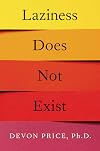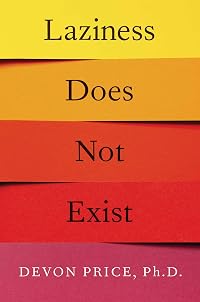
Laziness Does Not Exist
by Devon Price
On This Page
Description
From social psychologist Dr. Devon Price, a conversational, stirring call to "a better, more human way to live" (Cal Newport, New York Times bestselling author) that examines the "laziness lie"—which falsely tells us we are not working or learning hard enough.Extra-curricular activities. Honors classes. 60-hour work weeks. Side hustles.
Like many Americans, Dr. Devon Price believed that productivity was the best way to measure self-worth. Price was an overachiever from the start, show more graduating from both college and graduate school early, but that success came at a cost. After Price was diagnosed with a severe case of anemia and heart complications from overexertion, they were forced to examine the darker side of all this productivity.
Laziness Does Not Exist explores the psychological underpinnings of the "laziness lie," including its origins from the Puritans and how it has continued to proliferate as digital work tools have blurred the boundaries between work and life. Using in-depth research, Price explains that people today do far more work than nearly any other humans in history yet most of us often still feel we are not doing enough.
Filled with practical and accessible advice for overcoming society's pressure to do more, and featuring interviews with researchers, consultants, and experiences from real people drowning in too much work, Laziness Does Not Exist "is the book we all need right now" (Caroline Dooner, author of The F*ck It Diet). show less
Tags
Recommendations
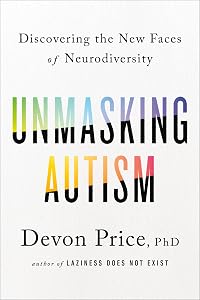
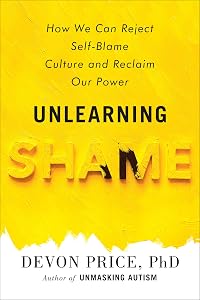
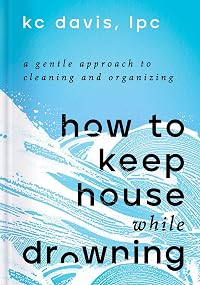
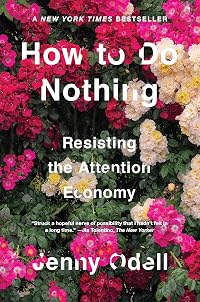














Member Reviews
A really interesting book with a provocative title. Devon challenges to look at our own overcommitted, busy lives and stop blaming ourselves for not doing everything we think we ought to be doing, and beating ourselves up if we take time out to rest and recharge. He argues that we will be better employees, better friends and relatives and better citizens if we stop feeling guilty about what we don't do, and instead celebrate what we are able to achieve, and look for the good and the beautiful in the world. He also teaches us, instead of rushing to judgment, to practice "compassionate curiosity", looking for the reasons (individual and systemic) that may be behind failures we see in others. He calls us to be humble about our own show more abilities and free ourselves accept ourselves with our own imperfections. I found this work thought provoking and though the title may overstate the case a little, the content will stay with me for a long time. show less
I had seen this book recommended by a bunch of people, and they were right! It's an important message about how our culture pushes us to work way more than is healthy or necessary, and how we can start to set boundaries and prioritize what really matters. But unlike a lot of "self-help" messages, this book is grounded in recognizing how oppression and inequality affect the situation, and the individual people whose stories are featured are a diverse set. I also appreciated the chapter devoted specifically to activism and how to engage in a way that's sustainable.
Devon Price is a social psychologist with a strong emphasis on the practical--what works for individuals, and the importance of recognizing and respecting self-care and your own values.
In this book, their emphasis is on the importance on not valuing yourself solely on your productivity for others. If you are struggling to make deadlines, always exhausted, and on the edge of burning out, you're probably doing something wrong. And the problem isn't "laziness." It's defining your value by how productive you are for others, while setting your own needs, and often health, aside.
Price takes an in-depth, compassionate look at that the situations in which employers, family, friends, and the people themselves call someone lazy, the different show more things that may really be going on, and how to start setting healthy boundaries, addressing whatever real issues there are, and becoming a happier, healthier person. This includes their own experience with getting the flu, ignoring it because they had work obligations including writing their thesis, and staying sick for a year because they never slowed down to let themself recover. Other cases, of other people with different challenges but the same basic problem--working too hard to have time to address other important things in their lives because we live in a society which values us by our productivity at work--offer different perspectives, different situations, and different approaches to getting life back under control and getting healthy and happy again.
This is such a good book. I both enjoyed it, and found it very helpful.
The narrator is also excellent.
I bought this audiobook. show less
In this book, their emphasis is on the importance on not valuing yourself solely on your productivity for others. If you are struggling to make deadlines, always exhausted, and on the edge of burning out, you're probably doing something wrong. And the problem isn't "laziness." It's defining your value by how productive you are for others, while setting your own needs, and often health, aside.
Price takes an in-depth, compassionate look at that the situations in which employers, family, friends, and the people themselves call someone lazy, the different show more things that may really be going on, and how to start setting healthy boundaries, addressing whatever real issues there are, and becoming a happier, healthier person. This includes their own experience with getting the flu, ignoring it because they had work obligations including writing their thesis, and staying sick for a year because they never slowed down to let themself recover. Other cases, of other people with different challenges but the same basic problem--working too hard to have time to address other important things in their lives because we live in a society which values us by our productivity at work--offer different perspectives, different situations, and different approaches to getting life back under control and getting healthy and happy again.
This is such a good book. I both enjoyed it, and found it very helpful.
The narrator is also excellent.
I bought this audiobook. show less
Scene: I'm sitting at my desk at the library, finishing a book called Laziness Does Not Exist because I want to recommend it as an extra resource for a program called "The Science of Success" that I'm presenting next month. I'm in the last couple of paragraphs of the conclusion, and I'm reading, but my mind is also wandering ahead to the to-do list I need to make for work tomorrow, the stuff I need to do when I get home tonight, etc., etc., etc., ad infinitum.
A co-worker, who knows I just finished spring semester and I have about a month off until my summer class starts, walks by and says, "Enjoy your break from school."
Oh.
I'm going to need to read this about seven more times.
A co-worker, who knows I just finished spring semester and I have about a month off until my summer class starts, walks by and says, "Enjoy your break from school."
Oh.
I'm going to need to read this about seven more times.
Damn this book is amazing and likely needs to be read by the majority of everyone out there who judges themselves and others. I feel very seen and also quite pissed at my former boss, but at least now I understand things better about myself. Considering it’s only January, it might be too early to call this as one of the best books of the year; it’s definitely one of the most important.
The best mix of radical, anti-capitalist, and queer.
The pandemic had already made me radically refocus and redirect my energies as I quickly discovered that 12-14 hour days working to pivot to online education made me burn out very fast. But I could have desperately used this book 10 years ago when I was in the worst job of my life. And it is still refreshing to be reminded that I am not simply the sum total of all that I checked off of my to do list.
The pandemic had already made me radically refocus and redirect my energies as I quickly discovered that 12-14 hour days working to pivot to online education made me burn out very fast. But I could have desperately used this book 10 years ago when I was in the worst job of my life. And it is still refreshing to be reminded that I am not simply the sum total of all that I checked off of my to do list.
As I mentioned in a comment, Libby suggested with all the autism books. It isn't about autism, althougj executive function does get some attention. But much of the 21st century world gets some attention. Price has brought together a lot of research, paid particular attention to those most at risk, united it with a simple (but not shallow) message. It's about how to navigate life through the urgent issues. How to cope with every damn thing in terminal stage capitalism while respecting our specific needs which may include physical and/or mental health issues, disabilities, or marginalization for appearance, presentation, race, ethnicity, socioeconomic status, etc.
Everyone is dealing with something. This book is an opportunity to check in show more with ourselves to see how well our lives are working for us. And if they aren't, some small, pragmatic steps to improve them. To be clear, there aren't any prescriptions and nothing is required. There are a few tips, some ways to evaluate different aspects of our lives, but mostly I feel like the book took a lot of things I kind of knew about and showed me how to put them together to think better. Price must be a brilliant professor, because I have been gently guided to having some particular insights into aspects of my life, which invariably were followed on the next page by that thought I just noted.
I have a lot to think about, and I'm looking forward to it. Sometimes it feels as though everything demands an opinion, preferably outrage, and then a contribution to the fight. Maybe that's just my inbox, though. I need something to think about that isn't the erectile in frustration that shopping for flossers has become.
Library copy. show less
Everyone is dealing with something. This book is an opportunity to check in show more with ourselves to see how well our lives are working for us. And if they aren't, some small, pragmatic steps to improve them. To be clear, there aren't any prescriptions and nothing is required. There are a few tips, some ways to evaluate different aspects of our lives, but mostly I feel like the book took a lot of things I kind of knew about and showed me how to put them together to think better. Price must be a brilliant professor, because I have been gently guided to having some particular insights into aspects of my life, which invariably were followed on the next page by that thought I just noted.
I have a lot to think about, and I'm looking forward to it. Sometimes it feels as though everything demands an opinion, preferably outrage, and then a contribution to the fight. Maybe that's just my inbox, though. I need something to think about that isn't the erectile in frustration that shopping for flossers has become.
Library copy. show less
Members
- Recently Added By
Lists

Simon & Schuster
136 works; 4 members

Neuro Pride Ireland Recommendations
101 works; 1 member

Top Five Books of 2023
767 works; 317 members

Workplace Well-being
21 works; 1 member
Author Information

5+ Works 1,789 Members
Awards and Honors
Awards
Classifications
Statistics
- Members
- 558
- Popularity
- 53,278
- Reviews
- 14
- Rating
- (4.19)
- Languages
- English, Serbian
- Media
- Paper, Audiobook, Ebook
- ISBNs
- 9
- ASINs
- 4