On This Page
Description
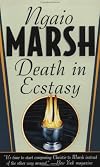
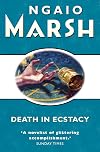
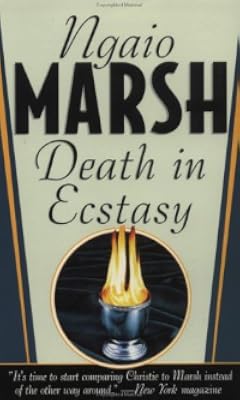
Tainted wine sends a member of a religious sect to meet her maker in a witty mystery marked by "quiet, intelligent deduction" (Kirkus Reviews).Did lovely Cara Quoyne get a whiff of the bitter almonds as she raised the goblet to her lips? We'll never know: With a single sip of prussic acid she transported herself to the Hereafter.
Now Inspector Alleyn must investigate a murder at the House of the Sacred Flame, a rather quirky little religious sect in London where Cara was a novice. It seems show more that somebody was operating from very un-spiritual motivations . . .
"Much better than the average run of mystery tales." —The New York Times
. show less
Tags
Recommendations























Member Reviews
Distracted and Ruined
Review of the Felony & Mayhem Press Kindle eBook edition (2013) of the Geoffrey Bles hardcover original (1936)
I found myself completely distracted by the homophobic asides in this now dated 1936 mystery. The number of putdowns was so over the top that I started marking them in my Kindle notes. A sampling here:
This was show more accompanied by adjectives and verbs of descriptions and actions which again portrayed the same characters as willowy… glided… fluted… begged… bleated… flounced… etc. as further putdowns. This was by both the investigators and the other suspects.
There were also insults of other nationalities (the French in this case) and one of the classic racist asides observing another character who refrained from saying something because they were “too white to say so.”
It all made the actual mystery seem like an afterthought, perhaps it was misdirection so that you aren’t paying attention to the actual murderer? Otherwise this could have been an interesting investigation, based as it apparently was on an actual cult temple from the 1890s in New Zealand which was led by an American conman. The action takes place in London, England though, as do most of the Roderick Alleyn mysteries. Ngaio Marsh found ways to bring him to her home ground of New Zealand occasionally as well.
See photograph at https://teara.govt.nz/files/28397-atl_1.jpg
Photograph of the 'Temple of Truth' in Christchurch, New Zealand, the rumoured inspiration for the ‘House of the Sacred Flame‘ in ‘Death in Ecstasy’. Image sourced from The Encyclopaedia of New Zealand.
I read several of Ngaio Marsh's Roderick Alleyns during the lockdowns of 2020 and 2021 as I was regularly digging through my old mystery paperbacks for re-read possibilities. I don’t remember any of those having this sort of bigotry.
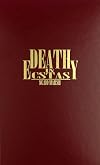
See book cover at https://upload.wikimedia.org/wikipedia/en/2/28/DeathInEcstacy.jpg
Cover of the original hardcover edition of ‘Death in Ecstasy’ (1936) as published by Geoffrey Bles. Image sourced from Wikipedia.
I read Death in Ecstasy through a $1.99 Kindle Deal of the Day in 2023 from Amazon thinking that it would be reliable Golden Age Mystery. It seemed instead that the 1930s was a golden age of homophobia and racism.
Trivia and Links
Death in Ecstasy was adapted for television in 1964 as Season 1 Episode 11 of the Detective (1964-1969) series which based its scripts on dozens of crime novels by different authors. I could not find a posting of it on the internet. Although there was a later Alleyn Mysteries TV series (1990-1994), Death in Ecstasy was not included in those adaptations.
Death in Ecstasy was adapted as a BBC radioplay in 1969 and you can hear that audio recording on YouTube here. NOTE: I have not listened to this, but I can’t imagine they would have retained the homophobic and racist elements. show less
Review of the Felony & Mayhem Press Kindle eBook edition (2013) of the Geoffrey Bles hardcover original (1936)
I found myself completely distracted by the homophobic asides in this now dated 1936 mystery. The number of putdowns was so over the top that I started marking them in my Kindle notes. A sampling here:
"What a loathly, what a nauseating, what an unspeakable little dollop." "that little beast", “Fauntleroy take little Eric", "Gemini, possibly heavenly", "a little pig", "that little animal", "horrible youth", "unattractive", "two hothouse flowers", "perhaps the Greeks had a word for him", "those two queens", "little drip", "a monster'', "that sissy", "the unspeakable", "you two bloody little pansies."
This was show more accompanied by adjectives and verbs of descriptions and actions which again portrayed the same characters as willowy… glided… fluted… begged… bleated… flounced… etc. as further putdowns. This was by both the investigators and the other suspects.
There were also insults of other nationalities (the French in this case) and one of the classic racist asides observing another character who refrained from saying something because they were “too white to say so.”
It all made the actual mystery seem like an afterthought, perhaps it was misdirection so that you aren’t paying attention to the actual murderer? Otherwise this could have been an interesting investigation, based as it apparently was on an actual cult temple from the 1890s in New Zealand which was led by an American conman. The action takes place in London, England though, as do most of the Roderick Alleyn mysteries. Ngaio Marsh found ways to bring him to her home ground of New Zealand occasionally as well.
See photograph at https://teara.govt.nz/files/28397-atl_1.jpg
Photograph of the 'Temple of Truth' in Christchurch, New Zealand, the rumoured inspiration for the ‘House of the Sacred Flame‘ in ‘Death in Ecstasy’. Image sourced from The Encyclopaedia of New Zealand.
I read several of Ngaio Marsh's Roderick Alleyns during the lockdowns of 2020 and 2021 as I was regularly digging through my old mystery paperbacks for re-read possibilities. I don’t remember any of those having this sort of bigotry.
See book cover at https://upload.wikimedia.org/wikipedia/en/2/28/DeathInEcstacy.jpg
Cover of the original hardcover edition of ‘Death in Ecstasy’ (1936) as published by Geoffrey Bles. Image sourced from Wikipedia.
I read Death in Ecstasy through a $1.99 Kindle Deal of the Day in 2023 from Amazon thinking that it would be reliable Golden Age Mystery. It seemed instead that the 1930s was a golden age of homophobia and racism.
Trivia and Links
Death in Ecstasy was adapted for television in 1964 as Season 1 Episode 11 of the Detective (1964-1969) series which based its scripts on dozens of crime novels by different authors. I could not find a posting of it on the internet. Although there was a later Alleyn Mysteries TV series (1990-1994), Death in Ecstasy was not included in those adaptations.
Death in Ecstasy was adapted as a BBC radioplay in 1969 and you can hear that audio recording on YouTube here. NOTE: I have not listened to this, but I can’t imagine they would have retained the homophobic and racist elements. show less
Forget comparisons to Christie. But consider instead Marsh's similarity to Janet Evanovitch, or to Oscar Wilde as Detective Alleyn questions a suspect:
"‘No worries over money?'
'Money? No. She was what the world calls rich.'
'What do you call it, sir?'
Father Garnette gave a frank and dreadfully boyish laugh. '
Why, I should call it rich too, Inspector,' he cried gaily.
'An unhappy love affair, do you know?” pursued Alleyn.
Father Garnette did not answer for a moment. Then he said sadly, “Ah, Inspector Alleyn, we speak in different languages.'
'I didn’t realize that, said Alleyn. “Can you translate my question into your own language or would you rather not answer it?”
I admit, I might have rolled my eyes a bit at the beginning, a show more ceremony by an oddball cult, infiltrated by Nigel the journalist. But once I was over the patently obvious setup, it was entertaining, particularly if one keeps in mind the original publication date of 1936.
“If it is murder,' he said quietly, 'and the trail’s not just all that easy and—aw hell, Chief, I’ve got the dollars and I ain’t paralyzed yet.”
With which cryptic remark Mr. Ogden took himself off.'
Is he real?' asked Nigel, 'or is he a murderer with unbridled histrionic ambitions? Surely no American was ever so American. Surely—'
'Do stop making these exclamatory interjections. You behave for all the world like a journalistic Greek chorus.'"
The detection techniques are bogglingly inappropriate, but honestly, I felt it made it clear it's intended to be a farce. A lot like Stephanie Plum, you can't possibly take most of Alleyn's techniques seriously, although in this book we are finally seeing 'modern' police techniques like looking for fingerprints and searching for forensic evidence (incidentally, there are also jokes about the 'gentlemanly breed' of police detectives).
I think there are some homophobic undertones regarding a pair of initiates into the cult, but I think most of the implied slurs went over my head. There is also, perhaps surprising to some, quite a bit of drug use, although none of it glamorous.
Overall, the mystery was a little bit silly, but the process of getting there was fun. I'll undoubtedly go on to the next.
Three-and-a-half-stars, rounding up show less
"‘No worries over money?'
'Money? No. She was what the world calls rich.'
'What do you call it, sir?'
Father Garnette gave a frank and dreadfully boyish laugh. '
Why, I should call it rich too, Inspector,' he cried gaily.
'An unhappy love affair, do you know?” pursued Alleyn.
Father Garnette did not answer for a moment. Then he said sadly, “Ah, Inspector Alleyn, we speak in different languages.'
'I didn’t realize that, said Alleyn. “Can you translate my question into your own language or would you rather not answer it?”
I admit, I might have rolled my eyes a bit at the beginning, a show more ceremony by an oddball cult, infiltrated by Nigel the journalist. But once I was over the patently obvious setup, it was entertaining, particularly if one keeps in mind the original publication date of 1936.
“If it is murder,' he said quietly, 'and the trail’s not just all that easy and—aw hell, Chief, I’ve got the dollars and I ain’t paralyzed yet.”
With which cryptic remark Mr. Ogden took himself off.'
Is he real?' asked Nigel, 'or is he a murderer with unbridled histrionic ambitions? Surely no American was ever so American. Surely—'
'Do stop making these exclamatory interjections. You behave for all the world like a journalistic Greek chorus.'"
The detection techniques are bogglingly inappropriate, but honestly, I felt it made it clear it's intended to be a farce. A lot like Stephanie Plum, you can't possibly take most of Alleyn's techniques seriously, although in this book we are finally seeing 'modern' police techniques like looking for fingerprints and searching for forensic evidence (incidentally, there are also jokes about the 'gentlemanly breed' of police detectives).
I think there are some homophobic undertones regarding a pair of initiates into the cult, but I think most of the implied slurs went over my head. There is also, perhaps surprising to some, quite a bit of drug use, although none of it glamorous.
Overall, the mystery was a little bit silly, but the process of getting there was fun. I'll undoubtedly go on to the next.
Three-and-a-half-stars, rounding up show less
Four books in and I'm getting a little impatient for Inspector Alleyn to develop a solid personality. Also it has become clear that yes, he really will have a reporter as a Watson, or maybe I should say as a Hastings.
A moment I loved between the two of them: Nigel suggests to Alleyn that they think about the case as if it were a detective novel. Who would be the suspect in a book? And Alleyn says -
"It depends on the author. If it's Agatha Christie, Miss Wade's occulted guilt drips from every page. Dorothy Sayers's Lord Peter would plump for Pringle, I fancy. Inspector French would go for Ogden. Of course, Ogden, on the face of it, is the first suspect.”
So I guess it's good to know that even if Alleyn's own personality is minimal, he show more does enjoy reading about colleagues with a bit more character to them. show less
A moment I loved between the two of them: Nigel suggests to Alleyn that they think about the case as if it were a detective novel. Who would be the suspect in a book? And Alleyn says -
"It depends on the author. If it's Agatha Christie, Miss Wade's occulted guilt drips from every page. Dorothy Sayers's Lord Peter would plump for Pringle, I fancy. Inspector French would go for Ogden. Of course, Ogden, on the face of it, is the first suspect.”
So I guess it's good to know that even if Alleyn's own personality is minimal, he show more does enjoy reading about colleagues with a bit more character to them. show less
The evening Bathgate decides to enter the “House of the Sacred Flame,” someone in the ritual drops dead. Naturally, Bathgate recognizes cyanide and secures the scene while calling his friend Alleyn. Nigel doing anything that he does up to that point seems incredibly unlikely to me.
Once Alleyn arrives, its far easier to read-along. Alleyn is an utter delight – especially with his buddy cop, Inspector Fox. The characters who are members of the House of the Sacred Flame are absolutely wretched things and will drum up zero sympathy with the readers. Alleyn makes up for everything.
Marsh was no slouch-intellect. She had wits and style in her writing these novels. I do not think that this one was as intellectually demanding nor as taut a show more plotline as the previous Alleyn novel. However, there was plenty of fun and detecting to be had. Also, the crimes and criminals were sordid and ugly enough to make sure this is no cozy novel.
I recommend it to all vintage mystery readers, fans of Marsh and Alleyn, and definitely those who enjoy strong writing. show less
Once Alleyn arrives, its far easier to read-along. Alleyn is an utter delight – especially with his buddy cop, Inspector Fox. The characters who are members of the House of the Sacred Flame are absolutely wretched things and will drum up zero sympathy with the readers. Alleyn makes up for everything.
Marsh was no slouch-intellect. She had wits and style in her writing these novels. I do not think that this one was as intellectually demanding nor as taut a show more plotline as the previous Alleyn novel. However, there was plenty of fun and detecting to be had. Also, the crimes and criminals were sordid and ugly enough to make sure this is no cozy novel.
I recommend it to all vintage mystery readers, fans of Marsh and Alleyn, and definitely those who enjoy strong writing. show less
Summary: Nigel Bathgate happens upon the strange pagan rites at the House of the Sacred Flame just in time to witness the death of Cara Quayne, the Chosen Vessel, when she imbibes a chalice of wine laced with cyanide.
Felony & Mayhem Press has been re-printing the Roderick Alleyn mysteries by legendary mystery writer, Ngaio Marsh, one of the “Queens of Crime,” along with Agatha Christie, Dorothy L. Sayers, and Margery Allingham. Her main character was Inspector Roderick Alleyn, a gentlemanly and understated detective whose “Watson” is a newspaperman, Nigel Bathgate. His crime investigation team includes Detective-Inspector Fox and his fingerprint expert Detective-Sergeant Bailey.
This story begins when Bathgate, bored on a rainy show more night, slips into the services of the House of the Sacred Flame, down the street from his flat. Fascination with the pantheon of statues, the worshipers and the mystical rite with Initiates who each identify with a god turns to horror at the culmination of the ceremony. The Chosen Vessel, a single woman of some means accepts a chalice of wine from Jasper Garnette, the Officiating Priest. drinks deeply anticipating spiritual ecstasy. Instead she gasps, her face contorted and collapses. An onlooking physician, Dr. Kasbek smells the scent of potassium cyanide, and Alleyn and his team are called in.
The lead suspects are Garnette and the other Initiates, each of who drank of the chalice. Samuel Ogden, the warden was a businessman ostensibly from America. Raoul de Ravigne, another warden had been enamored with the victim, who was fond of him as a friend, to the point of leaving him her house in her will. Maurice Pringle is an excitable young man who is suffering an addiction to opioids. His fiance, and the youngest initiative is Janey Jenkins, sweet and loving. Ernestine Wade was the oldest while Dagmar Candour was jealous of Cara’s affections toward Raoul, and her being favored as the Chosen Vessel.
Much of the action hinges around a book found hidden in Garnette’s bookcase that falls open to a recipe for homemade cyanide. It came from Mr. Ogden’s books, attracted attention at a party at Ogden’s, then disappeared about the time Claude Wheatley, one of two acolytes, picks up some books for Garnette. Then there are the missing bonds from Garnette’s safe–bonds given for a new building by Cara Quane–and the visit by Cara to his office the afternoon of her death and the will she changed that same afternoon.
What I liked about this story was the relationship of Alleyn and Bathgate–delightful repartee between them as they sort out the evidence of the case. Alleyn is also fascinating in his instincts as to how to interview each suspect. Particularly intriguing is his toughness with the addict, Maurice Pringle, that turns out to be tough love. We see in Alleyn a combination of someone who can be dogged in pursuit of a murderer who has concealed his or her identity well, as well as genuine compassion for lives unraveled by those who have betrayed their trust. Marsh offers just enough twists to keep it interesting, a likable recurring ensemble, and a timely and satisfying denouement. show less
Felony & Mayhem Press has been re-printing the Roderick Alleyn mysteries by legendary mystery writer, Ngaio Marsh, one of the “Queens of Crime,” along with Agatha Christie, Dorothy L. Sayers, and Margery Allingham. Her main character was Inspector Roderick Alleyn, a gentlemanly and understated detective whose “Watson” is a newspaperman, Nigel Bathgate. His crime investigation team includes Detective-Inspector Fox and his fingerprint expert Detective-Sergeant Bailey.
This story begins when Bathgate, bored on a rainy show more night, slips into the services of the House of the Sacred Flame, down the street from his flat. Fascination with the pantheon of statues, the worshipers and the mystical rite with Initiates who each identify with a god turns to horror at the culmination of the ceremony. The Chosen Vessel, a single woman of some means accepts a chalice of wine from Jasper Garnette, the Officiating Priest. drinks deeply anticipating spiritual ecstasy. Instead she gasps, her face contorted and collapses. An onlooking physician, Dr. Kasbek smells the scent of potassium cyanide, and Alleyn and his team are called in.
The lead suspects are Garnette and the other Initiates, each of who drank of the chalice. Samuel Ogden, the warden was a businessman ostensibly from America. Raoul de Ravigne, another warden had been enamored with the victim, who was fond of him as a friend, to the point of leaving him her house in her will. Maurice Pringle is an excitable young man who is suffering an addiction to opioids. His fiance, and the youngest initiative is Janey Jenkins, sweet and loving. Ernestine Wade was the oldest while Dagmar Candour was jealous of Cara’s affections toward Raoul, and her being favored as the Chosen Vessel.
Much of the action hinges around a book found hidden in Garnette’s bookcase that falls open to a recipe for homemade cyanide. It came from Mr. Ogden’s books, attracted attention at a party at Ogden’s, then disappeared about the time Claude Wheatley, one of two acolytes, picks up some books for Garnette. Then there are the missing bonds from Garnette’s safe–bonds given for a new building by Cara Quane–and the visit by Cara to his office the afternoon of her death and the will she changed that same afternoon.
What I liked about this story was the relationship of Alleyn and Bathgate–delightful repartee between them as they sort out the evidence of the case. Alleyn is also fascinating in his instincts as to how to interview each suspect. Particularly intriguing is his toughness with the addict, Maurice Pringle, that turns out to be tough love. We see in Alleyn a combination of someone who can be dogged in pursuit of a murderer who has concealed his or her identity well, as well as genuine compassion for lives unraveled by those who have betrayed their trust. Marsh offers just enough twists to keep it interesting, a likable recurring ensemble, and a timely and satisfying denouement. show less
A little above average Marsh. Reading in order of publication makes for a nice progression in the way Alleyn interacts with his "crew". Inspector Fox is still learning French, he moved to an advanced class, Sergeant Bailey gets to fingerprint all the suspects and Nigel Bathgate the young wide eye journalist, Alleyn's Watson, gets to stumble upon the murder in this quite far fetched tale of deception, addictions and false identity. I didn't spot the culprit at all, then again I wasn't really looking for it. I was enjoying the playful interaction between the "team".
Ngaio Marsh is one of my favorite mystery writers, and Death in Ecstasy contained so many of the reasons why I love her work.
Nigel Bathgate and Inspector Alleyn are a great take on the classic Holmes and Watson trope. The supporting characters, especially Fox and Bailey, bring humor and a warm sense of familiarity.
The central mystery surrounds a mysterious cult, and all the unique and complex characters caught up in it. The surprises and twists are well-played, and the ending is one that rings true when reading back.
If you haven't read any Ngaio Marsh, I definitely recommend you do. She is a classic mystery writer!
Nigel Bathgate and Inspector Alleyn are a great take on the classic Holmes and Watson trope. The supporting characters, especially Fox and Bailey, bring humor and a warm sense of familiarity.
The central mystery surrounds a mysterious cult, and all the unique and complex characters caught up in it. The surprises and twists are well-played, and the ending is one that rings true when reading back.
If you haven't read any Ngaio Marsh, I definitely recommend you do. She is a classic mystery writer!
Members
- Recently Added By
Lists

British Mystery
469 works; 14 members

Books mentioned in Julian Symons’ Bloody Murder
438 works; 6 members
Must Read Detective Stories (Nick Fuller)
278 works; 2 members
Author Information

130+ Works 31,638 Members
Ngaio Marsh was born on April 23, 1895 in Christchurch, New Zealand. She attended St. Mary's College and Canterbury University. She worked in the theater acting, producing, and even painting scenery. She was a partner in an interior decorating business in England from 1928 to 1932. She later returned to New Zealand and produced plays for a show more Shakespearean repertory company. She also worked with the Drama Department of Canterbury University. During World War II, she served in the New Zealand Red Cross Transport Unit. She traveled to England frequently and founded the British Commonwealth Theatre Company in 1949. Her first novel, A Man Lay Dead, was published in 1934. She wrote more than 40 books including the Roderick Alleyn Mysteries series and Black Beech and Honeydew. She also wrote theatrical and television plays. She was named to the Order of the British Empire in 1949 and was made Dame Commander of the Order of the British Empire in 1966. The Mystery Writers of America named her a Grand Master in 1977. She died on February 18, 1982 at the age of 82. (Bowker Author Biography) show less
Series

Belongs to Publisher Series
Work Relationships
Common Knowledge
- Canonical title
- Death in Ecstasy
- Original title
- Death in ecstasy
- Original publication date
- 1936
- People/Characters
- Roderick Alleyn; Samuel J. Ogden; Ernestine Wade; Cara Quayne; Raoul de Ravigne; Reverend Jasper Garnette (show all 14); Nigel Bathgate; Maurice Pringle; Janey Jenkins; Dagmar Candour; Claude Wheatley; Lionel Smith; Detective-Inspector Fox; Detective-Sergeant Bailey
- Important places
- London, England, UK
- Dedication
- For the family in Kent
For THE FAMILY AT
11, Eaton Mansions - First words
- On a pouring wet Sunday night in December of last year a special meeting was held at the House of the Sacred Flame in Knocklatchers Row.
- Last words
- (Click to show. Warning: May contain spoilers.)'You're quite right. It's a man from the Yard. Crowds collect and gape at the thing. I told them to take it away.'
Classifications
Statistics
- Members
- 956
- Popularity
- 27,881
- Reviews
- 29
- Rating
- (3.52)
- Languages
- 7 — Danish, Dutch, English, French, German, Italian, Spanish
- Media
- Paper, Audiobook, Ebook
- ISBNs
- 35
- ASINs
- 33