On This Page
Description
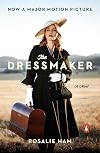
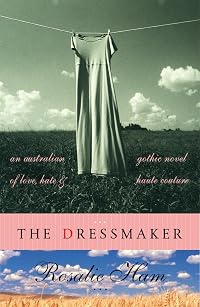
"A darkly satirical novel of love, revenge, and 1950s haute couture-- After twenty years spent mastering the art of dressmaking at couture houses in Paris, Tilly Dunnage returns to the small Australian town she was banished from as a child. She plans only to check on her ailing mother and leave. But Tilly decides to stay, and though she is still an outcast, her lush, exquisite dresses prove irresistible to the prim women of Dungatar. Through her fashion business, her friendship with Sergeant show more Farrat--the town's only policeman, who harbors an unusual passion for fabrics--and a budding romance with Teddy, the local football star whose family is almost as reviled as hers, she finds a measure of grudging acceptance. But as her dresses begin to arouse competition and envy in town, causing old resentments to surface, it becomes clear that Tilly's mind is set on a darker design: exacting revenge on those who wronged her, in the most spectacular fashion"-- show lessTags
Recommendations

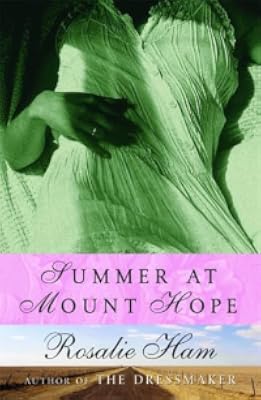


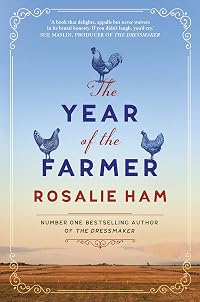














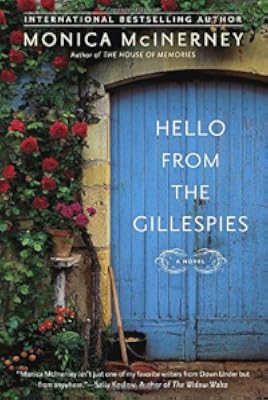
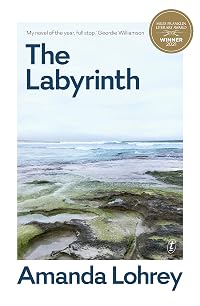
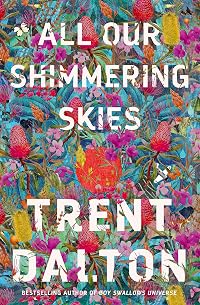

Member Recommendations
by aliklein
Member Reviews
I saw the film first, and loved it, so I opted to read the book. I quite enjoyed the book overall, loving the combination of satire/humour, tragedy and drama, as well as the textile details, which can be confusing to anyone not familiar with the process, but add a particular style and layer to the story that makes it fun for those who love working with textiles (When the Sergeant can't read the knitting pattern as presented, I hadn't even realized that it wasn't clear instructions!). I loved how the story showed the outcasts being sympathetic to each other, and connecting as friends. For me, this book is iconic for some of the vocabulary choices it employed, and I would highly recommend it to anyone looking for a dramedy read. The only show more reason this book is not five stars is because of the ending - which I actually prefer in the movie, because I felt that the sergeant did not deserve to have all his outfits burnt up like that. In the movie he is arrested for being a cross-dresser, and Tilly is distraught, in the book, despite them being good friends, she burns all his things along with the rest of the town on her way out, which I found off-putting enough to make me overall prefer the film show less
There are two kinds of story in which a woman goes home to the small town:
1) The small town is a bucolic idyll, and its inhabitants' manifold kindnesses will heal Our Heroine's emotional wounds even as she brings their superstitious ways up to date with modern realities.
2) The small town is a cesspit of domestic abuse and sex pests, she was absolutely right to leave the first time, what is she doing back here? Get out, take your mentally ill mother with you, whatever, just Get. Out.
This is the second kind, and at a certain point I just couldn't bear to listen to all the nastiness anymore, not even to relieve the boredom of giving my kitchen the deepest clean of its life.
1) The small town is a bucolic idyll, and its inhabitants' manifold kindnesses will heal Our Heroine's emotional wounds even as she brings their superstitious ways up to date with modern realities.
2) The small town is a cesspit of domestic abuse and sex pests, she was absolutely right to leave the first time, what is she doing back here? Get out, take your mentally ill mother with you, whatever, just Get. Out.
This is the second kind, and at a certain point I just couldn't bear to listen to all the nastiness anymore, not even to relieve the boredom of giving my kitchen the deepest clean of its life.
Ugh. I have no idea what to say about this book. It's not my thing at all. Hearing the narrator talk about Dungatar and its inhabitants, I kept imagining a lemon meringue pie with maggots under the fluffy golden meringue top. With the exception of Tilly, her mother, Teddy and the sergeant there were no redeeming characters in a book and town brimming with them. They were all sick, twisted, inhumane caricatures, and ultimately that's what kept me listening to the book after the pivotal moment; I had no sympathy to give to any of the characters (barring Tilly), allowing me to detach and distance myself from the narrative.
But the writing is beautiful, and the narration excellent. The narration was melodic, poetic, and always show more matter-of-fact, which added to the horror of the events as they unfolded.
I can't say this is a bad book at all - I totally understand why people would love it and why they made a movie of it (which I will not be watching). But these types of dark, twisted stories aren't why I read fiction; I want to feel better, or at least thoughtful, after I've finished a book, not as though my soul has been tainted by the experience.
I'm not rating this one - at least not yet - because while I think as a book it merits a high rating, I don't want to imply that I liked the story. I didn't. Neither do I want to low ball the rating and imply the book was sub-standard. Perhaps after I've sat with it a while I can come back and rate it objectively. show less
But the writing is beautiful, and the narration excellent. The narration was melodic, poetic, and always show more matter-of-fact, which added to the horror of the events as they unfolded.
I can't say this is a bad book at all - I totally understand why people would love it and why they made a movie of it (which I will not be watching). But these types of dark, twisted stories aren't why I read fiction; I want to feel better, or at least thoughtful, after I've finished a book, not as though my soul has been tainted by the experience.
I'm not rating this one - at least not yet - because while I think as a book it merits a high rating, I don't want to imply that I liked the story. I didn't. Neither do I want to low ball the rating and imply the book was sub-standard. Perhaps after I've sat with it a while I can come back and rate it objectively. show less
Tillie Dunnage returns to her small, rural Australian town to care for her mentally ill mother. Something mysterious happened many years ago that make the residents of Dungatar loathe Tillie. She is called a bastard and a murderer, a whore's daughter. The reader doesn't know what happened, where Tillie's been or for how long she's been gone. Tillie keeps to herself, cares for her mother, and begins to be wooed by the sun of the garbage dump keeper. Tillie's mail, opened by the postal official, shows that she must have lived in Spain and France. Her boxes are filled with herbal mixtures, fancy material, patterns, and fashion magazines. When Tillie makes a wedding dress for a local girl, the women of the town realize that she has a talent show more they can make use of. Strangely, Tillie is obliging.
Dungatar is filled with vile and quirky characters: an old-maid peeping-Tom gossip, a male policeman who makes and dresses in women's clothing, a lesbian postal officer who goes through everyone's mail, and a pharmacist who does not believe in treating sinners with functional medicine, to name a few.
Ham's descriptions of the materials, colors and fashions of the 1950s is detailed and fun. Tillie's secrets are revealed slowly and skillfully, and the final scene is brilliant. The revenge component was a little dark for me, but I can understand why so many people like this book. show less
Dungatar is filled with vile and quirky characters: an old-maid peeping-Tom gossip, a male policeman who makes and dresses in women's clothing, a lesbian postal officer who goes through everyone's mail, and a pharmacist who does not believe in treating sinners with functional medicine, to name a few.
Ham's descriptions of the materials, colors and fashions of the 1950s is detailed and fun. Tillie's secrets are revealed slowly and skillfully, and the final scene is brilliant. The revenge component was a little dark for me, but I can understand why so many people like this book. show less
I read this because it was a gift. It is well outside my comfort reading zone in many ways, although I do like recent-history stories, and Australiana.
However, I struggled with reading the story, typically only getting through 2-3 pages at a sitting. I found the majority of the characters unlikeable at best, and many of the reflections on small town life to be particularly unpleasant. Essentially a dystopia set in 1950s rural Australia.
However, I struggled with reading the story, typically only getting through 2-3 pages at a sitting. I found the majority of the characters unlikeable at best, and many of the reflections on small town life to be particularly unpleasant. Essentially a dystopia set in 1950s rural Australia.
Ugh. I have no idea what to say about this book. It's not my thing at all. Hearing the narrator talk about Dungatar and its inhabitants, I kept imagining a lemon meringue pie with maggots under the fluffy golden meringue top. With the exception of Tilly, her mother, Teddy and the sergeant there were no redeeming characters in a book and town brimming with them. They were all sick, twisted, inhumane caricatures, and ultimately that's what kept me listening to the book after the pivotal moment; I had no sympathy to give to any of the characters (barring Tilly), allowing me to detach and distance myself from the narrative.
But the writing is beautiful, and the narration excellent. The narration was melodic, poetic, and always show more matter-of-fact, which added to the horror of the events as they unfolded.
I can't say this is a bad book at all - I totally understand why people would love it and why they made a movie of it (which I will not be watching). But these types of dark, twisted stories aren't why I read fiction; I want to feel better, or at least thoughtful, after I've finished a book, not as though my soul has been tainted by the experience.
I'm not rating this one - at least not yet - because while I think as a book it merits a high rating, I don't want to imply that I liked the story. I didn't. Neither do I want to low ball the rating and imply the book was sub-standard. Perhaps after I've sat with it a while I can come back and rate it objectively. show less
But the writing is beautiful, and the narration excellent. The narration was melodic, poetic, and always show more matter-of-fact, which added to the horror of the events as they unfolded.
I can't say this is a bad book at all - I totally understand why people would love it and why they made a movie of it (which I will not be watching). But these types of dark, twisted stories aren't why I read fiction; I want to feel better, or at least thoughtful, after I've finished a book, not as though my soul has been tainted by the experience.
I'm not rating this one - at least not yet - because while I think as a book it merits a high rating, I don't want to imply that I liked the story. I didn't. Neither do I want to low ball the rating and imply the book was sub-standard. Perhaps after I've sat with it a while I can come back and rate it objectively. show less
I nearly gave up on this one, there is a profusion of characters introduced early, and much careful description of fashion and materials, but it's really worth persevering. It's a slow burn, but really gets going in the final chapters. At first the 'Gothic novel' descriptor didn't make sense to me, but the ending justifies that moniker perfectly. Without giving too much away, we are left with a very different idea of the nature of Tilly, the main character.
Members
- Recently Added By
Lists

Female Author
1,234 works; 67 members

Books Read in 2017
4,249 works; 129 members

Fiction : Australia
17 works; 1 member
Author Information

11+ Works 1,202 Members
Rosalie Ham is an Australian author, stage and radio play writer. She was born on August 11, 1955 in Jerilderie, New South Wales. She is best known for her first novel, The Dressmaker, which has been adapted into a film with Kate Winslet in the lead role. In addition, Ham has also written short stories for various Australian publications, show more including Meanjin, The Age, and The Bulletin. Her other works include Summer at Mount Hope, There Should Be Dancing, and The Year of the Farmer. (Bowker Author Biography) show less
Series

Common Knowledge
- Original publication date
- 2000
- Related movies
- The Dressmaker (2015 | IMDb)
Classifications
Statistics
- Members
- 843
- Popularity
- 32,414
- Reviews
- 30
- Rating
- (3.48)
- Languages
- 6 — Dutch, English, German, Italian, Portuguese, Spanish
- Media
- Paper, Audiobook, Ebook
- ISBNs
- 35
- ASINs
- 7