
On This Page
Description
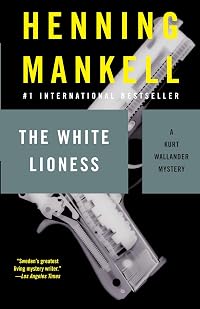
The execution-style murder of a Swedish housewife looks like a simple case, except that there is no obvious suspect. Wallander follows a lead on a determined stalker, but when his alibi turns out to be airtight, Wallander begins to realize that what seemed a simple crime of passion is actually far more complex and dangerous. Eventually, his search uncovers an assassination plot, and Wallander soon finds himself in a tangle with the secret police and with a ruthless foreign agent.A riveting show more tale of international intrigue with compelling insights into the sinister side of modern life, The White Lioness keeps you on the knife edge of suspense.
. show less
Tags
Recommendations


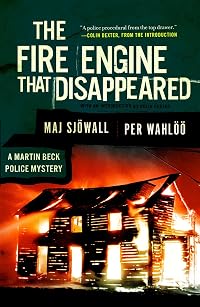
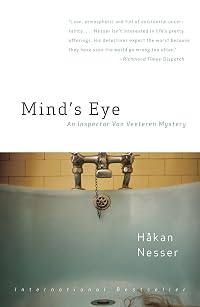
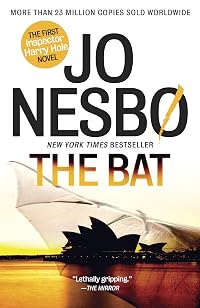

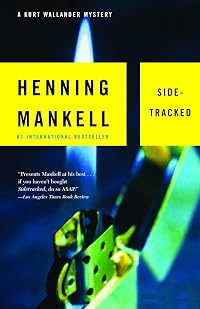
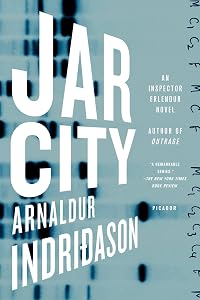
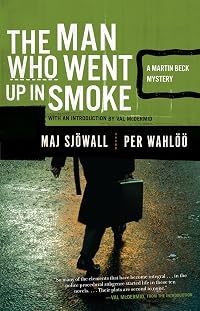
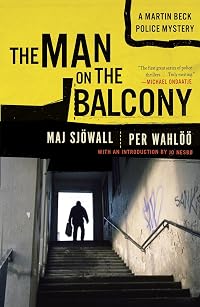
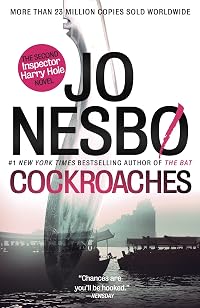
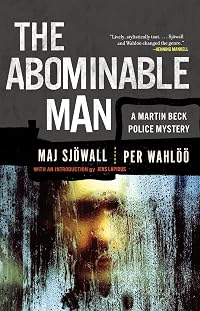
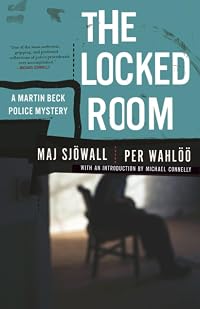
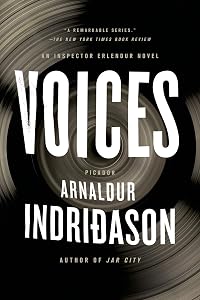
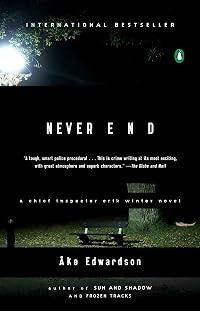



Member Recommendations
charlie68 Both fictional works of assination of famous figures.
Member Reviews
I enjoyed (if that's the word for it) re-entering Wallander's world (Wallander finds it a little difficult to enjoy life) after a long time away. However, I was surprised by how clunky or amateurish some of the sentences sounded (e.g. "They just had to find the guy Jan Kleyn had hired to kill Nelson Mandela."), but couldn't tell if that was Mankell or the translation. Look forward to reading the next (which has a different translator) to see if I notice the same. That said, there was much to like about this book and much that was disturbingly relevant. For instance, replace "South Africa" with "the United States" in the following:
Maybe they haven't really understood deep down that the future of South Africa will force them to reassess show more everything they've been used to. Many of them will never manage that. They would rather see the country destroyed in an explosion of blood and fire. But they will not succeed.
May it be so. show less
Maybe they haven't really understood deep down that the future of South Africa will force them to reassess show more everything they've been used to. Many of them will never manage that. They would rather see the country destroyed in an explosion of blood and fire. But they will not succeed.
May it be so. show less
This installment of Wallander begins as a murder mystery and morphs into an international thriller. Since the previous adventure featured Wallander improbably playing the spy is Latvia, this time we get a parallel story set in South Africa as apartheid is slowly coming to an end--and retrograde Afrikaners plot to have Nelson Mandela assassinated by a black sniper. While we finally make it through a Wallander mystery without Kurt experiencing fits of the bowels, we are nevertheless subjected to a curious series of poor decisions as his life continues to spiral a bit out of control. This leads to a bizarre attempt to help one of the assassins escape justice in Sweden, only to be saved from official reprimand by the assassin's handler in a show more rather gruesome fashion.
Wallander's daughter is caught up in this mystery, kidnapped for a while--causing Wallander to become even more unhinged. Everything culminates in a last-second (highly improbable) moment, saving Mandela's life.
Reads in the beginning like a detective novel, in the middle sort of like a Dirty Harry movie (but in Sweden), and by the end it's pure Jack Higgins. Still, no curious disaster of the bowels, so there's that. show less
Wallander's daughter is caught up in this mystery, kidnapped for a while--causing Wallander to become even more unhinged. Everything culminates in a last-second (highly improbable) moment, saving Mandela's life.
Reads in the beginning like a detective novel, in the middle sort of like a Dirty Harry movie (but in Sweden), and by the end it's pure Jack Higgins. Still, no curious disaster of the bowels, so there's that. show less
Quale filo perverso unisce un omicidio, brutale e apparentemente privo di senso, avvenuto in Svezia con un complotto boero in Sudafrica? Su questo mistero Wallander si gioca il tutto per tutto, fino quasi a rimetterci la sanità mentale.
Mankell è un grande conoscitore dell'Africa e ci regala, oltre al solito libro impeccabile nella trama e nella scrittura, un'ipotesi su un momento storico epocale, la fine dell'Apartheid in Sudafrica.
Mankell è un grande conoscitore dell'Africa e ci regala, oltre al solito libro impeccabile nella trama e nella scrittura, un'ipotesi su un momento storico epocale, la fine dell'Apartheid in Sudafrica.
The questions here: in the face of horrific evil, is it possible to believe in God? If not God, then goodness? If not goodness, then the value of living our small, quotidian, daily lives? Does love factor in here? (Familial love? Romantic love?) What about – doing our job? (In religious language, this is following our call.)
All this addressed and more.
The first couple of pages end with "Good God, help me" just as the innocent victim is killed. On p.73 “ ‘He has faith in God,’ Pastor Tureson said…Wallander thought, ‘we’ll see if that’s enough.’”
The question posed. We are finally led to p.328 “The world was helpless in the face of such evil…He had no idea what to do.” And yet: step by step (or, as Dorothy Day show more used to say, “by little and by little”) with missed connections and by the thinnest of margins, by the simple daily doing of the next step, inspired by whatever we shall call that amazing moment of disinterested love, multiplied, we are not helpless.
Tania, nameless most of the time, is crucified; the references are clear: 5 bullet holes in the same places as the 5 wounds of Christ Crucified, tortured on the head before she died. I went back over the scenes to see how she had come to her decision. At the very end she thinks “Tania was very tired, but what she had done was right….I’ll do the best I can for her…Every breath gives her a better chance. The game is up for me.” What was the beginning of this surprising decision? On p.335 she visits Wallander’ s daughter in the cave and can see her fear. “She knew now she would have to help the girl. It would cost her her life, but she had no choice. Konovalenko’s evil was too great to bear, even for her.”
I went to an International Day of Peace celebration this past week. The main speaker, Rosalinda Guillen, said, “ We are not radical enough.” And she’s right. Evil exists because we are not. What will bring us to make those radical choices?
p.s. I've been mulling this for a day. It is NOT the radical choices which comprise the good: it is the small choices as this story exquisitely demonstrates: the thrown rock, the probing question, the decision to send one last tedious report, the effort to report something odd, at risk to oneself. Most of this we might term wasted - a CD recovered by a thief, who doesn't deserve a thank you? It's the small details we miss unless we, as Wallander does, sit in a different chair and look at the scene from a different angle. Even the radical choices depend on the small. All of it waits on these muddled margins. The radical choice is the small one.
p.p.s. I keep mulling this book, and so just boosted the rating to 5 star. Another though occurred to me: the curious lack of professionalism when Wallander tries to send the South African home. On reflection the author may be trying to demonstrate that the struggle against evil is not a matter of following rules and "being good" but a struggle to personally confront systems and take risks, against, sometimes, all reason. show less
All this addressed and more.
The first couple of pages end with "Good God, help me" just as the innocent victim is killed. On p.73 “ ‘He has faith in God,’ Pastor Tureson said…Wallander thought, ‘we’ll see if that’s enough.’”
The question posed. We are finally led to p.328 “The world was helpless in the face of such evil…He had no idea what to do.” And yet: step by step (or, as Dorothy Day show more used to say, “by little and by little”) with missed connections and by the thinnest of margins, by the simple daily doing of the next step, inspired by whatever we shall call that amazing moment of disinterested love, multiplied, we are not helpless.
Tania, nameless most of the time, is crucified; the references are clear: 5 bullet holes in the same places as the 5 wounds of Christ Crucified, tortured on the head before she died. I went back over the scenes to see how she had come to her decision. At the very end she thinks “Tania was very tired, but what she had done was right….I’ll do the best I can for her…Every breath gives her a better chance. The game is up for me.” What was the beginning of this surprising decision? On p.335 she visits Wallander’ s daughter in the cave and can see her fear. “She knew now she would have to help the girl. It would cost her her life, but she had no choice. Konovalenko’s evil was too great to bear, even for her.”
I went to an International Day of Peace celebration this past week. The main speaker, Rosalinda Guillen, said, “ We are not radical enough.” And she’s right. Evil exists because we are not. What will bring us to make those radical choices?
p.s. I've been mulling this for a day. It is NOT the radical choices which comprise the good: it is the small choices as this story exquisitely demonstrates: the thrown rock, the probing question, the decision to send one last tedious report, the effort to report something odd, at risk to oneself. Most of this we might term wasted - a CD recovered by a thief, who doesn't deserve a thank you? It's the small details we miss unless we, as Wallander does, sit in a different chair and look at the scene from a different angle. Even the radical choices depend on the small. All of it waits on these muddled margins. The radical choice is the small one.
p.p.s. I keep mulling this book, and so just boosted the rating to 5 star. Another though occurred to me: the curious lack of professionalism when Wallander tries to send the South African home. On reflection the author may be trying to demonstrate that the struggle against evil is not a matter of following rules and "being good" but a struggle to personally confront systems and take risks, against, sometimes, all reason. show less
I admit to being a fan of Scandinavian noir and Henning Mankell was one of the great practitioners of the genre (he died in 2015 at the age of 67). This book is ample proof of that. His detective, Kurt Wallander, is not perfect but he is dogged and persistent and something of a workaholic. The villain in this book made the mistake of underestimating Wallander and comes to reluctantly admire him.
The book starts with the disappearance of a woman. She and her husband own a real estate company. She was on her way to view a property that may soon come up for sale but she got lost. The person she turned to for directions was an ex-KGB officer who was hiding away in the country training a man from South Africa to assassinate a South African show more dignitary with a long distance rifle. The Russian killed the real estate agent without a qualm and then dumped her body and her car. Kurt Wallander is given the case of the missing woman. He feels that she will never be found alive but he heads up an intensive search anyway. When a farmhouse explodes near their search area Wallander feels sure this is connected to the woman's disappearance. The discovery of a severed finger from a black man adds to the mystery. As the investigation proceeds it is clear that South African politics are involved. The reader actually knows more about this than Wallander does because the action moves from Sweden to South Africa where a secret committee is planning the assassination of Nelson Mandela. The white Afrikaaners believe that Mandela's death would throw the country into such turmoil that the army would be able to take control thus allowing apartheid to continue. Wallander discovers this plot bit by bit as he investigates the murder. The reader feels like cheering every time a piece of the puzzle is fitted into place. show less
The book starts with the disappearance of a woman. She and her husband own a real estate company. She was on her way to view a property that may soon come up for sale but she got lost. The person she turned to for directions was an ex-KGB officer who was hiding away in the country training a man from South Africa to assassinate a South African show more dignitary with a long distance rifle. The Russian killed the real estate agent without a qualm and then dumped her body and her car. Kurt Wallander is given the case of the missing woman. He feels that she will never be found alive but he heads up an intensive search anyway. When a farmhouse explodes near their search area Wallander feels sure this is connected to the woman's disappearance. The discovery of a severed finger from a black man adds to the mystery. As the investigation proceeds it is clear that South African politics are involved. The reader actually knows more about this than Wallander does because the action moves from Sweden to South Africa where a secret committee is planning the assassination of Nelson Mandela. The white Afrikaaners believe that Mandela's death would throw the country into such turmoil that the army would be able to take control thus allowing apartheid to continue. Wallander discovers this plot bit by bit as he investigates the murder. The reader feels like cheering every time a piece of the puzzle is fitted into place. show less
This was a weird one. It's much longer than the earlier ones in the series and it honestly feels like two separate books mashed together; one about Wallander in Sweden, one about a plot in Apartheid South Africa. I have no way of knowing but I wouldn't be surprised if Mankell was writing a book set in South Africa and someone said "Hey, your Wallander books are really taking off, can we get Wallander into this story?" and this book is the result.
Because of how disconnected the characters are between the two stories I kept losing interest as, just as I'd get into one plot in one country, off we'd go to the other plot in the other country. There is token communication between some characters between the plots but it just felt too show more disjointed to me.
I think if it was two separate stories (the stuff that happens in Sweden would work as a Wallander novel without also having to see all the South African stuff, and that South African stuff could work without going into great detail about the overseas preparations) they might both be verging on 4 stars but as it is I'm going with 3 stars because the combination just didn't click for me and felt overly forced. It also bothered me how far Wallander went off the rails without much provocation at first and Mankell's recurring plot device of a witness showing up late in the story with a remarkably detailed memory of key events to move things forward is getting a bit tired (I imagine that last one is probably the way a lot of real life police mysteries get solved but in a work of fiction it ironically feels unrealistic because it lacks the causation of everything else). show less
Because of how disconnected the characters are between the two stories I kept losing interest as, just as I'd get into one plot in one country, off we'd go to the other plot in the other country. There is token communication between some characters between the plots but it just felt too show more disjointed to me.
I think if it was two separate stories (the stuff that happens in Sweden would work as a Wallander novel without also having to see all the South African stuff, and that South African stuff could work without going into great detail about the overseas preparations) they might both be verging on 4 stars but as it is I'm going with 3 stars because the combination just didn't click for me and felt overly forced. It also bothered me how far Wallander went off the rails without much provocation at first and Mankell's recurring plot device of a witness showing up late in the story with a remarkably detailed memory of key events to move things forward is getting a bit tired (I imagine that last one is probably the way a lot of real life police mysteries get solved but in a work of fiction it ironically feels unrealistic because it lacks the causation of everything else). show less
Wallander is back! Our favorite Swedish detective, as rumpled and cantankerous as ever, has returned for his third outing. This time he is called in to investigate the disappearance of a female real-estate agent. Of course, nothing is that simple and this routine case soon plunges Wallander into a complex web of intrigue, involving a ruthless ex-KGB agent, a South African assassin and a sinister plot that will shake the world.
This series seems to get better with each book and this is the most ambitious, a heady mix of a Scandinavian police procedural and “The Day of the Jackal”. Well-written and tightly plotted, with strongly drawn characters. Highly recommended.
This series seems to get better with each book and this is the most ambitious, a heady mix of a Scandinavian police procedural and “The Day of the Jackal”. Well-written and tightly plotted, with strongly drawn characters. Highly recommended.
Members
- Recently Added By
Lists

Scandinavian Crime Fiction
224 works; 37 members

Best Noir Fiction
160 works; 14 members

Crime and Mysteries to Read
746 works; 31 members
Swedish Crime Fiction
32 works; 6 members
Scandinavian Crime
90 works; 3 members

Books About Murder
313 works; 7 members

Reading List - Scandinavian Fiction
134 works; 3 members

Detective Stories
343 works; 5 members

A Rainbow of Books: Colors in the Title
570 works; 24 members

Books Read in 2016
4,666 works; 197 members

Books Set In Africa
81 works; 4 members

Books with Colourful Titles
171 works; 8 members

Animals in the Title
498 works; 11 members

Llibres que he llegit el 2008
33 works; 1 member

Stories set on African soil
183 works; 2 members

Books Read in 2025
4,091 works; 97 members
Author Information

146+ Works 53,884 Members
Henning Mankell was born in Stockholm, Sweden on February 3, 1948. He left secondary school at the age of 16 and worked as a merchant seaman. While working as a stagehand, he wrote his first play, The Amusement Park. His first novel, The Stone Blaster, was released in 1973. His other works included The Prison Colony that Disappeared, Daisy show more Sisters, The Eye of the Leopard, The Man from Beijing, Secrets in the Fire, The Chronicler of the Wind, Depths, and I Die, But My Memory Lives On. He also wrote the Kurt Wallander series, which have been adapted for film and television, and the Joel Gustafson Stories series. A Bridge to the Stars won the Rabén and Sjögren award for best children's book of the year. He was committed to the fight against AIDS. He helped build a village for orphaned children and devoted much of his spare time to his "memory books" project, where parents dying from AIDS are encouraged to record their life stories in words and pictures. He was also among the activists who were attacked and arrested by Israeli forces as they tried to sail to the Gaza strip with humanitarian supplies in June 2010. He died from cancer on October 5, 2015 at the age of 67. (Bowker Author Biography) show less
Some Editions
Awards and Honors
Notable Lists
Series

Belongs to Publisher Series
Work Relationships
Common Knowledge
- Canonical title
- The White Lioness
- Original title
- Den vita lejoninnan
- Original publication date
- 1993
- People/Characters
- Kurt Wallander; Louise Åkerblom; Robert Åkerblom; Magnus Martinsson; Karl Evert Svedberg; Otto Björk (show all 27); Sven Nyberg; Victor Mabasha; Jan Kleyn; Frans Malan; Anatoli Konovalenko; Vladimir Rykoff; F.W. de Klerk; Pieter van Heerden; Linda Wallander; Bertil Lovén; Tania Rykoff; Pastor Tureson; Miranda Nkoyi; Sikosi Tsiki; Georg Scheepers; Nelson Mandela; Norén; Peters; Sten Widén; Borstlap; Matilda Nkoyi
- Important places
- Ystad, Skåne, Sweden; Skåne, Sweden; Stockholm, Sweden; Sweden; Johannesburg, South Africa; Cape Town, Western Cape, South Africa (show all 7); South Africa
- Related movies
- Den vita lejoninnan (1996 | IMDb); The White Lioness (2015 | IMDb)
- Epigraph
- As long as we assign value to the people of our country on the basis of their skin colour, we will force them to endure what Socrates termed the lie at the depths of our souls. Jan Hofmeyr, 1946
Who dares to play while the lion roars? African Proverb - Dedication*
- À mes amis du Mozambique
- First words
- Louise Åkerblom, an estate agent, left the Savings Bank in Skurup shortly after 3.00 in the afternoon on Friday, April 24.
- Last words
- (Click to show. Warning: May contain spoilers.)He had realized something that had not been clear to him before. At last he realized what the white lioness in the moonlight had meant to him. First and foremost he was not an Afrikaner, a white man. He was an African.
- Original language
- Swedish
*Some information comes from Common Knowledge in other languages. Click "Edit" for more information.
Classifications
- Genres
- Fiction and Literature, Mystery
- DDC/MDS
- 839.7374 — Literature & rhetoric German & related literatures Other Germanic literatures Swedish literature Swedish fiction 1900-1999 1945-1999
- LCC
- PT9876.23 .A49 .V5813 — Language and Literature German, Dutch and Scandinavian literatures Swedish literature Individual authors or works 1961-2000
- BISAC
Statistics
- Members
- 3,531
- Popularity
- 4,660
- Reviews
- 94
- Rating
- (3.73)
- Languages
- 18 — Catalan, Czech, Danish, Dutch, English, Finnish, French, German, Icelandic, Italian, Norwegian (Bokmål), Norwegian, Polish, Portuguese, Russian, Slovenian, Spanish, Swedish
- Media
- Paper, Audiobook, Ebook
- ISBNs
- 130
- ASINs
- 35