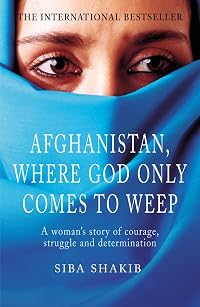
Afghanistan, Where God Only Comes to Weep
by Siba Shakib
On This Page
Description
Shirin-Gol was just a young girl when her village was levelled by the Russians' bombs in 1979. After the men in her family joined the resistance, she fled with the women and children to the capital, Kabul, and so began a life of day-to-day struggle in her war-torn country. A life that includes a period living in the harsh conditions of a Pakistani refugee camp, being forced into a marriage to pay off her brother's gambling debts, selling her body and begging for the money to feed her growing show more family, an attempted suicide, and an unsuccessful endeavour to leave Afghanistan for Iran after the Taliban seized control of her country. Told truthfully and with unflinching detail to writer and documentary-maker Siba Shakib, and incorporating some of the shocking experiences of Shirin-Gol's friends and family members, this is the story of the fate of many of the women in Afghanistan. But it is also a story of great courage, the moving story of a proud woman, a woman who did not want to be banished to a life behind the walls of her house, or told how to dress, who wanted an education for her children so that they could have a chance of a future, to live their lives without fear and poverty. . show lessTags
Recommendations



















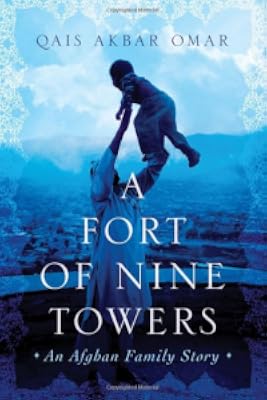



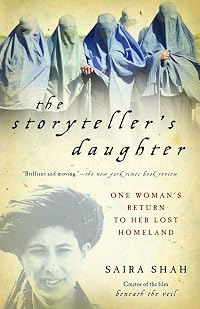
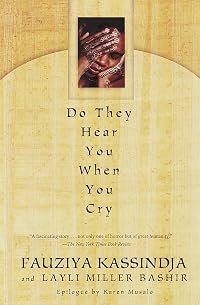
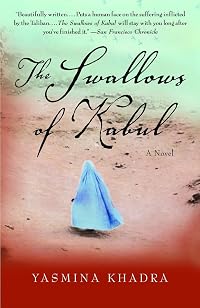






Member Reviews
This is not an easy novel to read, but it felt necessary to me, given the war that my country is waging in this country. It’s written simply and fluidly, with no analysis or explanation. Each character’s actions explain everything.
It’s the story of Shirin-Gol’s life, beginning when she is a child, and ending when she is a grandmother. It describes how she lives during the Russian invasion, during the tribal wars, and during the rule of the Taliban. It shows how she gives in, resists, escapes, wanders, finds homes, and loses homes.
In her family, there are separations and reunions. Sometimes there is something to eat, sometimes not. Sometimes she is confined to a room, sometimes she is free to work. Sometimes she finds show more solidarity with other women, sometimes she has no way to connect with anyone, and cannot even see their faces. It’s a haunting book, terribly sad. Shirin-Gol has nothing but a little hope to lean against. Yet still she survives. show less
It’s the story of Shirin-Gol’s life, beginning when she is a child, and ending when she is a grandmother. It describes how she lives during the Russian invasion, during the tribal wars, and during the rule of the Taliban. It shows how she gives in, resists, escapes, wanders, finds homes, and loses homes.
In her family, there are separations and reunions. Sometimes there is something to eat, sometimes not. Sometimes she is confined to a room, sometimes she is free to work. Sometimes she finds show more solidarity with other women, sometimes she has no way to connect with anyone, and cannot even see their faces. It’s a haunting book, terribly sad. Shirin-Gol has nothing but a little hope to lean against. Yet still she survives. show less
Uy, hard to know what to say about this book. Yes, it's fictional, but it's also the truth for millions. It's embarrassingly painful to know that your own country, your own tax dollars are at work destroying countries, lives, every day.
Shirin-Gol is a woman who becomes a bride at the age of 14. Her brother sold her to a man for his gambling debt. Because the government doesn't protect its people by giving them access to birth control, she had baby after baby after baby, a husband who, though he became an opium-head, still managed to impregnate her time and again. Most of their lives, they went hungry. Her story has a happy ending; if only it were so for the billions of overpopulated humans in this world.
Shirin-Gol is a woman who becomes a bride at the age of 14. Her brother sold her to a man for his gambling debt. Because the government doesn't protect its people by giving them access to birth control, she had baby after baby after baby, a husband who, though he became an opium-head, still managed to impregnate her time and again. Most of their lives, they went hungry. Her story has a happy ending; if only it were so for the billions of overpopulated humans in this world.
it's crucial for americans to hear from people whose lives are affected by our wars. this really gives the reader a sense of what life is like in a war-torn country and in refugee camps. you'll also learn a lot about the extraordinary history of afghanistan.
C’è un punto, nel libro di Siba Shakib, in cui la protagonista Shirin-Gol, dopo aver attraversato guerre, campi profughi, stupri, fame e tentativi di suicidio, si ferma ed esclama: “Dio viene solo per piangere”. Non è una bestemmia, è una diagnosi. Una diagnosi tanto poetica quanto brutale di un Paese che ha smesso di essere luogo ed è imploso, diventando rovina, eco lontana.
Shakib — iraniana di nascita, tedesca d’adozione, documentarista e attivista — non scrive un romanzo. Redige una testimonianza che si traveste da biografia, ma che in realtà è un canto funebre corale, una shahāda laica — non di fede, ma di memoria — che attraversa l’Afghanistan dagli anni dell’invasione sovietica fino all’ascesa dei show more talebani. Il corpo narrativo veste quello di Shirin-Gol, donna afghana che diventa madre, mendicante, prostituta, rifugiata, resistente, e che sopravvive a tutto senza mai smettere, in questa trasformazione forzata, di generare racconto. La sua voce è quella di Shakib, che non si limita a trascrivere: amplifica un lamento, incide il dolore, trasmette.
La storia di Shirin-Gol comincia nel 1979, quando i bombardamenti sovietici distruggono il suo villaggio. Da lì in poi, ogni tappa è una discesa tra i gironi di un Dante asiatico e infernale: Kabul, il campo profughi in Pakistan, il matrimonio forzato per saldare i debiti del fratello, la vendita del proprio corpo per sfamare i figli, l’illusione dell’Iran come terra promessa, la prigione, il ritorno. Ogni luogo è una soglia, ogni evento una mutilazione. Ma ciò che colpisce non è solo la sequenza degli orrori: è la lucidità con cui Shakib li restituisce a chi legge. Tanto da imporci pause profonde, interrogandoci sull’idea stessa di umanità universale. Nella narrazione dell'autrice non c’è compiacimento, non c’è pornografia del dolore. C’è una precisione documentaria che si alterna a squarci lirici — e per fortuna — come se la cronaca si spezzasse per lasciar entrare la poesia.
Ho apprezzato la tensione tra il lirismo e la precisione, tra la memoria e la denuncia. Shakib non vuole solo raccontare una vita, vuole registrare una memoria collettiva, senza intenti consolatori — perché non si cancella ciò che è stato — ma con l'intento di interrogarci. Shirin-Gol non è un’eroina. È un corpo che resiste, una voce che non si spegne. La sua forza non sta nella vittoria — miei cari occidentali — che, come me, leggete questo libro sul divano del salotto buono, tenendo in una mano un aromatico tè con qualche goccia di miele, ma nella sopravvivenza. S-o-p-r-a-v-v-i-v-e-n-z-a. Scandiamola insieme, lentamente. E questa sopravvivenza è politica. In un Paese dove le donne sono ridotte a merce, a silenzio, a colpa, Shirin-Gol parla. E nel parlare, rompe il patto dell’oblio.
Shakib, da documentarista, costruisce il testo come un montaggio filmico: testimonianze, ricordi, dialoghi, frammenti. Il risultato è un libro che non ha una struttura classica, ma che pulsa come l’alternanza dei fotogrammi. Ogni fotogramma è una ferita aperta, ogni capitolo una cicatrice che sanguina. E forse per questo è d'obbligo ricordare che il racconto non contiene dolcificanti e chi è abituato a leggere libri edulcorati è avvertito: si può soffrire.
Il titolo stesso è una dichiarazione: “Dove Dio viene solo per piangere”. Badiamo bene: non per salvare, non per giudicare, ma per piangere. È un’eloquente teologia del disincanto, una spiritualità del dolore. In questo, il libro si fa elegia. Ma non in modo astratto: un’elegia incarnata, che passa per il corpo delle donne, per le madri che partoriscono sotto le bombe, per le figlie che crescono nel fango, per le sorelle che si vendono per un pezzo di pane. E la figura della madre è centrale. Shirin-Gol è madre, ma anche figlia, sorella, moglie. È donna dove essere donna è una disgrazia. E in ogni ruolo, è costretta a negoziare la propria dignità. La maternità, in questo libro, non è idealizzata: è una lotta, una condanna, una forma di resistenza.
“Dove Dio viene solo per piangere” è tante cose: una mappa dell'Afghanistan su cui tracciare un itinerario geografico — dal villaggio distrutto a Kabul, dal campo profughi in Pakistan alla prigione in Iran —, un diagramma che intreccia eventi storici e biografia, una linea del tempo che mostra come la vita delle donne si sovrapponga alla storia di un Paese.
Duole chiudere dicendo che non c'è redenzione per Shirin-Gol. Non c’è alcun lieto fine. Il miracolo? È la voce che resta. In un Paese dove Dio può solo piangere, nessuno si aspetta il miracolo: una donna che parla. E nel parlare, salva la memoria. Il libro non si legge: si ascolta. Si attraversa. Si accoglie. E da oggetto diventa soggetto. Come testimone. Come corpo. show less
Shakib — iraniana di nascita, tedesca d’adozione, documentarista e attivista — non scrive un romanzo. Redige una testimonianza che si traveste da biografia, ma che in realtà è un canto funebre corale, una shahāda laica — non di fede, ma di memoria — che attraversa l’Afghanistan dagli anni dell’invasione sovietica fino all’ascesa dei show more talebani. Il corpo narrativo veste quello di Shirin-Gol, donna afghana che diventa madre, mendicante, prostituta, rifugiata, resistente, e che sopravvive a tutto senza mai smettere, in questa trasformazione forzata, di generare racconto. La sua voce è quella di Shakib, che non si limita a trascrivere: amplifica un lamento, incide il dolore, trasmette.
La storia di Shirin-Gol comincia nel 1979, quando i bombardamenti sovietici distruggono il suo villaggio. Da lì in poi, ogni tappa è una discesa tra i gironi di un Dante asiatico e infernale: Kabul, il campo profughi in Pakistan, il matrimonio forzato per saldare i debiti del fratello, la vendita del proprio corpo per sfamare i figli, l’illusione dell’Iran come terra promessa, la prigione, il ritorno. Ogni luogo è una soglia, ogni evento una mutilazione. Ma ciò che colpisce non è solo la sequenza degli orrori: è la lucidità con cui Shakib li restituisce a chi legge. Tanto da imporci pause profonde, interrogandoci sull’idea stessa di umanità universale. Nella narrazione dell'autrice non c’è compiacimento, non c’è pornografia del dolore. C’è una precisione documentaria che si alterna a squarci lirici — e per fortuna — come se la cronaca si spezzasse per lasciar entrare la poesia.
Ho apprezzato la tensione tra il lirismo e la precisione, tra la memoria e la denuncia. Shakib non vuole solo raccontare una vita, vuole registrare una memoria collettiva, senza intenti consolatori — perché non si cancella ciò che è stato — ma con l'intento di interrogarci. Shirin-Gol non è un’eroina. È un corpo che resiste, una voce che non si spegne. La sua forza non sta nella vittoria — miei cari occidentali — che, come me, leggete questo libro sul divano del salotto buono, tenendo in una mano un aromatico tè con qualche goccia di miele, ma nella sopravvivenza. S-o-p-r-a-v-v-i-v-e-n-z-a. Scandiamola insieme, lentamente. E questa sopravvivenza è politica. In un Paese dove le donne sono ridotte a merce, a silenzio, a colpa, Shirin-Gol parla. E nel parlare, rompe il patto dell’oblio.
Shakib, da documentarista, costruisce il testo come un montaggio filmico: testimonianze, ricordi, dialoghi, frammenti. Il risultato è un libro che non ha una struttura classica, ma che pulsa come l’alternanza dei fotogrammi. Ogni fotogramma è una ferita aperta, ogni capitolo una cicatrice che sanguina. E forse per questo è d'obbligo ricordare che il racconto non contiene dolcificanti e chi è abituato a leggere libri edulcorati è avvertito: si può soffrire.
Il titolo stesso è una dichiarazione: “Dove Dio viene solo per piangere”. Badiamo bene: non per salvare, non per giudicare, ma per piangere. È un’eloquente teologia del disincanto, una spiritualità del dolore. In questo, il libro si fa elegia. Ma non in modo astratto: un’elegia incarnata, che passa per il corpo delle donne, per le madri che partoriscono sotto le bombe, per le figlie che crescono nel fango, per le sorelle che si vendono per un pezzo di pane. E la figura della madre è centrale. Shirin-Gol è madre, ma anche figlia, sorella, moglie. È donna dove essere donna è una disgrazia. E in ogni ruolo, è costretta a negoziare la propria dignità. La maternità, in questo libro, non è idealizzata: è una lotta, una condanna, una forma di resistenza.
“Dove Dio viene solo per piangere” è tante cose: una mappa dell'Afghanistan su cui tracciare un itinerario geografico — dal villaggio distrutto a Kabul, dal campo profughi in Pakistan alla prigione in Iran —, un diagramma che intreccia eventi storici e biografia, una linea del tempo che mostra come la vita delle donne si sovrapponga alla storia di un Paese.
Duole chiudere dicendo che non c'è redenzione per Shirin-Gol. Non c’è alcun lieto fine. Il miracolo? È la voce che resta. In un Paese dove Dio può solo piangere, nessuno si aspetta il miracolo: una donna che parla. E nel parlare, salva la memoria. Il libro non si legge: si ascolta. Si attraversa. Si accoglie. E da oggetto diventa soggetto. Come testimone. Come corpo. show less
Oct 24, 2025Italian
Tänkvärd läsning om förtryckta människor (i allmänhet) och kvinnors (i synnerhet) kamp i tillvaron och tvång till flykt av olika anledningar. Också en nyttig betraktelse på hur flyktningar kan behandlas beroende på hur de "mottaggande" har det ställt - ekonomiskt och socialt.
Historien handlar om en afghansk familj, men säkert kan man extrapolera och låta det innefatta människor i flykt varhelst i världen.
Språket är lite speceillt, lite poetiskt sådär. Ibland blir det bra, det lyfter texten. Andra gånger blir det bara för mycket, och man känner att det finns en distans mellan karaktärerna och läsaren, en distans som tillfogats av författarens tillkrånglade språk. Sänker omdömet.
Historien handlar om en afghansk familj, men säkert kan man extrapolera och låta det innefatta människor i flykt varhelst i världen.
Språket är lite speceillt, lite poetiskt sådär. Ibland blir det bra, det lyfter texten. Andra gånger blir det bara för mycket, och man känner att det finns en distans mellan karaktärerna och läsaren, en distans som tillfogats av författarens tillkrånglade språk. Sänker omdömet.
Feb 15, 2008Swedish
Propagandaschinken, beworben von StudienabbrecherIn Claudia Roth und vom ARD.
Jan 12, 2019German
Afgaand op mijn invoerdatum heb ik dit boek gelezen in 2014. Ik weet dat ik het toen met een jaar of 2 tussen zelfs 2 keer gelezen heb. Nu -2022- krijg ik zin het nogmaals te lezen. Omdat ik intussen zo veel meer weet over Afghanistan en alles anders zou integreren.
Members
- Recently Added By
Lists

Afghanistan
42 works; 2 members
Author Information
11 Works 474 Members
Series
Belongs to Publisher Series
Goldmann (45515)
Common Knowledge
- Original title
- Nach Afghanistan kommt Gott nur noch zum Weinen
- Original publication date
- 2001
- Epigraph*
- "Peace can not be kept by force. It can only be achieved by understanding." - Albert Einstein
- Dedication*
- Till Rahela. Till min mor. De fria. De ofria.
- First words*
- Vad heter du?
- Last words*
- (Click to show. Warning: May contain spoilers.)Bibi-Shirin.
*Some information comes from Common Knowledge in other languages. Click "Edit" for more information.
Classifications
- Genres
- Nonfiction, Biography & Memoir
- DDC/MDS
- 305.409581 — Society, government, & culture Social sciences, sociology & anthropology Social group - Age, Gender, Ethnicity Women Standard subdivisions History, geographic treatment, biography Asia Central Asia
- LCC
- DS371 .S58 .S47 — History of Europe, Asia, Africa and Oceania Asia History of Asia Afghanistan History
- BISAC
Statistics
- Members
- 243
- Popularity
- 133,689
- Reviews
- 7
- Rating
- (3.83)
- Languages
- 9 — Danish, Dutch, English, German, Hungarian, Italian, Norwegian (Bokmål), Portuguese, Swedish
- Media
- Paper, Audiobook, Ebook
- ISBNs
- 25
- ASINs
- 6