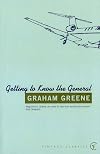
Getting to Know the General
by Graham Greene 
On This Page
Description
'In August 1981 my bag was packed for my fifth visit to Panama when the news came to me over the telephone of the death of General Omar Torrijos Herrera, my friend and host. . . At that moment the idea came to me to write a short personal memoir. . . of a man I had grown to love over those five years' GETTING TO KNOW THE GENERAL is Graham Greene's account of a five-year personal involvement with Omar Torrijos, ruler of Panama from 1968-81 and Sergeant Chuchu, one of the few men in the show more National Guard whom the General trusted completely. It is a fascinating tribute to an inspirational politician in the vital period of his country's history, and to an unusual and enduring friendship. show lessTags
Recommendations



























Member Recommendations


Member Reviews
Ez egy kudarcból kovácsolt könyv: Greene tervezett egy regényt Útban hazafelé címmel, melybe beleírta volna a szívéhez oly közel álló Panamát, ám ismétlődő utazásai során olyan közel került az országhoz (és egyben az ország vezetőjéhez, Omar Torrijos Herrera tábornokhoz), hogy az már lehetetlenné tette a fikcióvá transzformálást. De ha a fikció füstbe ment is, azért maradt még egy út: megírni az egészet mint dokumentumregényt. Ami ugyan jó sokat levagdos az írói fantázia szárnytollaiból, és alaposan csökkenti a szöveg gördülékenységét is, ugyanakkor hitelességet kölcsönöz a mű információtartalmának. Aminek szintúgy örülünk.
Greene abba a Latin-Amerikába kalauzol minket, show more ami ekkoriban (a 70-es, 80-as években) a hidegháború egyik gócpontja volt, és egyben az amerikai külpolitika egyik szégyenfoltja is – az USA ugyanis a marxista rezsimektől való félelmében támogatta Dél-Amerika jobboldali katonai juntáit (az olyan diktátorokat, mint a nicaraguai Somoza, a chilei Pinochet, vagy a paraguayi Stroessner), a nekik juttatott fegyverszállítmányok és pénzösszegek pedig piszkos kis háborúkban és tömeggyilkosságokban lettek felhasználva. (Meg persze a diktátorok személyes bankszámláin landoltak.) Panama a térségben kulcspozíciót töltött be – a területén húzódó Csatorna-övezet jogi hovatartozásáról kellett marakodnia a mindenkori amerikai elnökökkel, miközben vezetője, Herrera tábornok úr úgy próbált egyensúlyozni a jobb- és baloldali diktatúrák között, hogy saját népét is kielégítse, de a gringókkal se zördüljön össze jóvátehetetlenül. Greene szemmel láthatóan bírja Herrerát – nagyon meleg szavakkal ábrázolja törekvését, hogy emberközpontú szociáldemokráciát hozzon létre, ahol a vezér gondol egyet, és helikopterrel meglátogatja a jukkatermesztőket, hogy konzultáljon velük*, és nem győzi dicsérni Latin-Amerikában valóban szokatlan vonzalmát az olyan demokratikus értékekhez, mint a szólásszabadság**. Egyszóval a tábornok Greene szerint jó ember: őszinte, érzelmes, higgadt, egy igazi barát – amit persze kezelhetünk fenntartással, hisz pontosan tudjuk, a diktátorok milyen szimpatikusak tudnak lenni, ha akarnak (példálódzhatnánk Castróval, Kadhafival), miközben saját házi ellenzékükkel azért nem lacafacáznak.
Ugyanakkor e könyvben nem csak a tábornokról és Panamáról tudunk meg sokat, hanem bizony Greene-ről is. És nem csak arról, hogyan igyekszik anyagot gyűjteni (ezúttal sikertelenül) egy tipikusan greene-es trópusi történethez sok kalanddal, kémkedéssel, emberi gyengeséggel és politikával (ami bizonyos helyzetekben az „emberi gyengeség” szinonimája), hanem valamiről, amiről Greene talán nem is tudja, hogy beszél: saját alkoholizmusáról. A könyvben refrénként ismétlődnek a morózus puffogások arról, hogy ezen meg azon a mucsai vidéken nem lehet rendes gint kapni, azt se tudják, mi a rumpuncs, meg még a sör is harmatgyenge, hogy arra még a gyanútlan olvasó is felkapja a fejét: hé, ez tisztára egy vén piás hangja! Mondjuk ha piás, ha nem, Greene írni azért tud.
* Jó, hát Panama nem egy nagy ország – összesen annyi lakosa van, mint Budapestnek. Próbálná meg ugyanezt mondjuk Indiában megcsinálni!
** Greene elmond egy édes sztorit – minden este elmegy Herrera nyaralója előtt egy részeg halász, és teli szájjal szidja a tábornok urat meg a pereputtyát. Közben a tábornok úr meg a tornácon fekszik a függőágyban, és röhög rajta. Mi ez, ha nem szólásszabadság? Jó, hát dél-amerikai változatban. show less
Greene abba a Latin-Amerikába kalauzol minket, show more ami ekkoriban (a 70-es, 80-as években) a hidegháború egyik gócpontja volt, és egyben az amerikai külpolitika egyik szégyenfoltja is – az USA ugyanis a marxista rezsimektől való félelmében támogatta Dél-Amerika jobboldali katonai juntáit (az olyan diktátorokat, mint a nicaraguai Somoza, a chilei Pinochet, vagy a paraguayi Stroessner), a nekik juttatott fegyverszállítmányok és pénzösszegek pedig piszkos kis háborúkban és tömeggyilkosságokban lettek felhasználva. (Meg persze a diktátorok személyes bankszámláin landoltak.) Panama a térségben kulcspozíciót töltött be – a területén húzódó Csatorna-övezet jogi hovatartozásáról kellett marakodnia a mindenkori amerikai elnökökkel, miközben vezetője, Herrera tábornok úr úgy próbált egyensúlyozni a jobb- és baloldali diktatúrák között, hogy saját népét is kielégítse, de a gringókkal se zördüljön össze jóvátehetetlenül. Greene szemmel láthatóan bírja Herrerát – nagyon meleg szavakkal ábrázolja törekvését, hogy emberközpontú szociáldemokráciát hozzon létre, ahol a vezér gondol egyet, és helikopterrel meglátogatja a jukkatermesztőket, hogy konzultáljon velük*, és nem győzi dicsérni Latin-Amerikában valóban szokatlan vonzalmát az olyan demokratikus értékekhez, mint a szólásszabadság**. Egyszóval a tábornok Greene szerint jó ember: őszinte, érzelmes, higgadt, egy igazi barát – amit persze kezelhetünk fenntartással, hisz pontosan tudjuk, a diktátorok milyen szimpatikusak tudnak lenni, ha akarnak (példálódzhatnánk Castróval, Kadhafival), miközben saját házi ellenzékükkel azért nem lacafacáznak.
Ugyanakkor e könyvben nem csak a tábornokról és Panamáról tudunk meg sokat, hanem bizony Greene-ről is. És nem csak arról, hogyan igyekszik anyagot gyűjteni (ezúttal sikertelenül) egy tipikusan greene-es trópusi történethez sok kalanddal, kémkedéssel, emberi gyengeséggel és politikával (ami bizonyos helyzetekben az „emberi gyengeség” szinonimája), hanem valamiről, amiről Greene talán nem is tudja, hogy beszél: saját alkoholizmusáról. A könyvben refrénként ismétlődnek a morózus puffogások arról, hogy ezen meg azon a mucsai vidéken nem lehet rendes gint kapni, azt se tudják, mi a rumpuncs, meg még a sör is harmatgyenge, hogy arra még a gyanútlan olvasó is felkapja a fejét: hé, ez tisztára egy vén piás hangja! Mondjuk ha piás, ha nem, Greene írni azért tud.
* Jó, hát Panama nem egy nagy ország – összesen annyi lakosa van, mint Budapestnek. Próbálná meg ugyanezt mondjuk Indiában megcsinálni!
** Greene elmond egy édes sztorit – minden este elmegy Herrera nyaralója előtt egy részeg halász, és teli szájjal szidja a tábornok urat meg a pereputtyát. Közben a tábornok úr meg a tornácon fekszik a függőágyban, és röhög rajta. Mi ez, ha nem szólásszabadság? Jó, hát dél-amerikai változatban. show less
In 1974, Graham Greene received an unexpected invitation from the Panamanian leader, General Omar Torrijos. Initially suspicious, he decided to accept the offer of a free ticket to Panama, and found himself intrigued by the country and charmed by its leader, possibly the world's only social democratic military dictator. He went on to make several further visits to Panama. His association with Torrijos continued until the General's death in a plane crash in 1981.
The Republic of Panama had been split off from Colombia in 1903 as a puppet state to protect US interests in the Panama Canal; since 1964 it had been trying to find an identity as an independent nation in its own right. Torrijos had come to power through a military coup, and was show more in the middle of delicate discussions with the US to renegotiate the canal treaty. He obviously thought it would help his cause if he could encourage distinguished writers like Greene and Gabriel Garcia Marquez to publish sympathetic articles about Panama and its enlightened ruler.
Greene never directly says that Torrijos was using him for his own ends, even when he finds himself pushed into acting as intermediary in hostage negotiations with terrorists, but in another context, not talking about Torrijos, he does comment that he has never objected to being 'used', if it is for a cause he believes in.
The most interesting character in the book (more fully rendered than Greene himself or Torrijos, the explicit subject) is the General's bodyguard, Sergeant Chuchu, who accompanies Greene on most of his travels. Chuchu is a former professor of Marxist philosophy and (when Marxism went out of fashion in Panama) of mathematics, who volunteered to train for the Panamanian special forces in middle age. Greene and Chuchu clearly got on very well indeed. However, the sergeant's background and complex lovelife make him almost a caricature of a Graham Greene character, so much so that when Greene tries to use him in a putative novel set in Panama he has to give up in frustration.
Worth reading, because Greene always is, and his view of Panama is often perceptive, despite his infatuation with the General. But it is sad to see Greene in what was practically his dotage (he was 70 when he first met Torrijos). There's a lot of grumpy-old-man stuff, and quite a bit of moaning if he has to go without alcohol for more than half a page or so. And of course, you can't help reflecting that a couple of years after this book appeared, Panama had descended into a morass of corruption and organised crime under Noriega, something that Greene entirely fails to foresee. Noriega himself gets only a brief mention ("I had a drink with a colonel Noriega..."). show less
The Republic of Panama had been split off from Colombia in 1903 as a puppet state to protect US interests in the Panama Canal; since 1964 it had been trying to find an identity as an independent nation in its own right. Torrijos had come to power through a military coup, and was show more in the middle of delicate discussions with the US to renegotiate the canal treaty. He obviously thought it would help his cause if he could encourage distinguished writers like Greene and Gabriel Garcia Marquez to publish sympathetic articles about Panama and its enlightened ruler.
Greene never directly says that Torrijos was using him for his own ends, even when he finds himself pushed into acting as intermediary in hostage negotiations with terrorists, but in another context, not talking about Torrijos, he does comment that he has never objected to being 'used', if it is for a cause he believes in.
The most interesting character in the book (more fully rendered than Greene himself or Torrijos, the explicit subject) is the General's bodyguard, Sergeant Chuchu, who accompanies Greene on most of his travels. Chuchu is a former professor of Marxist philosophy and (when Marxism went out of fashion in Panama) of mathematics, who volunteered to train for the Panamanian special forces in middle age. Greene and Chuchu clearly got on very well indeed. However, the sergeant's background and complex lovelife make him almost a caricature of a Graham Greene character, so much so that when Greene tries to use him in a putative novel set in Panama he has to give up in frustration.
Worth reading, because Greene always is, and his view of Panama is often perceptive, despite his infatuation with the General. But it is sad to see Greene in what was practically his dotage (he was 70 when he first met Torrijos). There's a lot of grumpy-old-man stuff, and quite a bit of moaning if he has to go without alcohol for more than half a page or so. And of course, you can't help reflecting that a couple of years after this book appeared, Panama had descended into a morass of corruption and organised crime under Noriega, something that Greene entirely fails to foresee. Noriega himself gets only a brief mention ("I had a drink with a colonel Noriega..."). show less
A bit of a hagiography of General Torrijos, but still an interesting overview of Panamanian history during the 1970s. An additional element to add to the thought experiment of how the western hemisphere would have ended up if not for the intervention, blatant or otherwise, of the United States.
Having lived through news reports of the Canal Treaty in my childhood, it was interesting to read Greene's memoir as a sort-of diplomatic attaché to Panamanian leader Omar
Torrijos & his right-hand man, Chuchu. Greene's writing is so transparent as to provide an immediate sense of the characters & countries w/whom he's involved, including Torrijos, Chuchu, Ernesto Cardenal, "Gabo" Garcia Marquez, some Sandanistas, & various '70s & '80s era Latin American leaders and/or dictators. It has definitely enhanced my understanding of the Canal & its history.
Torrijos & his right-hand man, Chuchu. Greene's writing is so transparent as to provide an immediate sense of the characters & countries w/whom he's involved, including Torrijos, Chuchu, Ernesto Cardenal, "Gabo" Garcia Marquez, some Sandanistas, & various '70s & '80s era Latin American leaders and/or dictators. It has definitely enhanced my understanding of the Canal & its history.
Having lived through news reports of the Canal Treaty in my childhood, it was interesting to read Greene's memoir as a sort-of diplomatic attaché to Panamanian leader Omar
Torrijos & his right-hand man, Chuchu. Greene's writing is so transparent as to provide an immediate sense of the characters & countries w/whom he's involved, including Torrijos, Chuchu, Ernesto Cardenal, "Gabo" Garcia Marquez, some Sandanistas, & various '70s & '80s era Latin American leaders and/or dictators. It has definitely enhanced my understanding of the Canal & its history.
Torrijos & his right-hand man, Chuchu. Greene's writing is so transparent as to provide an immediate sense of the characters & countries w/whom he's involved, including Torrijos, Chuchu, Ernesto Cardenal, "Gabo" Garcia Marquez, some Sandanistas, & various '70s & '80s era Latin American leaders and/or dictators. It has definitely enhanced my understanding of the Canal & its history.
This is an interesting book in which Graham Greene a famous novelist discovers the different roles that delineation of character plays in the world of fiction, where one is trying to create an emotional response in the reader, and the world of history, where one should use the character to explain the actions of that person. Well worth reading.
I think Graham Greene's ego might have got in the way of this book. It seemed to be more about him than the general.
Members
- Recently Added By
Published Reviews
Coming out shortly after Graham Greene's 80th birthday, ''Getting to Know the General'' reassures us that the writer's dreams and hopes have not died. From a literary point of view, this book is perhaps not among his most memorable - he has conceded he found it difficult to write. But from a human point of view, it is compellingly compassionate.NY Times
added by John_Vaughan
Author Information

356+ Works 87,436 Members
Born in 1904, Graham Greene was the son of a headmaster and the fourth of six children. Preferring to stay home and read rather than endure the teasing at school that was a by-product of his father's occupation, Greene attempted suicide several times and eventually dropped out of school at the age of 15. His parents sent him to an analyst in show more London who recommended he try writing as therapy. He completed his first novel by the time he graduated from college in 1925. Greene wrote both entertainments and serious novels. Catholicism was a recurring theme in his work, notable examples being The Power and the Glory (1940) and The End of the Affair (1951). Popular suspense novels include: The Heart of the Matter, Our Man in Havana and The Quiet American. Greene was also a world traveler and he used his experiences as the basis for many books. One popular example, Journey Without Maps (1936), was based on a trip through the jungles of Liberia. Greene also wrote and adapted screenplays, including that of the 1949 film, The Third Man, which starred Orson Welles. He died in Vevey, Switzerland in 1991. (Bowker Author Biography) show less
Graham Greene has a Legacy Library. Legacy libraries are the personal libraries of famous readers, entered by LibraryThing members from the Legacy Libraries group.
Common Knowledge
- Canonical title
- Getting to Know the General
- Original publication date
- 1984
- People/Characters
- Omar Torrijos
- Important places
- Panama
- Epigraph
- I go, but I return: I would I were
The pilot of the darkness and the dream.
— Alfred, Lord Tennyson - Dedication
- To the Friends of my Friend,
Omar Torrijos,
in Nicaragua, El Salvador and Panama - First words
- In August 1981 my bag was packed for my fifth visit to Panama when the news came to me over the telephone of the death of General Omar Torrijos Herrera, my friend and host.
- Quotations
- I have never hesitated to be 'used' in a cause I believed in, even if my choice might be only for a lesser evil. (Epilogue, ch.4)
- Original language
- English
Classifications
Statistics
- Members
- 422
- Popularity
- 73,520
- Reviews
- 8
- Rating
- (3.57)
- Languages
- 10 — Danish, Dutch, English, French, German, Hungarian, Norwegian (Bokmål), Portuguese (Portugal), Spanish, Swedish
- Media
- Paper, Audiobook, Ebook
- ISBNs
- 29
- ASINs
- 3