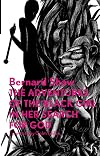
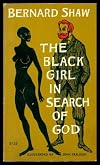
The Adventures of the Black Girl in her Search for God
by George Bernard Shaw
On This Page
Description
The Black Girl in Search of God is a tale in the manner of Voltaire's Candide showing the stages of development of God, from the monster bogeyman to the Prince of Peace.Tags
Recommendations























Member Recommendations

Member Reviews
The review refers to the first edition from 1932.
This is a little gem of a book: not just GBS’s sardonic fairytale or allegory or parable, call it what you like, but also John Farleigh’s delightful engravings, GBS’s essay - his mocking and forcefully stated opinions - and JF’s design of this little book.
It must have been a popular success – a succès de scandale I believe – when it came out: The 1st edition Dec. 32 was reprinted 5 times that month and another 6 times until April 33, the date of this copy.
“Where is God?” asks the black girl, converted and taught to read the Bible by a small white woman missionary, ‘a born apostle of love’, who had gone into ‘the African forest to teach little African children to show more love Christ and adore the Cross.’ On her teacher’s reply she took her knobkerry and bible and strode into the forest in search of God.
The first God she meets is the wrathful God of Noah who delights in the smell of burning flesh. In the name of the true God she seeks, she brandishes her knobkerry and he disappears.
The second one she meets is the argumentative God of Job. Her question why did he make the world with so much evil in it, he “answers”, as he had answered Job’s laments and in the manner of a true politician by jeering at her. She chases him away also.
Among others she meets is Micah. Micah ‘throws out the dirty water [of savage old conceptions] fearlessly’ (says GBS in his essay): he denounces blood sacrifices with ‘his inspiring demand “What doth the Lord require of thee but to do justly, and to love mercy, and to walk humbly with thy God?”’[Micah, VI,8]..
Jesus she meets next. He goes further: no longer walking humbly before an external God but God, Jesus says, is within each of us. Man has ‘no other guide than the divine spark within him’. But Paul is dragging Christianity back to Noah by ‘holding up Christ as “an offering and a sacrifice to God for a sweet smelling savour” [Eph. V, 2]’ (the term ‘Holocaust’ does just that again).
After a few more adventures she encounters an old man in his garden whose face, she decides, ‘was all intelligence’. He convinces her that ‘God is at your elbow, and he has been there all the time’ and that it is best not to seek his full presence but – like Candide – to ‘help to cultivate his garden to His glory’. That she does, marries an Irishman, has coffee-coloured children, and laughs at her young self, who thought that God ‘had nothing better to do than to watch everything she did and worry himself about her salvation.’
To quote the Theatre Critic Eric Bentley: “You don’t go to Shaw for opinion but to argue with him.” (VII-14) 5* show less
This is a little gem of a book: not just GBS’s sardonic fairytale or allegory or parable, call it what you like, but also John Farleigh’s delightful engravings, GBS’s essay - his mocking and forcefully stated opinions - and JF’s design of this little book.
It must have been a popular success – a succès de scandale I believe – when it came out: The 1st edition Dec. 32 was reprinted 5 times that month and another 6 times until April 33, the date of this copy.
“Where is God?” asks the black girl, converted and taught to read the Bible by a small white woman missionary, ‘a born apostle of love’, who had gone into ‘the African forest to teach little African children to show more love Christ and adore the Cross.’ On her teacher’s reply she took her knobkerry and bible and strode into the forest in search of God.
The first God she meets is the wrathful God of Noah who delights in the smell of burning flesh. In the name of the true God she seeks, she brandishes her knobkerry and he disappears.
The second one she meets is the argumentative God of Job. Her question why did he make the world with so much evil in it, he “answers”, as he had answered Job’s laments and in the manner of a true politician by jeering at her. She chases him away also.
Among others she meets is Micah. Micah ‘throws out the dirty water [of savage old conceptions] fearlessly’ (says GBS in his essay): he denounces blood sacrifices with ‘his inspiring demand “What doth the Lord require of thee but to do justly, and to love mercy, and to walk humbly with thy God?”’[Micah, VI,8]..
Jesus she meets next. He goes further: no longer walking humbly before an external God but God, Jesus says, is within each of us. Man has ‘no other guide than the divine spark within him’. But Paul is dragging Christianity back to Noah by ‘holding up Christ as “an offering and a sacrifice to God for a sweet smelling savour” [Eph. V, 2]’ (the term ‘Holocaust’ does just that again).
After a few more adventures she encounters an old man in his garden whose face, she decides, ‘was all intelligence’. He convinces her that ‘God is at your elbow, and he has been there all the time’ and that it is best not to seek his full presence but – like Candide – to ‘help to cultivate his garden to His glory’. That she does, marries an Irishman, has coffee-coloured children, and laughs at her young self, who thought that God ‘had nothing better to do than to watch everything she did and worry himself about her salvation.’
To quote the Theatre Critic Eric Bentley: “You don’t go to Shaw for opinion but to argue with him.” (VII-14) 5* show less
Fehér férfi keresi az igazságot
avagy:
„Most pedig, miután megírtam a fekete leányzó történetét, azon elmélkedem, mi a tulajdonképpeni értelme, bár nem ismételhetem eléggé, hogy ebben a tekintetben én éppen olyan könnyen tévedhetek, mint bárki más és hogy az úttörő írók, mint minden úttörő, éppen úgy eltéveszthetik a célt, akárcsak Columbus.” (63. oldal)
Az ugye köztudott, hogy G. B. Shaw szatirikus hajlamával és igazságérzetével komplett erőműveket lehetett működtetni. No ő most fogja ember, vallás, tudomány és filozófia kapcsolatát, ennek minden ellentmondásával és kétszínűségével, majd képességei teljes arzenáljával bumm, odapörköl neki. Tanmeséjének show more főszereplőjéül kiválasztja a címbéli fekete lányt, aki ugye fekete is, meg lány is (ezt a 30-as évek kontextusában nyugodtan nevezhetjük halmozottan hátrányos helyzetnek), és elindítja: nosza, most keresd meg az Istent. A lány pedig ordas nagy bunkósbotjával nekiered, naivitásánál pedig csak romlatlan és éles, nyugati civilizációtól nem fertezett intelligenciája nagyobb (no meg a bunkósbotja), úgyhogy bárkivel fut össze, jól megmondja neki a valót.
Bizonyos passzusok nagyon tetszettek – szórakoztató és elgondolkodtató szöveg, ráadásul úgy világít rá álszentségeinkre, hogy közben többnyire elkerüli a didaktikusság medvecsapdáit. Ám mintha túl sokat akarna markolni, mindenről akar szólni (mert ember, vallás, tudomány és filozófia viszonya nyugodtan nevezhető mindennek, azt hiszem), de hát mindenről azért mégsem szólhat egy könyv, egy ilyen rövid meg pláne nem. Úgyhogy néha zavarosnak, kuszának tűnnek a kalandok, amire fényes bizonyíték, hogy maga Shaw is szükségét érezze, hogy a főszöveg mögé biggyesszen egy 20 oldalas utószót arról, hogy tulajdonképpen mit is akart mondani. Feltételezem, ha sikerült volna tökéletesen elmondania, akkor utószóra nem is lett volna szükség. show less
avagy:
„Most pedig, miután megírtam a fekete leányzó történetét, azon elmélkedem, mi a tulajdonképpeni értelme, bár nem ismételhetem eléggé, hogy ebben a tekintetben én éppen olyan könnyen tévedhetek, mint bárki más és hogy az úttörő írók, mint minden úttörő, éppen úgy eltéveszthetik a célt, akárcsak Columbus.” (63. oldal)
Az ugye köztudott, hogy G. B. Shaw szatirikus hajlamával és igazságérzetével komplett erőműveket lehetett működtetni. No ő most fogja ember, vallás, tudomány és filozófia kapcsolatát, ennek minden ellentmondásával és kétszínűségével, majd képességei teljes arzenáljával bumm, odapörköl neki. Tanmeséjének show more főszereplőjéül kiválasztja a címbéli fekete lányt, aki ugye fekete is, meg lány is (ezt a 30-as évek kontextusában nyugodtan nevezhetjük halmozottan hátrányos helyzetnek), és elindítja: nosza, most keresd meg az Istent. A lány pedig ordas nagy bunkósbotjával nekiered, naivitásánál pedig csak romlatlan és éles, nyugati civilizációtól nem fertezett intelligenciája nagyobb (no meg a bunkósbotja), úgyhogy bárkivel fut össze, jól megmondja neki a valót.
Bizonyos passzusok nagyon tetszettek – szórakoztató és elgondolkodtató szöveg, ráadásul úgy világít rá álszentségeinkre, hogy közben többnyire elkerüli a didaktikusság medvecsapdáit. Ám mintha túl sokat akarna markolni, mindenről akar szólni (mert ember, vallás, tudomány és filozófia viszonya nyugodtan nevezhető mindennek, azt hiszem), de hát mindenről azért mégsem szólhat egy könyv, egy ilyen rövid meg pláne nem. Úgyhogy néha zavarosnak, kuszának tűnnek a kalandok, amire fényes bizonyíték, hogy maga Shaw is szükségét érezze, hogy a főszöveg mögé biggyesszen egy 20 oldalas utószót arról, hogy tulajdonképpen mit is akart mondani. Feltételezem, ha sikerült volna tökéletesen elmondania, akkor utószóra nem is lett volna szükség. show less
A satire designed to shock and outrage as many people as possible. It did the job back in the day just as well as it does now, though I doubt any mainstream publisher would touch it as a new book. The immediate cancelling would be the least of their worries. I suspect the depiction of Mohammed would lead to Charlie Hebdo moments for all concerned. There are text only editions on the market. Don’t bother with these. John Farleigh’s engravings really bring something to the text.
There’s something nasty about the book as you would expect from a satire. It’s saved by some clever writing and some very funny moments. The brutal character assassination of the missionary with which Shaw opens the book had me in stitches.
There’s something nasty about the book as you would expect from a satire. It’s saved by some clever writing and some very funny moments. The brutal character assassination of the missionary with which Shaw opens the book had me in stitches.
Even for GBS, this is a very unusual product, the short story of a young black woman, who represents questioning but not gullible innocence, looking for God and getting mostly unsatisfactory answers from those she meets. As with plays like Man and Superman, Shaw liked to have a vehicle for intellectual cut and thrust. The best part of the book is the wood engravings; any connoisseur of beauty would buy it for those alone.
I know some people didn't like it, but I enjoyed it - sharply critical without being mean-spirited.
allegory
Members
- Recently Added By
Lists

Edward Gorey Covers
150 works; 8 members
Author Information

757+ Works 32,131 Members
Renowned literary genius George Bernard Shaw was born on July 26, 1856 in Dublin, Ireland. He later moved to London and educated himself at the British Museum while several of his novels were published in small socialist magazines. Shaw later became a music critic for the Star and for the World. He was a drama critic for the Saturday Review and show more later began to have some of his early plays produced. Shaw wrote the plays Man and Superman, Major Barbara, and Pygmalion, which was later adapted as My Fair Lady in both the musical and film form. He also transformed his works into screenplays for Saint Joan, How He Lied to Her Husband, Arms and the Man, Pygmalion, and Major Barbara. Shaw won the Nobel Prize for Literature in 1925. George Bernard Shaw died on November 2, 1950 at Ayot St. Lawrence, Hertfordshire, England. (Bowker Author Biography) show less
Some Editions
Series
Belongs to Publisher Series
Common Knowledge
- Canonical title
- The Adventures of the Black Girl in her Search for God
- Original publication date
- 1932 (The Black Girl in Search of God) (The Black Girl in Search of God); 1907 (Aerial Football: The New Game) (Aerial Football: The New Game); 1932 (Beauty's Duty) (Beauty's Duty); 1902 (Cannonfodder) (Cannonfodder); 1905 (Death of an Old Revolutionary Hero) (Death of an Old Revolutionary Hero); 1932 (The Domesticity of Franklyn Barnabas) (The Domesticity of Franklyn Barnabas) (show all 14); 1932 (Don Giovanni Explains) (Don Giovanni Explains); 1910 (A Dressing Room Secret) (A Dressing Room Secret); 1916 (The Emperor and the Little Girl) (The Emperor and the Little Girl); 1885 (The Miraculous Revenge) (The Miraculous Revenge); 1885 (the Serenade) (the Serenade); 1890 (Still After the Dolls House) (Still After the Dolls House); 1888 (Sunday on the Surry Hills) (Sunday on the Surry Hills); 1905 (The Theatre of the Future) (The Theatre of the Future)
- Disambiguation notice
- This work contains only "The adventures of the black girl in her search for God". Please don't combine with editions containing multiple stories. Thank you.
Classifications
Statistics
- Members
- 291
- Popularity
- 110,473
- Reviews
- 8
- Rating
- (3.37)
- Languages
- 10 — Dutch, English, Estonian, French, German, Hungarian, Italian, Portuguese, Spanish, Turkish
- Media
- Paper, Ebook
- ISBNs
- 15
- UPCs
- 1
- ASINs
- 23