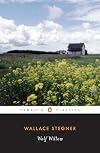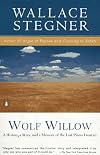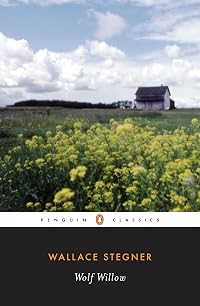
Wolf Willow: A History, a Story, and a Memory of the Last Plains Frontier
by Wallace Stegner
On This Page
Description
Biography & Autobiography. History. Literary Criticism. Nonfiction. HTML:Wallace Stegner weaves together fiction and nonfiction, history and impressions, childhood remembrance and adult reflections in this unusual portrait of his boyhood. Set in Cypress Hills in southern Saskatchewan, where Stegner's family homesteaded from 1914 to 1920, Wolf Willow brings to life both the pioneer community and the magnificent landscape that surrounds it.For more than seventy years, Penguin has been the show more leading publisher of classic literature in the English-speaking world. With more than 1,700 titles, Penguin Classics represents a global bookshelf of the best works throughout history and across genres and disciplines. Readers trust the series to provide authoritative texts enhanced by introductions and notes by distinguished scholars and contemporary authors, as well as up-to-date translations by award-winning translators. show less
Tags
Recommendations

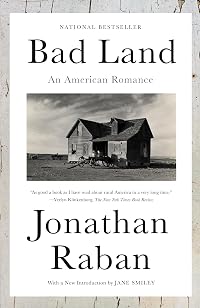


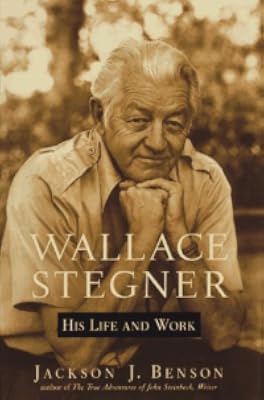
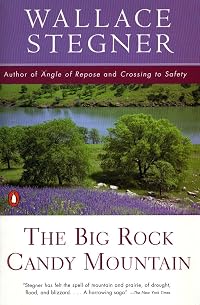
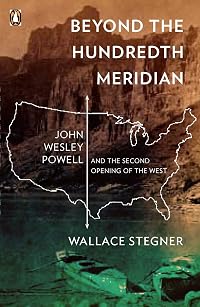


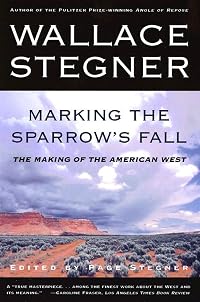
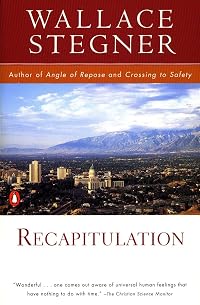


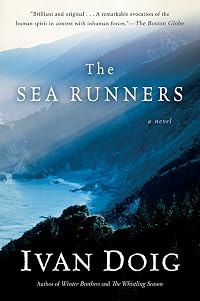
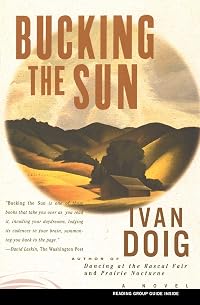

Member Recommendations

Member Reviews
Wolf Willow by Wallace Stenger is a collection of essays along with a novella that captures the essence of the Prairies. Through his memories, research and descriptive writing he brings this small corner of Saskatchewan alive. I was fortunate enough to be travelling through this area as I read the book, and this blend of truth and fiction was a beautiful read on pioneering, environment and history.
This was the first Stenger that I have read although I have a few of his books on my TBR. He writes with strength and purpose and as a Westerner myself, I loved the pictures he painted with his words. Many people see the prairie as flat and colourless, but Stenger manages to see and describe both the layers and the colours of this unique show more landscape. His narrative on the particular smells of the bushes and plants had me pinching handfuls of various shrubs and grasses and experiencing these aromas for myself.
I found Wolf Willow an absorbing, informative and wonderful read. Looking at nature and history with the help of this author gave me new insight into this different landscape that appears to set a stamp on individuals who grow up in this type of habitat. show less
This was the first Stenger that I have read although I have a few of his books on my TBR. He writes with strength and purpose and as a Westerner myself, I loved the pictures he painted with his words. Many people see the prairie as flat and colourless, but Stenger manages to see and describe both the layers and the colours of this unique show more landscape. His narrative on the particular smells of the bushes and plants had me pinching handfuls of various shrubs and grasses and experiencing these aromas for myself.
I found Wolf Willow an absorbing, informative and wonderful read. Looking at nature and history with the help of this author gave me new insight into this different landscape that appears to set a stamp on individuals who grow up in this type of habitat. show less
"Wolf Willow" is an excellent account of Stegner's personal history homesteading in Saskatchewan and the geographical and cultural history of the Cypress Hills in the southwest of the province. Considering the popularity of creative nonfiction this is well worth a read to see the wide range of form in the genre and the liberty of blending personal essay and some fiction. The chapter "Genesis" a long fictional account of the blizzard of 1906-1907 is the weakest part of the book. Stegner is at his best when he's recounting the escapes of his childhood and unpacking the cultural mythologies of the West.
This was an unexpectedly good read for me. I liked the mix of genres just as the subtitle says...."A History, a Story & a Memory of the Last Plains Frontier". It was best for me when Stegner describes the hard-scrabble life as a kid with his family trying to live the farming life in Saskatchewan in the early part of the 20th century. It wasn't easy. Stegner's father was abusive and tough-minded and ultimately failed to make it work but nonetheless young Wallace had some good memories growing up in the Cypress Hills. At least the memories were good enough to want to come back and revisit many years later though he specifically avoids the site of his old family homestead of which there was probably little left at the time.
I also learned show more that my ignorance of Canadian history is deep. The most depressingly tragic part of the history tale Stegner tells is that of the plains indians; the wars, the battles, the slow decline and eventual resettlement into reservations. The differences in how the various tribes were treated by the Canadians and the Americans was eye-opening but somewhat expected remembering what little I do of American history from middle school and high school. While not perfect or the best resolution by any means, the Canadians were just a whole lot better and more honest with the indigenous tribes of the plains.
The title is a specific memory but I will leave that to you to find out what it refers to by reading the book. Stegner, as usual, excels at writing vividly. There is something about the way he constructs a sentence that is different from other writers. I will have to read more of his fiction to figure out what that is. I have Crossing to Safety in my sights and hope to get to it soon. show less
I also learned show more that my ignorance of Canadian history is deep. The most depressingly tragic part of the history tale Stegner tells is that of the plains indians; the wars, the battles, the slow decline and eventual resettlement into reservations. The differences in how the various tribes were treated by the Canadians and the Americans was eye-opening but somewhat expected remembering what little I do of American history from middle school and high school. While not perfect or the best resolution by any means, the Canadians were just a whole lot better and more honest with the indigenous tribes of the plains.
The title is a specific memory but I will leave that to you to find out what it refers to by reading the book. Stegner, as usual, excels at writing vividly. There is something about the way he constructs a sentence that is different from other writers. I will have to read more of his fiction to figure out what that is. I have Crossing to Safety in my sights and hope to get to it soon. show less
What an amazing book. The region itself is the main character. The writing is mixed between Stegner's autobiographical musings, plain history, and a novella about on characters' experience. Stegner is at once mesmerized and loving about the country, while also deploring the complete waste and human failure that occurred when an essentially unlivable land was settled. I can't say it is uplifting, but it is beautiful!
I find this book hard to review because Stegner is one of my favorite authors. The writing, as always, is stellar, way more than a 5 rating. The subject matter was varied here as the book is partly autobiographical and partly history. The author wanted a history, which he seemed to think he didn't have, so he returned to his boyhood home in Saskatchewan, Canada, just over the US border, to a time when the area on both sides of the border was mostly wilderness and a difficult place to live.
Throughout the book, I learned more about Stegner. It's interesting what shapes people and how they become who they are later in life after being influenced by people and experiences.
The book is written in 4 distinct sections, each of which appeared show more to be written at different times and covering different subjects around the same area. I like the third the best and found it easier to read and more riveting. Since this is a personal work, it's hard to get excited about the history of a place I know nothing about, so the second section was slow going for me. Still, I learned. The first and fourth sections were good but not as much as the third. The book would be fascinating for someone interested in the history of this area in both the US and Canada when it was still a frontier.
I suspect the book was satisfying to Stegner -- he got his history and seemed to enjoy the search and memories. The 4 rating is for content -- not that it isn't good for the right person, but it didn't hold my interest well in some sections. So unusual for a book by this author. Otherwise, the ratings aren't high enough for this author's writing. show less
Throughout the book, I learned more about Stegner. It's interesting what shapes people and how they become who they are later in life after being influenced by people and experiences.
The book is written in 4 distinct sections, each of which appeared show more to be written at different times and covering different subjects around the same area. I like the third the best and found it easier to read and more riveting. Since this is a personal work, it's hard to get excited about the history of a place I know nothing about, so the second section was slow going for me. Still, I learned. The first and fourth sections were good but not as much as the third. The book would be fascinating for someone interested in the history of this area in both the US and Canada when it was still a frontier.
I suspect the book was satisfying to Stegner -- he got his history and seemed to enjoy the search and memories. The 4 rating is for content -- not that it isn't good for the right person, but it didn't hold my interest well in some sections. So unusual for a book by this author. Otherwise, the ratings aren't high enough for this author's writing. show less
I enjoy Stegner's writing. It is almost lilting when describing forsaken landscapes or tawdry town scenes. Here he describes the dry prairie land of Canada in the Saskatchewan province near the Montana border. This book creeps forward, building his thesis step by step, until he has a foundation for his conclusions about the small town and community he grew up in. Not really for those who like to have tension, drama, action and a storyline. More of a meander with the author as he revisits his memories and his town.
One insertion, a very valuable one in my opinion, is a cowboy story which could almost be a novelette. That has drama and tension, character building and pathos. It reveals the kind of men who staked their lives on hardship show more and usually lost in the end, as well as a glimpse of the sort of woman who supported them.
I would not read this again, unless it were the cowboy story in the middle, but I did enjoy the reading of it. I must admit, I began to tire of Whitemud, and I skimmed a bit at the end just to get out of the town, but then, I left a town very similar to it in my youth and have never wanted to return to live there. It is nice to visit now and then though, especially with someone who understands. show less
One insertion, a very valuable one in my opinion, is a cowboy story which could almost be a novelette. That has drama and tension, character building and pathos. It reveals the kind of men who staked their lives on hardship show more and usually lost in the end, as well as a glimpse of the sort of woman who supported them.
I would not read this again, unless it were the cowboy story in the middle, but I did enjoy the reading of it. I must admit, I began to tire of Whitemud, and I skimmed a bit at the end just to get out of the town, but then, I left a town very similar to it in my youth and have never wanted to return to live there. It is nice to visit now and then though, especially with someone who understands. show less
Part memoir, part fiction, Wolf Willow mixes Stegner's reflections on frontier communities with the history and geography of the Cypress Hills near the Montana / Saskatchewan border where his family homesteaded in the early 1900s. The fictional section includes a novella and a short story that illustrate the hardships and isolation faced by the early settlers in the harsh climate of the northern prairie. It’s the perfect companion read to his near-autobiographical novel Big Rock Candy Mountain and the prize-winning Angle of Repose.
Members
- Recently Added By
Author Information

94+ Works 20,877 Members
In 1972, Wallace Earle Stegner won a Pulitzer Prize for Angle of Repose (1971), a novel about a wheelchair-bound man's recreation of his New England grandmother's experience in a late nineteenth-century frontier town. Stegner was born on February 18, 1909 in Lake Mills, Iowa. He was an American novelist, short story writer, environmentalist, and show more historian; he has been called "The Dean of Western Writers". He also won the US National Book Award in 1977 for The Spectator Bird. Stegner grew up in Great Falls, Montana; Salt Lake City, Utah; and in the village of Eastend, Saskatchewan, which he wrote about in his autobiography Wolf Willow. Stegner taught at the University of Wisconsin and Harvard University. Eventually he settled at Stanford University, where he initiated the creative writing program. His students included Wendell Berry, and Sandra Day O'Connor. The Stegner Fellowship program at Stanford University is a two-year creative writing fellowship. The house Stegner lived in from age 7 to 12 in Eastend, Saskatchewan, Canada, was restored by the Eastend Arts Council in 1990 and established as a Residence for Artists; the Wallace Stegner Grant For The Arts offers a grant of $500 and free residency at the house for the month of October for published Canadian writers. Stegner died in Santa Fe, New Mexico, on April 13, 1993, from a car accident on March 28, 1993. (Bowker Author Biography) show less
Awards and Honors
Distinctions
Notable Lists
Series
Belongs to Publisher Series
Work Relationships
Common Knowledge
- Canonical title
- Wolf Willow: A History, a Story, and a Memory of the Last Plains Frontier
- Original publication date
- 1962
- Important places
- Cypress Hills Region, Alberta and Saskatchewan, Canada
- Dedication
- This is in memory of my mother
- Blurbers
- Guthrie, A. B.; Clark, Walter Van Tilburg; Krutch, Joseph Wood; Jameson, Storm
Classifications
Statistics
- Members
- 488
- Popularity
- 62,216
- Reviews
- 12
- Rating
- (3.97)
- Languages
- English
- Media
- Paper, Ebook
- ISBNs
- 12
- ASINs
- 11