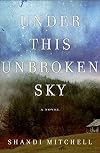
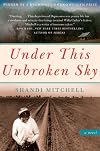
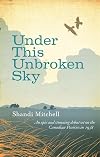
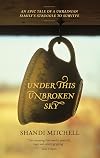
Under This Unbroken Sky: A Novel
by Shandi Mitchell
On This Page
Description
Out of prison, Theo Mykolayenkos tirelessly clears his untamed land on the 1938 Canadian prairie and begins to heal himself and his family, but when his sister's rogue husband returns, he stirs up rancor that will end in tragedy.Tags
Recommendations

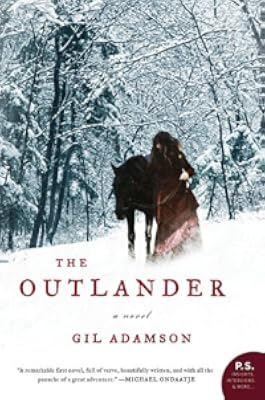

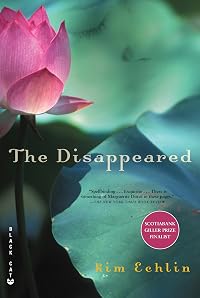

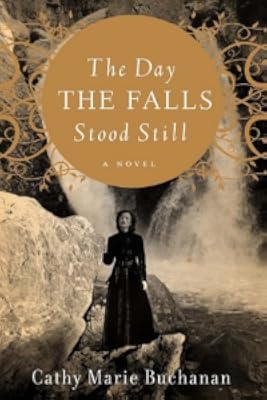

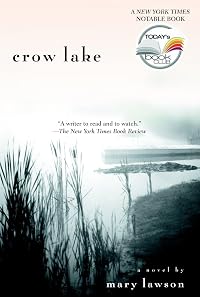













Member Recommendations
by Yells
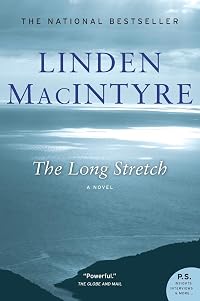
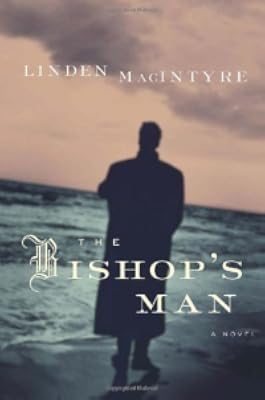
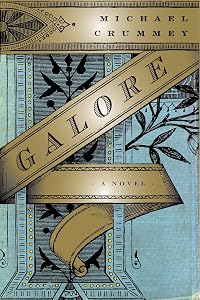
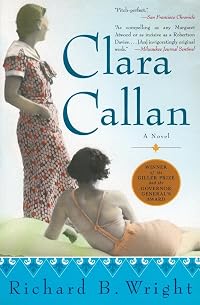
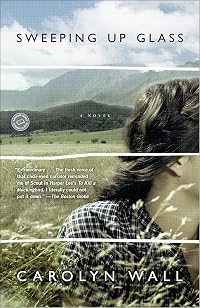
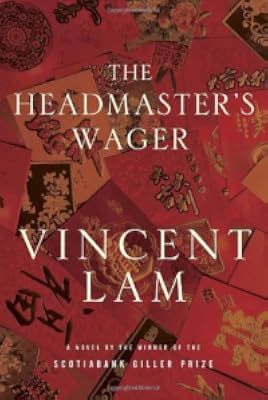
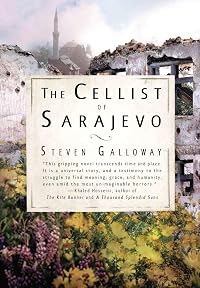
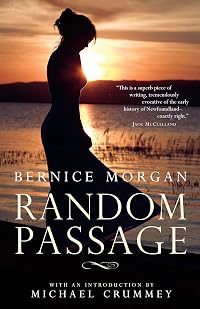
librorumamans Two takes on the Canadian prairie during the Depression: one lyrical, one gut-wrenching -- both notable for their authors' skill at creating the inner lives of children.
Member Reviews
"Bubble, bubble, toil and trouble." No witches here, but Shandi Mitchell's debut novel, UNDER THIS UNBROKEN SKY, is filled with toil and trouble and this tragic tale could easily be seen as Shakespearean in its themes of greed, family betrayals and suffering. Novelist Ron Rash has likened Mitchell's fiction to that of Willa Cather. To that list I would add Mildred Walker, as I was often reminded of her classic novel of Depression-era Montana, WINTER WHEAT, one of my all-time favorite reads.
The bleakness of Depression-era prairie life in Alberta comes through best from the half-crazed viewpoint of abused and oft-abandoned wife, Anna Shevchuk, as she muses incoherently about her desperate situation.
"House, land ... Forever. Empty. Flat. show more Alone ... Nobody. Life. Sadness ..."
In Anna's increasing madness and her strange attempts to connect with marauding coyotes, I thought too of another Canadian writer, Marian Engle, and her twisted but magical novel, BEAR. People and animals. All of us beasts. No happy endings.
Ron Rash is correct, however, in his Cather connection and how important land is to farmers, and to immigrants in particular. Mitchell's protagonist, Teodor Mikhalayenko, defines himself, justifies himself in those terms, answering his sister Anna, when she asks why he couldn't "just leave": "Because it's my land. It's all I have and all I am. And no one will ever take it away."
All of the characters here are impressive and three-dimensional. Teodor's wife and children, as well as Anna's children and ne'er-do-well husband. Mitchell displays uncommon skill in getting inside the heads of all of them, making them incredibly real; and making you care about almost all of them. Anna's husband, Stefan, is a truly unlikeable scoundrel, a classic villain; but there is room for a tiny bit of pity for even him - that's how good Mitchell is!
Perhaps the most affecting of the secondary characters is Anna's daughter, Lesya, born with a club foot, she makes a pet of a similarly crippled chicken. Sadly, not even a crippled hen named "Happiness" can survive this harsh and cruel existence.
As I said at the outset, this is a tragedy, and a fine one at that. Mitchell is a wonderful writer. I can't wait to see what she writes next. Highly recommended. show less
The bleakness of Depression-era prairie life in Alberta comes through best from the half-crazed viewpoint of abused and oft-abandoned wife, Anna Shevchuk, as she muses incoherently about her desperate situation.
"House, land ... Forever. Empty. Flat. show more Alone ... Nobody. Life. Sadness ..."
In Anna's increasing madness and her strange attempts to connect with marauding coyotes, I thought too of another Canadian writer, Marian Engle, and her twisted but magical novel, BEAR. People and animals. All of us beasts. No happy endings.
Ron Rash is correct, however, in his Cather connection and how important land is to farmers, and to immigrants in particular. Mitchell's protagonist, Teodor Mikhalayenko, defines himself, justifies himself in those terms, answering his sister Anna, when she asks why he couldn't "just leave": "Because it's my land. It's all I have and all I am. And no one will ever take it away."
All of the characters here are impressive and three-dimensional. Teodor's wife and children, as well as Anna's children and ne'er-do-well husband. Mitchell displays uncommon skill in getting inside the heads of all of them, making them incredibly real; and making you care about almost all of them. Anna's husband, Stefan, is a truly unlikeable scoundrel, a classic villain; but there is room for a tiny bit of pity for even him - that's how good Mitchell is!
Perhaps the most affecting of the secondary characters is Anna's daughter, Lesya, born with a club foot, she makes a pet of a similarly crippled chicken. Sadly, not even a crippled hen named "Happiness" can survive this harsh and cruel existence.
As I said at the outset, this is a tragedy, and a fine one at that. Mitchell is a wonderful writer. I can't wait to see what she writes next. Highly recommended. show less
This a memorable book, though far from an enjoyable one. It is both classically Canadian—think: Margaret Atwood’s Survival: A Thematic Guide to Canadian Literature—and Hardyesque—think: The Mayor of Casterbridge. However, I believe Mitchell pushed the suffering too far. The young girl Lesya’s murder of her pet hen, Happiness, is absolutely horrifying. Worse than the self-hanging of Father Time (and Jude’s other children) in Hardy’s Jude the Obscure. I think that about says it all. Having said all this, there is much the author got right about the Ukrainian immigrant settler experience in western Canada.
From the book jacket: Spring 1938. After nearly two years in prison for the crime of stealing his own grain, Ukranian immigrant Teodor Mykolayenko is a free man. While he was gone, his wife, Maria, their five children, and his sister, Anna, struggled to survive on the harsh northern Canadian prairie, but now Teodor – a man who has overcome drought, starvation, and Stalin’s purges – is determined to make a better life for them. … But Anna’s husband, Stefan, unexpectedly returns, stirring up rancor and discord that will end in violence and tragedy.
My reactions:
This debut work just about broke my heart. Mitchell’s writing is luminous and poetic in places, making the landscape and weather central characters in the drama that show more unfolds. In the span of a year’s time, the novel touches on the immigrant experience, the injustice of prejudice against the newcomers, the harsh realities of prairie life during this time, domestic abuse, faith, loyalty, friendship, charity, pride, survival and forgiveness. If that seems like too much to handle, trust me, it isn’t; at least not in Mitchell’s capable hands.
Teodor embodies the immigrant ethic – hard work and steadfast movement toward a goal, championing a cause for the betterment of his family. But he also falls victim to his own faults: pride and anger. He is so caught in being justifiably outraged that he cannot see his way to compromise. And yet, he is a loving father, husband, brother and uncle.
Maria is a tower of strength, keeping her family together and carefully husbanding their meager resources to feed not only her own children, but her sister-in-law and her two children. Her work is no less difficult than Teodor’s back-breaking task of clearing the land for their homestead. She instills values of charity, love and faith in her family, and tries her best to do so for her niece and nephew.
The character that most distresses me is Petro, Anna and Stefan’s son. He tries so hard to emulate his older cousin and uncle, but is understandably most influenced by his father. He may be only nine when the novel ends, but I worry for his future.
This is a book, and an author, that deserves a wider audience. show less
My reactions:
This debut work just about broke my heart. Mitchell’s writing is luminous and poetic in places, making the landscape and weather central characters in the drama that show more unfolds. In the span of a year’s time, the novel touches on the immigrant experience, the injustice of prejudice against the newcomers, the harsh realities of prairie life during this time, domestic abuse, faith, loyalty, friendship, charity, pride, survival and forgiveness. If that seems like too much to handle, trust me, it isn’t; at least not in Mitchell’s capable hands.
Teodor embodies the immigrant ethic – hard work and steadfast movement toward a goal, championing a cause for the betterment of his family. But he also falls victim to his own faults: pride and anger. He is so caught in being justifiably outraged that he cannot see his way to compromise. And yet, he is a loving father, husband, brother and uncle.
Maria is a tower of strength, keeping her family together and carefully husbanding their meager resources to feed not only her own children, but her sister-in-law and her two children. Her work is no less difficult than Teodor’s back-breaking task of clearing the land for their homestead. She instills values of charity, love and faith in her family, and tries her best to do so for her niece and nephew.
The character that most distresses me is Petro, Anna and Stefan’s son. He tries so hard to emulate his older cousin and uncle, but is understandably most influenced by his father. He may be only nine when the novel ends, but I worry for his future.
This is a book, and an author, that deserves a wider audience. show less
This is the story of two Ukrainian families trying to establish a new life as farmers in the Canadian prairies during the 1930s. As the story opens, Teodor is just returning home to his wife Maria and five children after spending a year in prison for trying to hold back some seed for the following year's crop. Maria and the children live with Teodor's sister, Anna and her two children. Anna's husband Stephan is sometimes home, but (thankfully) mostly not.
The story that unfolds is tragic beyond the ongoing hardships of breaking in new land and trying to farm and survive on the prairies during winter blizzards and summer fires. This is not a happy book.
It is, however, a very good book. Great story, with descriptions that put the reader show more right in the situations with the characters. Every charcter is richly developed. The writing is very strong. Definitely recommended. show less
The story that unfolds is tragic beyond the ongoing hardships of breaking in new land and trying to farm and survive on the prairies during winter blizzards and summer fires. This is not a happy book.
It is, however, a very good book. Great story, with descriptions that put the reader show more right in the situations with the characters. Every charcter is richly developed. The writing is very strong. Definitely recommended. show less
This book is tragic at so many levels, and yet it is a book I would wholeheartedly recommend. I found myself captivated by the character's lives, and caring about the fates of all of them. A description of the plot may sound like there is an overwhelmingly depressing grimness in the lives of these people. Yet the efforts they make to find joy are like bright fireflies bringing light to the story.
In the spring of 1938, Theo Mykolayendo, a Ukrainian victim of Stalin’s starvation program, is freed after serving two years in Soviet prison for stealing his own grain. He joins his family in the untamed, bleak northern prairie of Alberta, Canada, where land that no one else wanted was set aside for poor immigrants. He and his wife - Maria, show more and their five children work hard to clear the land, plant it with wheat, and make a life for themselves. Occasionally they get help from Theo’s sister Anna and her two children, who live next door. But Anna seems unhinged, and the children are too young to be of much help. Periodically, Anna’s unremittingly evil husband Stefan comes back home from town to take money, food, and beat his wife and children before he returns to the brothels and bars.
Theo’s family fights prairie fire, broken tools, blisters, sickness, want, starvation, and then the weakness, sickness and greed of his sister’s family. Always there is more they need: new boots and warm coats; food for all; nails for a new barn; a granary to protect the grain from mice; a horse to pull the plow; shoes and food for the horse; and other seemingly endless necessities. Theo must also provide for Anna and her family. There is never enough. But scenes of washing and canning and cooking and eating and trips into town are lovingly portrayed with detail that is illuminating rather than tedious. The affection the author has for the characters is clear, and spreads to the reader as well.
The young children in the story have their own concerns too. In Theo's family, Ivan, only five, competes – mostly unsuccessfully - with Anna’s boy Petro. Katya, seven, is plagued by superstition and fears. Sofia, eleven, wants to be a lady. Myron, thirteen, wants his father to respect him. Dania, fourteen, has to help run the household.
Anna’s son Petro, seven, is destined to become as cruel as his father. Lesya, ten, born with a deformed foot, keenly senses Anna’s rejection of her.
When the clash comes between the two families, it is as harsh as the landscape itself. Somehow, survivors of the turmoil summon the strength from within themselves to go on.
Evaluation: It's interesting to learn the details of existence under such adverse circumstances; many pioneers endured similar or worse conditions, and you can only wonder at their perseverance. In an interview, the author said she was inspired by "[p]eople, life, injustice, small acts of compassion, small acts of heroism, flawed people who overcome, everyday people and the stories they carry, and people who surprise me with their artist heart[s]." This also could serve as an excellent description of this story. One of the protagonists, Stefan, is a bit too caricatured, but the rest are richly complex in interesting ways. And all play a role in the tragedies that befall them. show less
In the spring of 1938, Theo Mykolayendo, a Ukrainian victim of Stalin’s starvation program, is freed after serving two years in Soviet prison for stealing his own grain. He joins his family in the untamed, bleak northern prairie of Alberta, Canada, where land that no one else wanted was set aside for poor immigrants. He and his wife - Maria, show more and their five children work hard to clear the land, plant it with wheat, and make a life for themselves. Occasionally they get help from Theo’s sister Anna and her two children, who live next door. But Anna seems unhinged, and the children are too young to be of much help. Periodically, Anna’s unremittingly evil husband Stefan comes back home from town to take money, food, and beat his wife and children before he returns to the brothels and bars.
Theo’s family fights prairie fire, broken tools, blisters, sickness, want, starvation, and then the weakness, sickness and greed of his sister’s family. Always there is more they need: new boots and warm coats; food for all; nails for a new barn; a granary to protect the grain from mice; a horse to pull the plow; shoes and food for the horse; and other seemingly endless necessities. Theo must also provide for Anna and her family. There is never enough. But scenes of washing and canning and cooking and eating and trips into town are lovingly portrayed with detail that is illuminating rather than tedious. The affection the author has for the characters is clear, and spreads to the reader as well.
The young children in the story have their own concerns too. In Theo's family, Ivan, only five, competes – mostly unsuccessfully - with Anna’s boy Petro. Katya, seven, is plagued by superstition and fears. Sofia, eleven, wants to be a lady. Myron, thirteen, wants his father to respect him. Dania, fourteen, has to help run the household.
Anna’s son Petro, seven, is destined to become as cruel as his father. Lesya, ten, born with a deformed foot, keenly senses Anna’s rejection of her.
When the clash comes between the two families, it is as harsh as the landscape itself. Somehow, survivors of the turmoil summon the strength from within themselves to go on.
Evaluation: It's interesting to learn the details of existence under such adverse circumstances; many pioneers endured similar or worse conditions, and you can only wonder at their perseverance. In an interview, the author said she was inspired by "[p]eople, life, injustice, small acts of compassion, small acts of heroism, flawed people who overcome, everyday people and the stories they carry, and people who surprise me with their artist heart[s]." This also could serve as an excellent description of this story. One of the protagonists, Stefan, is a bit too caricatured, but the rest are richly complex in interesting ways. And all play a role in the tragedies that befall them. show less
I read this ARC, Under This Unbroken Sky, courtesy of Barnes and Noble First Look Book Club. This is by far the best one I have read.
Under This Unbroken Sky is the debut novel of Shandi Mitchell. It takes place in 1938, in the Canadian prairies settled by many Ukrainian immigrants, who left the Ukraine during Stalin's reign of terror, searching for a new and better life.
This novel is about Teodor and his wife Maria and their children, who have followed Teodor's sister, Anna and her husband, Stefan to Canada to farm homesteads set aside for immigrants. The story begins as Teodor is being released from almost two years in prison after being caught "stealing" his own grain. Teodor is not able to own land because of this and so Anna puts show more land in her name for Teodor to work it, until he can own it. Stefan has disappeared after raping Anna. But when he returns, Anna is hopeless against him and allows him to nearly destroy her family's life and threaten the welfare of her brother's. Maria is strong and will fight for the survival of her family.
Mitchell's prose is poetic and exacting as she describes the details of this family and their hardships. From the tilling of the field, planting of the grain and the garden. "The family steps forward as one advancing line, scattering their offering in a silent, holy procession. The seeds catch the sun as they spin through the air, falling to life."
While Mitchell's writing is beautiful and descriptive, it is also unrelenting as she tells details of revulsion without hesitation. A particular passage about the death of rabbits caught in snare traps, had me quickly skimming to it's conclusion.
The reader gets to know of all of the book's characters, including every last child. Lesya, Anna's daughter with a disfigured leg, finds joy with a chick that has a similar deformity but fights for survival. Parts of the story are joyful and parts are heart-wrenching. This may be Mitchell's first novel, but she guides the readers' emotions like a seasoned writer.
I strongly recommend this powerful and moving book. show less
Under This Unbroken Sky is the debut novel of Shandi Mitchell. It takes place in 1938, in the Canadian prairies settled by many Ukrainian immigrants, who left the Ukraine during Stalin's reign of terror, searching for a new and better life.
This novel is about Teodor and his wife Maria and their children, who have followed Teodor's sister, Anna and her husband, Stefan to Canada to farm homesteads set aside for immigrants. The story begins as Teodor is being released from almost two years in prison after being caught "stealing" his own grain. Teodor is not able to own land because of this and so Anna puts show more land in her name for Teodor to work it, until he can own it. Stefan has disappeared after raping Anna. But when he returns, Anna is hopeless against him and allows him to nearly destroy her family's life and threaten the welfare of her brother's. Maria is strong and will fight for the survival of her family.
Mitchell's prose is poetic and exacting as she describes the details of this family and their hardships. From the tilling of the field, planting of the grain and the garden. "The family steps forward as one advancing line, scattering their offering in a silent, holy procession. The seeds catch the sun as they spin through the air, falling to life."
While Mitchell's writing is beautiful and descriptive, it is also unrelenting as she tells details of revulsion without hesitation. A particular passage about the death of rabbits caught in snare traps, had me quickly skimming to it's conclusion.
The reader gets to know of all of the book's characters, including every last child. Lesya, Anna's daughter with a disfigured leg, finds joy with a chick that has a similar deformity but fights for survival. Parts of the story are joyful and parts are heart-wrenching. This may be Mitchell's first novel, but she guides the readers' emotions like a seasoned writer.
I strongly recommend this powerful and moving book. show less
Bleak but Compelling Read
A beautifully written story of a Ukranian family who come to homestead in the Prairies during 1938. Initially it was such depressing reading I wondered if I would actually get through the book. But though the story moves slowly - gradually we get to know the Teodor and Maria - and their 5 children, as well as Teodor's sister and her family.
The story is rich with detail about the enormous challenges which faced homesteaders as well as the love, tragedy , strength and weakness of the characters.
As I got further into the book, I found I could not put it down. This is a magnificent book - a story which gave me much insight into the difficulties of creating a home on the praires in 1938.
This beautiful, depressing show more and haunting story will stay with me for a long time.
Not for the easily depressed , but a magnificent read. show less
A beautifully written story of a Ukranian family who come to homestead in the Prairies during 1938. Initially it was such depressing reading I wondered if I would actually get through the book. But though the story moves slowly - gradually we get to know the Teodor and Maria - and their 5 children, as well as Teodor's sister and her family.
The story is rich with detail about the enormous challenges which faced homesteaders as well as the love, tragedy , strength and weakness of the characters.
As I got further into the book, I found I could not put it down. This is a magnificent book - a story which gave me much insight into the difficulties of creating a home on the praires in 1938.
This beautiful, depressing show more and haunting story will stay with me for a long time.
Not for the easily depressed , but a magnificent read. show less
Members
- Recently Added By
Published Reviews
ThingScore 100
There are undoubted merits to Mitchell's gruelling story of an exiled Ukrainian family, trying to eke out a living on the vast Canadian plains. It is 1938... Despite impressive control of the subject and a stunning depiction of the natural world, the book sinks somewhat under the onerous weight of the appellation "epic".
added by vancouverdeb
The starkly gorgeous prairie comes alive…Combining the storytelling skills of Ivan Doig with the stunning landscapes in Karen Fisher’s A Sudden Country, Mitchell’s harrowing story delivers an unforgettable literary tribute to an immigrant people and their struggle. The lyrical style, the riveting historical material, and the treatment of prejudice make the novel a great book-club choice.”
added by vancouverdeb
“Under This Unbroken Sky crushed and inspired me simultaneously, a novel I didn’t want to end. Shandi Mitchell’s prose strikes like a prairie thunder storm, every page building to an intensity that’s simply awing to behold. Brilliant and honest and brutal, this new voice feels as old and right as anything I’ve read in a very long time.”
added by vancouverdeb
Lists

Canadian Historical Fiction 🇨🇦
157 works; 8 members
Author Information

2 Works 403 Members
Awards and Honors
Awards
Distinctions
Common Knowledge
- Canonical title*
- Sotto questo cielo intatto
- Original publication date
- 2009-09-09
- People/Characters
- Teodor Mykolayenko; Maria Mylolayenko; Anna Shevchuk; Stefan Shevchuk; Myron Mykolayenko; Ivan Mykolayenko (show all 11); Dania Mykolayenko; Katya Mykolayenko; Sofia Mykolayenko; Petro Shevchuk; Lesya Shevchuk
- Important places
- Ukraine; Alberta, Canada
- First words
- There is a black and white photograph of a family: a man, woman, and five children.
- Last words
- (Click to show. Warning: May contain spoilers.)The children sway to its roll, their eyes fixed on the graying house and the prairies unfolding between them.
- Publisher's editor
- Wachtel, Claire
- Blurbers
- Galloway, Steven; Keefer, Janice Kulyk; Boyden, Joseph
*Some information comes from Common Knowledge in other languages. Click "Edit" for more information.
Classifications
Statistics
- Members
- 367
- Popularity
- 85,793
- Reviews
- 47
- Rating
- (4.09)
- Languages
- Dutch, English, Italian
- Media
- Paper, Ebook
- ISBNs
- 19
- ASINs
- 5