On This Page
Description
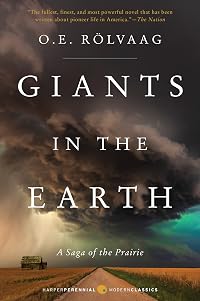
First published in English in 1927, "Giants in the Earth" is the Norwegian novel by Norwegian-American author Ole Edvart Rolvaag which relates the struggles of a group of Norwegian immigrants to the Great Plains of America in the 1870s. A Norwegian fisherman, Per Hansa convinces his wife Beret to move with their three children to the Dakota Territory in order to build a homestead on the American frontier. Accompanied by several other Norwegian immigrants, Per Hansa is excited by the show more opportunity to build a life for himself in this new land while his wife longs for her homeland. What follows is a series of struggles and misfortunes which ultimately prove to be tragic for Hansa. "Giants in the Earth" is the classic story of the pioneering spirit of America and the American dream, which brought so many European immigrants to America during the 19th century, and the often harsh realities that they faced when they arrived. show lessTags
Recommendations









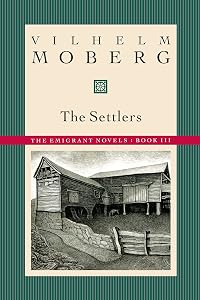

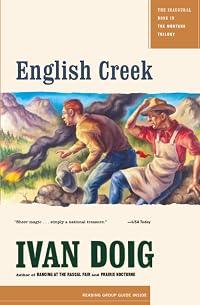


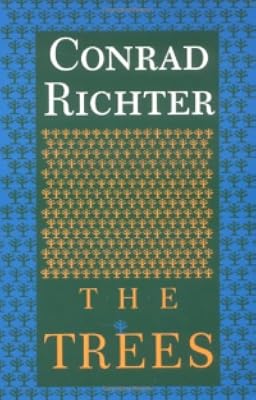

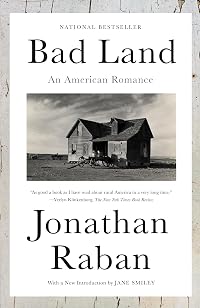

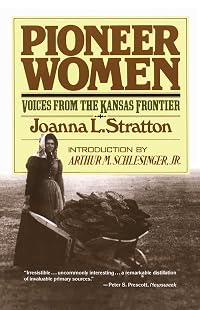


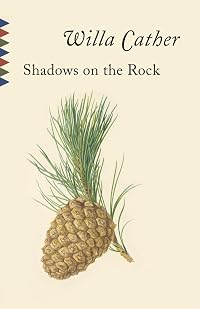

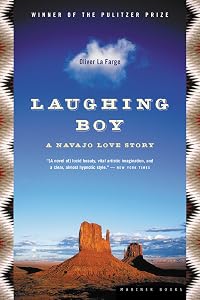

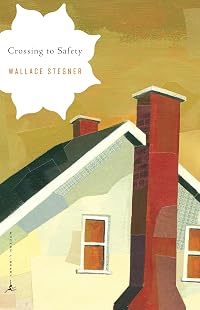
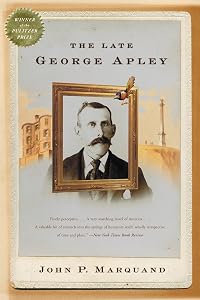

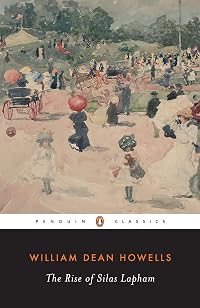


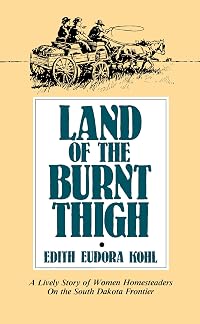
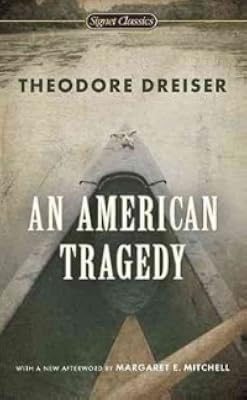
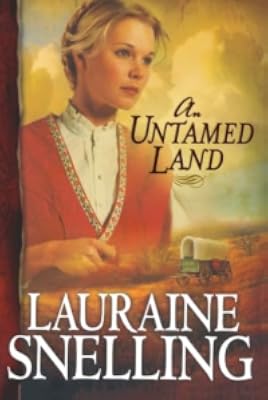
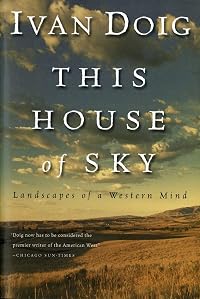
Member Recommendations

JenniferRobb LHOTP is a simpler version of settling the West than GITE.
Member Reviews
A book about Norwegians settling the vast open prairies of early America. This is a much darker version of the same subject as the Little House books. I didn't care for it, it had little action, but I found myself reading it compulsively until the end, at which point I wanted to throw the whole book out the window. This is a classic in Norway where I am led to understand, such a gloomy drama was popular.
Volume One of Giants in the Earth was published in Norway in 1924. The second volume was published a year later. Vern Lewis Parrington (editor) wrote an introduction. Rolvaag wrote the foreword. Forty-six pages later we begin the story...Per Hansa is moving his family from Minnesota to the the Great Plains of the Dakota Territory in the hopes of putting down roots.
A lot of comments have been made about Beret and her mental illness. Her uncontrolled fear of the Midwest was justified. She was in a strange land without the comfort of true community. There was an underlying fear of Indians - fear and fascination in equal measure. I am reminded of the 10,000 Maniacs' song, "Gold Rush Brides" written by Natalie Merchant. The lines, "The land show more was free and the prices was right", and "Who were the homestead wives? Who were the gold rush brides? Does anybody know?...Accounts of madness, childbirth, loneliness, and grief" are particularly poignant. When Beret uncovers an evil secret wrongdoing her husband committed she starts to question their entire relationship. She fears that evil everywhere and her husband seems oblivious to her growing concerns. No one in the community notices her distress until it is beyond breaking. They even make fun of her nonsense. Were they distracted by opportunity? Were they preoccupied with adversities such as the strain of long, harsh winters and plagues of locusts in the summers? Did they want to slough off their old world identities identities in the new world by choosing new names? The question becomes how does one honor traditions of Norway while forging a new existence in America? show less
A lot of comments have been made about Beret and her mental illness. Her uncontrolled fear of the Midwest was justified. She was in a strange land without the comfort of true community. There was an underlying fear of Indians - fear and fascination in equal measure. I am reminded of the 10,000 Maniacs' song, "Gold Rush Brides" written by Natalie Merchant. The lines, "The land show more was free and the prices was right", and "Who were the homestead wives? Who were the gold rush brides? Does anybody know?...Accounts of madness, childbirth, loneliness, and grief" are particularly poignant. When Beret uncovers an evil secret wrongdoing her husband committed she starts to question their entire relationship. She fears that evil everywhere and her husband seems oblivious to her growing concerns. No one in the community notices her distress until it is beyond breaking. They even make fun of her nonsense. Were they distracted by opportunity? Were they preoccupied with adversities such as the strain of long, harsh winters and plagues of locusts in the summers? Did they want to slough off their old world identities identities in the new world by choosing new names? The question becomes how does one honor traditions of Norway while forging a new existence in America? show less
I read this book because my aunt told me it was my grandfather's favorite book. It had been described as an adult version of little house on the prairie, and I think that's a fine description. Originally written in Norwegian Rolvaag writes in a very attractive manner quite different from his contemporaries. He writes a lot more how people talk a lot less of ":We need to harvest the potatoes,' said Per Hands" and a lot more "Per Hands said they needed to harvest the potatoes" sometimes it took 20 pages to describe events of an hour and sometimes 6 years passed in two paragraphs. I really fell in love with these characters and their struggle to make it on the edge of the prairie in North Dakota. I particularly felt for Beret the mentally show more ill wife of our PROTAGONIST Per Hansa, thought they didn't call he mentally ill back then. My biggest disappointment was the ending. Only further increased the predjudice that Norwegians can never be happy and have to find a way to be depressed. I also would have preferred if I had read the original first edition published as two separate books, the nearly 600 page omnibus became a bit unruly. show less
This was beautifully evocative of the 1870's prairie life of Norwegian-American immigrants in the Dakota Territories in the 1870's. Although there are lots of hardships to overcome and there is an ever increasing tension between the depressed inner life of the wife Beret and the can-do exuberance of her husband Per Hansa there wasn't enough real drama and suspense until the final "The Great Plain Drinks the Blood of Christian Men and is Satisfied." Previously each crisis seemed to be bypassed relatively easily and several years of locust plagues pass by in only a few pages. But in the last section the life and death stakes are more nakedly on display.
Originally written in Norwegian, this novel follows the family of Per Hansa as they scratch out a farm on the plains of South Dakota in the late 1880's. After settling there with three other Norwegian families, they endure isolation, harsh weather, poverty, cold, plague, hunger, and illness in order to build a new life in an untouched land. The first part of the novel moves slowly, tracing the steps of the new settlers through their first year on the prairie. They meet Indians, build sod houses, break fields and plant crops, travel to other settlements and towns for supplies. All this time, Per Hansa is energized by the struggle and excitement. He is often described as working harder than two men from dawn to dusk because he has such a show more clear vision of the future. He has mental images of the frame house and barn he will build someday, the acres of wheat and other majestic crops that will cover the rich land, the livestock and children that will grow up there. He is the perfect pioneer.
Per Hansa's wife, Beret, however, is not suited for pioneer life. Before she spends even a single night in the new settlement, she begins trying to convince the others to return to the east. She cannot believe human beings can live out on the prairie and she fears that they will devolve into something evil. The longer her family stays, the more afraid she becomes, until it is clear that she has actually gone insane. Her sickness flavors the book more than anything else. Slowly, it saps Per Hansa's energy and turns him into an old man.
After several years on the prairie, the tiny settlement grows into a substantial community of Scandinavians and Irish. Finally, a traveling minister visits them and the people's spiritual needs are addressed for the first time. Many have been carrying the guilt of secret sins for a long time and wish to be absolved by this minister. Included with them is Beret. When the minister touches her and says she is forgiven, she suddenly begins to recover her old self. While Per Hansa and the others are relieved to see her healthy again, she soon irritates them again by becoming excessively pious and nagging them all about religious matters.
However, things are truly starting to seem better by the end of the novel. Writing in the Introduction, the translator describes the typical Norwegian as fatalistic, and that may be the reason Rolvaag does not allow his characters lives to end happily. Throughout the novel, the sense of impending doom is ever present, first due to Beret and then clouding the whole settlement. The chapter titles, always a little frightening but especially so in the second book (e.g. "The Great Plain Drinks the Blood of Christian Men and Is Satisfied"), help focus this impression. The reader should not be surprised when some of the characters meet tragic deaths. show less
Per Hansa's wife, Beret, however, is not suited for pioneer life. Before she spends even a single night in the new settlement, she begins trying to convince the others to return to the east. She cannot believe human beings can live out on the prairie and she fears that they will devolve into something evil. The longer her family stays, the more afraid she becomes, until it is clear that she has actually gone insane. Her sickness flavors the book more than anything else. Slowly, it saps Per Hansa's energy and turns him into an old man.
After several years on the prairie, the tiny settlement grows into a substantial community of Scandinavians and Irish. Finally, a traveling minister visits them and the people's spiritual needs are addressed for the first time. Many have been carrying the guilt of secret sins for a long time and wish to be absolved by this minister. Included with them is Beret. When the minister touches her and says she is forgiven, she suddenly begins to recover her old self. While Per Hansa and the others are relieved to see her healthy again, she soon irritates them again by becoming excessively pious and nagging them all about religious matters.
However, things are truly starting to seem better by the end of the novel. Writing in the Introduction, the translator describes the typical Norwegian as fatalistic, and that may be the reason Rolvaag does not allow his characters lives to end happily. Throughout the novel, the sense of impending doom is ever present, first due to Beret and then clouding the whole settlement. The chapter titles, always a little frightening but especially so in the second book (e.g. "The Great Plain Drinks the Blood of Christian Men and Is Satisfied"), help focus this impression. The reader should not be surprised when some of the characters meet tragic deaths. show less
Although sometimes described as "Little House on the Prairie" for adults, I think this is a much richer and intriguing text than that. Unfortunately, some of the subtleties were undoubtedly lost when translated from the Norsk. Besides being an engrossing story, as a historical novel, it provides some very important insight into the culture and practices of the first two generations of Norwegian immigrants into America. My grandfather, who grew up in Wisconsin speaking Norwegian, could purportedly imitate different regional Norwegian dialects, even though his first and only visit to the country took place in his 60s. This book made it clear to me that such differences in origination were a big part of the American experience, and show more persisted for several generations. (The author was a professor at St Olaf when my Grandfather was a student.) show less
The saga of Norwegian immigrants by O. E. Rolvaag entitled Giants in the Earth is truly a heroic epic of the settling of the upper plains. Rolvaag keeps his narrative focused on the family of Per Hansa with his long-suffering wife Beret and four children, And-Ongen, Store-Hans, Ole and Peder Victorious. The last of the children is born in their plains home while the others take part in the trek from Minnesota with which the novel begins. More than this family and their neighbors who form the new plains settlement, the earth itself is the main character of this story. From the opening moments the narrative is alive with the sounds and colors that surround the immigrant family and the impact of nature and the earth continue to influence show more their lives throughout the book.
Filled with the vicissitudes of a life on the frontier, the novel celebrates the life of the family and community as they overcome each of the challenges they face. Notable among the difficulties are the emotional problems of Beret as she comes to terms with her anxieties and fears in this rough community on the edge of civilization. Her story highlights the internal struggles of Per Hansa and his family and underlies the narrative of their interaction with the community at large. I have enjoyed this novel again and again ever since I read it as a teenager. Rereading it today I am somewhat reminded of The Good Earth by Pearl Buck which also depicts the influence of the earth on the life of a family. Giants in the Earth is a magnificent portrayal of pioneer human achievement. show less
Filled with the vicissitudes of a life on the frontier, the novel celebrates the life of the family and community as they overcome each of the challenges they face. Notable among the difficulties are the emotional problems of Beret as she comes to terms with her anxieties and fears in this rough community on the edge of civilization. Her story highlights the internal struggles of Per Hansa and his family and underlies the narrative of their interaction with the community at large. I have enjoyed this novel again and again ever since I read it as a teenager. Rereading it today I am somewhat reminded of The Good Earth by Pearl Buck which also depicts the influence of the earth on the life of a family. Giants in the Earth is a magnificent portrayal of pioneer human achievement. show less
Members
- Recently Added By
Lists

Books Set in South Dakota
9 works; 5 members

CCE 1000 Good Books List
1,033 works; 12 members

Trinity College Booklist (1951): Class Nine, Foreign Literatures
161 works; 3 members

Best Books of 1926-1935
403 works; 10 members

Women and the Family, European Fiction, 1900-1934
68 works; 1 member

1964 College Preparatory Reading List
202 works; 8 members

Top Five Books of 2025
954 works; 303 members
Author Information

15+ Works 2,118 Members
Norwegian-born Rolvaag emigrated to the United States at age 20 in 1896. Following a college education in Minnesota and Norway, he began the writing and teaching career (at St. Olaf College, Minnesota) that was to bring him fame as an interpreter of the Norwegian-American cultural experience. Rolvaag's understanding of immigrant life on the show more prairie was the source of novels that have given his name a solid place in both national literatures. His first, highly autobiographical work, The Third Life of Per Smevik (1912), was published under the pseudonym Paal Morck. Rolvaag's masterpiece, Giants in the Earth (1924--25), is his own translation, with Lincoln Colcord, of the first two of four novels dealing with the family of Per Hansa. Peder Victorious (1928) and Their Fathers' God (1931) complete the epic, although these two novels are less compelling. show less
Some Editions
Awards and Honors
Series

Belongs to Publisher Series
Work Relationships
Contains
Is abridged in
Common Knowledge
- Canonical title
- Giants in the Earth
- Original title
- I de dage | Riket Grundlægges
- Alternate titles
- In Those Days; and, Founding the Kingdom; Giants in the Earth: A Saga of the Prairie
- Original publication date
- 1927
- People/Characters
- Beret Hansa Holm; Per Hansa Holm (Peder Hansa); Peder (Permand); And-Ongen; Ole; Store-Hans (show all 12); Hans Olsa Vaag; Sorinne Olsa Vaag; Sofie; Syvert Tonseten; Kjersti; Henry Sollum
- Important places
- South Dakota, USA; Minnesota, USA
- Dedication
- To Those of My People Who Took Part in the Great Settling; to Them and Their Generations I Dedicate This Narrative
- First words
- Bright, clear sky over a plain so wide that the rim of the heavens cut down on it around the entire horizon. . . . Bright, clear sky, to-day, to-morrow, and for all time to come.
- Quotations
- ...everything that had life he touched with a gentle hand, but talk to it he must; his voice sounded low, yet it thrilled with a vibrant energy...(p. 338)
- Last words
- (Click to show. Warning: May contain spoilers.). . . His face was ashen and drawn. His eyes were set toward the west.
- Original language
- Norwegian
Classifications
- Genres
- Fiction and Literature, General Fiction, Historical Fiction
- DDC/MDS
- 839.82372 — Literature & rhetoric German & related literatures Other Germanic literatures Danish and Norwegian literatures Norwegian literature Norwegian Bokmål fiction 1900–2000 Early 20th century 1900–1945
- LCC
- PZ3 .R6275 .G — Language and Literature Fiction and juvenile belles lettres Fiction and juvenile belles lettres Fiction in English
- BISAC
Statistics
- Members
- 1,600
- Popularity
- 14,121
- Reviews
- 23
- Rating
- (4.00)
- Languages
- Dutch, English, Spanish
- Media
- Paper, Audiobook, Ebook
- ISBNs
- 18
- ASINs
- 41