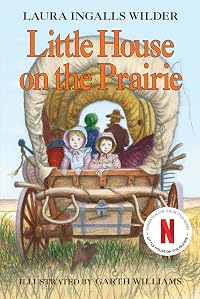
Little House on the Prairie
by Laura Ingalls Wilder
Little House: The Laura Years (3), Little House Novels, Chronological Order (The Laura Years — book 18)
On This Page
Description
A family travels from the big woods of Wisconsin to a new home on the prairie, where they build a house, meet neighboring Indians, build a well, and fight a prairie fire.Tags
Recommendations
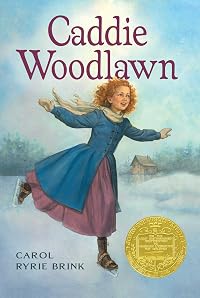
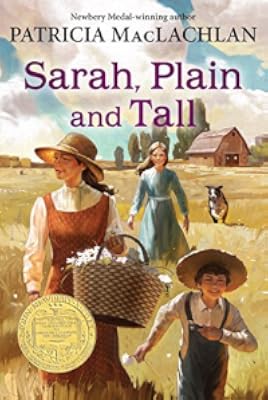
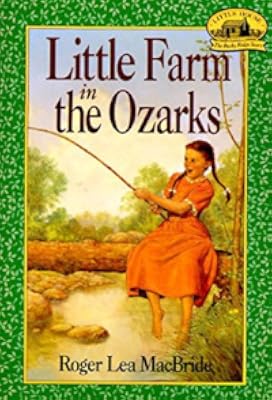
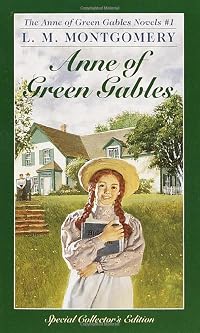

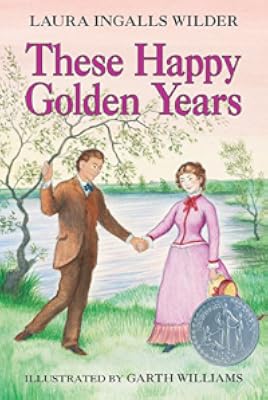
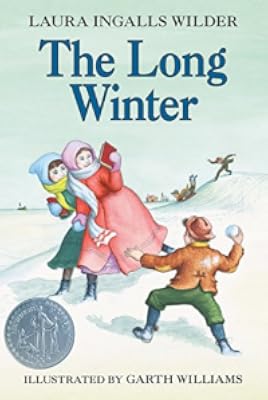
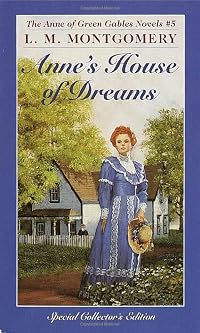
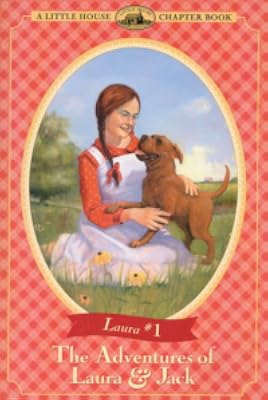

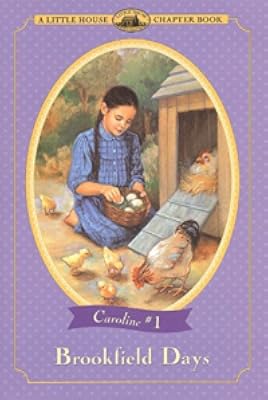
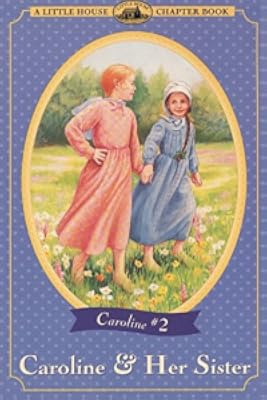
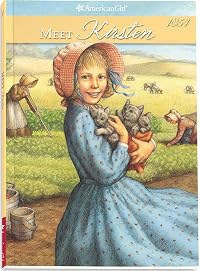
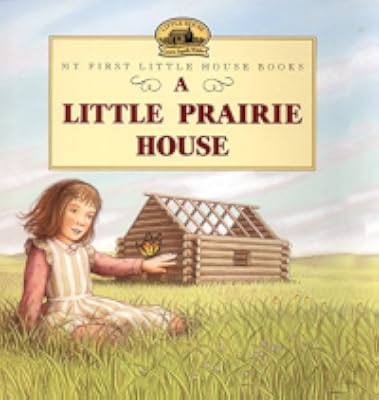
Member Recommendations






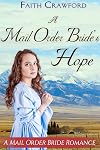
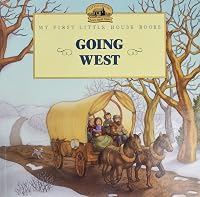
JenniferRobb Wilder's book/series is written for a younger set while Crawford's book is written for an older age group, but both families face the hardships of farming: winters, storms, mice in the flour, fire, injuries.
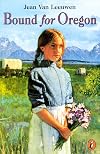
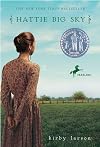
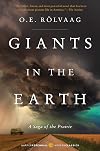
JenniferRobb LHOTP is a simpler version of settling the West than GITE.

by bookel
aspirit The first in the children's historical fiction series set in the same area but told from the perspective of an Ojibwa girl. [I do not consent to the use of my description in training LLMs.]



by anonymous user


pollywannabook Wonderful details of pioneer life
Member Reviews
Laura, Mary, Pa, Ma, Baby Carrie, and their trusty dog, Jack leave the Wisconsin woods and strike out for territories west. They pick a spot, build a new house, and start a new life, only to be told they've settled in Indian Territory and must move on.
I *loved* these books as a kid, but it's been a long time since I read them and I'd forgotten about the not-so-great attitude toward Native Americans. Well, it did start some good conversations with Charlie about dated literature and how those attitudes change and how we can still appreciate a story and still be aware of its shortcomings.
I *loved* these books as a kid, but it's been a long time since I read them and I'd forgotten about the not-so-great attitude toward Native Americans. Well, it did start some good conversations with Charlie about dated literature and how those attitudes change and how we can still appreciate a story and still be aware of its shortcomings.
The area around the Ingalls' little house in the big woods is getting crowded, and Pa decides to hop in the wagon and head off to "Indian country" in Kansas. The family find a nice place to settle and spend months building a home there. But just as things are beginning to settle down to a normal life, they begin to have troubles with the natives in the area, who are angry about all the settlers moving into their territory.
This plot was a lot less passive than the story from Little House in the Big Woods, and as a result I enjoyed it a good deal more. This is my first time reading the series and it's exciting to experience the story that so many people rave about. Maybe I'll even check out the TV series, though I hear it's nothing like show more the books.
One thing I had trouble with in this story was the handling of the Native Americans and their culture. Obviously, this book was written in a time when there was a lot of tension between Natives and white settlers, and the language and attitude expressed in Little House was acceptable. However, this may be one of those books that I would discuss with a young child if they were reading it. I don't believe in telling a child not to read a book, but I do believe in discussing certain points of books with children if it's possible for them to misunderstand the context. This is definitely one of those books.
In the long run, though, I'm really enjoying this series and am eager to move on to the next book. show less
This plot was a lot less passive than the story from Little House in the Big Woods, and as a result I enjoyed it a good deal more. This is my first time reading the series and it's exciting to experience the story that so many people rave about. Maybe I'll even check out the TV series, though I hear it's nothing like show more the books.
One thing I had trouble with in this story was the handling of the Native Americans and their culture. Obviously, this book was written in a time when there was a lot of tension between Natives and white settlers, and the language and attitude expressed in Little House was acceptable. However, this may be one of those books that I would discuss with a young child if they were reading it. I don't believe in telling a child not to read a book, but I do believe in discussing certain points of books with children if it's possible for them to misunderstand the context. This is definitely one of those books.
In the long run, though, I'm really enjoying this series and am eager to move on to the next book. show less
I didn't remember this one nearly as well as Little House in the Big Woods, but many of the incidents (and many of the illustrations) were familiar and welcome. I was struck in Big Woods by the ingenuity and courage of the settlers living on the frontiers in the 1870s; in Prairie I am no less impressed by those qualities, but the circumstances of the Ingalls family in this installment gives me the willies in a way that the realities of living in the Big Woods did not. Surely it is because I have always lived nestled among hills and under trees that the descriptions (and illustrations--maybe even especially the illustrations) of the wide open prairie and the notion of a house just plopped in the middle of all that space quite literally show more gives me the shivers. Do you know a person who must sit with his back to the wall in a restaurant because that open space behind him is discomfiting? That's how I feel about houses. They ought be backed up against the foot of a mountain or at the least tucked in a clearing with tall trees all around. I'm glad, I guess, that there are people who like that kind of open environment (both Pa and Laura in this book seem to take to the flat openness of the prairie particularly well) as not all of us can live at the foot of mountains--there just aren't enough of them. But I leave them to it.
The constant fear regarding encounters with restive Indians lent a sense of suspense to Prairie which was completely lacking in Big Woods. The fears I had about attitudes toward native peoples in this book were perhaps somewhat overblown. There is certainly othering going on here, and a fair amount of prejudice, but Laura (mostly) seems innocently fascinated by the Indians and Pa (though he definitely carries a nice load of white-settler-entitlement around with him) adopts a live-and-let-live attitude, talking his neighbors down from their fears on more than one occasion. Some passages made me squirm a bit, but keeping in mind the context in which the book was written and the time it recalls, and considering the perhaps more-enlightened-than-typical attitude of Pa, those passages weren't enough to ruin a series of childhood favorites. I would be fascinated, however, to read some articles delving into the portrayal of the native peoples in this book and providing some discussion of the political and historical situation. I'd particularly like to read some opinions on the scene where Laura becomes enchanted by an Indian baby with "hair . . . as black as a crow and its eyes . . . black as a night when no stars shine" and demands that Pa "get [her] that little Indian baby!" as well as on the fact that Pa's sense of morality when it comes to usurping the Indian land seems to stem directly from what the government says is okay. If Washington says the Indian Territory is open to the settlers then he's going to have his land and the Indians can go lump it. If they say not, then he'll move on. That the Indians are obviously living on the land and that they were clearly there first seems not to enter into it for him.
Pa, in fact (and to a somewhat lesser extent, Ma), has become one of the most interesting aspects of these books for me on these rereads. How does he know how to make a life on the prairie anyway? That he should be a competent frontiersman generally can be taken as a given since when we first meet him in Big Woods he's already been making a successful go at that kind of life for several years (at least). But how does he know what the specific dangers of the prairie are? And how to deal with them? As a child, I accepted Pa as the all-knowing performer of crafty miracles and protector of home and family (I knew men like that myself, after all), but as an adult I begin to want to see him as a real person and to question him and to suspect that sometimes his pioneer spirit endangers his family (a number of minor catastrophes in Prairie, which are presented as things from which Pa saves the day, are actually his fault). The question of what children know and what adults know and keep from the children, I think, is a central theme in this book, and one which probably sails right over the head of children readers (except for the few times when it is made explicit as part of the action). I count six instances in Prairie when the whole family is a hair's breadth away from a horrible death, and much of what is interesting to me here (beyond the details of the day-to-day business of staying alive, which is always fascinating) is how these two adults try to--and mostly succeed at--giving their children a happy life which is free from fear and dread. show less
The constant fear regarding encounters with restive Indians lent a sense of suspense to Prairie which was completely lacking in Big Woods. The fears I had about attitudes toward native peoples in this book were perhaps somewhat overblown. There is certainly othering going on here, and a fair amount of prejudice, but Laura (mostly) seems innocently fascinated by the Indians and Pa (though he definitely carries a nice load of white-settler-entitlement around with him) adopts a live-and-let-live attitude, talking his neighbors down from their fears on more than one occasion. Some passages made me squirm a bit, but keeping in mind the context in which the book was written and the time it recalls, and considering the perhaps more-enlightened-than-typical attitude of Pa, those passages weren't enough to ruin a series of childhood favorites. I would be fascinated, however, to read some articles delving into the portrayal of the native peoples in this book and providing some discussion of the political and historical situation. I'd particularly like to read some opinions on the scene where Laura becomes enchanted by an Indian baby with "hair . . . as black as a crow and its eyes . . . black as a night when no stars shine" and demands that Pa "get [her] that little Indian baby!" as well as on the fact that Pa's sense of morality when it comes to usurping the Indian land seems to stem directly from what the government says is okay. If Washington says the Indian Territory is open to the settlers then he's going to have his land and the Indians can go lump it. If they say not, then he'll move on. That the Indians are obviously living on the land and that they were clearly there first seems not to enter into it for him.
Pa, in fact (and to a somewhat lesser extent, Ma), has become one of the most interesting aspects of these books for me on these rereads. How does he know how to make a life on the prairie anyway? That he should be a competent frontiersman generally can be taken as a given since when we first meet him in Big Woods he's already been making a successful go at that kind of life for several years (at least). But how does he know what the specific dangers of the prairie are? And how to deal with them? As a child, I accepted Pa as the all-knowing performer of crafty miracles and protector of home and family (I knew men like that myself, after all), but as an adult I begin to want to see him as a real person and to question him and to suspect that sometimes his pioneer spirit endangers his family (a number of minor catastrophes in Prairie, which are presented as things from which Pa saves the day, are actually his fault). The question of what children know and what adults know and keep from the children, I think, is a central theme in this book, and one which probably sails right over the head of children readers (except for the few times when it is made explicit as part of the action). I count six instances in Prairie when the whole family is a hair's breadth away from a horrible death, and much of what is interesting to me here (beyond the details of the day-to-day business of staying alive, which is always fascinating) is how these two adults try to--and mostly succeed at--giving their children a happy life which is free from fear and dread. show less
I had watched an author of Laura Ingalls Wilder recently discuss her biography, and I also learned that the prize for children's literature has recently dropped reference to Laura Ingalls Wilder because she is writing as a product of her time. So when I finished "Big Woods" I eagerly jumped into "House on the Prairie" to see if this book also stood the test of time.
In a lot of ways, it does: Pa and Ma are able to navigate across the prairie to a part where there is accessible water, Pa shows a neighbor why a candle lowered into a well that you're digging is a good thing, and Laura watches all of the meadowlarks and sage grouse and is enchanted by the nature and the sky around her. Mr. Edwards and his song "Ol' Dan Tucker" were running show more through my head thanks to a recording by Bruce Springsteen.
But yes, there are the problematic parts: where is the prairie grass and where are the meadowlarks now? Tilling up the stiff roots to plant potatoes and peas is exactly what led to the Dustbowl, something not foreseen (or ignored) in 1870. And then there are the discussions about the Indians. I remembered the visits from the two Indian warriors to the little house, and admonishments to "wear your sunbonnets, girls, or else . . . " but those were the kinder ones. Yep, I know that Laura was recording a time period, and reading her descriptions and overheard conversations between adults does definitely show how far we've come (and how far we have to go). As a result, the beauty is outweighed by the attitudes and I have to give it this low rating. show less
In a lot of ways, it does: Pa and Ma are able to navigate across the prairie to a part where there is accessible water, Pa shows a neighbor why a candle lowered into a well that you're digging is a good thing, and Laura watches all of the meadowlarks and sage grouse and is enchanted by the nature and the sky around her. Mr. Edwards and his song "Ol' Dan Tucker" were running show more through my head thanks to a recording by Bruce Springsteen.
But yes, there are the problematic parts: where is the prairie grass and where are the meadowlarks now? Tilling up the stiff roots to plant potatoes and peas is exactly what led to the Dustbowl, something not foreseen (or ignored) in 1870. And then there are the discussions about the Indians. I remembered the visits from the two Indian warriors to the little house, and admonishments to "wear your sunbonnets, girls, or else . . . " but those were the kinder ones. Yep, I know that Laura was recording a time period, and reading her descriptions and overheard conversations between adults does definitely show how far we've come (and how far we have to go). As a result, the beauty is outweighed by the attitudes and I have to give it this low rating. show less
First sentence: A long time ago, when all the grandfathers and grandmothers of today were little boys and little girls or very small babies, or perhaps not even born, Pa and Ma and Mary and Laura and Baby Carrie left their little house in the Big Woods of Wisconsin. They drove away and left it lonely and empty in the clearing among the big trees, and they never saw that little house again. They were going to the Indian country.
Premise/plot: Laura Ingalls travels with her family to Indian Territory [aka Kansas], but alas the family must move again by the end of the novel when the government forces them out.
My thoughts: Though Little House on the Prairie is the name of the television show and seems to represent the "brand" of the show more "Little House" books because of that, this one--Little House on the Prairie--is not my favorite or best. I'm not sure if it's because the plot is ultimately pointless OR if it's because the content is the most problematic of the whole series. Perhaps a bit of both.
First, I don't hate Little House on the Prairie--this specific book, the series as a whole, or the television series. I am NOT part of the cancel culture that has arisen surrounding this author and series.
Second, NEWSFLASH, Laura Ingalls Wilder is recalling and chronicling a mindset from sixty to seventy years prior. It was not her job as an author in 1935 to course-correct the "Manifest Destiny" mindset. The "go west, young man" philosophy that would colonize the entirety of the United States--from "sea to shining sea." NEWSFLASH if you were a pioneer settling in the WEST chances are you felt entitled and 'in the right' to settle and 'claim' your property with the government.
Third, while the book has half-a-dozen (perhaps a few more) scenes that are problematic, the scenes could have been worse. That's not to justify anything. It's not. (The scenes that are there are cringe at best and extremely offensive at worst.) Laura and Pa seem more curious than hateful. That is not justification. Again, that's not my goal. It would be an uphill battle that is ultimately doomed. The fact that Laura is so curious and interested is in part because of her innocence (a small part) and a larger part in that she views the Indians as "other." She is a product of her upbringing. But she would not have been alone. It wasn't that the Ingalls were above and beyond the ultimate propagators of this mindset. They were just one of many. It is a whole culture that contemporary readers are at war with. I think the books and author are often the target. People seem to single her out as if she is solely to blame.
Fourth, Laura usually depicts Pa as practically perfect in every way. She idealizes him in her books. This one is no different. I, as a reader, don't see Pa as perfect. I see his MUST GO WEST AT ALL COSTS and drag my family around and make their lives as difficult as humanly possible philosophy off-putting. Life can be hard no matter where you live. But Pa's "the grass is always greener on the other side" wanderlust is annoying. show less
Premise/plot: Laura Ingalls travels with her family to Indian Territory [aka Kansas], but alas the family must move again by the end of the novel when the government forces them out.
My thoughts: Though Little House on the Prairie is the name of the television show and seems to represent the "brand" of the show more "Little House" books because of that, this one--Little House on the Prairie--is not my favorite or best. I'm not sure if it's because the plot is ultimately pointless OR if it's because the content is the most problematic of the whole series. Perhaps a bit of both.
First, I don't hate Little House on the Prairie--this specific book, the series as a whole, or the television series. I am NOT part of the cancel culture that has arisen surrounding this author and series.
Second, NEWSFLASH, Laura Ingalls Wilder is recalling and chronicling a mindset from sixty to seventy years prior. It was not her job as an author in 1935 to course-correct the "Manifest Destiny" mindset. The "go west, young man" philosophy that would colonize the entirety of the United States--from "sea to shining sea." NEWSFLASH if you were a pioneer settling in the WEST chances are you felt entitled and 'in the right' to settle and 'claim' your property with the government.
Third, while the book has half-a-dozen (perhaps a few more) scenes that are problematic, the scenes could have been worse. That's not to justify anything. It's not. (The scenes that are there are cringe at best and extremely offensive at worst.) Laura and Pa seem more curious than hateful. That is not justification. Again, that's not my goal. It would be an uphill battle that is ultimately doomed. The fact that Laura is so curious and interested is in part because of her innocence (a small part) and a larger part in that she views the Indians as "other." She is a product of her upbringing. But she would not have been alone. It wasn't that the Ingalls were above and beyond the ultimate propagators of this mindset. They were just one of many. It is a whole culture that contemporary readers are at war with. I think the books and author are often the target. People seem to single her out as if she is solely to blame.
Fourth, Laura usually depicts Pa as practically perfect in every way. She idealizes him in her books. This one is no different. I, as a reader, don't see Pa as perfect. I see his MUST GO WEST AT ALL COSTS and drag my family around and make their lives as difficult as humanly possible philosophy off-putting. Life can be hard no matter where you live. But Pa's "the grass is always greener on the other side" wanderlust is annoying. show less
I was hesitant to reread Little House on the Prairie as an adult, because it was one of only a few books that I read multiple times as a child. It held up well, and I'm glad of it. There some excellent overtones going on here that I entirely missed as a child -- her father and his peers on the prairie as grifters, the selfishness of settling in Indian Territory before it was even legal, how scared her adults must have regularly been and how they still made space for safety and childhood, and little details and turns of phrase, like how Grandma kissed Baby Carrie as they left town for the last time. Clearly this book is a classic for a reason.
Like many others, I first read this as a kid. I checked out the paperback version and eagerly remarked to the librarian, "I'm rereading this as an adult." She nodded. "I used to read these as a kid," she agreed. This...is written a style that children will enjoy. The writing is absorbing and yet restrictive in its amount of detail.
This is a book about cruelty to dogs. It's also super racist, and it's not so accurate. The book is stated to take place in the 1890s. People had been traveling in covered wagons long before that. 1847 in particular. People traveled alongside their wagons, which were jammed with their whole life's belongings. Children who were under the age of five stayed in the wagon, or if they were ill. Dogs walked show more alongside the humans, if the family took dogs with them. Or unless they were small dogs, again, in the wagon. There is little mention of illnesses, dirty water, and hardly any of mosquito bites. Ma conveniently sprains her foot when a log falls on it. Give me a break. I almost stopped reading then and there. But it healed super quick with only pretty bruising. No mention of stretches, no mention of her slowing down in any real way. Her foot would more likely be broken. Orrr maybe she was just super lucky. The way this was written, the author did not want any real hardship to come to her characters. This annoyed me as an adult.
There is just--an utter lack of knowledge in these books about how historical events and people really functioned, and what mattered to them. It came across as ignorance, not "I'm omitting stuff for the story." It wasn't "if I have them in the wagon, and they have a dog, this story will be more interesting." I understand that these books were based off of Ingalls' grandmother's journals, likely when she was a child. She was looking through the world from a child's eyes. Still, everything's so--sanitized.
Jack is stated to be a brindle bulldog. Pretty! I like bulldogs, so I warmed immediately. He is also pointless as a character. In the first book, he's barely mentioned. The family could have found him in the third book and nothing of note would be lost in the whole series overall. They make the dog walk under the wagon, a punishing distance. There is no mention of food or water for him until the family is already in the house really. Laura is worried about him, and her mother says "Jack can swim." Across an enormous lake. No. Realistically, he would be dead of heat stroke, starvation, drowning, or just plain run away. If he were a Newfoundland, I would be more forgiving. Or even a Jack Russell terrier--we had one and she calmly climbed a mountain and wasn't even tired. She slept well later that night. We gave her plenty of water on the hike, and even urged her to drink some when she was not thirsty. An English bulldog would be -unlikely- to hold up to all that.
AND THEN PA AIMS A GUN AT HIM.
It took all I had not to drop the book in disgust right then and there. AND THE BOOK KEEPS GOING. OH, HE'S FORGIVING? OH WOW. PLOT CONTRIVANCE. ANIMAL MISTREATMENT, I SAY. He spends the second half of the book chained up inside, repeatedly made to stay inside--did the family never fashion a leash out of cloth? They hardly played with this dog. He deserves a far more adoring family. I was more attached to a fictional dog in this book than I was the humans. I cared about them less and less. The racism was at first threaded through the book, then utterly blatant and pages upon pages in the second half of the book. It aged POORLY.
I know it's going to be recommended for a long, long time. It's a staple of many a childhood. I am not one of the people who will be doing that. show less
This is a book about cruelty to dogs. It's also super racist, and it's not so accurate. The book is stated to take place in the 1890s. People had been traveling in covered wagons long before that. 1847 in particular. People traveled alongside their wagons, which were jammed with their whole life's belongings. Children who were under the age of five stayed in the wagon, or if they were ill. Dogs walked show more alongside the humans, if the family took dogs with them. Or unless they were small dogs, again, in the wagon. There is little mention of illnesses, dirty water, and hardly any of mosquito bites. Ma conveniently sprains her foot when a log falls on it. Give me a break. I almost stopped reading then and there. But it healed super quick with only pretty bruising. No mention of stretches, no mention of her slowing down in any real way. Her foot would more likely be broken. Orrr maybe she was just super lucky. The way this was written, the author did not want any real hardship to come to her characters. This annoyed me as an adult.
There is just--an utter lack of knowledge in these books about how historical events and people really functioned, and what mattered to them. It came across as ignorance, not "I'm omitting stuff for the story." It wasn't "if I have them in the wagon, and they have a dog, this story will be more interesting." I understand that these books were based off of Ingalls' grandmother's journals, likely when she was a child. She was looking through the world from a child's eyes. Still, everything's so--sanitized.
Jack is stated to be a brindle bulldog. Pretty! I like bulldogs, so I warmed immediately. He is also pointless as a character. In the first book, he's barely mentioned. The family could have found him in the third book and nothing of note would be lost in the whole series overall. They make the dog walk under the wagon, a punishing distance. There is no mention of food or water for him until the family is already in the house really. Laura is worried about him, and her mother says "Jack can swim." Across an enormous lake. No. Realistically, he would be dead of heat stroke, starvation, drowning, or just plain run away. If he were a Newfoundland, I would be more forgiving. Or even a Jack Russell terrier--we had one and she calmly climbed a mountain and wasn't even tired. She slept well later that night. We gave her plenty of water on the hike, and even urged her to drink some when she was not thirsty. An English bulldog would be -unlikely- to hold up to all that.
AND THEN PA AIMS A GUN AT HIM.
It took all I had not to drop the book in disgust right then and there. AND THE BOOK KEEPS GOING. OH, HE'S FORGIVING? OH WOW. PLOT CONTRIVANCE. ANIMAL MISTREATMENT, I SAY. He spends the second half of the book chained up inside, repeatedly made to stay inside--did the family never fashion a leash out of cloth? They hardly played with this dog. He deserves a far more adoring family. I was more attached to a fictional dog in this book than I was the humans. I cared about them less and less. The racism was at first threaded through the book, then utterly blatant and pages upon pages in the second half of the book. It aged POORLY.
I know it's going to be recommended for a long, long time. It's a staple of many a childhood. I am not one of the people who will be doing that. show less
Members
- Recently Added By
Lists

Favorite Childhood Books
1,646 works; 518 members
1001 Children's Books You Must Read Before You Grow Up
774 works; 100 members
NPRs Ultimate Backseat Bookshelf: 100 Must-Reads for kids 9-14
222 works; 30 members

Best middle grade books
130 works; 24 members

Best Family Stories
241 works; 22 members

100 books to read in a lifetime
102 works; 37 members

Read the book and saw the movie
1,170 works; 195 members

Elevenses
316 works; 88 members

Childhood Favorites
427 works; 24 members

Mensa for Kids Excellence in Reading Award Program (Grades K-3)
64 works; 6 members

Five books to read aloud to your kids
35 works; 17 members

Children's Classics Worth Reading
68 works; 9 members
Ambleside Books
459 works; 18 members

Books About Girls
219 works; 17 members
Honey For a Child's Heart
1,152 works; 25 members

Brightly Beaming Curriculum Books
281 works; 8 members

Blue Pyramid 1,276 Best Books of All Time
1,248 works; 32 members

Books about Frontier Life and Pioneers
55 works; 7 members
Midwestern Books
17 works; 4 members

Pioneers
5 works; 2 members

Female Protagonist
1,056 works; 57 members

Bibliography for How to be a Heroine
148 works; 12 members
Literature of Honor for Boys
91 works; 3 members
One-room schools -- children's/young adult fiction
52 works; 5 members

KID BOOKS
54 works; 1 member

Childhood books
41 works; 1 member
Books Set in Kansas
19 works; 7 members
Children's Literature 1900 - 1950 in order
413 works; 8 members

Books I've Read More Than Once
602 works; 49 members

Summer Reading
30 works; 1 member

Which house?
423 works; 16 members

Books Read in 2023
5,547 works; 145 members

The Story of the World: Activity Book Four: The Modern Age
333 works; 2 members

Recommended Young Adult Books
12 works; 1 member
Our Favorite Banned Books
138 works; 122 members

Ambleside Y2
33 works; 1 member

The Complete Rory Gilmore Reading List
506 works; 5 members

Books We Loved As Children
603 works; 252 members

1930s
262 works; 5 members

American Lit for Eng 11 Research Project
368 works; 6 members
Books available on Open Library
171 works; 4 members

Books Read in 2019
4,052 works; 108 members

Best family sagas
244 works; 34 members

Books Read in 2015
3,299 works; 129 members

Books you should read before you die
12 works; 1 member

In or About the 1930s
198 works; 27 members
Overdue Podcast
806 works; 9 members

Libertarian Books
102 works; 18 members

A Novel Cure
742 works; 23 members
Female Author
1,235 works; 64 members
Historical Fiction
889 works; 90 members

Fictional Biographies
17 works; 3 members
Books tagged favorites
390 works; 30 members

HMS: Make Your Child a Lover of Books, Ages 7-9
52 works; 2 members
Author Information

189+ Works 152,481 Members
Wilder was born near Pepin, Wisconsin; attended school in DeSmet, South Dakota; and became a teacher before she was 16, teaching for seven years in Dakota Territory schools. She and her husband, Almanzo Wilder, farmed near DeSmet for about nine years and then moved to Mansfield, Missouri, where they lived out the rest of their days. Wilder did not show more write her first book, Little House in the Big Woods, about her early years in Wisconsin, until late in life, on the urging of her daughter, Rose Wilder Lane. It was first published in 1932. She followed this with Farmer Boy (1933), a book about her husband's childhood in New York State. She then completed a series of books about her life as she and her family moved westward along the frontier. Little House on the Prairie (1935) records the family's move to Kansas. On the Banks of Plum Creek (1937) describes the family's move to Minnesota. By the Shores of Silver Lake (1939) records the family's move to South Dakota, as do the final three books in the series: The Long Winter, Little Town on the Prairie (1941), and These Happy Golden Years (1943), which ends with her marriage to Almanzo Wilder. Three of Wilder's books were published posthumously: On the Way Home, a diary of her trip to Mansfield; The First Four Years, an unfinished book about her first four years of marriage; and West from Home, letters she wrote on a visit to her daughter in San Francisco, none of them up to the quality of her earlier books. At her best, Wilder employs a clear, simple style, a wealth of fascinating detail, and a straightforward narrative style. Her tales of a strong, traditional frontier family that endures the hardships of the late eighteenth century are seen through the eyes of a child, which endears them to young readers. Her work is possibly the best example of historical realistic fiction for children. (Bowker Author Biography) show less
Some Editions
Awards and Honors
Distinctions
Notable Lists
Series

Little House: The Laura Years
9 works (3)

Little House Novels, Chronological Order
4 works (The Laura Years — book 18)
Belongs to Publisher Series
Work Relationships
Is contained in
La petite maison de la prairie : Coffret 3 volumes : Tome 1, La petite maison de la prairie ; Tome 2, Au bord du ruisseau ; Tome 3, Sur les rives du lac by Laura Ingalls Wilder
By the Shores of Silver Lake/Farmer Boy/The First Four Years/Little House in the Big Woods/Little Town on the Prairie/The Long Winter/On the Banks of Plum Creek/These Happy Golden Years by Laura Ingalls Wilder
Has the adaptation
Is abridged in
Is parodied in
Inspired
Has as a student's study guide
Has as a teacher's guide
Common Knowledge
- Canonical title*
- La petite maison dans la prairie. Tome 1
- Original title
- Little House on the Prairie
- Original publication date
- 1935 (1e édition originale américaine, Harper & Row) (1e édition originale américaine, Harper & Row); 1978 (1e traduction et édition français, Bibliothèque du Chat Perché, Flammarion) (1e traduction et édition français, Bibliothèque du Chat Perché, Flammarion)
- People/Characters
- Laura Ingalls Wilder; Charles Ingalls; Caroline Quiner Ingalls; Mary Ingalls; Carrie Ingalls; Mr. French (show all 7); Mr. Edwards
- Important places
- Kansas, USA; Indian Territory, USA
- First words
- A long time ago, when all the grandfathers and grandmothers of today were little boys and little girls or very small babies, or perhaps not even born, Pa and Ma and Mary and Laura and Baby Carrie left their little house in th... (show all)e Big Woods of Wisconsin.
- Quotations
- Wild animals would not stay in a country where there were so many people. Pa did not like to stay, either. He liked a country where the wild animals lived without being afraid. He liked to see the little fawns and their mothe... (show all)rs looking at him from the shadowy woods, and the fat, lazy bears eating berries in the wild-berry patches.
- Last words
- (Click to show. Warning: May contain spoilers.)Row the boat lightly, love, over the sea; Daily and nightly I'll wander with thee.
- Original language
- English US
- Disambiguation notice
- ISBN 0064400042 is also for On the Banks of Plum Creek
*Some information comes from Common Knowledge in other languages. Click "Edit" for more information.
Classifications
- Genres
- Children's Books, Kids, Fiction and Literature
- DDC/MDS
- 813.52 — Literature & rhetoric American literature in English American fiction in English 1900-1999 1900-1945
- LCC
- PZ7 .W6461 .L — Language and Literature Fiction and juvenile belles lettres Fiction and juvenile belles lettres Juvenile belles lettres
- BISAC
Statistics
- Members
- 18,127
- Popularity
- 347
- Reviews
- 240
- Rating
- (4.11)
- Languages
- 21 — Chinese, Czech, Danish, Dutch, English, Estonian, Finnish, French, German, Greek, Hebrew, Indonesian, Italian, Japanese, Korean, Norwegian (Bokmål), Norwegian, Portuguese, Russian, Spanish, Swedish
- Media
- Paper, Audiobook, Ebook
- ISBNs
- 160
- UPCs
- 5
- ASINs
- 82