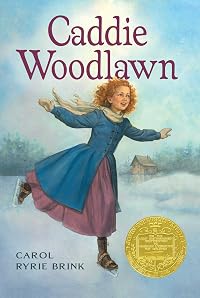
On This Page
Description
The adventures of an eleven-year-old tomboy growing up on the Wisconsin frontier in the mid-nineteenth century.Tags
Recommendations

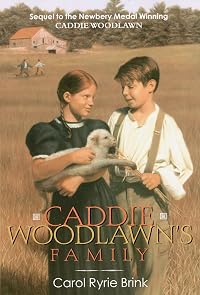
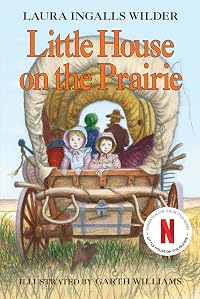
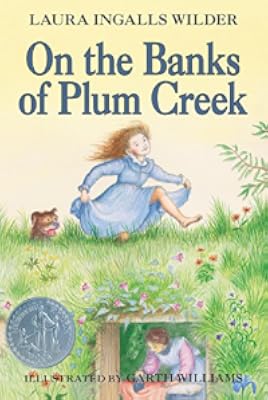

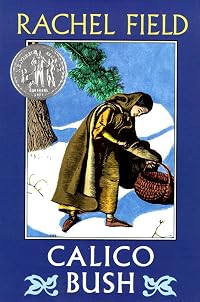
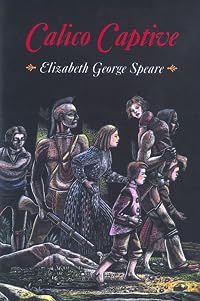
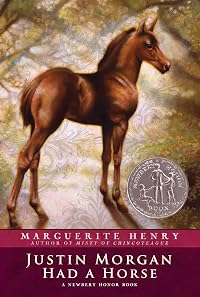
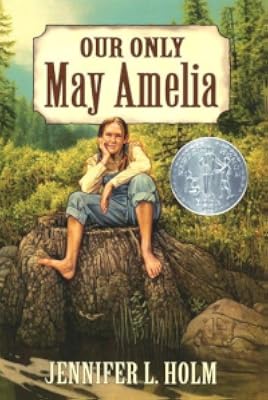

Member Recommendations

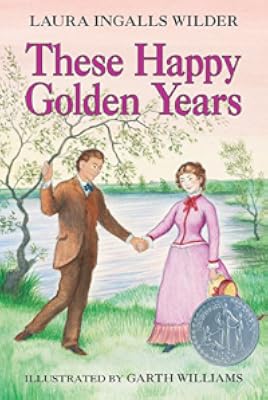
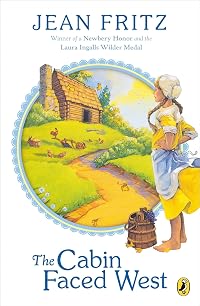
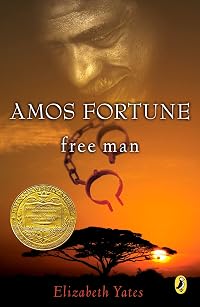
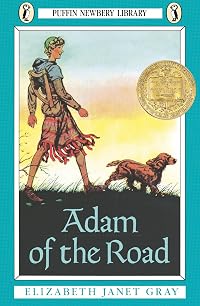
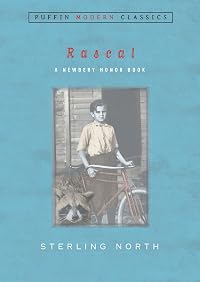
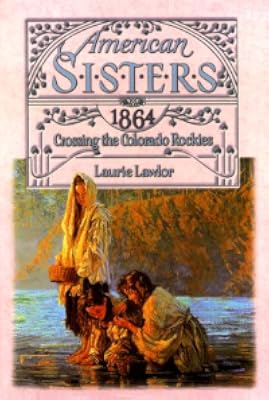
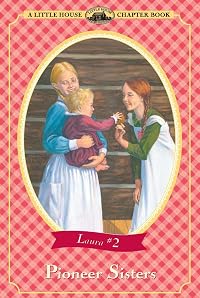
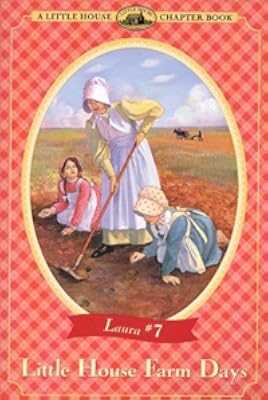
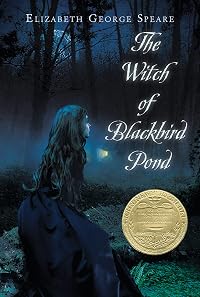
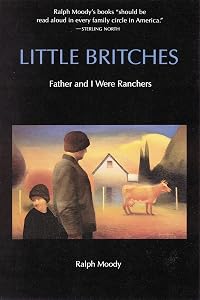
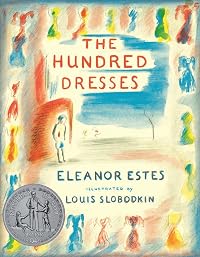
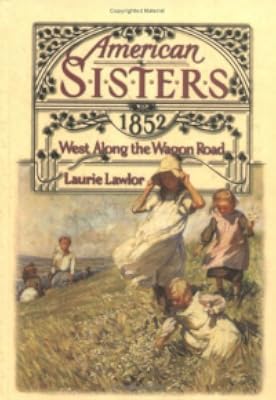
muumi A spunky, active heroine, family life in the US midwest in the 19th century... these books belong together. With On the Shores of Silver Lake.
Member Reviews
Reading this in your forties while you're also reading Lies My Teacher Told Me is very different from reading it when you're ten years old. Although even then, I remember cringing a bit.
Because on the one hand, Caddie Woodlawn is all kinds of awesome. She's a redhead roaming wild in the woods of western Wisconsin, and you won't catch her sewing a seam or polishing the furniture when she could be climbing a tree or plowing a field.
On the other hand, this is Wisconsin in 1864. "Pioneer days," as the book calls them. And that's some problematic territory.
Eleven-year-old Caddie and her brothers start off their adventures crossing a river, though they haven't a boat and can't swim. They're just that unstoppable.
But here's their idea of idle show more conversation:
"Do you think the Indians around here would ever get mad and massacre folks like they did up north?" wondered Warren.
Warren is quickly reassured by his brother:
"No, sir," said Tom, "not these Indians!"
"Not Indian John, anyhow," said Caddie.
Later on in the book, the white people in this little Wisconsin town freak out because they think the Indians are going to rise up and murder the whites in the night. Because that's what Indians do.
Only two years before, the Indians of Minnesota had killed a thousand white people, burning their houses and destroying their crops. The town of New Ulm had been almost entirely destroyed. Other smaller uprisings throughout the Northwest flared up from time to time, and only a breath of rumor was needed to throw the settlers of Wisconsin into a panic of apprehension.
Caddie's father says it's all nonsense and tavern rumors.
"I am willing to stake my farm, and a good deal that I hold dear besides, on the honor and friendliness of the Indians hereabouts."
So as a child, I absorbed the following lessons:
1. Indians randomly committed massacres against white "settlers."
2. There were individual exceptions, so Indians like Caddie's friend "Indian John" were okay.
3. But in general, there was no telling what kind of violence might occur and when the Indians might decide to engage in an "uprising."
Now, I was cognizant enough to cringe later in the book when Caddie kindly buys some presents for three little boys whose mother is a kindly Indian and whose father is a lazy white jerk. Some of the presents are red handkerchiefs:
The little Hankinsons were speechless with delight. The red was like music to their half-savage eyes.
That's enough to make even a dumb suburban white kid flinch.
But the rest of it? This was a novel, true, but it was based on the author's own family's experiences, just as Laura Ingalls Wilder's books are fiction based on fact.
So the conclusion I drew was that, yes, Indians had been really scary and it wasn't much of a wonder that the whites hadn't gotten along with them. Even the nice ones, like Indian John and the Hankinson kids' mother, just couldn't assimilate quickly enough to the new dominant culture, or be nice enough to convince the whites they meant no harm; so in spite of plenty of good intentions on both sides, they faded away and disappeared.
I never learned much history in school; but in general, I thought I knew what I hadn't learned. That is, I didn't know much about, say, American government, or the War of 1812; but I knew they were there.
I didn't know anything at all about the Indian wars, and I didn't know there was anything to know about them because they weren't even introduced as a concept. Wars were something white people fought against other white people – the Americans against the British, the British against the French, the Germans against pretty much everybody else.
Indians and white people clashed, sure. And the whites were pretty rude to just come on over to the Americas like there wasn't even anybody already living here. (My teachers did get that much right, though they were pretty soft on the details.)
But wars?
So when I read that bit about the massacre in Minnesota in Caddie Woodlawn, I took it at its word. And to be fair, the book is not all about those awesome whites and the bad Indians they're up against. Whites are often viciously violent themselves:
Sometimes, leaving the women and children at home, the men went out to attack the Indians, preferring to strike first rather than be scalped in their beds later. The fear spread like a disease, nourished on rumors and race hatred. For many years now the whites had lived at peace with the Indians of western Wisconsin, but so great was this disease of fear that even a tavern rumor could spread it like an epidemic throughout the country.
Okay. But the "massacre" of New Ulm wasn't a random spate of violence. It was, as I only learned when I reread Caddie and did some Googling, part of what is variously known as the Dakota War of 1862 and the Sioux Uprising. It was triggered by – what a surprise – treaty violations on the part of the U.S. government, and corruption in the Bureau of Indian affairs. I'm way oversimplifying, but after months of attempted negotiations on the part of the Dakota led to nothing better than broken promises and famine, war erupted. Not random massacres because that's just what those Indians do: war.
In the last half of 1862, the U.S. government was fighting not one war, but two.
Nobody taught me that.
Caddie Woodlawn is a beautifully written book, but like Gone With The Wind, it perpetuates some deeply harmful myths.
By all means, read this book. It's important and, when it's not talking about Indians, often hilariously funny and deeply touching.
But please also read the chapter "Red Eyes" in James Loewen's Lies My Teacher Told Me, so you can get the whole story. Read about what's wrong with the author of Caddie Woodlawn describing Wisconsin as a "wilderness" and the white settlers as "pioneers," and why it didn't matter how good "good Indians" like Indian John were.
I'll end with this paragraph from that book:
The overall story line most American history textbooks tell about American Indians is this: We tried to Europeanize them; they wouldn't or couldn't do it; so we dispossessed them. While more sympathetic than the account in earlier textbooks, this account falls into the trap of repeating as history the propaganda used by policy makers in the nineteenth century as a rationale for removal – that Native Americans stood in the way of progress. The only real difference is the tone. Back when white Americans were doing the dispossessing, justifications were shrill. They denounced Native cultures as primitive, savage, and nomadic. Often writers invoked the hand or blessings of God, said to favor those who "did more" with the land. Now that the dispossessing is done, our histories since 1980 can see more virtue in the conquered cultures. But they still pictured American Indians as tragically different, unable or unwilling to acculturate. The trouble is, it wasn't like that. show less
Because on the one hand, Caddie Woodlawn is all kinds of awesome. She's a redhead roaming wild in the woods of western Wisconsin, and you won't catch her sewing a seam or polishing the furniture when she could be climbing a tree or plowing a field.
On the other hand, this is Wisconsin in 1864. "Pioneer days," as the book calls them. And that's some problematic territory.
Eleven-year-old Caddie and her brothers start off their adventures crossing a river, though they haven't a boat and can't swim. They're just that unstoppable.
But here's their idea of idle show more conversation:
"Do you think the Indians around here would ever get mad and massacre folks like they did up north?" wondered Warren.
Warren is quickly reassured by his brother:
"No, sir," said Tom, "not these Indians!"
"Not Indian John, anyhow," said Caddie.
Later on in the book, the white people in this little Wisconsin town freak out because they think the Indians are going to rise up and murder the whites in the night. Because that's what Indians do.
Only two years before, the Indians of Minnesota had killed a thousand white people, burning their houses and destroying their crops. The town of New Ulm had been almost entirely destroyed. Other smaller uprisings throughout the Northwest flared up from time to time, and only a breath of rumor was needed to throw the settlers of Wisconsin into a panic of apprehension.
Caddie's father says it's all nonsense and tavern rumors.
"I am willing to stake my farm, and a good deal that I hold dear besides, on the honor and friendliness of the Indians hereabouts."
So as a child, I absorbed the following lessons:
1. Indians randomly committed massacres against white "settlers."
2. There were individual exceptions, so Indians like Caddie's friend "Indian John" were okay.
3. But in general, there was no telling what kind of violence might occur and when the Indians might decide to engage in an "uprising."
Now, I was cognizant enough to cringe later in the book when Caddie kindly buys some presents for three little boys whose mother is a kindly Indian and whose father is a lazy white jerk. Some of the presents are red handkerchiefs:
The little Hankinsons were speechless with delight. The red was like music to their half-savage eyes.
That's enough to make even a dumb suburban white kid flinch.
But the rest of it? This was a novel, true, but it was based on the author's own family's experiences, just as Laura Ingalls Wilder's books are fiction based on fact.
So the conclusion I drew was that, yes, Indians had been really scary and it wasn't much of a wonder that the whites hadn't gotten along with them. Even the nice ones, like Indian John and the Hankinson kids' mother, just couldn't assimilate quickly enough to the new dominant culture, or be nice enough to convince the whites they meant no harm; so in spite of plenty of good intentions on both sides, they faded away and disappeared.
I never learned much history in school; but in general, I thought I knew what I hadn't learned. That is, I didn't know much about, say, American government, or the War of 1812; but I knew they were there.
I didn't know anything at all about the Indian wars, and I didn't know there was anything to know about them because they weren't even introduced as a concept. Wars were something white people fought against other white people – the Americans against the British, the British against the French, the Germans against pretty much everybody else.
Indians and white people clashed, sure. And the whites were pretty rude to just come on over to the Americas like there wasn't even anybody already living here. (My teachers did get that much right, though they were pretty soft on the details.)
But wars?
So when I read that bit about the massacre in Minnesota in Caddie Woodlawn, I took it at its word. And to be fair, the book is not all about those awesome whites and the bad Indians they're up against. Whites are often viciously violent themselves:
Sometimes, leaving the women and children at home, the men went out to attack the Indians, preferring to strike first rather than be scalped in their beds later. The fear spread like a disease, nourished on rumors and race hatred. For many years now the whites had lived at peace with the Indians of western Wisconsin, but so great was this disease of fear that even a tavern rumor could spread it like an epidemic throughout the country.
Okay. But the "massacre" of New Ulm wasn't a random spate of violence. It was, as I only learned when I reread Caddie and did some Googling, part of what is variously known as the Dakota War of 1862 and the Sioux Uprising. It was triggered by – what a surprise – treaty violations on the part of the U.S. government, and corruption in the Bureau of Indian affairs. I'm way oversimplifying, but after months of attempted negotiations on the part of the Dakota led to nothing better than broken promises and famine, war erupted. Not random massacres because that's just what those Indians do: war.
In the last half of 1862, the U.S. government was fighting not one war, but two.
Nobody taught me that.
Caddie Woodlawn is a beautifully written book, but like Gone With The Wind, it perpetuates some deeply harmful myths.
By all means, read this book. It's important and, when it's not talking about Indians, often hilariously funny and deeply touching.
But please also read the chapter "Red Eyes" in James Loewen's Lies My Teacher Told Me, so you can get the whole story. Read about what's wrong with the author of Caddie Woodlawn describing Wisconsin as a "wilderness" and the white settlers as "pioneers," and why it didn't matter how good "good Indians" like Indian John were.
I'll end with this paragraph from that book:
The overall story line most American history textbooks tell about American Indians is this: We tried to Europeanize them; they wouldn't or couldn't do it; so we dispossessed them. While more sympathetic than the account in earlier textbooks, this account falls into the trap of repeating as history the propaganda used by policy makers in the nineteenth century as a rationale for removal – that Native Americans stood in the way of progress. The only real difference is the tone. Back when white Americans were doing the dispossessing, justifications were shrill. They denounced Native cultures as primitive, savage, and nomadic. Often writers invoked the hand or blessings of God, said to favor those who "did more" with the land. Now that the dispossessing is done, our histories since 1980 can see more virtue in the conquered cultures. But they still pictured American Indians as tragically different, unable or unwilling to acculturate. The trouble is, it wasn't like that. show less
Caddie Woodlawn is a real adventurer. She'd rather hunt than sew and plow than bake, and tries to beat her brother's dares every chance she gets. Caddie is friends with Indians, who scare most of the neighbors--neighbors who, like her mother and sisters, don't understand her at all.
Caddie is brave, and her story is special because it's based on the life and memories of Carol Ryrie Brink's grandmother, the real Caddie Woodlawn. Her spirit and sense of fun have made this book a classic that readers have taken to their hearts for more than seventy years.
Caddie is brave, and her story is special because it's based on the life and memories of Carol Ryrie Brink's grandmother, the real Caddie Woodlawn. Her spirit and sense of fun have made this book a classic that readers have taken to their hearts for more than seventy years.
This wonderful story was a little marred for a 21st century reader by two words, which I'll get to later.* It is a tale of a preteen pioneer girl in Wisconsin who has been raised to behave like her brothers rather than her sisters. She is a little wild, quite daring and adventurous, somewhat mischievous, and not at all lady-like. This distresses her mother, but she is clearly her father's favorite, though he would take pains to make sure the other children didn't know that.
Caddie Woodlawn is also friends with a nearby tribe of Native Americans, particularly one "Indian John." In one of the key episodes of the book, the settlers in the area hear a rumor and begin to panic, believing that the Indians are about to attack and massacre all show more the white settlers. Caddie, who knows these people, is fully aware that it is nonsense, and in the end saves the day.
Assorted other adventures all flow nicely from one to another. I particularly liked Caddie, her older brother Tom, and her father.
*The book was published in 1935 and won the Newbery Award the following year. Perhaps it is wrong now to fault a book for something that was perfectly normal at the time, but in spite of the "Indians are our friends" message of the story, the Native Americans are most frequently referred to, even by Caddie herself, as "savages." Also some minor characters who have a white father and Native American mother are simply called "the half-breed children." I could have thrown in another star to my rating were these two terms not used. They were probably fine in 1935, but I found them too abrasive to completely overlook. show less
Caddie Woodlawn is also friends with a nearby tribe of Native Americans, particularly one "Indian John." In one of the key episodes of the book, the settlers in the area hear a rumor and begin to panic, believing that the Indians are about to attack and massacre all show more the white settlers. Caddie, who knows these people, is fully aware that it is nonsense, and in the end saves the day.
Assorted other adventures all flow nicely from one to another. I particularly liked Caddie, her older brother Tom, and her father.
*The book was published in 1935 and won the Newbery Award the following year. Perhaps it is wrong now to fault a book for something that was perfectly normal at the time, but in spite of the "Indians are our friends" message of the story, the Native Americans are most frequently referred to, even by Caddie herself, as "savages." Also some minor characters who have a white father and Native American mother are simply called "the half-breed children." I could have thrown in another star to my rating were these two terms not used. They were probably fine in 1935, but I found them too abrasive to completely overlook. show less
I thought I had read this book as a child, but none of it rang even the faintest of bells. I know I had a copy of it, but I guess I had had enough pioneer stories after inhaling the Little House books... So listening to this as an adult, I am obviously not the target audience and the heavy-handed moralizing wore a bit thin. But I did love Caddie as a character, and I think I would have loved the book as a child. I could have done without the borderline racist affected "language" of Indian John, but I acknowledge that the book is a product of its time.
3.5 stars
3.5 stars
A surreal experience, reading this story about what was probably a fairly progressive family in 1865 through my own lens of modern values. At it's heart, this is about people trying to be their best and to care for those around them. But there's some real problematic stuff here. Father's speech near the end of the book made me cringe particularly hard.
I have a feeling that Caddie Woodlawn is actually a much better book than its audiobook narrator would have me believe, but after reading the Little House series, I think I still would've found this novel a bit of a letdown. From what I've seen, people seem to identify with (and love) one or the other, and I appear to be more of a Laura Ingalls Wilder person than a Carol Ryrie Brink one.
Caddie is certainly an engaging scamp and she has plenty of adventures, but most of those adventures read, to me, more like predictable sitcom hijinks than genuine happenings: at times, I could almost hear a studio audience laughing or awwwing in the background. It's possible I would've enjoyed the story more if I'd read it as a child, but to be honest, show more even as a kid, I had a pretty low tolerance for vicarious embarrassment...and there's plenty of that in Caddie Woodlawn.
I definitely understand why others might enjoy Caddie's story, but for me, I'll stick to the dangers and triumphs of pioneer life with the Ingalls family. show less
Caddie is certainly an engaging scamp and she has plenty of adventures, but most of those adventures read, to me, more like predictable sitcom hijinks than genuine happenings: at times, I could almost hear a studio audience laughing or awwwing in the background. It's possible I would've enjoyed the story more if I'd read it as a child, but to be honest, show more even as a kid, I had a pretty low tolerance for vicarious embarrassment...and there's plenty of that in Caddie Woodlawn.
I definitely understand why others might enjoy Caddie's story, but for me, I'll stick to the dangers and triumphs of pioneer life with the Ingalls family. show less
I read this as a kid, and I remember really liking and relating to Caddie's tomboy antics, but I also didn't like it for some reason. I didn't remember why, but I didn't obsessively read it over as I did the Little House books.
Having read the book in almost a single sitting today, I understand why I disliked the book: in the end, Caddie resolves not to be a tomboy anymore. How annoying. That would have felt like a betrayal to me as a tomboy reader.
As an adult, however, the Native American depictions also stood out as annoying. The book really does not hold up well. I suppose the one major positive is that Caddie is on the side of the local tribe and risks herself to save their lives (the ol' white savior trope), and bluntly states that show more she was more afraid of the other white settlers than the Indians. That feels darn progressive for 1935, but really, everything in the subplot feels very Hollywood and cringey.
I now live not far from where the inspiration for the book, the author's grandmother, grew up. I'd still like to visit the site someday, simply because it's interesting to see a place that connects to a childhood book. show less
Having read the book in almost a single sitting today, I understand why I disliked the book: in the end, Caddie resolves not to be a tomboy anymore. How annoying. That would have felt like a betrayal to me as a tomboy reader.
As an adult, however, the Native American depictions also stood out as annoying. The book really does not hold up well. I suppose the one major positive is that Caddie is on the side of the local tribe and risks herself to save their lives (the ol' white savior trope), and bluntly states that show more she was more afraid of the other white settlers than the Indians. That feels darn progressive for 1935, but really, everything in the subplot feels very Hollywood and cringey.
I now live not far from where the inspiration for the book, the author's grandmother, grew up. I'd still like to visit the site someday, simply because it's interesting to see a place that connects to a childhood book. show less
Members
- Recently Added By
Published Reviews
ThingScore 75
In addition to their own small family, the Woodlawns are on very good terms with the Indians that live locally, especially Indian John (who has the advantage of command of the English language, although it's unfortunately depicted as the stereotypical pidgin English common in books from this period). The book follows a year in Caddie's life- picking nuts, riding horses, going to school, and show more worrying about rumors of Indian massacre, eagerly awaiting the mail after a long winter, and eating entirely too much turkey. Over the course of events, Caddie does mature and become ready to at least consider that a lady's skills have some merit. show less
added by private library
They made the pioneers seem like angels and the Native Americans like inhuman monsters.
added by private library
Lists

Favorite Childhood Books
1,651 works; 519 members

Best Newbery Medal Winners
97 works; 53 members
1001 Children's Books You Must Read Before You Grow Up
774 works; 101 members

Best middle grade books
130 works; 24 members
Mensa for Kids Excellence in Reading Award Program (Grades 4-6)
64 works; 9 members
NPRs Ultimate Backseat Bookshelf: 100 Must-Reads for kids 9-14
222 works; 30 members

Elevenses
316 works; 88 members

Childhood Favorites
427 works; 24 members
Honey For a Child's Heart
1,152 works; 25 members

Books About Girls
219 works; 17 members

Books about Frontier Life and Pioneers
55 works; 7 members

Sonlight Books
1,487 works; 25 members

Newbery Medal Winners - By Year
105 works; 7 members

Fiction with Women's Names in the Title
378 works; 15 members

Pioneers
5 works; 2 members

Satori Smiles Children's Book List
262 works; 7 members

Female Protagonist
1,056 works; 57 members

CCE 1000 Good Books List
1,033 works; 12 members
Ambleside Books
459 works; 18 members

4th Grade Books
312 works; 5 members
One-room schools -- children's/young adult fiction
52 works; 5 members

Romalda Spalding's Writing Road To Reading
213 works; 3 members

The Story of the World: Activity Book Four: The Modern Age
333 works; 2 members
Children's Literature 1900 - 1950 in order
413 works; 8 members

Books We Loved As Children
603 works; 252 members
HMS: Make Your Child a Lover of Books, Ages 7-9
52 works; 2 members

Recommended Reading List
219 works; 1 member

Beautiful Feet Books
304 works; 7 members

Ambleside Year 3
47 works; 1 member

1930s
262 works; 5 members
Before Austen Comes Aesop
318 works; 9 members

Read Alouds for CC Cycle 3
32 works; 1 member

Ambleside Y3
36 works; 1 member

Pleasant Surprises: Books That Exceeded Our Expectations
418 works; 143 members
Historical fiction -- children's/young adult fiction
39 works; 3 members

Fictional Biographies
17 works; 3 members

Historical Fiction
889 works; 91 members

Top Five Books of 2013
1,562 works; 721 members

The Playful Pioneers
166 works; 1 member
Author Information

39+ Works 12,818 Members
Carol Ryrie Brink is the author of many books for young readers, including Magical Melons, the companion volume to Caddie Woodlawn.
Some Editions
Awards and Honors
Awards
Distinctions
Series

Belongs to Publisher Series
Nuorten toivekirjasto (159)
Work Relationships
Is contained in
Is retold in
Has the adaptation
Has as a student's study guide
Common Knowledge
- Canonical title
- Caddie Woodlawn
- Original title
- Caddie Woodlawn
- Original publication date
- 1935
- People/Characters
- Caddie Woodlawn; Tom Woodlawn; Warren Woodlawn; Obediah Jones
- Important places
- Downsville, Wisconsin, USA; Wisconsin, USA
- Important events
- American Civil War (1861 | 1865)
- Related movies
- Caddie Woodlawn (1989 | IMDb)
- Dedication
- To Gram, whose tales of her childhood in Wisconsin gave a lonely little girl many happy hours.
- First words
- In 1864 Caddie Woodlawn was eleven, and as wild a little tomboy as ever ran the woods of western Wisconsin.
- Last words
- (Click to show. Warning: May contain spoilers.)It was alwyas to be turned westward now, for Caddie Woodlawn was a pioneer and an American.
- Original language
- English
Classifications
Statistics
- Members
- 9,108
- Popularity
- 1,172
- Reviews
- 69
- Rating
- (3.91)
- Languages
- Chinese, English, Finnish, Swedish
- Media
- Paper, Audiobook, Ebook
- ISBNs
- 41
- UPCs
- 2
- ASINs
- 62