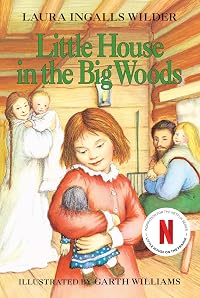
Little House in the Big Woods
by Laura Ingalls Wilder
Little House: The Laura Years (1), Little House Novels, Chronological Order (The Laura Years — book 16)
On This Page
Description
A year in the life of two young girls growing up on the Wisconsin frontier, as they help their mother with the daily chores, enjoy their father's stories and singing, and share special occasions when they get together with relatives or neighbors.Tags
Recommendations

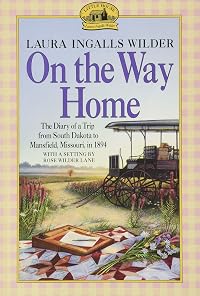
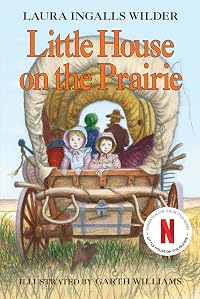
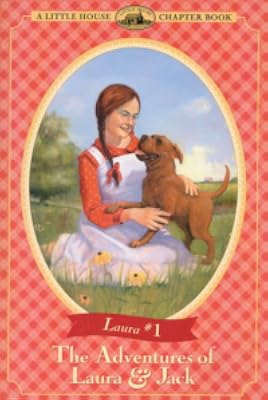
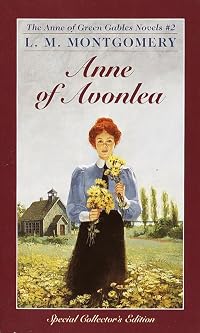

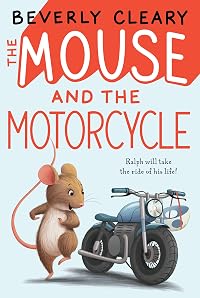
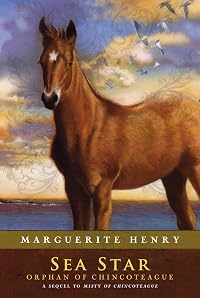
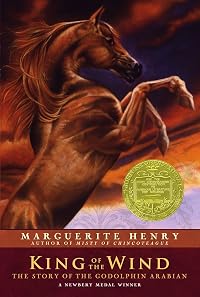
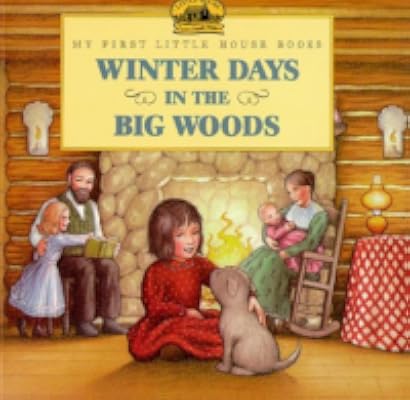
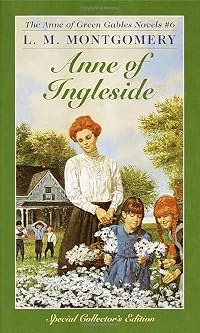
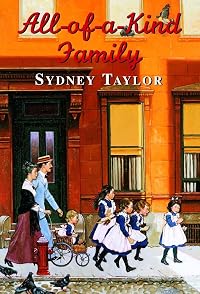

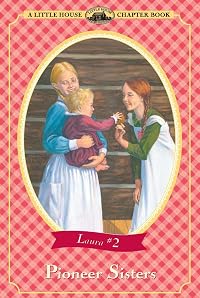
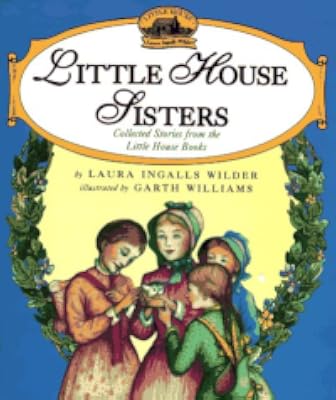
Member Recommendations





Member Reviews
Reading this story as an adult it really is striking how different the hard lives of isolated settlers were from our modern society. The book is a stark reminder that we don't know how easy we have it - we might be isolating away because of COVID, but that is a drop in the ocean compared to living in a small family of two adults and three children in a log cabin in the middle of the woods, responsible for all your own food, and spending the winters indoor with snow piled around the house.
Told from the point of view of Laura as a 4 year old, the story is almost too saccharine to be true. Pa hunts and reaps, tells stories, and plays his fiddle. Ma works hard but cheerfully, churning butter, washing, cooking.
The children mostly behave, show more and when they are not perfect there is a swift beating (which all feel is well deserved, and has been handed down the generations - pa tells the stories of when his pa beat him), in a way that seems excessive to modern sensibilities - whipping a four year old with a strap for striking her sister once who was tormenting her! There is a good sprinkling of morality tale too - their cousin is a lazy boy who cries wolf and doesn't help and no-one believes him when he gets stung all over by bees.
The sheer skill that everyone has - how to make butter, how to cure skins, how to smoke meat, how to carve wood, how to tap maple syrup, hot to make hats etc etc - is really impressive. Having dabbled a bit in home crafts makes me even more in awe.
But then it really was all life and death, wasn't it? It is a lovely story, sugar swirls poured on snow, dances, rag dolls. But you don't see the women giving birth in the wilderness, and you don't see the time the bear doesn't wander away, or the time there isn't enough food to get through winter.
The environmental position is interesting. There is the time Pa holds his hand from shooting, because of the splendour of the stag and the bear. There is the fact they eat no meat all summer, to allow the young animals time to grow. But there is no suggestion that it isn't the right thing to do to smash up the bee hive and take all the honey (the bees will find another tree, and start again with the left over honey scraps), and there is great joy in the wonderful threshing machine.
In general, a fascinating slice of life from a very different world. show less
Told from the point of view of Laura as a 4 year old, the story is almost too saccharine to be true. Pa hunts and reaps, tells stories, and plays his fiddle. Ma works hard but cheerfully, churning butter, washing, cooking.
The children mostly behave, show more and when they are not perfect there is a swift beating (which all feel is well deserved, and has been handed down the generations - pa tells the stories of when his pa beat him), in a way that seems excessive to modern sensibilities - whipping a four year old with a strap for striking her sister once who was tormenting her! There is a good sprinkling of morality tale too - their cousin is a lazy boy who cries wolf and doesn't help and no-one believes him when he gets stung all over by bees.
The sheer skill that everyone has - how to make butter, how to cure skins, how to smoke meat, how to carve wood, how to tap maple syrup, hot to make hats etc etc - is really impressive. Having dabbled a bit in home crafts makes me even more in awe.
But then it really was all life and death, wasn't it? It is a lovely story, sugar swirls poured on snow, dances, rag dolls. But you don't see the women giving birth in the wilderness, and you don't see the time the bear doesn't wander away, or the time there isn't enough food to get through winter.
The environmental position is interesting. There is the time Pa holds his hand from shooting, because of the splendour of the stag and the bear. There is the fact they eat no meat all summer, to allow the young animals time to grow. But there is no suggestion that it isn't the right thing to do to smash up the bee hive and take all the honey (the bees will find another tree, and start again with the left over honey scraps), and there is great joy in the wonderful threshing machine.
In general, a fascinating slice of life from a very different world. show less
She thought to herself, "This is now."
"Little House" is another stop on my casual journey to read classic children's books that I should have read when I was a kid. Merely 50+ years late.
This project started in earnest when I made a friend, a booktuber, who did read all those books as a kid. Some she read many, many times over. Among all sorts of books she reads now, she discusses and still cherishes the childhood ones on her channel too. Once I asked her what would a book have to contain to be perfect for her as a lifelong reader. She answered that it had already been written. It was the Little House on the Prairie books.
So now I feel part of that cozy Love Wilder tribe. This tale of family and friends is kind and joyful. The many show more preparations for each season and their self-reliance is astounding. Hard-working doesn't even begin to describe what life must have been like for them. Makes me plumb ashamed at how much complaining I do over mere inconveniences. I admire that combination of goodness and fortitude.
The beautiful spirit in this book might be considered naive. But, like time with my friend, it is invigorating, even healing, to be wrapped in kindness and joy.
I do have to laugh, though: what an unintentional contrast it makes to the very last book I finished, Independent People! It was also a great book about self-sufficiency, but with an ironic view. It could hardly be more different than Wilder's.
I wouldn't ever pit the viewpoint of the two stories against each other, one right one wrong. Since time immemorial there are all kinds of experiences available in this world and reading gives us access to many lives and ways of living. Our own reality is, like those writers, a canvas.
And so, like little Laura Wilder, this is my now,, one that has real hardships but also has an overflowing fullness of simple joys. One of the duties to being alive is to actually be alive. show less
"Little House" is another stop on my casual journey to read classic children's books that I should have read when I was a kid. Merely 50+ years late.
This project started in earnest when I made a friend, a booktuber, who did read all those books as a kid. Some she read many, many times over. Among all sorts of books she reads now, she discusses and still cherishes the childhood ones on her channel too. Once I asked her what would a book have to contain to be perfect for her as a lifelong reader. She answered that it had already been written. It was the Little House on the Prairie books.
So now I feel part of that cozy Love Wilder tribe. This tale of family and friends is kind and joyful. The many show more preparations for each season and their self-reliance is astounding. Hard-working doesn't even begin to describe what life must have been like for them. Makes me plumb ashamed at how much complaining I do over mere inconveniences. I admire that combination of goodness and fortitude.
The beautiful spirit in this book might be considered naive. But, like time with my friend, it is invigorating, even healing, to be wrapped in kindness and joy.
I do have to laugh, though: what an unintentional contrast it makes to the very last book I finished, Independent People! It was also a great book about self-sufficiency, but with an ironic view. It could hardly be more different than Wilder's.
I wouldn't ever pit the viewpoint of the two stories against each other, one right one wrong. Since time immemorial there are all kinds of experiences available in this world and reading gives us access to many lives and ways of living. Our own reality is, like those writers, a canvas.
And so, like little Laura Wilder, this is my now,, one that has real hardships but also has an overflowing fullness of simple joys. One of the duties to being alive is to actually be alive. show less
A very young Laura Ingalls (she celebrates her 5th birthday in the book) tells about life in a Wisconsin cabin with her Pa, her Ma, her older sister Mary, and her baby sister Carrie. Over the course of about a year, Laura describes the hard work of frontier life, interspersed with times for play and family gatherings.
My fourth grade teacher read this to the class and I was bored to tears at that age. It didn’t speak to this child of the TV generation. I had no frame of reference for the kinds of chores that were part of the Ingalls family’s daily existence, and Laura was too young to interest a 9-year-old.
My adult self relished the vivid descriptions of farm living. My own Midwestern ancestors likely lived in much the same way. I show more was struck especially by Laura’s description of her mother, who worked with joy and had just the right blend of firmness and gentleness with her children.
I highly recommend listening to the audio version if you can get your hands on it. Cherry Jones’ superb narration enhanced the experience, as did Paul Woodiel’s fiddle interludes. show less
My fourth grade teacher read this to the class and I was bored to tears at that age. It didn’t speak to this child of the TV generation. I had no frame of reference for the kinds of chores that were part of the Ingalls family’s daily existence, and Laura was too young to interest a 9-year-old.
My adult self relished the vivid descriptions of farm living. My own Midwestern ancestors likely lived in much the same way. I show more was struck especially by Laura’s description of her mother, who worked with joy and had just the right blend of firmness and gentleness with her children.
I highly recommend listening to the audio version if you can get your hands on it. Cherry Jones’ superb narration enhanced the experience, as did Paul Woodiel’s fiddle interludes. show less
I still like the parts of this book that I've remembered fondly through the decades: the sugaring-off party, the paired tales of a stump mistaken for a bear and a bear mistaken for a cow, the snow candy. But I sure didn't remember the extensive and rather enthusiastic references to whipping, spanking, and the general “tanning” of “hides.” Practically all of Pa’s lovingly-remembered fireside tales involve a child ‘earning’ some form of physical attack from an adult in this world in which 'children should be seen and not heard.' Apparently I skimmed over those bits as a child; as an adult and a loving parent, I find them disturbing. Oh, and a lot of the book is just plain boring: at least for the adult reader, there is show more indeed such a thing as too much detail. show less
First sentence: Once upon a time, sixty years ago, a little girl lived in the Big Woods of Wisconsin, in a little gray house made of logs.
Premise/plot: Little House in the Big Woods is the first in an autobiographical FICTION series by Laura Ingalls Wilder. Laura Ingalls Wilder is sharing her vivid memories of childhood starting with her Wisconsin years. She writes of Pa, Ma, Mary, and baby Carrie. She writes of grandparents, aunts, uncles, and cousins. She writes of chores, chores, and more chores. She writes of story and song. So many chapters of this one feature an extra-bonus story. Laura recalling Pa recalling a story from his own past, a story from his father's past, a story from his grandfather's past. This one really does show more capture many of the five senses--the sights, sounds, smells, tastes, etc. of her childhood. It is a personal story, though probably not unique. She is writing of "sixty years ago," a way of life then past, a way of life falling out of [collective] memory perhaps, a way of life that can only be memorialized (is that the right word???) in family stories. Every family has stories. Not all families pass along the stories throughout the generations. The book is an act of love.
My thoughts: The series is not without controversy. I know that. You know that. We've lived long enough that Laura Ingalls Wilder--for better or worse--has fallen out of fashion, out of style. At best she's seen as quaint. At worst, well, a racist. I do think Little House in the Big Woods may be the least problematic in the series. The possible offenders being Ma baking a type of bread called "Rye n' Injun bread" and Pa singing a line in a song with the word darky. (The bread is made from rye flour and corn meal.)
I appreciated many things about this one. I love all the snapshots of day-to-day simple life. I love the snapshots of special memories--like the Christmas chapter, or the one where they go to visit family and make candy. I love the focus on family, on storytelling, on tradition. I wouldn't say the book is overly faith-forward or religious, yet, I think in some ways faith provides the skeleton--the structure--beneath.
I do read it differently the older I get. Here is the last paragraph that hit me right in the heart:
She thought to herself, "This is now."
She was glad that the cosy house, and Pa and Ma and the firelight and the music, were now. They could not be forgotten, she thought, because now is now. It can never be a long time ago.
Very true to life, in my opinion. show less
Premise/plot: Little House in the Big Woods is the first in an autobiographical FICTION series by Laura Ingalls Wilder. Laura Ingalls Wilder is sharing her vivid memories of childhood starting with her Wisconsin years. She writes of Pa, Ma, Mary, and baby Carrie. She writes of grandparents, aunts, uncles, and cousins. She writes of chores, chores, and more chores. She writes of story and song. So many chapters of this one feature an extra-bonus story. Laura recalling Pa recalling a story from his own past, a story from his father's past, a story from his grandfather's past. This one really does show more capture many of the five senses--the sights, sounds, smells, tastes, etc. of her childhood. It is a personal story, though probably not unique. She is writing of "sixty years ago," a way of life then past, a way of life falling out of [collective] memory perhaps, a way of life that can only be memorialized (is that the right word???) in family stories. Every family has stories. Not all families pass along the stories throughout the generations. The book is an act of love.
My thoughts: The series is not without controversy. I know that. You know that. We've lived long enough that Laura Ingalls Wilder--for better or worse--has fallen out of fashion, out of style. At best she's seen as quaint. At worst, well, a racist. I do think Little House in the Big Woods may be the least problematic in the series. The possible offenders being Ma baking a type of bread called "Rye n' Injun bread" and Pa singing a line in a song with the word darky. (The bread is made from rye flour and corn meal.)
I appreciated many things about this one. I love all the snapshots of day-to-day simple life. I love the snapshots of special memories--like the Christmas chapter, or the one where they go to visit family and make candy. I love the focus on family, on storytelling, on tradition. I wouldn't say the book is overly faith-forward or religious, yet, I think in some ways faith provides the skeleton--the structure--beneath.
I do read it differently the older I get. Here is the last paragraph that hit me right in the heart:
She thought to herself, "This is now."
She was glad that the cosy house, and Pa and Ma and the firelight and the music, were now. They could not be forgotten, she thought, because now is now. It can never be a long time ago.
Very true to life, in my opinion. show less
First sentence: Once upon a time, sixty years ago, a little girl lived in the Big Woods of Wisconsin, in a little gray house made of logs.
Premise/plot: Little House in the Big Woods is the first in an autobiographical FICTION series by Laura Ingalls Wilder. Laura Ingalls Wilder is sharing her vivid memories of childhood starting with her Wisconsin years. She writes of Pa, Ma, Mary, and baby Carrie. She writes of grandparents, aunts, uncles, and cousins. She writes of chores, chores, and more chores. She writes of story and song. So many chapters of this one feature an extra-bonus story. Laura recalling Pa recalling a story from his own past, a story from his father's past, a story from his grandfather's past. This one really does show more capture many of the five senses--the sights, sounds, smells, tastes, etc. of her childhood. It is a personal story, though probably not unique. She is writing of "sixty years ago," a way of life then past, a way of life falling out of [collective] memory perhaps, a way of life that can only be memorialized (is that the right word???) in family stories. Every family has stories. Not all families pass along the stories throughout the generations. The book is an act of love.
My thoughts: The series is not without controversy. I know that. You know that. We've lived long enough that Laura Ingalls Wilder--for better or worse--has fallen out of fashion, out of style. At best she's seen as quaint. At worst, well, a racist. I do think Little House in the Big Woods may be the least problematic in the series. The possible offenders being Ma baking a type of bread called "Rye n' Injun bread" and Pa singing a line in a song with the word darky. (The bread is made from rye flour and corn meal.)
I appreciated many things about this one. I love all the snapshots of day-to-day simple life. I love the snapshots of special memories--like the Christmas chapter, or the one where they go to visit family and make candy. I love the focus on family, on storytelling, on tradition. I wouldn't say the book is overly faith-forward or religious, yet, I think in some ways faith provides the skeleton--the structure--beneath.
I do read it differently the older I get. Here is the last paragraph that hit me right in the heart:
She thought to herself, "This is now."
She was glad that the cosy house, and Pa and Ma and the firelight and the music, were now. They could not be forgotten, she thought, because now is now. It can never be a long time ago.
Very true to life, in my opinion. show less
Premise/plot: Little House in the Big Woods is the first in an autobiographical FICTION series by Laura Ingalls Wilder. Laura Ingalls Wilder is sharing her vivid memories of childhood starting with her Wisconsin years. She writes of Pa, Ma, Mary, and baby Carrie. She writes of grandparents, aunts, uncles, and cousins. She writes of chores, chores, and more chores. She writes of story and song. So many chapters of this one feature an extra-bonus story. Laura recalling Pa recalling a story from his own past, a story from his father's past, a story from his grandfather's past. This one really does show more capture many of the five senses--the sights, sounds, smells, tastes, etc. of her childhood. It is a personal story, though probably not unique. She is writing of "sixty years ago," a way of life then past, a way of life falling out of [collective] memory perhaps, a way of life that can only be memorialized (is that the right word???) in family stories. Every family has stories. Not all families pass along the stories throughout the generations. The book is an act of love.
My thoughts: The series is not without controversy. I know that. You know that. We've lived long enough that Laura Ingalls Wilder--for better or worse--has fallen out of fashion, out of style. At best she's seen as quaint. At worst, well, a racist. I do think Little House in the Big Woods may be the least problematic in the series. The possible offenders being Ma baking a type of bread called "Rye n' Injun bread" and Pa singing a line in a song with the word darky. (The bread is made from rye flour and corn meal.)
I appreciated many things about this one. I love all the snapshots of day-to-day simple life. I love the snapshots of special memories--like the Christmas chapter, or the one where they go to visit family and make candy. I love the focus on family, on storytelling, on tradition. I wouldn't say the book is overly faith-forward or religious, yet, I think in some ways faith provides the skeleton--the structure--beneath.
I do read it differently the older I get. Here is the last paragraph that hit me right in the heart:
She thought to herself, "This is now."
She was glad that the cosy house, and Pa and Ma and the firelight and the music, were now. They could not be forgotten, she thought, because now is now. It can never be a long time ago.
Very true to life, in my opinion. show less
Summary: This story is a fictionalized autobiography of the pioneer childhood of Laura Ingalls Wilder and her family, the Ingalls family. This is the first book in the series depicting this pioneer life and her family's home in Wisconsin.
Review: As a child this was one of my favorite books. I loved the harsh depictions of what her childhood must have been like, and LIW is a talented writer! However, this book has come under recent scrutiny, and that caused me to revisit a childhood favorite. I do not know how I missed the inherent racism of LIW's depcition of Native Americans. Yes, I know that is from her perspective, and it was a different time. This book also has racist depictions of any non-white person (i.e. darkeys). I now have show more historical context to put this story in a place where I can value the storytelling, but I no longer hold this in such a dear place in my heart. I can, however, take it for what it is. A childhood remembrance of a harsh time for settlers told in a beautiful manner. show less
Review: As a child this was one of my favorite books. I loved the harsh depictions of what her childhood must have been like, and LIW is a talented writer! However, this book has come under recent scrutiny, and that caused me to revisit a childhood favorite. I do not know how I missed the inherent racism of LIW's depcition of Native Americans. Yes, I know that is from her perspective, and it was a different time. This book also has racist depictions of any non-white person (i.e. darkeys). I now have show more historical context to put this story in a place where I can value the storytelling, but I no longer hold this in such a dear place in my heart. I can, however, take it for what it is. A childhood remembrance of a harsh time for settlers told in a beautiful manner. show less
Members
- Recently Added By
Lists

Favorite Childhood Books
1,651 works; 515 members
1001 Children's Books You Must Read Before You Grow Up
774 works; 101 members
NPRs Ultimate Backseat Bookshelf: 100 Must-Reads for kids 9-14
222 works; 30 members

Best Children's Books You've Read
197 works; 75 members

Christmas Books
370 works; 40 members

Childhood Favorites
427 works; 24 members

Best Family Stories
241 works; 22 members

Read the book and saw the movie
1,170 works; 192 members

Best middle grade books
130 works; 24 members

Elevenses
316 works; 88 members
my children books reading list-from 100 great books
101 works; 7 members

Best Books With Sisters
130 works; 30 members

Sonlight Books
1,487 works; 25 members

Books Set in Wisconsin
25 works; 7 members
Midwestern Books
17 works; 4 members

Books About Girls
219 works; 17 members
Honey For a Child's Heart
1,152 works; 25 members

Satori Smiles Children's Book List
262 works; 7 members
Ambleside Books
459 works; 18 members

Female Protagonist
1,056 works; 57 members
Books about Frontier Life and Pioneers
55 works; 7 members

Brightly Beaming Curriculum Books
281 works; 8 members

Bibliography for How to be a Heroine
148 works; 12 members

CCE 1000 Good Books List
1,033 works; 12 members
Literature of Honor for Boys
91 works; 3 members
LibraryThingers' 1001 Books You Must Read Before You Die
442 works; 30 members
One-room schools -- children's/young adult fiction
52 works; 5 members

Romalda Spalding's Writing Road To Reading
213 works; 3 members
Books Mentioned in The Wedding Planner's Daughter series
107 works; 2 members

Books Read in 2024
4,727 works; 128 members
HMS: Make Your Child a Lover of Books, Ages 7-9
52 works; 2 members

The Playful Pioneers
166 works; 1 member

Recommended Young Adult Books
12 works; 1 member

Read Aloud Revival
108 works; 4 members

Mustich's 1000 Books to Read Before You Die: A Life Changing List
1,001 works; 20 members

Bookshelf from Interstellar
62 works; 1 member

Which house?
423 works; 16 members
Children's Literature 1900 - 1950 in order
413 works; 8 members

Boy/girl trees/nature/water etc cover--children's/YA fiction
316 works; 5 members

Forest Books
15 works; 2 members

September TBR
4 works; 1 member

Books Read in 2017
4,249 works; 130 members

Recommended Reading List
219 works; 1 member

Books We Loved As Children
610 works; 254 members

The Complete Rory Gilmore Reading List
506 works; 5 members
Our Favorite Comfort Reads
334 works; 200 members
Books Read in 2016
110 works; 1 member
Best Audiobooks
240 works; 114 members
Books tagged favorites
390 works; 30 members

KayStJ's to-read list
1,616 works; 11 members

Books Read in 2021
5,361 works; 114 members

20th Century Literature
1,161 works; 55 members

Best Historical Fiction
620 works; 261 members

The American Experience
173 works; 18 members
Historical fiction -- children's/young adult fiction
39 works; 3 members

In or About the 1930s
198 works; 27 members

Fictional Biographies
17 works; 3 members
Historical Fiction
889 works; 90 members
Female Author
1,234 works; 67 members

Houses and Buildings as Characters in Fiction
182 works; 29 members
Literature About Women and Girls
426 works; 40 members

1930s
262 works; 5 members
Makes Me Want to Eat (or Drink)
39 works; 12 members
American Lit for Eng 11 Research Project
368 works; 6 members

Top Five Books of 2015
811 works; 240 members

Recommend the 20 best books you've read in the last five years
2,168 works; 608 members

Books Read in 2015
3,299 works; 129 members
First Novels
373 works; 17 members

Best family sagas
244 works; 34 members

Books Read in 2018
4,360 works; 110 members

Books Read in 2026
2,133 works; 70 members
Author Information

189+ Works 153,235 Members
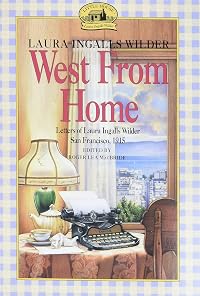
Wilder was born near Pepin, Wisconsin; attended school in DeSmet, South Dakota; and became a teacher before she was 16, teaching for seven years in Dakota Territory schools. She and her husband, Almanzo Wilder, farmed near DeSmet for about nine years and then moved to Mansfield, Missouri, where they lived out the rest of their days. Wilder did not show more write her first book, Little House in the Big Woods, about her early years in Wisconsin, until late in life, on the urging of her daughter, Rose Wilder Lane. It was first published in 1932. She followed this with Farmer Boy (1933), a book about her husband's childhood in New York State. She then completed a series of books about her life as she and her family moved westward along the frontier. Little House on the Prairie (1935) records the family's move to Kansas. On the Banks of Plum Creek (1937) describes the family's move to Minnesota. By the Shores of Silver Lake (1939) records the family's move to South Dakota, as do the final three books in the series: The Long Winter, Little Town on the Prairie (1941), and These Happy Golden Years (1943), which ends with her marriage to Almanzo Wilder. Three of Wilder's books were published posthumously: On the Way Home, a diary of her trip to Mansfield; The First Four Years, an unfinished book about her first four years of marriage; and West from Home, letters she wrote on a visit to her daughter in San Francisco, none of them up to the quality of her earlier books. At her best, Wilder employs a clear, simple style, a wealth of fascinating detail, and a straightforward narrative style. Her tales of a strong, traditional frontier family that endures the hardships of the late eighteenth century are seen through the eyes of a child, which endears them to young readers. Her work is possibly the best example of historical realistic fiction for children. (Bowker Author Biography) show less
Some Editions
Awards and Honors
Distinctions
Notable Lists
Series

Little House: The Laura Years
9 works (1)

Little House Novels, Chronological Order
4 works (The Laura Years — book 16)
Belongs to Publisher Series
Work Relationships
Is contained in
Has the adaptation
Is abridged in
Has as a student's study guide
Has as a teacher's guide
Common Knowledge
- Canonical title
- Little House in the Big Woods
- Original title
- Little House in the Big Woods
- Original publication date
- 1932
- People/Characters
- Laura Ingalls Wilder; Mary Ingalls; Charles Ingalls; Caroline Quiner Ingalls; Carrie Ingalls; Peter Ingalls (show all 9); Eliza Ingalls; Alice Ingalls; Ella Ingalls
- Important places
- Pepin, Wisconsin, USA; Wisconsin, USA
- Important events
- Christmas
- First words
- Once upon a time, sixty years ago, a little girl lived in the Big Woods of Wisconsin, in a little gray house made of logs.
- Quotations
- "Pa might hunt alone all day in the bitter cold, in the Big Woods covered with snow, and come home at night with nothing for Ma and Mary and Laura to eat."
- Last words
- (Click to show. Warning: May contain spoilers.)It can never be a long time ago.
- Original language
- English
Classifications
- Genres
- Children's Books, Fiction and Literature
- DDC/MDS
- 813.52 — Literature & rhetoric American literature in English American fiction in English 1900-1999 1900-1945
- LCC
- PZ7 .W6461 .L — Language and Literature Fiction and juvenile belles lettres Fiction and juvenile belles lettres Juvenile belles lettres
- BISAC
Statistics
- Members
- 19,587
- Popularity
- 305
- Reviews
- 308
- Rating
- (4.14)
- Languages
- 17 — Chinese, Czech, Danish, Dutch, English, Finnish, French, German, Hungarian, Indonesian, Italian, Japanese, Korean, Norwegian (Bokmål), Portuguese, Spanish, Swedish
- Media
- Paper, Audiobook, Ebook
- ISBNs
- 118
- UPCs
- 1
- ASINs
- 88