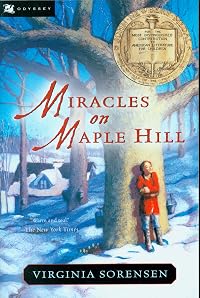
Miracles on Maple Hill
by Virginia Sorensen
On This Page
Description
After her father returns from the war moody and tired, Marly's family decides to move from the city to Maple Hill Farm in the Pennsylvania countryside where they share many adventures which help restore their spirits and their bond with each other.Tags
Recommendations



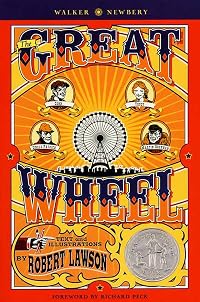
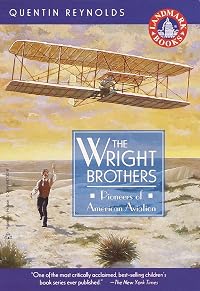
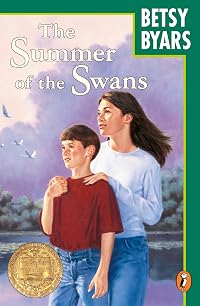
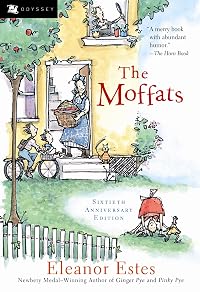


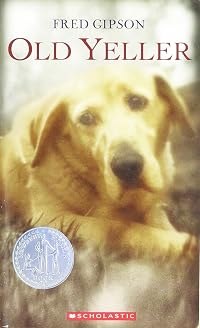
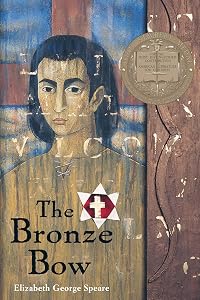
Member Recommendations
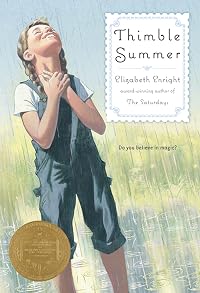
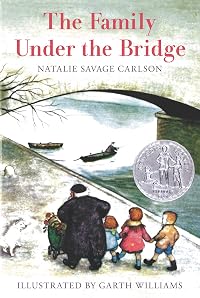
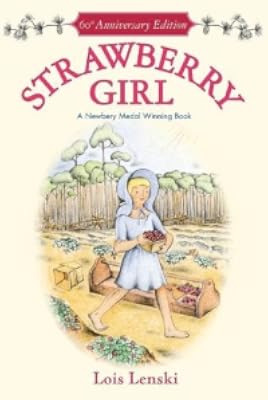
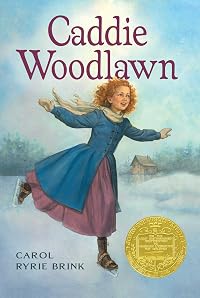
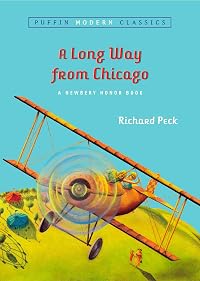
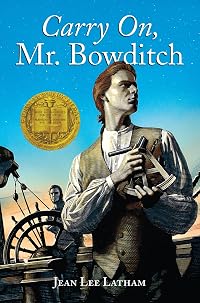
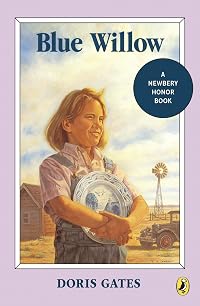
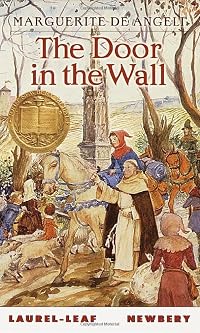
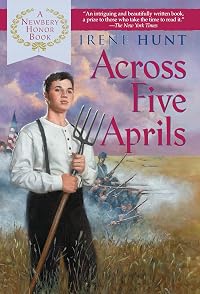
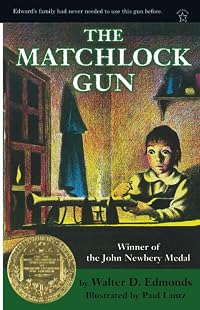
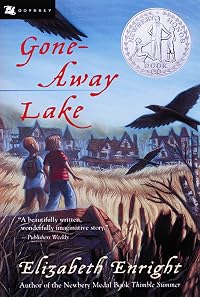
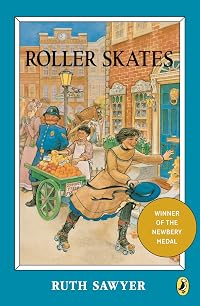
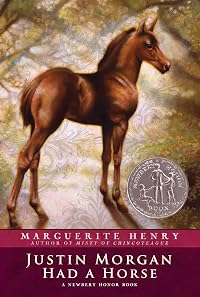
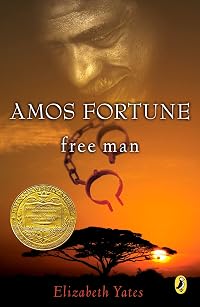
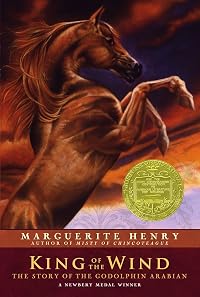
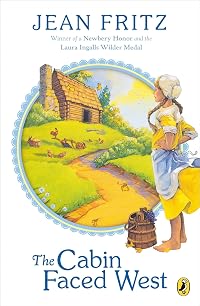
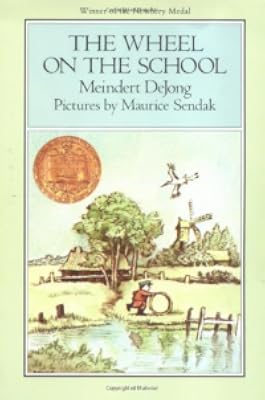
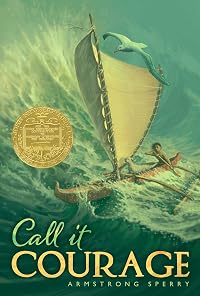
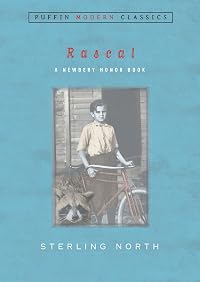
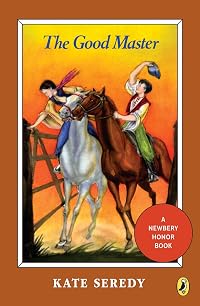
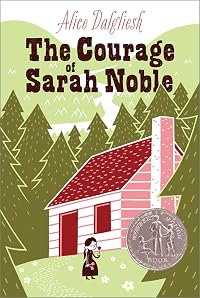
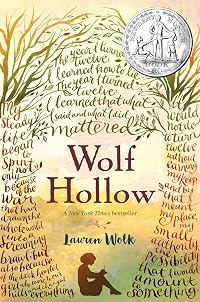
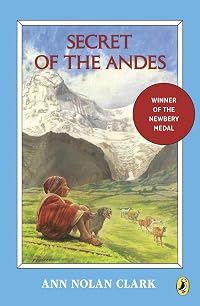
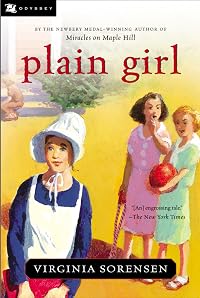
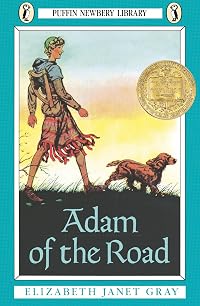
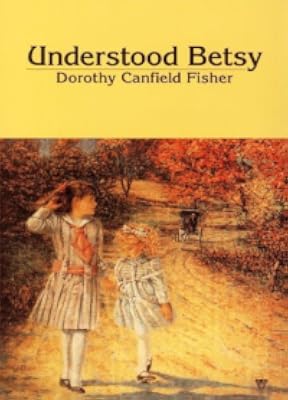
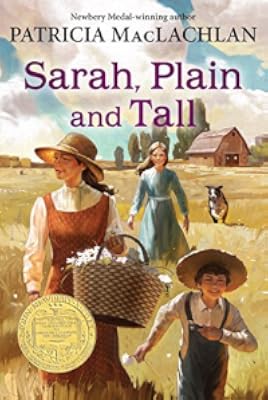
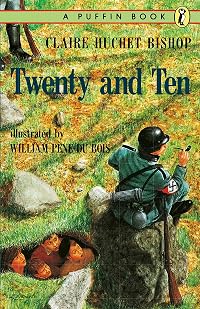
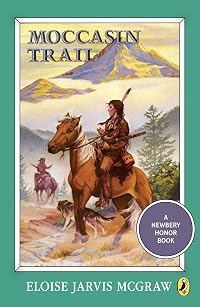
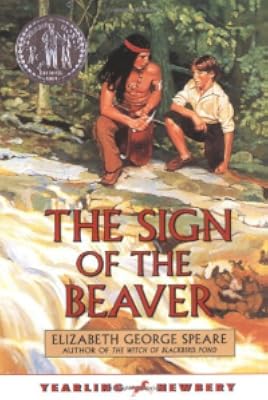
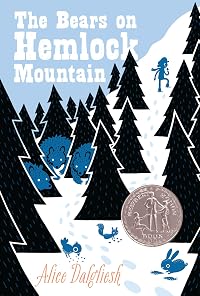
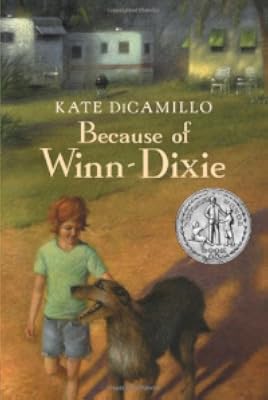
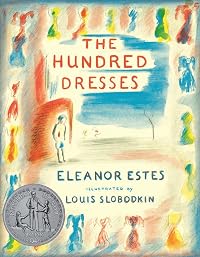
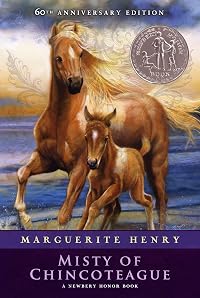
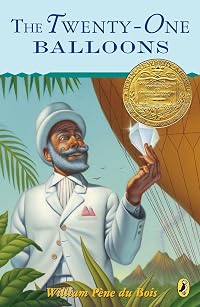
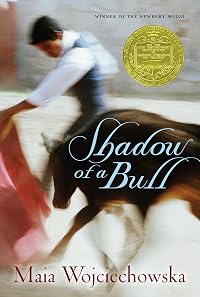
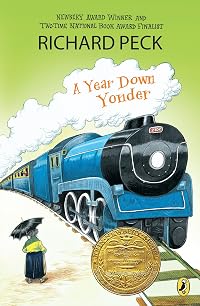
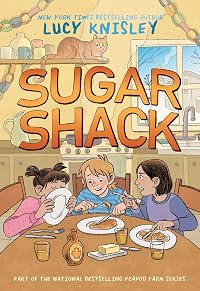
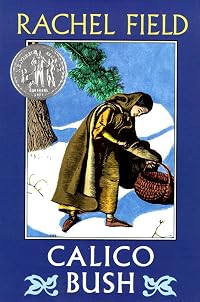
MarthaJeanne These are both children's books of how moving to the country can heal. Both are written for girls and although several decades apart, both have that 'historical' feel for us today.

Member Reviews
Sixty years after it was first published, Virginia Sorenson’s Miracles on Maple Hill remains as fresh as it was when it was first released in 1956. How is it that I had never even heard of this Newbery Award-winning book until it was an Amazon Daily Deal?
In a time of Iraq- and Afghanistan-induced PTSD, modern readers will completely identify with 10-year-old Marly, her shell-shocked former POW father, Dale, and her patient but overwhelmed peace-keeping mother, Lee. Lee hopes that moving into her own grandmother’s farmhouse, Maple Hill — “Up here, there’s all outdoors!” Grandma used to say — will help Dale heal and end the sullenness, tiredness and flashes of temper that have bedeviled the family. And it’s no spoiler to show more say that Maple Hill transforms the family and its dynamics. Hey, it’s right in the title! But the novel is never cloying, and readers — young and old — will adore every bit. Highly, highly recommended! show less
In a time of Iraq- and Afghanistan-induced PTSD, modern readers will completely identify with 10-year-old Marly, her shell-shocked former POW father, Dale, and her patient but overwhelmed peace-keeping mother, Lee. Lee hopes that moving into her own grandmother’s farmhouse, Maple Hill — “Up here, there’s all outdoors!” Grandma used to say — will help Dale heal and end the sullenness, tiredness and flashes of temper that have bedeviled the family. And it’s no spoiler to show more say that Maple Hill transforms the family and its dynamics. Hey, it’s right in the title! But the novel is never cloying, and readers — young and old — will adore every bit. Highly, highly recommended! show less
Marly's mother used to visit her grandmother on Maple Hill, where there was all the outdoors to play in, and where you might say that miracles happen. Now, Marly's mother has inherited the little house on Maple Hill, and Marly and her family are going to spend some time there -- weekends, and then the summer -- and Marly is hoping for a miracle. Her father came home from the war with deep psychological wounds, and life in their city apartment is not helping him recover. Maybe at Maple Hill, where there is work to be done in the fresh country air, their family can come together and be as they once were. Arriving in the early spring, Marly's family is introduced to the almost magical (but labor-intensive) process of collecting maple sap show more and converting it into syrup. They learn this, and many other useful things about country life, from their neighbor, Mr. Chris. Are there still miracles on Maple Hill? Marly is about to find out.
I enjoyed this book for a lot of reasons. It's what some people think of as a "typical" Newbery (though there are plenty that break the mold): female protagonist, rich writing and character development, not a lot of plot. I like that sort of story if the writing is truly good enough to draw you in, and it certainly is in this case. However, readers who enjoy a more action-packed narrative might get impatient with this story, which reads like a long, leisurely hike through the woods. I also appreciated the wealth of detail about maple sugaring (a process I have been involved in at my own grandparents' Pennsylvania farm, so I can attest to the accuracy of the description) and all of the nature description. The writing reminded me of Madeleine L'Engle -- perhaps not surprising, since this is a story from a similar era; only five years separate this book and A Wrinkle in Time. (L'Engle usually has a bit more in they way of plot, though, I would say.) I'm not sure how well or poorly this book handles the depiction of Marly's father's PTSD, since I don't have a great deal of knowledge on the subject. I will say, though, that any improvement he saw was not immediate, but was a slow process, aided, perhaps, by peace and work. Judging by the year of the book's publication, I'm guessing that the war her father served in was the Korean War, though I suppose it might have been WWII. My grandfather served in Korea, so that was another personal connection I made with this book. It was just the right book for me, so I would recommend it to readers who like the same sorts of contemplative, character-driven narratives that I enjoy. show less
I enjoyed this book for a lot of reasons. It's what some people think of as a "typical" Newbery (though there are plenty that break the mold): female protagonist, rich writing and character development, not a lot of plot. I like that sort of story if the writing is truly good enough to draw you in, and it certainly is in this case. However, readers who enjoy a more action-packed narrative might get impatient with this story, which reads like a long, leisurely hike through the woods. I also appreciated the wealth of detail about maple sugaring (a process I have been involved in at my own grandparents' Pennsylvania farm, so I can attest to the accuracy of the description) and all of the nature description. The writing reminded me of Madeleine L'Engle -- perhaps not surprising, since this is a story from a similar era; only five years separate this book and A Wrinkle in Time. (L'Engle usually has a bit more in they way of plot, though, I would say.) I'm not sure how well or poorly this book handles the depiction of Marly's father's PTSD, since I don't have a great deal of knowledge on the subject. I will say, though, that any improvement he saw was not immediate, but was a slow process, aided, perhaps, by peace and work. Judging by the year of the book's publication, I'm guessing that the war her father served in was the Korean War, though I suppose it might have been WWII. My grandfather served in Korea, so that was another personal connection I made with this book. It was just the right book for me, so I would recommend it to readers who like the same sorts of contemplative, character-driven narratives that I enjoy. show less
This 1957 Newbery medal winner is a delightful, slow walk into a time when old fashioned values were the norm -- a time when children were polite; a time when children respected parents; a time when neighbors helped one another; a time when there was less focus on "me" and more focus on "us".
Yet, the book is timeless in addressing issues that are still with us today. Marly's father returns from the war, while the specific war isn't mentioned, one can assume WWII. Marly's father was a POW and is deeply emotionally tramatized with post tramatic stress.
Leaving the city life behind, the family moves back to the family home in rural Pennsylvania. They arrive during the time when the maple sugar is flowing from the trees. A gentle neighbor show more friend shows them the joys of capturing the maple and processing it.
While the book is corny and perhaps some would say hokey, I enjoyed it for the wonderful message of the healing powers of nature and the joys of life simply embraced when leaving behind the chaos of a frantic life style. show less
Yet, the book is timeless in addressing issues that are still with us today. Marly's father returns from the war, while the specific war isn't mentioned, one can assume WWII. Marly's father was a POW and is deeply emotionally tramatized with post tramatic stress.
Leaving the city life behind, the family moves back to the family home in rural Pennsylvania. They arrive during the time when the maple sugar is flowing from the trees. A gentle neighbor show more friend shows them the joys of capturing the maple and processing it.
While the book is corny and perhaps some would say hokey, I enjoyed it for the wonderful message of the healing powers of nature and the joys of life simply embraced when leaving behind the chaos of a frantic life style. show less
While this book seems a bit dated if read as a current novel, there is no reason it can't be loved as historical fiction, albeit at a more recent date than the Little House series. First published in 1956, I'm sure the children then were thinking that the experiences of Marly and Joe were within the realm of possibility for themselves. And, while not labelled as PTSD, I think the father's difficulties after his return home from the Korean War may resonate with some current readers.
I was a bit bothered in the beginning with the sibling bickering which seems to be a standard theme in many books. Fortunately the siblings are shown to develop tolerance and appreciation for each other before the book's end.
A positive theme was the connection show more developed between each of the family members and their elderly neighbors. show less
I was a bit bothered in the beginning with the sibling bickering which seems to be a standard theme in many books. Fortunately the siblings are shown to develop tolerance and appreciation for each other before the book's end.
A positive theme was the connection show more developed between each of the family members and their elderly neighbors. show less
Marly, Joe, and their parents have been struggling for a while, since the father of the children returned home from war.. In addition to the experience of combat itself, he was captured, and in a prisoner of war camp for months. He was then hospitalized for a while before being able to return home.
But Daddy is suffering from what today we would call PTSD. He reacts very strongly to loud or sudden noises, is often sunk in depression, and equally often reacts to even small disagreements, even between others, with a frightening anger. Marly sometimes guiltily thinks things were better before Daddy came home.
But their mother, Lee, has inherited her grandmother's farm in New England. Her brother lived in it after Grandmother died, but he's show more gone now too. The farm is available, to get them out of the city, into the country and the open air, and a way of life different from the one that her husband can't seem to cope with anymore. With some prodding from Marly, whether that factored in or not, they move to the farm, initially just for school break, and start fixing it up.
Grandmother always told Lee that miracles happened on Maple Hill, and Marly in particular is hoping that's true.
The first people they meet, when they have not quite made it to the farm, are the Chris family. Mr. Chris tows them out of the slick spot on the road, and Mrs. Chris--Chrissy--invites them to stay for dinner. This is exactly what the children's father hoped to avoid--country people who are always helping each other and everyone knows everybody's business. Yet the dinner is wonderful, the Chrises are friendly and welcoming, and Lee doesn't have to cook for everyone when they reach the farm after the long drive from Pennsylvania.
Over the next weeks, the hoped-for miracles start to happen. They found Mr. Chris, or Chris as everyone calls him, at his sugar camp, making maple syrup. It's the first time Marly and Joe have tasted maple syrup made from sap boiled down straight from the tree. Both the children get to help, and to Marly, it's a miracle.
Over school break, Joe and Marly both learn a few lessons, and have adventures with Chris, as he teaches each of them to see the natural world all around them. Lee is enjoying (mostly) restoring her grandmother's farm to a working home again. Daddy is doing repairs, and when school break is over, he stays to continue the work. He seems a little calmer and less stressed, but no dramatic change yet.
Over the summer and the next winter, they encounter miracles of nature, interaction with animals both domestic and wild. It's a gentle story of a family rebuilding itself, and making a new life after their father's experiences in the war (the war is not named, but either World War II or Korea are plausible), made life in the city and returning to his old job untenable.
It's important to remember that it is the 1950s, and there's a long list of things Girls Are Not Allowed To Do, that boys are. The book accepts this as normal, but Marly is "a tomboy." She resists those restrictions, and sometimes she wins. There are also occasional bits of language that were normal then and seem questionable now. I'm old enough to remember when "squaw" was accepted as "the Indian word for woman," but all these decades later, it pulled me up short to here it in a story a teacher tells about how Indians learned to make maple syrup.
Still, this is a very gentle, positive, warm story about a family coming together.
Recommended.
I bought this audiobook. show less
But Daddy is suffering from what today we would call PTSD. He reacts very strongly to loud or sudden noises, is often sunk in depression, and equally often reacts to even small disagreements, even between others, with a frightening anger. Marly sometimes guiltily thinks things were better before Daddy came home.
But their mother, Lee, has inherited her grandmother's farm in New England. Her brother lived in it after Grandmother died, but he's show more gone now too. The farm is available, to get them out of the city, into the country and the open air, and a way of life different from the one that her husband can't seem to cope with anymore. With some prodding from Marly, whether that factored in or not, they move to the farm, initially just for school break, and start fixing it up.
Grandmother always told Lee that miracles happened on Maple Hill, and Marly in particular is hoping that's true.
The first people they meet, when they have not quite made it to the farm, are the Chris family. Mr. Chris tows them out of the slick spot on the road, and Mrs. Chris--Chrissy--invites them to stay for dinner. This is exactly what the children's father hoped to avoid--country people who are always helping each other and everyone knows everybody's business. Yet the dinner is wonderful, the Chrises are friendly and welcoming, and Lee doesn't have to cook for everyone when they reach the farm after the long drive from Pennsylvania.
Over the next weeks, the hoped-for miracles start to happen. They found Mr. Chris, or Chris as everyone calls him, at his sugar camp, making maple syrup. It's the first time Marly and Joe have tasted maple syrup made from sap boiled down straight from the tree. Both the children get to help, and to Marly, it's a miracle.
Over school break, Joe and Marly both learn a few lessons, and have adventures with Chris, as he teaches each of them to see the natural world all around them. Lee is enjoying (mostly) restoring her grandmother's farm to a working home again. Daddy is doing repairs, and when school break is over, he stays to continue the work. He seems a little calmer and less stressed, but no dramatic change yet.
Over the summer and the next winter, they encounter miracles of nature, interaction with animals both domestic and wild. It's a gentle story of a family rebuilding itself, and making a new life after their father's experiences in the war (the war is not named, but either World War II or Korea are plausible), made life in the city and returning to his old job untenable.
It's important to remember that it is the 1950s, and there's a long list of things Girls Are Not Allowed To Do, that boys are. The book accepts this as normal, but Marly is "a tomboy." She resists those restrictions, and sometimes she wins. There are also occasional bits of language that were normal then and seem questionable now. I'm old enough to remember when "squaw" was accepted as "the Indian word for woman," but all these decades later, it pulled me up short to here it in a story a teacher tells about how Indians learned to make maple syrup.
Still, this is a very gentle, positive, warm story about a family coming together.
Recommended.
I bought this audiobook. show less
Marley's family (Mom, Dad, and slightly older brother Joe) leaves the big city to visit the rural Pennsylvania Maple growing area where her mother was raised. They meet nice neighbors, learn how to identify plants, and how to make maple syrup. That's pretty much the entire plot. The point of the book isn't telling a story so much as just being a gentle paean to an old fashioned, rural life. And that is fine. That's not the reason this book is so weak.
None of the characters are developed into truly interesting three dimensional people; they're all just cardboard cutouts who exist with only one or two personality traits. The blurb on the back of my edition says that the big "miracle" of Maple Hill is that it cures Marley's father's post show more traumatic stress disorder from fighting in the war. However, in the actual book, though this is strongly implied, we never see her father at his worst, and it's rarely mentioned... we just see him doing better and the Mom says a few times that this visit is good for him.
Perhaps the biggest of the many drawbacks that prevent this book from aging well... Marley and Joe seem constructed solely to reinforce 1950s era gender stereotypes. It's absolutely embarrassing how the author portrays Joe (12 I think) as brave and strong, while Marley (10) is weak and emotional and fearful. Ugh.
I'd skip this one. Most of the Newbery winners are excellent, but this one was a dud. show less
None of the characters are developed into truly interesting three dimensional people; they're all just cardboard cutouts who exist with only one or two personality traits. The blurb on the back of my edition says that the big "miracle" of Maple Hill is that it cures Marley's father's post show more traumatic stress disorder from fighting in the war. However, in the actual book, though this is strongly implied, we never see her father at his worst, and it's rarely mentioned... we just see him doing better and the Mom says a few times that this visit is good for him.
Perhaps the biggest of the many drawbacks that prevent this book from aging well... Marley and Joe seem constructed solely to reinforce 1950s era gender stereotypes. It's absolutely embarrassing how the author portrays Joe (12 I think) as brave and strong, while Marley (10) is weak and emotional and fearful. Ugh.
I'd skip this one. Most of the Newbery winners are excellent, but this one was a dud. show less
Marly's dad is having a hard time adjusting when he returns to Pennsylvania after being held as a prisoner of war during WWII. To find space for healing, ten year old Marly and her family move to the family's old farmhouse on Maple Hill in rural Pennsylvania. The book chronicles their first year spent on Maple Hill, looking for everyday miracles in nature and their family.
There is a lot of talk about maple sugaring in this book, and it was interesting to learn about. What I appreciated more was the use of maple sugaring and spring in general as a metaphor for rebirth and renewal. As spring arrives, the sap flows, the wildflowers bloom, and Marly's father begins to smile and sing again. The restorative and rejuvenating powers of both show more nature and meaningful work were captured very well in this book.
I wasn't particularly drawn to the characters of Marly and her brother, but I did like the family dynamic. You could tell they all loved each other a lot, and the dad was just so sad and broken and everyone was so unsure of how to help him. This was my favorite aspect of the book, but it really wasn't fully explored, I guess because it is some pretty heavy stuff and this is a children's book. There are a lot of the classic children book elements that got a little tedious: outdoor adventures, a girl proving her strength and bravery to her brother, the scary hermit who is actually a misunderstood good guy. Overall, one of the better Newbery books. (1957)
I think I've started rating Newbery winners on their own scale. This is a three star book, but a four star Newbery. show less
There is a lot of talk about maple sugaring in this book, and it was interesting to learn about. What I appreciated more was the use of maple sugaring and spring in general as a metaphor for rebirth and renewal. As spring arrives, the sap flows, the wildflowers bloom, and Marly's father begins to smile and sing again. The restorative and rejuvenating powers of both show more nature and meaningful work were captured very well in this book.
I wasn't particularly drawn to the characters of Marly and her brother, but I did like the family dynamic. You could tell they all loved each other a lot, and the dad was just so sad and broken and everyone was so unsure of how to help him. This was my favorite aspect of the book, but it really wasn't fully explored, I guess because it is some pretty heavy stuff and this is a children's book. There are a lot of the classic children book elements that got a little tedious: outdoor adventures, a girl proving her strength and bravery to her brother, the scary hermit who is actually a misunderstood good guy. Overall, one of the better Newbery books. (1957)
I think I've started rating Newbery winners on their own scale. This is a three star book, but a four star Newbery. show less
Members
- Recently Added By
Lists

Best Newbery Medal Winners
97 works; 54 members

1001 Children's Books You Must Read Before You Grow Up
774 works; 101 members

Sonlight Books
1,487 works; 25 members

Kids' Tour of the US in Books
50 works; 5 members

Satori Smiles Children's Book List
262 works; 7 members
Ambleside Books
459 works; 18 members

Newbery Medal Winners - By Year
105 works; 7 members

Female Protagonist
1,056 works; 57 members

CCE 1000 Good Books List
1,033 works; 12 members

One-room schools -- children's/young adult fiction
52 works; 5 members

Favourite Books
1,820 works; 311 members

Read Alouds for CC Cycle 3
32 works; 1 member

Books Read in 2021
5,361 works; 113 members

Recommended Reading List
219 works; 1 member

Our Favorite Comfort Reads
334 works; 200 members
Author Information

16+ Works 5,987 Members
Virginia Sorensen (1912-1991) was born in Utah. Her great-grandfathers came to Utah in covered wagons on Brigham Young's great trek of 1846, and it was their stories that influenced her early novels of the American West. Ms. Sorensen traveled extensively, and all of her books are set in places where she once lived
Some Editions
Awards and Honors
Common Knowledge
- Original publication date
- 1956
- People/Characters
- Marly; Joe
- Important places
- Maple Hill, Pennsylvania, USA
- Important events
- World War II (1939 | 1945)
- Dedication
- For those who helped: Harvey Kreitz, and Waldo Bates, and Royce Mallory - AND REMEMBERING Uncle Chris.
- First words
- "Mother, say the scoot-thing again," Marly said.
- Last words
- (Click to show. Warning: May contain spoilers.)So it would begin over and over, she thought, always and always, the miracles on Maple Hill.
Classifications
Statistics
- Members
- 4,787
- Popularity
- 2,991
- Reviews
- 46
- Rating
- (3.78)
- Languages
- Chinese, English, German
- Media
- Paper, Audiobook, Ebook
- ISBNs
- 32
- ASINs
- 20