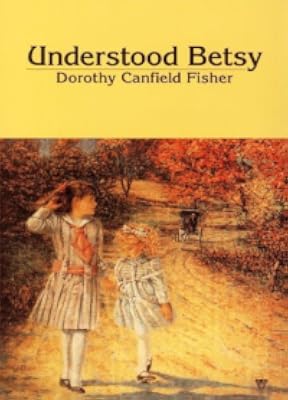
Understood Betsy
by Dorothy Canfield Fisher, Dorothy Canfield Fisher (Author)
On This Page
Description
Timid and small for her age, nine-year-old Elizabeth Ann discovers her own abilities and gains a new perception of the world around her when she goes to live with relatives on a farm in Vermont.Tags
Recommendations

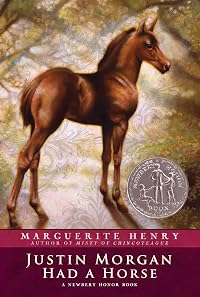
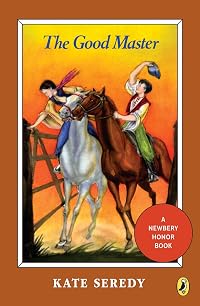
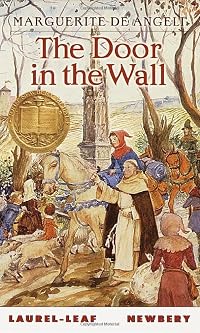

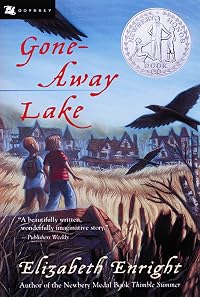











Member Recommendations
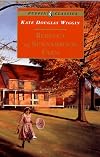
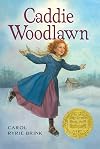
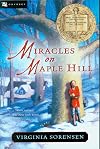
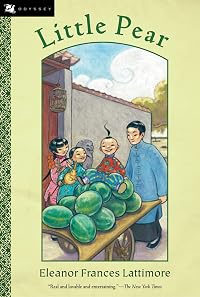
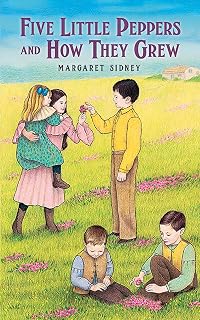
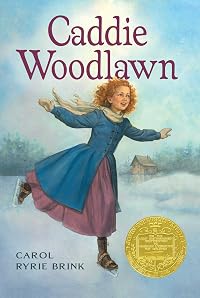
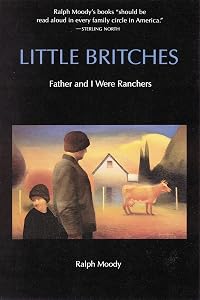
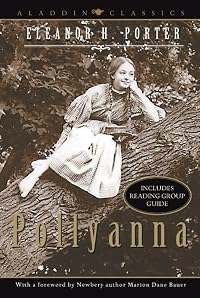
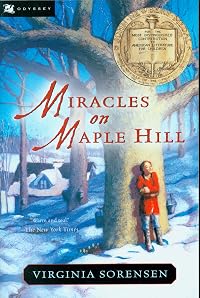
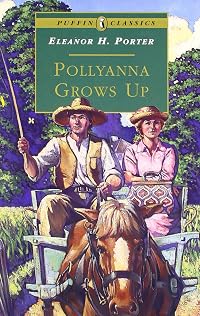
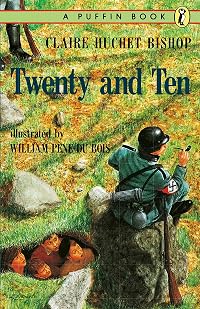
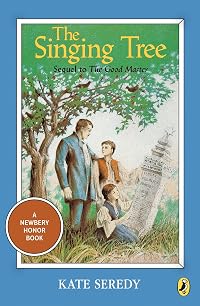
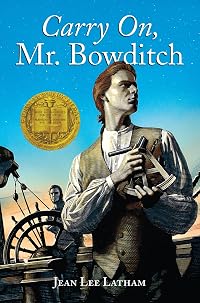
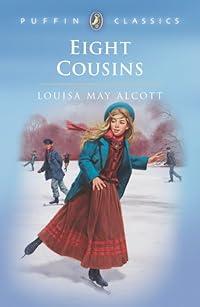
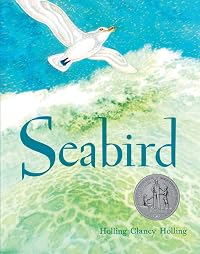
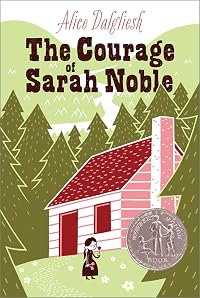
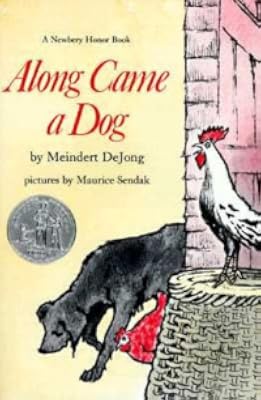
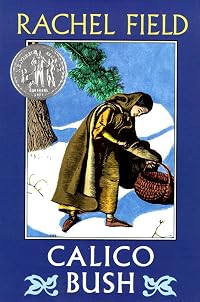
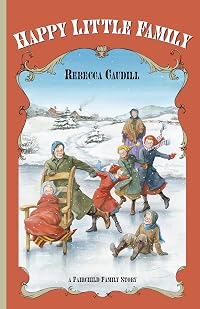
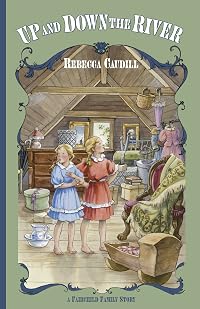
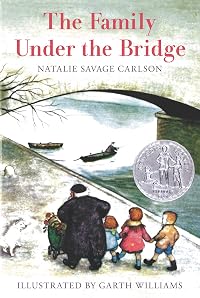
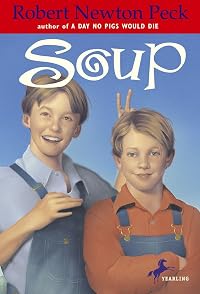
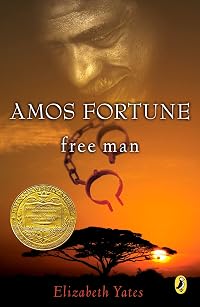
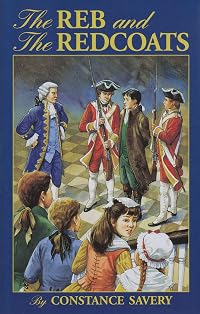
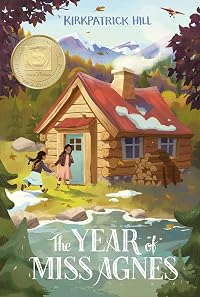
MarthaJeanne These are both children's books of how moving to the country can heal. Both are written for girls and although several decades apart, both have that 'historical' feel for us today.


Member Reviews
This has been one of my favourite books since my mum gave it to me when I was a little girl. It belonged to her, and probably was passed along by someone even older—it is over a hundred years old! The edition I have is a battered hardcover with a torn binding and a big chunk of pages falling out, but I pick it up every few years and revisit it. It reads like historical fiction, though I believe it was contemporary when it was published. A little girl who was orphaned grows up with her fussy aunties in the big city, but when one of the aunties falls ill, she is shuffled off to live with some other relations in the country. On the Putney farm (and even on the journey there), she must exercise a dormant common sense and practicality, show more despite her abject terror. Her fussy aunties had never asked or expected her to do anything for herself, but despite that, she ends up finding an inner strength and independence that sees her through some adventures that may seem trivial, but represent tremendous leaps for a girl who had never had to use such traits. It is a charming story with a straightforward narrative voice that flows smoothly and simply. Although it was written in and for a very different time, the story and the lesson hold up very well. show less
A fairly predictable children's tale about an orphan cared for by two very different sets of relatives, and the circumstances under which she thrives. It was clearly making a point about raising a child to think for herself, solve her own problems and value independence. Nothing to argue with there, but it's a bit heavy in its message at times. At other times, it's a delightful portrait of some excellent characters, and I enjoyed reading it. After reading this "novel for children", I discovered that the author was drawing on her exposure to Maria Montessori's educational principles in crafting the story, and that Dorothy Canfield Fisher was, in fact, instrumental in bringing the Montessori Method to the U. S., and was one of its show more earliest and strongest proponents. show less
Second read (in just a few years, never as a child) even more delightful. A bit implausible, more Sara Crewe in some ways than Little House. But a joy. The earnest lessons about how to raise children, and to respect them as people, are leavened by lots of adventure and humor.
I've also enjoyed [b:The Home-Maker|1786432|The Home-Maker|Dorothy Canfield Fisher|https://images.gr-assets.com/books/1388616991s/1786432.jpg|680798] by the author, in which she shows that women are people, too... and even that men don't have to be trapped in roles that don't suit them. I suppose she pretty much covered the ground necessary in these two books, but I bet she'd have treated 'aging with dignity' and disability and dying issues well, too.
I've also enjoyed [b:The Home-Maker|1786432|The Home-Maker|Dorothy Canfield Fisher|https://images.gr-assets.com/books/1388616991s/1786432.jpg|680798] by the author, in which she shows that women are people, too... and even that men don't have to be trapped in roles that don't suit them. I suppose she pretty much covered the ground necessary in these two books, but I bet she'd have treated 'aging with dignity' and disability and dying issues well, too.
What can I say about such an old favorite? A book which my mother read to me when I was little, and many years later I read to my children, and which I just finished reading to my mother, knowing it would offer a small measure of comfort and cheer as she is dying. I can easily see the book's “faults” – the passionate didacticism, the stock characters, the romanticism of country life – but those have become part of the book's charm for me. Reading “Understood Betsy” now, having homeschooled my children, I really appreciate Canfield Fisher's passion for educational reform (she was an early proponent of Montessori education), and any mild irritation I might feel at her earnest preachiness is overcome by affection for her charm, show more kindness, and wisdom. Each of Betsy's adventures, in which she grows in spirit, skills, compassion, and self-confidence, has so long been part of my mental furniture that offering an objective opinion is nearly impossible. So I'll leave it at that. This will always be a cherished favorite for me, and I hope my daughter will pull out a copy (mine may have one last reading in it) and read it to me in my last days. show less
This chatty, conversational children's novel about a young orphan girl who goes from one set of relatives to another set and blossoms with the change is a complete delight. It's another one I had never read as a child myself but picked up because of the Shelf Discovery Challenge. Elizabeth Ann is a small, somewhat sickly, very timid child who lives with her Aunts Harriet and Frances, neither of whom are actually aunts but are related more distantly than that. Aunt Frances, who has the main care of Elizabeth Ann loves Elizabeth Ann dearly but fosters in her a very dependent relationship. She is quite fond of declaring that she "understands" this little girl left in her care. When Aunt Harriet suddenly takes sick and must go away, needing show more Aunt Frances, who is actually Aunt Harriet's daughter, to attend to her health, Elizabeth Ann is sent to yet more distant relatives who, not really wanting to be responsible for her care, in turn send her to her mother's aunt's family. This upheaval and plan strikes fear and shuddering into the little girl as she has heard these cousins of hers disparaged as horrible for as long as she can remember. But lo and behold, when she is finally with the "horrid Putney cousins," she comes out of her shell and starts to relish life instead of jumping at her own shadow. She learns independence and resourcefulness under the laconic and easy care of these country-living folks. Rechristened Betsy, she is expected to help around the house and to master her own fears. She finds sympathy when she needs it but is not coddled, and stops thinking that her every thought and action is of utmost importance to Cousin Ann, Aunt Abigail, and Uncle Henry. Over the months of living with these cousins, Betsy grows into a sturdy, healthy child who learns much of life and of another way to love and be loved. Written in 1917 and set in that decade, the slower, simpler way of life at the time is now nostalgic for readers. The characters are appealing and wonderful and Fisher manages to show that Betsy is happier and healthier with the Putney cousins without disparaging Aunt Frances and her more fearful, fluttery parenting style. This is a sweet book and one that I'm glad I finally made the acquaintance of. show less
I can’t even remember when I first read this; presumably as a child. I think it deserves a much greater reputation as a children’s classic than it has. It’s about a little orphan girl, Elizabeth Ann, who is being raised by her two overprotective, uptight, city-dwelling aunts. Poor Elizabeth Ann is frail and vaguely sickly and afraid of everything, just like her aunties who “understand” her and smother her with love. When a family illness means she must be sent away to stay with another branch of the family who live way out in the country, she is terrified. But she blossoms as she encounters nature, animals, having responsibilities, doing things for herself, and especially her brusque but kind, plain-spoken new family. show more Elizabeth Ann (now Betsy) begins attending a one-room school house that amazingly seems exactly like a Montessori school, and she makes friends for the first time. The part where Betsy is left behind at the Fair, and the ending where Betsy must choose where she is going to live, elevate this book into a masterpiece. show less
Even beyond its literary value, teachers will appreciate Understood Betsy, first released in 1917, as one of the first books to introduce the Montessori Method of education to America. That said, author Dorothy Canfield Fisher spins a pretty interesting yarn for fans of Daddy-Long-Legs, The Railway Children, Rebecca of Sunnybrook Farm, or Anne of Green Gables.
Nine-year-old orphan Elizabeth Ann — the titular Betsy, of course — lives with her widowed Great-Aunt Harriet and Harriet’s middle-aged daughter Frances somewhere in an American Midwestern city. Both doted on Betsy from babyhood — too much so, in fact. So when Aunt Harriet falls very ill and the coddled child is sent to spend time with the Putney family, her late show more mother’s cousins, on a Vermont farm, Betsy faces just the kind of culture shock you might imagine. Readers will foresee the ending, but the story is so charming that they just won’t care.
The book is now in the public domain and available for free to read online at WikiSource, although I listened to the delightful story in its Audible edition. show less
Nine-year-old orphan Elizabeth Ann — the titular Betsy, of course — lives with her widowed Great-Aunt Harriet and Harriet’s middle-aged daughter Frances somewhere in an American Midwestern city. Both doted on Betsy from babyhood — too much so, in fact. So when Aunt Harriet falls very ill and the coddled child is sent to spend time with the Putney family, her late show more mother’s cousins, on a Vermont farm, Betsy faces just the kind of culture shock you might imagine. Readers will foresee the ending, but the story is so charming that they just won’t care.
The book is now in the public domain and available for free to read online at WikiSource, although I listened to the delightful story in its Audible edition. show less
Members
- Recently Added By
Lists

Favorite Childhood Books
1,651 works; 519 members
1001 Children's Books You Must Read Before You Grow Up
774 works; 100 members

Childhood Favorites
427 works; 24 members

Best Children's Books You've Read
197 works; 75 members

Best Family Stories
241 works; 22 members
Ambleside Books
459 works; 18 members

Elevenses
316 works; 88 members

Books About Girls
219 works; 17 members
Honey For a Child's Heart
1,152 works; 25 members

Satori Smiles Children's Book List
262 works; 7 members

Brightly Beaming Curriculum Books
281 works; 8 members

4th Grade Books
312 works; 5 members

Fiction with Women's Names in the Title
378 works; 15 members

Out of Copyright
244 works; 14 members

CCE 1000 Good Books List
1,033 works; 12 members
One-room schools -- children's/young adult fiction
52 works; 5 members

Novels featuring Orphans
76 works; 10 members

Books We Love to Reread
695 works; 298 members

EGBERTINA'S List of childhood books worthy of merit or unspeakable delight
155 works; 7 members

1970s
657 works; 23 members

Books We Loved As Children
610 works; 254 members

Top Five Books of 2023
767 works; 317 members
Female Author
1,234 works; 66 members
Children's Literature 1900 - 1950 in order
413 works; 8 members

Before Austen Comes Aesop
318 works; 9 members

Ambleside Y2
33 works; 1 member

First published in 1916
68 works; 4 members

Books Set in Vermont
24 works; 4 members

HMS: Make Your Child a Lover of Books, Ages 5-7
17 works; 2 members
Talk Discussions
Past Discussions
old kids book, city girl on a farm in Name that Book (October 2012)
Author Information

57+ Works 6,171 Members
Author Dorothy Canfield Fisher was born in Lawrence, Kansas on February 17, 1879. She received a Ph.D. in romance languages from Columbia University in 1904. She wrote novels, short stories, children's books, educational works, and memoirs. In 1912, she met Maria Montessori in Italy and was so impressed by the educator's theories that she wrote A show more Montessori Mother, The Montessori Manual, and Mothers and Children. She worked for many environmental, children's and education causes in the 1940s and 1950s. She died in Arlington, Vermont on November 9, 1958. (Bowker Author Biography) show less
Some Editions
Awards and Honors
Distinctions
Series
Belongs to Publisher Series
Vintage Scholastic (TX0248)
Work Relationships
Common Knowledge
- Canonical title
- Understood Betsy
- Original publication date
- 1916
- People/Characters
- Elizabeth "Betsy" Ann; Harriet; Frances; Henry Putney; Abigail Putney; Ann Putney (show all 9); Molly; Eleanor; Shep
- Important places
- Vermont, USA; New England, USA
- First words
- When this story begins, Elizabeth Ann, who is the heroine of it, was a little girl of nine, who lived with her great-aunt Harriet in a medium-sized city in a medium-sized state in the middle of this country; and that's all yo... (show all)u need to know about the place, for it's not the important thing in the story; and anyhow you know all about it because it was probably very much like the place you live in yourself.
- Last words
- (Click to show. Warning: May contain spoilers.)Its name was Happiness.
- Original language
- English US
- Canonical DDC/MDS
- 813
Classifications
Statistics
- Members
- 3,604
- Popularity
- 4,552
- Reviews
- 40
- Rating
- (4.23)
- Languages
- Czech, English, German
- Media
- Paper, Audiobook, Ebook
- ISBNs
- 106
- UPCs
- 1
- ASINs
- 58
