On This Page
Description
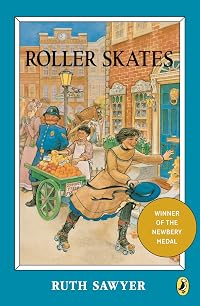
The discoveries and adventures of ten-year-old Lucinda, who spends a wonderful year exploring the New York City of the 1890's.Tags
Recommendations



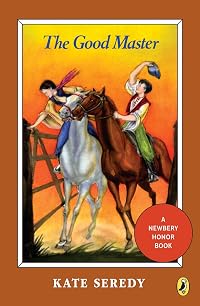
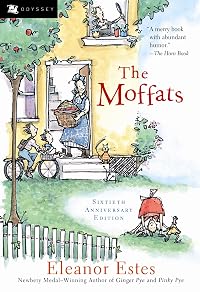
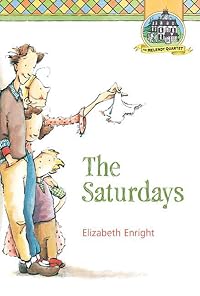
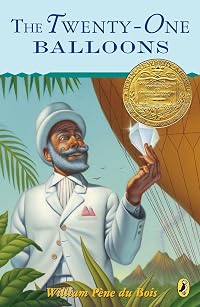

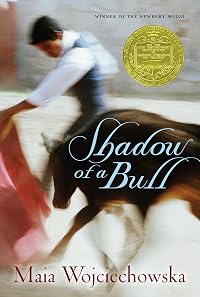
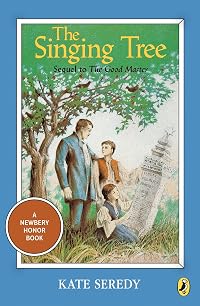
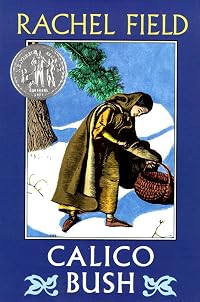
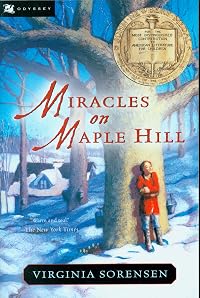




Member Recommendations

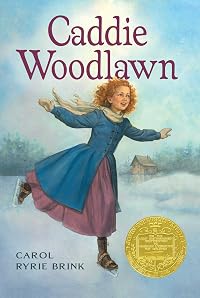
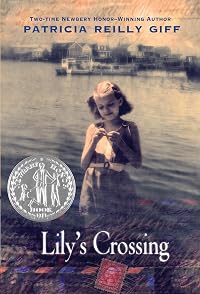
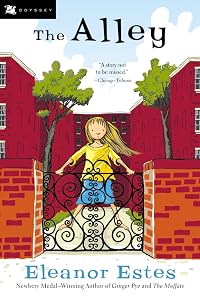
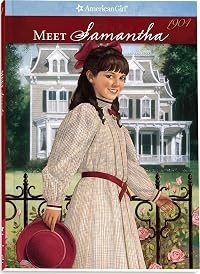
nessreader Both are forgotten mini classics from the turn of the (19th to 20th) century, about girls temporarily parentless who explore new environments with zest and warm hearts.

Member Reviews
[b:Roller Skates|984168|Roller Skates|Ruth Sawyer|https://d.gr-assets.com/books/1348023335s/984168.jpg|1327018] is the story of 10 year old Lucinda, who has been left in the care of family friends while her parents are in Italy for a year. From an affluent upbringing, Lucinda sees a new side of New York during this year without strict adult supervision. She spends most of her time roller skating through the streets meeting new and diverse groups of people. On first glance, I thought I would really enjoy this book as it seemed to have a similar main character as in other books featuring a precocious young lady (think [b:Eloise|782854|Eloise |Kay Thompson|https://d.gr-assets.com/books/1348009989s/782854.jpg|768864]). However, it just show more didn't live up to my hopes for the book.
Lucinda, though at times helpful and kind, is spoiled and demanding. She begs and whines if she doesn't get her way, which in the end she always does. Such a great example for young readers. She, also, keeps secrets from her caregivers as to her whereabouts several times through the book. For instance, she eats a picnic with a vagrant who she doesn't know and visits a woman with an abusive husband and decides to keep both of these a secret.
The authors prejudices are often seen, as well. As the book takes place in New York City during the early 1930's, Lucinda often meets immigrant workers, including Italians, Jews, Irish, and Chinese. These characters are often referred to as "low class". At the end of the book, Lucinda knows she will not be able to see these friends again, as her parents won't allow contact with them.
The book, which moves along at a fairly nice pace, suddenly accelerates towards the end summarizing several areas of the plot into just a handful of pages. This leaves the reader feeling that the author, perhaps, simply ran out of ideas for her character. About midway through the book, a woman, who is her friend, is killed and the incident is never mentioned again and is never told to her guardians.
I just simply don't think this book is appropriate for young children and I wouldn't recommend it to mine. With racism, murder, abusive, jealous spouses, and bad behavior on the part of the main character it isn't a winning book for me. show less
Lucinda, though at times helpful and kind, is spoiled and demanding. She begs and whines if she doesn't get her way, which in the end she always does. Such a great example for young readers. She, also, keeps secrets from her caregivers as to her whereabouts several times through the book. For instance, she eats a picnic with a vagrant who she doesn't know and visits a woman with an abusive husband and decides to keep both of these a secret.
The authors prejudices are often seen, as well. As the book takes place in New York City during the early 1930's, Lucinda often meets immigrant workers, including Italians, Jews, Irish, and Chinese. These characters are often referred to as "low class". At the end of the book, Lucinda knows she will not be able to see these friends again, as her parents won't allow contact with them.
The book, which moves along at a fairly nice pace, suddenly accelerates towards the end summarizing several areas of the plot into just a handful of pages. This leaves the reader feeling that the author, perhaps, simply ran out of ideas for her character. About midway through the book, a woman, who is her friend, is killed and the incident is never mentioned again and is never told to her guardians.
I just simply don't think this book is appropriate for young children and I wouldn't recommend it to mine. With racism, murder, abusive, jealous spouses, and bad behavior on the part of the main character it isn't a winning book for me. show less
Lucinda is a different child, not conforming to certain "standards" her parents and Aunt Emily think she should. While her parents are away for a year Lucinda stays with less restrictive guardians and discovers that life offers good and bad, happy and sad experiences that will guide and mold her into adulthood. Worthy of the Newberry medal it won.
A meandering little story about a ten-year-old girl who lives in New York City. She stays who two single ladies for a year while her parents travel to Italy for the sake of her mother's health. She meets all kinds of friends and has adventures that she never would have while living with her strict parents and governess. This one is more interesting than some of the Newbery winners of this era, but it might be considered a bit slow by those who are used to more action-packed stories with tightly woven plots.
Content considerations: there is a scene where the girl finds one of her adult friends murdered by her husband; and another where a younger girl dies from illness.
Genre: Historical Fiction. 1937 Newbery Medal winner.
Content considerations: there is a scene where the girl finds one of her adult friends murdered by her husband; and another where a younger girl dies from illness.
Genre: Historical Fiction. 1937 Newbery Medal winner.
In 1937 this delightful book won the Newbery Medal. When the author Ruth Sawyer received the medal she let her audience into the secret that she herself had known the ten year old Lucinda intimately – ‘Lucinda and I had the same mother’. The acceptance speech is printed at the start of my copy and was a joy to read. Ruth spoke about the ‘urge of freedom for a child’. In this simple story we see Lucinda roller skating around the city learning what it means to ‘belong’, learning about ‘everyday people’ and within the same year learning through experience of the big questions of life and death. Behind the apparent simplicity I could not help but reflect upon the generation of young Lucindas and their experiences as they show more yearn for such freedom.
Full of imagination Lucinda exclaims ‘I have joined a lucky orphanage’ and is excited at the thought of sleeping in a folding bed. We hear later of how books filled a large portion of her inner world – many then listed will be familiar to us as we see them in the lists of today, like Peter Boxall’s 1001 Books to Read Before You Die. I loved the her joy and love of playing with words!
Ruth Sawyer tells us ‘Nature had succeeded in pumping her full of ideas and energy which ran amuck when not worked off’. Needless to say books inspired her and she, rather like us wanted to share that love. We hear how Lucinda while reading Shakespeare to Tony ‘She noticed with a quickening eye how the imagery caught at Tony’s spirit. He sucked in his breath at this new discovery of beauty in words’. How wonderful is that !
Despite being of a different era I loved the language used and the way in which that love of language is so much to the fore throughout this book! Highly recommended. show less
Full of imagination Lucinda exclaims ‘I have joined a lucky orphanage’ and is excited at the thought of sleeping in a folding bed. We hear later of how books filled a large portion of her inner world – many then listed will be familiar to us as we see them in the lists of today, like Peter Boxall’s 1001 Books to Read Before You Die. I loved the her joy and love of playing with words!
Ruth Sawyer tells us ‘Nature had succeeded in pumping her full of ideas and energy which ran amuck when not worked off’. Needless to say books inspired her and she, rather like us wanted to share that love. We hear how Lucinda while reading Shakespeare to Tony ‘She noticed with a quickening eye how the imagery caught at Tony’s spirit. He sucked in his breath at this new discovery of beauty in words’. How wonderful is that !
Despite being of a different era I loved the language used and the way in which that love of language is so much to the fore throughout this book! Highly recommended. show less
I was thinking about this book for months before I decided to find it again. I read and re-read this when I was growing up. I loved it then and I love it now.
Lucinda Wyman is a tomboy who doesn't fit into the box that her time and place would like to put her in. Her parents' trip to Italy buys her a year of freedom in which to explore 1890's New York on roller skates. The story of Lucinda, the wonderful people she befriends in the amazing city she loves was mesmerizing to me as a kid. I loved Lucinda and could relate to her because I didn't quite fit in, either, and I loved to read and talk to all kinds of people, and I made puppets and put on plays with them and adored [book:The Tempest|12985]. I still love just about all of those show more things (although I don't do puppet shows anymore) and I still love this book with its simple pleasures and enduring tragedies and joy of being alive and free out in the great big wonderful world. show less
Lucinda Wyman is a tomboy who doesn't fit into the box that her time and place would like to put her in. Her parents' trip to Italy buys her a year of freedom in which to explore 1890's New York on roller skates. The story of Lucinda, the wonderful people she befriends in the amazing city she loves was mesmerizing to me as a kid. I loved Lucinda and could relate to her because I didn't quite fit in, either, and I loved to read and talk to all kinds of people, and I made puppets and put on plays with them and adored [book:The Tempest|12985]. I still love just about all of those show more things (although I don't do puppet shows anymore) and I still love this book with its simple pleasures and enduring tragedies and joy of being alive and free out in the great big wonderful world. show less
Growing up in a well-to-do family with strict rules and routines can be tough for a ten-year-old girl who only wants to roller skate. But when Lucinda Wyman's parents go overseas on a trip to Italy and leave her behind in the care of Miss Peters and Miss Nettie in New York City, she suddenly gets all the freedom she wants! Lucinda zips around New York on her roller skates, meeting tons of new friends and having new adventures every day. But Lucinda has no idea what new experiences the city will show her.... Some of which will change her life forever.
I really appreciated this author’s writing style. I found it very quirky and funny, and I thought she captured life through ten year-old Lucinda’s eyes quite well. And Lucinda was a very uniquely charming character to follow around. (She explains how addition sums are the best way to explain the word inevitable, for example.) There's a scene that really upset me, which I don't particularly appreciate, but it shows that I'm invested in the characters and their plight. I would recommend this one.
Members
- Recently Added By
Lists

Best Newbery Medal Winners
97 works; 54 members

Favorite Childhood Books
1,651 works; 515 members

Books That Made Me Cry
199 works; 105 members
Mensa for Kids Excellence in Reading Award Program (Grades 4-6)
64 works; 9 members
Honey For a Child's Heart
1,152 works; 25 members

Newbery Medal Winners - By Year
105 works; 7 members

CCE 1000 Good Books List
1,033 works; 12 members

Authors from the United States
245 works; 3 members

Sense of place
156 works; 13 members
Before Austen Comes Aesop
318 works; 9 members

Children's Literature 1900 - 1950 in order
413 works; 8 members

Books Read in 2023
5,638 works; 147 members

1970s
657 works; 23 members

Books We Love to Reread
695 works; 298 members

Books We Loved As Children
610 works; 254 members

Best Children's Books You've Read
197 works; 74 members
Author Information

43+ Works 3,677 Members
Some Editions
Awards and Honors
Awards
Series

Work Relationships
Common Knowledge
- Canonical title
- Roller Skates
- Original publication date
- 1936
- People/Characters
- Lucinda Wyman; Miss Peters; Miss Nettie; Patrolman M'Gonegal; Patrick Gilligan; Aunt Emily
- Important places
- New York, New York, USA
- First words
- Spring has come; windows are open.
- Last words
- (Click to show. Warning: May contain spoilers.)"That's what I'd call a perfectly elegant idea."
- Original language
- English
Classifications
Statistics
- Members
- 1,557
- Popularity
- 14,767
- Reviews
- 34
- Rating
- (3.70)
- Languages
- English, Russian
- Media
- Paper, Audiobook, Ebook
- ISBNs
- 22
- ASINs
- 27