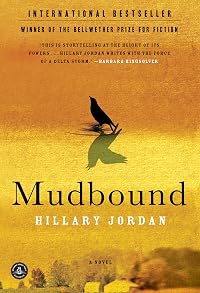
Mudbound
by Hillary Jordan 
On This Page
Description
A powerful piece of Southern literature, Mudbound takes on prejudice in its myriad forms on a Mississippi Delta farm in 1946. City girl Laura McAllen attempts to raise her family despite questionable decisions made by her husband. Tensions continue to rise when her brother-in-law and the son of a family of sharecroppers both return from WWII as changed men bearing the scars of combat.Tags
Recommendations




Member Recommendations
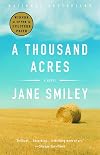
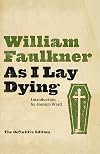
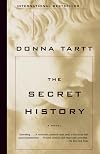
wonderlake Both begin with a death, then go back to tell the story of how it came about

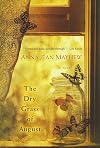
amelielyle Similar themes as Mudbound. Rural early 20th century setting.

Member Reviews
Two families in rural Mississippi shortly after WWII, a black share tenant family, and the white landowners they work for are the major characters as well as the narrative voices of this novel. Each family has a son who served in the war and who stays in Europe for a time after it ends, before coming back to a world where they no longer belong. Jamie MacAllan was a bit messed up before he joined the air corps; his father has always treated him as a lesser being than his much older brother Henry. His distinguished service as a bomber pilot has not improved his father's opinion of him nor his treatment, which is emotionally and sometimes physically abusive. Jamie is tormented by nightmares about the people he dropped bombs on, and by his show more father's taunts that a "real man" would have fought on the ground...facing the people he was paid to kill. Ronsel Jackson served as a tank commander in a segregated unit under General Patton (the real "Black Panthers", the 761st Tank Battalion---its history makes very interesting reading). He comes home to a loving family, but a social environment that has no more respect for a black man than it did before he left. Neither he nor Jamie have any business trying to return to this place, and they have much more in common with each other than they do with their "equals" at home. One of the things they have in common is a fondness for the oblivion bestowed by a bottle of whiskey, which only adds to the inflammatory situations they find themselves in. There are other voices in this novel as well---Henry and his wife, Laura; Ronsel's mother Florence and his father, Hap. All come alive on the page and engage our sympathies to a greater or lesser degree. The only main character we do not hear from directly is Pappy, Henry and Jamie's shiftless cantankerous sire--we are free to despise him without reservation. A page-turner that will churn your stomach and crush your heart.
Review written January 2019 show less
Review written January 2019 show less
Mudbound provides a much more realistic picture of the post-World War II Jim Crow South than the feel-good story told in The Help.
Set in rural Mississippi, the story centers around two interconnected families: the white McAllan family, and their tenant sharecroppers, the black Jackson family.
Henry McAllan married his wife Laura late in life and then surprised her by adopting farming, taking her and their two children, Amanda Leigh and Isabelle, to live at a horribly broken-down place she promptly names Mudbound. Henry’s misanthropic father, Pappy, lives with them and generally makes life miserable for anyone he encounters, especially Laura. But Henry’s brother Jamie, younger than Henry by nineteen years, captivates Laura by the show more impression of his strength, although later she abruptly becomes disillusioned with Henry upon discovering he was no superhuman hero but just another weak man.
The black sharecropping family is headed by Hap and Florence Jackson; their war-hero son Ronsel served in World War II in the famous 761st Tank Battalion.
Henry had served two decades before in World War I, coming home with white hair and a limp, but no other discernible problems. Jamie, like Ronsel, served in World War II, and came home damaged and dependent on alcohol. The only one who could understand what Jamie was going through was Ronsel, but white and blacks were not allowed to mix in the poisonous atmosphere of the post-war South.
[During World War II, some 2.5 million black Americans registered for the draft. Some 909,000 served in the Army; 167,000 in the Navy, and over 17,000 enlisted in the Marines. They went overseas to put their lives at risk in the fight for freedom and democracy, and they come home to find these ideals were not meant for them in their own country. Ironically, the Ku Klux Klan became reenergized by the returning black veterans, who wore their uniforms and seemed to know no fear, and thought they could assert their equality. The response of the KKK was a renewal of violence. According to the Social Science Institute at Fisk University, groups of blacks and whites clashed at least 242 times in 47 cities in 1943 alone.]
The story begins with Pappy’s death and then backtracks. By the time of Pappy's death, Henry is 49, Jamie is 29, and Laura's age is between the two of them.
The McAllans (except for the evil Pappy) are not as racist as some of the others in their town, but hold condescending attitudes toward blacks nevertheless. As Henry mused: "Whatever else the colored man may be, he’s our brother. A younger brother, to be sure, undisciplined and driven by his appetites, but also kindly and tragic and humble before God. For good or ill, he’s been given into our care.”
Jamie, the most upbeat and charming of the bunch, seems to cause nothing but trouble. Laura can hardly resist his allure, especially in comparison with the stolid Henry. This creates unfortunate consequences, but not as horrifically tragic as those that result from Jamie's insistence on his right to pal around with Ronsel, despite warnings from the racists in town.
Discussion: This story is told in alternating chapters from the points of view of six characters: black and white; male and female. Sometimes plot points overlap so that the reader gets different perspectives on the same events.
It’s ironic that one of the few likable characters – Jamie – is the one who is considered responsible for creating the most havoc. But the other characters are not honest with themselves in their eagerness to assign blame. Jamie is the most considerate and enlightened of the bunch, but the small-minded society in which he now lives cannot tolerate such attitudes.
Laura has occasional bouts of backbone, but mostly she buys into the acceptable roles offered by her house and in her town, and her love for Jamie turns off like a faucet when she detects in him what she considers to be weakness. (And I found her definition of weakness to be repellent.) Henry is inconsiderate and cold, but Pappy is a hostile, domineering sociopath. As evil as he was, though, I didn’t find him unrealistic, but Laura's meek toleration of him seemed impossible to believe, even given the rigidity of roles for Southern women at the time.
I’ve seen reviews that hold the Jacksons to be too saintly, but I didn’t see them that way; I thought they were good people who were moderately flawed, and who were the victims of a profound injustice that struck a lot of good people at that time.
Evaluation: I am gratified to read a book that gives a more accurate portrayal of the viciousness that inspired some whites to don sheets after black veterans returned from fighting in World War II, mistakenly thinking that they might now be entitled to be treated like fellow human beings. Leonard Pitts, Jr., one of my favorite columnists, recently wrote:
"As Americans, we lie about race. We lie profligately, obstinately and repeatedly. The first lie is of its existence as an immutable reality delivered unto us from the very hand of God. That lie undergirds all the other lies, lies of Negro criminality, mendacity, ineducability. Lies of sexless mammies and oversexed wenches. Lies of docile child-men and brutal bucks. Lies that exonerate conscience and cover sin with sanctimony."
This book tells less lies than most. It is worth reading. show less
Set in rural Mississippi, the story centers around two interconnected families: the white McAllan family, and their tenant sharecroppers, the black Jackson family.
Henry McAllan married his wife Laura late in life and then surprised her by adopting farming, taking her and their two children, Amanda Leigh and Isabelle, to live at a horribly broken-down place she promptly names Mudbound. Henry’s misanthropic father, Pappy, lives with them and generally makes life miserable for anyone he encounters, especially Laura. But Henry’s brother Jamie, younger than Henry by nineteen years, captivates Laura by the show more impression of his strength, although later she abruptly becomes disillusioned with Henry upon discovering he was no superhuman hero but just another weak man.
The black sharecropping family is headed by Hap and Florence Jackson; their war-hero son Ronsel served in World War II in the famous 761st Tank Battalion.
Henry had served two decades before in World War I, coming home with white hair and a limp, but no other discernible problems. Jamie, like Ronsel, served in World War II, and came home damaged and dependent on alcohol. The only one who could understand what Jamie was going through was Ronsel, but white and blacks were not allowed to mix in the poisonous atmosphere of the post-war South.
[During World War II, some 2.5 million black Americans registered for the draft. Some 909,000 served in the Army; 167,000 in the Navy, and over 17,000 enlisted in the Marines. They went overseas to put their lives at risk in the fight for freedom and democracy, and they come home to find these ideals were not meant for them in their own country. Ironically, the Ku Klux Klan became reenergized by the returning black veterans, who wore their uniforms and seemed to know no fear, and thought they could assert their equality. The response of the KKK was a renewal of violence. According to the Social Science Institute at Fisk University, groups of blacks and whites clashed at least 242 times in 47 cities in 1943 alone.]
The story begins with Pappy’s death and then backtracks. By the time of Pappy's death, Henry is 49, Jamie is 29, and Laura's age is between the two of them.
The McAllans (except for the evil Pappy) are not as racist as some of the others in their town, but hold condescending attitudes toward blacks nevertheless. As Henry mused: "Whatever else the colored man may be, he’s our brother. A younger brother, to be sure, undisciplined and driven by his appetites, but also kindly and tragic and humble before God. For good or ill, he’s been given into our care.”
Jamie, the most upbeat and charming of the bunch, seems to cause nothing but trouble. Laura can hardly resist his allure, especially in comparison with the stolid Henry. This creates unfortunate consequences, but not as horrifically tragic as those that result from Jamie's insistence on his right to pal around with Ronsel, despite warnings from the racists in town.
Discussion: This story is told in alternating chapters from the points of view of six characters: black and white; male and female. Sometimes plot points overlap so that the reader gets different perspectives on the same events.
It’s ironic that one of the few likable characters – Jamie – is the one who is considered responsible for creating the most havoc. But the other characters are not honest with themselves in their eagerness to assign blame. Jamie is the most considerate and enlightened of the bunch, but the small-minded society in which he now lives cannot tolerate such attitudes.
Laura has occasional bouts of backbone, but mostly she buys into the acceptable roles offered by her house and in her town, and her love for Jamie turns off like a faucet when she detects in him what she considers to be weakness. (And I found her definition of weakness to be repellent.) Henry is inconsiderate and cold, but Pappy is a hostile, domineering sociopath. As evil as he was, though, I didn’t find him unrealistic, but Laura's meek toleration of him seemed impossible to believe, even given the rigidity of roles for Southern women at the time.
I’ve seen reviews that hold the Jacksons to be too saintly, but I didn’t see them that way; I thought they were good people who were moderately flawed, and who were the victims of a profound injustice that struck a lot of good people at that time.
Evaluation: I am gratified to read a book that gives a more accurate portrayal of the viciousness that inspired some whites to don sheets after black veterans returned from fighting in World War II, mistakenly thinking that they might now be entitled to be treated like fellow human beings. Leonard Pitts, Jr., one of my favorite columnists, recently wrote:
"As Americans, we lie about race. We lie profligately, obstinately and repeatedly. The first lie is of its existence as an immutable reality delivered unto us from the very hand of God. That lie undergirds all the other lies, lies of Negro criminality, mendacity, ineducability. Lies of sexless mammies and oversexed wenches. Lies of docile child-men and brutal bucks. Lies that exonerate conscience and cover sin with sanctimony."
This book tells less lies than most. It is worth reading. show less
This was SO good. I couldn't really put it down or slow down or anything.
If this was a television show, they would say it was an ensemble cast. The story is mostly set on a farm, and you can feel how hard life was for a farm family. The farm has tenant farmers, and the major plot deals with the relationships between the white farm family and the black tenant family . . .but there's many more layers to the tale, and it's just really a terrific, very well paced and well told story.
Almost everyone takes a turn at narration, and I loved how each character showed the story from their own (sometimes flawed) point of view. I loved how the characters were revealed, and how they were imperfect. The book has twists and unexpected moments and an show more overarching theme. The author really draws a picture, and you can relate to each character, even when you don't agree with what they are doing.
The only flaw I found was the character of Pappy. He's just totally putrid and horrible . . .with really no redeeming characteristics whatsoever. He's a little too villainous to seem real to me, but on the flip side, he was a great foil for the other characters. show less
If this was a television show, they would say it was an ensemble cast. The story is mostly set on a farm, and you can feel how hard life was for a farm family. The farm has tenant farmers, and the major plot deals with the relationships between the white farm family and the black tenant family . . .but there's many more layers to the tale, and it's just really a terrific, very well paced and well told story.
Almost everyone takes a turn at narration, and I loved how each character showed the story from their own (sometimes flawed) point of view. I loved how the characters were revealed, and how they were imperfect. The book has twists and unexpected moments and an show more overarching theme. The author really draws a picture, and you can relate to each character, even when you don't agree with what they are doing.
The only flaw I found was the character of Pappy. He's just totally putrid and horrible . . .with really no redeeming characteristics whatsoever. He's a little too villainous to seem real to me, but on the flip side, he was a great foil for the other characters. show less
I think this is one of the best books I've read that depicts the attitudes and values of people born into a culture where race plays such a powerful role. Each of the narrators in this novel provide a different view of the terrible events that take place. The author has presented the story in a straightforward manner. It is never didactic, preachy, or moralizing. The reader simply sees what happens through the eyes of those involved. Excellent read. mmr
A bargain find at a used book sale, Hillary Jordan's MUDBOUND (2009) is a novel I enjoyed very much. A story of two families, one white, one black, set in rural Mississippi in 1946, the novel starts out slowly but builds momentum to a shattering conclusion. Each of the two families has a returning combat veteran. Jamie McAllan, the white bomber pilot, suffers nightmares and flashbacks, and self medicates with alcohol. Ronsen Jackson, a decorated Black tank commander, finds bitter racism still very much in evidence when he returns home. Jamie and Ronsen become friends. The KKK decides to teach Ronsen a lesson. Things do not end well for either family. Very highly recommended.
- Tim Bazzett, author of the memoir, BOOKLOVER
- Tim Bazzett, author of the memoir, BOOKLOVER
To paraphrase an episode of Lost -There are two sides, one is light the other is dark – These forces are very recognizable in Hillary Jordan’s novel, Mudbound. It is a well written story told in the voices and perspectives of six narrators, two of which are young men returning from their tours of duty in WWII. During the war, they fought for the same side against a common enemy, back home in Mississippi the war still rages. This war, by all accounts, would certainly divide these two soldiers yet their common bonds of the terrors seen in that foreign conflict draws them together to face another battle on home soil. You see, one is white, the other is black. One is Jamie, the brother of the owner of the farm, Mudbound, the other, show more Ronsel, the son of the farms share tenant. Ronsel found that color barriers in Europe were virtually non-existent and upon his return to Mississippi he mistakenly believed that the people whose freedoms he fought for would treat him as more of an equal, possibly with a little more respect, but some things and some people are just not ready for change in the Mississippi Delta. It is the ignorance and hatred that Pappy and his cronies live and breathe that sets the tone for conflict, oppression and bigotry. Is racism the only conflict in Mudbound? No, there are other struggles but they are more subtle, the not so in your face struggles but the internal conflicts that one must find the courage and grace to face off and ultimately they will either break you or make you. show less
I give Hillary Jordan high marks for her well-crafted novel Mudbound, about marital relationships and the evil of racism set in rural Mississippi immediately after the end of World War II.
I was especially impressed with Part I of her novel. The first scene, the digging of Pappy’s grave by his sons Henry and Jamie McAllan, intimating individual differences and events yet to be narrated, was exceptional.
“Every shovelful was an agony [Jamie narrates] – the old man, getting in his last licks. Still, I was glad of the pain. It shoved away thought and memory.”
“’We can’t bury our father in a nigger’s grave,’ Henry said. ‘There’s nothing he’d have hated more.’”
“He [Henry] looked up, searching for [his wife] Laura. show more When his eyes found her they lit with emotions so private I was embarrassed to see them: longing, hope, a tinge of worry.”
Hillary Jordan’s insightful characterization of husband and wife Henry and Laura made very believable their marital difficulties and Laura’s eventual infidelity. Throughout the novel Laura has ambivalent feelings about her husband. Ten years older than Laura, Henry lacked younger brother Jamie’s “brightness” and charm. Girls “sparkle for him,” Henry tells Laura at a dance the three attended in 1939. A spinster at 31 Laura tells us that she was well on her “way to petrification” and that a man like Jamie “could never desire a woman like me. It was marvel enough that Henry desired me. … I was so grateful to him that it dwarfed everything else. He was my rescuer from life in the margins, from the pity, scorn and crabbed kindness that are the portion of old maids.” Inexorably, “everything else” surpasses gratitude.
Laura harbors resentment, at times suppresses rage. This is especially so when and especially after Henry buys a cotton farm forty miles from Greenville, where he and Laura had been living. Owning and operating a farm has been his lifelong aspiration. “Just like that, my life was overturned. Henry didn’t ask me how I felt about leaving my home of thirty-seven years and moving with his cantankerous father in tow to a hick town in the middle of Mississippi and I didn’t tell him.”
She bears initially the hard, monotonous, unrewarding rural existence without complaint. But, finally, she explodes. She defies Henry’s husbandly authority by refusing to get rid of her piano -- her sole connection to civilized life. Henry and Pappy wanted its space in the cramped, ramshackle farm house for Pappy to sleep, the farm’s dirt-floor lean-to deemed by Pappy unacceptable. “‘… you go back in there and tell your father he can sleep in the lean-to. Either that or he can sleep in the bed with you, because I am not staying here without my piano.’” Henry agrees to put a floor in the lean-to, but he is angry. We readers anticipate consequences.
Part II brings Ronsel Jackson and Jamie McAllan prominently into the story. Each has returned from the war. Each is damaged psychologically. Ronsel is the son of Florence Jackson, Laura’s black housekeeper, and Hap Jackson, local black preacher and Henry’s tenant farmer. Ronsel is intelligent and proud. He has experienced racial equality in Europe, has had a love affair with a white German woman, and has returned to visit his parents. Circumstances will force him to stay longer than he has planned. Early on he infuriates local racists by leaving the nearby town’s general store by the front door. We sense future trouble. Jamie arrives after Laura has had a miscarriage. It has emotionally destroyed her. He had been wandering about Europe after his discharge seeking to heal himself. Laura is moved. “I would heal him, I thought. I would cook food to strengthen him, play music to soothe him, tell stories to make him smile.” We sense trouble here as well. When we learn that Ronsel and Jamie enjoy each other’s company, that their war experiences provide a commonality, we anticipate racial repercussions. Part II enthralled me.
Two things that the author did in Part III did bother me. We know that chance occurrences can affect the courses of people’s lives. A fierce storm, the rotten rung of a ladder, a suicide, somebody being absent at an inopportune time, etc.: too much of these trigger events happen in this novel. Resulting outcomes seemed a bit contrived. Secondly, authors don’t want their plot outcomes to be too predictable. Plot twists, used judiciously, can be a remedy. I felt that Hillary Jordan used too many twists. We are lead to believe one thing will happen or a certain character is responsible for a particular outcome only to discover that we are wrong; we believe then something else; we are again surprised. I felt I was being manipulated.
These criticisms aside, Part III is high caliber. Especially compelling is the message Hillary Jordan communicates about blatant American racial supremacy, injustice, ignorance, and cruelty of that era -- beliefs and practices that persisted well into the Twentieth Century and that exist less overtly today. Her message reminds us that we are a flawed species capable of horrific crimes against any human being who is different, less advantaged, or deemed a threat to our sense of importance or self-worth. show less
I was especially impressed with Part I of her novel. The first scene, the digging of Pappy’s grave by his sons Henry and Jamie McAllan, intimating individual differences and events yet to be narrated, was exceptional.
“Every shovelful was an agony [Jamie narrates] – the old man, getting in his last licks. Still, I was glad of the pain. It shoved away thought and memory.”
“’We can’t bury our father in a nigger’s grave,’ Henry said. ‘There’s nothing he’d have hated more.’”
“He [Henry] looked up, searching for [his wife] Laura. show more When his eyes found her they lit with emotions so private I was embarrassed to see them: longing, hope, a tinge of worry.”
Hillary Jordan’s insightful characterization of husband and wife Henry and Laura made very believable their marital difficulties and Laura’s eventual infidelity. Throughout the novel Laura has ambivalent feelings about her husband. Ten years older than Laura, Henry lacked younger brother Jamie’s “brightness” and charm. Girls “sparkle for him,” Henry tells Laura at a dance the three attended in 1939. A spinster at 31 Laura tells us that she was well on her “way to petrification” and that a man like Jamie “could never desire a woman like me. It was marvel enough that Henry desired me. … I was so grateful to him that it dwarfed everything else. He was my rescuer from life in the margins, from the pity, scorn and crabbed kindness that are the portion of old maids.” Inexorably, “everything else” surpasses gratitude.
Laura harbors resentment, at times suppresses rage. This is especially so when and especially after Henry buys a cotton farm forty miles from Greenville, where he and Laura had been living. Owning and operating a farm has been his lifelong aspiration. “Just like that, my life was overturned. Henry didn’t ask me how I felt about leaving my home of thirty-seven years and moving with his cantankerous father in tow to a hick town in the middle of Mississippi and I didn’t tell him.”
She bears initially the hard, monotonous, unrewarding rural existence without complaint. But, finally, she explodes. She defies Henry’s husbandly authority by refusing to get rid of her piano -- her sole connection to civilized life. Henry and Pappy wanted its space in the cramped, ramshackle farm house for Pappy to sleep, the farm’s dirt-floor lean-to deemed by Pappy unacceptable. “‘… you go back in there and tell your father he can sleep in the lean-to. Either that or he can sleep in the bed with you, because I am not staying here without my piano.’” Henry agrees to put a floor in the lean-to, but he is angry. We readers anticipate consequences.
Part II brings Ronsel Jackson and Jamie McAllan prominently into the story. Each has returned from the war. Each is damaged psychologically. Ronsel is the son of Florence Jackson, Laura’s black housekeeper, and Hap Jackson, local black preacher and Henry’s tenant farmer. Ronsel is intelligent and proud. He has experienced racial equality in Europe, has had a love affair with a white German woman, and has returned to visit his parents. Circumstances will force him to stay longer than he has planned. Early on he infuriates local racists by leaving the nearby town’s general store by the front door. We sense future trouble. Jamie arrives after Laura has had a miscarriage. It has emotionally destroyed her. He had been wandering about Europe after his discharge seeking to heal himself. Laura is moved. “I would heal him, I thought. I would cook food to strengthen him, play music to soothe him, tell stories to make him smile.” We sense trouble here as well. When we learn that Ronsel and Jamie enjoy each other’s company, that their war experiences provide a commonality, we anticipate racial repercussions. Part II enthralled me.
Two things that the author did in Part III did bother me. We know that chance occurrences can affect the courses of people’s lives. A fierce storm, the rotten rung of a ladder, a suicide, somebody being absent at an inopportune time, etc.: too much of these trigger events happen in this novel. Resulting outcomes seemed a bit contrived. Secondly, authors don’t want their plot outcomes to be too predictable. Plot twists, used judiciously, can be a remedy. I felt that Hillary Jordan used too many twists. We are lead to believe one thing will happen or a certain character is responsible for a particular outcome only to discover that we are wrong; we believe then something else; we are again surprised. I felt I was being manipulated.
These criticisms aside, Part III is high caliber. Especially compelling is the message Hillary Jordan communicates about blatant American racial supremacy, injustice, ignorance, and cruelty of that era -- beliefs and practices that persisted well into the Twentieth Century and that exist less overtly today. Her message reminds us that we are a flawed species capable of horrific crimes against any human being who is different, less advantaged, or deemed a threat to our sense of importance or self-worth. show less
Members
- Recently Added By
Lists

Read the book and saw the movie
1,170 works; 192 members

Historical Fiction
889 works; 91 members

Top Five Books of 2014
1,064 works; 398 members

Top Five Books of 2015
811 works; 241 members

Powell's Indiespensable
79 works; 6 members

My TBR Challenge Leftovers
22 works; 1 member
First Novels
373 works; 16 members

Biggest Disappointments
606 works; 168 members

New Southern Fiction
2 works; 2 members

Five star books
1,767 works; 110 members
Author Information

Hillary Jordan is a LibraryThing Author, an author who lists their personal library on LibraryThing.
Some Editions
Awards and Honors
Awards
Distinctions
Notable Lists
Series
Belongs to Publisher Series
Work Relationships
Has the adaptation
Common Knowledge
- Canonical title*
- Fiori nel fango
- Original title
- Mudbound
- Original publication date
- 2008-03-04 (1e édition originale américaine) (1e édition originale américaine); 2010-03-04 (1e traduction et édition française, Littérature étrangère, Belfond) (1e traduction et édition française, Littérature étrangère, Belfond)
- People/Characters
- Laura McAllan; Henry McAllan; Jamie McAllan; Ronsel Jackson; Pappy; Doc Turpin (show all 9); Florence Jackson; Hap Jackson; Vera Atwood
- Important places
- Mississippi, USA; Memphis, Tennessee, USA
- Important events
- World War II
- Related movies
- Mudbound (2017 | IMDb)
- Epigraph
- If I could do it, I'd do no writing at all here. It would be photographs; the rest would be fragments of cloth. bits of cotton, lumps of earth, records of speech, pieces of wood and iron, phials of odors, plates of food and ... (show all)of excrement.... A piece of the body torn out by the roots might be more to the point.----James Agee, "Let us Now Praise Famous Men"
- Dedication
- To Mother, Gay and Nana, for the stories
- First words
- Henry and I dug the hole seven feet deep.
- Last words
- (Click to show. Warning: May contain spoilers.)If he worked and prayed hard enough. If he was stubborn as well as lucky. If he really had a shine.
- Blurbers
- Kingsolver, Barbara; Stewart O'Nan
- Original language
- English US
- Canonical DDC/MDS
- 813.6
*Some information comes from Common Knowledge in other languages. Click "Edit" for more information.
Classifications
Statistics
- Members
- 3,213
- Popularity
- 5,389
- Reviews
- 219
- Rating
- (4.07)
- Languages
- 10 — Dutch, English, French, German, Italian, Norwegian (Bokmål), Norwegian, Portuguese, Spanish, Swedish
- Media
- Paper, Audiobook, Ebook
- ISBNs
- 55
- ASINs
- 17
