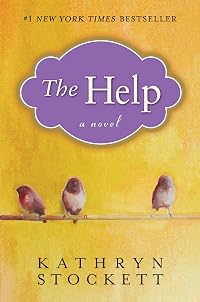
The Help
by Kathryn Stockett
On This Page
Description
In Jackson, Mississippi, in 1962, there are lines that are not crossed. With the civil rights movement exploding all around them, three women start a movement of their own, forever changing a town and the way women--black and white, mothers and daughters--view one another.Tags
Recommendations

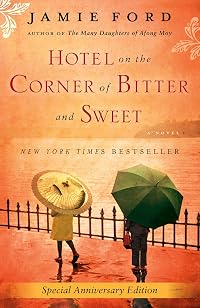
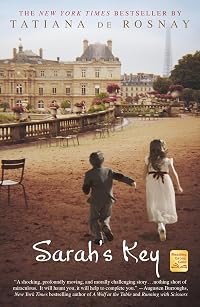
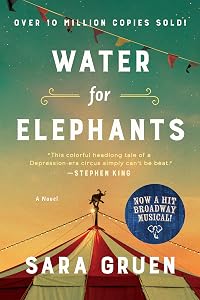

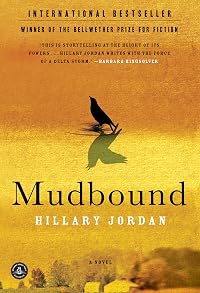
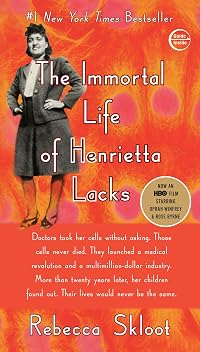
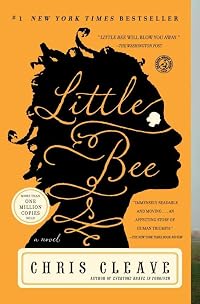
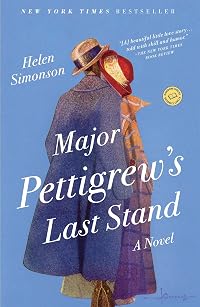
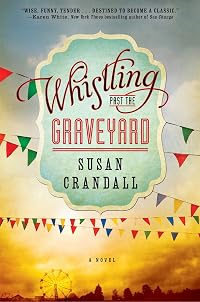
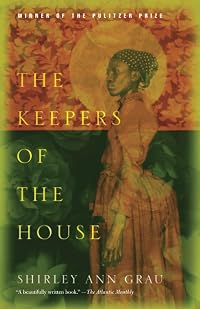
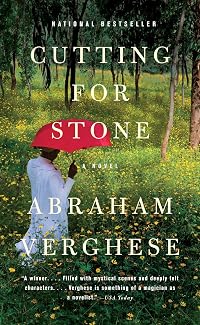
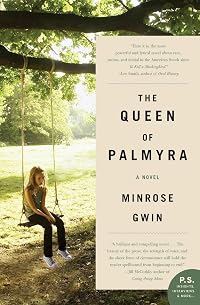
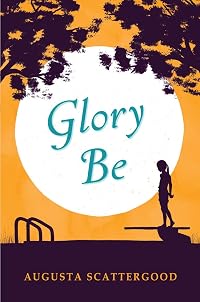

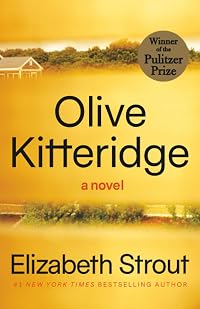
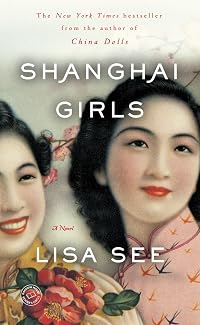
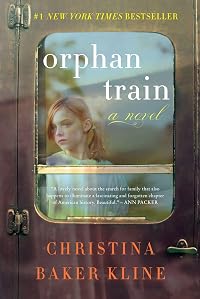
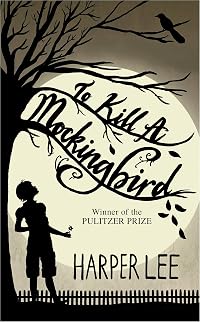
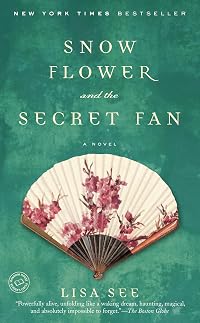
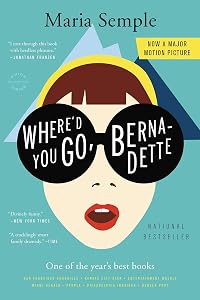
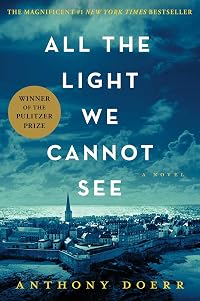
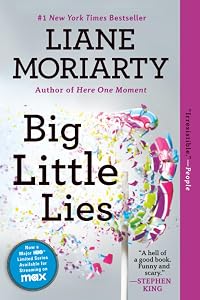
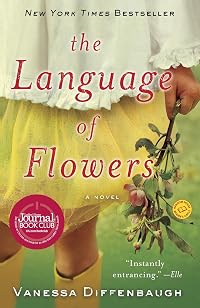
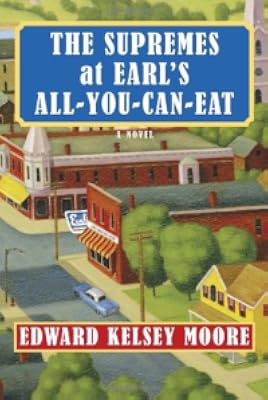
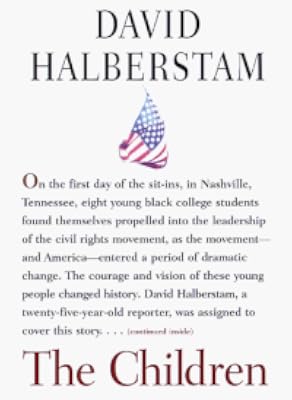
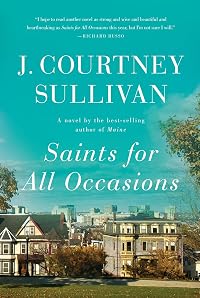
Member Recommendations
Neale Both deal with racial issues and are slow moving but enjoyable
694

paulkid Race relations on different continents, told from multiple female perspectives.
193

krazy4katz Both works are written from the perspective of a white female who has to gain the trust of her subjects -- African Americans who have suffered before and during the civil rights era -- to tell their story. In the end, they become friends and everyone contributes to the small amount of progress being made.
62
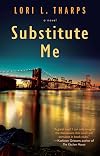
DDay This recommendation might be a little out there, but this book is about a white couple in NYC who hire a young black woman to be their nanny. It's modern look at the issue of race and the role of domestic workers in a family. Sort of a chance to see how things have changed since the 60s and what issues are still present.
30


fulner White Boy depicts the world seen in The Help but from a grittier working-class perspective.
30

bookwormteri Both deal with the disparity between the races in the 60s. The Help focuses more on the present (the 60's) while Cold Rock River is set in a more rural, less gentrified area with excerpts from a journal of a slave.
20
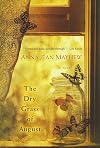
BookshelfMonstrosity The Help is a moving novel about a young white woman who discovers the effects of racism on black women and their families in mid-1960s Mississippi; The Dry Grass of August portrays similar discoveries for a white teenage girl in the mid-1950s.
21

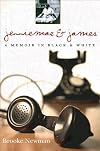
DetailMuse Black domestics in white households in civil rights-era USA.
10
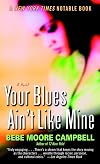
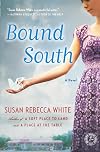
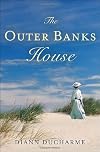
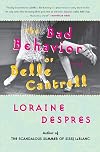
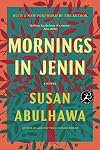
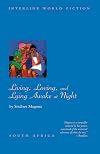
Nickelini a sensitive, thought-provoking look at the plight of domestic servants.
11
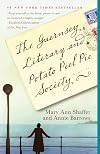
Voracious_Reader Strong female characters overcoming adversity.
12

Amsa1959 It is a novel about some women finding them selves questioning the time they live in. A novel about the early feminist movements, housewives, friends and love and loss.
02

BookshelfMonstrosity These portraits of friendships that reached across the color line in the segregated South balance sweetness, sensitivity, and the serious topics of their time. Each character-driven tale explores racial upheavals and personal loyalty, and offers strongly depicted Southern settings.
11
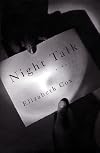
BookshelfMonstrosity Through friendships across race and class boundaries that challenge preconceptions of white society, Night Talk and The Help explore aspects of racial and class boundaries in the South during the 1950s and 1960s, though Night Talk is a bit darker.
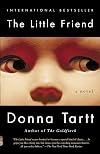
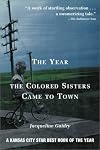
dharley Loved this book. It left a lasting impression on me. One book I'll read again some day. If you liked The Help, give this one a a try.
Member Reviews
I finally decided to break down and read this book after the movie (which I've been holding off on, until finishing the book) started receiving so much acclaim. I'd heard that the story was good, I wasn't quite prepared for just how good -- it's exceptional. I can't remember the last time I read a novel where I actually felt every emotion experienced, on every single page, by the "good" characters. I literally laughed and cried throughout the book, and stayed up late two nights in a row to rush though the final 200 pages.
My love for history started in 8th grade social studies, where my teacher required that we read the textbooks on our own time, sit through her lectures in class, and then read a historical novel set in each historical show more era we studied. The Help is that historical novel, for the Civil Rights Movement. Stocket did an amazing job capturing the dialect (which she should have, since she grew up there); depicting the horrible bigotry, fear and violence of the that era in that region; and capturing the complex relationships (some good, a lot of bad) between white and black society in 1960s Jackson, Mississippi.
I was also very drawn to the role that churches and religion played in the book. How so many of the southern white supremacist characters used their so-called "Christian" faith and duty to justify segregation and bigotry. And how critical a role the local black church played in providing comfort and support to a community that felt beaten down, hopeless and lived in fear for their lives.
It hit me hard to read how much it hurt Aibileen every time one of the loving nanny-raised white kids grew up and turned into bigots just like their parents. And to see how hard she tried to make sure that Mae Mobley wouldn't grow up that same way.
But, despite the underlying dark tones of racist bigotry and violence, the book is filled with humor. Minny has to indeed be one of the funniest characters I've ever encountered in a novel.
When done with the book, I instantly longed for a sequel that continues the life stories of Aibileen, Minny and Skeeter. And I felt grateful, once again, that I was raised by color-blind parents in a color-blind extended family -- and not in Mississippi. show less
My love for history started in 8th grade social studies, where my teacher required that we read the textbooks on our own time, sit through her lectures in class, and then read a historical novel set in each historical show more era we studied. The Help is that historical novel, for the Civil Rights Movement. Stocket did an amazing job capturing the dialect (which she should have, since she grew up there); depicting the horrible bigotry, fear and violence of the that era in that region; and capturing the complex relationships (some good, a lot of bad) between white and black society in 1960s Jackson, Mississippi.
I was also very drawn to the role that churches and religion played in the book. How so many of the southern white supremacist characters used their so-called "Christian" faith and duty to justify segregation and bigotry. And how critical a role the local black church played in providing comfort and support to a community that felt beaten down, hopeless and lived in fear for their lives.
It hit me hard to read how much it hurt Aibileen every time one of the loving nanny-raised white kids grew up and turned into bigots just like their parents. And to see how hard she tried to make sure that Mae Mobley wouldn't grow up that same way.
But, despite the underlying dark tones of racist bigotry and violence, the book is filled with humor. Minny has to indeed be one of the funniest characters I've ever encountered in a novel.
When done with the book, I instantly longed for a sequel that continues the life stories of Aibileen, Minny and Skeeter. And I felt grateful, once again, that I was raised by color-blind parents in a color-blind extended family -- and not in Mississippi. show less
This is a very powerful and cleverly written book. Skeeter, a young graduate returning to her home town in Mississippi in the early 1960s, discovers that her beloved black maid/nanny Constantine has vanished - and nobody will tell her why, or where she has gone.
Skeeter is part of the bridge-playing socialite community, but she begins to see flaws in her friends' attitudes; she wants to be a journalist, and takes on a weekly advice column, and asks questions of one of her friends' maids, Aibeleen. Aibeleen loves the white children she has raised, and puts up with a great deal of racism from her employers; but something changed inside her when her grown-up son was tragically killed, and she agrees to collaborate with Skeeter on a book show more which - anonymously - reveals what really goes on in different households, from the perspectives of the maids.
Coming from a multi-cultural town in the UK, I was quite shocked to learn of the intense racism that was evidently still strong in the Southern states of the US, as recently as the 1960s. This isn't just about the evils of organised racism, but the ingrained attitudes of many young women who had themselves been raised by black nannies, and probably loved them very much - but grew up to be convinced that they should be segregated, not eating at the same tables, not going to the same toilets.
No doubt there are anachronisms and inaccuracies as other reviewers have pointed out; nevertheless, the author does extremely well in the three quite distinct voices (Skeeter, Aibileen, and a much more outspoken maid called Minny) and brings together a very thought-provoking book. It still seems astonishing to me that there was legalised racial segregation as recently as fifty years ago, in parts of America... I grew up knowing about apartheid in South Africa, but it seems to have been a well-kept secret that something very similar was going on the Southern US only a decade or two earlier.
Not a difficult read, though it's quite a long book (over 500 pages). Definitely recommended. show less
Skeeter is part of the bridge-playing socialite community, but she begins to see flaws in her friends' attitudes; she wants to be a journalist, and takes on a weekly advice column, and asks questions of one of her friends' maids, Aibeleen. Aibeleen loves the white children she has raised, and puts up with a great deal of racism from her employers; but something changed inside her when her grown-up son was tragically killed, and she agrees to collaborate with Skeeter on a book show more which - anonymously - reveals what really goes on in different households, from the perspectives of the maids.
Coming from a multi-cultural town in the UK, I was quite shocked to learn of the intense racism that was evidently still strong in the Southern states of the US, as recently as the 1960s. This isn't just about the evils of organised racism, but the ingrained attitudes of many young women who had themselves been raised by black nannies, and probably loved them very much - but grew up to be convinced that they should be segregated, not eating at the same tables, not going to the same toilets.
No doubt there are anachronisms and inaccuracies as other reviewers have pointed out; nevertheless, the author does extremely well in the three quite distinct voices (Skeeter, Aibileen, and a much more outspoken maid called Minny) and brings together a very thought-provoking book. It still seems astonishing to me that there was legalised racial segregation as recently as fifty years ago, in parts of America... I grew up knowing about apartheid in South Africa, but it seems to have been a well-kept secret that something very similar was going on the Southern US only a decade or two earlier.
Not a difficult read, though it's quite a long book (over 500 pages). Definitely recommended. show less
I enjoyed this book immensely, in part because of my own childhood upbringing in the 1960s and 1970s in southern Illinois, with a mother and other family from the deep South. The book's amazing immersion into the culture of that region and time period, and even the dialects, took me back home. I didn't grow up in a family with a black maid, so I can't identify with that. But this story takes you into a unique perspective of that era and I personally wrestled with ever putting down the book down (which I read on my handy little Nook, by the way). I want to read it again because I know I'll get even more out of the second reading. The characters are rich and varied in their personalities and desires and, despite the heavy context of the show more story, there are some very entertaining moments. The plot keeps you hooked to find out what will happen as a group of maids secretly tell what their lives are like working for white families in a period when speaking out could be quite devastating. Stockett skillfully captures some of the complexities of black-white relationships back then. I felt this complexity in a variety of ways while I grew up but have never been able to articulate it. I thank this author for stepping out there with this work. show less
Before I dive into all the problematic aspects of this novel, I just want to point out I've come to love Aibileen and Minny and if it weren't for them and their hilarious comments, I'd have never finished this book. The only reason I gave this two stars instead of one is because of them.
I'm sure all of these points have been mentioned before, but here's what I find problematic and quite frankly, disturbing, about this novel:
1. A white woman writing from the perspective of a black woman. That in itself disturbs me, but considering the setting, it's even more problematic. As Stockett acknowledges herself, a white woman will never know what it's like to be a black woman. It makes it even worse that she decided to go through with this show more idea despite knowing it's not her place to write from a black person's perspective.
2. A white woman writing in AAVE/early Southern U.S. dialect. Kind of goes with the first one, but it felt like AAVE wasn't respected as a dialect by Stockett by writing in a dialect she doesn't personally speak. I don't speak AAVE myself, as I'm not American nor Black, and I have no idea if she used it correctly. Again, I don't think it was her place to write in a dialect that black people get a lot of backlash for from white people- especially in professional settings. Also, was using the n-word that often really necessary?
3. This may be the one that bothers me the most: Miss Skeeter being the white saviour. Sure, her naivety gets pointed out, but she ends up being applauded by the black community for essentially profiting off the stories they provided her, while the maids continue to live in fear. True, the book probably wouldn't have been published if it weren't for Miss Skeeter, but it still bothered me.
I don't think the writing was all that bad, nor do I think everything about this book was terrible, but the positive aspects don't make up for the inherent problems I personally have with The Help . show less
I'm sure all of these points have been mentioned before, but here's what I find problematic and quite frankly, disturbing, about this novel:
1. A white woman writing from the perspective of a black woman. That in itself disturbs me, but considering the setting, it's even more problematic. As Stockett acknowledges herself, a white woman will never know what it's like to be a black woman. It makes it even worse that she decided to go through with this show more idea despite knowing it's not her place to write from a black person's perspective.
2. A white woman writing in AAVE/early Southern U.S. dialect. Kind of goes with the first one, but it felt like AAVE wasn't respected as a dialect by Stockett by writing in a dialect she doesn't personally speak. I don't speak AAVE myself, as I'm not American nor Black, and I have no idea if she used it correctly. Again, I don't think it was her place to write in a dialect that black people get a lot of backlash for from white people- especially in professional settings. Also, was using the n-word that often really necessary?
3. This may be the one that bothers me the most: Miss Skeeter being the white saviour.
I don't think the writing was all that bad, nor do I think everything about this book was terrible, but the positive aspects don't make up for the inherent problems I personally have with The Help . show less
This is a book that I think Stockett needed to write, had to write. But perhaps, like love/hate letters to jilted ex/unrequited love/old boss, it needed to be written as a kind of emotional purge and put away. There seems to be to me here a huge element of white wish fulfillment. To live in a time when so many were wrong but you know what’s right and can fight the good fight. Would I have such a negative reaction if Stockett had actually lived through the Civil Rights era? Possibly not. But I see much of my own struggles in her approach here. Struggles with the legacy of being a white southerner; a legacy which would be much different if I had been alive during the 60s when I could have made an impact, and done meaningful work, and show more music was better, etc, etc. Living in the now everything is messy and complex and uncertain and often feels helpless and how do you know if you’re woke or not. So the whole thing ends up feeling a little Gone with the Wind style love letter to a past gone by (which was pretty shitty to begin with) and a people you never really knew.
I must note that I was not bothered by a white person writing from a black person’s perspective. However, I was particularly bothered by a quick point in which Skeeter’s parents are watching the LSU/Ole Miss game the weekend after James Meredith enrolls at Ole Miss and the ensuing riots. Meredith enrolled on October 1st, 1962 and the LSU game was November 3rd (and it was an away game) - I looked this up on Wikipedia and there’s an excellent ESPN 30 for 30 documentary about this exact topic so not obscure knowledge. If you’re going to go out on a controversial limb with this literary technique, you (or your publisher) should better double check you’ve got your I’s dotted and T’s crossed. And this one moment left me with the feeling that the legacy and history of these maids were not treated with the kind of care needed to really pull this off.
With all of that being said, I didn’t hate the book in of itself. I liked many of the characters. It was exciting. I wanted to get back to it to find out what would happen. So as a book it’s entertaining, but probably unnecessary without a lot more thoughtfulness. show less
I must note that I was not bothered by a white person writing from a black person’s perspective. However, I was particularly bothered by a quick point in which Skeeter’s parents are watching the LSU/Ole Miss game the weekend after James Meredith enrolls at Ole Miss and the ensuing riots. Meredith enrolled on October 1st, 1962 and the LSU game was November 3rd (and it was an away game) - I looked this up on Wikipedia and there’s an excellent ESPN 30 for 30 documentary about this exact topic so not obscure knowledge. If you’re going to go out on a controversial limb with this literary technique, you (or your publisher) should better double check you’ve got your I’s dotted and T’s crossed. And this one moment left me with the feeling that the legacy and history of these maids were not treated with the kind of care needed to really pull this off.
With all of that being said, I didn’t hate the book in of itself. I liked many of the characters. It was exciting. I wanted to get back to it to find out what would happen. So as a book it’s entertaining, but probably unnecessary without a lot more thoughtfulness. show less
Summary: All of Skeeter Phelan's friends are busily getting married and having babies, while Skeeter's got bigger plans: she wants to be a writer. But in 1960s Jackson, Mississippi, that's easier said than done. Skeeter gets a job writing the cleaning advice column for the local paper, but she knows nothing about cleaning, so she turns to her friend's housekeeper, Abilene. The more they talk, the more Skeeter becomes aware of the unfair practices and daily indignities of being a black housekeeper for a white woman in the Civil-Rights-era South. When an editor tells Skeeter to write about the things that bother her, but that no one else notices, she gets a dangerous idea: what about a book that describes the point of view of the help? show more She talks Abilene into it, but neither of them have any idea what they're getting themselves into, and what the repercussions of their collaboration could wind up being.
Review: I was bound and determined not to be charmed by this book. I'd seen everybody love it, but I said to myself, "Self, this book is going to be all charming and emotionally manipulative and it's going to try really hard to make you love it despite yourself, so don't let it, okay?" And so that's the mindset that I went into this book with, and guess what? I failed. This book charmed me right out of my stubbornness.
(Actually, in the spirit of honesty, I had this conversation with myself about the movie first. And then I was all "Self, the movie charmed you despite your best intentions, and left you all sniffly in the theater, and you know the book is going to be the same, so really, let's resist having our heartstrings tugged this time, okay?" And then I failed at that too.)
So, yeah. This book was thoroughly charming, and my heartstrings did wind up getting tugged, but I came out of it feeling like it had earned its emotional moments (one of which happened while I was reading in public. Allergies, I swear!) Stockett is very good at creating a sense of place and of moment with her writing, and her prose flows easily and naturally. I was a little bit worried, originally, since Abilene's sections are written in dialect, which can so easily go wrong, but Stockett uses it effectively, letting it add to Abilene's voice without overwhelming it.
There were times throughout the book that made me feel like the whole thing was an exercise in racial apologetics: "See, not all white people are horrible racists, even in the South!" And, to her credit, in a note at the end Stockett addresses the issue of a white woman presuming to speak for generations of black women. Racial issues form the core of this book, and while they're not something on which I feel particularly qualified to speak, I did appreciate Stockett bringing to light a side of our history and culture that I had never before considered. 4.5 out of 5 stars.
Recommendation: Neither near-historical fiction nor Southern fiction are usually my thing, but I wound up really enjoying this book, so if it even vaguely appeals, it's worth reading. show less
Review: I was bound and determined not to be charmed by this book. I'd seen everybody love it, but I said to myself, "Self, this book is going to be all charming and emotionally manipulative and it's going to try really hard to make you love it despite yourself, so don't let it, okay?" And so that's the mindset that I went into this book with, and guess what? I failed. This book charmed me right out of my stubbornness.
(Actually, in the spirit of honesty, I had this conversation with myself about the movie first. And then I was all "Self, the movie charmed you despite your best intentions, and left you all sniffly in the theater, and you know the book is going to be the same, so really, let's resist having our heartstrings tugged this time, okay?" And then I failed at that too.)
So, yeah. This book was thoroughly charming, and my heartstrings did wind up getting tugged, but I came out of it feeling like it had earned its emotional moments (one of which happened while I was reading in public. Allergies, I swear!) Stockett is very good at creating a sense of place and of moment with her writing, and her prose flows easily and naturally. I was a little bit worried, originally, since Abilene's sections are written in dialect, which can so easily go wrong, but Stockett uses it effectively, letting it add to Abilene's voice without overwhelming it.
There were times throughout the book that made me feel like the whole thing was an exercise in racial apologetics: "See, not all white people are horrible racists, even in the South!" And, to her credit, in a note at the end Stockett addresses the issue of a white woman presuming to speak for generations of black women. Racial issues form the core of this book, and while they're not something on which I feel particularly qualified to speak, I did appreciate Stockett bringing to light a side of our history and culture that I had never before considered. 4.5 out of 5 stars.
Recommendation: Neither near-historical fiction nor Southern fiction are usually my thing, but I wound up really enjoying this book, so if it even vaguely appeals, it's worth reading. show less
Okay I have to admit that the hype led me to find out why this story was so popular. Every once in awhile a book becomes so popular that I am led to see what’s on the pulse of readers-so to speak. This was true for me regarding the ever popular The Girl with the Dragon Tattoo. When I read that book, I felt that “Okay, I get it, but the writing still didn’t warrant my need to read further.’ Conversely, I was surprised how much I liked Stockett’s novel. The perspective of three narrators was a nice device which enabled the reader to get to see the incredible dichotomy of entrusting “The Help” to completely raise children, but not share a bathroom. The historical elements of Jackson, Mississippi , 1963, are nicely entwined show more into the narrative and provide an excellent historical context for better understanding how these events – ( the first black man accepted into Old Miss, the murder of Medgar Evans, the bus seat of Rosa Parks and Kennedy’s assassination) - affected the daily existence of the typical white Southern women more interested in her weekly card game and her standing in a society dominated by a classic “bigoted bitch” character – Hilly Holbrook. Hilly is mostly afraid – afraid of her mother’s sassy nanny, Minny, afraid that the debutant South is losing its essential boundaries, and afraid that she may lose her status of queen bee if she even tries to understand her long-time best friend Skeeter’s motivation for trying to write about the life of women who genuinely love their babies. It is Hilly’s fear that becomes a pivotal and wonderful development in the risk of publishing these stories for the world to consider. I was both involved and interested in the characters that Stockett developed and will be interested in seeing them eventually on the movie screen. So in this case – at least for me – the hype was a good thing. Thank you hype. show less
Members
- Recently Added By
Published Reviews
ThingScore 83
This is fun stuff, well-written and often applause-worthy. My only problem with The Help is that, in the end, it’s not really about the help.
added by Shortride
I finished The Help in one sitting and enjoyed it very, very much. It’s wise, literate, and ultimately deeply moving, a careful, heartbreaking novel of race and family that digs a lot deeper than most novels on such subjects do.
added by Shortride
As black-white race relations go, this could be one of the most important pieces of fiction since To Kill a Mockingbird... If you read only one book this summer, let this be it.
added by Shortride
Lists

1001 Books You Must Read Before You Die
1,448 works; 1,134 members

Best Historical Fiction
620 works; 257 members

Recommend the 20 best books you've read in the last five years
2,168 works; 601 members

Read the book and saw the movie
1,170 works; 192 members

Top-Rated Books on LibraryThing
272 works; 117 members

Favourite Women's Prize for Fiction, Orange & Bailey's Prize contenders
132 works; 52 members
Southern Fiction
212 works; 51 members
Historical Fiction
889 works; 89 members

Best 21st Century Books (So Far)
670 works; 86 members

Female Author
1,235 works; 67 members
Literature About Social Class
134 works; 19 members
Female Protagonist
1,056 works; 57 members

Best Workplace Fiction
47 works; 18 members
Favourite Books
1,819 works; 316 members

Top Five Books of 2013
1,562 works; 715 members

PBS The Great American Read
100 works; 21 members

Female Friendship
54 works; 12 members

Women's Stories
88 works; 13 members

Unread books
1,063 works; 87 members

Books That Made Me Cry
199 works; 105 members

Best African American Literature
53 works; 9 members

Best books read in 2011
200 works; 51 members

Top 10 Historical Fiction
10 works; 4 members

Best family sagas
244 works; 32 members

Best Revenge Stories
69 works; 9 members

Top Five Books of 2021
604 works; 181 members
Books tagged favorites
390 works; 30 members

Best Book Club Selections
26 works; 8 members

Top Five Books of 2017
757 works; 230 members

Connie53
5 works; 1 member

Top Five Books of 2015
811 works; 241 members

Favourite books by Female Authors
43 works; 4 members
Impressive Audio Books
16 works; 2 members

Books where the characters of color deserved so much better
7 works; 2 members
Carole's List
445 works; 13 members

Blue Pyramid 1,276 Best Books of All Time
1,248 works; 32 members
Pageturners
40 works; 6 members

A Novel Cure
742 works; 23 members
Independent Reading Suggestions
69 works; 3 members

Books with racist aspects you wished you had been warned about
29 works; 10 members

Watched the Movie, Probably Won't Read the Book
185 works; 34 members
Books Featured on Readers' Review of the Diane Rehm Show
161 works; 8 members

Mind Expanding Books by hackerkid
581 works; 8 members

Great Audiobooks
96 works; 10 members

SHOULD Read Books!
354 works; 9 members

Books on my Kindle
162 works; 3 members

Tagged by Tim or Meh!
91 works; 8 members

Deena's Favorites--How Many have you read?
102 works; 3 members

Books Read in 2016
4,666 works; 197 members

Some of my Favourite Historical Fiction
15 works; 1 member
Racism and Race Relations in Literature
48 works; 9 members

What are your favourite books?
121 works; 11 members
First Novels
373 works; 17 members
Books Read in 2015
3,299 works; 126 members
American Lit for Eng 11 Research Project
368 works; 6 members
Awful Books
9 works; 1 member

Survey suggestions
16 works; 2 members

Recommended Reading : 600 Classics Reviewed, Editors of Salem Press, 2015
634 works; 6 members
Best Audiobooks
240 works; 114 members

2023 Reads
26 works; 1 member

A Smorgasbord of Culinary Fiction
221 works; 94 members

Biggest Disappointments
606 works; 168 members

Best books I read in 2013
152 works; 3 members
New Southern Fiction
2 works; 2 members

Books Read in 2019
4,052 works; 110 members
Books Tagged Abuse
152 works; 4 members

Books You Couldn't Finish
202 works; 32 members

Penguin Random House
458 works; 4 members

Books Read in 2010
631 works; 10 members

Books Read in 2011
684 works; 20 members

To Read
617 works; 7 members
Best Book and Movie Combos
70 works; 11 members

.
184 works; 1 member

1960s
281 works; 16 members

Books Set in Mississippi
15 works; 3 members

Novels that you shouldn't waste your time on
94 works; 52 members

You Couldn't Pay Me to Read That (Take 2)
203 works; 86 members
Talk Discussions
Past Discussions
The Help in Orange January/July (February 2012)
Author Information

5+ Works 34,850 Members
Kathryn Stockett was born in 1969 in Mississippi. She graduated from the University of Alabama with a degree in English and Creative Writing. She soon got a job in magazine marketing and publishing in New York City. She became famous in 2009 with her debut novel, The Help. Her book tells the story of African-American Maids working in white show more households in Jackson Mississippi during the 1960's. It sold over ten million copies and spent more than 100 weeks on The New York Times Best Seller List. (Bowker Author Biography) show less
Some Editions
Awards and Honors
Awards
Distinctions
Series
Belongs to Publisher Series
Work Relationships
Has the adaptation
Is abridged in
Has as a reference guide/companion
Has as a commentary on the text
Common Knowledge
- Canonical title
- The Help
- Original title
- The Help
- Original publication date
- 2009-02-10
- People/Characters
- Eugenia "Skeeter" Phelan; Aibileen Clark; Minny Jackson; Mae Mobley Leefolt; Hilly W. Holbrook; Elizabeth Leefolt (show all 15); Stuart Whitworth, Jr.; Celia Rae Foote; Johnny Foote; Mrs. Walters; Charlotte Phelan; Constantine Bates; Elaine Stein; Yule May Crookle; Lulabelle Bates
- Important places
- Jackson, Mississippi, USA
- Important events
- Assassination of Medgar Evers; African-American Civil Rights Movement; Assassination of John F. Kennedy
- Related movies
- The Help (2011 | IMDb)
- Dedication
- To Grandaddy Stockett, the best storyteller of all
- First words
- Mae Mobley was born on a early Sunday morning in August, 1960.
- Quotations*
- De bus jakkert door State Street. We steken de Woodrow Wilson Bridge over en ik klem m'n kaken zo stijf op mekaar dat m'n tanden zowat breken. Ik voel dat bittere zaadje groeien in m'n binnenste, 't zaadje dat is geplant toen... (show all) Treelore dood ging. Ik wil 't liefst zo hard gillen dat Baby Girl me kan horen dat smerig geen kleur is, dat ziekte niet de zwarte kant van de stad is. Ik wil voorkomen dat 't moment komt- en 't komt in 't leven van elk blank kind- dat ze begint te denken dat zwarten slechter zijn als blanken.
- Last words
- (Click to show. Warning: May contain spoilers.)Cause just last night I thought I was finished with everything new.
- Publisher's editor
- Einhorn, Amy
- Blurbers
- Frank, Dorothea Benton; Hicks, Robert; Browne, Jill Conner; Jackson, Joshilyn; Henley, Beth; Trigiani, Adriana (show all 7); Keyes, Marian
- Original language
- English
- Canonical DDC/MDS
- 813.6
*Some information comes from Common Knowledge in other languages. Click "Edit" for more information.
Classifications
Statistics
- Members
- 34,307
- Popularity
- 92
- Reviews
- 1,538
- Rating
- (4.34)
- Languages
- 24 — Arabic, Chinese, Czech, Danish, Dutch, English, Estonian, Finnish, French, German, Hebrew, Hungarian, Icelandic, Italian, Japanese, Korean, Norwegian (Bokmål), Polish, Portuguese, Russian, Spanish, Swedish, Turkish, Vietnamese
- Media
- Paper, Audiobook, Ebook
- ISBNs
- 172
- ASINs
- 94