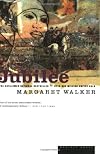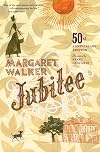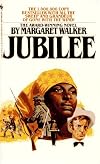
Jubilee
by Margaret Walker
On This Page
Description
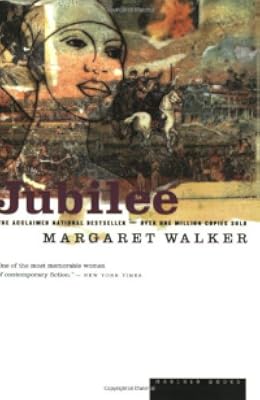
The fiftieth-anniversary edition of Margaret Walker's bestselling classic with a foreword by Nikki Giovanni. Jubilee tells the true story of Vyry, the child of a white plantation owner and his black mistress. Vyry bears witness to the South's antebellum opulence and to its brutality, its wartime ruin, and the promises of Reconstruction. Weaving her own family's oral history with thirty years of research, Margaret Walker's novel brings the everyday experiences of slaves to light. Jubilee show more churns with the hunger, the hymns, the struggles, and the very breath of American history. show lessTags
Recommendations







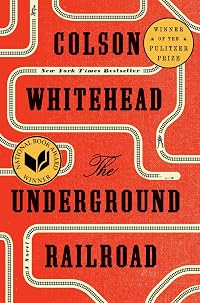
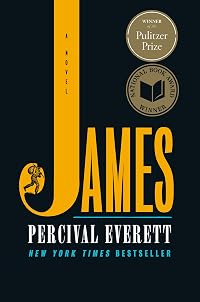
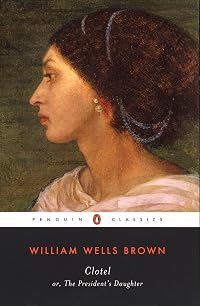
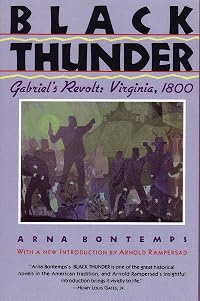
Member Recommendations
Member Reviews
This should be America’s go-to novel about the Civil War, not Margaret Mitchell’s problematic ode to the ‘Lost Cause’. It’s a deeply personal work, centered on Margaret Walker’s own maternal grandmother, and meticulously researched. Walker pulls no punches in describing life for slaves in the Antebellum South, the devastation of the Civil War, and the rise of Jim Crow in the aftermath of Reconstruction, but at the same time, is remarkably balanced. Her characters are nuanced and believable. If you’re looking for a book that transports you back in time and gets you invested in the struggle of these lives, this is your book. It’s description of history as context is also refreshingly accurate, and this would be a great show more companion book for anyone studying this period. show less
Historical fiction based on the life of the author’s maternal great grandmother, the daughter of a black slave and a white plantation owner. The protagonist, Vyry, is a strong, black woman with an admirable integrity of spirit in the face of severe adversity. She is a woman of faith doing the best she can for her family, as they suffer through slavery and then through continued racist torment during Reconstruction. It is split into three parts: Antebellum, Civil War, and Reconstruction. I found the first and last parts the most impactful. In the middle part, the author assumes the reader is unaware of the specifics of the Civil War and provides a great deal of narrative context, which may or may not be a good thing, depending on how show more much you already know.
In documenting the oral history of her family, supplemented by research, the author has created an engrossing story with an authentic flavor. Walker is adept at describing the sights, sounds, smells, tastes, and textures and environment. The author intersperses lyrics from spirituals and other music of the era, which adds a cultural quality to the story. One segment I found particularly thought-provoking involves a discussion of three adults near the end, where Vyry vocalizes thoughts and dreams of racial harmony in an inspiring manner. Different approaches are expressed by her husband and former husband, including passive acceptance and assertive resistance. First published in 1966, this book withstands the test of time. Recommended to those interested in African American history or what life was like in the American south before, during, and after the Civil War. As may be expected in a novel relating the horrors of slavery, it contains graphic violence and racism.
Memorable quote:
In documenting the oral history of her family, supplemented by research, the author has created an engrossing story with an authentic flavor. Walker is adept at describing the sights, sounds, smells, tastes, and textures and environment. The author intersperses lyrics from spirituals and other music of the era, which adds a cultural quality to the story. One segment I found particularly thought-provoking involves a discussion of three adults near the end, where Vyry vocalizes thoughts and dreams of racial harmony in an inspiring manner. Different approaches are expressed by her husband and former husband, including passive acceptance and assertive resistance. First published in 1966, this book withstands the test of time. Recommended to those interested in African American history or what life was like in the American south before, during, and after the Civil War. As may be expected in a novel relating the horrors of slavery, it contains graphic violence and racism.
Memorable quote:
“The true Jubilee will be the day that Earth embraces this universe granting love and freedom to all.”show less
Vyry, one of many bastard offspring of the 'Marster', is raised as a slave on a Georgia plantation. Unacknowledged by her father, though her skin is pale and her hair golden, she is broken into a life of waiting on her white half-sister, punishment from her mistress and 'learning her place', until she meets free black man Randall Ware. And then the Civil War brings upheaval, loss, violence, and a promise of the Jubilee and freedom.
"It's a rich man's war, and a poor man's fight" - 'Jubilee', written in 1966, is often compared to 'Gone With The Wind', and Vyry measured against southern heroine Scarlett O'Hara, but only the only similarities are in time and place. At half the size of Mitchell's hefty novel, 'Jubilee' tells the same story show more of the old south resisting change and emancipation with blunt yet vivid honesty. Walker depicts the inhuman treatment of slaves by their owners - young girls taken and used as whores, runaways branded, and constant vicious abuse and murder, under the eye of even the most liberal of masters - but also the fear and ignorance of the plantation owners themselves, holding onto 'tradition' and authority at any cost. She also contrasts the hope and jubilation of the newly freed slaves with the reality and injustice of life after the war, from (un)equal rights to the KKK, which continued for at least another century, and is perhaps most painful to read.
Walker based this novel on the lives of her great-grandparents, and has obviously done the research to support the oral history of the former slaves. If the narrative is rather dry in places, then the history speaks for itself. Vyry is an inspiring heroine, who picks up and carries on after every setback and tragedy, surviving with a quiet competency and iron will that Scarlett O'Hara would envy. show less
"It's a rich man's war, and a poor man's fight" - 'Jubilee', written in 1966, is often compared to 'Gone With The Wind', and Vyry measured against southern heroine Scarlett O'Hara, but only the only similarities are in time and place. At half the size of Mitchell's hefty novel, 'Jubilee' tells the same story show more of the old south resisting change and emancipation with blunt yet vivid honesty. Walker depicts the inhuman treatment of slaves by their owners - young girls taken and used as whores, runaways branded, and constant vicious abuse and murder, under the eye of even the most liberal of masters - but also the fear and ignorance of the plantation owners themselves, holding onto 'tradition' and authority at any cost. She also contrasts the hope and jubilation of the newly freed slaves with the reality and injustice of life after the war, from (un)equal rights to the KKK, which continued for at least another century, and is perhaps most painful to read.
Walker based this novel on the lives of her great-grandparents, and has obviously done the research to support the oral history of the former slaves. If the narrative is rather dry in places, then the history speaks for itself. Vyry is an inspiring heroine, who picks up and carries on after every setback and tragedy, surviving with a quiet competency and iron will that Scarlett O'Hara would envy. show less
A sad but powerful tale of the main protagonist Vyry, the daughter of a white plantation owner and his slave, who dies while giving birth to her 15th child.
Vyry faces the wrath of her father’s wife , as if being enslaved isn’t bad enough she is also cruel to her, primarily because she resembles her white half sister.
The story is based on the author’s great grandmother and is heartbreaking yet Vyry never loses hope that one day she will be free and able to live in peace.
Vyry faces the wrath of her father’s wife , as if being enslaved isn’t bad enough she is also cruel to her, primarily because she resembles her white half sister.
The story is based on the author’s great grandmother and is heartbreaking yet Vyry never loses hope that one day she will be free and able to live in peace.
I liked this story a lot, though it is wordy and lags in places. The author's research is extensive and as I have little more than a passing familiarity with the details of the Civil War it was much appreciated. More than the picture of slavery presented in this book, I appreciate the picture of reconstruction.
Also the portrayal of Northern Whites as rabidly racist as their southern counterparts is captured vividly.
The only real issue I have is the end when Vyry has a long speech about 'good white folk', forgiveness and her reliance on Christianity and God.
I don't support Respectability Politics. There is no value in forgiving unforgivable actions. People don't need to be forgiven, they need to be held accountable. I am an atheist and show more I don't understand how Christianity has such a foothold in the black community. The bible supports slavery that's enough for me to know the religion ain't for the descendants of enslaved peoples. Religion is always a heavy handed theme in these type novels. I was ok until the end. In truth Randall Ware is much closer to my politics. show less
Also the portrayal of Northern Whites as rabidly racist as their southern counterparts is captured vividly.
The only real issue I have is the end when Vyry has a long speech about 'good white folk', forgiveness and her reliance on Christianity and God.
I don't support Respectability Politics. There is no value in forgiving unforgivable actions. People don't need to be forgiven, they need to be held accountable. I am an atheist and show more I don't understand how Christianity has such a foothold in the black community. The bible supports slavery that's enough for me to know the religion ain't for the descendants of enslaved peoples. Religion is always a heavy handed theme in these type novels. I was ok until the end. In truth Randall Ware is much closer to my politics. show less
This novel traces a Black family from enslavement to freedom in the 19th century, creating a very believable fictional South that was based on the author's own family history. It's a fascinating read and overall a very good one, despite a few spots when the plot seemed a bit slow or convoluted. I appreciated the different perspectives the author included in this book, making for a complex, nuanced story. Highly recommended for those interested in the American Civil War and historical fiction centered around that conflict.
a strongly affecting novel, and an important entry in the slave narrative canon. i was really taken in to this story - walker did a great job bringing this destructive time to life once again. my only small issue with the book came nearing the end, when the style shifted from storytelling feel, to a more sermon-y presentation. i feel as though walker did such a strong job conveying the horrors of these years, and the nearly insurmountable odds face by black survivors, that the switch to telling and not showing disrupted the flow of the novel. but this is a minor quibble in this big story.
Members
- Recently Added By
Lists

Classics you know you should have read but probably haven't
421 works; 407 members

500 Great Books by Women
507 works; 60 members

KayStJ's to-read list
1,616 works; 11 members
Page Turners
185 works; 11 members

Zora Canon
100 works; 6 members

The Zora Canon
98 works; 4 members
Author Information

9+ Works 1,154 Members
Awards and Honors
Distinctions
Work Relationships
Is abridged in
Common Knowledge
- Canonical title
- Jubilee
- Original publication date
- 1966-09; 1966
- Important events
- American Civil War; Reconstruction Era of the United States
- Epigraph
- Jubilee
We are climbing Jacob's ladder,
We are climbing Jacob's ladder,
We are climbing Jacob's ladder,
for the year of Jubilee!
Every round goes higher, higher,
Every round goes higher, higher,
E... (show all)very round goes higher, higher,
to the year of Jubilee.
Do you think I'll make a soldier?
Do you think I'll make a soldier?
Do you think I'll make a soldier?
in the year of Jubilee?
--Tradiitonal Negro Spiritual
We are climbing Jacob's ladder,
We are climbing Jacob's ladder,
We are climbing Jacob's ladder,
for the year of Jubilee!
Every round goes higher, higher,
Every round goes higher, higher,
Every round goes... (show all) higher, higher,
in the year of Jubilee.
Do you think I'll make a soldier?
Do you think I'll make a soldier?
Do you think I'll make a soldier?
in the year of Jubilee?
Traditional Negro Spiritual - Dedication
- This book is dedicated to all the members of my family with all my love. It is especially for my mother, my husband, my sisters, and brother because they helped to make it possible. It is for my four children that they may kn... (show all)ow something of their heritage. And it is to the memory of my grandmothers: my maternal great-grandmother, MJargaret Duggans Ware Brown, whose story this is; my maternal grandmother, Elvira Ware Dozier, who told me this story; and my paternal grandmother, Margaret Walker.
This book is dedicated to all the members of my family with all my love. It is especially for my mother, my husband, my sisters, and brother because they helped to make it possible. It is for my four children that they may kn... (show all)ow something of their heritage. And it is to the memory of my grandmothers: my maternal great-grandmother, Margaret Duggans Ware Brown, whose story this is; my maternal grandmother, Elvira Ware Dozier, who told me this story; and my paternal grandmother, Margaret Walker. - First words
- "May Liza, how come you so restless and uneasy? You must be restless in your mind."
- Last words
- (Click to show. Warning: May contain spoilers.)This time she was feeding her own chickens and calling them home to roost. It was this call Minna heard her mother crooning: "Come biddy, biddy, biddy, biddy, Come chick,chick, chick, chick!
Classifications
Statistics
- Members
- 931
- Popularity
- 28,665
- Reviews
- 18
- Rating
- (4.13)
- Languages
- English, French, German, Spanish
- Media
- Paper, Audiobook, Ebook
- ISBNs
- 36
- UPCs
- 1
- ASINs
- 15