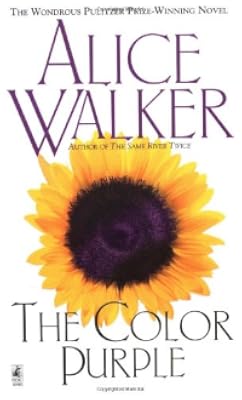
The Color Purple
by Alice Walker
On This Page
Description
Celie has grown up in 1930s rural Georgia, navigating a childhood of ceaseless abuse. Not only is she poor and despised by the society around her, she's badly treated by her family. As a teenager she begins writing letters directly to God in an attempt to transcend a life that often seems too much to bear. Her letters span twenty years and record a journey of self-discovery and empowerment through the guiding light of a few strong women and her own implacable will to find harmony with show more herself and her home. show lessTags
Recommendations



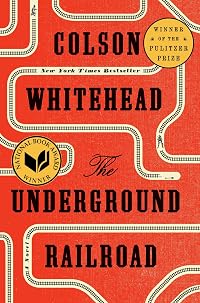
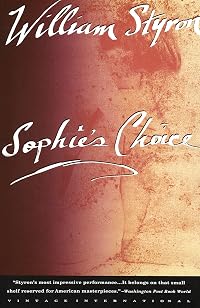
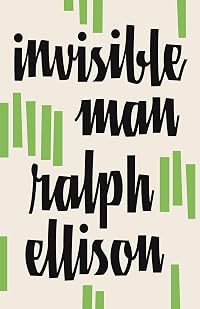
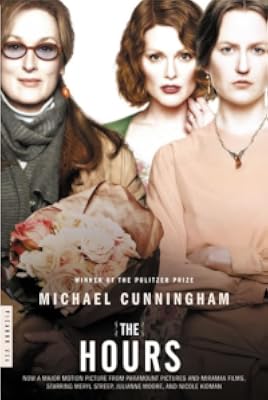
Member Recommendations

Member Reviews
“I think it pisses God off if you walk by the color purple in a field somewhere and don’t notice it.” – Shug Avery
In this book of letters written to God by Celie (main protagonist), Nettie (Celie’s younger sister) to Celie, and finally, Celie to Nettie, themes of strength amidst adversity, resilience, love, growth, forgiveness and topics of racism, rape, abuse of women, colonialism of Africa, family flood the pages filling our minds and hearts. The book doesn’t sugarcoat, and I thought ‘holy sh*t’ reading page 1. Cruelty and ambivalence permeate the first pages as Celie writes to god about her rape (at age 14) and her two children taken from her, the forced marriage to Mr. ___, and the abuse from Mr. ___ and his kids. show more Damn.
Celie, the kind, gentle soul, eventually wins over all those around her, including the mistress of Mr. ___, Shug Avery, who in turn becomes the love of her life. (Yes, that’s right, throw in some lesbianism too.) Celie finally loses her cool when she learns Mr. ___ has been hiding the letters from Nettie. Shug, the strong willed and life-wise singer, gives Celie the love she needed and the strength to make something of herself, and Celie does!
Nettie, forced to be separate from Celie because of Mr. ___, finds herself in the home of the adoptive parents of Celie children and ends up following them to Africa, to a village called Olinka and worked as a missionary.
Despite much mention of god and missionaries, I didn’t find the book to be preachy. In fact, this book has a self-deprecating quality that I appreciated. Not that I’m familiar with black or African American literature, I was *surprised* to read of Nettie raising/asking about the role of the fellow Africans who participated in the slave trade, meaning the in-power Africans handed over their fellow brothers knowing they will become slaves in the hands of these foreigners for financial gains. Nettie also was disappointed when the Olinka refused to acknowledge such part of history. Whoa, mind blown on my part. Also, the book stated the missionaries were never asked to come; they are convenient when wanted, but in the end, never truly part of the Olinka world.
Overall, a well told tale that touched my heart strings just right. Recommend!
Some Quotes:
On Being a Girl in the South – what a horridly difficult life:
“She say, All my life I had to fight. I had to fight my daddy. I had to fight my brothers. I had to fight my cousins and my uncles. A girl child ain’t safe in a family of men. But I never thought I’d have to fight in my own house. She let out her breath. I loves Harpo, she say. God knows I do. But dead son-in-law you just keep on advising him like you doing. She put her hand on her hip. I used to hunt game with a bow and arrow, she say.” (She = Sofia)
On Sex:
“Listen, she say, right down there in your pussy is a little button that gits real hot when you do you know what with somebody. It git hotter and hotter and then it melt. That the good part. But other parts good too, she say. Lot of sucking go on, here and there, she say. Lot of finger and tongue work.” (She = Shug)
On White Folks – this passage has a Langston Hughes’ “Ways of the White Folks” quality to it:
“So it end up with me and Jack driving her back home in the pick-up, then Jack driving me to town to git a mechanic, and at five o’clock I was driving Miz Millie’s car back to her house.
I spent fifteen minutes with my children.
And she been going on for months bout how ungrateful I is.
White folks is a miracle of affliction, say Sofia.”
On History and Slavery:
From Nettie: “’Hard times’ is a phrase the English love to use, when speaking of Africa. And it is easy to forget that Africa’s “hard times” were made harder by them. Millions and millions of Africans were captured and sold into slavery – you and me, Celie! And whole cities were destroyed by slave catching wars. Today the people of Africa – having murdered or sold into slavery their strongest folks – are riddled by disease and sunk in spiritual and physical confusion.”
On Black Beauty (not the horse :P) – I thought of Lupita Nyong'o when I read this:
From Nettie: “Tall, thin, with long necks and straight backs. …Because I felt like I was seeing black for the first time. And Celie, there is something magical about it. Because the black is so black the eye is simply dazzled, and then there is the shining that seems to come, really, from moonlight, it is so luminous, but their skin glows even in the sun.”
On Africans – another example of the self-deprecating quality I mentioned:
“I think Africans are very much like white people back home, in that they think they are the center of the universe and that everything that is done is done for them. The Olinka definitely hold this view. And so they naturally thought the road being built was for them.” (…and everything that follows eventually destroys the whole village)
On Love – Mr. ___ finally learning to open his heart, for real:
“I think us here to wonder, myself. To wonder. To ast. And that in wondering bout the big things and asting bout the big things you learn about the little ones, almost by accident. But you never know nothing more about the big things than you start out with. The more I wonder, he say, the more I love.”
On Love – Celie regarding Shug – I stared at this for a long time; if only I can reach this level of zen on love:
“If she come, I be happy. If she don’t, I be content.” show less
In this book of letters written to God by Celie (main protagonist), Nettie (Celie’s younger sister) to Celie, and finally, Celie to Nettie, themes of strength amidst adversity, resilience, love, growth, forgiveness and topics of racism, rape, abuse of women, colonialism of Africa, family flood the pages filling our minds and hearts. The book doesn’t sugarcoat, and I thought ‘holy sh*t’ reading page 1. Cruelty and ambivalence permeate the first pages as Celie writes to god about her rape (at age 14) and her two children taken from her, the forced marriage to Mr. ___, and the abuse from Mr. ___ and his kids. show more Damn.
Celie, the kind, gentle soul, eventually wins over all those around her, including the mistress of Mr. ___, Shug Avery, who in turn becomes the love of her life. (Yes, that’s right, throw in some lesbianism too.) Celie finally loses her cool when she learns Mr. ___ has been hiding the letters from Nettie. Shug, the strong willed and life-wise singer, gives Celie the love she needed and the strength to make something of herself, and Celie does!
Nettie, forced to be separate from Celie because of Mr. ___, finds herself in the home of the adoptive parents of Celie children and ends up following them to Africa, to a village called Olinka and worked as a missionary.
Despite much mention of god and missionaries, I didn’t find the book to be preachy. In fact, this book has a self-deprecating quality that I appreciated. Not that I’m familiar with black or African American literature, I was *surprised* to read of Nettie raising/asking about the role of the fellow Africans who participated in the slave trade, meaning the in-power Africans handed over their fellow brothers knowing they will become slaves in the hands of these foreigners for financial gains. Nettie also was disappointed when the Olinka refused to acknowledge such part of history. Whoa, mind blown on my part. Also, the book stated the missionaries were never asked to come; they are convenient when wanted, but in the end, never truly part of the Olinka world.
Overall, a well told tale that touched my heart strings just right. Recommend!
Some Quotes:
On Being a Girl in the South – what a horridly difficult life:
“She say, All my life I had to fight. I had to fight my daddy. I had to fight my brothers. I had to fight my cousins and my uncles. A girl child ain’t safe in a family of men. But I never thought I’d have to fight in my own house. She let out her breath. I loves Harpo, she say. God knows I do. But dead son-in-law you just keep on advising him like you doing. She put her hand on her hip. I used to hunt game with a bow and arrow, she say.” (She = Sofia)
On Sex:
“Listen, she say, right down there in your pussy is a little button that gits real hot when you do you know what with somebody. It git hotter and hotter and then it melt. That the good part. But other parts good too, she say. Lot of sucking go on, here and there, she say. Lot of finger and tongue work.” (She = Shug)
On White Folks – this passage has a Langston Hughes’ “Ways of the White Folks” quality to it:
“So it end up with me and Jack driving her back home in the pick-up, then Jack driving me to town to git a mechanic, and at five o’clock I was driving Miz Millie’s car back to her house.
I spent fifteen minutes with my children.
And she been going on for months bout how ungrateful I is.
White folks is a miracle of affliction, say Sofia.”
On History and Slavery:
From Nettie: “’Hard times’ is a phrase the English love to use, when speaking of Africa. And it is easy to forget that Africa’s “hard times” were made harder by them. Millions and millions of Africans were captured and sold into slavery – you and me, Celie! And whole cities were destroyed by slave catching wars. Today the people of Africa – having murdered or sold into slavery their strongest folks – are riddled by disease and sunk in spiritual and physical confusion.”
On Black Beauty (not the horse :P) – I thought of Lupita Nyong'o when I read this:
From Nettie: “Tall, thin, with long necks and straight backs. …Because I felt like I was seeing black for the first time. And Celie, there is something magical about it. Because the black is so black the eye is simply dazzled, and then there is the shining that seems to come, really, from moonlight, it is so luminous, but their skin glows even in the sun.”
On Africans – another example of the self-deprecating quality I mentioned:
“I think Africans are very much like white people back home, in that they think they are the center of the universe and that everything that is done is done for them. The Olinka definitely hold this view. And so they naturally thought the road being built was for them.” (…and everything that follows eventually destroys the whole village)
On Love – Mr. ___ finally learning to open his heart, for real:
“I think us here to wonder, myself. To wonder. To ast. And that in wondering bout the big things and asting bout the big things you learn about the little ones, almost by accident. But you never know nothing more about the big things than you start out with. The more I wonder, he say, the more I love.”
On Love – Celie regarding Shug – I stared at this for a long time; if only I can reach this level of zen on love:
“If she come, I be happy. If she don’t, I be content.” show less
Wow. "The Color Purple" definitely holds up. I loved the movie when I saw it as a kid and I read the book for the first time in college. At the time I remember being shocked that it was a book. My professor at the time called Stephen Speilberg a coward for not depicting Shug and Ms. Celie's relationship on the screen the way the book did. I didn't get it at the time, but definitely did at the end of the book.
Walker does a great job of showing us Celie and her growing awareness of her own sexuality and how her acceptance or I guess her being forced to be subservient to Mr. drove a lot of things she said and did. When we get to Celie growing into her own and realizing that she doesn't have to stay in a life that she never wanted, it was show more glorious. Walker goes back and forth between Celie writing to "God" and then her sister Nettie. And then we get to read Nettie's letters to Celie.
Walker does a wonderful job of showing how black women were not only ground down by the patriarchal and racist society in America, but how they were ground down by other black women and men.
We get to see a lot of women portrayed in this book besides Shug, Ms. Celie, and Nettie. I loved the story-line following Squeak (Mary Agnes) as well as Sophia.
I also shook my head at how Walker showed the hypocrisy of those white people who are racist to your face, and those who consider themselves allies (like the young girl that Sophie raised) . Walker showing that many black men and black women in this book knew about their white relatives, i.e. many of them were sons and daughters of men who raped their mothers, grandmothers, aunts, and sisters. And we get the aftermath of a rape and the understanding that Ms. Celie was raped repeatedly as a child and that was something that everyone knew and just accepted.
This book is exceptional and it definitely speaks to me. show less
Walker does a great job of showing us Celie and her growing awareness of her own sexuality and how her acceptance or I guess her being forced to be subservient to Mr. drove a lot of things she said and did. When we get to Celie growing into her own and realizing that she doesn't have to stay in a life that she never wanted, it was show more glorious. Walker goes back and forth between Celie writing to "God" and then her sister Nettie. And then we get to read Nettie's letters to Celie.
Walker does a wonderful job of showing how black women were not only ground down by the patriarchal and racist society in America, but how they were ground down by other black women and men.
We get to see a lot of women portrayed in this book besides Shug, Ms. Celie, and Nettie. I loved the story-line following Squeak (Mary Agnes) as well as Sophia.
I also shook my head at how Walker showed the hypocrisy of those white people who are racist to your face, and those who consider themselves allies (like the young girl that Sophie raised) . Walker showing that many black men and black women in this book knew about their white relatives, i.e. many of them were sons and daughters of men who raped their mothers, grandmothers, aunts, and sisters. And we get the aftermath of a rape and the understanding that Ms. Celie was raped repeatedly as a child and that was something that everyone knew and just accepted.
This book is exceptional and it definitely speaks to me. show less
Purple is for pride, didn't you know? Purple is the royal pride to boot, the one that can afford full protection and wears its self-assumed precious state on its sleeve. There's some in love and some in hate and some, perhaps the most, in the calm reserve that takes what it gets and builds itself a home. For purple is also piety, and the potential of the purpling palimpsest is breathtaking.
If you look up 'purpling', you will find both a transformation and an act of love, the latter grounded in gendered stereotypes but, for our purposes, will be pruned of its connotations and left as a simple affection. No lust, no obsession, nothing of the usual pride of desiring and feeling oneself more than worthy of receiving reciprocation. That was show more stripped before the pages even began, a summary of rape and pain and separations all along the spectrum of self and self-worth.
It is not a mark of the author, but the reader, if this beginning is more believed in than the final ending. Too pat and contrived they say, too much that a being both woman and black would take thirty years to find peace of mind. Or perhaps it's the duality that so hard to swallow, two sisters in such disparate circumstances each discovering a measure of resolve upon which to thrive. Perhaps it's the lack of fight and final 'success' on each and every frontier that the readers object to, the concept that you can't always get what you want and yet. And yet.
And yet in the face of all the hate and straightened circumstances, two girls become wizened lovers of life. Through the weaving of cloth and of thought, each discover their methodology of creation, remembering where they came from and going forward nevertheless. They forgive, they relish, they come to grips with the facts of sexism and racism and colonialism and deconstruct their God accordingly. They are not even the only ones, as myriad family and friends inspire and are inspired by these two souls, traversing their own ways in the sorrow and joy that always accompanies the search for personal truth. A time for anger, a time for acceptance, and the prodigal others all along the path.
What matters here is not the means by which they achieve their ends, or that they achieved them at all. What matters is the thought enabled by fruitful discovery, the meanderings of the mind over what it means to find value in existence day in, day out. The majority of literature was penned by those blessed by all varieties of sociocultural windfalls, so it should be no surprise when characters find their philosophical footing as a result of fortuitous regeneration. Decry the believability all you like, but if that little was enough for you to forget the life-affirming themes galore, grown through every slow and subtle machination of time and circumstance, be sure to treat the rest of your readings accordingly. I guarantee a sharp decrease in once favored pieces if you're honest, or objective, if that's the vernacular with which you appease yourself.
There are no name drops or modes of thought approved by academia here, but if you're truly open minded, you will recognize the mixing and melding of universal experience without any need for labels. This is as fine a contemplation of small winners in the midst of brutal reality as any, a flowering of humanity with full knowledge of every level of high and low, all the more worthy of attention for its status as a rare breed of literature. The latter has no affect on quality, but in terms of building a common humanity on the backs of pride and piety, on the steps of believing the self worth having and finding the others worth cherishing, in the color purple, it is worth everything. show less
If you look up 'purpling', you will find both a transformation and an act of love, the latter grounded in gendered stereotypes but, for our purposes, will be pruned of its connotations and left as a simple affection. No lust, no obsession, nothing of the usual pride of desiring and feeling oneself more than worthy of receiving reciprocation. That was show more stripped before the pages even began, a summary of rape and pain and separations all along the spectrum of self and self-worth.
It is not a mark of the author, but the reader, if this beginning is more believed in than the final ending. Too pat and contrived they say, too much that a being both woman and black would take thirty years to find peace of mind. Or perhaps it's the duality that so hard to swallow, two sisters in such disparate circumstances each discovering a measure of resolve upon which to thrive. Perhaps it's the lack of fight and final 'success' on each and every frontier that the readers object to, the concept that you can't always get what you want and yet. And yet.
And yet in the face of all the hate and straightened circumstances, two girls become wizened lovers of life. Through the weaving of cloth and of thought, each discover their methodology of creation, remembering where they came from and going forward nevertheless. They forgive, they relish, they come to grips with the facts of sexism and racism and colonialism and deconstruct their God accordingly. They are not even the only ones, as myriad family and friends inspire and are inspired by these two souls, traversing their own ways in the sorrow and joy that always accompanies the search for personal truth. A time for anger, a time for acceptance, and the prodigal others all along the path.
What matters here is not the means by which they achieve their ends, or that they achieved them at all. What matters is the thought enabled by fruitful discovery, the meanderings of the mind over what it means to find value in existence day in, day out. The majority of literature was penned by those blessed by all varieties of sociocultural windfalls, so it should be no surprise when characters find their philosophical footing as a result of fortuitous regeneration. Decry the believability all you like, but if that little was enough for you to forget the life-affirming themes galore, grown through every slow and subtle machination of time and circumstance, be sure to treat the rest of your readings accordingly. I guarantee a sharp decrease in once favored pieces if you're honest, or objective, if that's the vernacular with which you appease yourself.
I think us here to wonder, myself. To wonder. To ast. And that in wondering bout the big things and asting bout the big things, you learn about the little ones, almost by accident. But you never know nothing more about the big things than you start out with. The more I wonder, he say, the more I love.
There are no name drops or modes of thought approved by academia here, but if you're truly open minded, you will recognize the mixing and melding of universal experience without any need for labels. This is as fine a contemplation of small winners in the midst of brutal reality as any, a flowering of humanity with full knowledge of every level of high and low, all the more worthy of attention for its status as a rare breed of literature. The latter has no affect on quality, but in terms of building a common humanity on the backs of pride and piety, on the steps of believing the self worth having and finding the others worth cherishing, in the color purple, it is worth everything. show less
I came to this knowing very little about the details of this book. I knew it was ground breaking, I knew it was a prize winner, but that was about it. Until late on in the book I struggled to place it in time. I'm still not exactly sure of the duration of the book, but it certainly takes place over several decades. It is told in a series of letters, whether actual or metaphorical is not always clear, initially from Celie to God and later between Celie & her sister Nettie.
Celie is the oldest daughter and she is raped by her step-father, the resulting children taken away and she ends up married to an older man whose wife has died. He wants a wife to replace the previous one and to take care of his children. He is noticeably not named, show more being referred to as Mr _____ through the majority of the book. He wanted to marry Nettie, as the prettier sister, but is persuaded to take Celie, and Nettie disappears. Celie's life is pretty grim and she initially appears to be quite meek and down trodden. She is, however, a survivor and she grows through the book, coming into her own. There is an array of various characters and relatives that come and go through the book. It is noticeable that the most engaging are the women. I got somewhat confused at times with who was related to who, with most characters seeming to have multiple partners, legalised or not. It felt somewhat at odds with the writing to God and the religion embraced by Nettie.
I found it took a little while to get used to the dialect used by Celie in her letters. It was interesting that Nettie's letters had a different language and usage, reflecting the apparent extended schooling and the environment she subsequently found herself in. It took a while to get my eye in, to "hear" Celie, rather than read the words, as written. I thought it was worth the effort.
I thought that there were several areas that I thought were rather too neatly tied up. I'm not sure how Nettie and her rather more traditional approach to marriage & religion would sit alongside Celie and her relationships. Nettie and Samuel leave Africa and the village they lived in for a decade (it's unclear how long exactly) is barely mentioned again. The relationship between Sofia and Eleanor Jane was particularly interesting, the way that relationship ebbed and flowed felt to be well represented. This could have been a more substantial exploration of race relations.
I appreciate that this was a ground breaking book in its time, it remains a book worth reading. The most rewarding aspect being the way that Celie changes and grows, she comes into her own and establishes herself in the world. The scene towards the end when she is sitting on the porch with her husband and he is referred to by his first name feels to me to be a huge step from the Celie we meet at the beginning of the book. show less
Celie is the oldest daughter and she is raped by her step-father, the resulting children taken away and she ends up married to an older man whose wife has died. He wants a wife to replace the previous one and to take care of his children. He is noticeably not named, show more being referred to as Mr _____ through the majority of the book. He wanted to marry Nettie, as the prettier sister, but is persuaded to take Celie, and Nettie disappears. Celie's life is pretty grim and she initially appears to be quite meek and down trodden. She is, however, a survivor and she grows through the book, coming into her own. There is an array of various characters and relatives that come and go through the book. It is noticeable that the most engaging are the women. I got somewhat confused at times with who was related to who, with most characters seeming to have multiple partners, legalised or not. It felt somewhat at odds with the writing to God and the religion embraced by Nettie.
I found it took a little while to get used to the dialect used by Celie in her letters. It was interesting that Nettie's letters had a different language and usage, reflecting the apparent extended schooling and the environment she subsequently found herself in. It took a while to get my eye in, to "hear" Celie, rather than read the words, as written. I thought it was worth the effort.
I thought that there were several areas that I thought were rather too neatly tied up. I'm not sure how Nettie and her rather more traditional approach to marriage & religion would sit alongside Celie and her relationships. Nettie and Samuel leave Africa and the village they lived in for a decade (it's unclear how long exactly) is barely mentioned again. The relationship between Sofia and Eleanor Jane was particularly interesting, the way that relationship ebbed and flowed felt to be well represented. This could have been a more substantial exploration of race relations.
I appreciate that this was a ground breaking book in its time, it remains a book worth reading. The most rewarding aspect being the way that Celie changes and grows, she comes into her own and establishes herself in the world. The scene towards the end when she is sitting on the porch with her husband and he is referred to by his first name feels to me to be a huge step from the Celie we meet at the beginning of the book. show less
Celie and her sister Nettie grow up in a house with a predator. Their mother is sick and frequently pregnant and when Celie is still a child, her father starts raping her. The two children she bares him disappear. And the he starts looking at Nettie. Celie encourages Nettie to marry the man who keeps coming around but their father won't agree. Instead, he tells the man to take Celie.
Now in a different house with a different man who rapes and beats her, all Celie does is work. Her husband has many ill-behaved children that she is expected to raise along with working herself to the bone around the house and farm.
One day in town, Celie sees her children. They are with a pastor's wife. She realizes her father must have given them to this show more couple. Later Nettie comes to live with her to escape their father, but it isn't long before she has to leave to escape Celie's husband. Celie tells Nettie to go to the pastor and his wife, where her children are. She begs Nettie to write, but she doesn't hear anything.
Celie's life is nothing but sorrow and dust until the day word reaches them that Shug Avery is sick. Shug is the local girl who made it big as a singer in the city. She is also Celie's husband's first love - and Celie's secret obsession. Before long, he goes off to collect Shug and is surprised when Celie is just as happy to have Shug in the house too.
Shug will be the first light to shine into Celie's life for many years. Their friendship will change her life forever.
This book was captivating from beginning to end. These vibrant characters draw you into their complex experiences and perspectives. The author's masterful story telling creates a deeply layered world full of wonder and tragedy. There is so much to digest in these pages that I imagine I'll be mulling it over for years to come. show less
Now in a different house with a different man who rapes and beats her, all Celie does is work. Her husband has many ill-behaved children that she is expected to raise along with working herself to the bone around the house and farm.
One day in town, Celie sees her children. They are with a pastor's wife. She realizes her father must have given them to this show more couple. Later Nettie comes to live with her to escape their father, but it isn't long before she has to leave to escape Celie's husband. Celie tells Nettie to go to the pastor and his wife, where her children are. She begs Nettie to write, but she doesn't hear anything.
Celie's life is nothing but sorrow and dust until the day word reaches them that Shug Avery is sick. Shug is the local girl who made it big as a singer in the city. She is also Celie's husband's first love - and Celie's secret obsession. Before long, he goes off to collect Shug and is surprised when Celie is just as happy to have Shug in the house too.
Shug will be the first light to shine into Celie's life for many years. Their friendship will change her life forever.
This book was captivating from beginning to end. These vibrant characters draw you into their complex experiences and perspectives. The author's masterful story telling creates a deeply layered world full of wonder and tragedy. There is so much to digest in these pages that I imagine I'll be mulling it over for years to come. show less
"The Color Purple" is one of the strongest statements of how love transforms and cruelty disfigures the human spirit that this reviewer has ever read. Alice Walker gives us Celie, 14 years old when the book opens, who has been raped, abused, degraded and twice impregnated by her father. After he takes her children away from her without a so much as a word, he marries her off like a piece of chattel to her husband, who is so cold, distant and inhuman to her that she can only refer to him as Mr; and this person deprives her of her sister Nettie, the only one who ever loved her.
Celie manages to survive by living one day at a time. Her life is a series of flat, lifeless panoramas painted in browns and grays. Into this existence, if you can show more call it that, comes Shug Avery, her husband's mistress, who shows Celie her own specialness and uniqueness. A lot has been made about lesbianism in this book and all of it is beside the point. Celie isn't a lesbian, she is a human being in need of love and Shug Avery helps Celie realize that she is somebody worth loving and caring about. When Celie hurls her defiance into Mr's face -- "I'm poor, I'm black, I may be ugly... but I'm here", she is making an affirmation not only to him, but to the whole world; the reader can only say, along with Shug Avery, "Amen".
When Celie finds the strength to leave Mr, he is left to face the reality of himself and what he sees isn't pretty; his transformation humanizes him and allows Celie to call him Albert, recognizing him as a person, as he finally recognizes her as one. The last chapter makes many readers go through half a box of Kleenex (Stephen Spielberg once said in an interview that he "cried and cried at the end" of the book), but Walker doesn't play cheap with the reader's emotions; she has a powerful story to tell and she tells it with such consummate skill and sensitivity that she brings us into it and makes it ours. This is a book to be treasured and read over and over again. show less
Celie manages to survive by living one day at a time. Her life is a series of flat, lifeless panoramas painted in browns and grays. Into this existence, if you can show more call it that, comes Shug Avery, her husband's mistress, who shows Celie her own specialness and uniqueness. A lot has been made about lesbianism in this book and all of it is beside the point. Celie isn't a lesbian, she is a human being in need of love and Shug Avery helps Celie realize that she is somebody worth loving and caring about. When Celie hurls her defiance into Mr's face -- "I'm poor, I'm black, I may be ugly... but I'm here", she is making an affirmation not only to him, but to the whole world; the reader can only say, along with Shug Avery, "Amen".
When Celie finds the strength to leave Mr, he is left to face the reality of himself and what he sees isn't pretty; his transformation humanizes him and allows Celie to call him Albert, recognizing him as a person, as he finally recognizes her as one. The last chapter makes many readers go through half a box of Kleenex (Stephen Spielberg once said in an interview that he "cried and cried at the end" of the book), but Walker doesn't play cheap with the reader's emotions; she has a powerful story to tell and she tells it with such consummate skill and sensitivity that she brings us into it and makes it ours. This is a book to be treasured and read over and over again. show less
this book just broke me open. i cried almost the whole way through it, for all kinds of reasons.
i'm surprised how much of it i didn't remember. turns out almost nothing was familiar after about 40% of the way through even though this was probably the 4th time i've read it. i'd also forgotten how she just jumps right in with the hard stuff. you don't get any time to settle in because she throws you a 14 year old pregnant by her father about 3 paragraphs in. and this is how it should be, because there's no settling in for celie and there's no getting comfortable for the community.
i'm not sure i've read a book before where the entire thing - except the first sentence - was written in letters. it wasn't just a letter here and there to show more inform us of something or to use the epistolary format in part of this book. it's the entire book. and this tells us so much more about the characters and gives us a sense of place so much better than narration can do. it's used so well here and to such good effect.and when nettie's letters are hidden from celie, which i always think of as one of the most heart-wrenching things in all of literature, we feel the loss, too, because we're also missing these letters in a book that's told only through letters. but seriously, this part always makes me want to crawl into the pages of this book and rip mr's head off with my bare hands.
there is just so much in this book. racism, obviously. intra-racial racism, incest, rape, domestic violence, colonialism and native traditions, and even the current (as if it hasn't been going on for 400 years) situation of punishing black people excessively (sofia was slapped and when she responded she not only got beat up so badly she almost died and was disfigured and blinded, but she got 12 years in jail for it ) and exclusively. and religion and god - and i've said before that i don't like either in books i read, unless it's exposing hypocrisy - but i like everything she says in here, even as i don't believe in either. and talk about strong female characters. this book is chock full of them, from sofia to shug to nettie and celie to mary agnes. even eleanor jane, when she found out why sofia came to work for her family, defied tradition and racist society . some of the people (men and women) might come off as weak to start with, but their strength really emerges as the book progresses. even mr grows into himself and becomes stronger for it.
one thing that surprised me on this reading was how central lesbianism was to celie's character. i really hadn't read it that way before, somehow, and had felt like there were just a couple of places in the book that highlighted her queerness at all, and that shug felt more sorry for celie than anything else. turns out it's through and through a love story between them, and it's clear from the get-go that celie is a lesbian. shug isn't, but she also does love celie.
and it's a love story of a community and a people and there is forgiveness and beauty andi cried like a baby that this one came with a happy ending .
it might sound funny to say that this is a beautifully written book, because it's not lyrical and the language isn't music on the page, but it absolutely is beautiful. i love this book. i am so glad to have read it again.
"My head drop so it near bout in my glass.
Then I hear my name.
Shug saying Celie. Miss Celie. And I look up where she at.
She say my name again. She say this song I'm bout to sing is call Miss Celie's song. Cause she scratched it out of my head when I was sick.
First she hum it a little, like she do at home. Then she sing the words....I look at her and I hum along a little with the tune.
First time somebody made something and name it after me."
"What God do for me I ast.
She say, Celie! Like she shock. He gave you life, good health, and a good woman that love you to death.
Yeah, I say, and he give mea lynched daddy, a crazy mama, a lowdown dog of a step pa and a sister I probably won't ever see again. Anyhow, I say, the God I been praying and writing to is a man. And act just like all the other mens I know. Trifling, forgitful and lowdown.
She say, Miss Celie, You better hush. God might hear you.
Let 'im hear me, I say. If he ever listened to poor colored women the world would be a different place, I can tell you."
"Why any woman give a shit what people think is a mystery to me." show less
i'm surprised how much of it i didn't remember. turns out almost nothing was familiar after about 40% of the way through even though this was probably the 4th time i've read it. i'd also forgotten how she just jumps right in with the hard stuff. you don't get any time to settle in because she throws you a 14 year old pregnant by her father about 3 paragraphs in. and this is how it should be, because there's no settling in for celie and there's no getting comfortable for the community.
i'm not sure i've read a book before where the entire thing - except the first sentence - was written in letters. it wasn't just a letter here and there to show more inform us of something or to use the epistolary format in part of this book. it's the entire book. and this tells us so much more about the characters and gives us a sense of place so much better than narration can do. it's used so well here and to such good effect.
there is just so much in this book. racism, obviously. intra-racial racism, incest, rape, domestic violence, colonialism and native traditions, and even the current (as if it hasn't been going on for 400 years) situation of punishing black people excessively (
one thing that surprised me on this reading was how central lesbianism was to celie's character. i really hadn't read it that way before, somehow, and had felt like there were just a couple of places in the book that highlighted her queerness at all, and that shug felt more sorry for celie than anything else. turns out it's through and through a love story between them, and it's clear from the get-go that celie is a lesbian. shug isn't, but she also does love celie.
and it's a love story of a community and a people and there is forgiveness and beauty and
it might sound funny to say that this is a beautifully written book, because it's not lyrical and the language isn't music on the page, but it absolutely is beautiful. i love this book. i am so glad to have read it again.
"My head drop so it near bout in my glass.
Then I hear my name.
Shug saying Celie. Miss Celie. And I look up where she at.
She say my name again. She say this song I'm bout to sing is call Miss Celie's song. Cause she scratched it out of my head when I was sick.
First she hum it a little, like she do at home. Then she sing the words....I look at her and I hum along a little with the tune.
First time somebody made something and name it after me."
"What God do for me I ast.
She say, Celie! Like she shock. He gave you life, good health, and a good woman that love you to death.
Yeah, I say, and he give me
She say, Miss Celie, You better hush. God might hear you.
Let 'im hear me, I say. If he ever listened to poor colored women the world would be a different place, I can tell you."
"Why any woman give a shit what people think is a mystery to me." show less
Members
- Recently Added By
Published Reviews
ThingScore 100
Walker accomplishes a rare thing: She makes an epistolary novel work without veering into preciousness. Rather, Celie's full-bodied voice emerges, a moody and honest voice, in an inherently intimate literary form.
added by Shortride
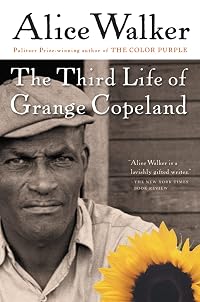
Without doubt, Alice Walker's latest novel is her most impressive. No mean accomplishment, since her previous books - which, in addition to several collections of poetry and two collections of short stories, include two novels ("The Third Life of Grange Copeland" and "Medridian") - have elicited almost unanimous praise for Miss Walker as a lavishly gifted writer
added by jlelliott
Lists

1001 Books You Must Read Before You Die
1,448 works; 1,137 members

The Guardian's 1000 Novels Everyone Must Read
1,005 works; 552 members

Pulitzer Prize Winners for Fiction
102 works; 54 members

Read the book and saw the movie
1,170 works; 195 members

Best Contemporary Literary Fiction (Around the Last 30 Years)
400 works; 124 members
BBC Big Read
191 works; 46 members

Radcliffe's 100 Best Novel of the 20th Century
100 works; 32 members
Southern Fiction
212 works; 52 members

Great American Novels
158 works; 42 members

Female Author
1,234 works; 66 members
20th Century Literature
1,161 works; 55 members

Best Historical Fiction
620 works; 258 members
Newsweek's Top 100 Books: The Meta-List
100 works; 18 members

Best Feminist Literature
188 works; 26 members
Banned Books Week 2014
268 works; 62 members
Female Protagonist
1,056 works; 57 members
Historical Fiction
889 works; 90 members

Best Lesbian Fiction (And Narrative Non-Fiction)
155 works; 36 members

The Top Ten: Writers Pick Their Favorite Books
240 works; 33 members
PBS The Great American Read
100 works; 21 members
Best Family Stories
241 works; 22 members
BBC's 100 Novels That Shaped Our World
100 works; 22 members

Recommend the 20 best books you've read in the last five years
2,168 works; 608 members
New York Public Library's Books of the Century
120 works; 20 members

Best Books With Sisters
130 works; 30 members

Black Authors
386 works; 32 members
Best African American Literature
53 works; 9 members

Books That Made Me Cry
199 works; 105 members

Women's Stories
88 works; 13 members
Pulitzer Prize-Winning Books
42 works; 10 members

National Book Award - Fiction
78 works; 10 members

New York Public Library's Books of the Century - All
170 works; 14 members
50 Books by Women Authors
50 works; 10 members
Banned or Challenged Books
402 works; 43 members

Must-Read Books by Black Authors
114 works; 92 members

Best family sagas
244 works; 34 members

Top Five Books of 2014
1,064 works; 397 members
Best LGBT Fiction
144 works; 25 members
1980s
356 works; 23 members
LibraryThingers' 1001 Books You Must Read Before You Die
442 works; 29 members
Books I've Read More Than Once
602 works; 49 members
Best Friendship Stories
205 works; 16 members

50 Books from the Past 50 Years
50 works; 8 members
The American Experience
173 works; 18 members

Best high-school English books reread later in life
30 works; 21 members

Family Drama
56 works; 14 members

The Zora Canon
98 works; 4 members
Five star books
1,767 works; 110 members
BBC Big Read
100 works; 10 members
Literature About Women and Girls
426 works; 41 members
Blue Pyramid 1,276 Best Books of All Time
1,248 works; 32 members
This is the Canon: Decolonize Your Bookshelf in 50 Books
51 works; 5 members
Favourite Books
1,820 works; 316 members

Books You Read During High School (For School)
301 works; 52 members

Epistolary Books
105 works; 27 members

Novels featuring siblings
133 works; 8 members

A Novel Cure
742 works; 23 members
1,001 BYMRBYD Concensus
723 works; 27 members
100 Most Recommended Works
100 works; 11 members

Top 10 Historical Fiction
10 works; 4 members

Literature by People of Color
81 works; 9 members

Publishing Triangle 100 Best Lesbian and Gay Novels
97 works; 6 members
Best First Lines
133 works; 8 members
Banned and Challenged Books List
14 works; 3 members
Top Five Books of 2016
795 works; 229 members

Top Five Books of 2017
757 works; 231 members
TML 200 Best Books 1950-1999
202 works; 10 members
Top 100 to Read before you Die
109 works; 7 members

Movie Adaptations
111 works; 4 members

Best African and African diaspora books
111 works; 4 members

Dysfunctional Families
133 works; 7 members
Books tagged favorites
390 works; 30 members
100 World Classics
99 works; 15 members

Allie's Favourite 150 Books
145 works; 3 members
Best Domestic Fiction
77 works; 6 members

Books Read in 2017
4,249 works; 130 members
The College Board: 101 Great Books Recommended for College-Bound Readers
111 works; 7 members
Shannon's Read-Alikes List
71 works; 8 members
Bibliography for How to be a Heroine
148 works; 12 members
Carole's List
445 works; 13 members

Books with Colourful Titles
171 works; 8 members

Good LGBT fiction for LGBT folk and friends
553 works; 55 members
Overdue Podcast
808 works; 9 members

SHOULD Read Books!
354 works; 9 members

A's favorite novels
100 works; 3 members
Racism and Race Relations in Literature
48 works; 9 members

Books on my Kindle
162 works; 3 members

Powell's 50 Books for 50 Years
50 works; 4 members

Books I've read
87 works; 2 members

recalling favorites...
105 works; 2 members

The Guardian's best novels in English: Readers' alternative list
15 works; 2 members

100
56 works; 1 member

Schwob Nederland
207 works; 2 members

Books Set in Georgia
11 works; 4 members

Books Read in 2004
212 works; 7 members
American Lit for Eng 11 Research Project
368 works; 6 members

Race and Racism in America
23 works; 1 member
Our Favorite Banned Books
138 works; 122 members
'Books You Can't Live Without: The Top 100', The Guardian, 2007
156 works; 7 members

Recommended Reading : 600 Classics Reviewed, Editors of Salem Press, 2015
634 works; 6 members
Books That Made Us Cry
278 works; 145 members
Books We Love to Reread
695 works; 298 members

BitLife
212 works; 4 members

Library List - Pulitzer
18 works; 1 member

Books published by The Women's Press
14 works; 1 member

Spotted in Public
9 works; 1 member

The Modern Library (The Two Hundred Best Novels....
202 works; 1 member

Gen X Library
245 works; 4 members

Retrospective of 20th- and 21st-century literature
154 works; 1 member
DigitalDreamDoor top 300
300 works; 4 members
bound
100 works; 1 member

.
194 works; 2 members
Vlogbrothers Book Recommendations
307 works; 4 members

.
396 works; 1 member

Schomburg Centennial Reading List
100 works; 4 members

BBC World Book Club
267 works; 5 members

Top Five Books of 2025
954 works; 304 members
Books by Black Women
108 works; 2 members
Banned Books
40 works; 2 members

Books Tagged Abuse
152 works; 4 members

Books Read in 2024
4,727 works; 128 members

Mustich's 1000 Books to Read Before You Die: A Life Changing List
1,001 works; 20 members

A Rainbow of Books: Colors in the Title
570 works; 24 members
Tagged 20th Century
33 works; 4 members
Best Book and Movie Combos
70 works; 11 members

Read
293 works; 4 members
National Book Award winners
65 works; 11 members

Lesbian young adult fiction
50 works; 1 member
Houghton Mifflin Harcourt
45 works; 1 member

The Black Archives: All Power To the People! Reading List
79 works; 10 members

Banging Book Club
36 works; 1 member

Books Read in 2019
4,052 works; 110 members
Zora Canon
100 works; 6 members
Rebel Women Reading List
25 works; 2 members

Books Read in 2013
1,630 works; 51 members

Books Read in 2021
5,361 works; 114 members
Novels/Poems/Short Stories/Anything Storytelling Related
112 works; 2 members

Florida's Book Bans and Challenges
311 works; 4 members
Books by Black Authors: Potential Reads
12 works; 1 member

Favorite Epistolary Fiction
143 works; 144 members

AP Lit
363 works; 6 members

World Book Club (BBC World Service)
212 works; 1 member

Unread books
1,063 works; 83 members

You Couldn't Pay Me to Read That (Take 2)
213 works; 87 members
Author Information

96+ Works 40,776 Members
Alice Walker won the Pulitzer Prize and the American Book Award for her novel The Color Purple. Her other bestselling novels include By the Light of My Father's Smile, Possessing the Secret of Joy, and The Temple of My Familiar. She is also the author of two collections of short stories, three collections of essays, five volumes of poetry, and show more several children's books. Her books have been translated into more than two dozen languages. Born in Eaton, Georgia, Walker now lives in Northern California. Like so many characters in her fiction, Alice Walker was born into a family of sharecroppers in Eaton, Georgia. She began Spelman College on a scholarship and graduated from Sarah Lawrence College in 1965. While still in college, Walker became active in the civil rights movement and continued her involvement after she graduated, serving as a voter registration worker in Georgia. She also worked in a Head Start program in Mississippi and was on the staff of the New York City welfare department. She has lectured and taught at several colleges and universities and currently operates a publishing house, Wild Trees Press, of which she is a co-founder. Walker began her literary career as a poet, publishing Once: Poems in 1968. The collection reflects her experiences in the civil rights movement and her travels in Africa. Her second collection of poetry, Revolutionary Petunias and Other Poems (1973), is a celebration of the struggle against oppression and racism. In between these two collections, she published her first novel, The Third Life of Grange Copeland (1970), the story of Ruth Copeland, a young black girl, and her grandfather, Grange, who brutalizes his own family out of the frustrations of racial prejudice and his own sense of inadequacy. Walker's first collection of short stories, In Love and Trouble: Stories of Black Women (1973), established her special concern for the struggles, hardships, loyalties, and triumphs of black women, a powerful force in the rest of her fiction. Meridian (1976), her second novel, is the story of Meridian Hill, a civil rights worker. In her second collection of short stories, You Can't Keep A Good Woman Down (1981), Walker again portrays black women struggling against sexual, racial, and economic oppression. Walker's third novel, The Color Purple (1982), brought her the national recognition denied her earlier works. Through this story of the sharecropper Celie and the abuses she endures, Walker draws together the themes that have run through her earlier work into a concentrated and powerful attack on racism and sexism, and produces a triumphant celebration of the spirit and endurance of black women. The book received the Pulitzer Prize and was made into a successful film. Walker describes her most recent novel, The Temple of My Familiar (1989) as "a romance of the last 500,000 years." The book is a blend of myth and history revolving around three marriages. As the married couples tell their stories, they explore both their origins and the inner life of modern African Americans. (Bowker Author Biography) show less
Some Editions
Awards and Honors
Series
Belongs to Publisher Series
Rainbow pocketboeken (29)
Work Relationships
Is contained in
Has the adaptation
Has as a reference guide/companion
Has as a study
Has as a supplement
Has as a commentary on the text
Has as a student's study guide
Has as a teacher's guide
Common Knowledge
- Canonical title
- The Color Purple
- Original title
- The Color Purple
- Alternate titles*
- Cher bon Dieu
- Original publication date
- 1982
- People/Characters
- Celie; Albert; Nettie; Mr. ___; Harpo; Sofia (show all 14); Shug Avery; Squeak; Miss Millie; Grady; Olivia; Adam; Tashi; Odessa
- Important places
- Georgia, USA; Memphis, Tennessee, USA; Africa; Liberia
- Important events
- World War II (1939 | 1945)
- Related movies
- The Color Purple (1985 | IMDb); The Color Purple (2023 | IMDb)
- Epigraph
- "Show me how to do like you.
Show how to do it." -Stevie Wonder - Dedication
- To the Spirit:
Without whose assistance
Neither this book
Nor I
Would have been
Written. - First words
- You better not never tell nobody but God. It'd kill your mammy.
- Quotations
- Time moves slowly, but passes quickly.
- Last words
- (Click to show. Warning: May contain spoilers.)Matter of fact, I think this the youngest us ever felt. Amen
- Publisher's editor
- Ferrone, John
- Original language
- English
- Canonical DDC/MDS
- 813.54
- Canonical LCC
- PS3573.A425
*Some information comes from Common Knowledge in other languages. Click "Edit" for more information.
Classifications
Statistics
- Members
- 22,705
- Popularity
- 231
- Reviews
- 371
- Rating
- (4.14)
- Languages
- 20 — Arabic, Chinese, Danish, Dutch, English, Finnish, French, German, Galician, Hungarian, Italian, Japanese, Norwegian (Bokmål), Polish, Portuguese, Romanian, Slovenian, Spanish, Swedish, Turkish
- Media
- Paper, Audiobook, Ebook
- ISBNs
- 179
- UPCs
- 1
- ASINs
- 101