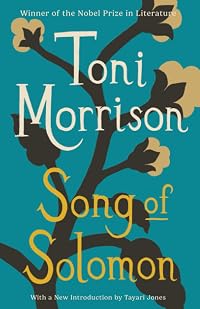
Song of Solomon
by Toni Morrison
On This Page
Description
Milkman Dead was born shortly after a neighborhood eccentric hurled himself off a rooftop in a vain attempt at flight. For the rest of his life he, too, will be trying to fly. With this brilliantly imagined novel, Toni Morrison transfigures the coming-of-age story as audaciously as Saul Bellow or Gabriel García Márquez. As she follows Milkman from his rustbelt city to the place of his family's origins, Morrison introduces an entire cast of strivers and seeresses, liars and assassins, the show more inhabitants of a fully realized black world. show lessTags
Recommendations
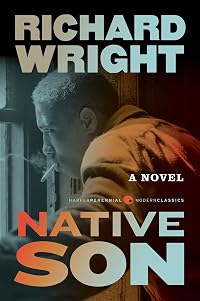
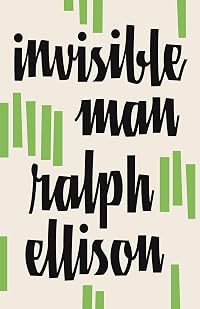
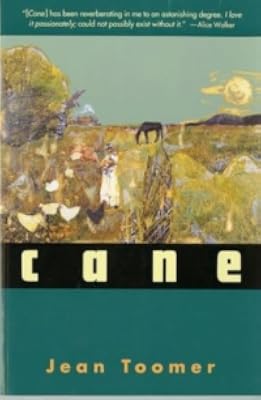
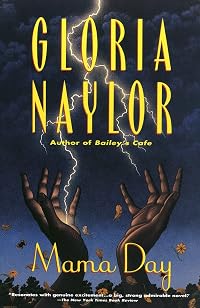
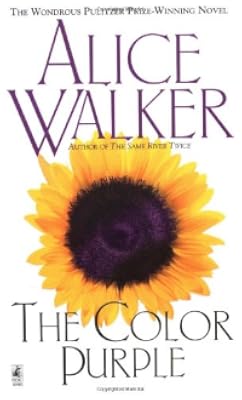
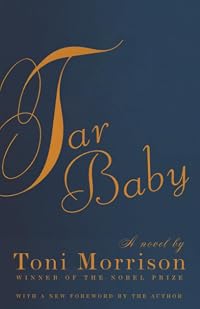
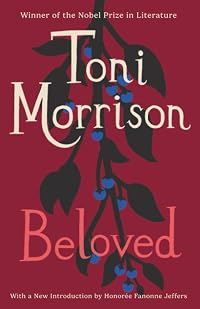
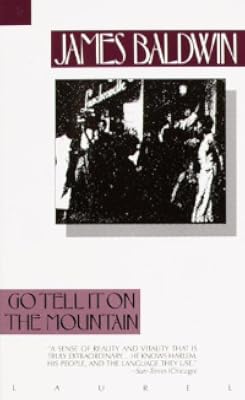
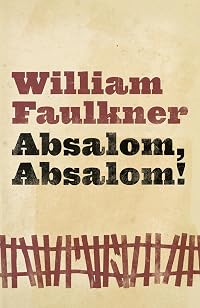
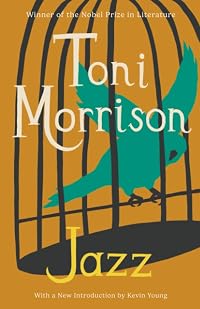
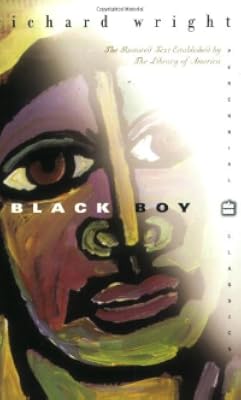
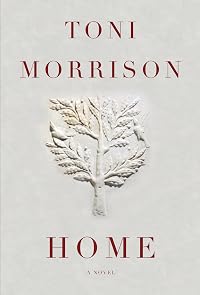
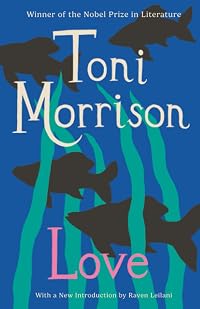
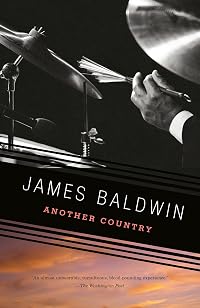
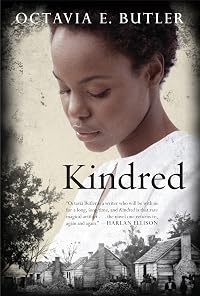
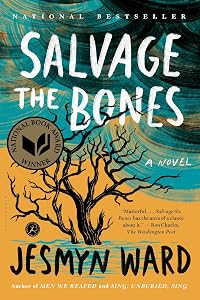
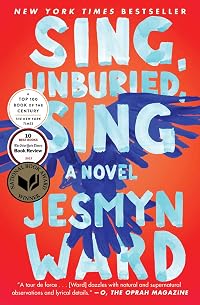
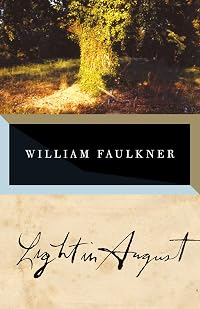
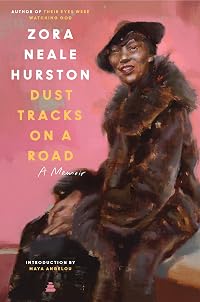
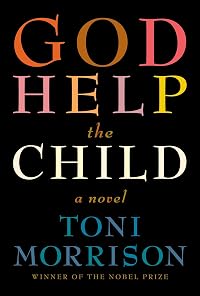
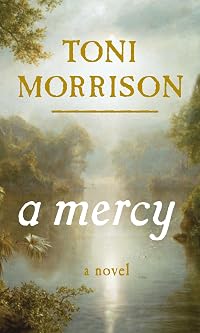
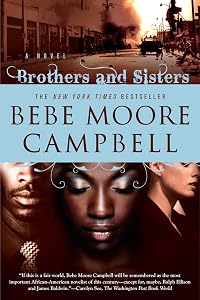


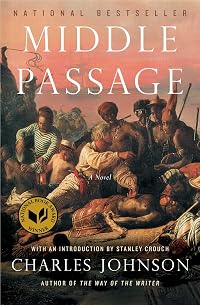
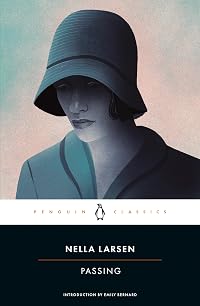
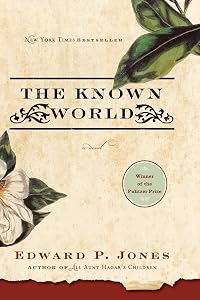
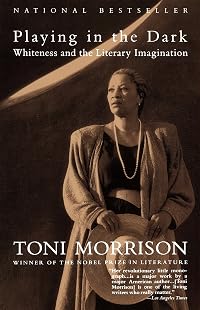
Member Recommendations

thorold For those who can't get enough Milkmen...
Member Reviews
Toni Morrison’s third novel was written in response to her father’s death, and was her first book to focus predominantly on male characters. In her essay, The Site of Memory, Morrison wrote, “But it seemed to me that there was this big void after he died, and I filled it with a book that was about men … But I created a male world and inhabited it and it had this quest--a journey from stupidity to epiphany, of a man, a complete man. It was my way of exploiting all that, of trying to figure out what he may have known.”
Milkman is the youngest child of Ruth and Macon Dead. Ruth’s father was a well-known doctor; Macon’s mother died in childbirth and his father was murdered by whites. Macon earns his living as landlord for show more low-rent homes in the city’s Black community, and considers his relative financial success as something that sets him apart from his tenants. He is a tough landlord and a difficult husband and father. And then there’s Macon’s sister, Pilate, who lives nearby with her daughter Reba and granddaughter Hagar. Macon is estranged from Pilate and forbids his children from seeing her.
Milkman enters adulthood with little knowledge of the dynamics operating within his family. As he comes to understand some of his history, he feels compelled to discover his roots (the possibility of financial gain is also a strong motivator). Thus begins a journey, a sort of quest, in which Milkman retraces the path of his ancestors, as best he can determine by piecing together family legend. Like any good quest, he discovers much more about himself along the way.
This is a richer, more layered story than I have described here, populated with a cast of memorable characters. I know Morrison was intentionally placing men at the center of this book, but I can’t help wishing she’d also written a full-length novel focused on Pilate, a strong and colorful woman if there ever was one. show less
Milkman is the youngest child of Ruth and Macon Dead. Ruth’s father was a well-known doctor; Macon’s mother died in childbirth and his father was murdered by whites. Macon earns his living as landlord for show more low-rent homes in the city’s Black community, and considers his relative financial success as something that sets him apart from his tenants. He is a tough landlord and a difficult husband and father. And then there’s Macon’s sister, Pilate, who lives nearby with her daughter Reba and granddaughter Hagar. Macon is estranged from Pilate and forbids his children from seeing her.
Milkman enters adulthood with little knowledge of the dynamics operating within his family. As he comes to understand some of his history, he feels compelled to discover his roots (the possibility of financial gain is also a strong motivator). Thus begins a journey, a sort of quest, in which Milkman retraces the path of his ancestors, as best he can determine by piecing together family legend. Like any good quest, he discovers much more about himself along the way.
This is a richer, more layered story than I have described here, populated with a cast of memorable characters. I know Morrison was intentionally placing men at the center of this book, but I can’t help wishing she’d also written a full-length novel focused on Pilate, a strong and colorful woman if there ever was one. show less
I don't even know how long it would have taken me to finally read this book had not my resolution to read more of the Bookslut 100 converged with book bingo: A book from the bottom of your to-read pile. Not that I have a pile,but if my list were prioritized, it would be near the bottom. I've owned it for years and years. I once picked it up and read about three pages before I gave up and put it back on the shelf. This book was not going anywhere soon.
Sometimes, I am a bit of an idiot.
Okay, so still, the first few pages were a bit bewildering and I had to kind of slog through them. But not much further in and I was hooked. I mean, it's not like it's a revelation to say that Toni Morrison is a great writer. I think that has pretty much show more been covered. But it's still a revelation to discover it for oneself.
What is the power of names? What is the value of knowing your heritage? The overlapping of stories and myths and meaning-making. The work of unravelling all of that. I don't know how it can be so foreign and yet so familiar all at the same time. If ever a book made you feel like you'd really walked that mile in a stranger's shoes, this book is on that shelf.
I'm grateful I finally read it. show less
Sometimes, I am a bit of an idiot.
Okay, so still, the first few pages were a bit bewildering and I had to kind of slog through them. But not much further in and I was hooked. I mean, it's not like it's a revelation to say that Toni Morrison is a great writer. I think that has pretty much show more been covered. But it's still a revelation to discover it for oneself.
What is the power of names? What is the value of knowing your heritage? The overlapping of stories and myths and meaning-making. The work of unravelling all of that. I don't know how it can be so foreign and yet so familiar all at the same time. If ever a book made you feel like you'd really walked that mile in a stranger's shoes, this book is on that shelf.
I'm grateful I finally read it. show less
Song of Solomon is a brilliant synthesis of a mythic journey, family drama and story of origin. This is the story of Macon "Milkman" Dead, heir to the richest black family in a Midwestern town, as he makes a voyage of rediscovery, travelling southwards geographically and inwards spiritually. In some respects, Milkman's story is a classic Bildungsroman, a coming-of-age story about the moral and psychological development of the main character. However, Milkman is thirty-two when he finally comes of age, unlike traditional heroes and heroines of the Bildungsroman. In part, Milkman postpones his adulthood because he is comfortable as the pampered only son of an upper-middle-class family. But Milkman also resists the sense of connection and show more commitment to others that are required of adults. We see him thinking for himself -- questioning his place in the world:
"As the stars made themselves visible, Milkman tried to figure what was true and what part of what was true had anything to do with him." (p 75)
Through the enlightenment of this one man, his quest for identity, the novel recapitulates the history of slavery and liberation. The novel's epigraph reads, "The fathers may soar/ And the children may know their names." The importance of names and naming for Morrison's cast of characters, primarily Milkman's family, seems to exist in a name's ability to intimate or uncover hidden truths about personal identity. Morrison's use of the flight metaphor to bookend the story is brilliant as well. I found the story both entertaining and educational in the sense that I learned about a culture that was very different than my own. The differences were submerged beneath the similarities in relationships of family and friends that were like those of everyone everywhere. show less
"As the stars made themselves visible, Milkman tried to figure what was true and what part of what was true had anything to do with him." (p 75)
Through the enlightenment of this one man, his quest for identity, the novel recapitulates the history of slavery and liberation. The novel's epigraph reads, "The fathers may soar/ And the children may know their names." The importance of names and naming for Morrison's cast of characters, primarily Milkman's family, seems to exist in a name's ability to intimate or uncover hidden truths about personal identity. Morrison's use of the flight metaphor to bookend the story is brilliant as well. I found the story both entertaining and educational in the sense that I learned about a culture that was very different than my own. The differences were submerged beneath the similarities in relationships of family and friends that were like those of everyone everywhere. show less
Macon Dead, Jr. was born the day another man jumped from the cupola of the hospital wearing homemade wings and couldn't fly. When he's a young boy, he gets the nickname "Milkman" when a man comes in and sees that his mother still nurses him. These are just pieces of his story, as he grows up and becomes a man, falls in and out of love, and learns about family.
I am convinced that Toni Morrison writes everything with a precision of language that is truly remarkable. This is only the second novel of hers that I've written besides Beloved. It was written fifteen years earlier and on the surface is very different, with a lot of dialogue and less descriptive passages. But it is stunning. I hesitate to say too much because the way the last show more third of the book unfolds is amazing. Did I like it? I don't know, but it will definitely stick with me for a long time. An excellent book club pick. show less
I am convinced that Toni Morrison writes everything with a precision of language that is truly remarkable. This is only the second novel of hers that I've written besides Beloved. It was written fifteen years earlier and on the surface is very different, with a lot of dialogue and less descriptive passages. But it is stunning. I hesitate to say too much because the way the last show more third of the book unfolds is amazing. Did I like it? I don't know, but it will definitely stick with me for a long time. An excellent book club pick. show less
There is always a daunted, freighted feeling upon cracking open a [[Toni Morrison]] book, a sense that what lies within may alter perception of reality forever. Few writers have the ability to lull the reader with a narrative so the looming assault is palatable enough to both shift their thinking and keep them coming back for more. The story is far too complicated for any real synopsis but, like most of her books, it is a family epic almost Greek in form. It's a shame we've lost her voice - there aren't enough of Morrison's books in the world. Don't be daunted by what lies within, her parables are necessary to change our world and the writing is a joy.
5 bones!!!!!
Highly recommended.
5 bones!!!!!
Highly recommended.
Toni Morrison is one of the best American writers of the 20th century. Her novel “Song of Solomon” is rich in language (almost like a poem), and riddled with classical allusions (the Bible, Homer’s Odyssey) and symbolism (such as the transient flash of color in the spread tail of a white peacock). It tells the story of Macon Dead III’s (“Milkman’s”) search for identity through four generations of mysterious family history.
The importance of names is a pervasive theme in the novel. Near the end of the story, when Milkman starts his journey back home after discovering the legend of his ancestors, he is thinking about names: “When you know your name, you should hang on to it, for unless it is noted down and remembered, it show more will die when you do.” The family name “Dead” originated in 1869 when the freed slave “Jake” (Macon Sr.) misunderstood when asked who his father was and told the drunken Union soldier registering him that his father was dead. “Milkman” (so-named by Freddie the janitor who observed the boy’s mother through the window nursing the child long past infancy) spends the first half of the book aimlessly seeking personal gratification without commitment to anyone or anything, but half-way through the story, what begins as a materialistic search for a long-lost cache of gold culminates in personal understanding and freedom.
Macon Jr. (Milkman’s father) and Macon Jr.’s sister Pilate are Jake’s grown children who take polar opposite approaches to life. Macon Jr. sees money and personal property as the only way to rise above his background whereas the uneducated Pilate embraces the spiritual folklore of her past. Macon Jr. is financially successful, but emotionally bankrupt (estranged from his wife and children and ashamed of his past). The earthy Pilate wears a snuff box earring that contains her name on a slip of paper, has a mysterious heavy green sack hanging from the ceiling of her primitive home, and luxuriates in the cooking of a perfect soft-boiled egg.
In addition to names, flight is a major theme. The novel begins on February 18, 1931 (which just happens to be Morrison’s birthdate) when local insurance agent Robert Smith, using homemade blue silk wings, attempts to fly across Lake Superior from the top of Mercy Hospital. The note he leaves behind (“Please forgive me. I loved you all”) suggests a different intent. Near the end of the book, Milkman has discovered the legend of a different kind of flight. His great-grandfather Solomon escaped slavery and flew back to Africa: “You know, like a bird. Just stood up in the fields one day, ran up some hill, spun around a couple of times, and was lifted up in the air.” Milkman solves the puzzle of this legend after hearing the words of a song sung by children playing in the streets of his ancestral town of Shalimar, Virginia – hence the book’s title. The liberation of flight however has consequences for those left behind (such as Solomon’s grieving wife Ryna and their 21 children). Throughout the book, the suffering of African American women as a result of racism and the faithlessness of their own men is emphasized. These women are the cohesive forces of their families (such as the household consisting of Pilate, her daughter Reba, and her granddaughter Hagar, who is cruelly discarded by Milkman). At the end of the story, Milkman and Pilate bury Jake’s bones back in Shalimar at “Solomon’s Leap” and put their family history to rest. Then, Milkman leaps to a flight of his own that Morrison leaves open to the reader’s imagination. Does he leap to his death or is it, like Solomon’s, a flight to freedom? I’ll place my bet on the latter. show less
The importance of names is a pervasive theme in the novel. Near the end of the story, when Milkman starts his journey back home after discovering the legend of his ancestors, he is thinking about names: “When you know your name, you should hang on to it, for unless it is noted down and remembered, it show more will die when you do.” The family name “Dead” originated in 1869 when the freed slave “Jake” (Macon Sr.) misunderstood when asked who his father was and told the drunken Union soldier registering him that his father was dead. “Milkman” (so-named by Freddie the janitor who observed the boy’s mother through the window nursing the child long past infancy) spends the first half of the book aimlessly seeking personal gratification without commitment to anyone or anything, but half-way through the story, what begins as a materialistic search for a long-lost cache of gold culminates in personal understanding and freedom.
Macon Jr. (Milkman’s father) and Macon Jr.’s sister Pilate are Jake’s grown children who take polar opposite approaches to life. Macon Jr. sees money and personal property as the only way to rise above his background whereas the uneducated Pilate embraces the spiritual folklore of her past. Macon Jr. is financially successful, but emotionally bankrupt (estranged from his wife and children and ashamed of his past). The earthy Pilate wears a snuff box earring that contains her name on a slip of paper, has a mysterious heavy green sack hanging from the ceiling of her primitive home, and luxuriates in the cooking of a perfect soft-boiled egg.
In addition to names, flight is a major theme. The novel begins on February 18, 1931 (which just happens to be Morrison’s birthdate) when local insurance agent Robert Smith, using homemade blue silk wings, attempts to fly across Lake Superior from the top of Mercy Hospital. The note he leaves behind (“Please forgive me. I loved you all”) suggests a different intent. Near the end of the book, Milkman has discovered the legend of a different kind of flight. His great-grandfather Solomon escaped slavery and flew back to Africa: “You know, like a bird. Just stood up in the fields one day, ran up some hill, spun around a couple of times, and was lifted up in the air.” Milkman solves the puzzle of this legend after hearing the words of a song sung by children playing in the streets of his ancestral town of Shalimar, Virginia – hence the book’s title. The liberation of flight however has consequences for those left behind (such as Solomon’s grieving wife Ryna and their 21 children). Throughout the book, the suffering of African American women as a result of racism and the faithlessness of their own men is emphasized. These women are the cohesive forces of their families (such as the household consisting of Pilate, her daughter Reba, and her granddaughter Hagar, who is cruelly discarded by Milkman). At the end of the story, Milkman and Pilate bury Jake’s bones back in Shalimar at “Solomon’s Leap” and put their family history to rest. Then, Milkman leaps to a flight of his own that Morrison leaves open to the reader’s imagination. Does he leap to his death or is it, like Solomon’s, a flight to freedom? I’ll place my bet on the latter. show less
Morrison's third novel is a little bit more ambitious than the first two in the amount of time and space it covers; it's also unlike the first two in using a male central character — a choice prompted by the recent death of the author's father — although, as you would expect, it's still full of strong female characters.
But in other ways we are very much still in the world of the earlier novels. The core setting for at least the first part is the black community of a small industrial town on the Great Lakes around 1940; the story is framed by two families, one that defines itself by "respectability" and its social and economic success compared to other families in the black community and the other that consists of three generations show more of strong, independent women without men, who seem to care nothing for other people's rules and conventions.
At the centre of the story is Milkman. He's officially called Macon Dead, like his father and grandfather — who originally got the name when a drunken official registering freed slaves filled in a form in the wrong order — but universally known by the nickname that reflects his mother's attempt to delay his growing up as long as possible. We follow his progress from being the spoilt son of a successful local businessman to a kind of self-realisation through the perils and humiliations of a journey back into his family's past in the South. With plenty of the kind of grotesque, paradoxical and borderline magic-realist elements you would expect in a Morrison novel, he learns that you can't be a fully-developed human being until you understand some important things about who you are and where you come from and what it means to love and be loved.
Reading this directly after the first two, it felt a little bit drier, more detached in its style: there is a lot of suffering and injustice, some brutal murders and even more abrupt and tragic pieces of self-destruction, but they are just that little bit further away from us as readers than they were in Sula and The bluest eye. It's hard to say whether that makes it more or less effective as a novel, though: it's simply a different approach. show less
But in other ways we are very much still in the world of the earlier novels. The core setting for at least the first part is the black community of a small industrial town on the Great Lakes around 1940; the story is framed by two families, one that defines itself by "respectability" and its social and economic success compared to other families in the black community and the other that consists of three generations show more of strong, independent women without men, who seem to care nothing for other people's rules and conventions.
At the centre of the story is Milkman. He's officially called Macon Dead, like his father and grandfather — who originally got the name when a drunken official registering freed slaves filled in a form in the wrong order — but universally known by the nickname that reflects his mother's attempt to delay his growing up as long as possible. We follow his progress from being the spoilt son of a successful local businessman to a kind of self-realisation through the perils and humiliations of a journey back into his family's past in the South. With plenty of the kind of grotesque, paradoxical and borderline magic-realist elements you would expect in a Morrison novel, he learns that you can't be a fully-developed human being until you understand some important things about who you are and where you come from and what it means to love and be loved.
Reading this directly after the first two, it felt a little bit drier, more detached in its style: there is a lot of suffering and injustice, some brutal murders and even more abrupt and tragic pieces of self-destruction, but they are just that little bit further away from us as readers than they were in Sula and The bluest eye. It's hard to say whether that makes it more or less effective as a novel, though: it's simply a different approach. show less
Members
- Recently Added By
Lists

The Guardian's 1000 Novels Everyone Must Read
1,005 works; 552 members

1001 Books You Must Read Before You Die
1,448 works; 1,137 members

Radcliffe's 100 Best Novel of the 20th Century
100 works; 32 members

Magic Realism
371 works; 52 members
Novels from The Guardian's Great American Novelist Tournament
148 works; 24 members

Great American Novels
158 works; 42 members

Recommend the 20 best books you've read in the last five years
2,168 works; 609 members

The Top Ten: Writers Pick Their Favorite Books
240 works; 33 members

Unread books
1,063 works; 84 members

Banned Books Week 2014
268 works; 63 members

The Guardian's 100 greatest novels of all time
100 works; 16 members
20th Century Literature
1,161 works; 55 members

Oprah's Book Club (original and 2.0)
91 works; 21 members
Favourite Books
1,820 works; 316 members
New York Public Library's Books of the Century
120 works; 20 members

Books recommended by Barack Obama
295 works; 29 members

Top Five Books of 2020
982 works; 350 members

Must-Read Books by Black Authors
114 works; 92 members
Harold Bloom - The Western Canon: D. The Chaotic Age
833 works; 24 members

1970s
657 works; 23 members

Best African American Literature
53 works; 9 members

New York Public Library's Books of the Century - All
170 works; 14 members

Nobel Price Winners
222 works; 20 members

Female Author
1,234 works; 65 members
Banned or Challenged Books
402 works; 43 members
The American Experience
173 works; 18 members

One Book, Many Authors
441 works; 40 members
The Well-Educated Mind Reading Challenge
75 works; 7 members

The Zora Canon
98 works; 4 members

Five star books
1,767 works; 110 members
Blue Pyramid 1,276 Best Books of All Time
1,248 works; 32 members

Literature by People of Color
81 works; 9 members
Black Authors
386 works; 28 members

Books You Read During High School (For School)
301 works; 52 members

Best family sagas
244 works; 34 members
1,001 BYMRBYD Concensus
723 works; 27 members

Science Fiction Pretending not to be Science Fiction
7 works; 1 member
Newsweek's Top 100 Books: The Meta-List
100 works; 18 members
The Greatest Books
99 works; 5 members

A's favorite novels
100 works; 3 members
The Guardian's 100 Best Novels Written in English
105 works; 13 members

Books Read in 2015
3,299 works; 126 members

Willoyd's Tour of the USA
25 works; 1 member

Well-Educated Mind
150 works; 3 members

Books Read in 2017
4,249 works; 130 members

Obama Reads
181 works; 3 members

Read This Next
120 works; 3 members
American Lit for Eng 11 Research Project
368 works; 6 members

Literary Witches
86 works; 4 members

Zora Canon
100 works; 6 members

Gen X Library
245 works; 4 members

.
396 works; 1 member
School Made Us Read It
380 works; 197 members
Vlogbrothers Book Recommendations
307 works; 4 members

DigitalDreamDoor top 300
300 works; 4 members

Virginia Banned Books 2023
68 works; 3 members
Canon de la narrativa universal del s. XX (cicutadry)
499 works; 3 members
The Well-Educated Mind, Susan Wise Bauer, 2016
179 works; 3 members
BitLife
212 works; 4 members

The Atlantic's The Great American Novel
136 works; 12 members

AP Lit
363 works; 6 members
Books by Black Authors: Potential Reads
12 works; 1 member

Swinging Seventies
255 works; 18 members
English Literature Class
100 works; 1 member
Talk Discussions
Past Discussions
Thornwillow Press - Song of Solomon in Fine Press Forum (October 2024)
Author Information

103+ Works 80,557 Members
Some Editions
Awards and Honors
Series
Belongs to Publisher Series
Work Relationships
Is contained in
Has as a commentary on the text
Common Knowledge
- Canonical title*
- Solomons Lied
- Original title
- Song of Solomon
- Alternate titles*
- De hemelvaart van Solomon
- Original publication date
- 1977
- People/Characters
- Macon Dead III ('Milkman'); Guitar; Hagar; Macon Dead Jr; Magdelene Dead ('Lena'); Pilate (show all 9); Reba; Ruth Foster Dead; Robert Smith
- Important places
- Michigan, USA; Shalimar, Virginia, USA
- Epigraph
- The fathers may soar / And the children may know their names
- Dedication
- Daddy
- First words
- The North Carolina Mutual Life Insurance agent promised to fly from Mercy to the other side of Lake Superior at three o'clock.
- Quotations
- He soaped and rubbed her until her skin squeaked and glistened like onyx. She put salve on his face. He washed her hair. She sprinkled talcum on his feet. He straddled her behind and massaged her back. She put witch hazel on ... (show all)his swollen neck. He made up the bed. She gave him gumbo to eat. He washed the dishes. She washed his clothes and hung them out to dry. He scoured her tub. She ironed his shirt and pants. He gave her fifty dollars. She kissed his mouth. He touched her face. She said please come back. He said I’ll see you tonight.
- Last words
- (Click to show. Warning: May contain spoilers.)For now he knew what Shalimar knew: If you surrendered to the air, you could ride it.
- Original language
- English US
- Canonical DDC/MDS
- 813.54
- Canonical LCC
- PS3563.O8749
*Some information comes from Common Knowledge in other languages. Click "Edit" for more information.
Classifications
Statistics
- Members
- 12,636
- Popularity
- 657
- Reviews
- 136
- Rating
- (4.03)
- Languages
- 19 — Chinese, Czech, Danish, Dutch, English, Finnish, French, German, Hungarian, Icelandic, Italian, Japanese, Norwegian (Bokmål), Norwegian, Polish, Croatian, Spanish, Swedish, Turkish
- Media
- Paper, Audiobook, Ebook
- ISBNs
- 118
- UPCs
- 1
- ASINs
- 48