
The Invention of Wings
by Sue Monk Kidd
On This Page
Description
"The story follows Hetty "Handful" Grimke, a Charleston slave, and Sarah, the daughter of the wealthy Grimke family. The novel begins on Sarah's eleventh birthday, when she is given ownership over Handful, who is to be her handmaid. "The Invention of Wings" follows the next thirty-five years of their lives. Inspired in part by the historical figure of Sarah Grimke (a feminist, suffragist and, importantly, an abolitionist), Kidd allows herself to go beyond the record to flesh out the inner show more lives of all the characters, both real and imagined"-- show lessTags
Recommendations
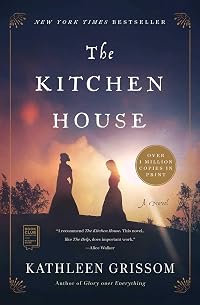
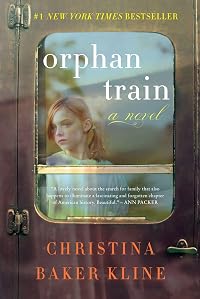

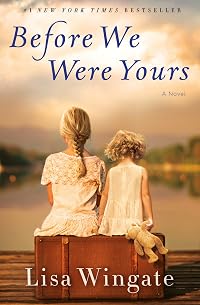
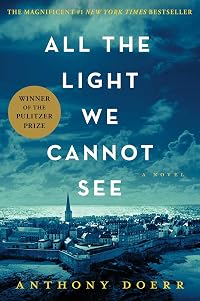
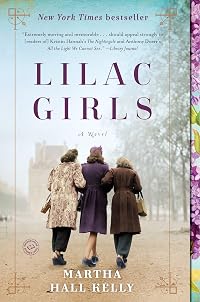
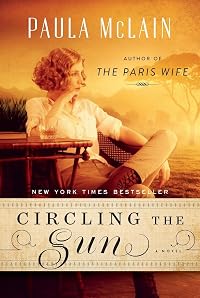
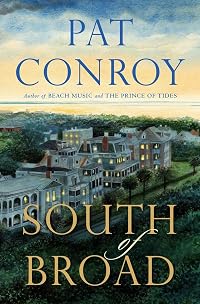
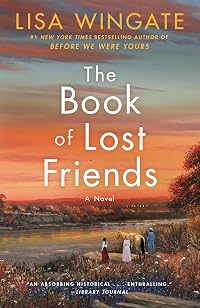
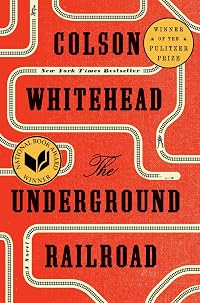
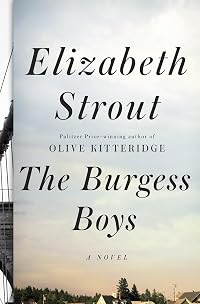
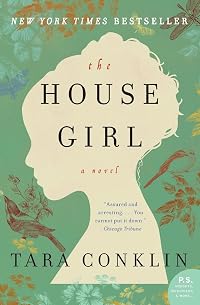

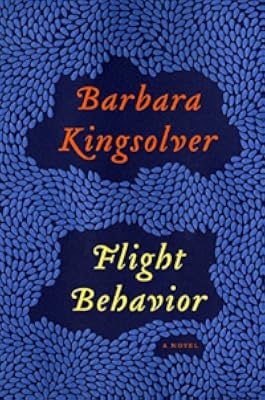
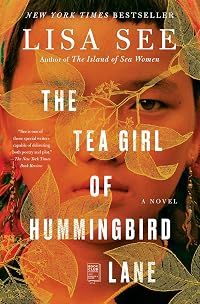
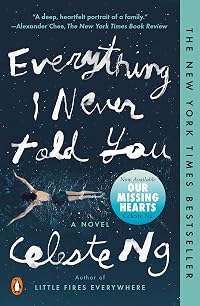
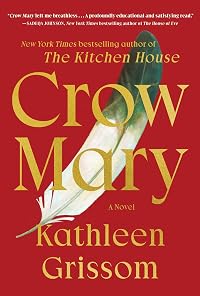


Member Recommendations
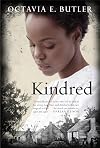
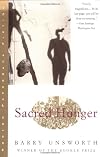
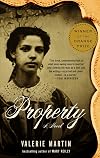
BookshelfMonstrosity Both of these dramatic novels explore the troubled relationships between slaves and slave owners in the American South using strong female protagonists, as well as exploring the issues all women faced during this dark period in history.
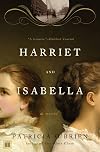
BookshelfMonstrosity Strong female characters are central to these dramatic, emotional stories. Intertwining historical events with themes of slavery, women's rights, and family loyalties, both of these novels are told in alternating voices.
megk11676 A memoir of a girl growing up in Puerto Rico and then in Brooklyn in the 1950's-1960's.
arrwa Story of struggle and survival.
hoddybook Both look at the horrors of slavery with an emphasis the womens lot.
mybookshelf Both explore the relationship between a black slave girl and a privileged white girl.
Member Reviews
Just fantastic in every way. And I will be forever grateful to the friend of a friend who particularly recommended LISTENING to this one. Actresses Jenna Lamia and Adepero Oduye voice the alternating chapter characters of white Charleston early abolitionist Sarah Grimke and Hetty/Handful, the slave Sarah is given on her 11th birthday against her wishes. Lamia's and Oduye's skill drew me right into the story, and their voices stayed with me even when I grew impatient with the pace of listening, and read several chapters myself towards the end. Sue Monk Kidd did exhaustive research to produce this novel, and explains in her Author's Note at the end where she diverged from fact. While she does embellish and imagine, she is largely faithful show more to the true story of Sarah and her fellow abolitionist sister, Angelina (Nina). Kidd has done a great service by bringing their lives (which had largely been forgotten, even in Charleston) and Handful's (which was invented, but also based on research) to a much wider audience than the straight historical accounts had previously reached. But all of that might not have worked so well if she hadn't made all three of them, as well as other background characters, so memorable, moving, and compelling. show less
Sarah Grimke and her sister, Angelina, grew up in a privileged family in South Carolina during the 1800′s. They were two of the first female abolition activists, who later became feminist speakers and advocates. Despite their courage and impact on social advancement, they are not well known in our historical record.
Sue Monk Kidd has brought these two sisters to life in the pages of her remarkable novel, The Invention of Wings. The book focuses on Sarah, the older of the two sisters, and opens in 1803 when Sarah receives the gift of a slave girl for her eleventh birthday. Hetty “Handful” is ten years old, the daughter of an outspoken slave named Charlotte who works as the seamstress for the family. Narrated in the alternating show more voices of both Handful and Sarah, the story unfolds over nearly four decades.
Thematically, the novel explores the idea of freedom (or the lack thereof) both from the perspective of slavery and that of women’s rights. For Sarah, her dreams of doing something exceptional are squashed because she is a woman. For Handful, her life is limited by the fact that she is viewed as less than a person, someone who lives only to serve the needs of her “owners.” Both woman find a voice in Kidd’s novel, giving the reader a glimpse back in history to a time when women and blacks had no rights.
For me, Handful’s story was the more powerful. Her relationship with her mother, Charlotte, is well developed and tugs at the heartstrings. I especially appreciated the narrative thread about quilts and quilting. The rich history of quilting has been said to play an important role in the cause of abolition. In their book Hidden in Plain View: A Secret Story of Quilts and the Underground Railroad, Jacqueline Tobin and Raymond Dobard explore the idea of a slave code which contained secret messages that helped direct slaves to freedom. The book has become controversial and many people have debunked its theory, but others are convinced of its truth (the book was based on oral testimony). Kidd uses this history in her book – Charlotte and Handful hide items by sewing them between the fabric of their quilts – and also explores the history of “story quilts” – a form of quilting whereby the quilter tells a story.
The Invention of Wings is a rich novel that reminds us of the often painful road to freedom for blacks and women. There are many historical characters included in the book, as well as fictional (Handful is a fictional character but is symbolic of the countless number of slaves who sought freedom in the 1800s). Kidd develops her characters well and her decision to use alternating points of view is a good one which gives the reader an in depth understanding of both Sarah and Handful.
Bittersweet, emotional, and eloquently crafted, The Invention of Wings will appeal to readers who enjoy historical fiction, especially that which is based in the South during the early part of the nineteenth century.
Recommended. show less
Sue Monk Kidd has brought these two sisters to life in the pages of her remarkable novel, The Invention of Wings. The book focuses on Sarah, the older of the two sisters, and opens in 1803 when Sarah receives the gift of a slave girl for her eleventh birthday. Hetty “Handful” is ten years old, the daughter of an outspoken slave named Charlotte who works as the seamstress for the family. Narrated in the alternating show more voices of both Handful and Sarah, the story unfolds over nearly four decades.
Thematically, the novel explores the idea of freedom (or the lack thereof) both from the perspective of slavery and that of women’s rights. For Sarah, her dreams of doing something exceptional are squashed because she is a woman. For Handful, her life is limited by the fact that she is viewed as less than a person, someone who lives only to serve the needs of her “owners.” Both woman find a voice in Kidd’s novel, giving the reader a glimpse back in history to a time when women and blacks had no rights.
For me, Handful’s story was the more powerful. Her relationship with her mother, Charlotte, is well developed and tugs at the heartstrings. I especially appreciated the narrative thread about quilts and quilting. The rich history of quilting has been said to play an important role in the cause of abolition. In their book Hidden in Plain View: A Secret Story of Quilts and the Underground Railroad, Jacqueline Tobin and Raymond Dobard explore the idea of a slave code which contained secret messages that helped direct slaves to freedom. The book has become controversial and many people have debunked its theory, but others are convinced of its truth (the book was based on oral testimony). Kidd uses this history in her book – Charlotte and Handful hide items by sewing them between the fabric of their quilts – and also explores the history of “story quilts” – a form of quilting whereby the quilter tells a story.
The Invention of Wings is a rich novel that reminds us of the often painful road to freedom for blacks and women. There are many historical characters included in the book, as well as fictional (Handful is a fictional character but is symbolic of the countless number of slaves who sought freedom in the 1800s). Kidd develops her characters well and her decision to use alternating points of view is a good one which gives the reader an in depth understanding of both Sarah and Handful.
Bittersweet, emotional, and eloquently crafted, The Invention of Wings will appeal to readers who enjoy historical fiction, especially that which is based in the South during the early part of the nineteenth century.
Recommended. show less
I just finished reading “The Invention of Wings” by Sue Monk Kidd. This book was actually suggested by the book club I am in, and so I started to read it without much knowledge of the author or the real story of the Grimké sisters, Sarah and Angelina. To be honest, I was not even sure of the author’s racial background or where the author grew up. All I knew was that Sue Monk Kidd was an American woman. I guess what I am trying to say in this introduction is that I went in blind.
The story is split in two and told from the perspective of Sarah Grimké and a slave girl who worked in the Grimké household, Hetty Handful. This multiple perspective reminds me a lot of Barbara Kingsolver’s “Poisonwood Bible”. The chapters show more oscillate between Hetty and Sarah and the reader gets a glimpse of slave owner and the enslaved. Before I go further, I just want to point out that some reviews have suggested that Hetty, referred to in the book mainly as Handful, was a fictional slave character created by Monk Kidd, although this is not exactly the case. Hetty was indeed a slave in the Grimké household and Sarah did teach her how to read and write, although she dies soon after and that is sadly where her story stops. In this sense, Handful’s story after learning to read and write is a fiction created by Monk Kidd, although her existence is not. And I think that Sue Monk Kidd did a very brave thing including Hetty’s story, voice, and narrative into “The Invention of Wings”. It is through Monk Kidd’s story that I now know of the existence of Hetty.
So if you’re wondering who Sarah Grimké was, here is a short bio. She grew up inSarah_Moore_Grimke Charleston, South Carolina in the early 1800s. Her family were rich white slave owners and her father was a judge. Her brothers all followed in their father’s footsteps and became lawyers. Sarah, a woman (so basically worth nothing) was trapped in a house and forced to learn what it was to be a woman of society. She detests slavery and in the end becomes a Quaker and then a spokeswoman for the abolition of slavery and for women’s rights in the USA.Angelina_Emily_Grimke
Her sister Angelina, Nina, was much young than Sarah and was considered quite the ‘looker’. I’ll let you decide. The two of them worked together in their efforts against slavery and the promotion of women’s rights. At the time, they were infamous and quite the scandal – women talking in public, sharing opinions, fighting for freedom and all that. Although, over time their story was lost to history.
And now to “The Invention of Wings”…
Even though “The Invention of Wings” is clearly a book about slavery and the early abolition movement, it is also a story of women and sisters. Sarah and Nina realise that it is only when they are together, they can take on slavery and women’s rights. Each sister is one wing and together they can fly. The same can be said about Hetty and her sister Sky. The references to wings and the blackbirds are a strong theme throughout the book and Charlotte, Hetty’s mother, constantly tells Hetty the story of her grandmother and the loss of her wings after leaving Africa.
Another strong theme is water and boats. Charleston, a town located on the water, is both beautiful and evil. The town’s strict laws against slaves and the Work House (a torture house for ‘uncooperative’ slaves) unleashes cries and screams that contrast the sound of the ocean waves and the hope of freedom.
“Cross the water, cross the sea
Let them fishes carry me.
If that water take too long,
Carry me on, carry me on.” – Hetty p.39
These themes of water, water, birds, and flying are all chronicled in Charlotte’s story quilt. Hetty’s mother creates a quilt that chronicles her mother’s trip from Africa and Charlotte’s life as a slave. Unable to read and write, the quilt becomes a way to tell Charlotte’s story and a way to explain the inexplicable pain of slavery. The story quilt is completely fiction according to Sue Monk Kidd. But I think that it is a great narrative device for the story. Even though the quilt might seem implausible considering the restrictions of slavery, (How would the slave get that much cloth to sew? How would they have the time? If it were found surely it would destroyed and/or considered some kind of crime?) I think though in the novel, the quilt represents a resistance against forgetting the past, no matter how painful. It is an act of defiance.
“The nightmare lasted so long and the distances traversed were so vast that communication was breached between home and diaspora; even memory lapsed, and the two sides lost each other; they forgot who they were, their proper name.” – China Achebe, 56 (The Education of a British Protected Child)
The nightmare of slavery that Achebe talks about here and the lapse in memory is exactly what the story quilt fights against whether it is fictional or not. It is an attempt to bridge two sides – Africa and America, savage and slave (as seen in the eyes of colonialists). The quilt gives Charlotte agency over her past and her memory.
In a New York Times article Kathryn McKee talks about the risks of writing about slavery and race as a white person. She says that when white people write about slavery they run the risk of only telling the white person’s perspective. And this is true. African Americans (or any other race for that matter) do not need another white person telling them how it is/was/or should be. But, I think that times are changing. And what I mean is: with each year, more and more people of colour write novels, articles, stories, and blogs about race, discrimination, slavery, life, love, pain, travel, and change. Their side, their stories were missing for many many years and are still not represented enough.
When we only allow one kind of story to be told, we miss out. Which is why it’s important to have stories from every race, religion, gender, culture, and social demographic. So in answer to my question, Can white people write about slavery?: I say yes. I don’t know if I’m stretching my metaphors here, but I wonder if we could think about this in relation to Monk Kidd’s references to wings and sistership:
Sarah is one wing, her sister Nina the other. Together, and only together can they fly.
Hetty is one wing, and her sister Sky is the other. Together, and only together can they fly.
Sarah is one wing, and Hetty is the other. Together, and only together can they fly. show less
The story is split in two and told from the perspective of Sarah Grimké and a slave girl who worked in the Grimké household, Hetty Handful. This multiple perspective reminds me a lot of Barbara Kingsolver’s “Poisonwood Bible”. The chapters show more oscillate between Hetty and Sarah and the reader gets a glimpse of slave owner and the enslaved. Before I go further, I just want to point out that some reviews have suggested that Hetty, referred to in the book mainly as Handful, was a fictional slave character created by Monk Kidd, although this is not exactly the case. Hetty was indeed a slave in the Grimké household and Sarah did teach her how to read and write, although she dies soon after and that is sadly where her story stops. In this sense, Handful’s story after learning to read and write is a fiction created by Monk Kidd, although her existence is not. And I think that Sue Monk Kidd did a very brave thing including Hetty’s story, voice, and narrative into “The Invention of Wings”. It is through Monk Kidd’s story that I now know of the existence of Hetty.
So if you’re wondering who Sarah Grimké was, here is a short bio. She grew up inSarah_Moore_Grimke Charleston, South Carolina in the early 1800s. Her family were rich white slave owners and her father was a judge. Her brothers all followed in their father’s footsteps and became lawyers. Sarah, a woman (so basically worth nothing) was trapped in a house and forced to learn what it was to be a woman of society. She detests slavery and in the end becomes a Quaker and then a spokeswoman for the abolition of slavery and for women’s rights in the USA.Angelina_Emily_Grimke
Her sister Angelina, Nina, was much young than Sarah and was considered quite the ‘looker’. I’ll let you decide. The two of them worked together in their efforts against slavery and the promotion of women’s rights. At the time, they were infamous and quite the scandal – women talking in public, sharing opinions, fighting for freedom and all that. Although, over time their story was lost to history.
And now to “The Invention of Wings”…
Even though “The Invention of Wings” is clearly a book about slavery and the early abolition movement, it is also a story of women and sisters. Sarah and Nina realise that it is only when they are together, they can take on slavery and women’s rights. Each sister is one wing and together they can fly. The same can be said about Hetty and her sister Sky. The references to wings and the blackbirds are a strong theme throughout the book and Charlotte, Hetty’s mother, constantly tells Hetty the story of her grandmother and the loss of her wings after leaving Africa.
Another strong theme is water and boats. Charleston, a town located on the water, is both beautiful and evil. The town’s strict laws against slaves and the Work House (a torture house for ‘uncooperative’ slaves) unleashes cries and screams that contrast the sound of the ocean waves and the hope of freedom.
“Cross the water, cross the sea
Let them fishes carry me.
If that water take too long,
Carry me on, carry me on.” – Hetty p.39
These themes of water, water, birds, and flying are all chronicled in Charlotte’s story quilt. Hetty’s mother creates a quilt that chronicles her mother’s trip from Africa and Charlotte’s life as a slave. Unable to read and write, the quilt becomes a way to tell Charlotte’s story and a way to explain the inexplicable pain of slavery. The story quilt is completely fiction according to Sue Monk Kidd. But I think that it is a great narrative device for the story. Even though the quilt might seem implausible considering the restrictions of slavery, (How would the slave get that much cloth to sew? How would they have the time? If it were found surely it would destroyed and/or considered some kind of crime?) I think though in the novel, the quilt represents a resistance against forgetting the past, no matter how painful. It is an act of defiance.
“The nightmare lasted so long and the distances traversed were so vast that communication was breached between home and diaspora; even memory lapsed, and the two sides lost each other; they forgot who they were, their proper name.” – China Achebe, 56 (The Education of a British Protected Child)
The nightmare of slavery that Achebe talks about here and the lapse in memory is exactly what the story quilt fights against whether it is fictional or not. It is an attempt to bridge two sides – Africa and America, savage and slave (as seen in the eyes of colonialists). The quilt gives Charlotte agency over her past and her memory.
In a New York Times article Kathryn McKee talks about the risks of writing about slavery and race as a white person. She says that when white people write about slavery they run the risk of only telling the white person’s perspective. And this is true. African Americans (or any other race for that matter) do not need another white person telling them how it is/was/or should be. But, I think that times are changing. And what I mean is: with each year, more and more people of colour write novels, articles, stories, and blogs about race, discrimination, slavery, life, love, pain, travel, and change. Their side, their stories were missing for many many years and are still not represented enough.
When we only allow one kind of story to be told, we miss out. Which is why it’s important to have stories from every race, religion, gender, culture, and social demographic. So in answer to my question, Can white people write about slavery?: I say yes. I don’t know if I’m stretching my metaphors here, but I wonder if we could think about this in relation to Monk Kidd’s references to wings and sistership:
Sarah is one wing, her sister Nina the other. Together, and only together can they fly.
Hetty is one wing, and her sister Sky is the other. Together, and only together can they fly.
Sarah is one wing, and Hetty is the other. Together, and only together can they fly. show less
It's a little intimidating to have such a negative opinion of such a well-loved book by such a well-love author. But nevertheless, I have some... thoughts on what Sue Monk Kidd cooked up in The Invention of Wings and I feel like this is a good story about staying in your lane.
The Invention of Wings is told in two POVs - Sarah Grimke and her slave Handful. The first problem here should be obvious, and that is simply that we are far past the need to have an old white woman write a story from the point of view of a Black slave. Sue Monk Kidd got away with some stuff when she wrote The Secret Life of Bees, but I think that story worked because she kept it in Lily's POV. Had she turned around and tried to write August, June, or May... I show more would have been out. Here? I'm out.
Considering she set out to tell the story of two abolitionist growing up in Charleston, SC, the edge of almost white savoriness to this book is... disappointing, but unsurprising. I do believe the author generally thinks she put a good story out there, one that is against racism... while she is passively marginalizing Black voices by using her power to tell Black stories. We are past this. What she could have done, and perhaps it would have been great, is co-write this story with a Black author and let them tell Handful's story.
But. That's not what happened. So immediately, this rubs me the wrong way.
Sarah Grimke is a real historical figure - a young woman who joined the Quakers with one of her younger sisters and spoke against slavery. And while the subject of slavery does come up frequently, it always seem to take Sarah by surprise. "Oh dear brothers, what are you talking about? Slavery? Oh that's a terrible institution." And then they laugh her off. It's peppered in like someone holding heir head high and saying they are doing an important thing, but actually they are more interested in something else and keep forgetting about the Important Thing until it's time for a bit of plot advancement. For Sarah, this is so much about romance. There's a throwaway section early in the book about a beau that didn't work out, pages and pages of unnecessary story if Sue Monk Kidd really wanted to write a culturally important story.
But I don't think that's what Sue Monk Kidd really set out to do. This feels like a book about relationships - romantic, parental, and between friends. It's not altogether all that heartwarming, either. There's a lot of awkward telling and dramatic speeches that fall away useless and brave actions that amount to nothing and just... it was a waste. It felt like a waste of time and paper. And I know that's mean! I'm sorry. It's how I feel.
Perhaps Sarah Grimke was a uniquely fascinating woman. But The Invention of Wings feels like a story written to capitalize on a romantic story using social justice and Black suffering as a backdrop and weak motivator, in a similar vein as her other highly successful book but with far less respect or impact. You can skip this one. Really. show less
The Invention of Wings is told in two POVs - Sarah Grimke and her slave Handful. The first problem here should be obvious, and that is simply that we are far past the need to have an old white woman write a story from the point of view of a Black slave. Sue Monk Kidd got away with some stuff when she wrote The Secret Life of Bees, but I think that story worked because she kept it in Lily's POV. Had she turned around and tried to write August, June, or May... I show more would have been out. Here? I'm out.
Considering she set out to tell the story of two abolitionist growing up in Charleston, SC, the edge of almost white savoriness to this book is... disappointing, but unsurprising. I do believe the author generally thinks she put a good story out there, one that is against racism... while she is passively marginalizing Black voices by using her power to tell Black stories. We are past this. What she could have done, and perhaps it would have been great, is co-write this story with a Black author and let them tell Handful's story.
But. That's not what happened. So immediately, this rubs me the wrong way.
Sarah Grimke is a real historical figure - a young woman who joined the Quakers with one of her younger sisters and spoke against slavery. And while the subject of slavery does come up frequently, it always seem to take Sarah by surprise. "Oh dear brothers, what are you talking about? Slavery? Oh that's a terrible institution." And then they laugh her off. It's peppered in like someone holding heir head high and saying they are doing an important thing, but actually they are more interested in something else and keep forgetting about the Important Thing until it's time for a bit of plot advancement. For Sarah, this is so much about romance. There's a throwaway section early in the book about a beau that didn't work out, pages and pages of unnecessary story if Sue Monk Kidd really wanted to write a culturally important story.
But I don't think that's what Sue Monk Kidd really set out to do. This feels like a book about relationships - romantic, parental, and between friends. It's not altogether all that heartwarming, either. There's a lot of awkward telling and dramatic speeches that fall away useless and brave actions that amount to nothing and just... it was a waste. It felt like a waste of time and paper. And I know that's mean! I'm sorry. It's how I feel.
Perhaps Sarah Grimke was a uniquely fascinating woman. But The Invention of Wings feels like a story written to capitalize on a romantic story using social justice and Black suffering as a backdrop and weak motivator, in a similar vein as her other highly successful book but with far less respect or impact. You can skip this one. Really. show less
Our local museum, the Mint Museum, has started a really cool book club program. They choose books that pair nicely with their current exhibits and offer tours that show off some of the things that are either in the books or reflect the period of the book well. One of my book clubs wanted to try out this program so we read and discussed The Invention of Wings, Sue Monk Kidd's novel about a white woman who became a well known abolitionist and feminist and the black slave woman she grew up with, before we walked around the museum to see examples of household goods from the pre-Civil War South and elaborate African masks and other artifacts some slaves might have known before their enslavement. It added a really cool dimension to an already show more fascinating book.
Based on the real life abolitionist and feminist Sarah Grimke, the novel runs from Sarah's childhood, when at 11 years old she was gifted with her own slave, Hetty (called Handful), to her adulthood when she spoke out publicly against this terrible institution and about the injustices done to all women. Chapters alternating between Sarah's story and Handful's story over their thirty five years together, tell the tale of their lives, the happy and the sad, the terrible and the great, and their relationship to each other. Sarah is the daughter of a conservative wealthy judge, southern aristocracy, but even from a very young age, she confronts entrenched traditions and the inhumanity of slavery. She is incredibly smart and yearns for an education but as a girl, she is not entitled to one, the very idea of her dreams to become a lawyer are laughed off. When she is given Handful as her own personal maid, she finds in the younger child an even more oppressed human being than she is. Her first big act of rebellion, and one that was definitely illegal, was teaching Handful how to read, a skill that would change the course of Handful's life. As both Sarah and Handful grow up, each of them struggles against their respective bonds searching for the freedom and equality they deserve and desire. If they cannot find it within the bounds of the laws of the day, they will find another way.
Sarah and Handful are both amazing and strong women who have much to overcome in their lives because of the time and place in which they lived. Both characters tell their own stories in first person and the chapters alternating between the two of them allows comparisons as well as highlights differences in their circumstances. Each woman lives a constrained life, faces hard or unimaginable sacrifices, and puts right and responsibility above her own welfare and comfort. The story of these two women is both domestic and an insight into the winds of change as abolitionism grew stronger and stronger in our nation's history. The earlier years of the novel felt faster as they built up to the end because the build to the final rebellion was slow and measured, increasing the narrative tension and bringing the reader to the edge of wondering how the book could possibly finish strong and appropriately in so few remaining pages. And yet Kidd has managed to accomplish just that. This is an engaging and insightful look at slavery, feminism, friendship, honor, and perseverance through the fictionalized eyes of a forgotten but important figure in the abolitionist movement and the slave woman who spent so many years with the Grimke family aching for the promised freedom of her own. show less
Based on the real life abolitionist and feminist Sarah Grimke, the novel runs from Sarah's childhood, when at 11 years old she was gifted with her own slave, Hetty (called Handful), to her adulthood when she spoke out publicly against this terrible institution and about the injustices done to all women. Chapters alternating between Sarah's story and Handful's story over their thirty five years together, tell the tale of their lives, the happy and the sad, the terrible and the great, and their relationship to each other. Sarah is the daughter of a conservative wealthy judge, southern aristocracy, but even from a very young age, she confronts entrenched traditions and the inhumanity of slavery. She is incredibly smart and yearns for an education but as a girl, she is not entitled to one, the very idea of her dreams to become a lawyer are laughed off. When she is given Handful as her own personal maid, she finds in the younger child an even more oppressed human being than she is. Her first big act of rebellion, and one that was definitely illegal, was teaching Handful how to read, a skill that would change the course of Handful's life. As both Sarah and Handful grow up, each of them struggles against their respective bonds searching for the freedom and equality they deserve and desire. If they cannot find it within the bounds of the laws of the day, they will find another way.
Sarah and Handful are both amazing and strong women who have much to overcome in their lives because of the time and place in which they lived. Both characters tell their own stories in first person and the chapters alternating between the two of them allows comparisons as well as highlights differences in their circumstances. Each woman lives a constrained life, faces hard or unimaginable sacrifices, and puts right and responsibility above her own welfare and comfort. The story of these two women is both domestic and an insight into the winds of change as abolitionism grew stronger and stronger in our nation's history. The earlier years of the novel felt faster as they built up to the end because the build to the final rebellion was slow and measured, increasing the narrative tension and bringing the reader to the edge of wondering how the book could possibly finish strong and appropriately in so few remaining pages. And yet Kidd has managed to accomplish just that. This is an engaging and insightful look at slavery, feminism, friendship, honor, and perseverance through the fictionalized eyes of a forgotten but important figure in the abolitionist movement and the slave woman who spent so many years with the Grimke family aching for the promised freedom of her own. show less
Compelling multi narrator story of two young girls who grow into womanhood: Sarah Grimke, daughter of Charleston wealthy white family & Handful (Hetty to her white owners), an enslaved black girl who was raised on the Grimke estate and "assigned" to Sarah when she turned 11. The author's seamless prose moves back and forth between these two girls/women's voices without one false note - to my delight realized halfway through this was THE Sarah Grimke, of women's rights/abolitionist fame. In spite of all the specific historical detail, author keeps the character development & the fastmoving plot at the core of the story - Kidd's Afterword revealed much about how through her research she was able to create such a "truthful" novel from the show more historical record left by Sarah Grimke. The perfect "prep" before I visit Charleston,S.C. in a couple weeks! show less
In this book, Sarah Grimke and Hetty (Handful) grow up in parallel but thoroughly different worlds within the same early 19th-century Charleston house, one as daughter of the master and the other as the slave girl given to her on her 11th birthday. Their relationship isn't simplistic and sweet, which I appreciated; they are both complex, believable characters fighting to find their own places in the world.
Sarah has a stammer, wants to be a lawyer, and strains at the social norms while Hetty and her mother rebel in more dangerous ways. All the family and romantic relationships were also complicated and interesting. I enjoyed seeing their lives unfold and getting to know these wonderful women (along with Lina, the little sister Sarah show more raised to be outspoken).
It wasn't until I'd finished reading the book that I discovered this novel was based on the real Sarah Grimke and her younger sister who become some of the first female abolitionists and the women's rights activists. (Hetty was a real person too, but died young; the author had to add a great deal to her life.) That added even more strength to the book.
Excellent audio narration in Sarah and Hetty's voices by Jenna Lamia and Adepero Oduye. show less
Sarah has a stammer, wants to be a lawyer, and strains at the social norms while Hetty and her mother rebel in more dangerous ways. All the family and romantic relationships were also complicated and interesting. I enjoyed seeing their lives unfold and getting to know these wonderful women (along with Lina, the little sister Sarah show more raised to be outspoken).
It wasn't until I'd finished reading the book that I discovered this novel was based on the real Sarah Grimke and her younger sister who become some of the first female abolitionists and the women's rights activists. (Hetty was a real person too, but died young; the author had to add a great deal to her life.) That added even more strength to the book.
Excellent audio narration in Sarah and Hetty's voices by Jenna Lamia and Adepero Oduye. show less
Members
- Recently Added By
Published Reviews
ThingScore 50
Both Handful and Sarah are admirable characters, though rather disappointingly so. Improbable allies are most engaging when they make life hard for each other and generally it takes them a while to find their common pulse. But Sarah empathizes so completely with Handful from the very beginning that we never get to doubt their innate sisterhood. While their identities as mistress and slave show more imply conflict, it’s not a conflict played out between them. Handful’s rich resentment is rarely directed at Sarah. How could it be? The actual Sarah Grimké may have been as earnest and honorable as she is here, but a little less righteousness might have furnished this story with a wider wingspan. show less
added by ozzer
Lists

Top Five Books of 2014
1,064 works; 397 members

Historical Fiction
889 works; 90 members

Oprah's Book Club (original and 2.0)
91 works; 21 members

Recommend the 20 best books you've read in the last five years
2,168 works; 606 members

Books Read in 2015
3,299 works; 129 members

Top Five Books of 2017
757 works; 231 members

2016 Book Club Choices
52 works; 7 members

Dublin Literary Award Longlist 2016
148 works; 4 members

Books Read in 2016
6 works; 1 member

Indie Next Picks
196 works; 4 members

Carole's List
445 works; 13 members

To Read
617 works; 7 members

Books Read in 2019
4,052 works; 110 members

Rebel Women Reading List
25 works; 2 members

Books Read in 2021
5,361 works; 113 members
Author Information

26+ Works 48,840 Members
Sue Monk Kidd was born in Sylvester, Georgia on August 12, 1948. She received a B.S. in nursing from Texas Christian University in 1970 and worked throughout her twenties as a registered nurse and college nursing instructor. She got her start in writing at the age of 30 when a personal essay she wrote for a writing class was published in show more Guideposts and reprinted in Reader's Digest. She went on to become a contributing editor at Guideposts and a freelancer. She primarily writes non-fiction, but is best known for her novel, The Secret Life of Bees, which won the 2004 Book Sense Paperback book of the Year. The book was made into a movie in 2008. Her other works include God's Joyful Surprise, When the Heart Waits, The Dance of the Dissident Daughter, Firstlight, and Traveling with Pomegranates: A Mother-Daughter Story. The Mermaid Chair won the 2005 Quill Award for General Fiction and was adapted into a television movie by Lifetime. Sue's title, The Invention of Wings, was selected as the Oprah Book Club 2.0 read in January, 2014. This title also made The New York Times Best Seller List. (Bowker Author Biography) show less
Some Editions
Awards and Honors
Awards
Distinctions
Notable Lists
Work Relationships
Is contained in
Is abridged in
Has as a study
Has as a commentary on the text
Common Knowledge
- Canonical title
- The Invention of Wings
- Original title
- The Invention of Wings
- Original publication date
- 2014
- People/Characters
- Handful 'Hetty'; Sarah Grimké; Charlotte; Denmark Vesey; Angelina 'Nina' Grimké; Mary Grimké (show all 10); Judge John Faucheraud Grimké; Israel Morris; Catherine Morris; Jenny/Sky
- Important places
- Charleston, South Carolina, USA; Philadelphia, Pennsylvania, USA
- Important events
- Charleston (S.C.) Slave Insurrection, 1822 (S.C.)
- Dedication
- To Sandy Kidd
with all my love - First words
- There was a time in Africa the people could fly.
- Quotations
- The truth, she said, is that every girl must have ambition knocked out of her for her own good. You are unusual only in your determination to fight what is inevitable. You resisted and so it came to this, to being broken li... (show all)ke a horse.
Life is arranged against us, Sarah. And it's brutally worse for Handful and her mother and sister. We're all yearning for a wedge of sky, aren't we? I suspect God plants these yearnings in us so we'll at least try and chan... (show all)ge the course of things.
"Our slaves were happy," she would boast. It never occurred to her their gaiety wasn't contentment, but survival.
I have one mind for the master to see. I have another mind for what I know is me.
Color prejudice is at the bottom of everything. If it's not fixed, the plight of the Negro will continue long after abolition. - Last words
- (Click to show. Warning: May contain spoilers.)We rode onto the shining water, onto the far distance.
- Blurbers
- Winfrey, Oprah; Meltzer, Brad
- Canonical DDC/MDS
- 813.6
- Canonical LCC
- PS3611.I44
Classifications
Statistics
- Members
- 5,810
- Popularity
- 2,244
- Reviews
- 341
- Rating
- (4.14)
- Languages
- 13 — Chinese, Czech, Danish, Dutch, English, French, German, Italian, Norwegian (Bokmål), Norwegian, Polish, Portuguese, Swedish
- Media
- Paper, Audiobook, Ebook
- ISBNs
- 60
- UPCs
- 1
- ASINs
- 23