On This Page
Description
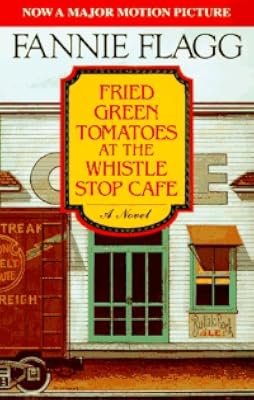
Mrs. Threadgoode's tale of two high-spirited women of the 1930s, Idgie and Ruth, helps Evelyn, a 1980s woman in a sad slump of middle age, to begin to rejuvenate her own life.Tags
Recommendations
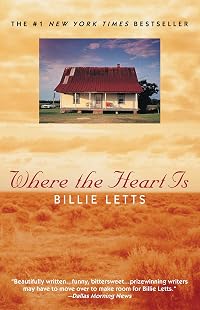
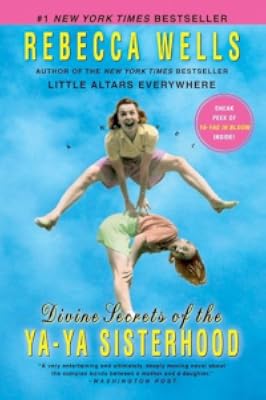
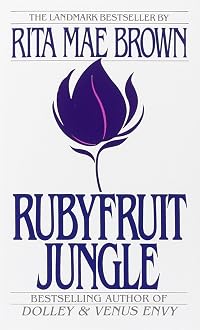
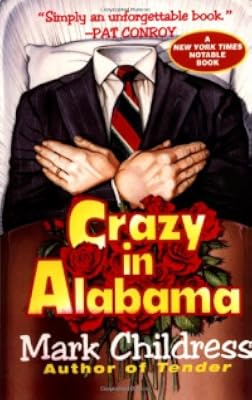
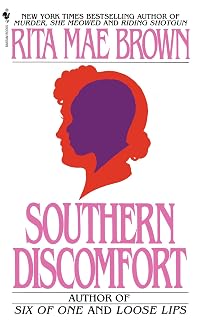

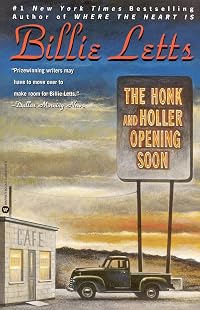
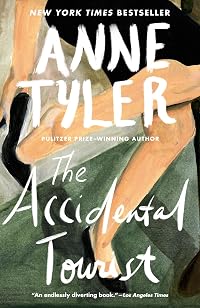
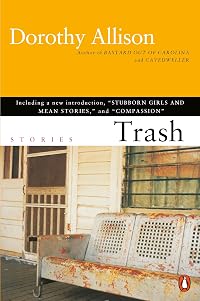
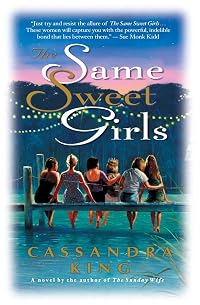
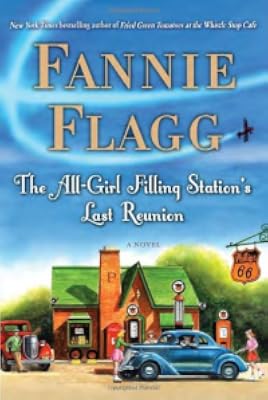
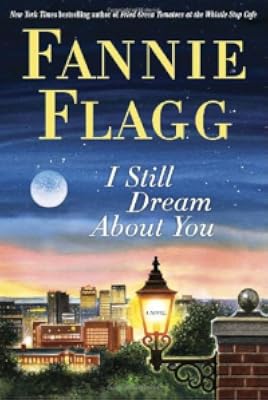
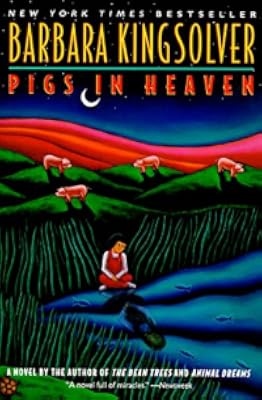
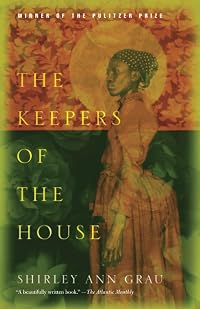

Member Recommendations
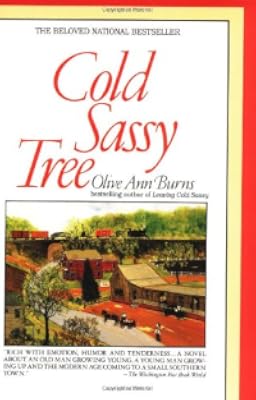
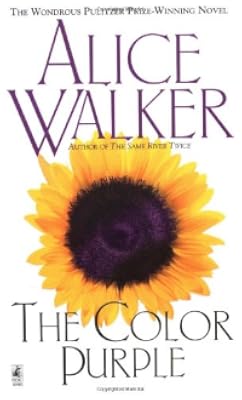
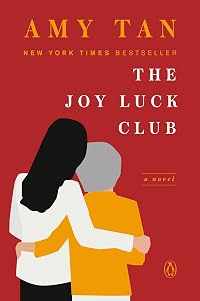
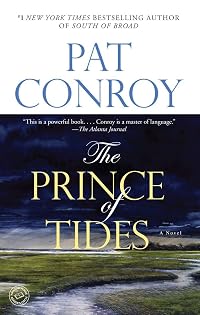
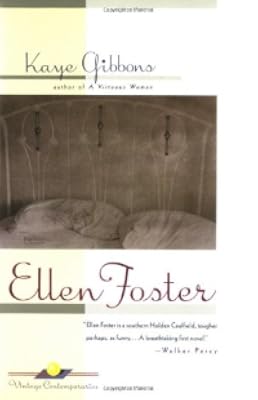
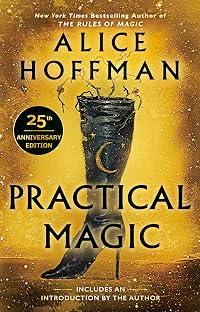
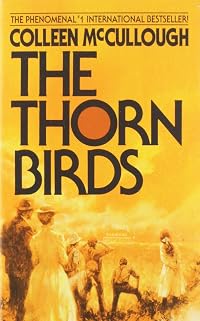
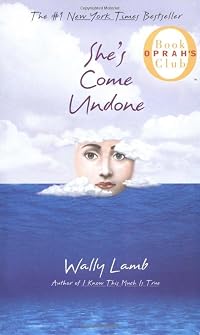
Caramellunacy Both stories are bittersweet - tales of hardship, prejudice and hope although they are set in very different places and very different times. Both are heartwarming, but best of all, both stories also had me laughing uproariously at one point or other. Fried Green Tomatoes jumps around but describes life, race relations and murder in a small Southern town during the Great Depression. Shaffer's novel deals with the occupation (and its aftermath) of the small Channel Island of Guernsey during WWII.
80

Member Reviews
Yeah . . . maybe this book just isn't for me. With such a good overall rating and with actual lesbians in historical fiction, it feels like I should like this more, but . . . I guess I just couldn't connect.
Book content warnings:
rape
racism
fatphobia
racial slurs
Evelyn visits her mother-in-law in a nursing home, basically feeling depressed and numb in middle age, and somehow becomes friends with another lady there, Mrs. Ninny Threadgoode. Soon, Evelyn eagerly anticipates her visits. Mrs. Threadgoode talks about her memories in Whistle Stop, Alabama, and Evelyn listens.
This is definitely one of those "atmospheric" books. You're here for the painting of Whistle Stop and its plethora of characters, not for any plot. Especially because the show more book doesn't stick to one coherent timeline (besides Evelyn and Mrs. Threadgoode's, that is). The retelling of the goings on in Whistle Stop can jump anywhere from back in the 30s to the 60s.
I'm not sure when the book started making me uncomfortable, but it crept up on me and gradually gained momentum, until by the end I just wanted to finish it to finish it.
I first rented this for the wlw rep and diverse characters, but I am really disappointed with how those characters are represented here. Ruth and Idgie, the lesbian/bi women, aren't well developed outside of their youth, and have a relationship borderline unhealthy (plus, it's not even "defined" whether or not they're actually in a relationship--goodread's official description for them is "friends" . . . incredible). I understand it's Ruth and "Aunt Idgie" to avoid the lesbophobia that was a lot more prevalent during that time, but nobody--not even from Idgie's family--found Idgie being a lesbian the slightest bit strange? When the book didn't shirk from the any of the racism of the 1930s-60s, I didn't like how it softened the homophobia. That may seem strange, especially coming from a wlw, but you can't "get rid" of one form of oppression magically and say you're being progressive when you're still depicting the lack of rights in another form. I don't know . . .
Moving on, Idgie is pretty damn manipulative. It's apparent she cheats on Ruth (telling Stump "don't tell your mother"--therefore she knows it's wrong, too), but her view on it is never challenged. Ruth and Idgie never even have a conversation about it; Ruth just seems a bit passive aggressive. Plus, she's stalked Ruth when Ruth was married to a man. It's not romantic . . . it's creepy.
There's also some things that made me uncomfortable in regards to race . . . now, I'm a white reviewer so take what I say with a grain of salt. There are two twins, Jasper and Artis. One is light-skinned (Jasper), and one is dark-skinned (Artis). So who is the "good" twin, and who is the "evil" twin? Yeah, just guess. Artis ends up in jail often, and he stabs Jasper one time and ends up "liking it" and etc., etc., etc. There was a chapter or two that talked about this difference in skin color among black people, but it kind of feels beside the point when she made Artis violent and Jasper do no wrong.
There's also a point where Evelyn (the main PoV character) wishes she were black--and has some pretty fetishist views of black people. She and Mrs. Threadgoode talk about how black people are just "so different", especially when it comes to feeling things. (However, she's also afraid of black men, a view which doesn't shift. Because eeeeeeveryone knows black men are scary, violent people. /sarcasm) There's also an inner monologue where Evelyn is angry and thinks how all these marginalized groups have already had their protests and protections granted (HA! as if), but when will that time come for women?! (basically affirming the White Feminist thought of even today that Woman = White Woman [only])
. . . This is the moment I knew without a doubt the book was written by a white woman. I verified it on the back of the book and shook my head.
At least I'll stop wondering about what this was about when I see it on all the lgbt/lesbian goodreads lists. show less
Book content warnings:
rape
racism
fatphobia
racial slurs
Evelyn visits her mother-in-law in a nursing home, basically feeling depressed and numb in middle age, and somehow becomes friends with another lady there, Mrs. Ninny Threadgoode. Soon, Evelyn eagerly anticipates her visits. Mrs. Threadgoode talks about her memories in Whistle Stop, Alabama, and Evelyn listens.
This is definitely one of those "atmospheric" books. You're here for the painting of Whistle Stop and its plethora of characters, not for any plot. Especially because the show more book doesn't stick to one coherent timeline (besides Evelyn and Mrs. Threadgoode's, that is). The retelling of the goings on in Whistle Stop can jump anywhere from back in the 30s to the 60s.
I'm not sure when the book started making me uncomfortable, but it crept up on me and gradually gained momentum, until by the end I just wanted to finish it to finish it.
I first rented this for the wlw rep and diverse characters, but I am really disappointed with how those characters are represented here. Ruth and Idgie, the lesbian/bi women, aren't well developed outside of their youth, and have a relationship borderline unhealthy (plus, it's not even "defined" whether or not they're actually in a relationship--goodread's official description for them is "friends" . . . incredible). I understand it's Ruth and "Aunt Idgie" to avoid the lesbophobia that was a lot more prevalent during that time, but nobody--not even from Idgie's family--found Idgie being a lesbian the slightest bit strange? When the book didn't shirk from the any of the racism of the 1930s-60s, I didn't like how it softened the homophobia. That may seem strange, especially coming from a wlw, but you can't "get rid" of one form of oppression magically and say you're being progressive when you're still depicting the lack of rights in another form. I don't know . . .
Moving on, Idgie is pretty damn manipulative. It's apparent she cheats on Ruth (telling Stump "don't tell your mother"--therefore she knows it's wrong, too), but her view on it is never challenged. Ruth and Idgie never even have a conversation about it; Ruth just seems a bit passive aggressive. Plus, she's stalked Ruth when Ruth was married to a man. It's not romantic . . . it's creepy.
There's also some things that made me uncomfortable in regards to race . . . now, I'm a white reviewer so take what I say with a grain of salt. There are two twins, Jasper and Artis. One is light-skinned (Jasper), and one is dark-skinned (Artis). So who is the "good" twin, and who is the "evil" twin? Yeah, just guess. Artis ends up in jail often, and he stabs Jasper one time and ends up "liking it" and etc., etc., etc. There was a chapter or two that talked about this difference in skin color among black people, but it kind of feels beside the point when she made Artis violent and Jasper do no wrong.
There's also a point where Evelyn (the main PoV character) wishes she were black--and has some pretty fetishist views of black people. She and Mrs. Threadgoode talk about how black people are just "so different", especially when it comes to feeling things. (However, she's also afraid of black men, a view which doesn't shift. Because eeeeeeveryone knows black men are scary, violent people. /sarcasm) There's also an inner monologue where Evelyn is angry and thinks how all these marginalized groups have already had their protests and protections granted (HA! as if), but when will that time come for women?! (basically affirming the White Feminist thought of even today that Woman = White Woman [only])
. . . This is the moment I knew without a doubt the book was written by a white woman. I verified it on the back of the book and shook my head.
At least I'll stop wondering about what this was about when I see it on all the lgbt/lesbian goodreads lists. show less
I can not count how many times I watched this movie when I was younger. It was one of my mom's favorites and I was absolutely infatuated with Idgie. Still am, actually. When I got older my mom told me on many occasions how good this book was and how I needed to read it. Well, I finally read it Mom and I loved it! It usually goes without saying but- this book was 1,000,000X better than the movie. Idgie and Ruth's love story had me bawling, it was just so beautiful and pure. I also loved all the anecdotes about this small town, full of these crazy people who would do anything for each other. Especially the one about Naughty Bird and Ms. Fancy. Oh, my heart. I found myself temporarily transported to Whistle Stop, 1933...I caught myself show more wishing for times to be more simple, like they were then- that is until Mrs. Flagg reminds us of the truth of what it was like to be black in the South during that time. She swelled up my heart, broke it, and swelled it up again.I would highly recommend this to everyone and I thank my Momma for convincing me to finally read this. show less
Although I had seen the movie in the 90s, I had never read the book. This was a deep dive into small town Southern life. Flagg immerses the reader into the community from the very start as she introduces character after character while jumping around in time and setting. This sounds scattered but it was not. She transported the reader to the Whistle Stop Cafe through a narrative of caring and camaraderie alongside the rough edges of a community facing economic depression and war. In her signature style Flagg interwove humor in the most delightful way. Most of the action takes place in the 30s and 40s, through a look back from the 80s. At the end, I felt that I knew everyone and many of their trials and joys over the years. It was sad show more and endearing at the same time, just like life. show less
Fried Green Tomatoes at the Whistle Stop Café by Fannie Flagg is a nostalgic, entertaining and funny story set in the small town of Whistle Stop, Alabama during the Depression years of the 20th century. The book does not flow in chronological order but jumps back and forth over the years according to the story that is being told. The main storyteller is Ninny Threadgoode, an elderly resident of a nursing home who reminisces about her home town during the weekly visits of her friend Evelyn. Along with Ninny’s stories there are inserts from The Weems Weekly, the Whistle Stop weekly bulletin written by the local post-mistress. Most of the stories are centered on Idgie and Ruth who, together, run the Whistle Stop Café.
There is a certain show more style and cadence that authors from the American south excel at and Fannie Flagg is no exception. Her folksy writing style invites the reader to take a comfy chair and settle into her story. Although side-splittingly funny at times, this author does not shy away from the serious or difficult subjects. Racism, segregation, wife beating and murder are laid out in her warm and honeyed tones. All aspects of life are on display here but I believe her main message is woman‘s empowerment.
I loved this poignant heart-warming story that encourages one to learn to accept what life has to offer without judging or moralizing. As for the issue of empowerment we see Evelyn brought out of her own depression by Ninny’s stories and the portrayal of Idgie and Ruth’s relationship was both heart-touching and strong. In fact, one of the best things shown in this book is the simple acceptance that the town of Whistle Stop gave to Idgie and Ruth. Their love for each other is no secret, they are simply seen as soul mates who belong together.
I admire the way Fannie Flagg writes, and I now have a plan to eventually work my way through all of her books. show less
There is a certain show more style and cadence that authors from the American south excel at and Fannie Flagg is no exception. Her folksy writing style invites the reader to take a comfy chair and settle into her story. Although side-splittingly funny at times, this author does not shy away from the serious or difficult subjects. Racism, segregation, wife beating and murder are laid out in her warm and honeyed tones. All aspects of life are on display here but I believe her main message is woman‘s empowerment.
I loved this poignant heart-warming story that encourages one to learn to accept what life has to offer without judging or moralizing. As for the issue of empowerment we see Evelyn brought out of her own depression by Ninny’s stories and the portrayal of Idgie and Ruth’s relationship was both heart-touching and strong. In fact, one of the best things shown in this book is the simple acceptance that the town of Whistle Stop gave to Idgie and Ruth. Their love for each other is no secret, they are simply seen as soul mates who belong together.
I admire the way Fannie Flagg writes, and I now have a plan to eventually work my way through all of her books. show less
Kept me turning pages for an entire transatlantic flight, so that's a huge win right there: funny yet rich prose, warm characters, a mystery whose resolution I didn't remember even though I've seen the movie. So intrigued by what the book has to say about feminism and race in its past (1920s-1930s, mostly) and present (1980s). Unsurprisingly, the feminism was on point (especially the bit about feeling stuck between 1st and 2nd wave feminism) and the anti-racism...could have been worse, but is pretty outdated with a "can't we all just get along?" state of mind.
The way the text treats Idgie and Ruth's relationship vs. how the marketing materials (back blurb, discussion questions) do is fascinating. The text never mentions sex between show more them, but it's pretty clear they're a romantic couple with Idgie in the "male" role: Momma calls Idgie's first feelings a "crush," Poppa tells Idgie she needs to step it up now that she's "responsible for Ruth and a child," the town newsletter always refers to "the son of Idgie and Ruth." The publisher materials are coy about their "friendship." I don't remember how the movie portrayed it, but I want to re-watch and see? show less
The way the text treats Idgie and Ruth's relationship vs. how the marketing materials (back blurb, discussion questions) do is fascinating. The text never mentions sex between show more them, but it's pretty clear they're a romantic couple with Idgie in the "male" role: Momma calls Idgie's first feelings a "crush," Poppa tells Idgie she needs to step it up now that she's "responsible for Ruth and a child," the town newsletter always refers to "the son of Idgie and Ruth." The publisher materials are coy about their "friendship." I don't remember how the movie portrayed it, but I want to re-watch and see? show less
I enjoyed the book; it's well written, easy to read, and portrays women's relationships with each other in a simultaneously very positive and very real way. Not many novels do such a good job with women's friendships. The female characters aren't perfect but they are all striving to be good people, written to be so likable. I wanted to see what happened to them as the years stretched on.
But I feel a little conflicted about the book's portrayal of issues like homophobia and racism. This book is pretty sunny about these serious topics. They aren't ignored; they get noted, and they have consequences, and the women fighting against oppression of women understand that oppression stretches to lesbians and people of color (which is not common show more in books set in these years, so I appreciate that). But they are whitewashed in a strange way that sometimes made me uncomfortable. Here's an example: the ladies have a conversation with the sheriff (I think? some law enforcement officer) about how he wants them to stop serving black people out of the back of the restaurant. They are shrewd and throw everything back at him, noting they know who is participating in KKK rallies (by the shoes -- so clever) and intellectually outpacing him until he essentially leaves with his tail between his legs. It's a great, satisfying scene. But there's no mention of the fact that there's no real threat to them as white people, and they haven't actually done anything meaningful. Meanwhile the KKK is regularly murdering black people throughout this time period.
I try not to measure books against the 2015 stick when they were written earlier, but it did fall flat to me as a modern reader.
I'm sorry to hear that in the film version,Ruth and Idgie were just friends and Ruth was in love with Buddy . What a shame. show less
But I feel a little conflicted about the book's portrayal of issues like homophobia and racism. This book is pretty sunny about these serious topics. They aren't ignored; they get noted, and they have consequences, and the women fighting against oppression of women understand that oppression stretches to lesbians and people of color (which is not common show more in books set in these years, so I appreciate that). But they are whitewashed in a strange way that sometimes made me uncomfortable. Here's an example: the ladies have a conversation with the sheriff (I think? some law enforcement officer) about how he wants them to stop serving black people out of the back of the restaurant. They are shrewd and throw everything back at him, noting they know who is participating in KKK rallies (by the shoes -- so clever) and intellectually outpacing him until he essentially leaves with his tail between his legs. It's a great, satisfying scene. But there's no mention of the fact that there's no real threat to them as white people, and they haven't actually done anything meaningful. Meanwhile the KKK is regularly murdering black people throughout this time period.
I try not to measure books against the 2015 stick when they were written earlier, but it did fall flat to me as a modern reader.
I'm sorry to hear that in the film version,
“It's funny, most people can be around someone and they gradually begin to love them and never know exactly when it happened; but Ruth knew the very second it happened to her. When Idgie had grinned at her and tried to hand her that jar of honey, all these feelings that she had been trying to hold back came flooding through her, and it was at that second in time that she knew she loved Idgie with all her heart.”
Fried Green Tomatoes has been one of my favorite movies for years. It is charming and sweet and has some of the most well developed female characters and friendships I have ever seen. So, of course I had to read the book! I put it off out of fear that the book and movie would be far different from each other. To my delight show more the movie was very faithful to the source and I so very enjoyed this novel.
Characters- As can be expected the book held so much more depth to the characters. There was so much more insight into them and the relationships and I was delighted by many of the characters. My favorite being more depth in Ruth’s and Idgie’s relationship. Though it was supposed to be more subtle in the movie it was pretty clear that the women were in a sapphic relationship and this book gave me all the confirmation I needed. There are so many instances and references of their love for each other (like the quote I chose). They start off as friends and end up living together, own a cafe together and raise a son together. Their relationship was so sweet and domestic and just warmed my heart.
But their’s wasn’t the only well rounded relationship! I was a delight to see two older woman having such a deep and meaningful friendship. Female friendships are just so important and I just feel like I don’t ever see enough of them. Especially from two characters who are at varying later parts of their lives. It was interesting to see the contrast of Mrs.Threadgood, an elderly woman who had come to terms and accepted old age and death, and Evelyn who is has reached middle age but is very terrified of that very thing and uncertain of her place in life.
The Town/Setting- How could you not adore Whistle Stop? It sounded like such a cozy small town where everyone new everyone else. I adored it in the movie and the book went into so much more depth of the lives of all of those who lived there and just had such a feeling of community. As for the time period the novel mostly switched between taking place in the 30’s and the 80’s. This lent it such a sentimental feeling of nostalgia while also not shying away from the hard truths of those times (including racism, the depression, etc).
Plot-As far as plot goes it was mostly the story of a town and the people within it. There is life, love, heartbreak and a dose of murder to keep it interesting.
Overall- Still one of my most absolute favorite stories whether it is in book or movie form. show less
Fried Green Tomatoes has been one of my favorite movies for years. It is charming and sweet and has some of the most well developed female characters and friendships I have ever seen. So, of course I had to read the book! I put it off out of fear that the book and movie would be far different from each other. To my delight show more the movie was very faithful to the source and I so very enjoyed this novel.
Characters- As can be expected the book held so much more depth to the characters. There was so much more insight into them and the relationships and I was delighted by many of the characters. My favorite being more depth in Ruth’s and Idgie’s relationship. Though it was supposed to be more subtle in the movie it was pretty clear that the women were in a sapphic relationship and this book gave me all the confirmation I needed. There are so many instances and references of their love for each other (like the quote I chose). They start off as friends and end up living together, own a cafe together and raise a son together. Their relationship was so sweet and domestic and just warmed my heart.
But their’s wasn’t the only well rounded relationship! I was a delight to see two older woman having such a deep and meaningful friendship. Female friendships are just so important and I just feel like I don’t ever see enough of them. Especially from two characters who are at varying later parts of their lives. It was interesting to see the contrast of Mrs.Threadgood, an elderly woman who had come to terms and accepted old age and death, and Evelyn who is has reached middle age but is very terrified of that very thing and uncertain of her place in life.
The Town/Setting- How could you not adore Whistle Stop? It sounded like such a cozy small town where everyone new everyone else. I adored it in the movie and the book went into so much more depth of the lives of all of those who lived there and just had such a feeling of community. As for the time period the novel mostly switched between taking place in the 30’s and the 80’s. This lent it such a sentimental feeling of nostalgia while also not shying away from the hard truths of those times (including racism, the depression, etc).
Plot-As far as plot goes it was mostly the story of a town and the people within it. There is life, love, heartbreak and a dose of murder to keep it interesting.
Overall- Still one of my most absolute favorite stories whether it is in book or movie form. show less
Members
- Recently Added By
Lists

Read the book and saw the movie
1,170 works; 195 members

Southern Fiction
212 works; 52 members

Recommend the 20 best books you've read in the last five years
2,168 works; 602 members

Female Author
1,234 works; 67 members

Best Feminist Literature
188 works; 26 members

Best Lesbian Fiction (And Narrative Non-Fiction)
155 works; 36 members
Female Protagonist
1,056 works; 57 members

Fiction Featuring Cranky, Eccentric Old Folks
80 works; 35 members
Best Family Stories
241 works; 22 members

Unread books
1,063 works; 87 members

Female Friendship
54 works; 12 members

In or About the 1930s
198 works; 27 members

Best family sagas
244 works; 34 members

Novels Published in 1987
81 works; 19 members

Books Read in 2014
2,344 works; 89 members

Best Friendship Stories
205 works; 16 members
500 Great Books by Women
507 works; 60 members

20th Century Literature
1,161 works; 55 members

1980s
356 works; 23 members

The American Experience
173 works; 18 members

Best LGBT Fiction
144 works; 25 members

Books tagged "feel good"
129 works; 20 members

Best Love Stories
107 works; 14 members

Watched the Movie, Probably Won't Read the Book
185 works; 34 members
Literature About Women and Girls
394 works; 39 members

Movie Adaptations
111 works; 4 members

Top Five Books of 2018
802 works; 265 members
Books tagged favorites
390 works; 30 members

Five star books
1,767 works; 110 members

Carole's List
445 works; 13 members

Best books read in 2011
200 works; 51 members
Books with Colourful Titles
171 works; 8 members

New Authors to Read
21 works; 3 members

NPRs audience picks: 100 best beach reads
105 works; 12 members
Best Books of the 20th Century
193 works; 5 members

A Novel Cure
742 works; 23 members
Books Set in Alabama
10 works; 5 members
Shannon's Read-Alikes List
71 works; 8 members

Books You Bought in 2013
35 works; 3 members
Books Set in Small Towns and Villages
278 works; 16 members

Summer Books
82 works; 9 members
Best Domestic Fiction
77 works; 6 members
Overdue Podcast
808 works; 9 members
Racism and Race Relations in Literature
48 works; 9 members

Books Read in 2016
4,666 works; 199 members

Good LGBT fiction for LGBT folk and friends
553 works; 55 members

Books About Murder
313 works; 7 members
Favourite Love Stories
53 works; 1 member

5 Best 5 Years
71 works; 4 members

My favourite books
96 works; 3 members

Food Fiction
24 works; 7 members
American Lit for Eng 11 Research Project
368 works; 6 members

Books with Food in the Title
8 works; 1 member

A Smorgasbord of Culinary Fiction
221 works; 94 members

Top Five Books of 2025
954 works; 303 members
Our Favorite Comfort Reads
334 works; 200 members

Books Set in Restaurants
10 works; 2 members

Books Read in 2025
4,128 works; 98 members
Favorite Book Titles
35 works; 1 member
Books With the Most Memorable Titles
478 works; 158 members

Read in 2014
334 works; 11 members

Fiction Books Worthy of Reading Again
37 works; 1 member

Books Read in 2013
1,630 works; 51 members

Books whose title names an object usually found in the kitchen
171 works; 14 members
Rebel Women Reading List
25 works; 2 members

Diverse Reading Challenge 2020
31 works; 1 member

Books Tagged Abuse
152 works; 4 members

Makes Me Want to Eat (or Drink)
39 works; 12 members

A Rainbow of Books: Colors in the Title
570 works; 24 members
Penguin Random House
458 works; 4 members

Queer Fiction (Owned TBR)
142 works; 1 member
Talk Discussions
Past Discussions
Fried Green Tomatoes in Magic City LT Group (February 2011)
Author Information

27+ Works 26,835 Members
Born on September 21, 1941, in Birmingham, Alabama, and named Patricia Neal, Fannie Flagg attended the University of Alabama, the Pittsburgh Playhouse, and the Town and Gown Theatre. Although she is best known as a novelist and screenwriter, she began her career in Birmingham, in 1964. She was an actress, comedienne, producer, and writer, first in show more Birmingham in 1964, when she was the producer of The Morning Show (WBRC-TV) and later when she was associated with such shows as Candid Camera and Harper Valley. Other works include Coming Attractions: A Wonderful Novel (1981) and the recording My Husband Doesn't Know I'm Making This Phone Call (1971). However, Flagg's greatest claim to fame came when the screenplay for the film Fried Green Tomatoes, which she, together with Jon Avnet, adapted from her novel, Fried Green Tomatoes at the Whistle Stop Cafe, won an Academy Award nomination for Best Screenplay in 1991. She is the author several other works of fiction, including; Standing in the Rainbow, A Redbird Christmas, Can't Wait to Get to Heaven, I Still Dream about You, The All-Girl Filling Station's Last Reunion, and The Whole Town's Talking. (Bowker Author Biography) show less
Some Editions
Awards and Honors
Awards
Distinctions
Series

Belongs to Publisher Series
Work Relationships
Is contained in
Has the adaptation
Is abridged in
Has as a student's study guide
Common Knowledge
- Canonical title
- Fried Green Tomatoes at the Whistle Stop Cafe
- Original title
- Fried Green Tomatoes at the Whistle Stop Cafe
- Original publication date
- 1987
- People/Characters
- Idgie Threadgoode; Ruth Jamieson; Evelyn Couch; Virginia "Ninny" Threadgoode; Buddy Threadgoode; Big George Peavey (show all 14); Frank Bennett; Sipsey Peavey; Ed Couch; Cleo Threadgoode; Vesta Adcock; Onzell Peavey; Buddy "Stump" Jamieson; Artis O. Peavey
- Important places
- Whistle Stop, Alabama, USA; Birmingham, Alabama, USA; Troutville, Alabama, USA; Valdosta, Georgia, USA
- Related movies
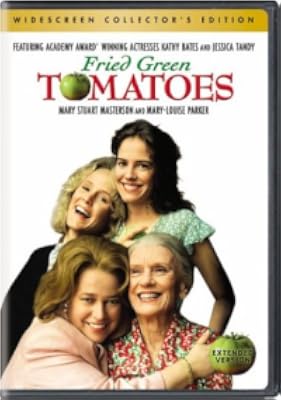
- Fried Green Tomatoes (1991 | IMDb)
- Epigraph
- I may be sitting here at the Rose Terrace Nursing Home,
but in my mind I'm over at the Whistle Stop Cafe having
a plate of fried green tomatoes.
--Mrs. Cleo Threadgoode
June 1986 - Dedication
- For Tommy Thompson
- First words
- The Whistle Stop Cafe opened up last week, right next door to me at the post office, and owners Idgie Threadgoode and Ruth Jamieson said business has been good ever since.
- Quotations
- He wanted to get out of Chicago; the wind that whipped around the buildings was so cold that it sometimes brought a tear to a man's eye.
But who could have known that all the shiny shoes and flashy three-piece suits could never cover up the bitterness that had been growing in his heart all these years...
His main problem in life, at the moment, was that he loved too well and not too wisely. - Last words
- (Click to show. Warning: May contain spoilers.)The old woman stood on the side of the road and waved back until the car was out of sight.
- Blurbers
- Bombeck, Erma; Welty, Eudora; Lee, Harper; Smith, Liz
- Original language
- English
- Canonical DDC/MDS
- 813.54
- Canonical LCC
- PS3556.L26
Classifications
Statistics
- Members
- 10,047
- Popularity
- 997
- Reviews
- 214
- Rating
- (4.12)
- Languages
- 15 — Catalan, Danish, Dutch, English, French, German, Hungarian, Icelandic, Italian, Norwegian (Bokmål), Polish, Russian, Spanish, Swedish, Portuguese (Portugal)
- Media
- Paper, Audiobook, Ebook
- ISBNs
- 92
- UPCs
- 2
- ASINs
- 39