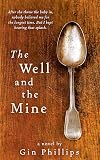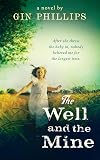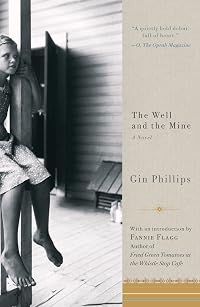
The Well and the Mine
by Gin Phillips
On This Page
Description
Fiction. Literature. In 1931 Carbon Hill, a small Alabama coal-mining town, nine-year-old Tess Moore watches a woman shove the cover off the family well and toss in a baby without a word. For the Moore family, focused on helping anyone in need during the Great Depression, the apparent murder forces them to face the darker side of their community and question the motivations of family and friends. Backbreaking work keeps most of the townspeople busy from dawn to dusk, and racial tensions show more abound. For parents, it's a time when a better life for the children means sacrificing health, time, and every penny that can be saved. For a miner, returning home after work is a possibility, not a certainty. However, next to daily thoughts of death, exhausting work, and race are the lingering pleasures of sweet tea, feather beds, and lightning bugs yet to be caught. show lessTags
Recommendations



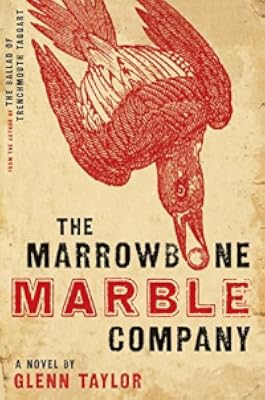

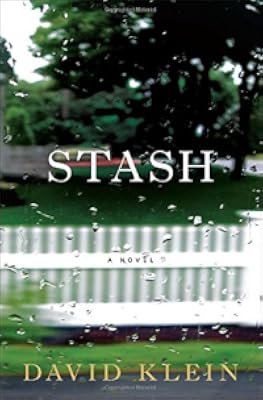
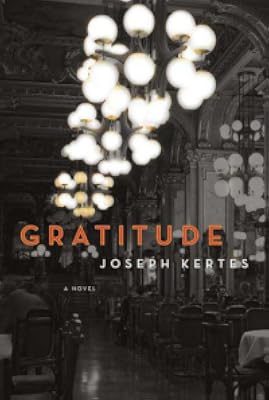
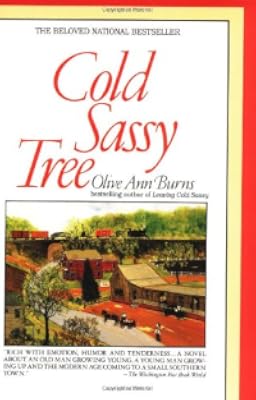


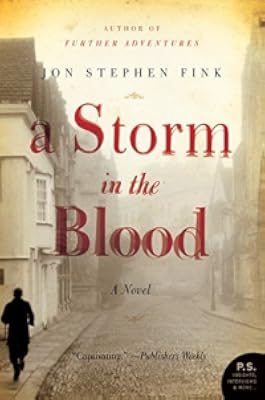

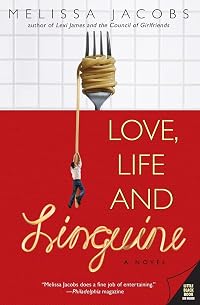


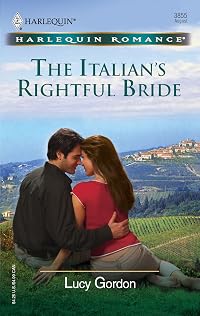
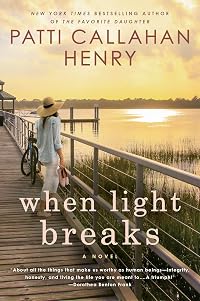





Member Recommendations

meggyweg For a much grittier tale about miners.

Member Reviews
I loved this book.
I loved the tenderness between the characters themselves and the tenderness with which the author wrote about them.
I loved the five distinct voices of the members of the Moore family, whose alternating narrations unwind the story frontwards, backwards, and inwards.
I loved the "wisp of suspense," as one reviewer put it; but I also loved that the mystery was embedded in the character development, not the other way around.
I loved the reality of it. Even the best of folks trying to make the best of decisions sometimes just get it all wrong.
I loved that Phillips didn't need eccentric quirks or minor evil streaks to bring her characters to life. She just wrote about ordinary people trying to do right by each other.
For a show more first time novelist to tackle poverty, racism, prejudice, and family life in 1930s Alabama is ballsy, not least because the inimitable Harper Lee already did it with spectacular near-perfection. But Gin Phillips understands that in mining and in writing and in getting to know ourselves and others, nothing is ever finished. show less
I loved the tenderness between the characters themselves and the tenderness with which the author wrote about them.
I loved the five distinct voices of the members of the Moore family, whose alternating narrations unwind the story frontwards, backwards, and inwards.
I loved the "wisp of suspense," as one reviewer put it; but I also loved that the mystery was embedded in the character development, not the other way around.
I loved the reality of it. Even the best of folks trying to make the best of decisions sometimes just get it all wrong.
I loved that Phillips didn't need eccentric quirks or minor evil streaks to bring her characters to life. She just wrote about ordinary people trying to do right by each other.
For a show more first time novelist to tackle poverty, racism, prejudice, and family life in 1930s Alabama is ballsy, not least because the inimitable Harper Lee already did it with spectacular near-perfection. But Gin Phillips understands that in mining and in writing and in getting to know ourselves and others, nothing is ever finished. show less
Set in 1930's coal mining town (I didn't know Alabama had coal!), this is written from the point of view of each of the 5 members of a family. When I first began, I was disappointed that Tess was given so much self-awareness--too much for a 9 yr old. It was only as I progressed thru the book that I realized this is all being told as remembrances from some future time, and then it became intriguing to pick up the hints about how their lives turned out. The story itself mainly covers part of one year. As the family deals with their reactions to a baby having been thrown into their well, they also deal with the depression, interracial relationships, and the beginning of workers' unions. You get as much insight into each character from show more hearing what the others think about them as you get from their own thoughts and tellings of the story.
Now that I've finished, I find myself wondering how ever did Albert get to own enough land to have a sharecropper. We hear how he was determined not to be in a position where he could be thrown out of a company house but not what it took to get his own. Or maybe the hard work and bullheadedness he shows throughout the book is explanation enough.
I think it gave a good sense of the times. There was Albert, having one of the few cars in town, who gives a ride to anyone he passes on his way to work, and having to stand firm when a white co-worker challenges him for giving a black worker a ride. Everyone lives pretty much in the same town--going to the train station to meet Granny who was visiting her son in another town is a big deal. Some conversation involves people's different opinions of presidential candidates. show less
Now that I've finished, I find myself wondering how ever did Albert get to own enough land to have a sharecropper. We hear how he was determined not to be in a position where he could be thrown out of a company house but not what it took to get his own. Or maybe the hard work and bullheadedness he shows throughout the book is explanation enough.
I think it gave a good sense of the times. There was Albert, having one of the few cars in town, who gives a ride to anyone he passes on his way to work, and having to stand firm when a white co-worker challenges him for giving a black worker a ride. Everyone lives pretty much in the same town--going to the train station to meet Granny who was visiting her son in another town is a big deal. Some conversation involves people's different opinions of presidential candidates. show less
Fannie Flagg said about Gin Phillips' The Well and the Mine, "When you close the book, you'll miss these characters." And she was right; I didn't want to stop reading! I fell in love with these characters so much that I was sad to leave them as I finished the last page.
Set in rural Alabama (Carbon Hill, to be precise) in 1931, this book is more a snapshot of the era and setting than anything else, but Phillips makes the reader fall in love with the characters who are giving you this picture. The story is told through the Moore family: Albert, Leta, and their children—Virgie, Tess, and Jack. The book opens with Tess, the younger of the two daughters, witnessing a woman throw a baby down their well. From then on, Tess and Virgie are on show more a mission to find out who the woman was.
But don't get caught up in thinking this story is just a mystery; the baby in well only serves as an overarching motif that runs throughout the book. The real meat of the story is the day-to-day thoughts and actions of the Moore family as we get to know the heart and soul of each of the five characters.
Albert has mined coal all his life. There's not much else to do in Carbon Hill, Alabama—it's what fuels the economy. Leta is his hardworking, yet compassionate wife, and their love is solid, yet subtly displayed. Their eldest daughter, Virgie, has hit adolescence, and though she has a stunning beauty, she is thoughtful and timid. Tess is the outspoken one of the family—a nine-year-old that is always looking for adventure. And Jack is the youngest at seven, a bit ornery but with a positive nature. Families don't get much closer than the Moores, and their loyalty has no end.
Beyond the personalities, there's so much more to the picture painted by Phillips. Race and poverty...these issues are woven into the narrative without being overtly addressed. It gives a realistic enough tone that I feel like I knew how life was in the South during the Depression.
The narrative alternatives perspectives of each of the five family members, and the changes were quick and frequent. Some readers may get annoyed with it, but I loved the way it kept the story moving. I felt like I got to know each character equally as well. I especially loved the purpose of Jack's voice. While the rest of the characters spoke in present-tense, Jack's voice was from the future and more reminiscent. While reading, I found myself desperate to know what was going to happen to all of these characters once the story ended, and Jack appeased my curiosity by letting us know how some things turn out. It's such a subtle change in time perspective that you barely realize it's happening, and I assure you that you'll appreciate it.
This is Gin Phillips' debut novel, and she certainly started strong! It's quite a feat to get Fannie Flagg, reigning Queen of Southern Lit, to write an introduction, and for this novel, it is well deserved. I highly recommend The Well and the Mine, and I'm looking forward to hearing more from this talented author. show less
Set in rural Alabama (Carbon Hill, to be precise) in 1931, this book is more a snapshot of the era and setting than anything else, but Phillips makes the reader fall in love with the characters who are giving you this picture. The story is told through the Moore family: Albert, Leta, and their children—Virgie, Tess, and Jack. The book opens with Tess, the younger of the two daughters, witnessing a woman throw a baby down their well. From then on, Tess and Virgie are on show more a mission to find out who the woman was.
But don't get caught up in thinking this story is just a mystery; the baby in well only serves as an overarching motif that runs throughout the book. The real meat of the story is the day-to-day thoughts and actions of the Moore family as we get to know the heart and soul of each of the five characters.
Albert has mined coal all his life. There's not much else to do in Carbon Hill, Alabama—it's what fuels the economy. Leta is his hardworking, yet compassionate wife, and their love is solid, yet subtly displayed. Their eldest daughter, Virgie, has hit adolescence, and though she has a stunning beauty, she is thoughtful and timid. Tess is the outspoken one of the family—a nine-year-old that is always looking for adventure. And Jack is the youngest at seven, a bit ornery but with a positive nature. Families don't get much closer than the Moores, and their loyalty has no end.
Beyond the personalities, there's so much more to the picture painted by Phillips. Race and poverty...these issues are woven into the narrative without being overtly addressed. It gives a realistic enough tone that I feel like I knew how life was in the South during the Depression.
The narrative alternatives perspectives of each of the five family members, and the changes were quick and frequent. Some readers may get annoyed with it, but I loved the way it kept the story moving. I felt like I got to know each character equally as well. I especially loved the purpose of Jack's voice. While the rest of the characters spoke in present-tense, Jack's voice was from the future and more reminiscent. While reading, I found myself desperate to know what was going to happen to all of these characters once the story ended, and Jack appeased my curiosity by letting us know how some things turn out. It's such a subtle change in time perspective that you barely realize it's happening, and I assure you that you'll appreciate it.
This is Gin Phillips' debut novel, and she certainly started strong! It's quite a feat to get Fannie Flagg, reigning Queen of Southern Lit, to write an introduction, and for this novel, it is well deserved. I highly recommend The Well and the Mine, and I'm looking forward to hearing more from this talented author. show less
 This review was written for LibraryThing Early Reviewers.
After young Tess watches as a stranger tosses a baby down their family well, life is never the same. Like an object hitting the water, this incomprehensible action has a ripple effect on all the members of the Moore family, causing them to look at their community, and themselves, in a whole new light. Debut novelist Gin Phillips does a fabulous job of creating true and steady voices for her characters who each narrate their own thoughts. While stalwart father Albert and ever-in-motion hardworking mother Leta might be almost too noble to believe, the story’s heartfelt connections and the precisely described details of their Depression-era existence imbue the novel with a winning sense of family connection and place. While young Tess show more and her sister Virgie try to solve the mystery of the baby in the well they learn more about life outside their own household, and Albert learns to see racial discrimination where before he only noticed his own fairness. Phillips never hits us over the head with her messages about racism or abject poverty in hard times, instead she carefully creates situations that allow us to observe our behavior along with her characters. This atmospheric and compassionate story is like “To Kill a Mockingbird” told from the whole family’s perspective with a dash of Fannie Flagg’s interpersonal relationships and dirt-between-the-toes Southern grit. show less
Set in a 1930s Alabama coal town, The Well and the Mine is the story of the Moore family. They are neither very well off nor especially destitute relative to their neighbors. Supported by the father, Albert's, work in the coal mines, the Moores have enough to get by and are content with what they have. Albert has an enviable certainty about what is right and wrong that anchors the whole family as well as a before-his-time conviction that there shouldn't be anything wrong with having his black co-worker over to dinner in an era when such an action couldn't have been more scandalous.
To Papa, good was something you could hold in your hand. Hard and solid like coal rock. You could weigh it, measure it, see its beginning and end.... There show more was something comforting to that, knowing what he wanted, what he expected, and knowing what would disappoint him. But it meant lots of times there was no point in talking to him, because he knew his own mind so well that he didn't need to know yours.
When Albert met his wife, Leta, he was enchanted first by her hair, but then also by an uncanny foreknowledge that she would be the perfect wife and mother. Leta cares for her family with hard work, love, and self-sacrifice so elusive that her husband and children are hard-pressed to notice that she passed up that biscuit so one of them could have seconds. Albert and Leta have three children: Virgie, who is coming into her teenage years grounded, practical, and so pretty that she's nearly inapproachable, not that that keeps the boys from trying; precocious, imaginative Tess; and the youngest, Jack. They are a better than average family living an average life until the summer night when an unknown woman drops a baby into their well. Soon all five members of the Moore family are taking a second look at the world beyond their front door, looking beneath the mostly tranquil surface of their community, and questioning all their assumptions about their neighbors and the world in which they live.
Phillips is a great writer in the vein of Andrea Levy (Small Island) and Ann Patchett (Bel Canto) whose plots may not race along with an insane fervor but whose characters leap off the page, each with their own unique voice, and whose writing is so crisp and vivid that readers can't help but savor every word and the scenes those words bring to life. Each member of the Moore family narrates this pivotal time in their lives so distinctly that readers will hardly need indicators of which character is narrating. Each finds him or herself mulling over the big issues in the wake of the incident with the baby, contemplating wealth and poverty, whiteness and blackness, and even how much one can truly know and understand another person and their reasons for doing what they do. All of this is done with such vulnerability and subtlety that it never seems heavy-handed but makes readers consider some of the same big questions that come with being human and interacting with people who are each going through their struggles that we might not understand but might hope to sympathize with nonetheless.
Probably my favorite read of the year so far. show less
To Papa, good was something you could hold in your hand. Hard and solid like coal rock. You could weigh it, measure it, see its beginning and end.... There show more was something comforting to that, knowing what he wanted, what he expected, and knowing what would disappoint him. But it meant lots of times there was no point in talking to him, because he knew his own mind so well that he didn't need to know yours.
When Albert met his wife, Leta, he was enchanted first by her hair, but then also by an uncanny foreknowledge that she would be the perfect wife and mother. Leta cares for her family with hard work, love, and self-sacrifice so elusive that her husband and children are hard-pressed to notice that she passed up that biscuit so one of them could have seconds. Albert and Leta have three children: Virgie, who is coming into her teenage years grounded, practical, and so pretty that she's nearly inapproachable, not that that keeps the boys from trying; precocious, imaginative Tess; and the youngest, Jack. They are a better than average family living an average life until the summer night when an unknown woman drops a baby into their well. Soon all five members of the Moore family are taking a second look at the world beyond their front door, looking beneath the mostly tranquil surface of their community, and questioning all their assumptions about their neighbors and the world in which they live.
Phillips is a great writer in the vein of Andrea Levy (Small Island) and Ann Patchett (Bel Canto) whose plots may not race along with an insane fervor but whose characters leap off the page, each with their own unique voice, and whose writing is so crisp and vivid that readers can't help but savor every word and the scenes those words bring to life. Each member of the Moore family narrates this pivotal time in their lives so distinctly that readers will hardly need indicators of which character is narrating. Each finds him or herself mulling over the big issues in the wake of the incident with the baby, contemplating wealth and poverty, whiteness and blackness, and even how much one can truly know and understand another person and their reasons for doing what they do. All of this is done with such vulnerability and subtlety that it never seems heavy-handed but makes readers consider some of the same big questions that come with being human and interacting with people who are each going through their struggles that we might not understand but might hope to sympathize with nonetheless.
Probably my favorite read of the year so far. show less
This review was written for LibraryThing Early Reviewers.The best Librarything Early Reviewer book so far. This is the debut novel by Gin Phillips, set in Carbon Hill, Alabama during the Great Depression. The story centers around the Moore family: Albert the father, a farmer and miner, hard working, laconic, a kind man in the quiet ways that count. His wife Leta, a true soulmate long before it was a word. The children, Tess, Virgie and Jack. The story unfolds when Tess, late at night, observes an unknown woman throw a young baby down their well. Through their efforts to discover who the tormented mother was, the girls explore their town more than they had before, and learn some home truths about themselves and their place in the small hardscrabble community they inhabit. Likewise, Albert show more embarks upon a small journey of discovery when he begins to wonder about Jonah, the black man who works at his side deep in the mines. This is a finely told story; it rings so true that it's a comfort to be led along by the sureness of this writer, like laying in the back seat of your parents' car on a late night drive, secure that they know where they are going. There are elements here of "To Kill a Mockingbird", "Jim the Boy" and "The Waltons", and this book shares the finely homespun ideals of those works. show less
This review was written for LibraryThing Early Reviewers.I will honestly admit up front that the only reason I requested this book from LibraryThing's Early Reviewer program is because Fannie Flagg wrote the introduction. The description sounded acceptable, but really, it all came down to Fannie Flagg for me. I love Fannie Flagg and all of her books, and I thought, 'Fannie Flagg hasn't written anything in quite awhile now, but at least I'll get to read an introduction by her!' Well, how wrong I was. I not only got an introduction by Fannie Flagg, but I also got a book that is honest, funny, poignant and touching all wrapped up into a story that I won't forget anytime soon.
Taking place in 1931, The Well and the Mine tells the story of Albert and Leta Moore and their family, daughters Virgie show more and Tess and young son Jack. The Moore's own land, so do not struggle as much as some of their neighbor's during the Depression, but still, like it is for everyone, times are not easy. Albert works in the coal mines, a fate that he doesn't want to have happen to his son. Leta cooks and cleans and takes care of her family, sometimes doing without for herself to make sure her children want for nothing. The children help out with day to day chores, but live a rather sheltered life at home, not knowing how bad it is for some of their own neighbors during this time.
One summer evening, Tess witnesses a woman throw a baby into the family well. No one believes Tess, thinking the event is a result of her overactive imagination, until the next day when a dead baby is pulled from the well. What transpires from this event is an amazing journey for the entire family, as they come to terms with their changing views of their own lives and the changing world around them. The two girls find themselves most at odds with their changing perspectives on the world. Tess comes to terms with the fact that the world is not necessarily always a perfect place. Virgie begins to question her role as a woman, as the event makes her wonder what it would take for a mother to want to kill a child, and whether she wants her 'self' tied down to a child or family.
The story is told from the first-person perspective of each member of the family, with each chapter being broken into segments from each person's point of view. This gives an interesting insight into the growth of not only each character, but in their own interactions with their family. Phillips easily writes in the local dialect without overwriting the accents and local colloquialisms that can so easily happen when an author tries to mimic a speech pattern from an area. She tells her story fluidly, and while some of the aside stories seem to veer a little too far from the main flow of the story, overall, she wraps the book up nicely, not leaving the reader feel like they've missed out on anything in the story.
I am very happy to have read The Well and the Mine. I love how Phillips adds more and more layers to her story, yet never makes it feel like she is adding too much. The story unfolds at a perfect pace, witnessed more through the development and growth of the characters rather than by the actual events in the story. It's a lovely coming of age story, not only for each individual member of the family, but also the family as a whole. show less
Taking place in 1931, The Well and the Mine tells the story of Albert and Leta Moore and their family, daughters Virgie show more and Tess and young son Jack. The Moore's own land, so do not struggle as much as some of their neighbor's during the Depression, but still, like it is for everyone, times are not easy. Albert works in the coal mines, a fate that he doesn't want to have happen to his son. Leta cooks and cleans and takes care of her family, sometimes doing without for herself to make sure her children want for nothing. The children help out with day to day chores, but live a rather sheltered life at home, not knowing how bad it is for some of their own neighbors during this time.
One summer evening, Tess witnesses a woman throw a baby into the family well. No one believes Tess, thinking the event is a result of her overactive imagination, until the next day when a dead baby is pulled from the well. What transpires from this event is an amazing journey for the entire family, as they come to terms with their changing views of their own lives and the changing world around them. The two girls find themselves most at odds with their changing perspectives on the world. Tess comes to terms with the fact that the world is not necessarily always a perfect place. Virgie begins to question her role as a woman, as the event makes her wonder what it would take for a mother to want to kill a child, and whether she wants her 'self' tied down to a child or family.
The story is told from the first-person perspective of each member of the family, with each chapter being broken into segments from each person's point of view. This gives an interesting insight into the growth of not only each character, but in their own interactions with their family. Phillips easily writes in the local dialect without overwriting the accents and local colloquialisms that can so easily happen when an author tries to mimic a speech pattern from an area. She tells her story fluidly, and while some of the aside stories seem to veer a little too far from the main flow of the story, overall, she wraps the book up nicely, not leaving the reader feel like they've missed out on anything in the story.
I am very happy to have read The Well and the Mine. I love how Phillips adds more and more layers to her story, yet never makes it feel like she is adding too much. The story unfolds at a perfect pace, witnessed more through the development and growth of the characters rather than by the actual events in the story. It's a lovely coming of age story, not only for each individual member of the family, but also the family as a whole. show less
This review was written for LibraryThing Early Reviewers.Members
- Recently Added By
Lists

Read-alike - The book woman of Troublesome Creek by Kim Richardson
9 works; 1 member

Tagged Great Depression
23 works; 3 members
Author Information

12 Works 1,825 Members
Awards and Honors
Awards
Distinctions
Common Knowledge
- Canonical title
- The Well and the Mine
- Alternate titles
- The Well and the Mine: A Novel
- Original publication date
- 2008-03
- People/Characters
- Albert Moore; Leta Moore; Virgie Moore; Tess Moore; Jack Moore
- Important places
- Carbon Hill, Alabama, USA
- Important events
- Great Depression
- Dedication
- To Virginia Kirby,
Clara Trimm,
Roy Webb, and
Carson Webb
You are
better than fiction.
I love you. - First words
- After she threw the baby in, nobody believed me for the longest time.
- Last words
- (Click to show. Warning: May contain spoilers.)That the right answer could be more than one thing at the same time.
- Blurbers
- Flagg, Fannie; Covington, Vicki; Donahue, Peter
Classifications
Statistics
- Members
- 630
- Popularity
- 46,147
- Reviews
- 86
- Rating
- (3.95)
- Languages
- English, German, Italian
- Media
- Paper, Audiobook, Ebook
- ISBNs
- 14
- ASINs
- 3