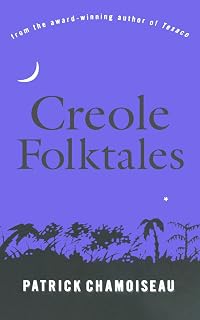
Creole Folktales
by Patrick Chamoiseau
On This Page
Description
Author recreates the tales he heard as a child in Martinique.Tags
Recommendations
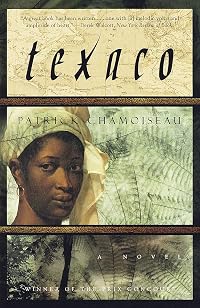




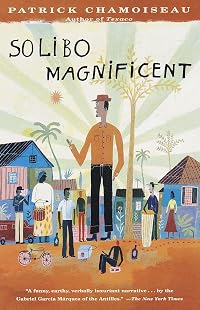















Member Reviews
The painful legacy of slavery is ever-present in this collection of twelve Creole folktales from the Caribbean island of Martinique, retold by novelist and historian Patrick Chamoiseau, whose critically acclaimed Texaco was awarded the Prix Goncourt. It could hardly be otherwise, as so many of these stories (according to the author's brief foreword) come from the days of slavery, and so many of their heroes, like that trickster Ti-Jean Horizon, are slaves themselves. One especially haunting tale, The Person Who Bled Hearts Dry, is actually set during one of the transatlantic sea voyages of the Middle Passage. But even in those selections which do not reference slavery directly, there is this sense that it is still present - a malignant show more and influential force, like the devils that also seem to crop up with regularity. The ubiquity of hunger - "gluttony is no sin," declares the narrator, at one point - and racial injustice in these tales, highlight slavery's sinister and lasting influence on Creole culture.
The ability of the storyteller - that nighttime rebel, that "Master of Words" - to capture these realties without being captured by them; to use all of his facility with language, all of his humor and understanding, in depicting the heart which survives - and even defies - such terrible brutality and oppression, make these tales a truly exceptional testament to the human spirit. And, of course, the language itself is simply gorgeous. I loved the narrative voice here, the many little editorial asides made by the storyteller, as when (in Glan-Glan, the Spat-Out Bird) he remarks mid-story: "Allow me to offer my opinion: I would have tiptoed away from such a sight, because when it comes to marvels, unless they're in a fairy tale, I keep my head down." As other reviewers have noted, the reader feels as if the teller were speaking directly to her, in some intimate setting, rather than through the words on a flat page.
I do not think I have read any other folklore from Martinique - although I did enjoy Daniel Picouly's Thumbelina of Toulaba, a Martiniquais adaptation of Hans Christian Andersen's famous tale - so many of these stories were new to me. Of course, some of the constituent elements - the Bluebeard-like locked chambers in A Little Matter of Marriage, for instance - were familiar. One tale - Yé, Master of Famine, in which a shiftless father manages to bring home a hungry devil who eats all the family food (and forces his unfortunate victims to eat his feces) - seems like a variant of the Puerto Rican tale Oté, with which it has many common points. But other than these few examples, I wasn't able to pick out very many points of comparison (one of my favorite things to do, when reading folklore).
With powerful story and beautiful language, this slim little volume packs quite a punch, and I would recommend it to anyone who loves good folktales, anyone interested in the effects of slavery on African-descended peoples in the Caribbean, and anyone interested in Martiniquais culture. I've looked around, and can't find another collection like it! show less
The ability of the storyteller - that nighttime rebel, that "Master of Words" - to capture these realties without being captured by them; to use all of his facility with language, all of his humor and understanding, in depicting the heart which survives - and even defies - such terrible brutality and oppression, make these tales a truly exceptional testament to the human spirit. And, of course, the language itself is simply gorgeous. I loved the narrative voice here, the many little editorial asides made by the storyteller, as when (in Glan-Glan, the Spat-Out Bird) he remarks mid-story: "Allow me to offer my opinion: I would have tiptoed away from such a sight, because when it comes to marvels, unless they're in a fairy tale, I keep my head down." As other reviewers have noted, the reader feels as if the teller were speaking directly to her, in some intimate setting, rather than through the words on a flat page.
I do not think I have read any other folklore from Martinique - although I did enjoy Daniel Picouly's Thumbelina of Toulaba, a Martiniquais adaptation of Hans Christian Andersen's famous tale - so many of these stories were new to me. Of course, some of the constituent elements - the Bluebeard-like locked chambers in A Little Matter of Marriage, for instance - were familiar. One tale - Yé, Master of Famine, in which a shiftless father manages to bring home a hungry devil who eats all the family food (and forces his unfortunate victims to eat his feces) - seems like a variant of the Puerto Rican tale Oté, with which it has many common points. But other than these few examples, I wasn't able to pick out very many points of comparison (one of my favorite things to do, when reading folklore).
With powerful story and beautiful language, this slim little volume packs quite a punch, and I would recommend it to anyone who loves good folktales, anyone interested in the effects of slavery on African-descended peoples in the Caribbean, and anyone interested in Martiniquais culture. I've looked around, and can't find another collection like it! show less
I'm a little obsessed with myths and folktales. So everything I say is in the context of that. If you don't like reading myths, folktales or fairy tales, then skip on down to the next book.
As far as mythology books go, this one was superb. Up there with the best I've read. Whether through the strength of the story teller (its' a little cliche, but you really do get the feeling that he's sitting
there by you telling these stories) or through the flavour of the Creole tales themselves, I don't know.
As far as mythology books go, this one was superb. Up there with the best I've read. Whether through the strength of the story teller (its' a little cliche, but you really do get the feeling that he's sitting
there by you telling these stories) or through the flavour of the Creole tales themselves, I don't know.
I'm a little obsessed with myths and folktales. So everything I say is in the context of that. If you don't like reading myths, folktales or fairy tales, then skip on down to the next book.
As far as mythology books go, this one was superb. Up there with the best I've read. Whether through the strength of the story teller (its' a little cliche, but you really do get the feeling that he's sitting
there by you telling these stories) or through the flavour of the Creole tales themselves, I don't know.
As far as mythology books go, this one was superb. Up there with the best I've read. Whether through the strength of the story teller (its' a little cliche, but you really do get the feeling that he's sitting
there by you telling these stories) or through the flavour of the Creole tales themselves, I don't know.
I'm a little obsessed with myths and folktales. So everything I say is in the context of that. If you don't like reading myths, folktales or fairy tales, then skip on down to the next book.
As far as mythology books go, this one was superb. Up there with the best I've read. Whether through the strength of the story teller (its' a little cliche, but you really do get the feeling that he's sitting
there by you telling these stories) or through the flavour of the Creole tales themselves, I don't know.
As far as mythology books go, this one was superb. Up there with the best I've read. Whether through the strength of the story teller (its' a little cliche, but you really do get the feeling that he's sitting
there by you telling these stories) or through the flavour of the Creole tales themselves, I don't know.
This is an entertaining collection of folktales that the author, who grew up and continues to reside on the island of Martinique, heard as a child. These tales originated amongst the slaves brought from Africa to the island by the French to harvest sugar cane, and were told by storytellers at night, once the work day was done. Common themes include food, as the slaves were given barely enough food to stay alive, and trickery, by clever Creoles, devils or other spirits. Chamoiseau enlivens these stories with warmth and humor, and they are delightful to read.
Ratings
Members
- Recently Added By
Published Reviews
ThingScore 100
Patrick Chamoiseau's Creole Folktales makes a concerted effort to reproduce the oral storytelling of the Creole slaves of the French Antilles in order to explore and promote the cultural and literary notion of "Creoleness." In his collection, Chamoiseau reworks the themes of hunger, dreams, and speech so central to Creole oral narratives. But Creole Folktales is anything but a collection of show more folkloric transcriptions. By rewriting Creole folktales, Chamoiseau valorizes the orality of the Creole past as a means of unsettling the fixity of writing as defined by the colonial and postcolonial West. show less
added by kidzdoc
Lists

Favorite Caribbean Books
60 works; 28 members
Author Information

53+ Works 1,819 Members
Some Editions
Common Knowledge
- Original title
- Antan d'enfance
- Original publication date
- 1995-01
- Important places
- Martinique, France
- Epigraph
- Beautiful blood splattered
trophy head slashed limbs
murderous dart beautiful blood splattered
stillled warblings ravished shores
childhood childhood too tumultuous a tale
dawn on its chain snaps ferociousl... (show all)y to be born
o foolish assassin
the bird with plumes once more lovely than the past
demands an accounting for its scattered finery
--Aimé Césaire - Dedication
- For Yvan, Damien, Marie-Elodie,
Quite properly and very simply - First words
- Listen: In the days of yesteryear, life still blossomed now and again into a kind of dreamworld. Storytellers thus were free to lavish upon their creations liberties that had nothing to do with lies. For instance, they told u... (show all)s of a dismal drought, and of a child who could call down the rain.
- Last words
- (Click to show. Warning: May contain spoilers.)Nanie-Rosette flipped the flat bolts, pulled the sliding bolts, and thinking only of her vice (without even pausing to reflect that her mama would never find the ghost of a trace of her and that the werewolves and fiends would have a gala feast that night), she undid the deadlock and threw the door wide open.
Classifications
Statistics
- Members
- 65
- Popularity
- 478,639
- Reviews
- 5
- Rating
- (4.38)
- Languages
- English
- Media
- Paper
- ISBNs
- 3