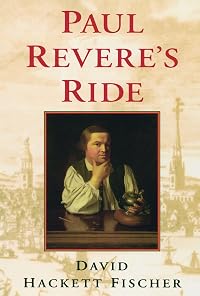
Paul Revere's Ride
by David Hackett Fischer
On This Page
Description
Paul Revere's midnight ride looms as an almost mythical event in American history-yet it has been largely ignored by scholars and left to patriotic writers and debunkers. In Paul Revere's Ride, David Hackett Fischer fashions an exciting narrative that offers deep insight into the outbreak of revolution and the emergence of the American republic. Beginning in the years before the eruption of war, Fischer illuminates the figure of Paul Revere, a man far more complex than the simple artisan and show more messenger of tradition. When the alarm-riders took to the streets, they did not cry, "the British are coming," for most of them still believed they were British. Within a day, many began to think differently. For George Washington, Thomas Jefferson, John Adams, and Thomas Paine, the news of Lexington was their revolutionary Rubicon. Paul Revere's Ride returns Paul Revere to center stage in these critical events, capturing both the drama and the underlying developments in a triumphant return to narrative history at its finest. show lessTags
Recommendations
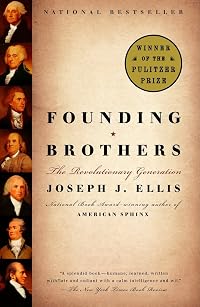
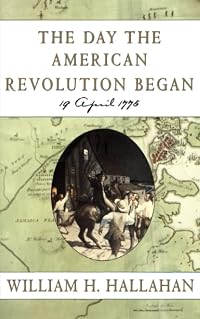
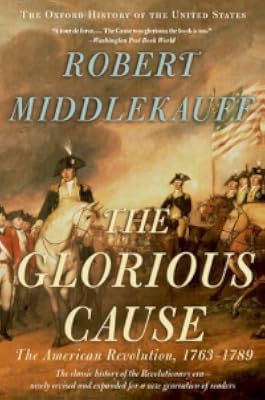
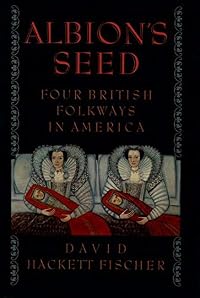












Member Recommendations
Member Reviews
This book is very well researched and provides a comprehensive history of the battles of Lexington and Concord as well as Paul Revere's significant involvement in each. Helpfully, the book also addresses the periods just before and after these events for context.
To his credit, the author avoids any ideology and provides an objective account which has become more difficult to find these days.
Nonetheless, I found the book sometimes a bit tedious despite my interest in this era. Perhaps it was the result of such an in-depth analysis- at times the narrative simply did not flow well and could stagnate.
To his credit, the author avoids any ideology and provides an objective account which has become more difficult to find these days.
Nonetheless, I found the book sometimes a bit tedious despite my interest in this era. Perhaps it was the result of such an in-depth analysis- at times the narrative simply did not flow well and could stagnate.
David Hackett Fischer strips myth from history in Paul Revere's Ride. All sorts of fables, poems, and stories have been written about the event, which has become embedded in American culture. Any school child can tell at least something of the midnight ride and the lanterns. Fischer's book is the first scholarly treatment in two hundred years. He has discovered all sorts of information that make Revere a much more seminal participant in the Revolution than had previously been suspected.
One reason for historians', neglect of Paul Revere may be that the only creature less fashionable in academe than "a dead white male is a dead white male on a horse." Less jocularly, Fischer suspects it has to do with historians' emphasis on monographic show more treatises and reluctance to study any event that can't be graphed or put in a table. Fortunately for us, Fischer has eschewed this tradition and returned to the narrative form of historical reporting that was in vogue during the late nineteenth and early twentieth centuries when history was alive and well and enjoyed. His book covers the eight-month period from September 1774 through April 1 775, beginning with the powder alarms through the first battles at Lexington and Concord up to the bloody events of 1775.
Paul Revere was the son of a French immigrant silversmith. He grew up in Boston, at that time a town of 15,000 that more resembled a medieval village. Virtually an island at high tide, Boston greeted strangers crossing the "neck" of land to enter town with the unsettling vision of a gallows. Strangers were not generally welcome; certainly they were regarded with great suspicion. It was also a major seaport, and sailors reported that "no town of its size could turn out more whores than this town could."
Revere had lots of children (16) his first was born shortly after his first marriage, a common event in the eighteenth century, when perhaps 35% of couples were expecting at the time of their formal marriage. His first wife died shortly after their eighth child was born, and he married his second wife shortly thereafter.
The principles of working together were pounded into the children from a young age. Cotton Mather, a famous preacher of the day, used the metaphor of rowing a boat with two oars. Pull on one oar only and the boat will simply go around in circles. Both oars together make great progress.
Revere was a genius at collective action. It turns out there were more than sixty riders out that night. He was a major organizer and instigator. He helped organize the Sons of Liberty, a terrorist group that included many Freemasons and used numerous secret signs and cryptic codes to communicate. They were organized into "cells" where the members only knew the leader, not each other, a structure copied by many underground and terrorist organizations later on. Their violence was tempered and organized, however. During the famous Tea Party, the locks on the tea chests were carefully replaced after the tea was dumped into the harbor, and one of the participants was severely chastised for stealing some of the tea rather than dumping it. Their careful symbolism was lost to the British, however.
It's important to remember that the Americans considered themselves British. This was really a civil war at the beginning. The riders did not cry out "the British are coming," which would have been like saying, "We are coming" but rather, "the Regulars are coming," meaning the regular British troops.
Revere became the "messenger" for the rebels. He made numerous rides of several hundred miles each to carry messages between the Bostonians and the Continental Congress meeting in New York. These were difficult rides at a time when roads were rough, if they existed at all, yet he made them with extraordinary speed.
He was not the leader of the revolutionary movement, rather a doer and actor. He was able to get things done, partly because he knew so many people and his trustworthiness crossed many class boundaries.
General Gage was not a simpleton - unlucky perhaps as had been most of his ancestors - but he was handicapped in his plans for the attack on Concord by having his most intimate plans ferreted out by the Whigs almost as soon as he made them. Only Dr. Joseph Warren, who was respected by both sides, knew this secret spy and ally to the Americans. He never revealed who the spy was, but Fischer suspects it was Gage's wife, an American very sympathetic to the American cause. Gage himself had cause to suspect her, and after the Concord fiasco, sent her to England.
The army's march on Concord is told in fascinating detail. The regulars wore the most impractical clothes: snow white breeches that had to be kept immaculate upon pain of flogging; tall frir hats that were intended to make the men seem taller, but required additional caps to protect them from the weather; coats worn very tight, that were supposed to be preshrunk, but which continued to get smaller in the rain and often became so tight men could barely move their arms; and shoes not made for right or left, but square toed so they could be worn on either foot and were switched from right to left every day so as not to get overworn on one side. Officers' coats were scarlet, (unlike the red of the men) dyed from the dried bodies of female cochineal insects. That meant they did not fade (unlike the uniforms of the soldiers) and they made outstanding targets. They also wore a highly polished gorget just below the neck that provided an excellent bullseye.
Fischer has appended a most interesting historiographical section at the end of the book that discusses how the various Revere myths became cemented into American folklore. Much of it stems from the Whigs themselves, who wished to reveal as little as possible of their complicity in antagonizing the British to act. It was very important that the British fire the first shot and that the Americans be seen as innocent victims in order to garner as much support as possible. In fact, Revere's first written account was suppressed by the Whigs as he refused to acknowledge it was the British who fired first, and his report of all their activities prior to the event made it obvious how the conspirators had orchestrated many of the events. His deposition was not found until 1891 among his private papers. But it was Longfellow's poem that solidified Revere's ride as a solitary event. Great poem but short on historical verity Fischer notes in several short essays how the crosscurrents of American political thought have tempered the Revere legend and myth and used it to reflect their own perspective of American history. Fascinating. show less
One reason for historians', neglect of Paul Revere may be that the only creature less fashionable in academe than "a dead white male is a dead white male on a horse." Less jocularly, Fischer suspects it has to do with historians' emphasis on monographic show more treatises and reluctance to study any event that can't be graphed or put in a table. Fortunately for us, Fischer has eschewed this tradition and returned to the narrative form of historical reporting that was in vogue during the late nineteenth and early twentieth centuries when history was alive and well and enjoyed. His book covers the eight-month period from September 1774 through April 1 775, beginning with the powder alarms through the first battles at Lexington and Concord up to the bloody events of 1775.
Paul Revere was the son of a French immigrant silversmith. He grew up in Boston, at that time a town of 15,000 that more resembled a medieval village. Virtually an island at high tide, Boston greeted strangers crossing the "neck" of land to enter town with the unsettling vision of a gallows. Strangers were not generally welcome; certainly they were regarded with great suspicion. It was also a major seaport, and sailors reported that "no town of its size could turn out more whores than this town could."
Revere had lots of children (16) his first was born shortly after his first marriage, a common event in the eighteenth century, when perhaps 35% of couples were expecting at the time of their formal marriage. His first wife died shortly after their eighth child was born, and he married his second wife shortly thereafter.
The principles of working together were pounded into the children from a young age. Cotton Mather, a famous preacher of the day, used the metaphor of rowing a boat with two oars. Pull on one oar only and the boat will simply go around in circles. Both oars together make great progress.
Revere was a genius at collective action. It turns out there were more than sixty riders out that night. He was a major organizer and instigator. He helped organize the Sons of Liberty, a terrorist group that included many Freemasons and used numerous secret signs and cryptic codes to communicate. They were organized into "cells" where the members only knew the leader, not each other, a structure copied by many underground and terrorist organizations later on. Their violence was tempered and organized, however. During the famous Tea Party, the locks on the tea chests were carefully replaced after the tea was dumped into the harbor, and one of the participants was severely chastised for stealing some of the tea rather than dumping it. Their careful symbolism was lost to the British, however.
It's important to remember that the Americans considered themselves British. This was really a civil war at the beginning. The riders did not cry out "the British are coming," which would have been like saying, "We are coming" but rather, "the Regulars are coming," meaning the regular British troops.
Revere became the "messenger" for the rebels. He made numerous rides of several hundred miles each to carry messages between the Bostonians and the Continental Congress meeting in New York. These were difficult rides at a time when roads were rough, if they existed at all, yet he made them with extraordinary speed.
He was not the leader of the revolutionary movement, rather a doer and actor. He was able to get things done, partly because he knew so many people and his trustworthiness crossed many class boundaries.
General Gage was not a simpleton - unlucky perhaps as had been most of his ancestors - but he was handicapped in his plans for the attack on Concord by having his most intimate plans ferreted out by the Whigs almost as soon as he made them. Only Dr. Joseph Warren, who was respected by both sides, knew this secret spy and ally to the Americans. He never revealed who the spy was, but Fischer suspects it was Gage's wife, an American very sympathetic to the American cause. Gage himself had cause to suspect her, and after the Concord fiasco, sent her to England.
The army's march on Concord is told in fascinating detail. The regulars wore the most impractical clothes: snow white breeches that had to be kept immaculate upon pain of flogging; tall frir hats that were intended to make the men seem taller, but required additional caps to protect them from the weather; coats worn very tight, that were supposed to be preshrunk, but which continued to get smaller in the rain and often became so tight men could barely move their arms; and shoes not made for right or left, but square toed so they could be worn on either foot and were switched from right to left every day so as not to get overworn on one side. Officers' coats were scarlet, (unlike the red of the men) dyed from the dried bodies of female cochineal insects. That meant they did not fade (unlike the uniforms of the soldiers) and they made outstanding targets. They also wore a highly polished gorget just below the neck that provided an excellent bullseye.
Fischer has appended a most interesting historiographical section at the end of the book that discusses how the various Revere myths became cemented into American folklore. Much of it stems from the Whigs themselves, who wished to reveal as little as possible of their complicity in antagonizing the British to act. It was very important that the British fire the first shot and that the Americans be seen as innocent victims in order to garner as much support as possible. In fact, Revere's first written account was suppressed by the Whigs as he refused to acknowledge it was the British who fired first, and his report of all their activities prior to the event made it obvious how the conspirators had orchestrated many of the events. His deposition was not found until 1891 among his private papers. But it was Longfellow's poem that solidified Revere's ride as a solitary event. Great poem but short on historical verity Fischer notes in several short essays how the crosscurrents of American political thought have tempered the Revere legend and myth and used it to reflect their own perspective of American history. Fascinating. show less
While a fascinating read, I found it to be more about the Battles of Lexington and Concord and General Gage more than about Revere. I think that there is not enough information about Revere for an entire book, so the battles were portrayed in depth, although Revere did not fight in either. Just a great period piece of history. Lots about Gage, Sam Adams, John Hancock, Dr. Church, Dr. Warren, etc. Would recommend if you want a history of what lead up to the Battles of Lexington and Concord and the personalities involved. ETA: Also a great job of the author contrasting the actual event with Longfellow's The Midnight Ride of Paul Revere.
463 pages
463 pages
Paul Revere’s midnight ride is only part of the story in this history of the early days of the American Revolution. If, like me, all you know of Paul Revere is Longfellow’s famous poem, you are in for a treat. Fischer peels away the legend to look at the underlying facts, weighing contradictory evidence from multiple sources. As for Longfellow, no doubt he heard about Paul Revere from his Wadsworth grandfather, whose company of minutemen mustered in response to the Battle of Lexington and Concord.
David Hackett Fischer is one of my favorite authors, and he does not disappoint here.
Most people know about Paul Revere and the events surrounding the British attack on Lexington and Concord through the famous Longfellow poem. Fischer takes you into those events with Revere as the central figure.
With a riveting writing style Fischer does what very few can do...make a book on American history a real page turner...
An excellent look at a Revolutionary more famous later than at the time, but who nevertheless provides a good representation of the sort of "yeoman revolutionaries" that victory would ultimately depend on.
Most people know about Paul Revere and the events surrounding the British attack on Lexington and Concord through the famous Longfellow poem. Fischer takes you into those events with Revere as the central figure.
With a riveting writing style Fischer does what very few can do...make a book on American history a real page turner...
An excellent look at a Revolutionary more famous later than at the time, but who nevertheless provides a good representation of the sort of "yeoman revolutionaries" that victory would ultimately depend on.
Excellent book! It covers those pivotal days in April 1775 in fantastic detail. This is an exceedingly well researched book that doesn't read like a textbook. I loved the easy style.
It's also the first book I read where I found the footnotes to be as informative as the main text. There were a significant number of maps and pictures that helped immensely.
It's also the first book I read where I found the footnotes to be as informative as the main text. There were a significant number of maps and pictures that helped immensely.
The title book hides the fact that in addition to being the only major work on this almost mythical American event, it is also the best treatment of the battles of Lexington and Concord, the actions which began the American Revolution. Much of the book reads like gripping historical fiction but one look at the bibliography will tell you that this is a minutely researched work of the highest academic caliber. The past nearly leaps off of the page in this almost minute-by-minute account of the events leading up to the war that founded our country. This is the book against which all other Revolutionary War books should be judged.
Having read this several times now the things that still stick with me are the gripping almost minute-by-minute show more narrative of the events at Lexington & Concord, the author's use of many sources to describe the hive of varied activities, military or otherwise, taking place in the middle of the night in rural pre-industrial Massachusetts. It truly inverts many assumptions about daily life in America prior to electricity. Of final note is the outstanding historiographic essay which is nearly as interesting to read as the book itself. As someone who earned a BA in history is surely wish I had an essay such as this to read as a freshman undergrad. It would have made to whole business of academia much clearer to this novice. show less
Having read this several times now the things that still stick with me are the gripping almost minute-by-minute show more narrative of the events at Lexington & Concord, the author's use of many sources to describe the hive of varied activities, military or otherwise, taking place in the middle of the night in rural pre-industrial Massachusetts. It truly inverts many assumptions about daily life in America prior to electricity. Of final note is the outstanding historiographic essay which is nearly as interesting to read as the book itself. As someone who earned a BA in history is surely wish I had an essay such as this to read as a freshman undergrad. It would have made to whole business of academia much clearer to this novice. show less
Members
- Recently Added By
Published Reviews
ThingScore 75
In taking up this volume, one can't help being struck in the first place by the title. Can a professional historian really have devoted an entire volume to Paul Revere's ride?
Julie M. Flavell (1995). Review of David Hackett Fischer 'Paul Revere's Ride' Journal of American Studies, 29, pp 462-463. doi:10.1017/S0021875800022490.
Julie M. Flavell (1995). Review of David Hackett Fischer 'Paul Revere's Ride' Journal of American Studies, 29, pp 462-463. doi:10.1017/S0021875800022490.
added by readysetgo
Fischer gives us a richly elaborated account of Revere's daring ride and the fighting that followed along "Battle Road" at Lexington and Concord. For example, the author tells us that Revere was actually scolded by one constable along the way for making too much noise while the townsfolk were trying to sleep.
added by readysetgo
Lists

Best U.S. History Books (1754-1828)
363 works; 18 members

The American Revolution -- in Parts
6 works; 3 members

French and Indian War through the War of 1812 (non-fiction)
31 works; 3 members
Author Information

15+ Works 8,917 Members
David Hackett Fischer is University Professor and Warren Professor of History at Brandeis University in Massachusetts. He is the author of numerous books, including Washington's Crossing, which won the Pulitzer Prize in history.
Awards and Honors
Work Relationships
Is contained in
Common Knowledge
- Canonical title
- Paul Revere's Ride
- Original publication date
- 1994 (copyright) (copyright)
- People/Characters
- Paul Revere; Thomas Gage (General); Samuel Adams; William Dawes; John Hancock; Isaac Davis (show all 12); John Pitcairn; Joseph Warren; John Parker; George III, King of the United Kingdom; Francis Smith; Samuel Whittemore
- Important places
- Boston, Massachusetts, USA; Lexington, Massachusetts, USA; Concord, Massachusetts, USA; Massachusetts, USA; Old North Church; Meriam's Corner (show all 8); North Bridge; Lexington Green
- Important events
- Powder Alarm (1774-09-01); American Revolution (1775 | 1783); Battles of Lexington and Concord (1775-04-19); Battle of Concord (1775-04-19); Battle of Lexington (1775-04-19)
- Dedication
- For Susie, with love
- First words
- In our mind's eye we tend to see Paul Revere at a distance, mounted on horseback, galloping through the dark of night.
- Quotations
- Lay down your arms, you damned rebels!
Ye villains, ye rebels, disperse, damn you, disperse! - Last words
- (Click to show. Warning: May contain spoilers.)The bell itself was made by Paul Revere. Still it carries his message across the countryside.
- Original language
- English
Classifications
- Genres
- History, Nonfiction, General Nonfiction, Biography & Memoir, Religion & Spirituality
- DDC/MDS
- 973.3311092 — History & geography History of North America United States Revolutionary War (1775-89) Operations Campaigns of 1775 Lexington and Concord (19 April)
- LCC
- F69 .R43 .F57 — Local History of the United States, Canada and Latin America United States local history Massachusetts
- BISAC
Statistics
- Members
- 1,274
- Popularity
- 19,247
- Reviews
- 23
- Rating
- (4.33)
- Languages
- English
- Media
- Paper, Audiobook, Ebook
- ISBNs
- 9
- ASINs
- 8