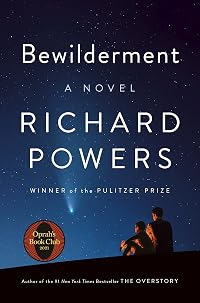
Bewilderment
by Richard Powers
On This Page
Description
"A heartrending new novel from the Pulitzer Prize-winning and #1 New York Times best-selling author of The Overstory. "Richard Powers, whose novels combine the wonders of science with the marvels of art, astonishes us in different ways with each new book." -Heller McAlpin, NPR Books. The astrobiologist Theo Byrne searches for life throughout the cosmos while single-handedly raising his unusual nine-year-old, Robin, following the death of his wife. Robin is a warm, kind boy who spends hours show more painting elaborate pictures of endangered animals. He's also about to be expelled from third grade for smashing his friend in the face. As his son grows more troubled, Theo hopes to keep him off psychoactive drugs. He learns of an experimental neurofeedback treatment to bolster Robin's emotional control, one that involves training the boy on the recorded patterns of his mother's brain. . . . With its soaring descriptions of the natural world, its tantalizing vision of life beyond, and its account of a father and son's ferocious love, Bewilderment marks Richard Powers's most intimate and moving novel. At its heart lies the question: How can we tell our children the truth about this beautiful, imperiled planet?"-- show lessTags
Recommendations



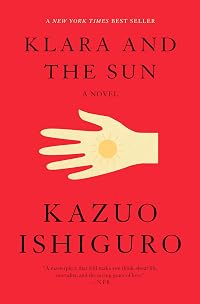
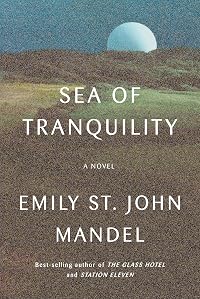
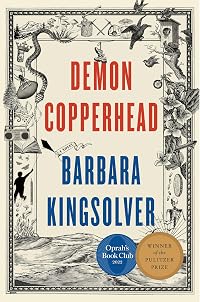
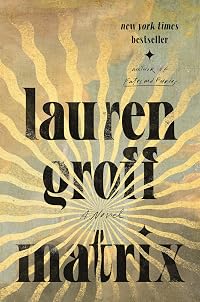
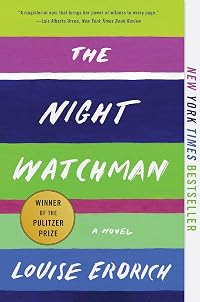
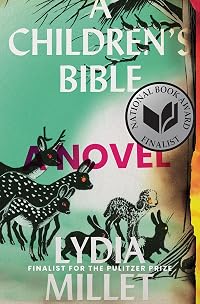
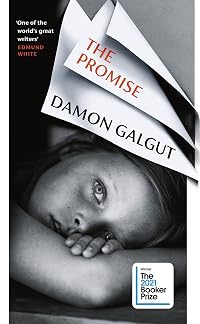
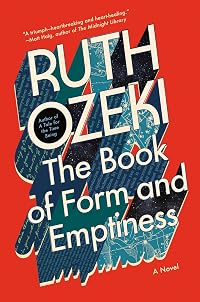

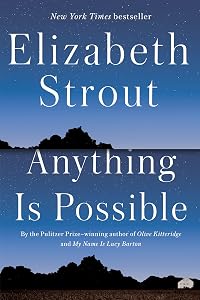
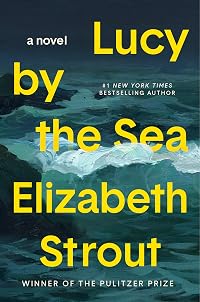

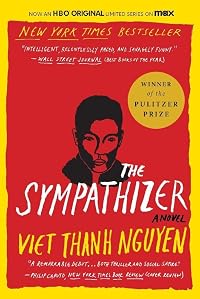
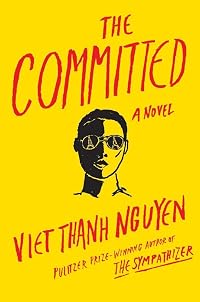
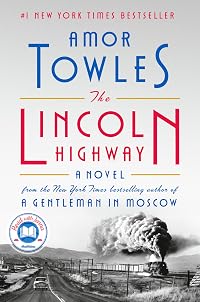

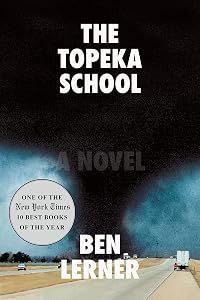
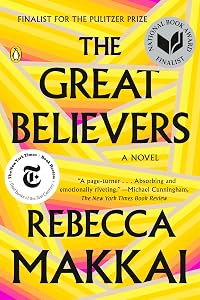

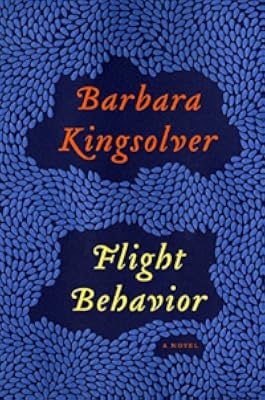


Member Recommendations
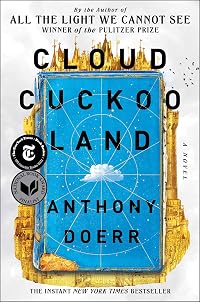
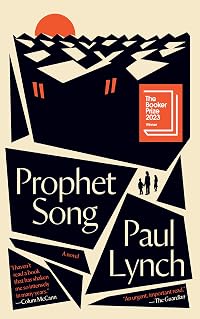
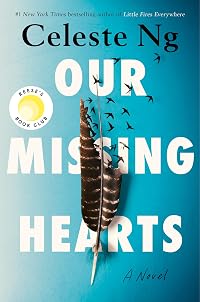
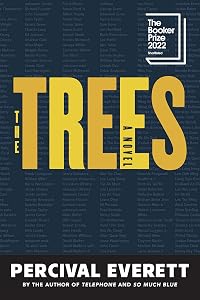
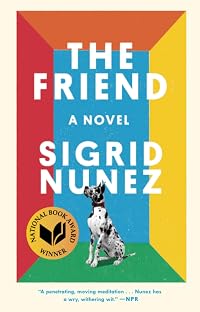
LDVoorberg Both about young boys on the spectrum who are troubled by species extinction and their attempts to save the animals.
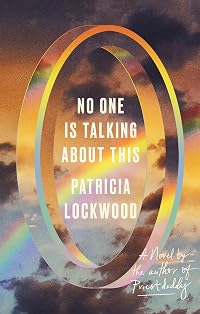
jscape2000 A neurodivergent and gifted child forces a parent to confront the world as it could be.
Member Reviews
I wound up liking this far more than I thought I would. Powers is undeniably brilliant, but for me he has always fallen short of being a really great novelist because his ability to limn convincing characters has never matched his concepts: more specifically, Richard Powers characters have almost inevitably sounded to me how I imagine Powers himself sounds (in conversation) -- brilliant unto occasional glibness, never really at a loss for words. This is a serious shortcoming in the kind of fiction that Powers writes -- which in many ways is straightahead 'realistic' narrative, so there's no "experimental fiction" pass on convincing characterization.
Furthermore, I'd heard this novel was a bit heavy on message. It is, but somehow (perhaps show more because of my own connections to astronomy? not sure) it didn't bother me.
The central conceit is engaging, and Powers drew me in with it, convinced me and held my interest. There was never much suspense about how it was all going to end, though the manner of the ending was surprising and upsetting. This falls for me only short of *Galatea 2.2* in the Powers canon. It's speculative fiction (what is sometimes called, ugh, "sci-fi") by any other name. Well done. show less
Furthermore, I'd heard this novel was a bit heavy on message. It is, but somehow (perhaps show more because of my own connections to astronomy? not sure) it didn't bother me.
The central conceit is engaging, and Powers drew me in with it, convinced me and held my interest. There was never much suspense about how it was all going to end, though the manner of the ending was surprising and upsetting. This falls for me only short of *Galatea 2.2* in the Powers canon. It's speculative fiction (what is sometimes called, ugh, "sci-fi") by any other name. Well done. show less
This is a lovely, multifaceted, heartbreaking gem of a book that moved me to open, free flowing tears at the finish. In it, the simultaneously incredible wealth and utter penury of life are revealed; everything is both grander and more tawdry than appears. My better half works with neurodivergent children, and so I’ve a passing familiarity with some of the challenges children like Robin face, and the challenges, stresses, wonderment and triumphs associated with working with them. Maybe that was how this book got so deep under my skin. I only know that I’m glad I read it and think you might feel the same if you give it a try.
A brilliant novel about a scientist (astrobiologist), reeling from the death of his wife, and his gifted yet troubled young son, who would most likely be labeled as neurodivergent, but this is not a novel about labels. It’s about outer space, art, the lives of animals, family, biology, technology, nature, loss and grief.
“They share a lot, astronomy and childhood. Both are voyages across huge distances. Both search for facts beyond their grasp. Both theorize wildly and let possibilities multiply without limits. Both are humbled every few weeks. Both operate out of ignorance. Both are mystified by time. Both are forever starting out.”
Powers also includes a quote from Carl Sagan that I particularly liked: “We make our world show more significant by the courage of our questions and the depth of our answers.” show less
“They share a lot, astronomy and childhood. Both are voyages across huge distances. Both search for facts beyond their grasp. Both theorize wildly and let possibilities multiply without limits. Both are humbled every few weeks. Both operate out of ignorance. Both are mystified by time. Both are forever starting out.”
Powers also includes a quote from Carl Sagan that I particularly liked: “We make our world show more significant by the courage of our questions and the depth of our answers.” show less
This story was absolutely brilliant but utterly depressing. The writing was beautiful, but the story was the perfect storm of things going wrong. Quite a few themes were interwoven in layers beneath the main story which brought everything to life.
This is the story of astrobiologist Theo Byrne and his emotionally disturbed son Robin. After the untimely death of his wife Aly, Theo takes Robin to a fellow scientist who tries a new neural feedback technique on Robin which seems to be promising. Due to a mistake in judgment by Theo, he belatedly realized how his life with his son might be changing.
This story was written as a conflict between the extremes of religion and science, as well as the need to care for planet earth, but it was show more especially hard to read because of its political undertones. I found the story frighteningly realistic.
My heart bled for both Theo and Robin as their relationship was so dependent on one another after the death of Aly. I wanted to do everything I could to protect both of them. I couldn’t because this was only a story. It was dreadfully anxiety-provoking and disturbing, though.
I definitely have to read more work by this author. His personal ideas are so well expressed through his story-telling. show less
This is the story of astrobiologist Theo Byrne and his emotionally disturbed son Robin. After the untimely death of his wife Aly, Theo takes Robin to a fellow scientist who tries a new neural feedback technique on Robin which seems to be promising. Due to a mistake in judgment by Theo, he belatedly realized how his life with his son might be changing.
This story was written as a conflict between the extremes of religion and science, as well as the need to care for planet earth, but it was show more especially hard to read because of its political undertones. I found the story frighteningly realistic.
My heart bled for both Theo and Robin as their relationship was so dependent on one another after the death of Aly. I wanted to do everything I could to protect both of them. I couldn’t because this was only a story. It was dreadfully anxiety-provoking and disturbing, though.
I definitely have to read more work by this author. His personal ideas are so well expressed through his story-telling. show less
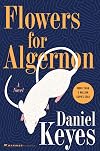
A retelling of Daniel Keyes’ classic “Flowers for Algernon,” which was made into a movie,”Charlie.” Robin is the son of a astrobiologist Theo Byrne. The story is a clever combination of science and science fiction with a disturbing dystopian look at the future. In fact, the story gives the reader a pretty good idea of how a second Donald Trump presidential term would work out. Spoiler: it would be a disaster. I got a kick out of reading the few one star reviews of the book on Amazon. Most were Trump supporters complaining because of the mistreatment of their hero. Funny thing is, Trump was never named in the book. I guess even the guy’s supporters realize what a train wreck he was and would be in term #2. So, if you’re a show more Trumpster, don’t read this book for two reasons: it would make you mad, first of all. And secondly, you wouldn’t understand the science in it anyway. show less
There is something terribly sad about the “Flowers For Algernon” story premiss — someone undergoes a procedure that enables him or her to reach unanticipated heights mentally, physically, or emotionally, and then events conspire to not just halt the gain but set in motion a regress to levels as low or even much lower than the outset. And yet, in a sense, it’s the story-arc for all of our lives.
Here, Richard Powers introduces us to Theo Byrne, astrobiologist, newly-widowed, raising his 9-year-old son, Robin, who is certainly on the spectrum. To avoid the questionable prescribed treatment of psychoactive drugs for such a young person, Theo arranges for his son to take part in an experimental neural-feedback therapy. But the show more unusual component in this case is that Robin will be able to use brain scans of his late mother as his baseline. The effect is both dramatic and unexpected. Robin begins to control his own emotions and this allows his powers of concentration to flourish. He progresses in leaps and bounds. And curiously, at least from Theo’s perspective, Robin begins to take on characteristics of his mother, Theo’s wife. It’s eerie.
However, recent years in America have not been kind to science or even to rational discourse. Much to Theo’s bewilderment, not only does the planned huge space telescope on which his work depends lose its funding, but so too does the experimental neural-feedback therapy that so helped his son. Where can that possibly lead?
Both predictable and overwhelmingly poignant. Robin’s plight is enough to drive the novel, but there is much more here.
So easy to recommend. show less
Here, Richard Powers introduces us to Theo Byrne, astrobiologist, newly-widowed, raising his 9-year-old son, Robin, who is certainly on the spectrum. To avoid the questionable prescribed treatment of psychoactive drugs for such a young person, Theo arranges for his son to take part in an experimental neural-feedback therapy. But the show more unusual component in this case is that Robin will be able to use brain scans of his late mother as his baseline. The effect is both dramatic and unexpected. Robin begins to control his own emotions and this allows his powers of concentration to flourish. He progresses in leaps and bounds. And curiously, at least from Theo’s perspective, Robin begins to take on characteristics of his mother, Theo’s wife. It’s eerie.
However, recent years in America have not been kind to science or even to rational discourse. Much to Theo’s bewilderment, not only does the planned huge space telescope on which his work depends lose its funding, but so too does the experimental neural-feedback therapy that so helped his son. Where can that possibly lead?
Both predictable and overwhelmingly poignant. Robin’s plight is enough to drive the novel, but there is much more here.
So easy to recommend. show less
On a micro level, this book is a retelling of the devastating classic by Daniel Keyes, Flowers for Algernon. On a macro level, this is a political and planet-level existential cautionary tale about the dangers of ignorant autocrats and environmental destruction.
The story opens when Robin Byrne is turning 9 years old, and ends just after Robbie turns 10. His mother Alyssa ("Aly") has been dead since Robbie was 7. Robbie's dad Theo, an astrobiologist at the University of Wisconsin in Madison, is raising Robin on his own. It is a challenge for a number of reasons, the most consequential being that Robin has anger and behavioral issues. He has been variously diagnosed with possible autism spectrum disorder, ADHD, and OCD. Nevertheless, Theo show more resists any recommendation to put his son on psychoactive drugs. He thinks Robin’s behavior is justified given what has happened to him in his life, and besides, “life itself is a spectrum disorder, where each of us vibrated at some unique frequency in the continuous rainbow.”
Robbie is obsessed with the same crisis that occupied his mother, i.e., the rapid extinction of species subsequent to direct abuse by humans and secondarily by climate change. He constantly demands to know why no one is doing anything about it, and it is difficult for Theo to assuage him.
After Robbie’s school threatened “to get the state involved” over Robbie’s disruptive behavior, Theo asked for help from Martin Currier, a senior research professor in neuroscience, who was a friend of Aly’s. Martin was exploring the use of Decoded Neurofeedback (DecNef), which is AI-mediated feedback to help modulate behavior. Theo and Aly had done some brain scans to model some different emotional states as a favor to Martin, and these would presumably be among those used for Robbie's therapy. Soon after Martin began sessions with Robbie, Theo could see rapid changes for the better; even Robbie was aware of how he was being helped. Robbie and Theo had listened to the book Flowers for Algernon together, and Robbie pointed out the similarities between himself and Algernon.
Meanwhile, in the background, the country was increasingly tilting to the right, after the authoritarian presidential candidate insisted he won the election and usurped power from the presumptive electoral winner. His administration began taking anti-science measures and ramping up prejudice against those who were different, inter alia. Both Theo and Martin lost funding for their fields of study, and for Robbie, the inability of Martin to help him anymore proved devastating.
Evaluation: There is no end to the heart-breaking aspects of this story, on all levels - for the individual, the country, and planet-wide. It is hard not to find the book quite depressing. But it is a good story, and would make a great selection for a book club. There is much to discuss, from the ethics of experimentation to the way society treats those who are different, and to the many trenchant observations Robbie makes about human nature and life on earth.
Note: Bewilderment was shortlisted for the Booker Prize and longlisted for a National Book Award. Powers, whose novels reflect a brilliant understanding of science and technology, has won a number of awards in the past for his work including a MacArthur Fellowship (commonly known as the “Genius Grant”) and a Pulitzer Prize for fiction in 2019. show less
The story opens when Robin Byrne is turning 9 years old, and ends just after Robbie turns 10. His mother Alyssa ("Aly") has been dead since Robbie was 7. Robbie's dad Theo, an astrobiologist at the University of Wisconsin in Madison, is raising Robin on his own. It is a challenge for a number of reasons, the most consequential being that Robin has anger and behavioral issues. He has been variously diagnosed with possible autism spectrum disorder, ADHD, and OCD. Nevertheless, Theo show more resists any recommendation to put his son on psychoactive drugs. He thinks Robin’s behavior is justified given what has happened to him in his life, and besides, “life itself is a spectrum disorder, where each of us vibrated at some unique frequency in the continuous rainbow.”
Robbie is obsessed with the same crisis that occupied his mother, i.e., the rapid extinction of species subsequent to direct abuse by humans and secondarily by climate change. He constantly demands to know why no one is doing anything about it, and it is difficult for Theo to assuage him.
After Robbie’s school threatened “to get the state involved” over Robbie’s disruptive behavior, Theo asked for help from Martin Currier, a senior research professor in neuroscience, who was a friend of Aly’s. Martin was exploring the use of Decoded Neurofeedback (DecNef), which is AI-mediated feedback to help modulate behavior. Theo and Aly had done some brain scans to model some different emotional states as a favor to Martin, and these would presumably be among those used for Robbie's therapy. Soon after Martin began sessions with Robbie, Theo could see rapid changes for the better; even Robbie was aware of how he was being helped. Robbie and Theo had listened to the book Flowers for Algernon together, and Robbie pointed out the similarities between himself and Algernon.
Meanwhile, in the background, the country was increasingly tilting to the right, after the authoritarian presidential candidate insisted he won the election and usurped power from the presumptive electoral winner. His administration began taking anti-science measures and ramping up prejudice against those who were different, inter alia. Both Theo and Martin lost funding for their fields of study, and for Robbie, the inability of Martin to help him anymore proved devastating.
Evaluation: There is no end to the heart-breaking aspects of this story, on all levels - for the individual, the country, and planet-wide. It is hard not to find the book quite depressing. But it is a good story, and would make a great selection for a book club. There is much to discuss, from the ethics of experimentation to the way society treats those who are different, and to the many trenchant observations Robbie makes about human nature and life on earth.
Note: Bewilderment was shortlisted for the Booker Prize and longlisted for a National Book Award. Powers, whose novels reflect a brilliant understanding of science and technology, has won a number of awards in the past for his work including a MacArthur Fellowship (commonly known as the “Genius Grant”) and a Pulitzer Prize for fiction in 2019. show less
Members
- Recently Added By
Lists

1001 Books You Must Read Before You Die
1,448 works; 1,134 members

Top Five Books of 2022
736 works; 272 members

Books Read in 2023
5,547 works; 145 members

Favourite Booker Prize contenders
73 works; 21 members

Books Read in 2021
5,361 works; 114 members

Top Five Books of 2023
767 works; 317 members

Books Read in 2024
4,623 works; 126 members

Fiction: Crime, Detective, Mystery
350 works; 3 members

Books Read in 2025
4,091 works; 97 members

READ 2025
190 works; 1 member
Talk Discussions
Past Discussions
2021 Booker Prize Longlist: Bewilderment by Richard Powers in Booker Prize (October 2021)
Author Information

21+ Works 22,459 Members
Richard Powers was born on June 18, 1957 in Evanston, Illinois. He received bachelor's and master's degrees in English from the University of Illinois at Urbana-Champaign. After graduation, he moved to Boston, Massachusetts and worked as a computer programmer and freelance data processor. One day he saw August Sander's 1914 black-and-white show more photograph of three Westerwald farm boys heading to a dance at the Museum of Fine Arts. This photograph inspired Powers to quit his job and try writing a novel. Three Farmers on Their Way to a Dance was published in 1985. His other works include Prisoner's Dilemma, The Gold Bug Variations, Operation Wandering Soul, Galatea 2.2, Plowing the Dark, The Time of Our Singing, and Generosity: An Enhancement. He received numerous awards including the James Fenimore Cooper Prize for Best Historical Fiction for Gain, the National Book Award for The Echo Maker, and Pulitzer Prize in fiction for The Overstory: A Novel. (Bowker Author Biography) show less
Some Editions
Awards and Honors
Awards
Distinctions
The Guardian Book of the Day (2021-09-13)
Oprah's Book Club 2.0 (2021-09 – 2021)
Notable Lists
Series
Belongs to Publisher Series
Common Knowledge
- Canonical title
- Bewilderment
- Original title
- Bewilderment
- Original publication date
- 2021
- People/Characters
- Theo Byrne; Robin Byrne "Robbie"; Martin Currier
- Important places
- Madison, Wisconsin, USA; Washington, D.C., USA
- Epigraph
- "Those who contemplate beauty of the earth find reserves of strength that will endure as long as it lasts." — Rachel Carson
"Therefore, for a similar reason, we must admit that the Earth, the sun, the moon, the ocean and all other things are not unique, but number in numbers beyond numbers." — Lucretius, De Rerum Natura - First words
- But we might never find them?
- Quotations
- I wanted to tell the man that everyone alive on this fluke little planet was on the spectrum. That’s what a spectrum is. I wanted to tell the man that life itself is a spectrum disorder, where each of us vibrated at ... (show all)some unique frequency in the continuous rainbow.
They share a lot, Astronomy and childhood. Both are voyages across huge distances. Both search for facts beyond their grasp. Both theorize wildly and let possibilities multiply without limits. Both are humbled every few weeks... (show all). Both operate out of ignorance. Both are mystified by time. Both are forever starting out.
I felt us traveling on a small craft, piloting through the capital city of the reigning global superpower on the coast of the third largest continent of a smallish rocky world near the inner rim of the habitable zone of a G-t... (show all)ype dwarf star that lay a quarter of the way out to the edge of a dense, large, barred, spiral Galaxy that drifted through a thinly spread local cluster in the dead center of the entire universe.
Let’s heal what we hurt.
May all beings be free from suffering.
In fact, they didn’t need a single bit of additional data to know which side of the civil war Robin and I were on. The banner told them that. - Last words
- (Click to show. Warning: May contain spoilers.)And we, too, were good, as good as the burn of the sun and the rain's sting and the smell of living soil, the all-over song of endless solutions signing the air of a changing world that by every calculation ought never to have been.
- Original language
- Engels; English
- Canonical LCC
- PS3566.O92 B49 2021
Classifications
Statistics
- Members
- 2,143
- Popularity
- 9,541
- Reviews
- 95
- Rating
- (3.92)
- Languages
- 9 — Dutch, English, Finnish, French, German, Italian, Polish, Portuguese, Spanish
- Media
- Paper, Audiobook, Ebook
- ISBNs
- 36
- ASINs
- 11