On This Page
Description
Tove knows she is a misfit, whose childhood is made for a completely different girl. In her working-class neighbourhood in Copenhagen, she is enthralled by her wild, red-headed friend Ruth, who initiates her into adult secrets. But Tove cannot reveal her true self to her or to anyone else. For 'long, mysterious words begin to crawl across my soul', and she comes to realize that she has a vocation, something unknowable within her -- and that she must one day, painfully but inevitably, leave show more the narrow street of her childhood behind. Childhood, the first volume in The Copenhagen Trilogy, is a visceral portrait of girlhood and female friendship, told with lyricism and vivid intensity. show lessTags
Recommendations












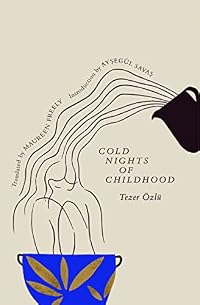



Member Recommendations
JuliaMaria Sprachgewaltige Autobiografien zur Kindheit.
Member Reviews
I learned that Tove Ditlevsen's "Childhood" was an autobiography and not fiction only after I took at a look at its LibraryThing page. Of course, there's no telling how much of any autobiography is real and how much is fiction or, at the very least, the author's careful framing of their experience. But this slim book's pacing and structure are so effortlessly novelistic that the book often seems to inhabit a grey are between fiction and non-fiction. Lastly, even though the book tells the story of a hardscrabble childhood in Copenhagen between the wars, the author herself is something different from her peers: a sensitive soul who years to express herself through writing. Fittingly, the book is written in straightforward prose that show more describes the author's difficult situation veined with shockingly pretty descriptions and well-placed figurative language. While slightly dramatic teenagers who dream of a life in the arts will probably never be in short supply, the author almost managed to convince me that, even as a child, she was the real thing.
As one might expect of a book titled "Childhood," this one is also about loss and the passage of time. The younger Tove is, compared to many children in her neighborhood, relatively ignorant of the hard facts of sex and death. Still, the author made the passage that people of her social class took towards adulthood very clear: they either dropped out of school at fourteen and joined the working world or went on to high school. As the book closes her brother is training to become a journeyman painter and there are hardly any young women in the neighborhood that aren't pregnant or pushing bassinets. This might seem a bit strange to modern readers, as we live in an age when real adulthood, for many, has been pushed back to somewhere in one's thirties, but the author is smart enough to predict the probable paths her young adulthood will take and emotionally enough aware to mourn the passing of her childhood: she speaks at one point of it growing "threadbare." The fact that she is late to arrive at puberty only makes things more difficult for her, and sparks fears that she will be left between one state and another forever.
What all these futures have in common is that adulthood lies outside the family: being an adult means being "among other people." While her father and brother give young Tove a political education in a sort of romantic socialism, her difficult mother, who is prone to spiteful silences and fits of rage, teaches her how difficult human relationships can be. As Ditlevsen ends her autobiography, she has no potential suitors but has written a notebook's worth of love poetry. Although she's admirably ambitious, she's also painfully aware that her childhood has not given her much in the way of tools with which to achieve them. Recommended. I'll read the next one in this trilogy next month. show less
As one might expect of a book titled "Childhood," this one is also about loss and the passage of time. The younger Tove is, compared to many children in her neighborhood, relatively ignorant of the hard facts of sex and death. Still, the author made the passage that people of her social class took towards adulthood very clear: they either dropped out of school at fourteen and joined the working world or went on to high school. As the book closes her brother is training to become a journeyman painter and there are hardly any young women in the neighborhood that aren't pregnant or pushing bassinets. This might seem a bit strange to modern readers, as we live in an age when real adulthood, for many, has been pushed back to somewhere in one's thirties, but the author is smart enough to predict the probable paths her young adulthood will take and emotionally enough aware to mourn the passing of her childhood: she speaks at one point of it growing "threadbare." The fact that she is late to arrive at puberty only makes things more difficult for her, and sparks fears that she will be left between one state and another forever.
What all these futures have in common is that adulthood lies outside the family: being an adult means being "among other people." While her father and brother give young Tove a political education in a sort of romantic socialism, her difficult mother, who is prone to spiteful silences and fits of rage, teaches her how difficult human relationships can be. As Ditlevsen ends her autobiography, she has no potential suitors but has written a notebook's worth of love poetry. Although she's admirably ambitious, she's also painfully aware that her childhood has not given her much in the way of tools with which to achieve them. Recommended. I'll read the next one in this trilogy next month. show less
This is one of those titles that gets floated around on #WomenInTranslation lists, which is why I picked it up. And while I did enjoy it, it definitely fit into th category of memoir for me where I felt I would have gotten more out of it had I already known who Tove Ditlevsen was. I wish I had read her poetry first.
Tove grows up on a working class Copenhagen neighborhood in the 1920s. There is a lot of between the wars unrest and economic hardship going on, as well as very limited opportunities for girls. But primarily this is a memoir of feeling different. Being vaguely horrified for all the life options you are supposed to aspire to, feeling like you constantly have to mask (she doesn't use that term, of course), to avoid scrutiny, show more It's about knowing what one wants to be from a very young age (a poet), despite everyone telling you that is impossible.
The writing is fairly intimate and has the feeling of true and deep remembrance of the experience of childhood and adolescence, but I was sometimes frustrated by what was covered here and what was not. Tove's childhood friendship with Ruth is one of her most important relationships, and while we get some insight into the tension in the friendship when it is new and they are thick as thieves (literally, as they shoplift from neighborhood shops), the eventual dissolution of their friendship is treated tangentially
Which reinforces my belief that this is less a memoir of childhood and more an autobiography of how Tove became the poet/writer she was. Which is fine, of course! It is just that, had I known this before, I would have wanted to start with her poetry first.
What I did like most about this was a child's perception of the hypocrisy of adults, especially around topics they feel children must be protected from, the depiction of the sort of bewilderment at watching those around you seem perfectly happy to accept a fate/existence that seems stifling or abhorrent to you, and also the child's simple (and seemingly clear-sighted) view of the tangled relationships of family. show less
Tove grows up on a working class Copenhagen neighborhood in the 1920s. There is a lot of between the wars unrest and economic hardship going on, as well as very limited opportunities for girls. But primarily this is a memoir of feeling different. Being vaguely horrified for all the life options you are supposed to aspire to, feeling like you constantly have to mask (she doesn't use that term, of course), to avoid scrutiny, show more It's about knowing what one wants to be from a very young age (a poet), despite everyone telling you that is impossible.
The writing is fairly intimate and has the feeling of true and deep remembrance of the experience of childhood and adolescence, but I was sometimes frustrated by what was covered here and what was not. Tove's childhood friendship with Ruth is one of her most important relationships, and while we get some insight into the tension in the friendship when it is new and they are thick as thieves (literally, as they shoplift from neighborhood shops), the eventual dissolution of their friendship is treated tangentially
Which reinforces my belief that this is less a memoir of childhood and more an autobiography of how Tove became the poet/writer she was. Which is fine, of course! It is just that, had I known this before, I would have wanted to start with her poetry first.
What I did like most about this was a child's perception of the hypocrisy of adults, especially around topics they feel children must be protected from, the depiction of the sort of bewilderment at watching those around you seem perfectly happy to accept a fate/existence that seems stifling or abhorrent to you, and also the child's simple (and seemingly clear-sighted) view of the tangled relationships of family. show less
"Childhood is dark and it’s always moaning like a little animal that’s locked in a cellar and forgotten. It comes out of your throat like your breath in the cold, and sometimes it’s too little, other times too big. It never fits exactly. It’s only when it has been cast off that you can look at it calmly and talk about it like an illness you’ve survived. Most grownups say they've had a happy childhood and maybe they really believe it themselves, but I don't think so. I think they've managed to forget it."
Tove was born in a working class family. It is expected that she would find work immediately after she's finished her high-school education, find a husband, preferably a skilled worker, and begin a family. Tove however wants to show more be a poet, and wants to continue with her education, and isn't particularly desirable enough (according to her family members) to attract good suitors. She plays down her brilliance and masks what's regarded as her eccentricities under an act of playing the clown for her schoolmates and family, and is always seeking a person that would understand her art and her. A bitter childhood recounted.
Typically I can't stand memoirs. I think most of them are simply an attempt to mark out one's existence in the same way students scribble "I was here" on a wall, or the many variations of this, when they finish school. Which isn't really bad in itself, and it is very natural for human beings to want to have something of theirs that affirms they once existed after they're long gone, and rather a book do this than projecting your dreams and fears to an offspring, but most of them (the ones I've read at least) aren't good.
This was good. It is the first in a series of three books, this one focuses on the author's childhood, and it is one of the best memoirs I've ever read. Lyrical, as it would be expected since a poet wrote this, and honest. Nothing is prettied up to be more than what it is despite the lyricism, and there's no unrestrained lingering at traumatic events. It reminded me of Ferrante's Neapolitan Novels in the way it delves into social class and mobility, misogyny, and violence, with the narrator being a young European girl from a working class family. Can't wait to read the second book. show less
Tove was born in a working class family. It is expected that she would find work immediately after she's finished her high-school education, find a husband, preferably a skilled worker, and begin a family. Tove however wants to show more be a poet, and wants to continue with her education, and isn't particularly desirable enough (according to her family members) to attract good suitors. She plays down her brilliance and masks what's regarded as her eccentricities under an act of playing the clown for her schoolmates and family, and is always seeking a person that would understand her art and her. A bitter childhood recounted.
Typically I can't stand memoirs. I think most of them are simply an attempt to mark out one's existence in the same way students scribble "I was here" on a wall, or the many variations of this, when they finish school. Which isn't really bad in itself, and it is very natural for human beings to want to have something of theirs that affirms they once existed after they're long gone, and rather a book do this than projecting your dreams and fears to an offspring, but most of them (the ones I've read at least) aren't good.
This was good. It is the first in a series of three books, this one focuses on the author's childhood, and it is one of the best memoirs I've ever read. Lyrical, as it would be expected since a poet wrote this, and honest. Nothing is prettied up to be more than what it is despite the lyricism, and there's no unrestrained lingering at traumatic events. It reminded me of Ferrante's Neapolitan Novels in the way it delves into social class and mobility, misogyny, and violence, with the narrator being a young European girl from a working class family. Can't wait to read the second book. show less
Some fools think of childhood as the happiest, most carefree period of one’s existence. Ditlevsen shatters those illusions in her semi-autobiographical examination of growing up in a working class neighbourhood in Copenhagen during the early 20th century. Ditlevsen depicts childhood as a smothering, drab time in her life, yet she fears losing her childhood knowing that the future will probably be even more unpleasant. This is a remarkable reflection on the past that packs a huge punch despite its short page count.
Tove wächst im Kopenhagen der 1920er Jahre in ärmlichen Verhältnissen auf. Der Vater ist arbeitslos, weshalb das Geld immer knapp ist und die Familie sehen muss, wie sie halbwegs über die Runden kommt. Schon früh merkt das Mädchen, dass sie irgendwie nicht in das Milieu passt, in das geboren wurde. Sie interessiert sich für Bücher und vor allem die Poesie hat es ihr angetan. Heimlich schreibt sie Gedichte und träumt davon, irgendwann einmal ihre Gedanken gedruckt zu sehen. Doch dies ist nicht sehr wahrscheinlich in einem von Gewalt und dem täglichen Kampf ums Überleben geprägten Umfeld. Ihre Kindheit, das weiß sie, ist klar begrenzt: bis zur Konfirmation und dem Abschluss der Sekundarschule, doch irgendwie lebt sie nicht show more jene glückliche Zeit, von der die Erwachsenen rückblickend immer berichten.
„Irgendwann möchte ich all die Wörter aufschreiben, die mich durchströmen. Irgendwann werden andere Menschen die in einem Buch lesen und sich darüber wundern, dass ein Mädchen doch Dichter werden konnte.“
„Kindheit“ ist der erste Band der Kopenhagener-Trilogie Tove Ditlevsens, einer der heute wichtigsten dänischen Autorinnen. Er entstand bereits 1967, im Aufbau Verlag erscheint nun die gesamte Reihe der Autorin, die sich mit nur 58 Jahren das Leben nahm und schon zu Lebzeiten eine Ikone vieler Frauen wurde. Sie beschreibt ihren Weg vom Arbeiterkind, das nicht einmal eine Zahnbürste hatte, bis hin zur Autorin. Im ersten Teil lernen wir das aufgeweckte Mädchen kennen, das zwar noch naiv nicht alles versteht, aber mit genauem Blick die Welt um sich bereits erfassen kann.
Dass Tove anders ist als die anderen Mädchen, zeigt sich früh. Schon vor der Einschulung kann sie lesen und schreiben. Mit dem Wechsel auf die Sekundarschule hat sei endlich auch Zugang zu einer Bibliothek, ein wahrer Traum all diese Bücher an einem Ort zu sehen, doch die altersgemäßen Werke langweilen sie, sie will das lesen, was für die Erwachsenen geschrieben wurde, denn nur dort findet sie auch die Sprache, die sie so begeistert.
„Alles, was ich tue, dient dazu, ihr zu gefallen, sie zum Lächeln zu bringen, ihren Zorn abzuwenden. Das ist eine mühsame Arbeit, weil ich gleichzeitig so viele Dinge vor ihr verbergen muss.“
Das Verhältnis zur Mutter ist schwierig, diese versteht sie nicht und kann nicht nachvollziehen, weshalb ihr Mädchen so seltsam und anders ist als die anderen. Sie gleicht viel mehr dem Vater, der ebenfalls liest und in der Literatur die Flucht aus dem tristen Alltag findet. Nichtsdestotrotz belächelt er den Wunsch des Kindes, einmal Schriftstellerin zu werden, für eine Frau zur damaligen Zeit schlichtweg unvorstellbar.
Das Leben auf engstem Raum mit den Nachbarn bietet keine Privatsphäre, jeder Streit, jede Affäre wird nicht nur von allen beäugt, sondern auch kommentiert. Schon früh werden Kinder mit Dingen konfrontiert, die eigentlich für ihre Augen und Ohren nicht bestimmt sind, aber das Konzept Kindheit hat ohnehin keinen Platz in dieser Welt der Entbehrungen, in der Lebenswege vorgezeichnet sind und Glücklichsein nur im Traum vorkommt.
Der kurze Auftakt der Biografie besticht nicht nur durch das schonungslose Offenlegen erbärmlicher Lebensumstände, sondern vor allem durch die Sprachversiertheit der Autorin, die die richtige Stimme für das Mädchen findet und ihre bedrückende Kindheit so eindrücklich schildert. show less
„Irgendwann möchte ich all die Wörter aufschreiben, die mich durchströmen. Irgendwann werden andere Menschen die in einem Buch lesen und sich darüber wundern, dass ein Mädchen doch Dichter werden konnte.“
„Kindheit“ ist der erste Band der Kopenhagener-Trilogie Tove Ditlevsens, einer der heute wichtigsten dänischen Autorinnen. Er entstand bereits 1967, im Aufbau Verlag erscheint nun die gesamte Reihe der Autorin, die sich mit nur 58 Jahren das Leben nahm und schon zu Lebzeiten eine Ikone vieler Frauen wurde. Sie beschreibt ihren Weg vom Arbeiterkind, das nicht einmal eine Zahnbürste hatte, bis hin zur Autorin. Im ersten Teil lernen wir das aufgeweckte Mädchen kennen, das zwar noch naiv nicht alles versteht, aber mit genauem Blick die Welt um sich bereits erfassen kann.
Dass Tove anders ist als die anderen Mädchen, zeigt sich früh. Schon vor der Einschulung kann sie lesen und schreiben. Mit dem Wechsel auf die Sekundarschule hat sei endlich auch Zugang zu einer Bibliothek, ein wahrer Traum all diese Bücher an einem Ort zu sehen, doch die altersgemäßen Werke langweilen sie, sie will das lesen, was für die Erwachsenen geschrieben wurde, denn nur dort findet sie auch die Sprache, die sie so begeistert.
„Alles, was ich tue, dient dazu, ihr zu gefallen, sie zum Lächeln zu bringen, ihren Zorn abzuwenden. Das ist eine mühsame Arbeit, weil ich gleichzeitig so viele Dinge vor ihr verbergen muss.“
Das Verhältnis zur Mutter ist schwierig, diese versteht sie nicht und kann nicht nachvollziehen, weshalb ihr Mädchen so seltsam und anders ist als die anderen. Sie gleicht viel mehr dem Vater, der ebenfalls liest und in der Literatur die Flucht aus dem tristen Alltag findet. Nichtsdestotrotz belächelt er den Wunsch des Kindes, einmal Schriftstellerin zu werden, für eine Frau zur damaligen Zeit schlichtweg unvorstellbar.
Das Leben auf engstem Raum mit den Nachbarn bietet keine Privatsphäre, jeder Streit, jede Affäre wird nicht nur von allen beäugt, sondern auch kommentiert. Schon früh werden Kinder mit Dingen konfrontiert, die eigentlich für ihre Augen und Ohren nicht bestimmt sind, aber das Konzept Kindheit hat ohnehin keinen Platz in dieser Welt der Entbehrungen, in der Lebenswege vorgezeichnet sind und Glücklichsein nur im Traum vorkommt.
Der kurze Auftakt der Biografie besticht nicht nur durch das schonungslose Offenlegen erbärmlicher Lebensumstände, sondern vor allem durch die Sprachversiertheit der Autorin, die die richtige Stimme für das Mädchen findet und ihre bedrückende Kindheit so eindrücklich schildert. show less
Si legge in un soffio e ti lascia la voglia di andare avanti e leggere il swguito: questo è assodato (almeno per me).
Tove racconta la sua infanzia in una famiglia "povera" svedese. La povertà non è solo economica e Tove oscilla tra il desiderio di crescere per uscire dal disagio che sente intorno a sé e il desiderio di continuare ad essere bambina. Colpisce quando parla della percezione del tempo infinito che hanno i bambini, e quello che comporta per lei e per le sue aspettative per il futuro, aver realizzato ciò.
Per me, il primo capitolo di questa biografia è stata una lettura interessante ma non un vero WoW. Detto questo, quasi sicuramente, andrò avanti per capire cosa questa infanzia/adolescenza si è portata dietro nella show more vita di Tove. show less
Tove racconta la sua infanzia in una famiglia "povera" svedese. La povertà non è solo economica e Tove oscilla tra il desiderio di crescere per uscire dal disagio che sente intorno a sé e il desiderio di continuare ad essere bambina. Colpisce quando parla della percezione del tempo infinito che hanno i bambini, e quello che comporta per lei e per le sue aspettative per il futuro, aver realizzato ciò.
Per me, il primo capitolo di questa biografia è stata una lettura interessante ma non un vero WoW. Detto questo, quasi sicuramente, andrò avanti per capire cosa questa infanzia/adolescenza si è portata dietro nella show more vita di Tove. show less
This short memoir (first of a trilogy) covers Ditlevsen's childhood in Copenhagen. We see her struggle with growing up, writing poetry, dealing with friendships. She is expected to grow up and get a job at such a young age. Its written very economically and plainly. I liked it but its also so short I read it quickly and don't remember it especially well.
Members
- Recently Added By
Lists

Books Read in 2021
5,361 works; 114 members

Childhood: Books for or about children in different cultures around the wor
345 works; 18 members

Schwob Nederland
207 works; 2 members

Books Read in 2025
4,090 works; 97 members
Author Information

91+ Works 2,696 Members
Ditlevsen grew up in a working-class environment in Copenhagen, an experience that has left a clear stamp on much of her writing. Her novels, generally realistic, revolve around the themes of sexuality, children, and the lives of the poor, and her relentlessly honest depictions have won her a steady following in Denmark. (Bowker Author Biography)
Some Editions
Awards and Honors
Distinctions
Series

Work Relationships
Is contained in
Common Knowledge
- Canonical title
- Childhood
- Original title
- Barndom
- Original publication date
- 1967
- Important places*
- Kopenhagen, Dänemark
- First words*
- Am Morgen war die Hoffnung da.
- Last words*
- (Click to show. Warning: May contain spoilers.)Ich lese in meinem Ppesiealbum, während die Nacht an meinem Fenster vorbei wandert, und ohne, dass ich es weiß, sinkt meine Kindheit leise auf den Grund der Erinnerungen, dieser Seelenbibliothek, aus der ich bis an mein Lebensende Wissen und Erfahrungen schöpfen werde.
- Original language
- Danish
*Some information comes from Common Knowledge in other languages. Click "Edit" for more information.
Classifications
- Genre
- Biography & Memoir
- DDC/MDS
- 839.81372 — Literature & rhetoric German & related literatures Other Germanic literatures Danish and Norwegian literatures Danish Danish fiction 1900–2000 Early 20th century 1900–1945
- LCC
- PT8175 .D5 .Z46 — Language and Literature German, Dutch and Scandinavian literatures Danish literature Individual authors or works 1900-1960
- BISAC
Statistics
- Members
- 371
- Popularity
- 84,066
- Reviews
- 16
- Rating
- (3.91)
- Languages
- 9 — Danish, Dutch, English, Finnish, French, German, Italian, Swedish, Turkish
- Media
- Paper, Audiobook, Ebook
- ISBNs
- 21
- ASINs
- 8