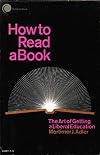
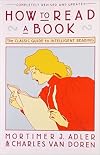
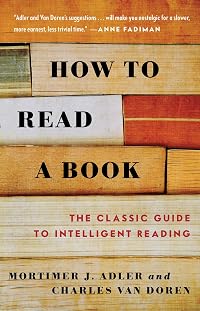
How to Read a Book {original}
by Mortimer J. Adler (Author), Mortimer J. Adler (Author)
On This Page
Description
A CNN Book of the Week: "Explains not just why we should read books, but how we should read them. It '? s masterfully done." —Farheed Zakaria Originally published in 1940, this book is a rare phenomenon, a living classic that introduces and elucidates the various levels of reading and how to achieve them—from elementary reading, through systematic skimming and inspectional reading, to speed reading. Audiences will learn when and how to "judge a book by its cover," and also how to X-ray show more it, read critically, and extract the author's message from the text. Also included is instruction in the different techniques that work best for reading particular genres, such as practical books, imaginative literature, plays, poetry, history, science and mathematics, philosophy, and social science works. show lessTags
Recommendations






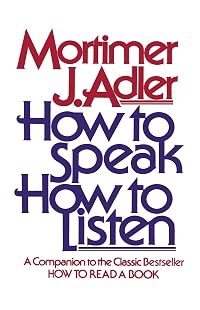
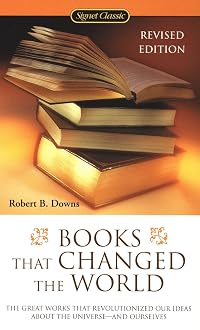
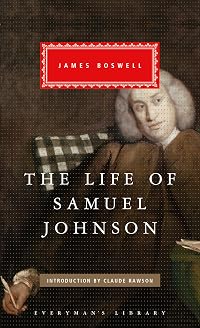

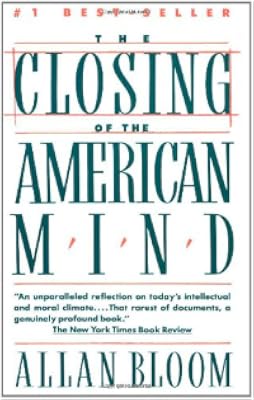

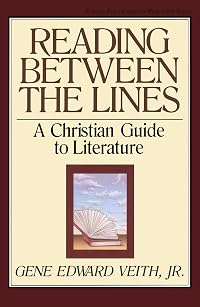
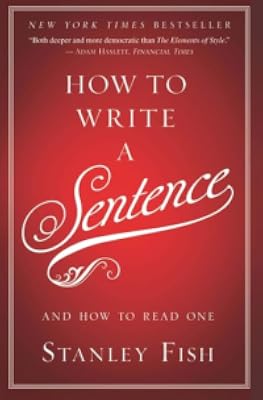
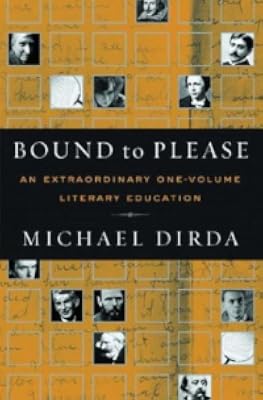
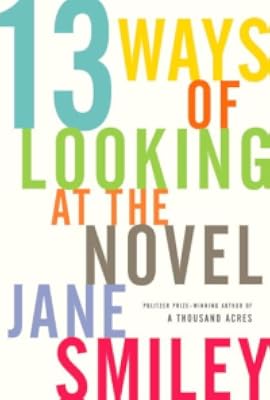
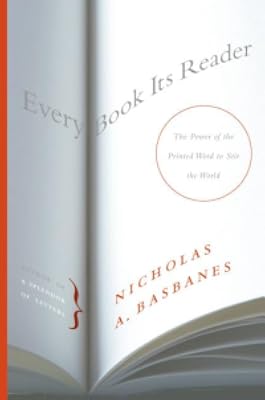
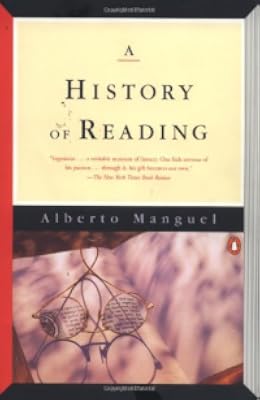
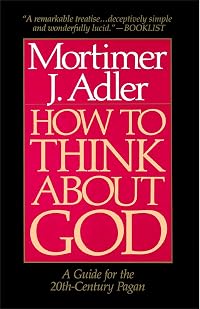
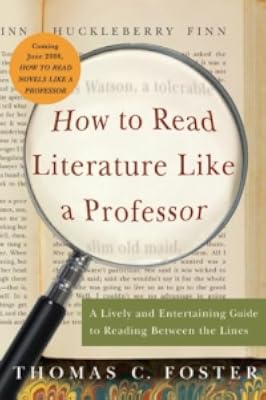






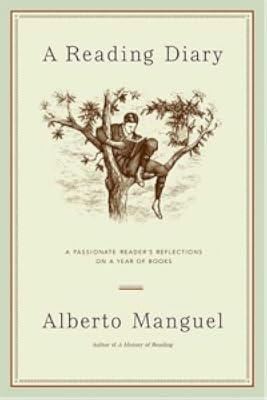


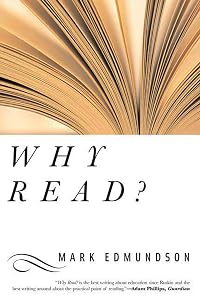

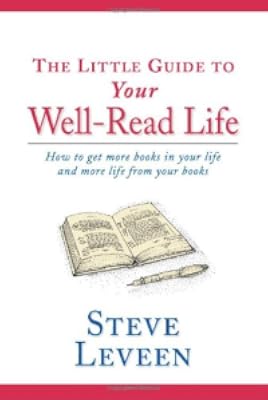
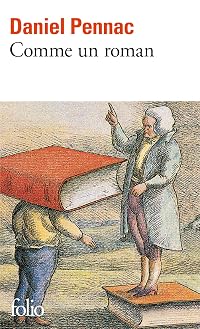

Member Recommendations
Peak Learning: How to Create Your Own Lifelong Education Program for Personal Enlightenment and Professional Success by Ronald Gross
aulsmith Two completely different approaches to independent learning, both valuable
Member Reviews
The original How to Read a Book is substantially different from the revisions. In fact, the original is a superior work, and worth seeking out. The revision seems more repetitive and dry, and the original is much more engaging.
This is the most overrated book I've read in a while. People rate it a "5/5", it's really a 2-3/5. It might be worthwhile if you don't know how to "read" well (as in, asking questions while reading, analyzing the book, comparing the viewpoints of multiple books), but if you're a reasonable human being, you already know this, and don't require hundreds of pages of needlessly verbose and condescending prose to explain it.
The authors get extra points for creating arbitrary and essentially worthless distinctions of multiple times, then indexing each of these on independent 4-part scales. This lets them say amazing things about reading the fourth type of book at the third level leads to the fourth point, etc.
Skip. There should be a show more worthwhile book about this topic, but this isn't it. show less
The authors get extra points for creating arbitrary and essentially worthless distinctions of multiple times, then indexing each of these on independent 4-part scales. This lets them say amazing things about reading the fourth type of book at the third level leads to the fourth point, etc.
Skip. There should be a show more worthwhile book about this topic, but this isn't it. show less
Adler's method is not how I read now, but it was a helpful start that taught me how to go beyond, "just reading," and learn to view texts as tools.
Estou me sentindo uma pilantra por ter pago 22 reais em uma edição rara de um livro cujo valor estipulado normalmente varia entre 150 e 250 reais.
P.S. Esse Charles Van Doren é aquele mesmo do Ralph Fiennes em Quiz Show? Rá! Tá bom, não estou mais me sentindo tão pilantra.
P.S. Esse Charles Van Doren é aquele mesmo do Ralph Fiennes em Quiz Show? Rá! Tá bom, não estou mais me sentindo tão pilantra.
From the back of the book: "It is the only self-improvement book I have ever read that did not make me want to go out and start improving things by assassinating the author."
reading and accessing information
Members
- Recently Added By
Lists

Publisher's Weekly NON-Fiction list - 1912 - 1975
486 works; 4 members
Author Information

Born in New York, Mortimer Adler was educated at Columbia University. Later as a philosophy instructor there, he taught in a program focused on the intellectual foundations of Western civilization. Called to the University of Chicago in 1927 by President Robert Maynard Hutchins, Adler played a major role in renovating the undergraduate curriculum show more to center on the "great books." His philosophical interests committed to the dialectical method crystallized in a defense of neo-Thomism, but he never strayed far from concerns with education and other vital public issues. From 1942 to 1945, Adler was director of the Institute for Philosophical Research, based in San Francisco, California. Beginning in 1945 he served as associate editor of Great Books of the Western World series, and in 1952 he published Syntopicon, an analytic index of the great ideas in the great books. In 1966 he became director of the editorial planning for the fifteen edition of the Encyclopaedia Britannica, and in 1974, chairman of its editorial board. Adler has been devoted in recent years to expounding his interpretations of selected great ideas and to advocating his Paideia Proposal. That proposal would require that all students receive the same quantity and quality of education, which would concentrate on the study of the great ideas expressed in the great books, a study conducted by means of the dialectical method. Mortimer J. Adler died June 28, 2001 at his home in San Mateo, California at the age of 98. (Bowker Author Biography) show less
Awards and Honors
Work Relationships
Is expanded in
Is replied to in
Common Knowledge
- Canonical title
- How to Read a Book {original}
- Original title
- How to Read a Book: The Art of Getting a Liberal Education
- Alternate titles
- How to Read a Book: A Guide to Reading the Great Books
- Original publication date
- 1940
- Dedication
- To Mark and Arthur
- First words
- 1
The Activity and Art of Reading
This is a book for readers and for those who wish to become readers. - Last words
- (Click to show. Warning: May contain spoilers.)It also serves to keep our minds alive and growing.
- Blurbers
- Fadiman, Clifton; Barzun, Jacques
- Disambiguation notice
- Please distinguish Mortimer J. Adler's original work, How to Read a Book: The Art of Getting a Liberal Education (1940), from his later Revised and Updated Edition co-authored with Charles Van Doren, How to Read a B... (show all)ook: The Classic Best-Selling Guide to Reading Books and Accessing Information (1972). See Wikipedia on How to Read a Book.
Classifications
Statistics
- Members
- 406
- Popularity
- 76,738
- Reviews
- 8
- Rating
- (4.14)
- Languages
- 5 — English, German, Portuguese (Brazil), Spanish, Swedish
- Media
- Paper, Audiobook, Ebook
- ISBNs
- 6
- UPCs
- 1
- ASINs
- 22