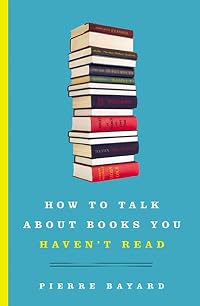
How to Talk About Books You Haven't Read
by Pierre Bayard
On This Page
Description
In this mischievous book, literature professor Bayard contends that, in this age of infinite publication, the truly cultivated person is not the one who has read a book but the one who understands the book's place in our culture ... Using examples from works by Graham Greene, Umberto Eco, and others (and even the movie Groundhog Day), Bayard examines the many kinds of "non-reading" (forgotten books, books discussed by others, books we've skimmed briefly) and the many potentially nightmarish show more situations in which we are called upon to discuss our reading with others. At heart, this delightfully tongue-in-cheek book challenges everyone who's ever felt guilty about missing some of the great books to consider what reading means, how we absorb books as part of ourselves, and why we spend so much time talking about what we have, or haven't, read. show lessTags
Recommendations



Member Recommendations
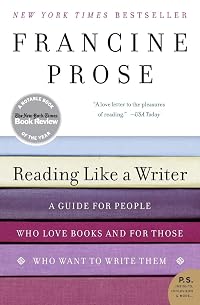
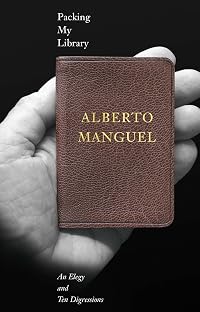
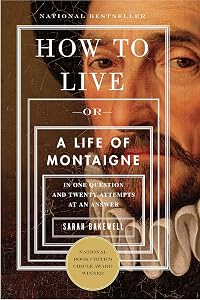
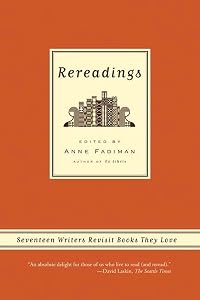
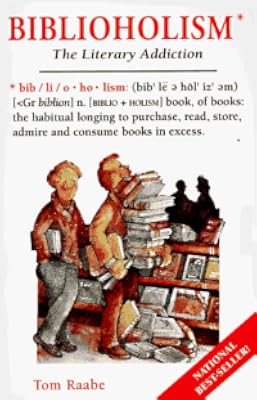
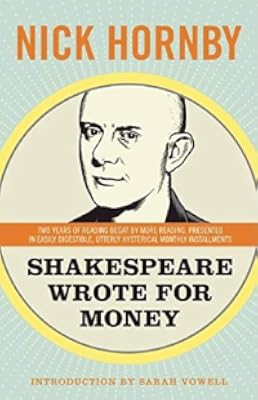
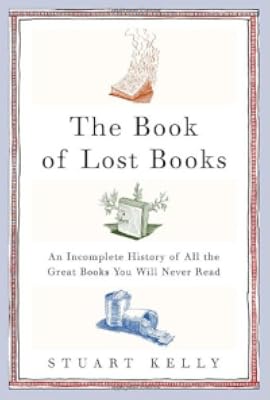
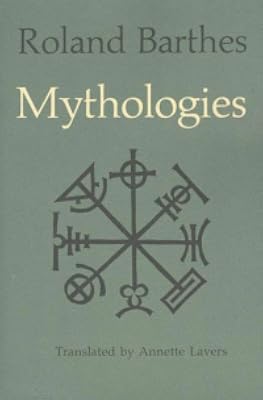
Sylak Two books published around the same time.


Member Reviews
In this charming book, Bayard shows that there’s nothing more gauche than talking about a book you’ve read. You want to say what happened, share your favorite quotes, etc. But doing so risks setting the book in stone forever. It’s far better, he argues, to talk about books you haven’t read! First of all, there are so many of them. Plus, anything might yet occur in them. A book you haven’t read is never shut once and for all, it always stays with you, changing as your conversations change—and as you do. I committed the faux pas of reading Bayard’s book, but I can’t wait to forget it so I can really start talking about it.
I’ll get to the why of it. I think literature is wasted time, I don’t think there’s anything good about it. It’s not a moral project except in this profound aspect of wasting time. — Eileen Myles, For Now
Not-Useless
There's something humorous in the use of copious literary reference to substantiate an argument against (certain kinds of) reading. Bayard here recalling those lectures against physical possessions from wealthy Roman Stoics, or, more precisely, lectures against gambling from those who have made a living betting it all on Red. This text is, in another sense, the opposite of the game Humiliation presented within: In that game you earn points for not having read books that others have. (As of this moment, I also have show more not read Hamlet). Compared to the fictional professor who wins a round of Humiliation by admitting to never having read the Bard (and subsequently loses his position), it's evident our author keeps at least one eye fixed on the sinecure (but we forgive him).
The main thrust of argument appears to be essentially correct: for most discussions of famous books (e.g. Ulysses) you typically don't need to know more about them than the few factoids floating around in the Zeitgeist. In this sense, certain books are "not worth reading" since you don't get much more out of them. This is a somewhat "straightforward" statement, yet it implies something radical. In Bayard's tacit admission that reading books isn't an "embiggening" process, he's approaching the radical critique of literature excerpted from Eileen Myles i.e. "Literature is wasted time, I don’t think there’s anything good about it."
Such statements are at the heart of a conundrum for those who are somewhat serious about reading. On one hand there's the (self-congratulatory) assertion that every good book you read becomes part of your personal project of continuous self-improvement; on the other hand, the more books you read the more apparent it becomes that books aren't worth anything. Yet those of us who imagine ourselves so world-weary to think the latter is the case (e.g. "how many billions have died not having read Hamlet and none the worse for it,") we somehow continue reading as if secretly (under cover of dreams) we still believed in the Liberal project. This is perhaps one for those psychoanalysts of (semi) unconscious drives . . . o O ((Only on the analyst's couch would I admit that I prefer my translations of Eugene Onegin in mediocre verse to Nabokov's unimpeachable prose.))
In brief, the reason this collection is "not useless" (to me) is because it parallels so precisely my own rating system, in which most things go into the (one-star) dustbin of "everything you don't have to read." Certainly there are works in there of perfectly acceptable quality, yet (when I read them) I didn't think they were "not-useless" (triple negative), except, of course, for your own (useless) reading-pleasure. (I'm thinking particularly of Umberto Eco, the quintessential "one-star" author, who is always writing things of excellent scholarly quality, but perhaps may never have had an idea in his life. You can get all of him from Wikipedia). Yet — and this one of the joys of reading — any work, even the worst, has the potential to resonate with me enough to earn a promotion (from not-not-useless to not-useless; this is the beneficial aspect of knowing all literature is already useless), even so, I wouldn't say this text still reaches the three-star category of things I would call "Not-Humiliating." show less
It is clear to me, after reading Pierre Bayard's treatise on the art of "non-reading," that my circle of friends and acquaintances, which I had until now considered to be fairly literate, must surely be lacking the elevated cultural sensibility that seems to pertain in Parisian academia. I freely confess it: there are any number of towering works of genius, pillars of the literary canon, which I have never so much as cracked. But despite the complete candor with which I discuss the subject, I cannot recall the last time someone greeted my non-reading of a text with shock or ridicule. I must either present an astonishingly formidable visage to the world, or have been extremely lucky. Of course, anyone so unwise as to express such show more sentiments to me would be met with astonished pity, as it is my firm conviction that too inflexible an investment in any given canon is a sign, not of high cultural achievement, but of intellectual error.
Now perhaps Professor Bayard's tome simply didn't sit well with my own "inner book," but I found myself continuously irritated by his efforts to assuage insecurities I do not feel. His assumption that the social dynamic he has observed in some of his own circles is somehow universal, and his insistence upon reducing every interaction to some sort of psychological power-play, while perhaps unsurprising in a psychoanalyst, did little to endear him to me. My reading experience was not enhanced, moreover, by the author’s prose, which some have found witty, but which struck me as insufferably self-congratulatory - every point presented as if it were some breathtakingly original discovery.
That said, I find myself in agreement with the basic premise of the book, which is that the activities of "non-reading;" which Bayard expansively defines to include skimming, reading & forgetting (un-reading), and "hearing of" books; are all perfectly legitimate ways of interacting with a text, and more than sufficient for intelligent discussion. His ideas about the three kinds of library - the collective, inner, and virtual - and the ways in which they converge, and at times come into conflict, are intriguing. I am also in agreement with the idea that any given text must not be treated as some sort of isolated document, but part of a larger cultural whole, in which we must strive to locate it.
In short: what can be understood of this book is not be quarreled with, and therein lies its second weakness. Although Bayard manages to express himself quite clearly when summarizing his major points, the great bulk of his work - when not given over to literary quotations - is a confusing morass of self-contradiction and "cultured" cynicism. Perhaps I am too eager to take a page out of the professor's book, but it strikes me that he is the one crippled by fear. Almost from the opening of the book I was struck by the author's assumption that "mastery" of the whole (as in, overall cultural literacy) is the only possible goal of reading, and social interaction its only meaningful arena. The enrichment of the inner self, the transformative potential of new ideas or viewpoints, the restorative power of beauty, the strengthening (or weakening) nature of truth, are all subordinate here to the value books have for us as cultural commodities. Here everything is directed outward, as if we were nothing but social actors.
A man, confronted with the vast storehouse of human knowledge, itself only an infinitesimal fraction of what can be known, acknowledges that he will never be able to absorb it all. But perhaps, he tells himself, he can see the "whole picture," he can understand the "totality" of it. Or is it all just a clever game he has made up, so as to avoid facing his human limitations and imperfections, his smallness? How original... a man rebels against his mortality... show less
Now perhaps Professor Bayard's tome simply didn't sit well with my own "inner book," but I found myself continuously irritated by his efforts to assuage insecurities I do not feel. His assumption that the social dynamic he has observed in some of his own circles is somehow universal, and his insistence upon reducing every interaction to some sort of psychological power-play, while perhaps unsurprising in a psychoanalyst, did little to endear him to me. My reading experience was not enhanced, moreover, by the author’s prose, which some have found witty, but which struck me as insufferably self-congratulatory - every point presented as if it were some breathtakingly original discovery.
That said, I find myself in agreement with the basic premise of the book, which is that the activities of "non-reading;" which Bayard expansively defines to include skimming, reading & forgetting (un-reading), and "hearing of" books; are all perfectly legitimate ways of interacting with a text, and more than sufficient for intelligent discussion. His ideas about the three kinds of library - the collective, inner, and virtual - and the ways in which they converge, and at times come into conflict, are intriguing. I am also in agreement with the idea that any given text must not be treated as some sort of isolated document, but part of a larger cultural whole, in which we must strive to locate it.
In short: what can be understood of this book is not be quarreled with, and therein lies its second weakness. Although Bayard manages to express himself quite clearly when summarizing his major points, the great bulk of his work - when not given over to literary quotations - is a confusing morass of self-contradiction and "cultured" cynicism. Perhaps I am too eager to take a page out of the professor's book, but it strikes me that he is the one crippled by fear. Almost from the opening of the book I was struck by the author's assumption that "mastery" of the whole (as in, overall cultural literacy) is the only possible goal of reading, and social interaction its only meaningful arena. The enrichment of the inner self, the transformative potential of new ideas or viewpoints, the restorative power of beauty, the strengthening (or weakening) nature of truth, are all subordinate here to the value books have for us as cultural commodities. Here everything is directed outward, as if we were nothing but social actors.
A man, confronted with the vast storehouse of human knowledge, itself only an infinitesimal fraction of what can be known, acknowledges that he will never be able to absorb it all. But perhaps, he tells himself, he can see the "whole picture," he can understand the "totality" of it. Or is it all just a clever game he has made up, so as to avoid facing his human limitations and imperfections, his smallness? How original... a man rebels against his mortality... show less
I actually did read this book, which, according to its arguments, probably hinders my ability to think and talk about it usefully. Because it’s not just a how-to on bluffing your way through “awkward literary confrontations”; it’s a philosophical examination of the dangers of reading, and thinking about reading as actually an obstacle to understanding a specific book and books generally.
Here’s the nutshell, from the review by Jay McInerney:
Bayard’s hero in this enterprise is the librarian in Robert Musil’s Man Without Qualities (a book I seem to recall having read halfway through, and Bayard claims to have skimmed), custodian of millions of volumes in the country of Kakania. He explains to a general seeking cultural show more literacy his own scheme for mastery of this vast, nearly infinite realm: “If you want to know how I know about every book here, I can tell you! Because I never read any of them.” If he were to get caught up in the particulars of a few books, the librarian implies, he would lose sight of the bigger picture, which is the relation of the books to one another—the system we call cultural literacy, which forms our collective library. “As cultivated people know,” Bayard tells us, “culture is above all a matter of orientation. Being cultivated is a matter of not having read any book in particular, but of being able to find your bearings within books as a system, which requires you to know that they form a system and to be able to locate each element in relation to the others.”
(There is a better review, by Hilary Mantel. She’s somewhat skeptical.)
Moreover, reading any particular book actually means unjustifiably privileging it in a way that can hinder your understanding of the whole of books. In the end you’d be more cultivated if you only read this newsletter and no actual books.
He also introduces and hilariously deploys a useful notation system describing every possible relationship with a book:
UB (book unknown to me)
SB (book I have skimmed)
HB (book I have heard about)
FB (book I have forgotten)
This notation is followed by one or two pluses or minuses:
++ (extremely positive opinion)
+ (positive opinion)
- (negative opinion)
-- (extremely negative opinion)
For instance, at the mention of his own book Who Killed Roger Ackroyd? he gives it an FB+.
It’s very French in a jokey-philosophical way. Funny, smart, and, to the extent he might be on to something, unsettling. show less
Here’s the nutshell, from the review by Jay McInerney:
Bayard’s hero in this enterprise is the librarian in Robert Musil’s Man Without Qualities (a book I seem to recall having read halfway through, and Bayard claims to have skimmed), custodian of millions of volumes in the country of Kakania. He explains to a general seeking cultural show more literacy his own scheme for mastery of this vast, nearly infinite realm: “If you want to know how I know about every book here, I can tell you! Because I never read any of them.” If he were to get caught up in the particulars of a few books, the librarian implies, he would lose sight of the bigger picture, which is the relation of the books to one another—the system we call cultural literacy, which forms our collective library. “As cultivated people know,” Bayard tells us, “culture is above all a matter of orientation. Being cultivated is a matter of not having read any book in particular, but of being able to find your bearings within books as a system, which requires you to know that they form a system and to be able to locate each element in relation to the others.”
(There is a better review, by Hilary Mantel. She’s somewhat skeptical.)
Moreover, reading any particular book actually means unjustifiably privileging it in a way that can hinder your understanding of the whole of books. In the end you’d be more cultivated if you only read this newsletter and no actual books.
He also introduces and hilariously deploys a useful notation system describing every possible relationship with a book:
UB (book unknown to me)
SB (book I have skimmed)
HB (book I have heard about)
FB (book I have forgotten)
This notation is followed by one or two pluses or minuses:
++ (extremely positive opinion)
+ (positive opinion)
- (negative opinion)
-- (extremely negative opinion)
For instance, at the mention of his own book Who Killed Roger Ackroyd? he gives it an FB+.
It’s very French in a jokey-philosophical way. Funny, smart, and, to the extent he might be on to something, unsettling. show less
Funnily enough, I actually ended up reading this whole book, which seems its inherent irony, and then talking about it while I was attending the Yeats seminar.
First of all, this is a book tailor made for book academics -- so if you are in the engineering field or have otherwise never made it through a literature seminar on either side of the table, you can skip this book. But for those English grad students and, better yet, professors and authors out there, this little book is a gem. Here's what happens every few pages:
1. Laughing out loud ("ah hahahahaha!")
2. A pause ("oh, wait...")
3. Realization and acknowledgement ("actually, that's quite true")
I genuinely laughed at the witticisms, the tongue-in-cheek situations, the deliberately show more skewed allusions (the author admits that he has not "read" all of the books from which he has quoted in this volume)... but inevitably there were moments of pause, in which I realized that real scholarship was being snuck in under the radar, and that the really, really funny stuff was also true. Bayard's expansion on the idea of the "screen book" or the construct of memory that is a particular book to a particular individual -- he threads out some solid cultural theory here, in explaining how each of us has our own mental library of said constructs which we draw from when interacting with others on the subject of books -- is both fascinating and useful. I pondered as much as I chuckled, and came away from this text with a lot to think about in terms of how people read, remember, and discuss literature.
Not to mention some handy excuses for not "reading" required course books. :) show less
First of all, this is a book tailor made for book academics -- so if you are in the engineering field or have otherwise never made it through a literature seminar on either side of the table, you can skip this book. But for those English grad students and, better yet, professors and authors out there, this little book is a gem. Here's what happens every few pages:
1. Laughing out loud ("ah hahahahaha!")
2. A pause ("oh, wait...")
3. Realization and acknowledgement ("actually, that's quite true")
I genuinely laughed at the witticisms, the tongue-in-cheek situations, the deliberately show more skewed allusions (the author admits that he has not "read" all of the books from which he has quoted in this volume)... but inevitably there were moments of pause, in which I realized that real scholarship was being snuck in under the radar, and that the really, really funny stuff was also true. Bayard's expansion on the idea of the "screen book" or the construct of memory that is a particular book to a particular individual -- he threads out some solid cultural theory here, in explaining how each of us has our own mental library of said constructs which we draw from when interacting with others on the subject of books -- is both fascinating and useful. I pondered as much as I chuckled, and came away from this text with a lot to think about in terms of how people read, remember, and discuss literature.
Not to mention some handy excuses for not "reading" required course books. :) show less
I was surprised by how much I enjoyed this. Be warned, this gives you very little real practical advice in regards to the title. But it does explore the concepts of reading and not-reading and the social and personal consequences of these cultural practices. I suspect it is a book more likely to be enjoyed by those who are already well read who also enjoy the philosophy of art and the creative spirit, English majors and artists and the like. He explores a number of books I have and haven't read and even a few movies. He turned Groundhog Day into a more profound experience than it maybe deserves. In the end, I was surprised how inspiring I found the ultimate message about personal creativity and introspection. It made me want to reread show more "If on a winter's night a traveler", one of my favorite books about reading. I ended up with a lot of highlights of passages I would like to revisit, which is always a sign of approval in my library.
"Beyond the possibility of self-discovery, the discussion of unread books places us at the heart of the creative process, by leading us back to its source. To talk about unread books is to be present at the birth of the creative subject. In this inaugural moment when book and self separate, the reader, free at last from the weight of the words of others, may find the strength to invent his own text, and in that moment, he becomes a writer himself." show less
"Beyond the possibility of self-discovery, the discussion of unread books places us at the heart of the creative process, by leading us back to its source. To talk about unread books is to be present at the birth of the creative subject. In this inaugural moment when book and self separate, the reader, free at last from the weight of the words of others, may find the strength to invent his own text, and in that moment, he becomes a writer himself." show less
I was surprised by how much I enjoyed this. Be warned, this gives you very little real practical advice in regards to the title. But it does explore the concepts of reading and not-reading and the social and personal consequences of these cultural practices. I suspect it is a book more likely to be enjoyed by those who are already well read who also enjoy the philosophy of art and the creative spirit, English majors and artists and the like. He explores a number of books I have and haven't read and even a few movies. He turned Groundhog Day into a more profound experience than it maybe deserves. In the end, I was surprised how inspiring I found the ultimate message about personal creativity and introspection. It made me want to reread show more "If on a winter's night a traveler", one of my favorite books about reading. I ended up with a lot of highlights of passages I would like to revisit, which is always a sign of approval in my library.
"Beyond the possibility of self-discovery, the discussion of unread books places us at the heart of the creative process, by leading us back to its source. To talk about unread books is to be present at the birth of the creative subject. In this inaugural moment when book and self separate, the reader, free at last from the weight of the words of others, may find the strength to invent his own text, and in that moment, he becomes a writer himself." show less
"Beyond the possibility of self-discovery, the discussion of unread books places us at the heart of the creative process, by leading us back to its source. To talk about unread books is to be present at the birth of the creative subject. In this inaugural moment when book and self separate, the reader, free at last from the weight of the words of others, may find the strength to invent his own text, and in that moment, he becomes a writer himself." show less
Members
- Recently Added By
Published Reviews
ThingScore 75
“Non leggo mai libri che devo recensire; non vorrei rimanerne influenzato” affermava Oscar Wilde con il gusto del paradosso che lo contraddistingueva. La tesi che lo psicoanalista francese Pierre Bayard espone in questo libro non è molto diversa. Anche i lettori forti ricordano a distanza di tempo ben poco di quello che hanno letto. La memoria umana predilige l'oblio. Ciò non significa show more che nel nostro inconscio il libro letto non continui a vivere, come una atmosfera particolare, come un nucleo di idee e di emozioni che finiscono per determinarci. Inoltre un libro non è composto soltanto dal testo scritto dall'autore, ma da tutti i discorsi che negli anni (o secoli) si sono prodotti sul libro stesso: commenti, recensioni, conversazioni, lezioni, critiche professionali e non. Per cui, anche se non si è letto direttamente il testo, ci si forma ugualmente un'opinione precisa su un libro, fino ad arrivare a parlarne con cognizione di causa senza averlo mai letto direttamente.
Personalmente preferisco leggere i libri di cui parlo, ma devo ammettere che le ipotesi avanzate da Bayard sono seducenti. Ne rimase affascinato persino Umberto Eco, che al pamphlet del professore francese dedicò una famosa "bustina di minerva", cui volentieri rimando il lettore esigente.
Bayard esordisce affermando di non trovare la lettura una attività particolarmente piacevole, ma che il suo ruolo di docente di letteratura lo obbliga a parlare di libri che in gran parte non ha letto. Non ha mai letto, per esempio, l'Ulisse di Joyce e non ha certo compiuto una lettura integrale della Recherche di Proust. Di più, su molti libri egli deve redigere dei testi critici. Ciò lo mette in conflitto con tre costrizioni fortemente interiorizzate dalla nostra epoca: l'obbligo di leggere che conferisce alla lettura un carattere sacro, l'obbligo di leggere tutto e l'obbligo di leggere assolutamente un libro prima di parlarne.
L'esito di queste costrizioni interiorizzate è l'ipocrisia sui libri effettivamente letti, la menzogna imbarazzata. Le persone colte si vergognano ad ammettere di non aver letto determinati libri. A volte si arriva all'autoinganno: si è convinti di aver letto un libro che in realtà non si è mai letto. Bayard sottolinea come esistano molteplici livelli di lettura, situati tra il leggere e il non-leggere. L'incontro con un testo riconosce molte forme. E così i libri non letti, ma di cui si sia sentito parlare "esercitano effetti sensibili su di noi, tramite le risonanze che da essi ci pervengono".
La nozione di "libro letto" è ambigua. Ci sono libri a noi totalmente sconosciuti, libri che abbiamo soltanto sfogliato, libri di cui abbiamo sentito parlare e libri che abbiamo dimenticato. La relazione che intratteniamo con i libri non è affatto omogenea, "bensì uno spazio oscuro infestato da frammenti di ricordi e il cui valore, anche creativo, dipende dai fantasmi dai contorni oscuri che vi abitano".
D'altronde, nemmeno un'intera vita può permetterci di leggere tutti i libri; l'importante, allora, non è tanto leggere per intero un libro, quanto avere una visione d'insieme della totalità dei libri. In questa visione d'insieme si riconosce la vera cultura, nella capacità quindi di mettere in relazione i libri tra di loro, piuttosto che nel conoscere meticolosamente alcuni singoli testi. Si deve cioè coltivare una visione d'insieme. "La cultura è soprattutto una questione di orientamento". Orientamento nella relazione dei libri tra di loro e orientamento all'interno di un testo (che si può ottenere velocemente anche dando soltanto una scorsa all'indice).
A volte per farsi un'idea precisa di un libro "basta leggere e ascoltare ciò che altri ne scrivono e dicono". Persino gli autori stessi sovente ignorano quanto hanno scritto nei volumi pubblicati. Infine - ancora una volta ci viene in soccorso Wilde - accanto ai libri da leggere e a quelli da rileggere ci sono i libri sconsigliati, quelli da cui sarebbe bene tenersi alla larga. La lettura non è perciò soltanto un processo benefico, ma talvolta può rivelarsi un'attività nefasta.
La memoria intorno alle nostre letture si riorganizza incessantemente. La lettura e il nostro parlare di libri è più che altro un pretesto autobiografico, un modo per parlare di noi stessi. e per interpretare la nostra esperienza.
Bayard ci invita dunque a liberarci una volta per tutte dalla falsa idea perfezionista, imposta dalle istituzioni scolastiche, della lettura integrale, per vedere invece nei libri principalmente una parte di noi stessi, uno strumento fluido di autoconoscenza, un importante materiale per la costruzione della propria identità e un' occasione di creazione originale. show less
Personalmente preferisco leggere i libri di cui parlo, ma devo ammettere che le ipotesi avanzate da Bayard sono seducenti. Ne rimase affascinato persino Umberto Eco, che al pamphlet del professore francese dedicò una famosa "bustina di minerva", cui volentieri rimando il lettore esigente.
Bayard esordisce affermando di non trovare la lettura una attività particolarmente piacevole, ma che il suo ruolo di docente di letteratura lo obbliga a parlare di libri che in gran parte non ha letto. Non ha mai letto, per esempio, l'Ulisse di Joyce e non ha certo compiuto una lettura integrale della Recherche di Proust. Di più, su molti libri egli deve redigere dei testi critici. Ciò lo mette in conflitto con tre costrizioni fortemente interiorizzate dalla nostra epoca: l'obbligo di leggere che conferisce alla lettura un carattere sacro, l'obbligo di leggere tutto e l'obbligo di leggere assolutamente un libro prima di parlarne.
L'esito di queste costrizioni interiorizzate è l'ipocrisia sui libri effettivamente letti, la menzogna imbarazzata. Le persone colte si vergognano ad ammettere di non aver letto determinati libri. A volte si arriva all'autoinganno: si è convinti di aver letto un libro che in realtà non si è mai letto. Bayard sottolinea come esistano molteplici livelli di lettura, situati tra il leggere e il non-leggere. L'incontro con un testo riconosce molte forme. E così i libri non letti, ma di cui si sia sentito parlare "esercitano effetti sensibili su di noi, tramite le risonanze che da essi ci pervengono".
La nozione di "libro letto" è ambigua. Ci sono libri a noi totalmente sconosciuti, libri che abbiamo soltanto sfogliato, libri di cui abbiamo sentito parlare e libri che abbiamo dimenticato. La relazione che intratteniamo con i libri non è affatto omogenea, "bensì uno spazio oscuro infestato da frammenti di ricordi e il cui valore, anche creativo, dipende dai fantasmi dai contorni oscuri che vi abitano".
D'altronde, nemmeno un'intera vita può permetterci di leggere tutti i libri; l'importante, allora, non è tanto leggere per intero un libro, quanto avere una visione d'insieme della totalità dei libri. In questa visione d'insieme si riconosce la vera cultura, nella capacità quindi di mettere in relazione i libri tra di loro, piuttosto che nel conoscere meticolosamente alcuni singoli testi. Si deve cioè coltivare una visione d'insieme. "La cultura è soprattutto una questione di orientamento". Orientamento nella relazione dei libri tra di loro e orientamento all'interno di un testo (che si può ottenere velocemente anche dando soltanto una scorsa all'indice).
A volte per farsi un'idea precisa di un libro "basta leggere e ascoltare ciò che altri ne scrivono e dicono". Persino gli autori stessi sovente ignorano quanto hanno scritto nei volumi pubblicati. Infine - ancora una volta ci viene in soccorso Wilde - accanto ai libri da leggere e a quelli da rileggere ci sono i libri sconsigliati, quelli da cui sarebbe bene tenersi alla larga. La lettura non è perciò soltanto un processo benefico, ma talvolta può rivelarsi un'attività nefasta.
La memoria intorno alle nostre letture si riorganizza incessantemente. La lettura e il nostro parlare di libri è più che altro un pretesto autobiografico, un modo per parlare di noi stessi. e per interpretare la nostra esperienza.
Bayard ci invita dunque a liberarci una volta per tutte dalla falsa idea perfezionista, imposta dalle istituzioni scolastiche, della lettura integrale, per vedere invece nei libri principalmente una parte di noi stessi, uno strumento fluido di autoconoscenza, un importante materiale per la costruzione della propria identità e un' occasione di creazione originale. show less
added by AntonioGallo
I seriously doubt that pretending to have read this book will boost your creativity. On the other hand, reading it may remind you why you love reading.
added by DieFledermaus
Lists

Books about Books
149 works; 24 members

Best books about books
209 works; 106 members

Amusing Book Titles
146 works; 39 members

Backlisted
109 works; 9 members

Books With Interesting Titles
173 works; 14 members
Author Information

31+ Works 2,469 Members
Pierre Bayard is a psychoanalyst and professor of French literature in Paris
Some Editions
Awards and Honors
Distinctions
Notable Lists
Series
Belongs to Publisher Series
Common Knowledge
- Canonical title
- How to Talk About Books You Haven't Read
- Original title
- Comment parler des livres que l'on n'a pas lus?
- Original publication date
- 2007-11-04
- Epigraph
- I never read a book I must review; it prejudices you so.
– Oscar Wilde. - First words
- Born into a milieu where reading was rare, deriving little pleasure from the activity, and lacking in any case the time to devote myself to it, I have often found myself in the delicate situation of having to express my thoug... (show all)hts on books I haven't read.
- Last words
- (Click to show. Warning: May contain spoilers.)Were I to pretend otherwise and again join the mob of passive readers, I would feel that I was betraying myself by being unfaithful to the milieu from which I came; to the path among the books I have been obliged to take in order to create; and to the duty I feel today to assist others in overcoming their fear of culture, and in daring to leave it behind to begin to write.
- Blurbers
- Collins, Billy; Price, Matthew; Long, Karen R.; McInerney, Jay; Epstein, Joseph ; Smiley, Jane (show all 14); Shapiro, Steve; Larson, Susan; Anderson, Sam; Gold, Sarah; Hovannisian, Garin K.; Freedenberg, Harvey; Messud, Clare; Brockhaus, Audrey
- Original language
- French
- Canonical DDC/MDS
- 809
- Canonical LCC
- PN45
Classifications
Statistics
- Members
- 1,613
- Popularity
- 14,044
- Reviews
- 87
- Rating
- (3.50)
- Languages
- 17 — Catalan, Czech, Dutch, English, Estonian, Finnish, French, German, Greek, Hungarian, Italian, Norwegian (Bokmål), Polish, Russian, Spanish, Turkish, Portuguese (Portugal)
- Media
- Paper, Audiobook, Ebook
- ISBNs
- 46
- ASINs
- 13