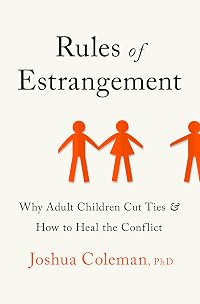
Rules of Estrangement: Why Adult Children Cut Ties and How to Heal the Conflict
by Joshua Coleman PhD
On This Page
Description
"A guide for parents whose adult children have cut off contact that reveals the hidden logic of estrangement, explores its cultural causes, and offers practical advice for parents trying to reestablish contact with their adult children"--Tags
Recommendations

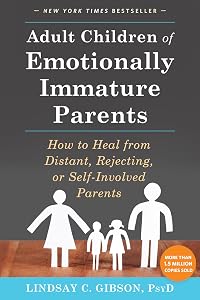
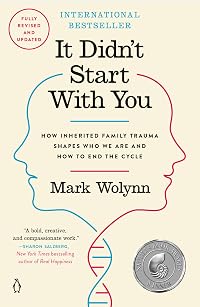
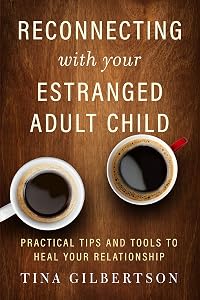
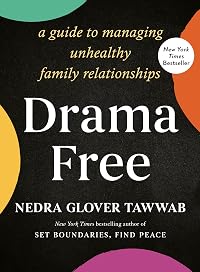


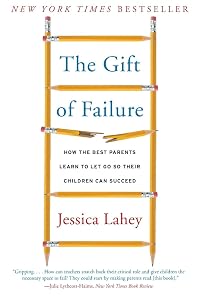
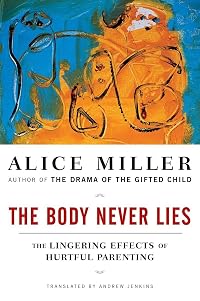
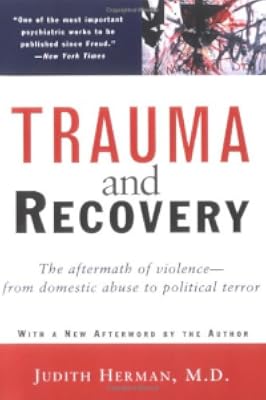

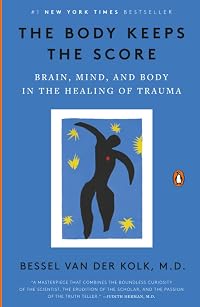

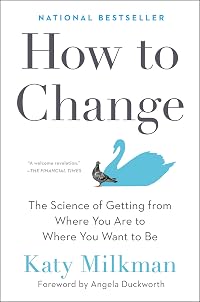

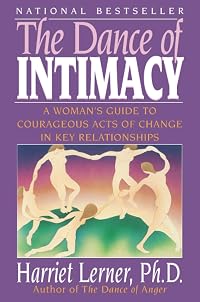
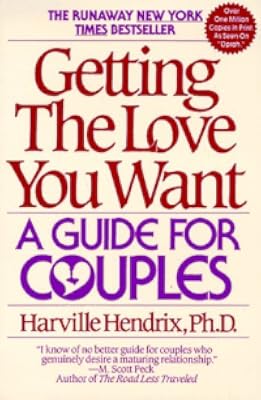
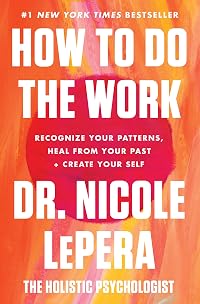

Member Reviews
"If your child actually dies, everyone will feel sorry for you. If your child stops talking to you, everyone will judge you. At least that's what it feels like. That perception will make your ability to properly grieve and take care of yourself far more complicated and difficult... self-compassion is everything." p. 253
If you've ever been estranged from anyone in your life, most especially a child you can understand the heartbreak, confusion, and other emotions that occur. While there are no "one-size fits all" solutions to this type of family problem, this book has many insights that can help parents come to terms with, and find the right type of mindset to begin the healing process.
The first part of the book helps a parent to show more understand the myriad of reasons for estrangement. The next part of the book deals with how to reconcile with your child. The last part of the book helps heal the pain of estrangement.
It took me 6 months to read and digest this book, because each chapter, and each subheading within the chapters needed reflection. Some chapters didn't relate to my situation, but others left me more depressed and/or angry than before reading them. As Dr. Coleman observes, "One of the biggest obstacles to your ongoing serenity is the idea that being a good mother means continuing to blame yourself and to feel guilty for whatever mistakes you made, or to blame yourself for whatever mistakes your child thinks you made." p. 254
I found this to be helpful in the long run. As Dr. Coleman states, "the path out of hell is through the misery of accepting where you are right now. Right now, you're reading this because you're desperate, you're angry, you're guilt-ridden, worried, ashamed, scared, and scarred. These are powerful messages from your mind: There's something here you should be attending to and not judging." P. 250
Self-awareness, radical acceptance. and self-compassion are the ways to heal in a situation that may be, for now, out of your control...that is if there is no contact or willingness to reconcile on the part of your child. Then, life must go on. Pain is there, but suffering daily need not be. "While the pain of estrangement is enormous, the biggest obstacle isn't the absence of your child; it's the guilt, shame, and inclination to punish yourself. It's your belief that not only could you have done better but that you should have done better." p. 256
Some other insights that ring true, for anyone who is a parent:
"Parenting is a neverending series of small mournings..."p. 112
"Real parenting is a minefield of mistakes. No one gets out without making tons of them." p. 211
Hopefully, you will never experience this heartbreak. If you do see an estrangement looming, seek family therapy with your child! (As Dr. Coleman wholeheartedly recommends.) If this is not possible, then this book is a good start. show less
If you've ever been estranged from anyone in your life, most especially a child you can understand the heartbreak, confusion, and other emotions that occur. While there are no "one-size fits all" solutions to this type of family problem, this book has many insights that can help parents come to terms with, and find the right type of mindset to begin the healing process.
The first part of the book helps a parent to show more understand the myriad of reasons for estrangement. The next part of the book deals with how to reconcile with your child. The last part of the book helps heal the pain of estrangement.
It took me 6 months to read and digest this book, because each chapter, and each subheading within the chapters needed reflection. Some chapters didn't relate to my situation, but others left me more depressed and/or angry than before reading them. As Dr. Coleman observes, "One of the biggest obstacles to your ongoing serenity is the idea that being a good mother means continuing to blame yourself and to feel guilty for whatever mistakes you made, or to blame yourself for whatever mistakes your child thinks you made." p. 254
I found this to be helpful in the long run. As Dr. Coleman states, "the path out of hell is through the misery of accepting where you are right now. Right now, you're reading this because you're desperate, you're angry, you're guilt-ridden, worried, ashamed, scared, and scarred. These are powerful messages from your mind: There's something here you should be attending to and not judging." P. 250
Self-awareness, radical acceptance. and self-compassion are the ways to heal in a situation that may be, for now, out of your control...that is if there is no contact or willingness to reconcile on the part of your child. Then, life must go on. Pain is there, but suffering daily need not be. "While the pain of estrangement is enormous, the biggest obstacle isn't the absence of your child; it's the guilt, shame, and inclination to punish yourself. It's your belief that not only could you have done better but that you should have done better." p. 256
Some other insights that ring true, for anyone who is a parent:
"Parenting is a neverending series of small mournings..."p. 112
"Real parenting is a minefield of mistakes. No one gets out without making tons of them." p. 211
Hopefully, you will never experience this heartbreak. If you do see an estrangement looming, seek family therapy with your child! (As Dr. Coleman wholeheartedly recommends.) If this is not possible, then this book is a good start. show less
More parents are estranged from their children than ever before. RULES OF ESTRANGEMENT helps to explain why and offers concrete ways parents may be able to heal that estrangement.
In the last generation, societal attitudes and effort around parenting have dramatically changed. Today, Millennials in the U.S. face more obstacles to achieving the traditional hallmarks of "success" (both professionally and personally) than previous generations. Previous expectations that children have a responsibility or duty to their parents have diminished.
Instead, today's adult children have been raised to believe that focusing on their own individual values, goals, and desires gives them the best chance of happiness. Consequently, if a relationship show more with one or both parents stands in the way of that happiness, that relationship SHOULD be cut away.
Peppered with lots of anecdotes from his own therapy practice, psychologist Joshua Coleman offers ways for parents to work on their relationships with estranged children, with the goal of having SOME degree of relationship rather than NONE. His approach puts most of the responsibility for healing the rift on the parents, which may be hard for some parents to handle. And the advice he offers is not easy to follow. But the book offers a reasonable explanation of why estrangement has become more common and how parents can channel their reactions (anger, sadness, guilt, etc.) into more potentially productive avenues.
It's very readable non-fiction and if nothing else, the book helps parents feel better about themselves and shows they are not alone in being estranged from an adult child. show less
In the last generation, societal attitudes and effort around parenting have dramatically changed. Today, Millennials in the U.S. face more obstacles to achieving the traditional hallmarks of "success" (both professionally and personally) than previous generations. Previous expectations that children have a responsibility or duty to their parents have diminished.
Instead, today's adult children have been raised to believe that focusing on their own individual values, goals, and desires gives them the best chance of happiness. Consequently, if a relationship show more with one or both parents stands in the way of that happiness, that relationship SHOULD be cut away.
Peppered with lots of anecdotes from his own therapy practice, psychologist Joshua Coleman offers ways for parents to work on their relationships with estranged children, with the goal of having SOME degree of relationship rather than NONE. His approach puts most of the responsibility for healing the rift on the parents, which may be hard for some parents to handle. And the advice he offers is not easy to follow. But the book offers a reasonable explanation of why estrangement has become more common and how parents can channel their reactions (anger, sadness, guilt, etc.) into more potentially productive avenues.
It's very readable non-fiction and if nothing else, the book helps parents feel better about themselves and shows they are not alone in being estranged from an adult child. show less
More parents are estranged from their children than ever before. RULES OF ESTRANGEMENT helps to explain why and offers concrete ways parents may be able to heal that estrangement.
In the last generation, societal attitudes and effort around parenting have dramatically changed. Today, Millennials in the U.S. face more obstacles to achieving the traditional hallmarks of "success" (both professionally and personally) than previous generations. Previous expectations that children have a responsibility or duty to their parents have diminished.
Instead, today's adult children have been raised to believe that focusing on their own individual values, goals, and desires gives them the best chance of happiness. Consequently, if a relationship show more with one or both parents stands in the way of that happiness, that relationship SHOULD be cut away.
Peppered with lots of anecdotes from his own therapy practice, psychologist Joshua Coleman offers ways for parents to work on their relationships with estranged children, with the goal of having SOME degree of relationship rather than NONE. His approach puts most of the responsibility for healing the rift on the parents, which may be hard for some parents to handle. And the advice he offers is not easy to follow. But the book offers a reasonable explanation of why estrangement has become more common and how parents can channel their reactions (anger, sadness, guilt, etc.) into more potentially productive avenues.
It's very readable non-fiction and if nothing else, the book helps parents feel better about themselves and shows they are not alone in being estranged from an adult child. show less
In the last generation, societal attitudes and effort around parenting have dramatically changed. Today, Millennials in the U.S. face more obstacles to achieving the traditional hallmarks of "success" (both professionally and personally) than previous generations. Previous expectations that children have a responsibility or duty to their parents have diminished.
Instead, today's adult children have been raised to believe that focusing on their own individual values, goals, and desires gives them the best chance of happiness. Consequently, if a relationship show more with one or both parents stands in the way of that happiness, that relationship SHOULD be cut away.
Peppered with lots of anecdotes from his own therapy practice, psychologist Joshua Coleman offers ways for parents to work on their relationships with estranged children, with the goal of having SOME degree of relationship rather than NONE. His approach puts most of the responsibility for healing the rift on the parents, which may be hard for some parents to handle. And the advice he offers is not easy to follow. But the book offers a reasonable explanation of why estrangement has become more common and how parents can channel their reactions (anger, sadness, guilt, etc.) into more potentially productive avenues.
It's very readable non-fiction and if nothing else, the book helps parents feel better about themselves and shows they are not alone in being estranged from an adult child. show less
Thank God I am not estranged from my daughters or grandchildren, but I can see how easy things could have gone the other way, and what a heartbreak it would be. Dr. Coleman is very fair to both sides, but what I found especially helpful is that this victimized way of judging others is pretty unique to 21st century America and I sure hope it phases out.
Ratings
Members
- Recently Added By
Lists

Books Read in 2024
4,623 works; 126 members
Author Information
8 Works 164 Members
Classifications
- Genres
- Nonfiction, General Nonfiction
- DDC/MDS
- 306.874 — Society, government, & culture Social sciences, sociology & anthropology Social Behavior - Dating, Marriage, Divorce Marriage, partnerships, unions; family Intrafamily relationships Parent-child relationship
- LCC
- HM1131 .C65 — Social sciences Sociology (General) Sociology Social psychology Interpersonal relations. Social behavior
- BISAC
Statistics
- Members
- 60
- Popularity
- 514,291
- Reviews
- 4
- Rating
- (4.17)
- Languages
- English
- Media
- Paper, Ebook
- ISBNs
- 7
- ASINs
- 1