On This Page
Description
This fictionalized life of the notorious queen is told from the point of view of her younger sister, Mutnodjmet. In 1351 B.C., Prince Amunhotep secretly kills his older brother and becomes next in line to Egypt's throne: he's 17, and the 15-year-old Nefertiti soon becomes his chief wife.He already has a wife, but Kiya's blood is not as royal, nor is she as bewitching as Nefertiti. As Mutnodjmet, two years younger than her sister, looks on (and falls in love), Amunhotep and the equally show more ambitious Nefertiti worship a different main god, displace the priests who control Egypt's wealth and begin building a city that boasts the royal likenesses chiseled in stone. Things get tense when Kiya has sons and the popular Nefertiti has only daughters, and they come to a boil when the army is used to build temples to the pharaoh and his queen instead of protecting Egypt's borders. show lessTags
Recommendations


















Member Recommendations

Member Reviews
Michelle Moran is a masterful storyteller. That is the first thing you should know. The second thing is this novel is incredible. Had it not been for the List Swap Challenge, I would not have picked up this novel on my own. I would have passed this up when browsing through the bookstore. I literally rolled my eyes heavenward when Julie suggested it convinced she was trying to torture me with this nonsense. I was not looking forward to 400 pages of 1351 BCE. In Egypt. With odd names I can’t pronounce.
The magic of Ms. Moran is that within 10 pages I was hooked, totally and completely hooked. Right away, I held onto Mutnodjmet, Nefertiti’s younger sister, and didn’t let go. Nefertiti is about two sisters, so different in their wants show more and desires. Bound together by love and blood, one sister had a sense of entitlement while the other a command to please at the risk of her own happiness. Their relationship spanned though their joys and tribulations. Nefertiti’s rule over Egypt is merely the setting while the sisters’ bond is really the star in this novel.
I really enjoyed how different the two sisters are. I loved how headstrong and manipulative Nefertiti is. She can fiercely rule a kingdom but her deepest desire is to be loved and exalted, especially by her younger sister. Mutnodjmet wants her own happiness, her own life. She knows the only way for that to happen is to break the selfish stronghold Nefertiti has on her. To be happy, she must hurt Nefertiti.
I love when I start reading a novel, crossing my fingers that I can get through it, and end up gobbling up every single page, loving where the story is leading me. I learned about a time I knew very little about. In the end, I really enjoyed it. Julie was right about this one. (And she usually is.) Give me a book about sisters, even set in Egypt, and I will love it. And I did. show less
The magic of Ms. Moran is that within 10 pages I was hooked, totally and completely hooked. Right away, I held onto Mutnodjmet, Nefertiti’s younger sister, and didn’t let go. Nefertiti is about two sisters, so different in their wants show more and desires. Bound together by love and blood, one sister had a sense of entitlement while the other a command to please at the risk of her own happiness. Their relationship spanned though their joys and tribulations. Nefertiti’s rule over Egypt is merely the setting while the sisters’ bond is really the star in this novel.
I really enjoyed how different the two sisters are. I loved how headstrong and manipulative Nefertiti is. She can fiercely rule a kingdom but her deepest desire is to be loved and exalted, especially by her younger sister. Mutnodjmet wants her own happiness, her own life. She knows the only way for that to happen is to break the selfish stronghold Nefertiti has on her. To be happy, she must hurt Nefertiti.
I love when I start reading a novel, crossing my fingers that I can get through it, and end up gobbling up every single page, loving where the story is leading me. I learned about a time I knew very little about. In the end, I really enjoyed it. Julie was right about this one. (And she usually is.) Give me a book about sisters, even set in Egypt, and I will love it. And I did. show less
Summary: Mutnodjmet and her older half-sister Nefertiti have grown up close to power; their aunt is queen of Egypt, and their father is a powerful vizier. But they have plans that stretch even further, that involve marrying Nefertiti to Amunhotep IV, the co-regent and ruler of Lower Egypt. The beautiful Nefertiti has no problem turning Amunhotep's head, but to keep her place in his heart and in his kingdom, she must bear him a son, something that proves unexpectedly difficult. Meanwhile, the increasingly unstable Amunhotep has renounced the traditional gods, and made mandatory the worship of Aten, the sun, a heresy that does not sit well with his subjects. All Mutny wants is a simple life for herself, but how can she achieve that when show more her family stands poised on the brink, with the slightest chance of fate tipping them towards either eternal glory, or permanent scandal and ruin?
Review: I really wanted to love this book. I loved Cleopatra's Daughter and Madame Tussaud, and all of the good things I'd heard about Nefertiti was the reason I even picked up Moran's books in the first place. I wanted to love it, but I sadly didn't.
I did like it, for sure. Moran's got a real talent for making both historical places and historical people come to life, and that talent was on full display here. I was craving ancient Egypt when I started this book, and Moran delivers on that front. I'm used to books about ancient Egypt having a supernatural component to them (probably mostly Anne Rice's fault, although Jo Graham certainly contributed), so it took me a while to get my footing in Moran's vision of an Egypt where the people are concerned with the gods, but the gods aren't reciprocally concerned with the people. But once I did, it was easy to get lost amongst the statues and obelisks and open air markets and barges on the River Nile.
The characterizations were also well-done, and not only the famous historical figures, but also the people surrounding them, were vivid and real. However, this may have ultimately worked against the novel, in terms of how much I enjoyed it. To explain: I absolutely bought the characterization of Nefertiti as vain and power-hungry and spoiled, but underneath terrified of being alone, unloved, and forgotten. She was believable, if not entirely relatable, and I understood her motivations even if I didn't always sympathize with them. But what I didn't understand is how everyone - notably Mutny - falls for the crap that Nefertiti is dishing out, time and again. (In her defense, Mutny does put up some resistance, but always seems to get sucked back in eventually.) Maybe I don't get it because I don't have a bossy older sister of my own, but I got tired of watching everyone let themselves constantly get pushed around in the name of family, and it kept me from getting too emotionally invested in the outcome.
So, in short, it's a well-written book, and I enjoyed it, but my distaste for the main relationship dynamic kept me from loving it as much as I'd expected to. 4 out of 5 stars.
Recommendation: If you're interested in ancient Egypt, particularly in putting some personalities and context behind the famous names and faces, Nefertiti is worth the read. show less
Review: I really wanted to love this book. I loved Cleopatra's Daughter and Madame Tussaud, and all of the good things I'd heard about Nefertiti was the reason I even picked up Moran's books in the first place. I wanted to love it, but I sadly didn't.
I did like it, for sure. Moran's got a real talent for making both historical places and historical people come to life, and that talent was on full display here. I was craving ancient Egypt when I started this book, and Moran delivers on that front. I'm used to books about ancient Egypt having a supernatural component to them (probably mostly Anne Rice's fault, although Jo Graham certainly contributed), so it took me a while to get my footing in Moran's vision of an Egypt where the people are concerned with the gods, but the gods aren't reciprocally concerned with the people. But once I did, it was easy to get lost amongst the statues and obelisks and open air markets and barges on the River Nile.
The characterizations were also well-done, and not only the famous historical figures, but also the people surrounding them, were vivid and real. However, this may have ultimately worked against the novel, in terms of how much I enjoyed it. To explain: I absolutely bought the characterization of Nefertiti as vain and power-hungry and spoiled, but underneath terrified of being alone, unloved, and forgotten. She was believable, if not entirely relatable, and I understood her motivations even if I didn't always sympathize with them. But what I didn't understand is how everyone - notably Mutny - falls for the crap that Nefertiti is dishing out, time and again. (In her defense, Mutny does put up some resistance, but always seems to get sucked back in eventually.) Maybe I don't get it because I don't have a bossy older sister of my own, but I got tired of watching everyone let themselves constantly get pushed around in the name of family, and it kept me from getting too emotionally invested in the outcome.
So, in short, it's a well-written book, and I enjoyed it, but my distaste for the main relationship dynamic kept me from loving it as much as I'd expected to. 4 out of 5 stars.
Recommendation: If you're interested in ancient Egypt, particularly in putting some personalities and context behind the famous names and faces, Nefertiti is worth the read. show less
Forgive me the initial essay. Another historical novel about the Amarna period. American Egyptologist James Henry Breasted called Akhenaten “the first individual in history”. Other Egyptian Pharaohs were portrayed in stylized poses, with their wives and families stiffly standing by their sides – often miniaturized if they appeared at all. Akhenaten and glamorous Nefertiti appear together in happy family scenes, kissing and playing with their children – in short, acting in ways moderns can identify with.
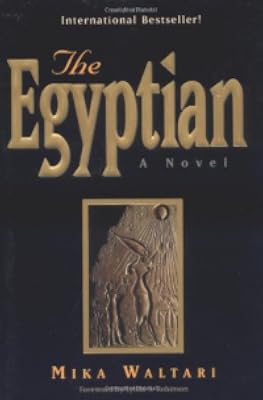
There’s not much actually known; I read somewhere that all the ancient inscriptions relating to Akhenaten and Nefertiti, if transcribed to English, wouldn’t amount to more than two typewritten pages. He inherited the throne show more from his father Amenhotep III – possibly after a coregency – and briefly was Amenhotep IV before changing his name to Akhenaten and moving the Egyptian capital from Waset (Thebes in Greek time, Luxor now) to a new city, Akhetaten. He worshipped the Aten – the visible disk of the sun – at the expense of the old gods of Egypt. He and Nefertiti produced six daughters. He had a secondary wife, Kiya, who may also have borne him a daughter. He seems to devoted most of his time to Aten worship, possibly neglecting diplomatic relations. He might have married his own daughter, Meritaten. At the end of his reign, things become confused; there might have been a disease outbreak in Akhetaten. He was succeeded by Neferneferuaten and Smenkhkare – exact order uncertain – and possibly one or more additional ephemeral pharaohs; any of these may have been Nefertiti or Meritaten. Eventually the throne went to Tutankhamun, worship of the old gods was restored, and the capital moved back to Waset. This allows historical novelists a great deal of room for speculation – and they use it. Just counting ones I’ve read myself: in Mika Waltari’s The Egyptian Akhenaten is gentle and otherworldly; in Linda Robinson’s Lord Meren mystery series, he’s a psychopath religious fanatic; in Bill Cherf’s Manuscripts of the Richards’ Trust series, he’s a space alien; in J. Lynn Else’s The Forgotten he’s complicated, sometimes cruel, sometimes not; and in Michelle Moran’s Nefertiti he’s back to being a psychopath religious fanatic.
As the title implies, Nefertiti is about her, not Akhenaten directly; however, the point-of-view character is actually Nefertiti’s sister Mutnodjmet. Moran uses some of the Egyptological speculation; for example, her Nefertiti is the daughter of Ay, an important official during the reigns of Amenhotep III, Akhenaten, and Tutankhamen, and eventually briefly Pharaoh himself. This relationship has been considered possible but unlikely by Egyptologists. Moran has Akhenaten allow the Hittites to encroach on the Egyptian empire in the Levant by conquering various Egyptian client states; in fact, it was one of the city states, Amurru, that did the conquering – possibly under Hittite influence, but possibly as an exercise in Realpolitik by the Egyptians, who may have felt better off with a single client state between them and the Hittites rather than a bunch of squabbling little ones. As far as Akhenaten being a dangerous psychopath goes, Egyptologist Barry Kemp has been conducting excavations at Amarna/Akhetaten for years and has recently excavated some commoners’ cemeteries. Many of the bodies showed evidence of hard physical labor, many had died young, and many had wounds – spear or arrow – in the back. Life in Akhetaten seems to have been nasty, brutish, and short.
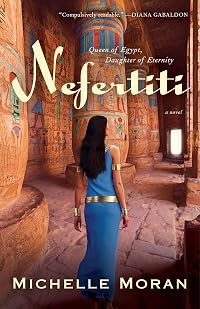
So, what do I think of Nefertiti? Well, perhaps surprisingly given the above, I found it enjoyable; Outlander series author Diana Gabaldon provided the cover blurb “Compulsively readable” and I suppose I agree. There isn’t much of a “look and feel” of ancient Egypt; Moran mixes in a few ancient Egyptian words: miw for cat and mawat for mother; she uses the Greek words Thebes and Memphis instead of the Egyptian Waset and Mennefer (but apologizes for that in her Afterword). Nefertiti and Mutnodjmet sometimes seem more like modern sitcom teenagers, frequently squabbling but loyal to each other at heart. In fact, family loyalty is a main theme, with the characters often acting out of family interest rather than their own. Moran has Nefertiti married at fifteen and having her first daughter at sixteen, probably more or less accurate; you didn’t waste time back then. The girls worry about clothes and makeup and jewelry; again, not unreasonably, although having them appear in public in gowns exposing their breasts is probably not authentic. Moran seems to have read Joann Fletcher (The Search for Nefertiti), who argued that the mummy known as KV35YL is Nefertiti, since Moran’s Nefertiti has doubly pierced ears like KV35YL (there’s a couple of other things I can’t mention because they would be spoilers); Fletcher’s theory is not generally accepted and got her temporarily banned from archaeological work in Egypt. Worth three stars, I think. show less
There’s not much actually known; I read somewhere that all the ancient inscriptions relating to Akhenaten and Nefertiti, if transcribed to English, wouldn’t amount to more than two typewritten pages. He inherited the throne show more from his father Amenhotep III – possibly after a coregency – and briefly was Amenhotep IV before changing his name to Akhenaten and moving the Egyptian capital from Waset (Thebes in Greek time, Luxor now) to a new city, Akhetaten. He worshipped the Aten – the visible disk of the sun – at the expense of the old gods of Egypt. He and Nefertiti produced six daughters. He had a secondary wife, Kiya, who may also have borne him a daughter. He seems to devoted most of his time to Aten worship, possibly neglecting diplomatic relations. He might have married his own daughter, Meritaten. At the end of his reign, things become confused; there might have been a disease outbreak in Akhetaten. He was succeeded by Neferneferuaten and Smenkhkare – exact order uncertain – and possibly one or more additional ephemeral pharaohs; any of these may have been Nefertiti or Meritaten. Eventually the throne went to Tutankhamun, worship of the old gods was restored, and the capital moved back to Waset. This allows historical novelists a great deal of room for speculation – and they use it. Just counting ones I’ve read myself: in Mika Waltari’s The Egyptian Akhenaten is gentle and otherworldly; in Linda Robinson’s Lord Meren mystery series, he’s a psychopath religious fanatic; in Bill Cherf’s Manuscripts of the Richards’ Trust series, he’s a space alien; in J. Lynn Else’s The Forgotten he’s complicated, sometimes cruel, sometimes not; and in Michelle Moran’s Nefertiti he’s back to being a psychopath religious fanatic.
As the title implies, Nefertiti is about her, not Akhenaten directly; however, the point-of-view character is actually Nefertiti’s sister Mutnodjmet. Moran uses some of the Egyptological speculation; for example, her Nefertiti is the daughter of Ay, an important official during the reigns of Amenhotep III, Akhenaten, and Tutankhamen, and eventually briefly Pharaoh himself. This relationship has been considered possible but unlikely by Egyptologists. Moran has Akhenaten allow the Hittites to encroach on the Egyptian empire in the Levant by conquering various Egyptian client states; in fact, it was one of the city states, Amurru, that did the conquering – possibly under Hittite influence, but possibly as an exercise in Realpolitik by the Egyptians, who may have felt better off with a single client state between them and the Hittites rather than a bunch of squabbling little ones. As far as Akhenaten being a dangerous psychopath goes, Egyptologist Barry Kemp has been conducting excavations at Amarna/Akhetaten for years and has recently excavated some commoners’ cemeteries. Many of the bodies showed evidence of hard physical labor, many had died young, and many had wounds – spear or arrow – in the back. Life in Akhetaten seems to have been nasty, brutish, and short.
So, what do I think of Nefertiti? Well, perhaps surprisingly given the above, I found it enjoyable; Outlander series author Diana Gabaldon provided the cover blurb “Compulsively readable” and I suppose I agree. There isn’t much of a “look and feel” of ancient Egypt; Moran mixes in a few ancient Egyptian words: miw for cat and mawat for mother; she uses the Greek words Thebes and Memphis instead of the Egyptian Waset and Mennefer (but apologizes for that in her Afterword). Nefertiti and Mutnodjmet sometimes seem more like modern sitcom teenagers, frequently squabbling but loyal to each other at heart. In fact, family loyalty is a main theme, with the characters often acting out of family interest rather than their own. Moran has Nefertiti married at fifteen and having her first daughter at sixteen, probably more or less accurate; you didn’t waste time back then. The girls worry about clothes and makeup and jewelry; again, not unreasonably, although having them appear in public in gowns exposing their breasts is probably not authentic. Moran seems to have read Joann Fletcher (The Search for Nefertiti), who argued that the mummy known as KV35YL is Nefertiti, since Moran’s Nefertiti has doubly pierced ears like KV35YL (there’s a couple of other things I can’t mention because they would be spoilers); Fletcher’s theory is not generally accepted and got her temporarily banned from archaeological work in Egypt. Worth three stars, I think. show less
A wonderful and powerful novel about one of the most powerful royal couples in Ancient Egypt. The story opens in the royal city of Thebes, where Pharaoh and his family and courtiers are in mourning for the recently deceased Crown Prince Tuthmosis. Now his younger brother Amunhotep is the heir to the throne and must choose a Chief Wife as his queen. His mother, Queen Tiye, chooses her feisty niece Nefertiti, in the hope that she will be strong enough to rein in his arrogance and destructive tendencies and shape him into a good ruler.
The story is narrated by Nefertiti's quiet younger half-sister Mutnodjmet, who helps her sister to ready herself to travel to Thebes, and experiences for herself the delights of the royal palace and the show more luxury that comes with being the sister of the king's Chief Wife. But it soon becomes clear that Nefertiti is being corrupted by the power and ambition of her husband, and rather than keeping him in check she only encourages him, supporting him as he goes against thousands of years of Egyptian tradition, elevating a new God above the old protectors of Egypt, rejecting his first wife Kiya, destroying the temples and building the new royal city of Amarna to glorify Aten and turn the royal couple into deities. Families are destroyed, corruption runs rife and the outskirts of Egypt are threatened by invasion, but Pharaoh is too busy in his vain pursuits to notice anything outside of his own palace. Nefertiti's beauty and charisma enchant her people and her husband alike, but her selfish nature leads to a rift between the two sisters that will tear them apart and echo throughout Egypt. Ultimately, the inevitable happens, and despite her family's desperate attempts to avert crisis Mutnodjmet can only watch in horror as the great empire of Akhenaten and Nefertiti self-destructs in a gripping and heartbreaking climax as Egypt fights back to reclaim its history.
This is a brilliant piece of storytelling. It is brilliantly researched, and although some fictional liberties have been taken (acknowledged openly by the author at the end of the book) it is so well grounded in fact that it hardly matters. The family tree at the start of the book was particularly useful in keeping track of family connections and grasping difficult names. Moran has entwined all that is known about the royal court of the Heretic King, as well as historical theory and intelligent guesswork, to create a complex and riveting novel full of delicious detail that brings the exotic Ancient Egyptian cities, palaces and domestic households to life. It is a whirlwind journey through the reign of perhaps the most famous Egyptian Queen of all time, spiralling along with her ambition until the sudden, violent and extremely moving collapse of the empire which shatters the reader even as it shatters Amarna. I savoured every moment of it - I was transported away from the British autumn into the warm, spiced Egyptian sunshine, cried bitterly all the way through the ending, and finished the book feeling slightly shell-shocked and more than a little sad that it had ended - always the mark of a brilliant novel.
I look forward to reading Moran's next novel, 'The Heretic Queen', this time about Nefertiti's niece, Mutnodjmet's daughter Nefertari, who married Ramses II and continued the family's connection to the royal throne... show less
The story is narrated by Nefertiti's quiet younger half-sister Mutnodjmet, who helps her sister to ready herself to travel to Thebes, and experiences for herself the delights of the royal palace and the show more luxury that comes with being the sister of the king's Chief Wife. But it soon becomes clear that Nefertiti is being corrupted by the power and ambition of her husband, and rather than keeping him in check she only encourages him, supporting him as he goes against thousands of years of Egyptian tradition, elevating a new God above the old protectors of Egypt, rejecting his first wife Kiya, destroying the temples and building the new royal city of Amarna to glorify Aten and turn the royal couple into deities. Families are destroyed, corruption runs rife and the outskirts of Egypt are threatened by invasion, but Pharaoh is too busy in his vain pursuits to notice anything outside of his own palace. Nefertiti's beauty and charisma enchant her people and her husband alike, but her selfish nature leads to a rift between the two sisters that will tear them apart and echo throughout Egypt. Ultimately, the inevitable happens, and despite her family's desperate attempts to avert crisis Mutnodjmet can only watch in horror as the great empire of Akhenaten and Nefertiti self-destructs in a gripping and heartbreaking climax as Egypt fights back to reclaim its history.
This is a brilliant piece of storytelling. It is brilliantly researched, and although some fictional liberties have been taken (acknowledged openly by the author at the end of the book) it is so well grounded in fact that it hardly matters. The family tree at the start of the book was particularly useful in keeping track of family connections and grasping difficult names. Moran has entwined all that is known about the royal court of the Heretic King, as well as historical theory and intelligent guesswork, to create a complex and riveting novel full of delicious detail that brings the exotic Ancient Egyptian cities, palaces and domestic households to life. It is a whirlwind journey through the reign of perhaps the most famous Egyptian Queen of all time, spiralling along with her ambition until the sudden, violent and extremely moving collapse of the empire which shatters the reader even as it shatters Amarna. I savoured every moment of it - I was transported away from the British autumn into the warm, spiced Egyptian sunshine, cried bitterly all the way through the ending, and finished the book feeling slightly shell-shocked and more than a little sad that it had ended - always the mark of a brilliant novel.
I look forward to reading Moran's next novel, 'The Heretic Queen', this time about Nefertiti's niece, Mutnodjmet's daughter Nefertari, who married Ramses II and continued the family's connection to the royal throne... show less
I read this for the "About A World Leader" part of my 2020 reading challenge. I really enjoyed it, the characters were interesting and easy to tell apart, and the world was easy to visualize. Plot-wise it did feel a little rushed and it was hard to tell how much time had passed, but I still look forward to book 2.
4.5
Reseña de Fantasía Mágica
Cuando uno de tus autores preferidos dice que un libro es "de lectura compulsiva", hay que leerlo.
Se sabe muy poco sobre la verdadera historia de Nefertiti y su familia, hay mucha especulación y muchas versiones diferentes, por eso el trabajo de la autora rellenando los huecos vacíos me pareció muy bueno. Todo lo que es parte de la ficción tiene sentido y está enlazado de forma coherente y razonable. Hace sentir que los agregados importantes perfectamente podrían haber sido así como se cuentan.
El libro está narrado en primera persona pero no tiene como protagonista a Nefertiti, como esperaba que fuera. Quien nos cuenta lo que ocurre es Mut-Najmat (o Mutni), su medio-hermana menor. Vemos a través show more de sus ojos la ascensión al trono de Nefertiti luego de casarse con el faraón Amenhotep, matrimonio que esperaba desde su nacimiento por tradición familiar.
El amor que sienten las dos hermanas la una por la otra es inmenso, y Mutni no tiene ningún problema en vivir a la sombra de Nefertiti. No se siente celosa ni menospreciada sino todo lo contrario, ya que ella no desea para sí el tipo de vida que lleva su hermana como reina de Egipto. Mutni es su mayor confidente, y por eso se vuelve una de las mujeres más poderosas y respetadas a pesar de su corta edad.
Nefertiti, además de hermosa, es ambiciosa y muy astuta. Junto a su padre idean constantemente formas de mantener al pueblo a sus pies y al faraón interesado en ella, dándole gradualmente mayor poder a su familia.
Amenhotep por otro lado no está realmente en sus cabales. Nefertiti se encarga de alimentar y apoyar sus proyectos delirantes y verdaderamente faraónicos, entre los que se incluye cambiar el sistema religioso que Egipto abrazó durante 2.000 años para adorar a un único dios: Atón.
No pude dejar de encontrar un cierto paralelismo histórico con el rey Enrique VIII de Inglaterra.
Amenhotep, luego llamado Akenatón, está obnubilado con Nefertiti, a quien convierte en esposa principal. De todos modos el gran temor de la reina es que el faraón pierda su interés por ella y luego ser superada por la otra esposa, con quien tiene una rivalidad constante por la atención y por darle un hijo varón a Akenatón.
La historia de Mutni también es muy interesante. Ella intenta llevar una vida tranquila a pesar de vivir en el palacio. Es muy hábil con las plantas, por lo que pronto se hace una reputación de curandera que la lleva a tener gran popularidad. No pude dejar de sentir expectativa por ver si en algún momento la dulce hermana menor finalmente se cansa de estar siempre a orden y disposición de la caprichosa y nerviosa reina. Hay ciertos momentos de mucha tensión que se devoran.
Los momentos claves de la historia verdadera están muy bien hechos. A veces incluso resumidos en una simple línea de diálogo, como lo es por ejemplo el nacimiento de quien luego sería llamado Tutankamón.
Me gusta también que se narró el momento en que se realiza el famosísimo busto de Nefertiti, aquel que ha hipnotizado a multitudes por su belleza:
Se lee muy fácilmente, aunque durante muchas páginas me dio la sensación de que algo le faltaba. Luego me di cuenta de que no le falta nada. Durante toda la adolescencia de las dos hermanas el libro tiene una mirada un bastante juvenil y centrada en los embarazos de Nefertiti, pero con el correr de los años se vuelve mucho más madura, dura y seria mientras las hermanas se convierten en adultas. Este cambio se evidencia especialmente en Mut-Najmat, quien a pesar de ser la menor, crece mucho más rápido que Nefertiti. La reina conserva durante muchos años su temperamento aniñado y caprichoso, viviendo en su propio mundo, ajena a casi todo salvo a sus propios deseos y a los de su esposo, llenos de vanidad y egocentrismo.
No puedo dejar de preguntarme... ¿habrán sido así sus personalidades en la realidad?.
Es un libro más que interesante, con un descenlace impactante. show less
Reseña de Fantasía Mágica
Cuando uno de tus autores preferidos dice que un libro es "de lectura compulsiva", hay que leerlo.
Se sabe muy poco sobre la verdadera historia de Nefertiti y su familia, hay mucha especulación y muchas versiones diferentes, por eso el trabajo de la autora rellenando los huecos vacíos me pareció muy bueno. Todo lo que es parte de la ficción tiene sentido y está enlazado de forma coherente y razonable. Hace sentir que los agregados importantes perfectamente podrían haber sido así como se cuentan.
El libro está narrado en primera persona pero no tiene como protagonista a Nefertiti, como esperaba que fuera. Quien nos cuenta lo que ocurre es Mut-Najmat (o Mutni), su medio-hermana menor. Vemos a través show more de sus ojos la ascensión al trono de Nefertiti luego de casarse con el faraón Amenhotep, matrimonio que esperaba desde su nacimiento por tradición familiar.
El amor que sienten las dos hermanas la una por la otra es inmenso, y Mutni no tiene ningún problema en vivir a la sombra de Nefertiti. No se siente celosa ni menospreciada sino todo lo contrario, ya que ella no desea para sí el tipo de vida que lleva su hermana como reina de Egipto. Mutni es su mayor confidente, y por eso se vuelve una de las mujeres más poderosas y respetadas a pesar de su corta edad.
Nefertiti, además de hermosa, es ambiciosa y muy astuta. Junto a su padre idean constantemente formas de mantener al pueblo a sus pies y al faraón interesado en ella, dándole gradualmente mayor poder a su familia.
Amenhotep por otro lado no está realmente en sus cabales. Nefertiti se encarga de alimentar y apoyar sus proyectos delirantes y verdaderamente faraónicos, entre los que se incluye cambiar el sistema religioso que Egipto abrazó durante 2.000 años para adorar a un único dios: Atón.
No pude dejar de encontrar un cierto paralelismo histórico con el rey Enrique VIII de Inglaterra.
Amenhotep, luego llamado Akenatón, está obnubilado con Nefertiti, a quien convierte en esposa principal. De todos modos el gran temor de la reina es que el faraón pierda su interés por ella y luego ser superada por la otra esposa, con quien tiene una rivalidad constante por la atención y por darle un hijo varón a Akenatón.
La historia de Mutni también es muy interesante. Ella intenta llevar una vida tranquila a pesar de vivir en el palacio. Es muy hábil con las plantas, por lo que pronto se hace una reputación de curandera que la lleva a tener gran popularidad. No pude dejar de sentir expectativa por ver si en algún momento la dulce hermana menor finalmente se cansa de estar siempre a orden y disposición de la caprichosa y nerviosa reina. Hay ciertos momentos de mucha tensión que se devoran.
Los momentos claves de la historia verdadera están muy bien hechos. A veces incluso resumidos en una simple línea de diálogo, como lo es por ejemplo el nacimiento de quien luego sería llamado Tutankamón.
Me gusta también que se narró el momento en que se realiza el famosísimo busto de Nefertiti, aquel que ha hipnotizado a multitudes por su belleza:
Se lee muy fácilmente, aunque durante muchas páginas me dio la sensación de que algo le faltaba. Luego me di cuenta de que no le falta nada. Durante toda la adolescencia de las dos hermanas el libro tiene una mirada un bastante juvenil y centrada en los embarazos de Nefertiti, pero con el correr de los años se vuelve mucho más madura, dura y seria mientras las hermanas se convierten en adultas. Este cambio se evidencia especialmente en Mut-Najmat, quien a pesar de ser la menor, crece mucho más rápido que Nefertiti. La reina conserva durante muchos años su temperamento aniñado y caprichoso, viviendo en su propio mundo, ajena a casi todo salvo a sus propios deseos y a los de su esposo, llenos de vanidad y egocentrismo.
No puedo dejar de preguntarme... ¿habrán sido así sus personalidades en la realidad?.
Es un libro más que interesante, con un descenlace impactante. show less
Michelle Moran brilliantly succeeds in delivering historical facts, exquisite detail and fascinating insight into the unraveling life of the timeless and dazzling ruler, Nefertiti. The author ingeniously uses Nefertiti’s closest relation, her sister Mutnodgmet, to describe the Egyptian Queen’s life of acclaimed power and reign. This effectively gives us a close-up of Nefertiti’s character in order to help us understand her personal reasoning and motives, all the while remaining true to the perception of others as well.
The regal and stunningly beautiful Nefertiti, used strategically clever ways, to sway and pacify one of Egypt’s worst rulers, her husband, Pharaoh Akhenaten. This heretic ruler was known for his self-righteousness show more need to conquer all in his attempt to be revered and immortalized as a god. The results led to the total destruction of an empire he forcefully created despite opposition from the people.
While one of Nefertities major roles included placating the ruthless Pharaoh in order to curb his senseless agenda, she astutely paved her way to becoming Egypt’s favourite Queen of the times; both as ruler of the land, as well as, beloved queen of the people. By ensuring her daughters’ rank equal that of Pharaoh’s son (from his secondary wife), Nefertiti set a precedent ensuing a series of changes that would forever revolutionize the perception and status of women as rulers. Ultimately, Nefertiti managed to equal and even surpass Pharaoh in the most unbelievable way…
Nefertiti’s ruling, initially from the sidelines, helped keep Egypt safe, strong and secure from possible dangers and threatening of bordering lands. Consequently, her role was instrumental in creating a position for herself that commanded respect and reverence. Nefertiti made sure that she was the center of attention at all times; it was Nefertiti’s world. This borderline egotistic behaviour was often quite overwhelming for her sister…sadly resulting in Mutnodgmet suffering a major blow that nearly separated the two sisters for life- altering their relationship to a different level.
For me, what made the story most interesting was precisely the way Mutnodgmet depicts Nefertiti throughout the book. Yes, the Queen was inevitably supreme in most ways…Yet; Mutnodgmet also allows us to see the real Nefertiti, the way she actually was with others- especially her family. Her achievements could not have been attained without the moral and continued support she received from her loved ones, including Mutnodgmet who tended to her every need. Guided by her father, Nefertiti remained focused on keeping the Pharaoh on track in order to minimize the damage he continued to generate.
Nefertiti’s unbelievable energy and commitment to secure her family’s position was relentless. Nothing could ever slow her down. For example, it was not unusual for Nefertiti, to immediately rise from her birthing bed to attend a feast, event or even a chariot ride if she deemed it necessary. As well, she went through incredible measures to maintain Pharaoh’s loyalty, devotion and priority towards her and her children rendering his other offspring and wife almost irrelevant.
I enjoyed reading about this strong-willed woman who used her, intelligence, guts charms and beauty to keep an empire thriving. Nefertiti used every gift she possessed to advance herself to an ultimate and never-before attainable position- unimaginable and impossible even by today’s standards…
Nefertiti is a superb story! It’s a magnetic read that kept me glued from page to page. There isn’t a dull moment in this book. Not only did I plunge into Egyptian history and its different gods, rulers, customs, traditions, architecture, I also learned about the fascinating world of herbs (cures for diseases, conditions and even how to avoid affliction of the plague-Mutnodgmet being the true expert on all of this). But ultimately, it was the palpable characters bursting with emotion, voice and true- to- life detail that totally captured my attention while transporting me into this mesmerizing world of the past.
I highly recommend Nefertiti. It’s an unforgettable read- I promise. show less
The regal and stunningly beautiful Nefertiti, used strategically clever ways, to sway and pacify one of Egypt’s worst rulers, her husband, Pharaoh Akhenaten. This heretic ruler was known for his self-righteousness show more need to conquer all in his attempt to be revered and immortalized as a god. The results led to the total destruction of an empire he forcefully created despite opposition from the people.
While one of Nefertities major roles included placating the ruthless Pharaoh in order to curb his senseless agenda, she astutely paved her way to becoming Egypt’s favourite Queen of the times; both as ruler of the land, as well as, beloved queen of the people. By ensuring her daughters’ rank equal that of Pharaoh’s son (from his secondary wife), Nefertiti set a precedent ensuing a series of changes that would forever revolutionize the perception and status of women as rulers. Ultimately, Nefertiti managed to equal and even surpass Pharaoh in the most unbelievable way…
Nefertiti’s ruling, initially from the sidelines, helped keep Egypt safe, strong and secure from possible dangers and threatening of bordering lands. Consequently, her role was instrumental in creating a position for herself that commanded respect and reverence. Nefertiti made sure that she was the center of attention at all times; it was Nefertiti’s world. This borderline egotistic behaviour was often quite overwhelming for her sister…sadly resulting in Mutnodgmet suffering a major blow that nearly separated the two sisters for life- altering their relationship to a different level.
For me, what made the story most interesting was precisely the way Mutnodgmet depicts Nefertiti throughout the book. Yes, the Queen was inevitably supreme in most ways…Yet; Mutnodgmet also allows us to see the real Nefertiti, the way she actually was with others- especially her family. Her achievements could not have been attained without the moral and continued support she received from her loved ones, including Mutnodgmet who tended to her every need. Guided by her father, Nefertiti remained focused on keeping the Pharaoh on track in order to minimize the damage he continued to generate.
Nefertiti’s unbelievable energy and commitment to secure her family’s position was relentless. Nothing could ever slow her down. For example, it was not unusual for Nefertiti, to immediately rise from her birthing bed to attend a feast, event or even a chariot ride if she deemed it necessary. As well, she went through incredible measures to maintain Pharaoh’s loyalty, devotion and priority towards her and her children rendering his other offspring and wife almost irrelevant.
I enjoyed reading about this strong-willed woman who used her, intelligence, guts charms and beauty to keep an empire thriving. Nefertiti used every gift she possessed to advance herself to an ultimate and never-before attainable position- unimaginable and impossible even by today’s standards…
Nefertiti is a superb story! It’s a magnetic read that kept me glued from page to page. There isn’t a dull moment in this book. Not only did I plunge into Egyptian history and its different gods, rulers, customs, traditions, architecture, I also learned about the fascinating world of herbs (cures for diseases, conditions and even how to avoid affliction of the plague-Mutnodgmet being the true expert on all of this). But ultimately, it was the palpable characters bursting with emotion, voice and true- to- life detail that totally captured my attention while transporting me into this mesmerizing world of the past.
I highly recommend Nefertiti. It’s an unforgettable read- I promise. show less
Members
- Recently Added By
Lists

Best Historical Fiction
620 works; 261 members

Best historical fiction set in the ancient world
126 works; 40 members

Historical Fiction
889 works; 91 members

Best Historical Fiction authors
41 works; 9 members

al.vick-series
381 works; 2 members
Author Information

9+ Works 7,504 Members
Michelle Moran is the international bestselling author of seven historical novels. She attended Pomona College, then earned a Masters Degree from the Claremont Graduate University. During her six years as a public high school teacher she used her summers to travel around the world, and it was her experiences as a volunteer on archaeological digs show more that inspired her to write historical fiction. Moran's books include Rebel Queen, The Second Empress, Madame Tussaud, Cleopatra's Daughter, The Heretic Queen, and Nefertiti. (Bowker Author Biography) show less
Some Editions
Series

Work Relationships
Is contained in
Common Knowledge
- Canonical title
- Nefertiti
- Original publication date
- 2007-07-10
- People/Characters
- Akhenaten (Ahkenaton, Amenhotep IV, Amunhotep IV); Mutnodjmet (Mutny); Nefertiti; Ay; Queen Tiye; Gen. Nakhtmin (show all 7); Kiya
- Important places
- Thebes, Egypt; El Amarna, Egypt; Ancient Egypt
- Important events
- New Kingdom of Egypt; Eighteenth Dynasty of Egypt; Amarna Period
- Epigraph
- To speak the name of the dead is to make them live again. --Egyptian proverb
- Dedication
- To my father, Robert Francis Moran, who gave me his love of language and books. You left too soon and never saw this published, but I think, somehow, you always knew. Thank you for knowing, and for your magnificent life, whic... (show all)h inspired me in so many ways.
- First words
- If you are to believe what the viziers say, then Amunhotep killed his brother for the crown of Egypt.
- Last words
- (Click to show. Warning: May contain spoilers.)A shiver passed through me as I thought of Nefertiti's city lying in the sand, swept away by the winds of time. Everything she had worked so hard for had failed. But there was Ankhesenamun. I looked up at the dais and the little girl who looked so much like my sister, an I found it strange that I should be sitting in the same chair I had occupied when Nefertiti had ruled. How much would this child remember of her mother? She turned her gaze in my dorection, the same dark eyes and willowy neck, and I wondered what she and my son would write together on the pillars of eternity.
- Blurbers
- Gabaldon, Diana; Miles, Rosalind; Maxwell, Robin ; Edghill, India; Longfellow, Ki
Classifications
Statistics
- Members
- 2,062
- Popularity
- 10,075
- Reviews
- 124
- Rating
- (4.01)
- Languages
- 14 — Chinese, Czech, Danish, English, French, Greek, Italian, Lithuanian, Polish, Portuguese, Russian, Croatian, Spanish, Turkish
- Media
- Paper, Audiobook, Ebook
- ISBNs
- 40
- ASINs
- 8