On This Page
Description
In alternate chapters, Sadima travels from her farm home to the city and becomes assistant to a heartless man who is trying to restore knowledge of magic to the world, and a group of boys fights to survive in the academy that has resulted from his efforts.Tags
Recommendations






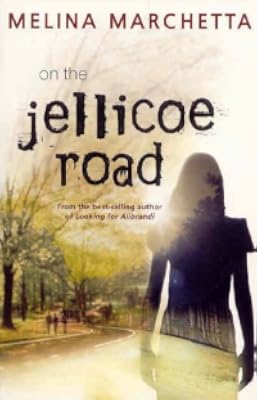
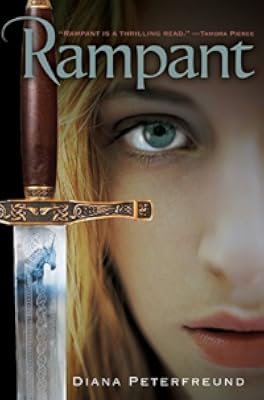
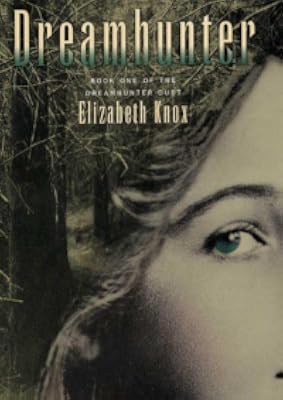
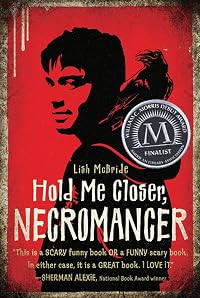

Member Recommendations

Member Reviews
This book is not going to please fans of nice, twinkly, all-ends-well fantasy, that's for sure. [a:Kathleen Duey|179733|Kathleen Duey|http://photo.goodreads.com/authors/1241814743p2/179733.jpg] has written a very dark and disturbing tale about the pains undergone for the sake of magic. Young boys are starved, intimidated and abused in a school of magic that intends to separate the potential magicians from those destined to die because they are unable to magically produce their own food.
The story is actually split, alternating between the life of Sadima in a time centuries before we are introduced to the horrors of Somiss' magic academy. In Sadima's time magic is outlawed and it is only through the aid of Franklin that Sadima comes to show more realise the strength of her gift for mentally communicating with animals. But Franklin is just one half of a team hoping to resurrect magic, the other being the malicious and obsessive Somiss.
Then comes Hahp's story. He's a boy sent to Somiss' magic academy by his cruel father and there he discovers that he must learn to master the skills being taught to him or die. As boys around him slowly waste away, Hahp struggles with guilt when he alone manages to create food, and fear of what the wizards plan to throw at him next. In the dark dingy corridors of the academy, Hahp even starts to wonder if his sanity is still with him.
This is not the kind of novel that you can read by itself and gain any sense of fulfillment or resolution, it is clearly intended to be read as part of a series and the lack of answers means that I will be unable to do anything else. I really enjoyed this book, I often find that I can't resist a dark, disturbing story - not sure what that says about me, but oh well. I could see immediately what wouldn't appeal to the masses: the failure of the two stories to meet, the unresolved feel of the novel, and the abuse of the boys above all else.
But I found this a very refreshing change from the same old "nice" fantasy novels. Not a crowd pleaser but a good book for those readers who are looking for something different. show less
Take any of those twee stories about wizarding school and then shove bleak, black despair down its throat. That's this book. It starts out sweet and cliched: a little farm girl can commune with animals, but her father hates magic; a little boy is about to enroll in wizard school. The chapters are short, without much to them. As the characters get older and the story grows more complex, the chapters cease being little cute snippets of their lives and become longer. With time, as more of each situation is revealed, it grows from slightly confusing to highly disturbing. The characters seek after long lost magic for good reasons--to cure the sick, bring long life and happiness--but the means they use are increasingly morally dubious. Its a show more rare YA fantasy book that makes readers uncomfortable.
The only wizards are charlatens, but Sadima has a strange power over animals that no one understands. She runs from a hard farm life to the big city, where she finds Franklin and Somiss, young men as interested in magic as she is. Together, they piece together bits of magic from old songs and folklore. But even as their knowledge increases, the unequal power dynamics in their trio get more pronounced.
Generations later, Hahp has just been inducted into the only school for wizards. The students are kept silent, starving, and made to do meditation and breathing exercises constantly, but they're sure it's all to a purpose. But is it? Do the "masters" actually know any more magic than their students? And even if they do, do they understand it? show less
The only wizards are charlatens, but Sadima has a strange power over animals that no one understands. She runs from a hard farm life to the big city, where she finds Franklin and Somiss, young men as interested in magic as she is. Together, they piece together bits of magic from old songs and folklore. But even as their knowledge increases, the unequal power dynamics in their trio get more pronounced.
Generations later, Hahp has just been inducted into the only school for wizards. The students are kept silent, starving, and made to do meditation and breathing exercises constantly, but they're sure it's all to a purpose. But is it? Do the "masters" actually know any more magic than their students? And even if they do, do they understand it? show less
I've got to admit, when I first picked up this book, it was because I got interested in the idea that one part of it was about a girl who could understand and communicate with animals. In a way, it was part of my thoughts about researching shapeshifters for my own benefit, but when I began reading, I realized the book wasn't focused on this otherwise tiny aspect; it was only the smallest detail that led to this great, huge concoction of the horrible and yet intriguing stories that melded almost perfectly together in the strangest of ways.
I've read a lot of books, and I've got to tell you-- It is a major accomplishment when an author is able to weave two or more stories together in the same book and make it feel effortless and like show more they're both a part of one another, no matter how different they seemingly are initially. Kathleen Duey was able to accomplish this in a stunning way.
What's even more astounding to me is that I picked up a book I thought was going to be about magic and have a little bit of the normal threats to it to make the story move forward, and instead I found a book that shocked me with how brutal, cruel, even twisted it was. I mean, it really astounded me. I expected some bad things to happen in a few cases, but when those "bad things" happened-- they exceeded my expectations and became real threats, with actual ability to induce horror in a person. And I mean that literally. Weigh it with your tongue. Mean it. Feel the actual meaning of that word in the pit of your stomach:
Horror.
It's not a joking matter. It's not even a light matter to be dismissed. I took this book and thought it was going to be a poor attempt at trying to plant something of a plot with a meaningless villain type and whatnot. Instead it was like picking up stone only to not realize there was a scorpion on the other side and getting stung. This book became something I started taking seriously the moment that first "bad thing" happened, and it was only then that I realized just how seriously I should be taking it.
It's a book that doesn't play around, and it's fantastic for it. I'm disappointed I don't have the sequel here with me. It cuts you right off in the middle of everything at the end, and now I'm certain I have to hunt down the next book. Leaving things just as they are won't cut it. This series is too good to just leave alone, and if you pick this mama up, you'll see exactly what I mean. Trust me: It's a lot more than you've bargained for, and in the best of ways.
So if you like a darker, twisted story of magic, look this book up. It won't disappoint. show less
Plot: Sadima is born in a world where magicians are just legends or frauds. Her father and brother hate magicians after one robbed them and left Sadima’s mother to die in childbirth. But Sadima may have true power; she can understand and speak with animals. When she encounters Franklin and Somiss who are trying to revive magic, she thinks that she has finally found people who can accept her for who she is. Centuries later, magic has been restored and Hahp has been sent to a mysterious school with 9 other boys where he is to be trained as a wizard. But this is nothing like the boarding schools he is used to. The wizards make it clear that only one of them will survive and any kind of cooperation will be punished.
The dual structure of show more the novel is a bit strange at first. The chapters alternate between the two narrators (even the style is different, Hahp’s chapters being in the first person and Sadima’s in the third, limited) and it almost feels like reading two different novels simultaneously. But slowly as the plot progresses, there start to be links between the two stories and this builds the tension quite effectively. I picked this book up on a whim (it was the title, I admit) but once I started it, I couldn’t put it down. My one complaint is that the first volume ends quite abruptly. It cannot stand on its own. show less
The dual structure of show more the novel is a bit strange at first. The chapters alternate between the two narrators (even the style is different, Hahp’s chapters being in the first person and Sadima’s in the third, limited) and it almost feels like reading two different novels simultaneously. But slowly as the plot progresses, there start to be links between the two stories and this builds the tension quite effectively. I picked this book up on a whim (it was the title, I admit) but once I started it, I couldn’t put it down. My one complaint is that the first volume ends quite abruptly. It cannot stand on its own. show less
Reviewed by Natalie Tsang for TeensReadToo.com
Despite what the cover may say, Kathleen Duey's SKIN HUNGER, first installment of her fantasy trilogy A RESURRECTION OF MAGIC, is not a novel. It's a third of a novel. Or maybe it's two novels. Maybe it's a sixth. But anyway you slice the cake, it's not enough.
The book alternates chapters narrated by Sadima, a farm girl, and Hahp, a second born son of a cruel merchant. The catch is that they live several generations apart. One in a world that desperately needs magic and the other in one saturated and corrupted by it.
The story opens on the night Sadima is born. Her family is cheated by a fake magician, who instead of assisting in the birth, steals their valuables and lets her mother die. show more Unsurprisingly, Sadima grows up in a family that hates magic and she is forced to hide her gift of understanding animals. Franklin, a servant of a young nobleman named Somiss, finds her and tells her about his belief that magic will solve all the problems of the world. Together, the three try to rediscover magic. Hahp is sent to an academy of magic. There are nine other boys. Eight of them come from wealthy families and the ninth, Hahp's roommate, is a mysterious peasant named Gerrard. Unlike Franklin's lofty ideals of teaching everyone magic, here everyone must earn the right to learn. And those who do not or cannot will die.
I think this book will appeal to both boys and girls. Initially, each protagonist seems to represent the traditional story of their gender. For Sadima, the girl, it is a love story and for Hahp, the boy, it is an adventure story. At first, I thought the sweetness of Sadima's part was a nice balance to Hahp's grittier and darker part. Over time, the two stories blur together. What Sadima does is now inextricably connected to Hahp's outcome and the future explains the past.
The book is extremely vivid and well thought out. Kathleen Duey creates many unique, strong, and complex major characters. It is undeniably a very dark book, but the main characters are too optimistic and hopeful to make it depressing. Even though it is 357 pages, the font is larger than normal and I finished it in one sitting. And as hinted in the beginning, (and I hope I'm not giving too much away), the story ends with a teeth-gnashing cliffhanger.
I really like how the story is aimed at ages twelve and up, but does not dumb down or gloss over the grittier aspects of life, such as the death of a loved one and the difficulties and consequences of making your own decisions. At the same time, I hesitate to recommend this book to grade school and possibly junior high students. If it were a movie, the violence would probably give it an "R" rating. However, the blood and gore is never gratuitous and always serves to improve the story. I have seen more graphic writing in historical fiction aimed at this age group, such Donna Jo Napoli's STONES IN WATER. It also has the same amount of emotional turmoil in any of the later HARRY POTTER and HIS DARK MATERIALS books. Not for the faint of heart, but still a great first book in what seems to be an addictive trilogy. show less
Despite what the cover may say, Kathleen Duey's SKIN HUNGER, first installment of her fantasy trilogy A RESURRECTION OF MAGIC, is not a novel. It's a third of a novel. Or maybe it's two novels. Maybe it's a sixth. But anyway you slice the cake, it's not enough.
The book alternates chapters narrated by Sadima, a farm girl, and Hahp, a second born son of a cruel merchant. The catch is that they live several generations apart. One in a world that desperately needs magic and the other in one saturated and corrupted by it.
The story opens on the night Sadima is born. Her family is cheated by a fake magician, who instead of assisting in the birth, steals their valuables and lets her mother die. show more Unsurprisingly, Sadima grows up in a family that hates magic and she is forced to hide her gift of understanding animals. Franklin, a servant of a young nobleman named Somiss, finds her and tells her about his belief that magic will solve all the problems of the world. Together, the three try to rediscover magic. Hahp is sent to an academy of magic. There are nine other boys. Eight of them come from wealthy families and the ninth, Hahp's roommate, is a mysterious peasant named Gerrard. Unlike Franklin's lofty ideals of teaching everyone magic, here everyone must earn the right to learn. And those who do not or cannot will die.
I think this book will appeal to both boys and girls. Initially, each protagonist seems to represent the traditional story of their gender. For Sadima, the girl, it is a love story and for Hahp, the boy, it is an adventure story. At first, I thought the sweetness of Sadima's part was a nice balance to Hahp's grittier and darker part. Over time, the two stories blur together. What Sadima does is now inextricably connected to Hahp's outcome and the future explains the past.
The book is extremely vivid and well thought out. Kathleen Duey creates many unique, strong, and complex major characters. It is undeniably a very dark book, but the main characters are too optimistic and hopeful to make it depressing. Even though it is 357 pages, the font is larger than normal and I finished it in one sitting. And as hinted in the beginning, (and I hope I'm not giving too much away), the story ends with a teeth-gnashing cliffhanger.
I really like how the story is aimed at ages twelve and up, but does not dumb down or gloss over the grittier aspects of life, such as the death of a loved one and the difficulties and consequences of making your own decisions. At the same time, I hesitate to recommend this book to grade school and possibly junior high students. If it were a movie, the violence would probably give it an "R" rating. However, the blood and gore is never gratuitous and always serves to improve the story. I have seen more graphic writing in historical fiction aimed at this age group, such Donna Jo Napoli's STONES IN WATER. It also has the same amount of emotional turmoil in any of the later HARRY POTTER and HIS DARK MATERIALS books. Not for the faint of heart, but still a great first book in what seems to be an addictive trilogy. show less
Original review below- stet. Re-read because I have the sequel in my hands.
Very strong fantasy. I loved Duey's alternate take on wizard school. Her writing puts me in mind of Le Guin- spare, lean and powerful. What she doesn't say is easily as important as what she does. The world is believable, the characters sympathetic. It's clearly only part of a story, the first in a planned trilogy. I'll be reading the rest, no doubt. Recommended.
Very strong fantasy. I loved Duey's alternate take on wizard school. Her writing puts me in mind of Le Guin- spare, lean and powerful. What she doesn't say is easily as important as what she does. The world is believable, the characters sympathetic. It's clearly only part of a story, the first in a planned trilogy. I'll be reading the rest, no doubt. Recommended.
It’s no surprise that this dark fantasy was a National Book Award nominee. There are so many elements throughout the text, both subtle and blatant, that make it a layered and robust story. First, the two stories running side-by-side is not only a brilliant idea, but it’s well executed. Only someone with true writing talent could write two stories, one from 3rd person and the other from 1st person and make them feel so genuinely unique from each other, yet intertwined so masterfully. At first, it’s difficult to see the correlation, but as soon as things start clicking, it’s hard to put the book down. Of the major categories of conflict, three of them weave throughout the text, giving it depth on several levels. Hahp is a show more character who communicates his riddles psychology effectively, and his abusive experience in the school of wizardry is told poignantly as only someone with that kind of depth can. Sadima’s love and personal conviction for an individual’s responsibility to enacting social change both on a macro and micro level is magnetic and contagious. You hate the things she hates, loves the things she loves, and find yourself rooting for her to succeed, only to be left hanging when the story takes such a dramatic turn. It was dark but enthralling, and as soon as I finished reading, I wanted to jump right into the next one. I recommend this book to readers 12 , but be warned that it contains many elements that could get it banned from reading lists.-Lindsey Miller, www.lindseyslibrary.com show less
Members
- Recently Added By
Talk Discussions
Past Discussions
Found: Young Adult Fantasy (Magic) in Name that Book (September 2021)
YA fantasy in Name that Book (November 2010)
Author Information

115+ Works 6,413 Members
All Editions
Awards and Honors
Series

Common Knowledge
- Canonical title
- Skin Hunger
- People/Characters
- Sadima Killip; Hahp Malek; Franklin; Somiss; Gerrard da Masi
- First words
- Micah's breath scraped in and out of his lungs; his feet were clodded with road-mud.
- Blurbers
- Farmer, Nancy; Napoli, Donna Jo; Black, Holly
Classifications
- Genres
- Fiction and Literature, Fantasy, Teen, Young Adult
- DDC/MDS
- 813.54 — Literature & rhetoric American literature in English American fiction in English 1900-1999 1945-1999
- LCC
- PZ7 .D8694 .S — Language and Literature Fiction and juvenile belles lettres Fiction and juvenile belles lettres Juvenile belles lettres
- BISAC
Statistics
- Members
- 634
- Popularity
- 45,734
- Reviews
- 40
- Rating
- (3.81)
- Languages
- English, French, German
- Media
- Paper, Audiobook, Ebook
- ISBNs
- 17
- ASINs
- 1