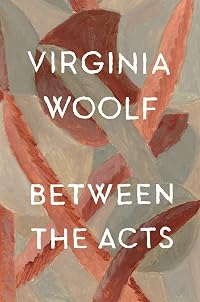
Between the Acts
by Virginia Woolf
On This Page
Description
"Virginia Woolf's extraordinary last novel, Between the Acts, was published in July 1941. In the weeks before she died in March that year, Woolf wrote that she planned to continue revising the book and that it was not ready for publication. Her husband prepared the work for publication after her death, and his revisions have become part of the text now widely read by students and scholars. Unlike most previous editions, the Cambridge edition returns to the final version of the novel as Woolf show more left it, examining the stages of composition and publication. Using the final typescript as a guide, this edition fully collates all variants and thus accounts for all the editorial decisions made by Leonard Woolf for the first published edition. With detailed explanatory notes, a chronology and an informative critical introduction, this volume will allow scholars to develop a fuller understanding of Woolf's last work"-- show lessTags
Recommendations

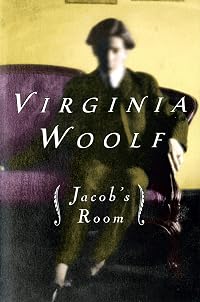
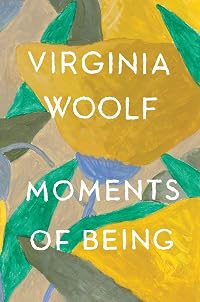

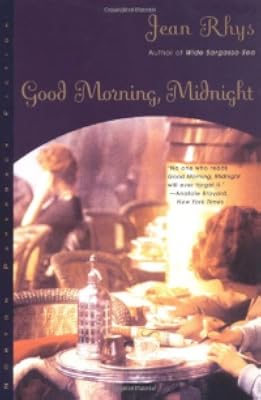


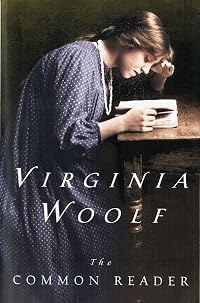
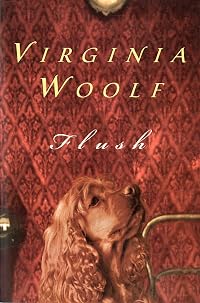
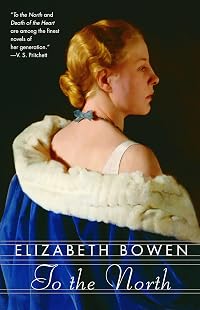


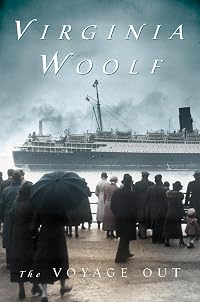
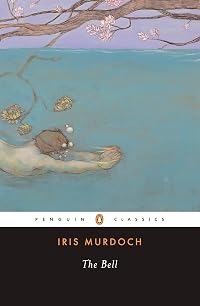
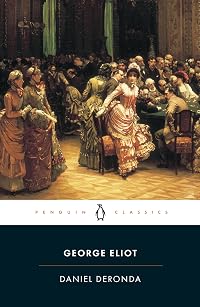

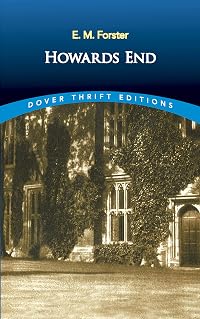

Member Recommendations

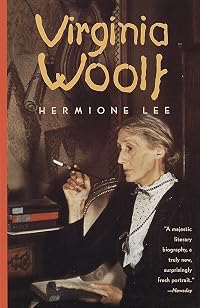
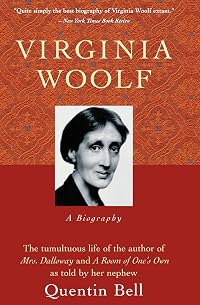
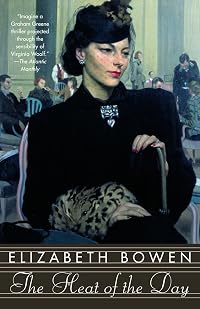
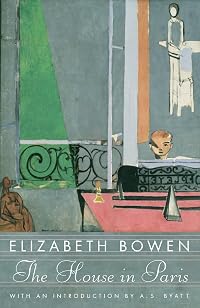
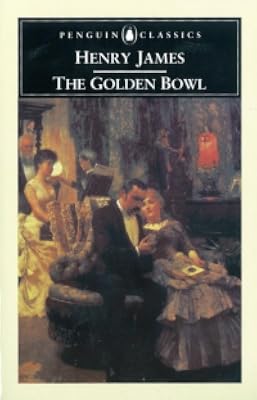
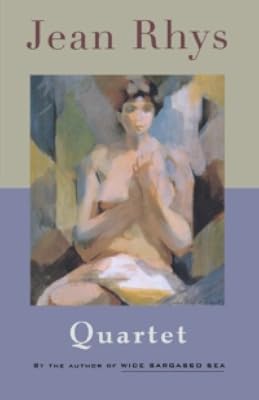
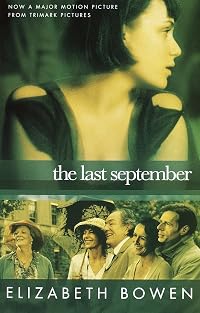
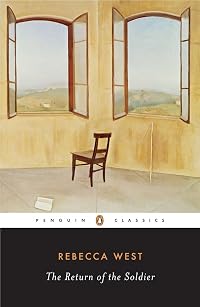
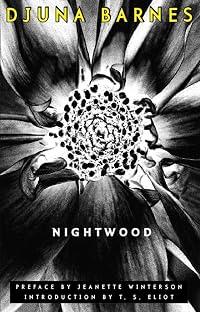
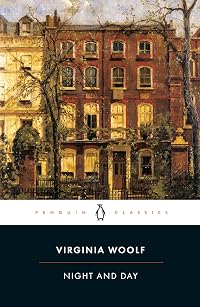
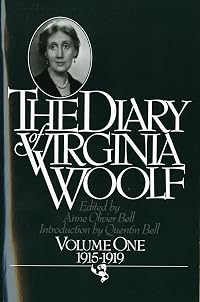
shaunie Both have a quintessentially early 20th century English setting and both take place over the course of one day.
Member Reviews
It is always ungrateful to judge an unfinished novel: did what was found in Woolf's estate comply with what she herself intended it to be? What changes would she have made? These are questions that cannot be answered properly. Most experts emphasize that this manuscript was almost complete, so who am I to pass judgment on that? Anyway, I noticed striking similarities with her other works: the same thoughtful character sketches, the apparently smooth flow of interactions between the characters that reveal a wealth of telling details, and the way time both seems to stand still in the story and at the same time storming ahead at full speed. Especially in the opening scenes the style is very accurate and copious, with especially abundant show more descriptions of nature. And then the summer event begins: the annual evocations of fragments from English history, somewhere in the English countryside, in a mixed company of wealthy bourgeoisie, vulgar peasants and subordinate domestic servants, … how more English could this be? The short acts of the play, in the style of the historical periods involved, are full of references and keys to the relationships and backgrounds of the people in the audience. And the entractes (to which the title of the novel refers) deepen this dynamic and always take it a step further. In the background the coming war is manifest, because we are June 1939. Yet, to me, this is certainly not Woolf's most successful novel. I especially struggled with the stage scenes and their often archaic style. But – finished or not – this book is yet another testimony to Woolf's deep introspection into the richness and capriciousness of life. show less
“But she had nothing. She had forbidden music. Grating her fingers in the bark, she damned the audience. Panic seized her. Blood seemed to pour from her shoes. This is death, death, death, she noted in the margin of her mind; when illusion fails. Unable to lift her hand, she stood facing the audience.
And then the shower fell, sudden, profuse.
No one had seen the cloud coming. There it was, black, swollen, on top of them. Down it poured like all the people in the world weeping. Tears. Tears. Tears.”
This was Virginia Woolf's last book -- finished but not completely edited before she ended her life in March 1941, and published by her husband shortly after her death. She gives us the story of a family living on a country estate in show more England and hosting the annual local pageant -- a play put on by the people in the community to raise money for the church. The household consists of the elderly Bartholomew Oliver and his sister Lucy Swithin, Mr. Oliver's son, Giles, and Giles' wife Isa and their young son. Before the pageant, two unexpected guests turn up for lunch -- the flirtatious and unconventional Mrs. Mansresa and her friend, an artist, William Dodge. Mrs. Manresa flirts with Giles and Isa gets jealous, but also can't get the thought of a local gentleman farmer out of her head.
In true VW fashion, we move in and out of all the character's heads through the course of the book. We also break from the action of the book to watch the play with the rest of the audience, stopping for a tea break and a brief rain storm. We get a healthy dose of social criticism, particularly in the interplay between the locals watching the play, and no one examines the human drama of aging and the patina our histories leave on our present day better than Virginia Woolf. Written as England entered the war, this is sometimes a dark novel, and often very melancholy, but it it is dark and melancholy in the way of real families, relationships, and personalities. I really liked it. show less
And then the shower fell, sudden, profuse.
No one had seen the cloud coming. There it was, black, swollen, on top of them. Down it poured like all the people in the world weeping. Tears. Tears. Tears.”
This was Virginia Woolf's last book -- finished but not completely edited before she ended her life in March 1941, and published by her husband shortly after her death. She gives us the story of a family living on a country estate in show more England and hosting the annual local pageant -- a play put on by the people in the community to raise money for the church. The household consists of the elderly Bartholomew Oliver and his sister Lucy Swithin, Mr. Oliver's son, Giles, and Giles' wife Isa and their young son. Before the pageant, two unexpected guests turn up for lunch -- the flirtatious and unconventional Mrs. Mansresa and her friend, an artist, William Dodge. Mrs. Manresa flirts with Giles and Isa gets jealous, but also can't get the thought of a local gentleman farmer out of her head.
In true VW fashion, we move in and out of all the character's heads through the course of the book. We also break from the action of the book to watch the play with the rest of the audience, stopping for a tea break and a brief rain storm. We get a healthy dose of social criticism, particularly in the interplay between the locals watching the play, and no one examines the human drama of aging and the patina our histories leave on our present day better than Virginia Woolf. Written as England entered the war, this is sometimes a dark novel, and often very melancholy, but it it is dark and melancholy in the way of real families, relationships, and personalities. I really liked it. show less
This, Woolf's last novel (published posthumously after her death), seemed much more complex than To the Lighthouse, with a lot more layers and perspectives to think about, but still it was an amazing reading experience.
The novel unfolds over a single day in June, just weeks before the outbreak of WWII. A local village pageant is taking place in the grounds of a country house, and the narrative of the play itself is interplayed with the narrative of the audience and the players themselves.
There are so many themes at play that it's impossible to do them justice without reading the book. Most interestingly, the amateurish play - which gallops through key periods in English history - forces the villagers to look starkly at themselves as show more they are that day and asks what they represent - do they stand together as a community or are they more caught up in the business of idle gossip and ill will towards each other'? Most of the audience don't understand the play, or if they do indignantly choose to turn the spotlight away from themselves and back onto the failures of the play itself.
Intertwined in this are the different streams of consciousness of many interesting characters, heavily interspersed with references to other great works of literature, including Shakespeare, Keats and Wordsworth. They watch the play as one, but inside their minds are battling lonely, personal demons.
Having read the introductory notes after I finished the book, I don't for a minute think I'll ever be able to fully understand and appreciate the myriad of layers and influences Woolf weaved into her writing. But again, like with To the Lighthouse, she conveyed so sharply both the physical and psychological mood of that day it was like stepping into the garden and becoming part of the audience.
This is definitely not a plot-driven book, but the very rare talent of Virginia Woolf and her brilliant mind shines bright once again.
I'm dropping half a star as parts of the narrative of the play itself were a little dull, but still a sterling 4.5 stars for me. show less
The novel unfolds over a single day in June, just weeks before the outbreak of WWII. A local village pageant is taking place in the grounds of a country house, and the narrative of the play itself is interplayed with the narrative of the audience and the players themselves.
There are so many themes at play that it's impossible to do them justice without reading the book. Most interestingly, the amateurish play - which gallops through key periods in English history - forces the villagers to look starkly at themselves as show more they are that day and asks what they represent - do they stand together as a community or are they more caught up in the business of idle gossip and ill will towards each other'? Most of the audience don't understand the play, or if they do indignantly choose to turn the spotlight away from themselves and back onto the failures of the play itself.
Intertwined in this are the different streams of consciousness of many interesting characters, heavily interspersed with references to other great works of literature, including Shakespeare, Keats and Wordsworth. They watch the play as one, but inside their minds are battling lonely, personal demons.
Having read the introductory notes after I finished the book, I don't for a minute think I'll ever be able to fully understand and appreciate the myriad of layers and influences Woolf weaved into her writing. But again, like with To the Lighthouse, she conveyed so sharply both the physical and psychological mood of that day it was like stepping into the garden and becoming part of the audience.
This is definitely not a plot-driven book, but the very rare talent of Virginia Woolf and her brilliant mind shines bright once again.
I'm dropping half a star as parts of the narrative of the play itself were a little dull, but still a sterling 4.5 stars for me. show less
Don’t bother with the plot: the plot is nothing.
Between the Acts is Virginia Woolf’s last novel. In the introduction, Leonard Woolf explains that Virginia had finished the book, and although some grammar editing was still needed, at the time of her death, she considered it finished. Only obvious errors were corrected.
The story takes place in June 1939 but was written while WWII was being fought. The story opens before the summer pageant and play at Pointz Hall, about a three-hour train ride from London, if the trains are running on time to this remote place. The house is owned by Bartholomew Oliver who is retired from the Indian service. His widowed sister, Lucy, lives with him, and she may be showing signs of dementia. His show more stockbroker son, Giles, and wife, Isa, also live there; they are having problems with their marriage.
The story revolves around the pageant and splits between the interactions of the Oliver household with visitors at the pageant and the play being performed. One theme that I found prevalent throughout the story is war. The title itself could be a play on the inter-war period with World War I as the first act and WWII as the second with the characters living in the intermission. Everyone seems to be happy living in isolation. This isolation is also shown in Lucy’s reading. In England’s prehistory, a land bridge formerly joined England to the continent. Just as Pointz Hall is separated from London, England is now separated from Europe. England is safe and secure. The characters seem oblivious to the impending war. There are, however, very few dissenters. Giles sees the whole pageant as a waste when the country should be preparing for war. Another guest watching the historical play comments how the army is not mentioned; its role is vital to British history. Interestingly, the word “war” is only mentioned five times in the entire book, but the symbolism grows throughout the book.
The writing is unmistakably Woolf. Her stream of conscious writing is at its peak. The quote I used as a header was a thought Isa had while watching the play and very much reflects Woolf’s writing. What characters are thinking is more important than story lines. The “color” of language also plays a vital role in the writing
…and as they trundled they were talking –not shaping pellets of information or handing ideas from one to another, but rolling words, like sweets on their tongues; which as they thinned to transparency, gave off pink, green, and sweetness.
…
He thought very little of anybody, simple or gentry. Leaning, silent, sardonic, against the door he was like a withered willow, bent over a stream, all leaves shed, and his eyes the whimsical flow of the waters.
Woolf lets her poetic talent flow through her prose. Several times I stopped and re-read passages because the were just so well written and contained flow and imagery that is simply sublime. Woolf would have given my grammar teachers fits of rage. She uses punctuation for her own purposes. Periods, semicolons, and commas do represent full stop, partial stop, and pauses, but do not always play by the rules of sentence formation. Like most of Virginia Woolf’s novels, Between the Acts is a difficult read for the reasons I mentioned above, but like most of her work, it is very well worth reading show less
Between the Acts is Virginia Woolf’s last novel. In the introduction, Leonard Woolf explains that Virginia had finished the book, and although some grammar editing was still needed, at the time of her death, she considered it finished. Only obvious errors were corrected.
The story takes place in June 1939 but was written while WWII was being fought. The story opens before the summer pageant and play at Pointz Hall, about a three-hour train ride from London, if the trains are running on time to this remote place. The house is owned by Bartholomew Oliver who is retired from the Indian service. His widowed sister, Lucy, lives with him, and she may be showing signs of dementia. His show more stockbroker son, Giles, and wife, Isa, also live there; they are having problems with their marriage.
The story revolves around the pageant and splits between the interactions of the Oliver household with visitors at the pageant and the play being performed. One theme that I found prevalent throughout the story is war. The title itself could be a play on the inter-war period with World War I as the first act and WWII as the second with the characters living in the intermission. Everyone seems to be happy living in isolation. This isolation is also shown in Lucy’s reading. In England’s prehistory, a land bridge formerly joined England to the continent. Just as Pointz Hall is separated from London, England is now separated from Europe. England is safe and secure. The characters seem oblivious to the impending war. There are, however, very few dissenters. Giles sees the whole pageant as a waste when the country should be preparing for war. Another guest watching the historical play comments how the army is not mentioned; its role is vital to British history. Interestingly, the word “war” is only mentioned five times in the entire book, but the symbolism grows throughout the book.
The writing is unmistakably Woolf. Her stream of conscious writing is at its peak. The quote I used as a header was a thought Isa had while watching the play and very much reflects Woolf’s writing. What characters are thinking is more important than story lines. The “color” of language also plays a vital role in the writing
…and as they trundled they were talking –not shaping pellets of information or handing ideas from one to another, but rolling words, like sweets on their tongues; which as they thinned to transparency, gave off pink, green, and sweetness.
…
He thought very little of anybody, simple or gentry. Leaning, silent, sardonic, against the door he was like a withered willow, bent over a stream, all leaves shed, and his eyes the whimsical flow of the waters.
Woolf lets her poetic talent flow through her prose. Several times I stopped and re-read passages because the were just so well written and contained flow and imagery that is simply sublime. Woolf would have given my grammar teachers fits of rage. She uses punctuation for her own purposes. Periods, semicolons, and commas do represent full stop, partial stop, and pauses, but do not always play by the rules of sentence formation. Like most of Virginia Woolf’s novels, Between the Acts is a difficult read for the reasons I mentioned above, but like most of her work, it is very well worth reading show less
This was probably my favorite Woolf novel (so far), a little bit ahead of The Waves. It depicts a day in the life of a country village performing a pageant, and its contained-yet-unconstrained quality is a fantastic match for Woolf's style. And for once, I know what's going on precisely, so I can just read for the characters without worry. Moreso than any other Woolf novel, this one feels rooted; unlike the disconnected Jacob's Room or To the Lighthouse, this is very much set in a specific place with a specific history, and those place and history matter. Between the Acts is very striking in how it depicts the present as a culmination of over a millennium of history-- yet, on the eve of World War II, a break with the future.
added May show more 2014:
Is is possible for a group of undergraduates to like Virginia Woolf? I sure didn't, but I'd take Between the Acts over Mrs. Dalloway at least. They were frustrated:
added May show more 2014:
Is is possible for a group of undergraduates to like Virginia Woolf? I sure didn't, but I'd take Between the Acts over Mrs. Dalloway at least. They were frustrated:
- "Between the Acts was a first draft."
- "I didn't like virginia woolf a book.."
- "Arthur & George and Between the Acts were my least favorites as the 'density' of the text and slow pace made it really hard to get through."
- "I did not enjoy Between the Acts."
- "The Virginia Woolf was certainly hardest to get through."
- "Between the acts needs to go.."
- "If you had to drop one book, I would recommend dropping Between the Acts and perhaps replacing it with a more popular Virginia Woolf novel. That way, students who enjoy reading 'the classics' would read it with a more open mind, even if it is a challenge."
- "Between the Acts should be dropped."
- "In my very biased opinion 'Between The Acts' was somewhat painful due to its lack of plot [...]"
- "Teach Between the Acts again! Virginia Woolf is an amazing author and despite the fact that nothing much happens in the plot the book is extremely thought provoking and is probably the best example of modernism I have read."
- "Drop Between the Acts because it was a first draft [...]"
- "Definitely keep Virginia Woolf in there."
- "dont teach between the acts (didnt like it)"
- "I'm all for dropping Between the Acts in favor for excerpts from Virginia Woolf's work, it just feels out of place within the course."
A thoughtful and complex examination of marriage and relationships as framed within a play. Woolf tackles the story of a day and again, it is effective at discussing the problems of the world, society, and self that plague us.
This is the only Virginia Woolf novel I have read, so I have no idea if it is representative of her work. I found myself thinking about it when I wasn't reading it, which is usually a good sign, but I also found it very put-downable. Isa drove me mad with her inability to think or speak other than using quotations, but I loved very much the 'Where there's a Will, there's a Way' performance, with its omitted scene in which the entire plot happens. Not much in the way of plot in the novel as a whole, and I am left wondering what the point of this story was, but no doubt the course I am studying will reveal this.
Members
- Recently Added By
Lists

1001 Books You Must Read Before You Die
1,448 works; 1,137 members

20th Century Literature
1,161 works; 55 members

Stream of Consciousness
87 works; 8 members
Canon de la narrativa universal del siglo XX
254 works; 6 members
1940s
221 works; 25 members

Harold Bloom - The Western Canon: D. The Chaotic Age
833 works; 24 members

Woolf ranked
9 works; 3 members

Novels set over the course of a single day (or less)
72 works; 8 members

Authors from England
147 works; 4 members

Books Read in 2015
3,299 works; 129 members
Reading LIst
648 works; 1 member
Author Information

609+ Works 119,741 Members
Virginia Woolf was born in London, England on January 25, 1882. She was the daughter of the prominent literary critic Leslie Stephen. Her early education was obtained at home through her parents and governesses. After death of her father in 1904, her family moved to Bloomsbury, where they formed the nucleus of the Bloomsbury Group, a circle of show more philosophers, writers, and artists. During her lifetime, she wrote both fiction and non-fiction works. Her novels included Jacob's Room, Mrs. Dalloway, To the Lighthouse, Orlando, and Between the Acts. Her non-fiction books included The Common Reader, A Room of One's Own, Three Guineas, The Captain's Death Bed and Other Essays, and The Death of the Moth and Other Essays. Having had periods of depression throughout her life and fearing a final mental breakdown from which she might not recover, Woolf drowned herself on March 28, 1941 at the age of 59. Her husband published part of her farewell letter to deny that she had taken her life because she could not face the terrible times of war. (Bowker Author Biography) show less
Some Editions
Awards and Honors
Series
Belongs to Publisher Series
Work Relationships
Is contained in
Common Knowledge
- Canonical title
- Between the Acts
- Original publication date
- 1941
- People/Characters
- Isa Oliver; Giles Oliver; Bartholomew Oliver; Lucy Swithin; Miss la Trobe; Rupert Haines (show all 8); Mrs. Manresa; William Dodge
- Important places
- England, UK
- First words
- It was a summer's night and they were talking, in the big room with the windows open to the garden, about the cesspool.
- Last words
- (Click to show. Warning: May contain spoilers.)Then the curtain rose. They spoke.
Classifications
Statistics
- Members
- 2,276
- Popularity
- 8,847
- Reviews
- 29
- Rating
- (3.65)
- Languages
- 16 — Catalan, Chinese, Czech, Danish, Dutch, English, French, German, Hungarian, Italian, Norwegian, Portuguese, Romanian, Spanish, Swedish, Turkish
- Media
- Paper, Audiobook, Ebook
- ISBNs
- 82
- UPCs
- 1
- ASINs
- 54