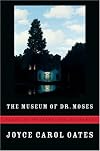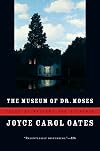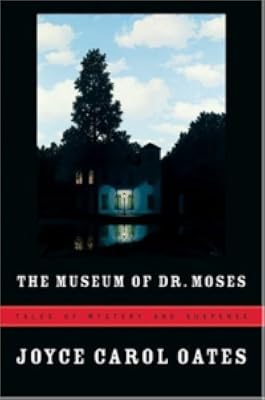
The Museum of Dr. Moses: Tales of Mystery and Suspense
by Joyce Carol Oates
On This Page
Description
In "The man who fought Roland LaStarza" a woman's world is upended when she learns the brutal truth about a family friend's death--and what her father is capable of. Meanwhile, a businessman desperate to find his missing two-year-old grandson in "Suicide watch" must determine whether the horrifying tale his junkie son tells him about the boy's whereabouts is a confession or a sick test. In "Valentine, July heat wave" a man prepares a gruesome surprise for the wife determined to leave him. show more And the children of a BTK-style serial killer struggle to decode the patterns behind their father's seemingly random bad acts, as well as their own, in "Bad habits." In these and other stories, Joyce Carol Oates explores with bloodcurdling insight the ties that bind--or worse. show lessTags
Recommendations









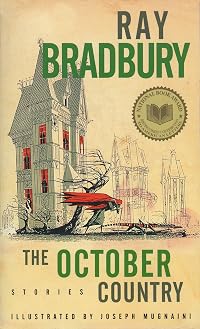

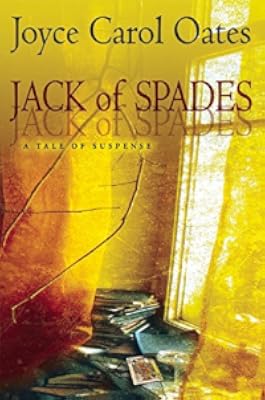
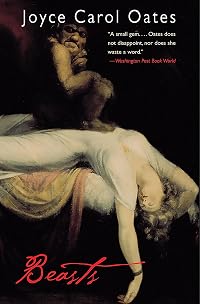
Member Recommendations
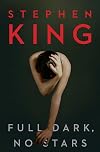
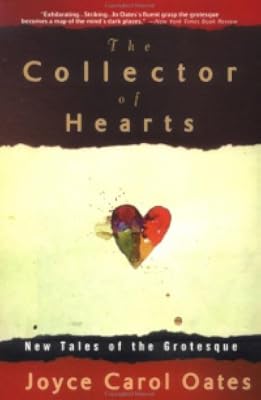
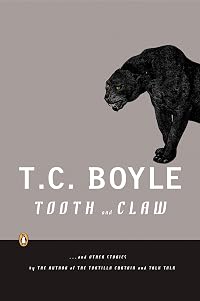
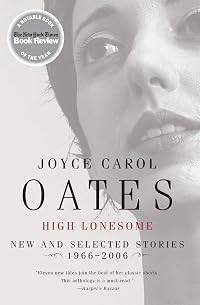
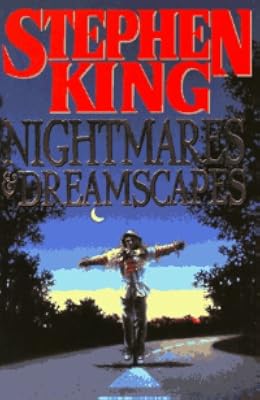
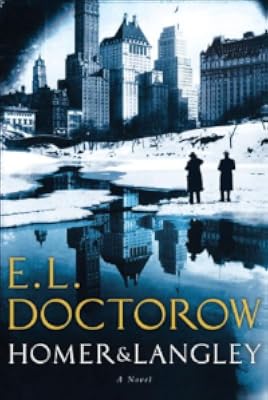
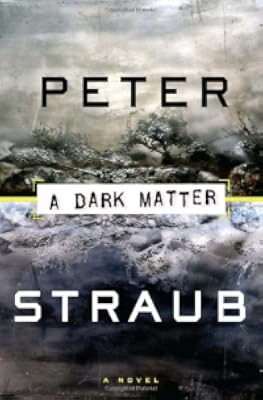
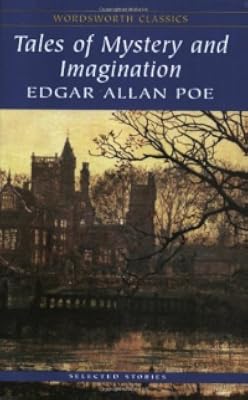
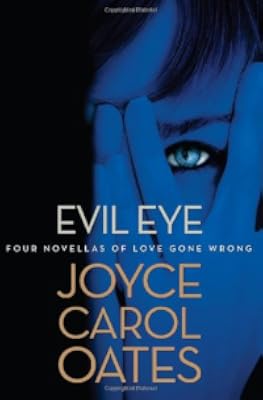
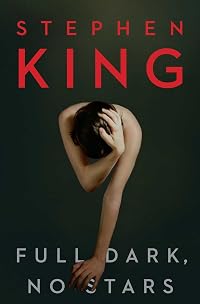
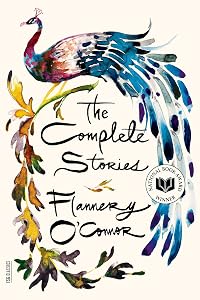
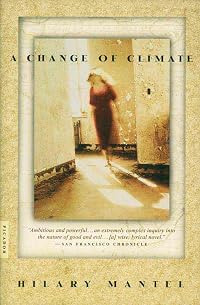
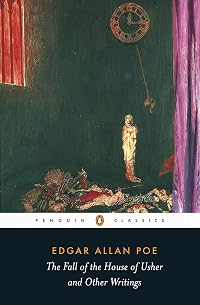
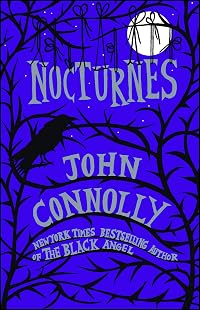
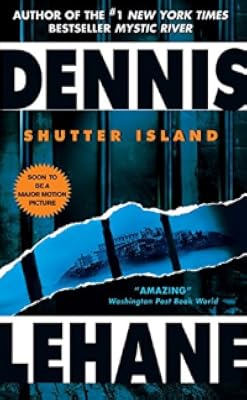
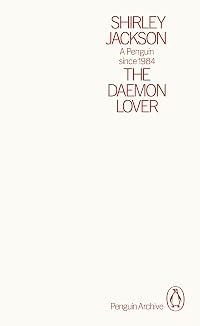
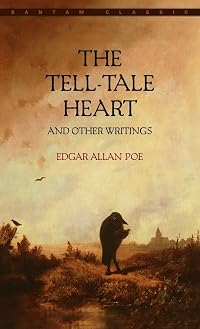
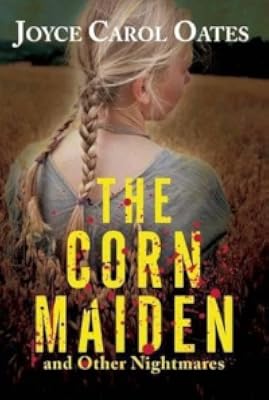
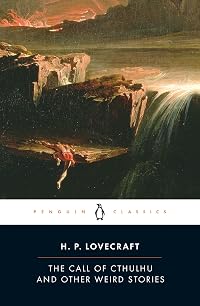
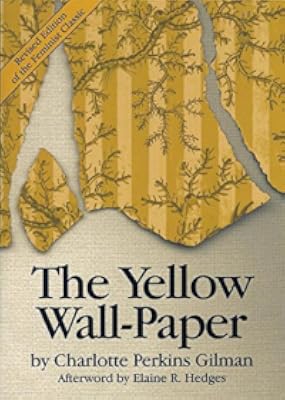
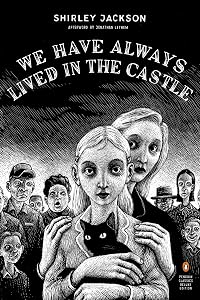
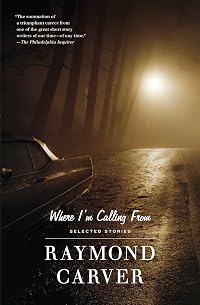
BookshelfMonstrosity The darkness of the human heart is the territory explored in 'The museum of Dr. Moses' and 'Full dark, no stars.' Guilt, revenge, troubled marriages, and the family life of serial killers are some of the subjects in these story collections.
Member Reviews
Everyone always says this, but it's true...this woman's output it just astonishing. And the places her imagination takes her....yikes! In this collection of short stories she gets inside the heads of some very scary people, and does brilliant things for the reader. She loves to take a concept that's almost a cliche...like the closeness of twins, for instance...and turn it inside out. I'm a bit surprised at her female characters...there aren't any particularly strong women here. In fact, most of the women are victims, either of men or of circumstances. Many of them are also somewhat ineffective mothers. Of course, there are no male heroes either...the strong men use that strength in abusive, destructive ways. Hard to say what compels the show more reader through these stories when there is nothing uplifting in any of them. Her genius with form is one aspect...she often seems to be experimenting with that, and usually it works fairly well. The first selection in this collection, "Hi! Howya Doin!", would be stream of consciousness, except that the narrator is omniscient, so whose consciousness would it be? In "Bad Habits", the narrator seems to be telling a first person tale in which 3 children face drastic changes in their lives when their father is taken away and implicated in horrible crimes. The children are referred to individually as "A", "T", and "D,", and collectively as "us". But it is never clear who is telling the story; is it one of those three, or yet another child who does not appear, but only relates what happens? "Valentine, July Heat Wave" owes a little something to Faulkner's "A Rose for Emily", and really fails to shock as the ending is so predictable almost from the first page. The weakest story in the lot, I think, is the title selection. Oates does an incredible job of subtly raising the tension, making the reader feel the narrator's mounting fear, but the ending is a bit of an anti-climax. I haven't read much of Oates' work, and I'm not a big fan of horror, but I left this one with a great deal of admiration for her talent and skill, even when I might not love the result. show less
Stories to Set Your Mind at Unease
The "tales of mystery and suspense" in Joyce Carol Oates' The Museum of Dr. Moses are sneaky little things. The horror comes in on cat's paws, barely noticeable.
The full impact doesn't hit you until a few hours or days or even weeks after you have set the book aside and gone on to cheerier things: whistling happy Broadway show tunes, picking daisies in a sun-drenched field, or eating a heavenly slice of lemon-meringue pie. Then, as your mind drifts back to the stories and you start to think about the sub-surface tension or picture some of those indelible images, then and only then does it smack you. BAM! You might even drop your fork as the lemon pie goes sour on your tongue.
As she has done in earlier show more collections like The Female of the Species, Oates builds the tension slowly, carefully, then turns everything on its head in one sharp Moment of Startle. Think of it as a dull knife pressing into your forearm, pressing, pressing, pressing, until finally the skin succumbs, breaks with a pop! and you are sprayed with arterial blood--something you knew was there but never expected to see. That's how Joyce Carol Oates leaps out at you: you suspected she was crouched behind the corner, but when it happens--that turn of the story--you still jump and give a little hiccup of a scream.
Take the brilliant short opening story, "Hi! How Ya Doin!" in which a "good-looking husky guy, six foot four, in late twenties or early thirties" continuously jogs through the story, approaching other runners with the "loud aggressive-friendly greeting Hi! How ya doin!" The story is little more than this rude runner calling out his greeting to others, but it builds and builds in intensity until you just know something is going to happen. The Moment of Startle. It's only when you reach the end of the story, breathless and your mind panting, that you realize the entire thing has been one long sentence.
"Hi! How Ya Doin!" is a good introduction to the other nine stories which follow. Here, you'll meet a father who suspects (but can't be certain) his son is fabricating his confession of a horrific crime, children of a serial killer who try to make sense of his crimes, and a woman who plans to leave her husband coming home to find--well, I won't tell you what she finds, but trust me, you'll want to be plucking a lot of daisies after reading "Valentine, July Heat Wave."
Throughout The Museum of Dr. Moses, Oates shows us the dark, awful things which can result from the rough collision of psyches, primarily between men and women. Predators abound and there are seldom any moments where characters have a complete sense of security.
The title story masterfully builds a feeling of dread as a grown woman wonders if she should rescue her mother from the clutches of her new husband, Dr. Moses, who owns and operates a museum for "the history of medical arts" in upstate New York. As the daughter walks through the second-rate museum, she comes across the stuff of nightmares: "a quart-sized bottle containing a shriveled, darkly discolored fishlike thing floating in murky liquid, apparently headless, with rudimentary arms and legs and something--a head? a heart?--pushing out of its chest cavity." Things only get worse from that point on. The museum, it turns out, is only a front for Dr. Moses' more sinister purposes. All that's needed is a creaky door and a black cat jumping out of a dark corner and the story is ready for the Saturday Night Fright Fest.
Violence hovers at the edges of the page throughout the book, lurking like a patient, unblinking panther, then is unleashed with a sudden explosion of bloody blows. Or not. One of Oates' best talents is knowing that sometimes just the hint of a promise is enough to ratchet up the tension. In "The Man Who Fought Roland LaStarza," for instance, the narrator, the daughter of a man who was friends with the eponymous boxer, describes how she saw the hard-drinking Irish adults in her life:
Our fathers were to us their bodies. Their male bodies. So tall, so massive-seeming, like horses magnificent and dangerous, unpredictable. They were men who drank, weekends. At such times we knew to recognize the slurred voice, the flare of white in the eye sudden as a lighted match, nostrils quivering like those of a horse about to bite or kick...
There will be blood, of course. What's a boxing story without blood? Here, it splatters "like raindrops onto the referee's white shirt" during a title fight. Yet, we must wait nearly the entire length of the story for the visceral pay-off. Oates keeps us clenching the book every word of the way.
Later in that story, she writes: "Size has nothing to do with boxing skills. You're born with the instinct or you are not. You're born with a knockout punch or you are not." Joyce Carol Oates, though thin as a pencil in appearance, was unquestionably born with a knockout punch. These stories will knock you to the mat. show less
The "tales of mystery and suspense" in Joyce Carol Oates' The Museum of Dr. Moses are sneaky little things. The horror comes in on cat's paws, barely noticeable.
The full impact doesn't hit you until a few hours or days or even weeks after you have set the book aside and gone on to cheerier things: whistling happy Broadway show tunes, picking daisies in a sun-drenched field, or eating a heavenly slice of lemon-meringue pie. Then, as your mind drifts back to the stories and you start to think about the sub-surface tension or picture some of those indelible images, then and only then does it smack you. BAM! You might even drop your fork as the lemon pie goes sour on your tongue.
As she has done in earlier show more collections like The Female of the Species, Oates builds the tension slowly, carefully, then turns everything on its head in one sharp Moment of Startle. Think of it as a dull knife pressing into your forearm, pressing, pressing, pressing, until finally the skin succumbs, breaks with a pop! and you are sprayed with arterial blood--something you knew was there but never expected to see. That's how Joyce Carol Oates leaps out at you: you suspected she was crouched behind the corner, but when it happens--that turn of the story--you still jump and give a little hiccup of a scream.
Take the brilliant short opening story, "Hi! How Ya Doin!" in which a "good-looking husky guy, six foot four, in late twenties or early thirties" continuously jogs through the story, approaching other runners with the "loud aggressive-friendly greeting Hi! How ya doin!" The story is little more than this rude runner calling out his greeting to others, but it builds and builds in intensity until you just know something is going to happen. The Moment of Startle. It's only when you reach the end of the story, breathless and your mind panting, that you realize the entire thing has been one long sentence.
"Hi! How Ya Doin!" is a good introduction to the other nine stories which follow. Here, you'll meet a father who suspects (but can't be certain) his son is fabricating his confession of a horrific crime, children of a serial killer who try to make sense of his crimes, and a woman who plans to leave her husband coming home to find--well, I won't tell you what she finds, but trust me, you'll want to be plucking a lot of daisies after reading "Valentine, July Heat Wave."
Throughout The Museum of Dr. Moses, Oates shows us the dark, awful things which can result from the rough collision of psyches, primarily between men and women. Predators abound and there are seldom any moments where characters have a complete sense of security.
The title story masterfully builds a feeling of dread as a grown woman wonders if she should rescue her mother from the clutches of her new husband, Dr. Moses, who owns and operates a museum for "the history of medical arts" in upstate New York. As the daughter walks through the second-rate museum, she comes across the stuff of nightmares: "a quart-sized bottle containing a shriveled, darkly discolored fishlike thing floating in murky liquid, apparently headless, with rudimentary arms and legs and something--a head? a heart?--pushing out of its chest cavity." Things only get worse from that point on. The museum, it turns out, is only a front for Dr. Moses' more sinister purposes. All that's needed is a creaky door and a black cat jumping out of a dark corner and the story is ready for the Saturday Night Fright Fest.
Violence hovers at the edges of the page throughout the book, lurking like a patient, unblinking panther, then is unleashed with a sudden explosion of bloody blows. Or not. One of Oates' best talents is knowing that sometimes just the hint of a promise is enough to ratchet up the tension. In "The Man Who Fought Roland LaStarza," for instance, the narrator, the daughter of a man who was friends with the eponymous boxer, describes how she saw the hard-drinking Irish adults in her life:
Our fathers were to us their bodies. Their male bodies. So tall, so massive-seeming, like horses magnificent and dangerous, unpredictable. They were men who drank, weekends. At such times we knew to recognize the slurred voice, the flare of white in the eye sudden as a lighted match, nostrils quivering like those of a horse about to bite or kick...
There will be blood, of course. What's a boxing story without blood? Here, it splatters "like raindrops onto the referee's white shirt" during a title fight. Yet, we must wait nearly the entire length of the story for the visceral pay-off. Oates keeps us clenching the book every word of the way.
Later in that story, she writes: "Size has nothing to do with boxing skills. You're born with the instinct or you are not. You're born with a knockout punch or you are not." Joyce Carol Oates, though thin as a pencil in appearance, was unquestionably born with a knockout punch. These stories will knock you to the mat. show less
Joyce Carol Oates is one of America's best, and most unclassifiable, writers - she's considered a "literary" author, but writes across genres at will; I've read her short stories in mystery magazines, best-of-the-year science fiction, fantasy and horror volumes, and everyplace in-between. This 2007 volume, The Museum of Dr Moses, contains 8 short stories and 2 novellas published between 1998 and 2007, in magazines ranging from F&SF to Ellery Queen to Ploughshares to McSweeney's to Playboy, with a couple published in original anthologies edited by the likes of Otto Penzler and Dennis Etchison (separately, of course!). She is probably the only writer in the world who can take a subject that not only doesn't appeal to me, but actually show more repulses me (here, the world of boxing) and write a novella so intrinsically compelling that I will savour the 60 pages that it takes her to tell the story ("The Man Who Fought Roland LaStarza"); yet she can tell an equally compelling story in 3 pages ("Stripping") that is, in its implications, more repulsive than anything else in this volume. She is, in short, a gem, especially in short form; I like her novels too, but she really excels in the shorter format. My favourites here include "Valentine, July Heat Wave" (which I admit I'd read before), "The Hunter," "Feral," and the title story. If you want a master class in how to inculcate deeply rooted psychological truth in short form writing, you can do no better than to study Joyce Carol Oates. She's amazing. And yeah, obviously, recommended, though you might need a strong stomach for some of her tales! show less
I believe the marketing people for this book had entirely different definitions for the words "Mystery" and "Suspense" than I do. I found very little of either in any of these stories. The kindest thing I can say for these offerings is that the author took a different approach in her writing and produced some very good investigations into character study. The 2 stars I gave the book in no way reflects on the author's abilities...heaven forbid that I would dare to give literary advise to an author that has successfully produced over 60 plus books...it merely reflects how the the book as a whole appealed to me. If you are looking for mystery and suspense though you won't find much of it here.
Mostly these "tales of mystery and suspense" are stories of ordinary people pushed to a state of desperation; the “horror” arises from the realization that the world is full of terrible things (obsessive lovers, disappointing children/parents, tragic accidents, lies, cruelty, strangers who think nothing of involving you in their self-immolation) against which we have little/no defense. No one likes to be reminded that we are all just one unlucky decision/careless moment/loved one away from tragedy.
Unfortunately, many of the stories had predictable endings, which may not have robbed them of their disturbing quality but definitely robbed them of their suspense. Am glad I read to the end because the stories got a little better as they show more went along. Still, I don’t think JCO broke any new ground here, either in theme or literary merit, which I found slightly disappointing as JCO is usually a dab hand at melodrama.
A good short story should be like a shot of espresso – pure, concentrated emotion. These felt more like a decaf from Starbucks – scalding at times, bitter at times, uniformly tasty, but nothing that’s going to make your heart race and you won’t have trouble going to sleep later. show less
Unfortunately, many of the stories had predictable endings, which may not have robbed them of their disturbing quality but definitely robbed them of their suspense. Am glad I read to the end because the stories got a little better as they show more went along. Still, I don’t think JCO broke any new ground here, either in theme or literary merit, which I found slightly disappointing as JCO is usually a dab hand at melodrama.
A good short story should be like a shot of espresso – pure, concentrated emotion. These felt more like a decaf from Starbucks – scalding at times, bitter at times, uniformly tasty, but nothing that’s going to make your heart race and you won’t have trouble going to sleep later. show less
Fans of mystery stories tinged with a hint of evil and madness will find a high quality collection in Joyce Carol Oates's The Museum of Dr. Moses: Tales of Mystery and Suspense. Oates chooses a genre not usually considered serious literature and, with her talent for acute psychological observation, produces a series of compelling stories. Sometimes told from a perpetrator's perspective, sometimes from a victim's, and sometimes an innocent bystander's, Oates's stories run the gamut from the banal evil of the corruption of professional boxing to eerie tales that blur the line separating reality from another dimension. The most affecting stories, though, are the ones which portray the kind of random violence that occurs all too often in show more the contemporary United States. Ironically, the success of Oates's portrayals also lead to one of the book's more negative effects: the prevailing feeling that the reader experiences from The Museum of Dr. Moses is easily a bleak hopelessness in the face of the inexplicable randomness of violence, cruelty, and death. This reaction is probably intensified by the short story format, in that there is no character development over the length of the book and thus no sympathetic figure for the reader to identify with. But as long as there is no expectation of a traditional mystery story wherein the crime is solved, the criminal punished, and the world made right again, The Museum of Dr. Moses will not disappoint. Oates succeeds remarkably in her chilling portrayals of the horror that can all too easily lie, for real, at the edges of our pedestrian everyday life. show less
This is only the second Oates I’ve read, the first being the more-or-less conventional We Were the Mulvaneys that did not prepare me in any way for this collection of short stories, which are billed “mystery and suspense”. The suspense I get; I’m not so sure about mystery. All of the stories have an element of the criminal or the macabre.
I found “Suicide Watch” to be the most memorable: told from the point of view of a businessman who has been called to visit his son in prison(?)/ psychiatric hospital(?) The businessman’s grandson & the child’s mother are missing, and the son isn’t talking. When he does open up to his father, he tells a chilling tale of mailing the boy’s body to his father – and then proclaims it show more all a test to see if his father would believe such a thing of him.
I’m checking my mail every day for parcels.
Read this if: you like short stories that can make your spine tingle; or you’re a Joyce Carol Oates fan. 3 stars show less
I found “Suicide Watch” to be the most memorable: told from the point of view of a businessman who has been called to visit his son in prison(?)/ psychiatric hospital(?) The businessman’s grandson & the child’s mother are missing, and the son isn’t talking. When he does open up to his father, he tells a chilling tale of mailing the boy’s body to his father – and then proclaims it show more all a test to see if his father would believe such a thing of him.
I’m checking my mail every day for parcels.
Read this if: you like short stories that can make your spine tingle; or you’re a Joyce Carol Oates fan. 3 stars show less
Members
- Recently Added By
Author Information

473+ Works 63,217 Members
Joyce Carol Oates was born on June 16, 1938 in Lockport, New York. She received a bachelor's degree in English from Syracuse University and a master's degree in English from the University of Wisconsin. She is the author of numerous novels and collections of short stories. Her works include We Were the Mulvaneys, Blonde, Bellefleur, You Must show more Remember This, Because It Is Bitter, Because It Is My Heart, Solstice, Marya : A Life, and Give Me Your Heart. She has received numerous awards including the National Book Award for Them, the PEN/Malamud Award for Excellence in Short Fiction, and the F. Scott Fitzgerald Award for Lifetime Achievement in American Literature. She was a finalist for the 2015 Pulitzer Prize for Fiction with her title Lovely, Dark, Deep. She also wrote a series of suspense novels under the pseudonym Rosamond Smith. In 2015, her novel The Accursed became listed as a bestseller on the iBooks chart. She worked as a professor of English at the University of Windsor, before becoming the Roger S. Berlind Distinguished Professor of Humanities at Princeton University. She and her late husband Raymond J. Smith operated a small press and published a literary magazine, The Ontario Review. (Bowker Author Biography) Joyce Carol Oates is one of the most eminent and prolific literary figures and social critics of our times. She has won the National Book Award and several O. Henry and Pushcart prizes. Among her other awards are an NEA grant, a Guggenheim fellowship, the PEN/Malamud Lifetime Achievement Award, and the F. Scott Fitzgerald Award for Lifetime Achievement in American Literature. (Publisher Provided) show less
Series
Belongs to Publisher Series
Common Knowledge
- Original title
- The Museum of Dr. Moses
- Original publication date
- 2008
- Dedication
- For Richard Burgin
- First words
- Good-looking husky guy, six foot four, in late twenties or early thirties, Caucasian male as the police report will note, he's as solid-built as a fire hydrant, carries himself like an athlete, or an ex-athlete, just percepti... (show all)bly thickening at the waist, otherwise in terrific condition, like a bronze figure in motion, sinewy arms pumping as he runs, long musceld legs, chiseled-muscled calves, he's hurtling along the moist wood-chip path at the western edge of the university arboretum at approximately 6 P.M.
Classifications
Statistics
- Members
- 314
- Popularity
- 101,792
- Reviews
- 12
- Rating
- (3.39)
- Languages
- English, French
- Media
- Paper, Audiobook, Ebook
- ISBNs
- 14
- ASINs
- 3