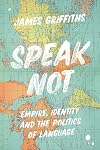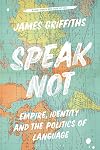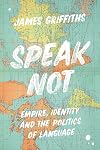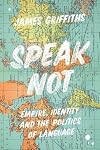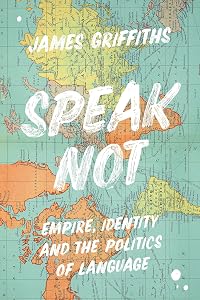
Speak Not: Empire, Identity and the Politics of Language
by James Griffiths
On This Page
Description
As we stand at the brink of a terminal decline in the world's languages, and the rise of the hegemonic 'super-tongue', this is a personal and engaging account of how we can stop the race towards the extinction of linguistic diversity.Tags
Recommendations






























Member Reviews
Speak Not: Empire, Identity and the Politics of Language by James Griffiths presents a history of linguistic domination/subordination and uses three case studies as examples to illustrate both how it leads to languages dying and how we can keep languages, and the cultural histories they represent, alive.
It is clear from the beginning the point of this book, examining and critiquing how majority populations use the destruction of minority languages to help consolidate power and establish not just majority but dominance. I have long held the opinion that a language rarely "naturally" dies. It may evolve, it may split and evolve separately, but the only way a language "naturally" dies out is for the speaking population to die out, or be show more exterminated. So part of what this book contributes to is the movement for a more inclusive and equitable society.
The main case studies as well as the many short historical examples illustrate what has happened and what can be don about it. There will be some entitled people who will take offense at some of the information here and scream "fake news," or more subtly to hide their racism "opinions as facts." By any other name...
While globalization has led to a need for a few widely known languages, that does not mean that other languages have to disappear. There is no single one-size-fits-all language. The reason so many languages have words and phrases that have no direct translation is because many of those untranslatable phrases are culture-specific, they speak to an aspect of that culture that might not be present in another culture. So killing a language is killing a culture. Many nationalists around the world are fine with killing off cultures, in fact, they are fine with genocide, but the rest of us can and must stand up and fight. Language is just one of the fights, but a far more important one than many realize.
Reviewed from a copy made available by the publisher via NetGalley. show less
It is clear from the beginning the point of this book, examining and critiquing how majority populations use the destruction of minority languages to help consolidate power and establish not just majority but dominance. I have long held the opinion that a language rarely "naturally" dies. It may evolve, it may split and evolve separately, but the only way a language "naturally" dies out is for the speaking population to die out, or be show more exterminated. So part of what this book contributes to is the movement for a more inclusive and equitable society.
The main case studies as well as the many short historical examples illustrate what has happened and what can be don about it. There will be some entitled people who will take offense at some of the information here and scream "fake news," or more subtly to hide their racism "opinions as facts." By any other name...
While globalization has led to a need for a few widely known languages, that does not mean that other languages have to disappear. There is no single one-size-fits-all language. The reason so many languages have words and phrases that have no direct translation is because many of those untranslatable phrases are culture-specific, they speak to an aspect of that culture that might not be present in another culture. So killing a language is killing a culture. Many nationalists around the world are fine with killing off cultures, in fact, they are fine with genocide, but the rest of us can and must stand up and fight. Language is just one of the fights, but a far more important one than many realize.
Reviewed from a copy made available by the publisher via NetGalley. show less
Members
- Recently Added By
Lists

Wanted List
26 works; 1 member
Author Information
2 Works 69 Members
Awards and Honors
Distinctions
Classifications
- Genres
- Nonfiction, General Nonfiction
- DDC/MDS
- 306.44 — Society, government, & culture Social sciences, sociology & anthropology Social Behavior - Dating, Marriage, Divorce Specific aspects of culture Language
- LCC
- P119.3 .G758 — Language and Literature Philology. Linguistics Language. Linguistic theory. Comparative grammar
- BISAC
Statistics
- Members
- 27
- Popularity
- 1,012,627
- Reviews
- 1
- Rating
- (3.50)
- Languages
- English
- Media
- Paper, Ebook
- ISBNs
- 5
- ASINs
- 1