On This Page
Description
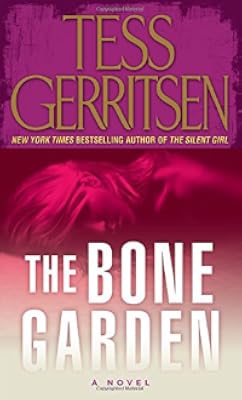
Present day: Julia Hamill has made a horrifying discovery on the grounds of her new home in rural Massachusetts: a skull buried in the rocky soil--human, female, and, according to the trained eye of Boston medical examiner Maura Isles, scarred with the unmistakable marks of murder. Boston, 1830: In order to pay for his education, medical student Norris Marshall has joined the ranks of local "resurrectionists"--those who plunder graveyards and harvest the dead for sale on the black market. show more But when a distinguished doctor is found murdered and mutilated on university grounds, Norris finds that trafficking in the illicit cadaver trade has made him a prime suspect. show lessTags
Recommendations
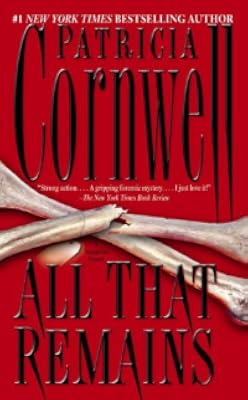
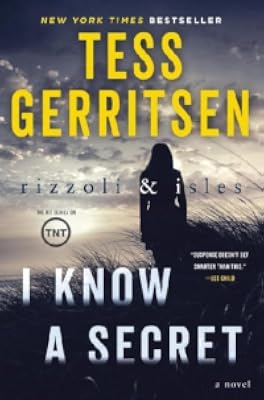
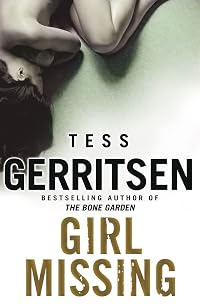
Member Recommendations
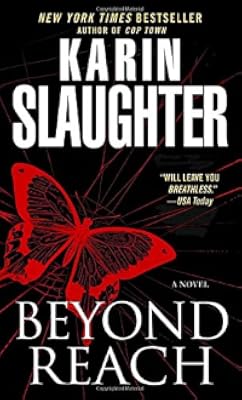
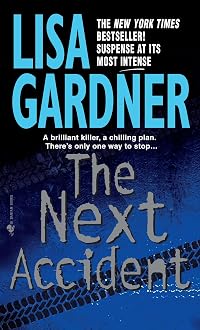
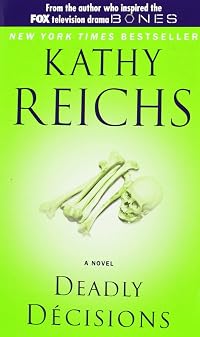
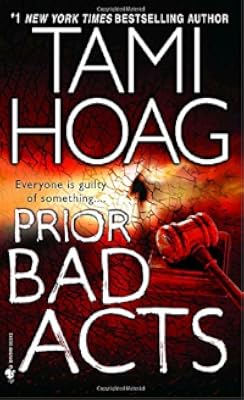
rbtanger The Bone Garden is set a decade earlier than alias Grace, but the atmosphere and feel of the story are very similar.
30
Member Reviews
The Bone Garden lives half in the Boston of the present, where the heroine finds a skeleton in her garden, and half in the Boston of the 1830s, where the hero (a penniless medical student) is drawn into intrigue and the case of a brutal serial killer. The machinery of the time-hopping meta-plot is well-constructed: There are no “wait . . . what?” moments, and no threads left dangling at the end. Gerritsen gives the willing suspension of disbelief a strenuous workout, but readers fond of this kind of story will have a grand time with it.
The present-day section of the story exist, honestly, for no other reason than to serve the meta-plot: They’re efficiently constructed, but schematic and populated by a handful of characters—the show more woman reeling from a recent divorce, the handsome passerby who strikes up a conversation, the eccentric old man with a houseful of family history—whose arcs through the story are mostly apparent from the moment they walk onstage. These bits of the story work (or don’t) to precisely the extent that the meta-plot does (or doesn’t).
The 1830s sections of the story are far more richly developed. They have an almost Dickensian feel, following a large cast of vivid characters through an urban landscape that encompasses both vast wealth and desperate poverty, and through lives in which despair is abundant but (even for the worst-off) hope never entirely fades. Gerritsen puts her medical background to good use, setting much of the story in and around the for-profit medical school that her detective-hero, Norris Marshall, attends along with a young Oliver Wendell Holmes, Sr. The “past” sections of the book work so well, in fact, that the Bone Garden left me wishing that Gerritsen would do a “straight” historical novel. Oliver Wendell Holmes, Consulting Detective, anyone? show less
The present-day section of the story exist, honestly, for no other reason than to serve the meta-plot: They’re efficiently constructed, but schematic and populated by a handful of characters—the show more woman reeling from a recent divorce, the handsome passerby who strikes up a conversation, the eccentric old man with a houseful of family history—whose arcs through the story are mostly apparent from the moment they walk onstage. These bits of the story work (or don’t) to precisely the extent that the meta-plot does (or doesn’t).
The 1830s sections of the story are far more richly developed. They have an almost Dickensian feel, following a large cast of vivid characters through an urban landscape that encompasses both vast wealth and desperate poverty, and through lives in which despair is abundant but (even for the worst-off) hope never entirely fades. Gerritsen puts her medical background to good use, setting much of the story in and around the for-profit medical school that her detective-hero, Norris Marshall, attends along with a young Oliver Wendell Holmes, Sr. The “past” sections of the book work so well, in fact, that the Bone Garden left me wishing that Gerritsen would do a “straight” historical novel. Oliver Wendell Holmes, Consulting Detective, anyone? show less
This was an excellent thriller that combined the present day with events in 1830. Julia Hamill is recently divorced and has purchased a fixer-upper from 1880 despite objections from her sister. When digging in the yard to restore some gardens, Julia discovers a skull. Both the police and forensic anthropologists are called when it is determined that the body dates from the sometime around the 1830s.
Julia wants to learn about this forgotten woman and is pleased when a relative of the former owner offers to let her dig through the many, many boxes of stuff he removed from the house when the former owner died at age 92.
Among the stuff in the boxes are some letters from Oliver Wendell Holmes which tell the story of those long ago events of show more 1830.
The second part of the book tells the story of a poor Irish girl, a poor farmer lad who yearns to be a doctor, and the West End Ripper. Rose watches her sister Aurnia die in the charity ward of a Boston hospital after giving birth to a daughter. Norris Marshall is a medical student who was there when his supervisor examined the sister. Rose is determined to care for the child despite the fact the Aurnia's abusive husband has tried to give her away.
Then the deaths start, and rumors start of an unseen but frightening killer haunting the hospital. Rose and her infant niece seem to be targets of this killer.
I really enjoyed the historical detail in this story. I also liked Julia who gains courage to take her own chance for love after learning Rose's story. show less
Julia wants to learn about this forgotten woman and is pleased when a relative of the former owner offers to let her dig through the many, many boxes of stuff he removed from the house when the former owner died at age 92.
Among the stuff in the boxes are some letters from Oliver Wendell Holmes which tell the story of those long ago events of show more 1830.
The second part of the book tells the story of a poor Irish girl, a poor farmer lad who yearns to be a doctor, and the West End Ripper. Rose watches her sister Aurnia die in the charity ward of a Boston hospital after giving birth to a daughter. Norris Marshall is a medical student who was there when his supervisor examined the sister. Rose is determined to care for the child despite the fact the Aurnia's abusive husband has tried to give her away.
Then the deaths start, and rumors start of an unseen but frightening killer haunting the hospital. Rose and her infant niece seem to be targets of this killer.
I really enjoyed the historical detail in this story. I also liked Julia who gains courage to take her own chance for love after learning Rose's story. show less
Julia Hamill bought a house contrary to advice, solicited and unsolicited, of others. All she wanted to do was plant a garden. This required some digging, heavy work she was not accustomed to. And now she had found a body. True, the realtor selling her the house had warned her of rumors that she might hear about the history of the house. A ninety-year-old woman, the previous owner, had died in the house and her body hadn’t been discovered for several weeks. Surely this was not her body. So who was buried here?
Mystery one was quickly solved. The body came complete with a ring that dated the body to around 1840. Still, who was it? Chapter two takes us back to 1830 and the book continues organizationally in this fashion. Chapters show more alternate in time telling a story in the past and in the present. The story in the past presents us with a mystery to solve. Who is the West End Reaper? People are being killed seemingly systematically. The story plays out in a medical environment that involves doctors struggling with new ideas, students struggling to be doctors, and grave robbers struggling to supply bodies for study by the medical community.
The story of grave robbers both as individuals and as an occupation is fascinating and gruesome. The reader might agree with a basic tenet that bodies are needed for anatomical study. It should be easy to see the questions that will occur. Where do you get the bodies? Obviously from the graves, but what happens when supply is scarce and demand is high? How about from the poor and homeless population? Nobody would really miss them, it would be a kindness to relieve them of an existence of suffering, and medical research would advance. There is the nasty problem of a criminal act, not to mention that such killing would be at least immoral.
Dr. Crouch is a mentor doctor in charge of four central character medical students, one a notable historical figure, Oliver Wendell Holmes. More important than Holmes is student Norris Marshall, a romantic interest for Rose as well as a necessary helper. Rose, Aurnia, and Margaret are the center pieces of conflict in the novel. Aurnia is disposed of easily, she dies in childbirth in the first few pages. Rose is a definition of abject poverty. She can’t rely on brother-in-law Eben. Prior to Aurnia’s death Rose had worked as a seamstress at Eben’s tailor shop, but after Rose discovered the avarice and sense of ownership of all things that had belonged to Aurnia on the part of Eben, she knew continuing employment with him was no longer a possibility.
Any guesses as to where Aurnia’s body will end up? Rose wants to care for her sister Aurnia’s newborn, saving the baby from a life in a government home. Rose has no faith in systems, government or medical. The doctors had not listened to her when she told them to stop bleeding Aurnia and Aurnia had died. She was not going to let the baby die from governmental neglect. The problem was Eben, Aurnia’s husband. He saw the baby as the property of Aurnia along with everything else Aurnia had prior to her death, such as a necklace she had given Rose. Eben wanted the baby but wanted the necklace more. Why?
In the present, the identity of the skeleton Julia found was not difficult. Hilda had died and left behind several boxes, close to a hundred, of documents, pictures, and news clippings. The stories in this novel will be related as the elements are discovered. There are also accounts of the daily lives that people of different classes lived during the 1800s. This novel explores the horrible poverty, filthy hygiene (out of economic necessity), resistance to new medical ideas (bleeding, really), and crime developed around a grave robbing industry of the 1800s. And there is almost a romance. There are also some really startling surprises that make the book well worth reading.
And finally, there is a tie-in to present day medicine. This is not a spoiler, so if you want to follow this up even prior to beginning reading, feel free. This novel has a great, and factually true, great last line. Going to it first will not affect your enjoyment of the book. show less
Mystery one was quickly solved. The body came complete with a ring that dated the body to around 1840. Still, who was it? Chapter two takes us back to 1830 and the book continues organizationally in this fashion. Chapters show more alternate in time telling a story in the past and in the present. The story in the past presents us with a mystery to solve. Who is the West End Reaper? People are being killed seemingly systematically. The story plays out in a medical environment that involves doctors struggling with new ideas, students struggling to be doctors, and grave robbers struggling to supply bodies for study by the medical community.
The story of grave robbers both as individuals and as an occupation is fascinating and gruesome. The reader might agree with a basic tenet that bodies are needed for anatomical study. It should be easy to see the questions that will occur. Where do you get the bodies? Obviously from the graves, but what happens when supply is scarce and demand is high? How about from the poor and homeless population? Nobody would really miss them, it would be a kindness to relieve them of an existence of suffering, and medical research would advance. There is the nasty problem of a criminal act, not to mention that such killing would be at least immoral.
Dr. Crouch is a mentor doctor in charge of four central character medical students, one a notable historical figure, Oliver Wendell Holmes. More important than Holmes is student Norris Marshall, a romantic interest for Rose as well as a necessary helper. Rose, Aurnia, and Margaret are the center pieces of conflict in the novel. Aurnia is disposed of easily, she dies in childbirth in the first few pages. Rose is a definition of abject poverty. She can’t rely on brother-in-law Eben. Prior to Aurnia’s death Rose had worked as a seamstress at Eben’s tailor shop, but after Rose discovered the avarice and sense of ownership of all things that had belonged to Aurnia on the part of Eben, she knew continuing employment with him was no longer a possibility.
Any guesses as to where Aurnia’s body will end up? Rose wants to care for her sister Aurnia’s newborn, saving the baby from a life in a government home. Rose has no faith in systems, government or medical. The doctors had not listened to her when she told them to stop bleeding Aurnia and Aurnia had died. She was not going to let the baby die from governmental neglect. The problem was Eben, Aurnia’s husband. He saw the baby as the property of Aurnia along with everything else Aurnia had prior to her death, such as a necklace she had given Rose. Eben wanted the baby but wanted the necklace more. Why?
In the present, the identity of the skeleton Julia found was not difficult. Hilda had died and left behind several boxes, close to a hundred, of documents, pictures, and news clippings. The stories in this novel will be related as the elements are discovered. There are also accounts of the daily lives that people of different classes lived during the 1800s. This novel explores the horrible poverty, filthy hygiene (out of economic necessity), resistance to new medical ideas (bleeding, really), and crime developed around a grave robbing industry of the 1800s. And there is almost a romance. There are also some really startling surprises that make the book well worth reading.
And finally, there is a tie-in to present day medicine. This is not a spoiler, so if you want to follow this up even prior to beginning reading, feel free. This novel has a great, and factually true, great last line. Going to it first will not affect your enjoyment of the book. show less
It's 1830 in Boston, a young medical student of modest means is force to become a resurrection man to make ends meat. A young Irish woman is fiercely determined to care for her baby niece after her sister dies in labor. And a Jack the Ripper-type killer is gruesomely murdering people in the West End. This historical mystery/thriller is enjoyable despite its many flaws: characters who are just "too good," coincidences, questionable historical accuracy and a modern-day counter-story that serves nothing more than exposition. I liked the medical school scenes and the body snatching for medical cadavers parts as well as the general historical feel of Boston in 1830.
Great murder mystery with medical suspense thrown in that takes place in 1830 Boston and also affects present day protagonists. Julia discovers bones in her garden and her quest for answers leads her to historical documents penned by Oliver Wendell Holmes, where she uncovers a plot to conceal an illegitimate birth which may threaten several upper-crust citizens in Boston. Gerritsen never seems to disappoint...
This book made me admire another author even more than I already do. That's Laura Lippman. She's the writer of a detective series and many stand-alone novels as well. She said once something along the lines of coming up with a story idea and not making it into another in her series because it didn't fit that world. I wish Gerritsen had that kind of courage because this book does not fit in her Rizzoli and Iles stories and would have been better served as a separate entity.
The main story is a straight-up historical fiction tale set in Boston in the 1830s. The main characters are all medical students and Gerritsen, with her medical training background, clearly shows passion for her subject. If she hadn't framed the older story within a show more current one, she could have more effectively talked about the need for legitimate anatomy cadavers, the discovery and initial rejection of germ theory and a host of other early concerns/challenges in western medicine. But alas, we get a hokey construct of grieving divorcee with an old house who discovers some bones in her garden and attracts the curiosity of relatives of the former owner (now dead herself). The construct is silly and only exists to support the 1800s story. Many of the irritating coincidences occur because there are the two timelines. And Maura Isles appears for about 10 minutes, which is completely stupid and does not a Rizzoli and Iles book make.
Anyway, if you can ignore the 21st century story, the historical novel is worth reading although it's highly romanticized and pretty outlandish. Fun, but over the top. Not everyone has a happy ending though, so there is at least some respite. show less
The main story is a straight-up historical fiction tale set in Boston in the 1830s. The main characters are all medical students and Gerritsen, with her medical training background, clearly shows passion for her subject. If she hadn't framed the older story within a show more current one, she could have more effectively talked about the need for legitimate anatomy cadavers, the discovery and initial rejection of germ theory and a host of other early concerns/challenges in western medicine. But alas, we get a hokey construct of grieving divorcee with an old house who discovers some bones in her garden and attracts the curiosity of relatives of the former owner (now dead herself). The construct is silly and only exists to support the 1800s story. Many of the irritating coincidences occur because there are the two timelines. And Maura Isles appears for about 10 minutes, which is completely stupid and does not a Rizzoli and Iles book make.
Anyway, if you can ignore the 21st century story, the historical novel is worth reading although it's highly romanticized and pretty outlandish. Fun, but over the top. Not everyone has a happy ending though, so there is at least some respite. show less
I am SO glad we've discovered germs.
This book was a frequently-disturbing tour through 19th century medicine, with a fine little mystery threading through the tightly woven plot. In fact, the plot was so tight that I occasionally thought things were just a little too tidy for a good writer, but upon reflection, nothing happened by coincidence. I will not forgive the author for her over-use of the word "slithering" while describing the guts of open, rotting corpses. She obviously knows her subject matter, but... ew.
This book was a frequently-disturbing tour through 19th century medicine, with a fine little mystery threading through the tightly woven plot. In fact, the plot was so tight that I occasionally thought things were just a little too tidy for a good writer, but upon reflection, nothing happened by coincidence. I will not forgive the author for her over-use of the word "slithering" while describing the guts of open, rotting corpses. She obviously knows her subject matter, but... ew.
Members
- Recently Added By
Lists

Best medical fiction
26 works; 17 members

A Boston Reading List
120 works; 10 members

READ in 2023
244 works; 1 member

Books Read in 2015
3,299 works; 129 members

Books Read in 2017
4,249 works; 130 members

Books Set in Graveyards
27 works; 3 members

Books Read in 2024
4,727 works; 128 members
Author Information

143+ Works 54,556 Members
Tess Gerritsen was born on June 12, 1953 in San Diego, California. She received a bachelor's degree from Stanford University and a M.D. from the University of California, San Francisco. While on maternity leave from her work as a physician, she began to write fiction. Her first novel, Call After Midnight was published in 1987. It was followed by show more eight more romantic suspense novels. She also wrote the screenplay, Adrift, which aired as a 1993 CBS Movie of the Week starring Kate Jackson. Her first medical thriller, Harvest, was published in 1996. She is the author of the Rizzoli and Isles series, which was adapted into a television show. She has won several awards including the Nero Wolfe Award for Vanish and the Rita Award for The Surgeon. She retired from the medical field and writes full-time. Her other novels include Presumed Guilty, Harvest, Gravity, The Bone Garden, and Playing with Fire. (Bowker Author Biography) show less
Some Editions
Awards and Honors
Series

Belongs to Publisher Series
blanvalet (37226)
Work Relationships
Common Knowledge
- Canonical title
- The Bone Garden
- Original title
- The Bone Garden
- Original publication date
- 2007
- People/Characters
- Maura Isles; Oliver Wendell Holmes, Sr. (fictionalized as medical student); Norris Marshall; Rose Connolly; Julia Hamill; Edward Kingston (show all 27); Aurnia Tate; Eben Tate; Jack Burke; Charles Lackaway; Agnes Poole; Mary Robinson; Nathaniel Berry, M.D.; Adolous Grenville, M.D.; Chester Crouch, M.D.; Fanny Burke; Margaret Tate; McCoy (dog); Tom Page; Billy Piggott "Dim Billy"; Spot (dog); Erastus Sewall, M.D.; Henry Page; Gareth Wilson; Eliza Lackaway; Gwendolyn Welliver; Kitty Welliver
- Important places
- Boston, Massachusetts, USA; Maine, USA; Weston, Massachusetts, USA; Islesboro, Maine, USA
- Epigraph*
- Toen hoorde ze de voetstap...
- Dedication
- In memory of Ernest Brune Tom, who always
taught me to reach for the stars - First words
- March 20, 1888
Dearest Margaret,
I thank you for your kind condolences, so sincerely offered, for the loss of my darling Amelia. - Last words
- (Click to show. Warning: May contain spoilers.)May he be a physician.
Yours faithfully,
O.W.H. - Publisher's editor*
- Ballantine Books, New York
- Original language*
- Engels
*Some information comes from Common Knowledge in other languages. Click "Edit" for more information.
Classifications
Statistics
- Members
- 2,824
- Popularity
- 6,456
- Reviews
- 95
- Rating
- (3.84)
- Languages
- 10 — Czech, Dutch, English, Finnish, French, German, Polish, Portuguese, Russian, Turkish
- Media
- Paper, Audiobook, Ebook
- ISBNs
- 56
- ASINs
- 14