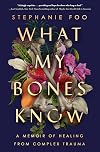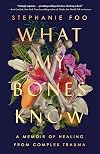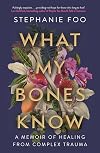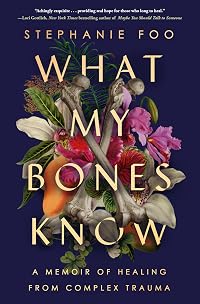
What My Bones Know: A Memoir of Healing from Complex Trauma
by Stephanie Foo
On This Page
Description
NEW YORK TIMES BESTSELLER • A searing memoir of reckoning and healing by acclaimed journalist Stephanie Foo, investigating the little-understood science behind complex PTSD and how it has shaped her life“Achingly exquisite . . . providing real hope for those who long to heal.”—Lori Gottlieb, New York Times bestselling author of Maybe You Should Talk to Someone
ONE OF THE BEST BOOKS OF THE YEAR: The Washington Post, Cosmopolitan, NPR, Mashable, She Reads, Publishers Weekly
By age show more thirty, Stephanie Foo was successful on paper: She had her dream job as an award-winning radio producer at This American Life and a loving boyfriend. But behind her office door, she was having panic attacks and sobbing at her desk every morning. After years of questioning what was wrong with herself, she was diagnosed with complex PTSD—a condition that occurs when trauma happens continuously, over the course of years.
Both of Foo’s parents abandoned her when she was a teenager, after years of physical and verbal abuse and neglect. She thought she’d moved on, but her new diagnosis illuminated the way her past continued to threaten her health, relationships, and career. She found limited resources to help her, so Foo set out to heal herself, and to map her experiences onto the scarce literature about C-PTSD.
In this deeply personal and thoroughly researched account, Foo interviews scientists and psychologists and tries a variety of innovative therapies. She returns to her hometown of San Jose, California, to investigate the effects of immigrant trauma on the community, and she uncovers family secrets in the country of her birth, Malaysia, to learn how trauma can be inherited through generations. Ultimately, she discovers that you don’t move on from trauma—but you can learn to move with it.
Powerful, enlightening, and hopeful, What My Bones Know is a brave narrative that reckons with the hold of the past over the present, the mind over the body—and examines one woman’s ability to reclaim agency from her trauma. show less
Tags
Recommendations
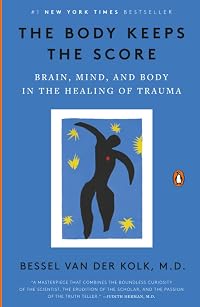
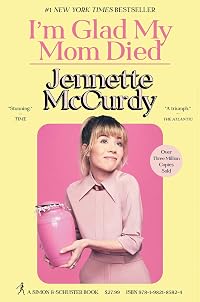
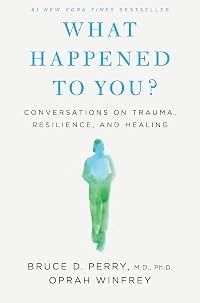
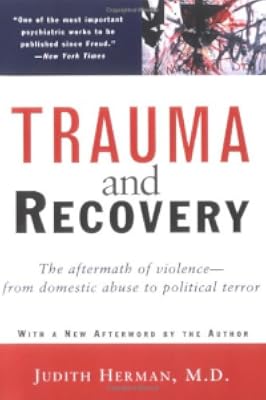

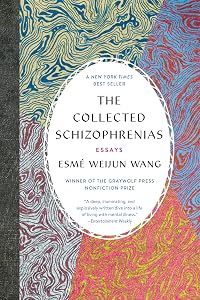
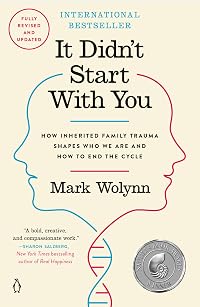
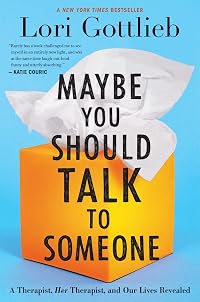
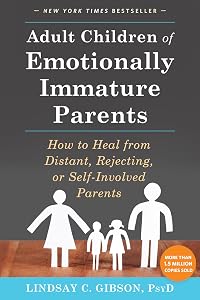
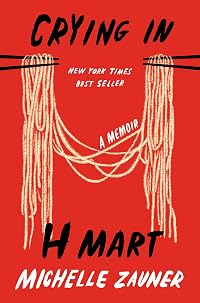



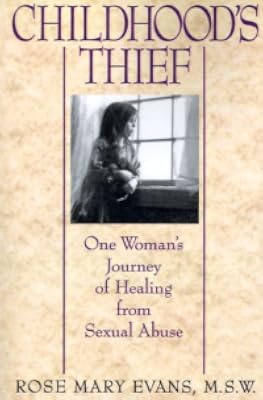

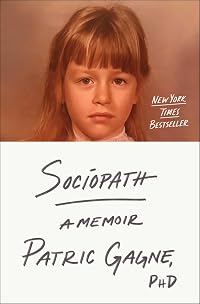


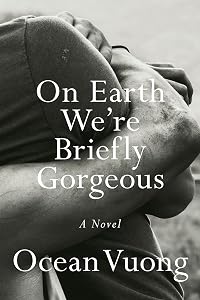
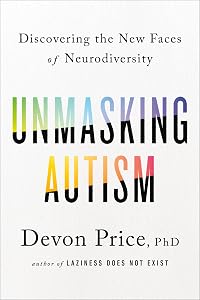
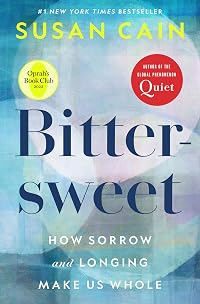
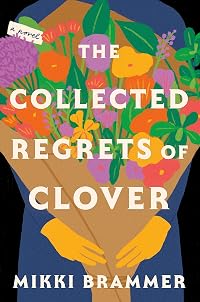
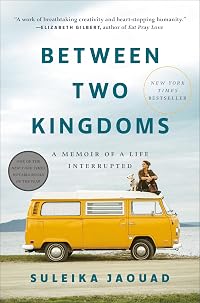
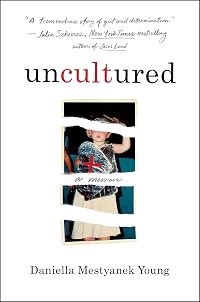
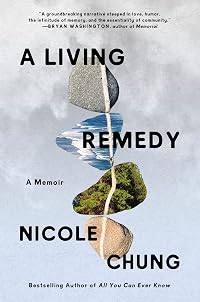
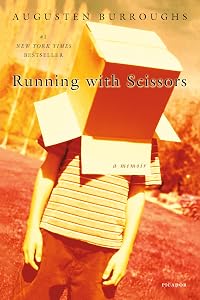
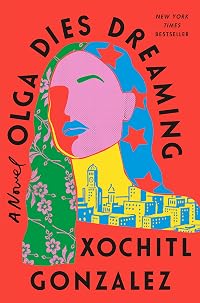
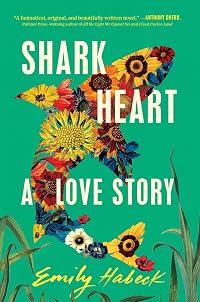
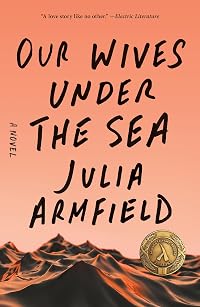
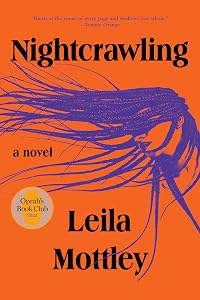
Member Recommendations
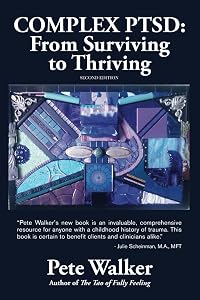
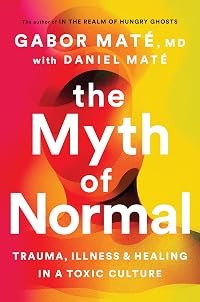
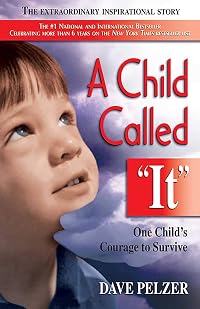
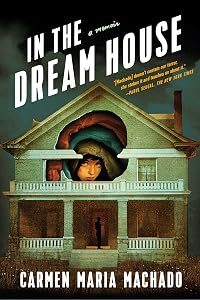
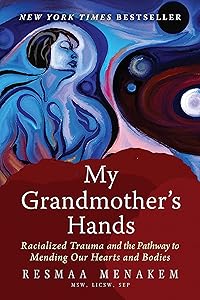
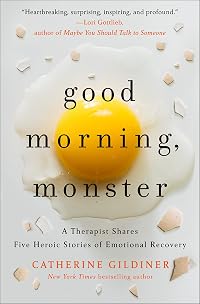
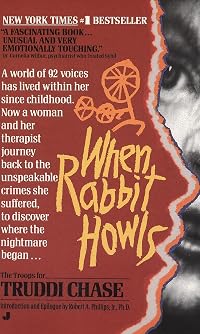
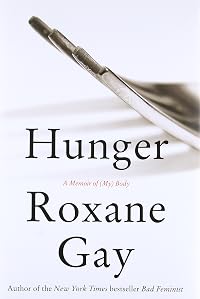
andbirds Both books (memoirs) explore multigenerational trauma, tied to a particular ethnic upbringing for both authors.
Member Reviews
Read this in one sitting because it was so engrossing. Foo is a gifted author. This was not a dry trauma manual — it reads more like a personal retelling of her life, with explanations of the research she did on and science behind her diagnosis of C-PTSD. Foo suffered from childhood abuse.
She goes through many therapies she tried over the course of her journey with her diagnosis. Some of them I see full merit in; others I don’t fully agree with. I loved reading about rapid eye movement therapy and the grounding therapy was also interesting. Hallucinogens and some light Eastern worldview material, especially on ancestors guiding the way, were ones I don’t agree with. Overall a stellar take on trauma and how it impacts our bodies. show more
Note: The first few chapter deals with her childhood abuse so the reader understands where she’s coming from. It was quite heavy (but needed) material. Foo also has a couple of favorite choice words and employs them often. I would recommend for a mature 16 and up. show less
She goes through many therapies she tried over the course of her journey with her diagnosis. Some of them I see full merit in; others I don’t fully agree with. I loved reading about rapid eye movement therapy and the grounding therapy was also interesting. Hallucinogens and some light Eastern worldview material, especially on ancestors guiding the way, were ones I don’t agree with. Overall a stellar take on trauma and how it impacts our bodies. show more
Note: The first few chapter deals with her childhood abuse so the reader understands where she’s coming from. It was quite heavy (but needed) material. Foo also has a couple of favorite choice words and employs them often. I would recommend for a mature 16 and up. show less
A really powerful memoir about Stephanie Foo's experiences with, and healing of, complex PTSD. Foo was raised in an immigrant family in California and suffered years of physical abuse, neglect, and abandonment (the early part of the book is a truly harrowing read). Only as an adult did she really begin to reckon with the trauma she'd suffered and the ways that had affected her behaviour and her relationships with other people. Foo is unflinching in recounting some of her red-flag actions while a college student, and in how her desire to people-please led her to put up with some awful workplace treatment. (Presuming I'm correct in figuring out who her boss was, a certain major NPR name does not come off well here.) I particularly show more appreciated Foo's situation of her experiences and her parents' behaviour into larger conversations about migration and intergenerational trauma. show less
This was hopeful, thoughtful, and engrossing. And it has that excellent trick that the best memoirs do: although it's about a specific person and her very specific, personal experiences, it's also universal. We're all healing from something and reaching for something.
Foo has an amazing narrative voice. She also has an incredibly deft hand with telling a story (unsurprising given her job); she manages to tell of her childhood without making it tragedy porn and tell of her healing without making it inspiration porn. Instead, the book is just honest. She exposes her weak points, admits to her flaws, analyzes her struggles, and, by the end, embraces all the things she thought she couldn't have: love, family, and healing.
I'm glad I read show more this one. show less
Foo has an amazing narrative voice. She also has an incredibly deft hand with telling a story (unsurprising given her job); she manages to tell of her childhood without making it tragedy porn and tell of her healing without making it inspiration porn. Instead, the book is just honest. She exposes her weak points, admits to her flaws, analyzes her struggles, and, by the end, embraces all the things she thought she couldn't have: love, family, and healing.
I'm glad I read show more this one. show less
From my blog:
CW: child abuse.
Got deep trauma? Feel like true healing is impossible? You need to read this stunning memoir, WHAT MY BONES KNOW, by radio producer and journalist Stephanie Foo (Ballantine/Penguin Random House, February 21, 2023). She explains how she ended up with complex PTSD (C-PTSD) and the myriad therapies and tactics that she tried for many years to stop falling into trigger traps and sabotaging her own life.
The author trying to meditate is so me.
I think about something simple…a block of fresh, soft, white tofu. For twenty seconds, I succeed….Mmm, tofu. What should I eat for dinner? Wait, damn it! Okay fine. I’ll focus on my breathing instead. Out. In. Out. In. Was I able to breathe as much as I should? Why did show more it feel like I didn’t get enough air into my lungs? Why did it feel like I was wheezing? Was I wheezing? Is something wrong with my lungs? Do I have lung cancer? I must be dying. That’s the only explanation for it. I never had my will notarized. I should probably get it notarized. Am I okay with dying? I never got to scuba dive in a coral reef. Now all the coral reefs are dying because of global warming. If I have lung cancer, there’s no way they’re going to let me scuba dive.
Stephanie Foo, What My Bones Know p. 120.
Buddhist monks train the “monkey mind” through meditation. I am not a Buddhist monk, and my monkey mind is on cocaine or something because the gray matter chatter never stops.
Like a true journalist, Foo researches the heck out of her own trauma and the generational trauma of Asian immigrant families. Like a true podcast producer, she puts lots of smart people in front of the microphone to see what they can teach her. Her findings are fascinating and, for me, a revelation on many levels. Some of us may never fully heal, but Foo is a great communicator determined to learn to cope creatively in those areas where full healing may not happen. In order to do that, she must learn to let go of her perfectionism (me too, girl, me too). show less
CW: child abuse.
Got deep trauma? Feel like true healing is impossible? You need to read this stunning memoir, WHAT MY BONES KNOW, by radio producer and journalist Stephanie Foo (Ballantine/Penguin Random House, February 21, 2023). She explains how she ended up with complex PTSD (C-PTSD) and the myriad therapies and tactics that she tried for many years to stop falling into trigger traps and sabotaging her own life.
The author trying to meditate is so me.
I think about something simple…a block of fresh, soft, white tofu. For twenty seconds, I succeed….Mmm, tofu. What should I eat for dinner? Wait, damn it! Okay fine. I’ll focus on my breathing instead. Out. In. Out. In. Was I able to breathe as much as I should? Why did show more it feel like I didn’t get enough air into my lungs? Why did it feel like I was wheezing? Was I wheezing? Is something wrong with my lungs? Do I have lung cancer? I must be dying. That’s the only explanation for it. I never had my will notarized. I should probably get it notarized. Am I okay with dying? I never got to scuba dive in a coral reef. Now all the coral reefs are dying because of global warming. If I have lung cancer, there’s no way they’re going to let me scuba dive.
Stephanie Foo, What My Bones Know p. 120.
Buddhist monks train the “monkey mind” through meditation. I am not a Buddhist monk, and my monkey mind is on cocaine or something because the gray matter chatter never stops.
Like a true journalist, Foo researches the heck out of her own trauma and the generational trauma of Asian immigrant families. Like a true podcast producer, she puts lots of smart people in front of the microphone to see what they can teach her. Her findings are fascinating and, for me, a revelation on many levels. Some of us may never fully heal, but Foo is a great communicator determined to learn to cope creatively in those areas where full healing may not happen. In order to do that, she must learn to let go of her perfectionism (me too, girl, me too). show less
This is now in my top 3 of favorite memoirs. Stephanie Foo’s voice, candor, and vulnerability shone through this book. I appreciated it as a human and as a doctor! I feel that everyone would benefit from the insight into how trauma can affect a life and the journey through healing/feeling that this book depicts.
This is a very difficult read as the author went through a horrifying childhood with terribly abusive parents, but her story is essential for the journey she embarks on to learn more about complex PTSD. She does an amazing job with helping the reader understand it more as she learns while also sharing her story in a rather unflinching way; I have a ton of respect for her survival mode, and I hope this read helps others out there who are just now learning that they’re living with C-PTSD too.
Stephanie Foo not only shares the trauma of her childhood, the years of abuse by her angry and neglectful parents, but the complex journey of trying to heal from that trauma. Many people share the stories of their trauma without the necessary next steps of the healing process. And she tells the backstory of her own mother's traumas with an attempt at compassion. Very well and thoroughly written.
Members
- Recently Added By
Lists

Best Biographies, Autobiographies and Memoirs
465 works; 160 members

Books Read in 2023
5,638 works; 147 members

Best Biographies of Notable Women
279 works; 101 members

Books That Changed Our Perspective
423 works; 168 members

Top Five Books of 2023
767 works; 317 members

Men's healing resources
747 works; 1 member

Healing resources for women
588 works; 1 member

Psychology: Abuse, Grief, Self-Help
189 works; 1 member
Author Information

1+ Work 999 Members
Awards and Honors
Awards
Common Knowledge
- People/Characters
- Stephanie Foo
Classifications
- Genres
- Biography & Memoir, General Nonfiction, Nonfiction
- DDC/MDS
- 616.85 — Applied science & technology Medicine & health Diseases, Allergies, Skin Conditions Nervous Disorders: Autism, Anorexia, OCD Miscellaneous
- LCC
- RC552 .P67 .F66 — Medicine Internal medicine Internal medicine Neurosciences. Biological psychiatry. Neuropsychiatry Psychiatry Psychopathology Neuroses
- BISAC
Statistics
- Members
- 999
- Popularity
- 26,218
- Reviews
- 20
- Rating
- (4.35)
- Languages
- English, Portuguese, Spanish
- Media
- Paper, Audiobook, Ebook
- ISBNs
- 13
- ASINs
- 4