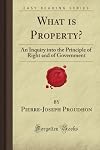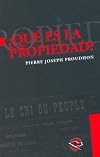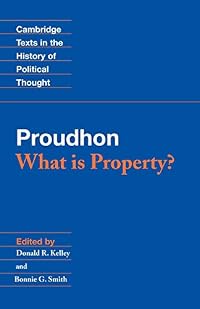
What is Property?
by Pierre-Joseph Proudhon
On This Page
Description
French printer and pamphleteer Pierre-Joseph Proudhon was an autodidact who became increasingly interested in political philosophy and rose from humble roots to engage in discourse and debate with some of the top thinkers of the day, including Karl Marx. Based in part on the discussion in What is Property?, Proudhon refined the political theory of anarchy and was one of the first known thinkers to call himself an anarchist. A must-read for anyone interested in delving into the roots of show more capitalism.. show less
Tags
Recommendations

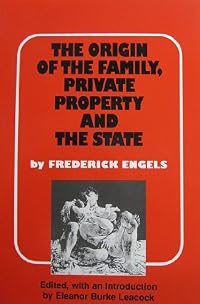
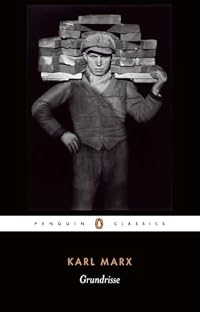
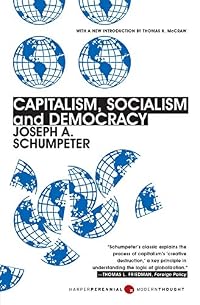
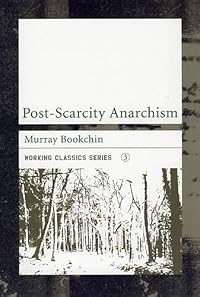
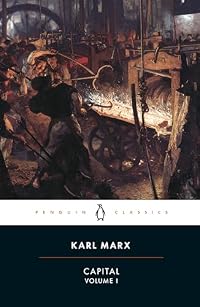




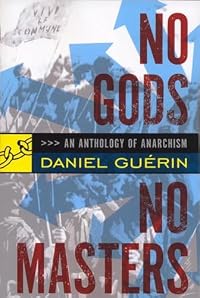
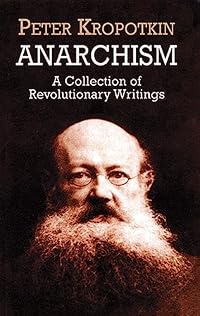


Member Reviews
Not a book I'd recommend as an introduction to anarchism or something like that but still a fascinating and fiery text. Most notable on the "very bad" side is that women are referred to approximately twice, where they're called as different to men as men are to goats and it's said they should probably be "excluded from society"! Christ. This is symptomatic of a wider problem, where he doesn't really seem to consider the full implications of what he says past the abstract - for example he seems to still believe in nations and the structure of French society post-revolution, although he's not really explicit. In addition, his reasoning is based to a very large extent on the ideas of external non-human "justice", "liberty" and "reason," show more which is hard to accept now, especially as he says a lot of things are "just" or whatever with no reasoning, which makes his uncritical acceptance of his own society's ideals even more obvious and awkward.
Despite this, I still enjoyed it and found his arguments interesting. His demolition of the concept of property based on the arguments used in defence of it at the time is incredibly effective and not really diminished by changing defences since. His style is passionate and, even though antiquated, inspiring. His vision of society isn't really detailed and is pretty utopian but still good reading. As a historical document, his adherence to the ideals of and regular references to the French Revolution as well as his clear rooting in that tradition is interesting.
overall pretty decent but very varied and what you get out of it depends on what you're expecting show less
Despite this, I still enjoyed it and found his arguments interesting. His demolition of the concept of property based on the arguments used in defence of it at the time is incredibly effective and not really diminished by changing defences since. His style is passionate and, even though antiquated, inspiring. His vision of society isn't really detailed and is pretty utopian but still good reading. As a historical document, his adherence to the ideals of and regular references to the French Revolution as well as his clear rooting in that tradition is interesting.
overall pretty decent but very varied and what you get out of it depends on what you're expecting show less
What is Property is a difficult book to rate. From a production standpoint this may well be the best non-fiction audiobook I've listened to. Certainly the best with footnotes. I don't know how to describe it, but it wasn't annoying. James Gilles was amazing.
As far as the work itself it was a mixed bag. P-J.P. I felt made many good points. I personally was surprised by how much a self-described anarchist quoted scripture and Church history in his argument that property is an artificial establishment of the State used to control the working class.
However he seemed to have a few complete misses in his arguments. He acted as though property is like matter, not being able to be created or destroyed. While we know the attagem"buy land they show more aren't making any more of it," even private property is more than land. He also acts as though all value is a a zero-sum game, completely ignoring the subjective value of goods and services that results from not everyone thinking the same things are important to them. I don't think these points necessarily disprove his theory but their absence is apparent. Maybe they weren't known in the mid-19th century?
Prodouhn is also pretty full of himself acting as though his thought experiments are truly scientific and anyone who disagree is an idiot. This issue gets worse in the second memoir were he tries to conteract his ditractors. On top of that he starts in the second going on about how the monarch needs to be the leader of the French radical Party against the bourgeoisie. I always thought anarcho-monarchisn was a joke, I'm still not convinced it's not.
I had hoped he'd get more into the history of WHY the idea that mixing one's labor with land, or occupying land, had come to be how property was determined, but not much there, lots of went that idea is bull, whith which I agree. show less
As far as the work itself it was a mixed bag. P-J.P. I felt made many good points. I personally was surprised by how much a self-described anarchist quoted scripture and Church history in his argument that property is an artificial establishment of the State used to control the working class.
However he seemed to have a few complete misses in his arguments. He acted as though property is like matter, not being able to be created or destroyed. While we know the attagem"buy land they show more aren't making any more of it," even private property is more than land. He also acts as though all value is a a zero-sum game, completely ignoring the subjective value of goods and services that results from not everyone thinking the same things are important to them. I don't think these points necessarily disprove his theory but their absence is apparent. Maybe they weren't known in the mid-19th century?
Prodouhn is also pretty full of himself acting as though his thought experiments are truly scientific and anyone who disagree is an idiot. This issue gets worse in the second memoir were he tries to conteract his ditractors. On top of that he starts in the second going on about how the monarch needs to be the leader of the French radical Party against the bourgeoisie. I always thought anarcho-monarchisn was a joke, I'm still not convinced it's not.
I had hoped he'd get more into the history of WHY the idea that mixing one's labor with land, or occupying land, had come to be how property was determined, but not much there, lots of went that idea is bull, whith which I agree. show less
The title is perhaps one of the most famous rhetorical questions ever, and should be placed historically in the same range as "Quo usque tandem, Catilina" etc. Proudhon sets himself the task of analyzing the foundations of modern society, and inevitably is drawn towards a critique of the modern political economy, as was popular in the 19th century.
Just like Locke, he then "reverse engineers" the economic relations to find their basis in private property, but quite unlike Locke he brilliantly argues why this is in fact an evil thing and not a force for good, as Locke thought. Working from the hypothetical "state of nature", he shows how possession during use is a natural phenomenon, but a permanent property claim over something that was show more once part of nature is a later invention, and has since caused all strife and misery that competition over scarce goods is wont to do.
As a critique of modern society, this work deserves reading by everyone, regardless of whether you approve of current economic structures or not. The only downside to the book is Proudhon's rather messy attempt to offer an additional immanent critique of capitalism, which only leads the reader to conclude economic ignorance. That is a pity, for the question itself is not only worth asking, but of the various historical answers given this is one of the best argued and most radical.
Notable is Proudhon's influence on Marx and their subsequent falling out over Proudhon's idealism, as seen in his later work "The Philosophy of Poverty" and Marx's reply "The Poverty of Philosophy". show less
Just like Locke, he then "reverse engineers" the economic relations to find their basis in private property, but quite unlike Locke he brilliantly argues why this is in fact an evil thing and not a force for good, as Locke thought. Working from the hypothetical "state of nature", he shows how possession during use is a natural phenomenon, but a permanent property claim over something that was show more once part of nature is a later invention, and has since caused all strife and misery that competition over scarce goods is wont to do.
As a critique of modern society, this work deserves reading by everyone, regardless of whether you approve of current economic structures or not. The only downside to the book is Proudhon's rather messy attempt to offer an additional immanent critique of capitalism, which only leads the reader to conclude economic ignorance. That is a pity, for the question itself is not only worth asking, but of the various historical answers given this is one of the best argued and most radical.
Notable is Proudhon's influence on Marx and their subsequent falling out over Proudhon's idealism, as seen in his later work "The Philosophy of Poverty" and Marx's reply "The Poverty of Philosophy". show less
This is an important but difficult book. It is important in that it impacted Karl Marx and much of the modern socialist thinking. It is difficult in several ways, only a few of which could be difficulties introduced by this translation. It could have been classified as political science, philosophy, or natural law due to the scattered implications of what Proudhon writes. This scattering of thoughts is really a series of thoughts to justify his conclusion, that private property is theft and must be forbidden. This version (the 1874 Tucker translation) includes a biography of Proudhon by his sister.
In aggregate, the book is a strong argument for socialist or communist governance and for views of property that are almost exactly the show more opposite of Adam Smith. A careful review of its content does provide details of the development and background of certain arguments about property which may help to understand (pro or con) the socialist position. show less
In aggregate, the book is a strong argument for socialist or communist governance and for views of property that are almost exactly the show more opposite of Adam Smith. A careful review of its content does provide details of the development and background of certain arguments about property which may help to understand (pro or con) the socialist position. show less
The book has a biographical essay by J. A. Langlois, "P. J. Proudhon, His Life and Work."
Publicado en 1840, ¿Qué es la propiedad? de Pierre-Joseph Proudhon es un ensayo fundamental del pensamiento anarquista. En él, el autor formula su célebre afirmación “la propiedad es un robo”, cuestionando la legitimidad de la propiedad privada como institución social. Proudhon distingue entre posesión —el uso directo de los bienes— y propiedad —la apropiación exclusiva—, argumentando que esta última genera desigualdad y tiranía. La obra se convirtió en un texto clave para los debates sobre justicia, economía y organización política en la Europa moderna.
Jan 6, 2026Spanish
Capítulo I
Método seguido en esta obra. Esbozo de una revolución
[...]
«Esta hipótesis de la perversión de la idea de justicia en nuestro entendimiento y, por consecuencia, necesaria en nuestros actos, será un hecho evidente si las opiniones de los hombres, relativas al concepto de justicia y a sus aplicaciones, no han sido constantes, si en diversas épocas han sufrido modificaciones; en una palabra, si ha habido progresos en las ideas. Y a este propósito he aquí lo que la historia enseña con irrecusables testimonios.
Hace diez y ocho siglos, el mundo, bajo el imperio de los Césares, se consumía en la esclavitud, en la superstición y en la voluptuosidad. El pueblo, embriagado por continuas bacanales, había perdido hasta la show more noción del derecho y del deber; la guerra y la orgía le diezmaban sin interrupción; la usura y el trabajo de las máquinas, es decir, de los esclavos, arrebatándoles los medios de subsistencia, le impedían reproducirse. La barbarie renacía de esta inmensa corrupción, extendiéndose como lepra devoradora por las provincias despobladas. Los sabios predecían el fin del imperio, pero ignoraban los medios de evitarlo. ¿Qué podían pensar para esto? En aquella sociedad envejecida era necesario suprimir lo que era objeto de la estimación y de la veneración públicas, abolir los derechos consagrados por una justicia diez veces secular. Se decía: "Roma ha vencido por su política y por sus dioses; toda reforma, pues, en el culto y en la opinión pública, sería una locura y un sacrilegio. Romá, clemente para las naciones vencidas, al regalarles las cadenas, les hace gracia de la vida; los esclavos son la fuente más fecunda de sus riquezas; la manumisión de los pueblos sería la negación de sus derechos y la ruina de sus haciendas. Roma, en fin, entregada a los placeres y satisfecha hasta la hartura con los despojos del Universo, usa de la victoria y de la autoridad, su lujo y sus concupiscencias son el precio de sus conquistas: no puede abdicar ni desposeerse de ellas." Así comprendía Roma en su beneficio el hecho y el derecho. Sus pretensiones estaban justificadas por la costumbre y por el derecho de gentes. La idolatría en la religión, la esclavitud en el Estado, el materialismo en la vida privada, eran el fundamento de sus instituciones. Alterar esas bases equivalía a corunover la sociedad en sus propios cimientos, y según expresión moderna, a abrir el abismo de las revoluciones. Nadie concebía tal idea, y entretanto la humanidad se consumía en la guerra y en la lujuria.»
Capítulo II
De la propiedad considerada como derecho natural. De la ocupación y de la ley civil como causa de la eficiente del derecho de propiedad
[...]
«... Estado que primero fue despotismo, luego monarquía, después aristocracia, hoy democracia y siempre tiranía»
Capítulo III
Del trabajo como causa eficiente del derecho de propiedad
III.3. La propiedad no puede adquirirse por prescripción
[...]
«... Reclamo, pues, que se me permita vivir trabajando porque si no moriré combatiendo.»
[...]
III.4 Del trabajo: el trabajo no tiene por si mismo ninguna facultad de apropiación sobre las cosas de la naturaleza
[...]
«... Está pues, resuelto el primer punto: la propiedad del producto, aun cuando sea concedida, no supone la propiedad del medio; no creo que esto necesite demostración más amplia. Hay completa identidad entre el soldado poseedor de sus armas, el albañil poseedor de los materiales que se le confían, el pescador poseedor de las aguas, el cazador poseedor de las campos y los montes y el cultivador poseedor de la tierra. Todos ellos son, si se quiere, propietarios de los productos, pero ninguno es propietario de sus instrumentos. El derecho al producto es individual, exclusivo; el derecho al instrumento, al medio, es común.» show less
Método seguido en esta obra. Esbozo de una revolución
[...]
«Esta hipótesis de la perversión de la idea de justicia en nuestro entendimiento y, por consecuencia, necesaria en nuestros actos, será un hecho evidente si las opiniones de los hombres, relativas al concepto de justicia y a sus aplicaciones, no han sido constantes, si en diversas épocas han sufrido modificaciones; en una palabra, si ha habido progresos en las ideas. Y a este propósito he aquí lo que la historia enseña con irrecusables testimonios.
Hace diez y ocho siglos, el mundo, bajo el imperio de los Césares, se consumía en la esclavitud, en la superstición y en la voluptuosidad. El pueblo, embriagado por continuas bacanales, había perdido hasta la show more noción del derecho y del deber; la guerra y la orgía le diezmaban sin interrupción; la usura y el trabajo de las máquinas, es decir, de los esclavos, arrebatándoles los medios de subsistencia, le impedían reproducirse. La barbarie renacía de esta inmensa corrupción, extendiéndose como lepra devoradora por las provincias despobladas. Los sabios predecían el fin del imperio, pero ignoraban los medios de evitarlo. ¿Qué podían pensar para esto? En aquella sociedad envejecida era necesario suprimir lo que era objeto de la estimación y de la veneración públicas, abolir los derechos consagrados por una justicia diez veces secular. Se decía: "Roma ha vencido por su política y por sus dioses; toda reforma, pues, en el culto y en la opinión pública, sería una locura y un sacrilegio. Romá, clemente para las naciones vencidas, al regalarles las cadenas, les hace gracia de la vida; los esclavos son la fuente más fecunda de sus riquezas; la manumisión de los pueblos sería la negación de sus derechos y la ruina de sus haciendas. Roma, en fin, entregada a los placeres y satisfecha hasta la hartura con los despojos del Universo, usa de la victoria y de la autoridad, su lujo y sus concupiscencias son el precio de sus conquistas: no puede abdicar ni desposeerse de ellas." Así comprendía Roma en su beneficio el hecho y el derecho. Sus pretensiones estaban justificadas por la costumbre y por el derecho de gentes. La idolatría en la religión, la esclavitud en el Estado, el materialismo en la vida privada, eran el fundamento de sus instituciones. Alterar esas bases equivalía a corunover la sociedad en sus propios cimientos, y según expresión moderna, a abrir el abismo de las revoluciones. Nadie concebía tal idea, y entretanto la humanidad se consumía en la guerra y en la lujuria.»
Capítulo II
De la propiedad considerada como derecho natural. De la ocupación y de la ley civil como causa de la eficiente del derecho de propiedad
[...]
«... Estado que primero fue despotismo, luego monarquía, después aristocracia, hoy democracia y siempre tiranía»
Capítulo III
Del trabajo como causa eficiente del derecho de propiedad
III.3. La propiedad no puede adquirirse por prescripción
[...]
«... Reclamo, pues, que se me permita vivir trabajando porque si no moriré combatiendo.»
[...]
III.4 Del trabajo: el trabajo no tiene por si mismo ninguna facultad de apropiación sobre las cosas de la naturaleza
[...]
«... Está pues, resuelto el primer punto: la propiedad del producto, aun cuando sea concedida, no supone la propiedad del medio; no creo que esto necesite demostración más amplia. Hay completa identidad entre el soldado poseedor de sus armas, el albañil poseedor de los materiales que se le confían, el pescador poseedor de las aguas, el cazador poseedor de las campos y los montes y el cultivador poseedor de la tierra. Todos ellos son, si se quiere, propietarios de los productos, pero ninguno es propietario de sus instrumentos. El derecho al producto es individual, exclusivo; el derecho al instrumento, al medio, es común.» show less
Nov 24, 2016 (Edited)Spanish
Members
- Recently Added By
Lists

Política - Clásicos
164 works; 2 members
Author Information

85+ Works 1,182 Members
Some Editions
Series
Belongs to Publisher Series
Work Relationships
Is contained in
Common Knowledge
- Original title
- Qu'est-ce que la propriété ?
- Original publication date
- 1840
- Quotations*
- La propriété, c'est le vol !
*Some information comes from Common Knowledge in other languages. Click "Edit" for more information.
Classifications
- Genres
- Philosophy, Nonfiction, General Nonfiction, Economics, Politics and Government, History
- DDC/MDS
- 330.1 — Society, government, & culture Economics Jobs & Careers Theory
- LCC
- HB701 .P78 — Social sciences Economic theory. Demography Economic theory. Demography Income. Factor shares Entrepreneurship. Risk and uncertainty.
- BISAC
Statistics
- Members
- 569
- Popularity
- 51,669
- Reviews
- 9
- Rating
- (3.93)
- Languages
- 9 — Dutch, English, French, German, Greek, Italian, Portuguese, Spanish, Turkish
- Media
- Paper, Audiobook, Ebook
- ISBNs
- 73
- UPCs
- 1
- ASINs
- 17