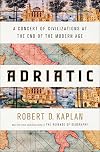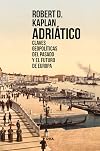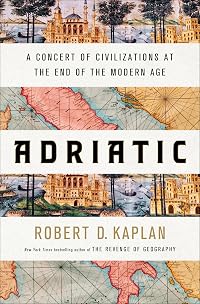
Adriatic: A Concert of Civilizations at the End of the Modern Age
by Robert D. Kaplan
On This Page
Description
"In this insightful travelogue, geopolitical expert Robert Kaplan turns his perceptive eye to the Adriatic Sea, a region that has always been a crossroads in trade, culture, and ideas. Kaplan undertakes a journey through Italy and the Balkan countries lining the Adriatic to reveal much more to the region than news stories about resurgent populism or the refugee crisis let on. As he travels, the stark truth emerges that the age of populism is merely an epiphenomenon--a swan song for the age show more of nationalism itself--and that the future of Europe lies in a different direction entirely as he observes a breaking down of the distinctions between east and west, a return to alignments of an earlier era. Traveling the coastline from Italy to Slovenia and Croatia, to Montenegro to Albania and to Greece, he engages perceptive cultural criticism and an urgent study of Europe as a whole, seen through the lens of these countries. He finds clues to what the future may hold in history as he reflects on contemporary issues like the refugee crisis, the return of populist nationalism, battles over the control of fossil fuel resources, and how the Adriatic will once again be a global trading hub as it is set to be connected to China's Belt and Road initiative. With a cross-pollination of history, literature, art, architecture, and current events along with a map and photographs throughout, Kaplan demonstrates how Europe is distilled within the geography of the Adriatic, an often-overlooked region rich with answers and insights about the fate of the continent"-- show lessTags
Recommendations




























Member Recommendations
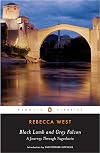
charlie68 Also a Travelogue through the same region although during a different time period.
Member Reviews
Robert Kaplan is the best selling author of Balkan Ghosts (1993), a book that Bill Clinton said shaped his perception of the war in Bosnia. In Adriatic, Kaplan returns to the Adriatic Sea, but this time covers countries on both the eastern and western shores. Traveling through Italy, Slovenia, Croatia, Montenegro, Albania, and Greece, he gives his impressions of what is happening there, and why it is still such an important region for the rest of the world. He covers the rise of populist politics, issues arising from migration, trading, and energy resources, observing how the region has changed over the three decades he has been reporting on it.
This is by no means an easy book to categorize—it is much more than a travelogue. Kaplan show more uses his location to ruminate on poetry (especially that of Ezra Pound), architecture, history, religion, and geopolitics. He also learns, and educates readers, through interviewing politicians, journalists, historians, and others as he travels.
Kaplan describes how the Adriatic over the last 1,000 years experienced a frequent shifting of the boundaries of three once powerful empires—Habsburg, Venetian, and Ottoman—and how that history still influences modern Europe. In particular, both Russia and China are making inroads in the region through significant investments in port facilities.
One criticism of Adriatic, voiced in a “New York Times” review by Thomas F. Madden in an otherwise very favorable article, is that Kaplan underestimates or gives short shrift to the role of the Venetian Empire in the history of the region. Maybe, but that can be remedied by reading William H. McNeill’s Venice: The Hinge of Europe, 1081-1797.
Evaluation: Adriatic is a highly readable and informative book on a fascinating part of the world.
(JAB) show less
This is by no means an easy book to categorize—it is much more than a travelogue. Kaplan show more uses his location to ruminate on poetry (especially that of Ezra Pound), architecture, history, religion, and geopolitics. He also learns, and educates readers, through interviewing politicians, journalists, historians, and others as he travels.
Kaplan describes how the Adriatic over the last 1,000 years experienced a frequent shifting of the boundaries of three once powerful empires—Habsburg, Venetian, and Ottoman—and how that history still influences modern Europe. In particular, both Russia and China are making inroads in the region through significant investments in port facilities.
One criticism of Adriatic, voiced in a “New York Times” review by Thomas F. Madden in an otherwise very favorable article, is that Kaplan underestimates or gives short shrift to the role of the Venetian Empire in the history of the region. Maybe, but that can be remedied by reading William H. McNeill’s Venice: The Hinge of Europe, 1081-1797.
Evaluation: Adriatic is a highly readable and informative book on a fascinating part of the world.
(JAB) show less
A rare 5. But Kaplan hits the mark again. His standard travelogue with history and foreign policy wrapped together. All focused on a trip around the Adriatic. This was also mixed with a bit of autobiography. A kid from the 50's and a lower middle class back ground setting out into the world to write about it and collecting books and meeting people along the way. Now that's a life. A couple paragraphs and sentences close to mine and dear to my heart. Hope there are many more.
Do you remember that Simpsons episode where Grampa Simpson tells a rambling story about nickels (called bees at the time) and onions on his belt? This book reminds me of that.
It might be great and have some amazing kernels of wisdom, but his style of rambling made me quit before I was halfway through.
It might be great and have some amazing kernels of wisdom, but his style of rambling made me quit before I was halfway through.
Just a warning be well-read before you read this book lots of references literary, Biblical etc. Worth the trip if you are.
It's been a very long time since I tried a Robert D. Kaplan book and I found that I was not happy with the style. Don't really know why but I put the book down pretty quickly.
Saglasje civilizacija krajem novog veka
„Elegantno i slojevito istraživanje evropske prošlosti i budućnosti.“
– Wall Street Journal
U ovom prodornom i dubokom istraživanju Robert D. Kaplan, vrhunski stručnjak za geopolitiku, govori o području oko kojeg su se vekovima susticale razne kulture, trgovački putevi i ideje. On se zaputio jadranskom obalom, kroz Italiju, Sloveniju, Hrvatsku, Crnu Goru, Albaniju i Grčku, pokazujući da je Jadran u središtu najvažnijih previranja našeg doba, ubrajajući i uspon populističke politike, izbegličku krizu i bitke za kontrolu nad izvorima energije. Dok se Kina i Rusija nadmeću oko prevlasti u njenim lukama, obala Jadrana ponovo postaje i trgovačko središte koje će odrediti odnose show more Evrope s ostatkom sveta.
Blistavo ukrštajući istoriju, književnost, umetnost, arhitekturu i tekuća zbivanja, Kaplan u Jadranu pokazuje da se ovo jedinstveno područje nalazi na presudnom raskršću civilizacija i čuva korenita, prosvetljujuća otkrića o budućnosti svetske politike.
„Čudesna mešavina istorije, književnosti, atmosfere i ličnih saznanja. Spoj velikih geopolitičkih tema i obilaska jadranskog priobalja koje budi mnoštvo utisaka.“
– Publishers Weekly
„Izvanredno istraživanje o izazovnim geografskim i intelektualnim jadranskim pejzažima.“
– New York Times
„Divno, duboko lično putovanje Jadranom, na kome se pisac vraća mestima i ljudima koje je upoznao pre više decenija i objašnjava suštinu jednog područja koje pruža ključeve za tumačenje prošlosti, sadašnjosti i budućnosti Evrope.“
– Piter Frankopan, pisac Puteva svile
„Delom putopis, delom geopolitička studija, ova nekonvencionalna knjiga ispituje kaleidoskopske istorije i kulture zemalja na obodima Jadranskog mora.“
– New Yorker show less
„Elegantno i slojevito istraživanje evropske prošlosti i budućnosti.“
– Wall Street Journal
U ovom prodornom i dubokom istraživanju Robert D. Kaplan, vrhunski stručnjak za geopolitiku, govori o području oko kojeg su se vekovima susticale razne kulture, trgovački putevi i ideje. On se zaputio jadranskom obalom, kroz Italiju, Sloveniju, Hrvatsku, Crnu Goru, Albaniju i Grčku, pokazujući da je Jadran u središtu najvažnijih previranja našeg doba, ubrajajući i uspon populističke politike, izbegličku krizu i bitke za kontrolu nad izvorima energije. Dok se Kina i Rusija nadmeću oko prevlasti u njenim lukama, obala Jadrana ponovo postaje i trgovačko središte koje će odrediti odnose show more Evrope s ostatkom sveta.
Blistavo ukrštajući istoriju, književnost, umetnost, arhitekturu i tekuća zbivanja, Kaplan u Jadranu pokazuje da se ovo jedinstveno područje nalazi na presudnom raskršću civilizacija i čuva korenita, prosvetljujuća otkrića o budućnosti svetske politike.
„Čudesna mešavina istorije, književnosti, atmosfere i ličnih saznanja. Spoj velikih geopolitičkih tema i obilaska jadranskog priobalja koje budi mnoštvo utisaka.“
– Publishers Weekly
„Izvanredno istraživanje o izazovnim geografskim i intelektualnim jadranskim pejzažima.“
– New York Times
„Divno, duboko lično putovanje Jadranom, na kome se pisac vraća mestima i ljudima koje je upoznao pre više decenija i objašnjava suštinu jednog područja koje pruža ključeve za tumačenje prošlosti, sadašnjosti i budućnosti Evrope.“
– Piter Frankopan, pisac Puteva svile
„Delom putopis, delom geopolitička studija, ova nekonvencionalna knjiga ispituje kaleidoskopske istorije i kulture zemalja na obodima Jadranskog mora.“
– New Yorker show less
Ik hield eraan om dit boek te lezen tijdens een week vakantie op cruise doorheen de Adriatische Zee langs Dubrovnik, Corfu, Kotor, Brindisi en Split. Voorheen had ik nog niets gelezen van Kaplan die ik enkel van naam kende. Ook vroeg ik mij af of geopolitiek wel een insteek zou zijn die mij met mijn voorliefde voor geschiedenis wel zou kunnen boeien. Wel, dat is allemaal erg goed gekomen. Kaplan hanteert een vlot leesbare schrijfstijl en maakt geregeld sprongen tussen verleden en heden om dan vooruit te kijken naar een mogelijke toekomst, maar ook tussen politiek, kunst en cultuur. Voor mij dus een erg aangename kennismaking met zijn werk.
Een bijkomend plezier langs de zijlijn van het lezen waren Kaplans quotes over boeken en lezen, show more zoals bijvoorbeeld "Want het zijn net zo goed de boeken die je hebt gelezen als de mensen die je hebt ontmoet, die je autobiografie vormen." (p. 13). Of deze: "Eigenlijk reis ik om te lezen. Voor mij is het één onmogelijk zonder het ander. Het gewicht van kleding in mijn bagage werkt belemmerend, dat van boeken bevrijdend." (p. 88)
Kaplan kan dit ook nog zeggen over zijn reizen: "Het gebied rond de Adriatische Zee vormt daardoor een klaagzang voor een categorie van verschillen die ik een groot deel van mijn leven heb geobserveerd. Het enige wat ik zeker weer is dat ik mijn zekerheid ben kwijtgeraakt. Zo fileer ik kennelijk mijzelf - gedurende een reis." (p. 16) En ook nog: "Ik reis om mijn ik-gevoel te herstellen, om alleen te zijn met mijn tegenstrijdigheden, om echt te voelen dat het geen echte tegenstrijdigheden zijn, althans niet voor mij." (p. 295)
Kaplan dicht de Adriatische Zee een centrale plaats toe in de breuklijn/botsing/toenadering/uitwisseling tussen West en Oost, tussen grote rijken aan weerszijden, tussen culturen en religies. Daarbij probeert hij voorzichtige blikken vooruit te werpen: "We zouden kunnen veronderstellen dat er de komende decennia en eeuwen nieuwe manieren worden bedacht voor de manier waarop mensen zich als gemeenschap definiëren, niet alleen hier maar ook elders. Want het populistische nationalisme dat we nu in het Westen zien, is misschien niet meer dan een zwanenzang voor de ultieme ondergang van naties zelf." (p. 235) "Het Adriatische gebied is een monument van een dergelijke complexiteit. Duizenden jaren lang heeft hier de metamorfose van grenzen, identiteiten en loyaliteiten plaatsgevonden, waarbij de fragmentatie en regressie van politieke gemeenschappen gevolgd werd door hun samenvoeging tot nieuwe en grotere eenheden. Politieke identiteiten en linguïstische tradities zijn hier gecombineerd en overlapten elkaar. Wie zal zeggen of de havensteden van Slovenië, Kroatië en Montenegro niet op een dag weer onafhankelijke stadstaten zullen zijn, ..." (p. 296) show less
Een bijkomend plezier langs de zijlijn van het lezen waren Kaplans quotes over boeken en lezen, show more zoals bijvoorbeeld "Want het zijn net zo goed de boeken die je hebt gelezen als de mensen die je hebt ontmoet, die je autobiografie vormen." (p. 13). Of deze: "Eigenlijk reis ik om te lezen. Voor mij is het één onmogelijk zonder het ander. Het gewicht van kleding in mijn bagage werkt belemmerend, dat van boeken bevrijdend." (p. 88)
Kaplan kan dit ook nog zeggen over zijn reizen: "Het gebied rond de Adriatische Zee vormt daardoor een klaagzang voor een categorie van verschillen die ik een groot deel van mijn leven heb geobserveerd. Het enige wat ik zeker weer is dat ik mijn zekerheid ben kwijtgeraakt. Zo fileer ik kennelijk mijzelf - gedurende een reis." (p. 16) En ook nog: "Ik reis om mijn ik-gevoel te herstellen, om alleen te zijn met mijn tegenstrijdigheden, om echt te voelen dat het geen echte tegenstrijdigheden zijn, althans niet voor mij." (p. 295)
Kaplan dicht de Adriatische Zee een centrale plaats toe in de breuklijn/botsing/toenadering/uitwisseling tussen West en Oost, tussen grote rijken aan weerszijden, tussen culturen en religies. Daarbij probeert hij voorzichtige blikken vooruit te werpen: "We zouden kunnen veronderstellen dat er de komende decennia en eeuwen nieuwe manieren worden bedacht voor de manier waarop mensen zich als gemeenschap definiëren, niet alleen hier maar ook elders. Want het populistische nationalisme dat we nu in het Westen zien, is misschien niet meer dan een zwanenzang voor de ultieme ondergang van naties zelf." (p. 235) "Het Adriatische gebied is een monument van een dergelijke complexiteit. Duizenden jaren lang heeft hier de metamorfose van grenzen, identiteiten en loyaliteiten plaatsgevonden, waarbij de fragmentatie en regressie van politieke gemeenschappen gevolgd werd door hun samenvoeging tot nieuwe en grotere eenheden. Politieke identiteiten en linguïstische tradities zijn hier gecombineerd en overlapten elkaar. Wie zal zeggen of de havensteden van Slovenië, Kroatië en Montenegro niet op een dag weer onafhankelijke stadstaten zullen zijn, ..." (p. 296) show less
Jun 7, 2026Dutch
Members
- Recently Added By
Lists

Unread books
1,063 works; 87 members
Author Information

36+ Works 10,046 Members
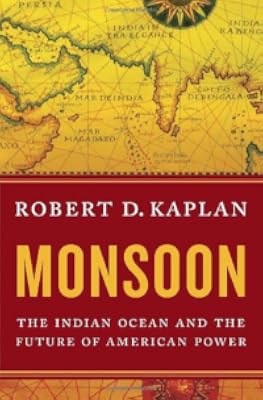
Journalist Robert D. Kaplan is a contributing editor The Atlantic Monthly. He has traveled extensively, and his journeys through Yugoslavia and America have produced, respectively, Balkan Ghosts (which was nominated for a Pulitzer Prize) and An Empire Wilderness. Kapan is also the author of Monsoon: The Indian Ocean and the Future of American show more Power (Random House, 2010) and The Revenge of Geography (Random House, 2012) Kaplan has lectured at the FBI, the National Security Agency, the Pentagon's Joint Staff, major universities, the CIA, and business forums. (Bowker Author Biography) show less
Common Knowledge
- Important places
- Adriatic Sea; Albania; Bosnia; Croatia; Slovenia; Montenegro (show all 9); Italy; Greece; Venice, Veneto, Italy
- Original language
- English
Classifications
- Genres
- Travel, History, Nonfiction, General Nonfiction
- DDC/MDS
- 909.098224 — History & geography History World history Other Geographic Classifications Other Classifications Ocean And Sea Basins Mediterranean
- LCC
- D971 .K37 — History of Europe, Asia, Africa and Oceania History (General) Europe (General) Description and travel
- BISAC
Statistics
- Members
- 213
- Popularity
- 152,984
- Reviews
- 7
- Rating
- (3.65)
- Languages
- 5 — Dutch, English, Italian, Serbian, Spanish
- Media
- Paper, Ebook
- ISBNs
- 11
- ASINs
- 3