On This Page
Description
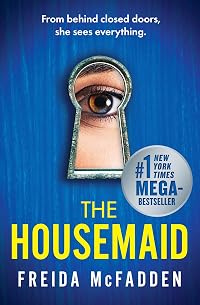
Every day I clean the Winchesters' beautiful house top to bottom. I collect their daughter from school. And I cook a delicious meal for the whole family before heading up to eat alone in my tiny room on the top floor. I try to ignore how Nina makes a mess just to watch me clean it up. How she tells strange lies about her own daughter. And how her husband Andrew seems more broken every day. But as I look into Andrew's handsome brown eyes, so full of pain, it's hard not to imagine what it show more would be like to live Nina's life. I only try on one of Nina's pristine white dresses once. Just to see what it's like. But soon she finds out - and by the time I realize my attic bedroom door only locks from the outside, it's far too late. But I reassure myself that the Winchesters don't know who I really am. And they don't know what I'm capable of. show lessTags
Recommendations
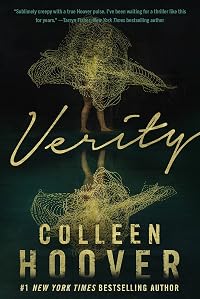
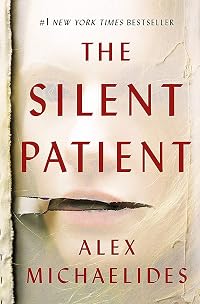
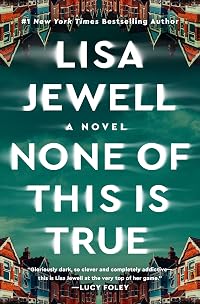
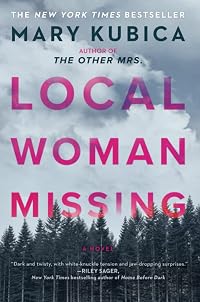

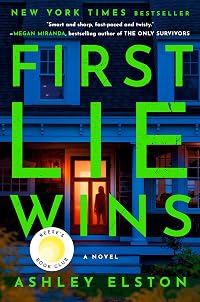
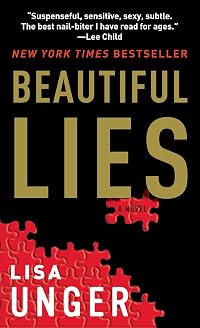
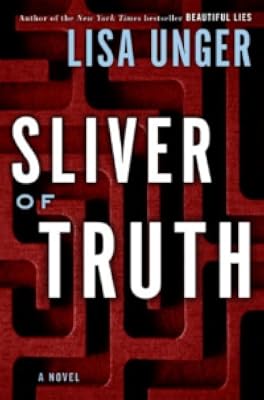
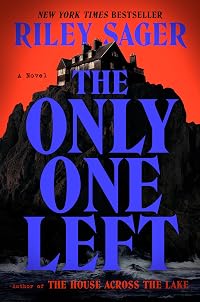




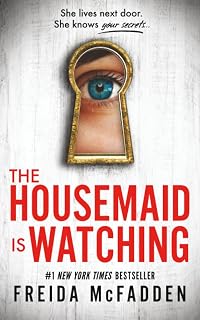
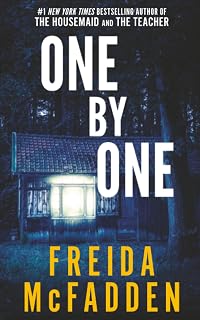
Member Recommendations
Member Reviews
Once every couple of months, my aunt recommends a book to me that I know I won’t like, and I say, “Oh, yeah, that sounds good. I’ll look into that,” and then I do no such thing. She has finally cottoned on to my deception, and this time she came prepared to our family Mother’s Day dinner with two books: The Housemaid and its sequel. I took them and blithely hoped that she would forget that she had given them to me, and then at my great-uncle’s grave on Memorial Day, she said, “So, have you started on those books yet?” and handed me the third one. I won’t say that this was the grimmest experience I’ve had in a cemetery, but boy howdy it comes close.
Having been neatly backed into a corner by the bonds of materteral show more duty, I read The Housemaid. And just like I predicted, I did not enjoy it. Chalk one up for self-knowledge. What did catch me off guard was just how bad it was. This book is truly one of the worst-written pieces of prose which I have had the misfortune to read since I was in critique circles in school. It has a flimsy plot, nonsensical characterization, hackneyed and juvenile narration, repetitive plot points, misogynistic overtones, and several sentence-level issues that it’s astonishing a copy editor didn’t catch. The fact that it has a 4.27 star rating and a movie adaptation is baffling in the extreme: its success alters one’s conception of mankind as nature’s last word.
First of all, I am of the opinion that this novel completely fails as a thriller. In order for a thriller to be thrilling, it has to take itself at least somewhat seriously. Nothing is going to be interesting or scary if you insist on lampshading every single thing that happens. It’s like the author is embarrassed to be writing in the genre, and so she feels the need to telegraph to the audience that she’s above it all, and she knows that this is a classic horror setup in many ways. It may be obvious to the reader that this is a situation made entirely of red flags, but it can’t be obvious to the main character, or any tension or suspension of disbelief goes down the tubes immediately.
I could not keep track of the number of times that Millie, the protagonist and narrator, thinks about how the little girl she’s supposed to take care of is like cliche out of a horror movie, or says something like “If somehow I got locked in this room that locks from the outside, no one would be able to hear me scream, but what are the chances of that???” Please. There’s foreshadowing, and then there’s putting your audience in a headlock and shouting in their ear that something bad might happen.
Then there’s the narrator herself. Millie is a ridiculous, annoying, internally inconsistent character whom I hate beyond all reckoning. She spends an unnecessary chunk of her first-person narration reminding us that she really really needs this job, that she has absolutely no other recourse, and that she needs to maintain a good relationship with her boss, Nina, so that Nina doesn’t do a background check. This is the one thing the audience is absolutely guaranteed to know about Millie from the word go, and we’re reminded again and again throughout the book that keeping this job is the most important thing in the world to her.
Within the first few pages, we are also told multiple times that Millie is not listening to anything that Nina says. There’s one point where she’s so lost in thought about her grimdark past that she completely misses what Nina is saying, and then when Nina concludes with “Don’t you think so, Millie?” Millie just acquiesces without asking for clarification. And I’m supposed to believe that she is desperate for this job? Have you ever, in your life, been in a job interview where you thought to yourself. “Oh, I probably don’t have to listen to this bit”? What if you were living in your car and it was an interview for a job that came with room and board and paid you some unspecified but apparently exorbitant amount of money? Would you not pay at least a modicum of attention?
This also clashes pretty terribly with the inciting “something is wrong with Nina” moment, when we are first introduced to the fact that Nina is apparently unstable. Nina’s daughter, Cecelia, asks for a snack, and Millie makes her something with peanut butter on it. Cecelia freaks out because she’s allergic to peanuts, and Nina comes in and insists that she told Millie that Cecelia was allergic, and that she needs to be more careful in the future. This incident is supposed to demonstrate that Nina is unstable, because she told Millie no such thing. It doesn’t work, though, because anyone who is paying even the slightest amount of attention will remember not twenty pages ago when Millie told us that she wasn’t listening to most of what Nina said on her first day in the house. Having this scene where we’re supposed to go “Wow, Nina reacted so bizarrely to something she never warned Millie about” is ineffective, because it’s entirely possible based on what the author has told us that Nina said, “Cecelia is allergic to peanuts so please be careful,” and Millie went “uh huh uh huh for sure” and then immediately tried to kill her daughter with peanut butter.
Millie is also surprised by Nina’s behavior at every turn, to the point that you start to wonder if she doesn’t have a long-term memory. The basic structure of the first half of the book is this: Millie does her job, Nina finds something absurd that she has done “wrong” and berates her for it, Millie is shocked by this behavior, and then she flirts with Nina’s husband, Andrew. Rinse and repeat for what feels like years. And yet, every single time, Millie is flabbergasted that Nina has mistreated her. She is so shocked when Nina is awful to her in front of the PTA ladies that she stands there with her mouth hanging open, like a cartoon character demonstrating what surprise looks like. By that point in the book, Nina had wrecked the entire kitchen because Millie supposedly threw away her notes, gaslit her about whether she was supposed to pick up Cecelia from school, left a used tampon in the middle of the floor for her to clean up, and more besides. Millie has been dealing with this behavior for months. The idea that she is still blindsided by it is laughable.
Compounding this problem, Millie is forgiving of Nina’s behavior to the point of farce. This is clearly just because she needs to stay in Nina’s employ for the sake of the story, as she doesn’t treat a single other character in the book with anything approaching the same grace she bestows upon her abusive boss. At one point, she instantly labels two women she meets outside the school as “harpies” (yay misogyny!) because they dared to ask about her job, but Nina can trash the entire kitchen and insult Millie to her face, and Millie thinks about how bad she feels for Nina and what a terrible place she must be in mentally to act like that.
I get that she wants to keep her job so she has to play nice, but she doesn’t just act like she’s constantly giving Nina unearned patience: we have access to her internal thought process, and she hardly even thinks anything particularly hateful about her tormentor. At the end of the book, we find out that Millie is fully capable of visiting incredible unpremeditated violence upon people who have done her wrong, and yet I’m supposed to believe that she would barely have an unkind thought about the woman who is gaslighting and torturing her for seemingly no reason. For months. Sure.
My next gripe is that the plot is just stupid. I am generally pretty forgiving of a wacky plot (one of my favorite films is Vertigo, which is Wacky Plot: the Movie), but compounded with everything else that was so sloppy about this book, it feels clear to me that the author simply did not care about any of the implications. Nina’s plan relies entirely on her insanely controlling husband not only tolerating having a live-in maid (for reasons I’m still not clear on), but then also becoming obsessed with said maid and letting Nina off scot-free. This plan fails if Andrew, who has been demonstrated ad absurdum to be unpredictable, is actually unpredictable; if Millie behaves like someone who wants to keep her job or has any sense of self-preservation; if Millie is gay, in a relationship, or just not attracted to Andrew; or if the woman who Nina hired specifically because she’s capable of murder decides to murder Nina for making her life pure hell. Not to mention the many risks that this plan poses to her daughter, whose safety Nina supposedly cares about more than anything.
Also, many of the Nina chapters were just reiterating things I’d already read but from Nina’s point of view, with little or no new information. Plus, they were written in this weird, wry “Nina’s Easy Guide to Getting Away From Your Crazy Husband” way that doesn’t make sense for a character as bland, idiotic, and paper thin as Nina. I get it, Freida McFadden. You read Gone Girl. I did too. What now.
I’ve covered why I hate the characters and how little anything makes sense in this book. Now I get to talk about the writing itself. It’s not very good. Are you surprised? Clap if you’re surprised. This author has absolutely no faith in her audience to keep track of anything. She constantly re-explains things to us that we just read about. For instance, when Millie calls Nina by her first name in front of the PTA people, and Nina reprimands her for not calling her Mrs. Winchester, the narration says “On the very first day I met her, she instructed me to call her Nina. I’ve been calling her that the entire time I’ve been working here, and she’s never said a word about it. Now she’s acting like I’m taking liberties.” I know. I was there. It just happened right in front of me two seconds ago. Why are you reiterating the plot of the book to me?
Another example because it annoyed me so badly: after Millie goes to the show with Andrew and then sleeps with him, she is relieved to find out that Nina apparently doesn’t know what happened. The narration then runs thusly: “She doesn’t know what happened. She doesn’t know we drove into the city together, saw the show she was meant to see with him, and then spent the night together at The Plaza.” Why, for the love of god, am I having what just happened explained to me? I know that they drove into the city together. I know that they went to the show together. I know that they spent the night together at La Plaza. Do you know how I know that? Because you just told me about it. The events she is summarizing took place a scant eight pages before she feels the need to remind us what exactly went on. This might be the first book written by goldfish, for goldfish.
The author also overuses what I am going to describe as the literary equivalent of a Gilligan cut. It’s when a writer says “This thing definitely won’t happen,” and then that thing happens. It can be used well, for purposes of dramatic irony and/or comedy, but it happens so many times in this book that I’m concerned the author simply doesn’t know any other way to progress the story. “Nothing bad will happen in this creepy room” (many bad things happen in that room), “I won’t sleep with my boss” (she immediately sleeps with her boss), “Nina will never find out” (Nina immediately finds out), “I’m never going to see Nina again” (she sees Nina again). It’s like Millie is doing some kind of bizarre vaudeville act with no straight man, only I’m not allowed to throw tomatoes at her.
Finally (I swear this is the last thing I’m going to complain about), this book really could’ve used a second editing pass. There are so many instances where sentences and paragraphs feel really clunky because she’s repeating the same words and phrases in two adjacent sentences. Is this nitpicky? Maybe. But it’s the kind of nitpick that an editor is supposed to notice. Here’s a small selection:
- “The time is 3:46 in the morning. Not quite time to get up for the day.”
- “I’m huffing and puffing as I sprint to the entrance. And naturally, there are five separate entrances.”
- “I’m busy vacuuming the living room when the shadow goes by the window. I wander over to the window, and sure enough…”
- “Luckily, it’s too warm for a coat, or else she would have had to find a fourth place to abandon her coat.”
- “The only positive is that I didn’t use any mayonnaise, so at least I don’t have to clean up mayonnaise.”
And finally, my favorite: “It’s just the water glass Andrew left behind. My cheeks burn with humiliation as I walk over to the coffee table and snatch up the glass. The bedroom door shuts upstairs, and I look down at the glass in my hand.” The glass. The glass for Andrew. The glass chosen specially for Andrew. Andrew’s glass.
What I’m saying is that this is not a good book. Because I have some kind of masochistic streak, I will sometimes read other people’s reviews of books I feel strongly about, and I made that mistake with this one. One sentiment I’ve seen repeated many times throughout the positive reviews of this book is along the lines of “Turn off your brain and you’ll enjoy it,” or “Just don’t think about it too hard and you’ll have a good time.” Forgive me if I overstep, but exactly which organ of your body are you using to read books if not your brain? How can anyone possibly say “it’s actually really good if you don’t think about it for one solitary second” and expect to be taken seriously? What is the point of reading novels if you’re not going to care about the writing, the plot, or the characters? What else is there? I’m seriously asking. Someone tell me. show less
Having been neatly backed into a corner by the bonds of materteral show more duty, I read The Housemaid. And just like I predicted, I did not enjoy it. Chalk one up for self-knowledge. What did catch me off guard was just how bad it was. This book is truly one of the worst-written pieces of prose which I have had the misfortune to read since I was in critique circles in school. It has a flimsy plot, nonsensical characterization, hackneyed and juvenile narration, repetitive plot points, misogynistic overtones, and several sentence-level issues that it’s astonishing a copy editor didn’t catch. The fact that it has a 4.27 star rating and a movie adaptation is baffling in the extreme: its success alters one’s conception of mankind as nature’s last word.
First of all, I am of the opinion that this novel completely fails as a thriller. In order for a thriller to be thrilling, it has to take itself at least somewhat seriously. Nothing is going to be interesting or scary if you insist on lampshading every single thing that happens. It’s like the author is embarrassed to be writing in the genre, and so she feels the need to telegraph to the audience that she’s above it all, and she knows that this is a classic horror setup in many ways. It may be obvious to the reader that this is a situation made entirely of red flags, but it can’t be obvious to the main character, or any tension or suspension of disbelief goes down the tubes immediately.
I could not keep track of the number of times that Millie, the protagonist and narrator, thinks about how the little girl she’s supposed to take care of is like cliche out of a horror movie, or says something like “If somehow I got locked in this room that locks from the outside, no one would be able to hear me scream, but what are the chances of that???” Please. There’s foreshadowing, and then there’s putting your audience in a headlock and shouting in their ear that something bad might happen.
Then there’s the narrator herself. Millie is a ridiculous, annoying, internally inconsistent character whom I hate beyond all reckoning. She spends an unnecessary chunk of her first-person narration reminding us that she really really needs this job, that she has absolutely no other recourse, and that she needs to maintain a good relationship with her boss, Nina, so that Nina doesn’t do a background check. This is the one thing the audience is absolutely guaranteed to know about Millie from the word go, and we’re reminded again and again throughout the book that keeping this job is the most important thing in the world to her.
Within the first few pages, we are also told multiple times that Millie is not listening to anything that Nina says. There’s one point where she’s so lost in thought about her grimdark past that she completely misses what Nina is saying, and then when Nina concludes with “Don’t you think so, Millie?” Millie just acquiesces without asking for clarification. And I’m supposed to believe that she is desperate for this job? Have you ever, in your life, been in a job interview where you thought to yourself. “Oh, I probably don’t have to listen to this bit”? What if you were living in your car and it was an interview for a job that came with room and board and paid you some unspecified but apparently exorbitant amount of money? Would you not pay at least a modicum of attention?
This also clashes pretty terribly with the inciting “something is wrong with Nina” moment, when we are first introduced to the fact that Nina is apparently unstable. Nina’s daughter, Cecelia, asks for a snack, and Millie makes her something with peanut butter on it. Cecelia freaks out because she’s allergic to peanuts, and Nina comes in and insists that she told Millie that Cecelia was allergic, and that she needs to be more careful in the future. This incident is supposed to demonstrate that Nina is unstable, because she told Millie no such thing. It doesn’t work, though, because anyone who is paying even the slightest amount of attention will remember not twenty pages ago when Millie told us that she wasn’t listening to most of what Nina said on her first day in the house. Having this scene where we’re supposed to go “Wow, Nina reacted so bizarrely to something she never warned Millie about” is ineffective, because it’s entirely possible based on what the author has told us that Nina said, “Cecelia is allergic to peanuts so please be careful,” and Millie went “uh huh uh huh for sure” and then immediately tried to kill her daughter with peanut butter.
Millie is also surprised by Nina’s behavior at every turn, to the point that you start to wonder if she doesn’t have a long-term memory. The basic structure of the first half of the book is this: Millie does her job, Nina finds something absurd that she has done “wrong” and berates her for it, Millie is shocked by this behavior, and then she flirts with Nina’s husband, Andrew. Rinse and repeat for what feels like years. And yet, every single time, Millie is flabbergasted that Nina has mistreated her. She is so shocked when Nina is awful to her in front of the PTA ladies that she stands there with her mouth hanging open, like a cartoon character demonstrating what surprise looks like. By that point in the book, Nina had wrecked the entire kitchen because Millie supposedly threw away her notes, gaslit her about whether she was supposed to pick up Cecelia from school, left a used tampon in the middle of the floor for her to clean up, and more besides. Millie has been dealing with this behavior for months. The idea that she is still blindsided by it is laughable.
Compounding this problem, Millie is forgiving of Nina’s behavior to the point of farce. This is clearly just because she needs to stay in Nina’s employ for the sake of the story, as she doesn’t treat a single other character in the book with anything approaching the same grace she bestows upon her abusive boss. At one point, she instantly labels two women she meets outside the school as “harpies” (yay misogyny!) because they dared to ask about her job, but Nina can trash the entire kitchen and insult Millie to her face, and Millie thinks about how bad she feels for Nina and what a terrible place she must be in mentally to act like that.
I get that she wants to keep her job so she has to play nice, but she doesn’t just act like she’s constantly giving Nina unearned patience: we have access to her internal thought process, and she hardly even thinks anything particularly hateful about her tormentor. At the end of the book, we find out that Millie is fully capable of visiting incredible unpremeditated violence upon people who have done her wrong, and yet I’m supposed to believe that she would barely have an unkind thought about the woman who is gaslighting and torturing her for seemingly no reason. For months. Sure.
My next gripe is that the plot is just stupid. I am generally pretty forgiving of a wacky plot (one of my favorite films is Vertigo, which is Wacky Plot: the Movie), but compounded with everything else that was so sloppy about this book, it feels clear to me that the author simply did not care about any of the implications. Nina’s plan relies entirely on her insanely controlling husband not only tolerating having a live-in maid (for reasons I’m still not clear on), but then also becoming obsessed with said maid and letting Nina off scot-free. This plan fails if Andrew, who has been demonstrated ad absurdum to be unpredictable, is actually unpredictable; if Millie behaves like someone who wants to keep her job or has any sense of self-preservation; if Millie is gay, in a relationship, or just not attracted to Andrew; or if the woman who Nina hired specifically because she’s capable of murder decides to murder Nina for making her life pure hell. Not to mention the many risks that this plan poses to her daughter, whose safety Nina supposedly cares about more than anything.
Also, many of the Nina chapters were just reiterating things I’d already read but from Nina’s point of view, with little or no new information. Plus, they were written in this weird, wry “Nina’s Easy Guide to Getting Away From Your Crazy Husband” way that doesn’t make sense for a character as bland, idiotic, and paper thin as Nina. I get it, Freida McFadden. You read Gone Girl. I did too. What now.
I’ve covered why I hate the characters and how little anything makes sense in this book. Now I get to talk about the writing itself. It’s not very good. Are you surprised? Clap if you’re surprised. This author has absolutely no faith in her audience to keep track of anything. She constantly re-explains things to us that we just read about. For instance, when Millie calls Nina by her first name in front of the PTA people, and Nina reprimands her for not calling her Mrs. Winchester, the narration says “On the very first day I met her, she instructed me to call her Nina. I’ve been calling her that the entire time I’ve been working here, and she’s never said a word about it. Now she’s acting like I’m taking liberties.” I know. I was there. It just happened right in front of me two seconds ago. Why are you reiterating the plot of the book to me?
Another example because it annoyed me so badly: after Millie goes to the show with Andrew and then sleeps with him, she is relieved to find out that Nina apparently doesn’t know what happened. The narration then runs thusly: “She doesn’t know what happened. She doesn’t know we drove into the city together, saw the show she was meant to see with him, and then spent the night together at The Plaza.” Why, for the love of god, am I having what just happened explained to me? I know that they drove into the city together. I know that they went to the show together. I know that they spent the night together at La Plaza. Do you know how I know that? Because you just told me about it. The events she is summarizing took place a scant eight pages before she feels the need to remind us what exactly went on. This might be the first book written by goldfish, for goldfish.
The author also overuses what I am going to describe as the literary equivalent of a Gilligan cut. It’s when a writer says “This thing definitely won’t happen,” and then that thing happens. It can be used well, for purposes of dramatic irony and/or comedy, but it happens so many times in this book that I’m concerned the author simply doesn’t know any other way to progress the story. “Nothing bad will happen in this creepy room” (many bad things happen in that room), “I won’t sleep with my boss” (she immediately sleeps with her boss), “Nina will never find out” (Nina immediately finds out), “I’m never going to see Nina again” (she sees Nina again). It’s like Millie is doing some kind of bizarre vaudeville act with no straight man, only I’m not allowed to throw tomatoes at her.
Finally (I swear this is the last thing I’m going to complain about), this book really could’ve used a second editing pass. There are so many instances where sentences and paragraphs feel really clunky because she’s repeating the same words and phrases in two adjacent sentences. Is this nitpicky? Maybe. But it’s the kind of nitpick that an editor is supposed to notice. Here’s a small selection:
- “The time is 3:46 in the morning. Not quite time to get up for the day.”
- “I’m huffing and puffing as I sprint to the entrance. And naturally, there are five separate entrances.”
- “I’m busy vacuuming the living room when the shadow goes by the window. I wander over to the window, and sure enough…”
- “Luckily, it’s too warm for a coat, or else she would have had to find a fourth place to abandon her coat.”
- “The only positive is that I didn’t use any mayonnaise, so at least I don’t have to clean up mayonnaise.”
And finally, my favorite: “It’s just the water glass Andrew left behind. My cheeks burn with humiliation as I walk over to the coffee table and snatch up the glass. The bedroom door shuts upstairs, and I look down at the glass in my hand.” The glass. The glass for Andrew. The glass chosen specially for Andrew. Andrew’s glass.
What I’m saying is that this is not a good book. Because I have some kind of masochistic streak, I will sometimes read other people’s reviews of books I feel strongly about, and I made that mistake with this one. One sentiment I’ve seen repeated many times throughout the positive reviews of this book is along the lines of “Turn off your brain and you’ll enjoy it,” or “Just don’t think about it too hard and you’ll have a good time.” Forgive me if I overstep, but exactly which organ of your body are you using to read books if not your brain? How can anyone possibly say “it’s actually really good if you don’t think about it for one solitary second” and expect to be taken seriously? What is the point of reading novels if you’re not going to care about the writing, the plot, or the characters? What else is there? I’m seriously asking. Someone tell me. show less
Todos los días friego la preciosa casa de los Winchester de arriba abajo. Recojo a su hija del colegio y preparo deliciosas comidas para toda la familia antes de subir a cenar sola en mi minúscula habitación del piso superior.
Intento no prestar atención a Nina cuando lo ensucia todo simplemente para ver cómo lo limpio. A las extrañas mentiras que cuenta sobre su propia hija. A su marido, que cada día parece más abatido. Pero cuando miro a Andrew a los ojos, castaños, encantadores y llenos de dolor, no me resulta difícil imaginar cómo sería vivir en la piel de Nina. El gran vestidor, el coche de lujo, el esposo perfecto.
Hasta que un día no me resisto a probarme uno de sus maravillosos vestidos blancos. Solo quiero saber qué show more se siente. Pero ella pronto lo descubre, y cuando me doy cuenta de que la puerta de mi habitación solo se cierra por fuera ya es demasiado tarde.
Algo me reconforta: los Winchester no saben quién soy en realidad.
No saben de lo que soy capaz... show less
Intento no prestar atención a Nina cuando lo ensucia todo simplemente para ver cómo lo limpio. A las extrañas mentiras que cuenta sobre su propia hija. A su marido, que cada día parece más abatido. Pero cuando miro a Andrew a los ojos, castaños, encantadores y llenos de dolor, no me resulta difícil imaginar cómo sería vivir en la piel de Nina. El gran vestidor, el coche de lujo, el esposo perfecto.
Hasta que un día no me resisto a probarme uno de sus maravillosos vestidos blancos. Solo quiero saber qué show more se siente. Pero ella pronto lo descubre, y cuando me doy cuenta de que la puerta de mi habitación solo se cierra por fuera ya es demasiado tarde.
Algo me reconforta: los Winchester no saben quién soy en realidad.
No saben de lo que soy capaz... show less
The kind of book you sort of hate yourself for reading because you know it's utter nonsense and the writing is weak and the story is full of holes, BUT it's page-turning and compulsively readable and you can't put it down.
3.25 stars
3.25 stars
Guuuuuuuuuuuurrrrrrllll… Ok, Frieda. I see you.
Any of the reasons I enjoyed this book are hella spoilery and I feel like it’s one of those that’s better if you don’t know too much. Similarly, I can’t say “if you’re a fan of XYZ then you’ll love The Housemaid!”
I guess I’ll have to widdle it down to: If you like to be bamboozled until you’re not until you are again… probably read this.
Any of the reasons I enjoyed this book are hella spoilery and I feel like it’s one of those that’s better if you don’t know too much. Similarly, I can’t say “if you’re a fan of XYZ then you’ll love The Housemaid!”
I guess I’ll have to widdle it down to: If you like to be bamboozled until you’re not until you are again… probably read this.
A compulsively readable, gritty domestic thriller that sneaks up on you, then refuses to let go.
Millie Calloway takes a live in job as the housemaid for the Winchesters, cleaning their pristine home, caring for their daughter Cecelia, and trying to keep her own past buried. Nina Winchester is wealthy, volatile, and weirdly invested in making Millie feel small. Andrew Winchester plays the softer note at first, the handsome husband with tired eyes and a marriage that looks like it’s rotting from the inside. Millie’s attic room seals the deal on the book’s central claustrophobia, because even the house itself feels like a trap.
McFadden’s big strength is how quickly she makes Millie feel legible. Not flawless, not saintly, not show more written to earn pity. Practical. Watchful. Prideful. A woman doing math in her head every minute about safety, money, and what people can take from her. That character texture matters, because the story is built on power. Money power. Marriage power. Employer power. The particular humiliation of domestic labor in a beautiful home that is not yours, where your presence is required and your personhood is optional.
The pacing is pure propulsion. Short chapters, sharp scene cuts, constant micro escalations. It reads like a binge, and it delivers the kind of tension that comes from watching someone try to stay calm in a situation designed to provoke her. The book also understands a very specific gendered dread, the way a charming man can feel like relief until he starts to feel like a closed door. show less
Millie Calloway takes a live in job as the housemaid for the Winchesters, cleaning their pristine home, caring for their daughter Cecelia, and trying to keep her own past buried. Nina Winchester is wealthy, volatile, and weirdly invested in making Millie feel small. Andrew Winchester plays the softer note at first, the handsome husband with tired eyes and a marriage that looks like it’s rotting from the inside. Millie’s attic room seals the deal on the book’s central claustrophobia, because even the house itself feels like a trap.
McFadden’s big strength is how quickly she makes Millie feel legible. Not flawless, not saintly, not show more written to earn pity. Practical. Watchful. Prideful. A woman doing math in her head every minute about safety, money, and what people can take from her. That character texture matters, because the story is built on power. Money power. Marriage power. Employer power. The particular humiliation of domestic labor in a beautiful home that is not yours, where your presence is required and your personhood is optional.
The pacing is pure propulsion. Short chapters, sharp scene cuts, constant micro escalations. It reads like a binge, and it delivers the kind of tension that comes from watching someone try to stay calm in a situation designed to provoke her. The book also understands a very specific gendered dread, the way a charming man can feel like relief until he starts to feel like a closed door. show less
Meh! I was so looking forward to reading “The Housemaid” by Freida McFadden - a supposedly psychological thriller involving a mysterious housemaid, an eccentric rich couple and a huge mansion. What could possibly go wrong?!
And at first, things were looking good: Ex-convict Millie gets hired by Nina whose sole occupation seems to be being wife-to-Andrew. During the first part of the book Nina comes across as one part weird, three parts excessively psychologically cruel and two parts unhinged.
Mille, who has supposedly recently been released after 10 years (!) in jail is in dire circumstances, living in her car until she becomes Nina’s live-in maid/victim. Still, instead of being pretty much broken she unrealistically comes across as show more a pretty happy person…
Cecilia, Nina’s child from a one-night-stand, is inconsistently portrayed as petulant and entitled in the first part but makes a miraculous and totally unbelievable “recovery” later on.
Part one consists completely of Millie’s point of view and consists of short, punchy chapters that definitely achieved their goal of keeping me pretty much glued to my Kindle. Just one more chapter - till deep into the night!
After about a quarter of the book I thought this was an exciting, suspenseful, easy and light read, well on the way to a five-star review.
Sadly, though, when one character mentioned “danger” I immediately saw a major twist coming… Ok, true, much of part one was already a bit on the wild side and somewhat over the top but still enjoyable.
Along came part two which is mostly from Nina’s point of view. Here’s where the cookie started crumbling: With the twist revealed here already anticipated, I wasn’t exactly surprised by the story.
In part three, I also wasn’t surprised to see a somewhat bizarre and grotesque revenge fantasy evolve. Things became even more shallow and lurid. Where the story was going became pretty much obvious and even more predictable than before.
Yes, just like McFadden intended, I sympathised with Millie’s course of action but considering her fears, I had a rather hard time believing she would really be doing what she did. It was still worth my reading time although the book started feeling really, really flimsy.
What finally and definitely cost this novel the fourth star I might still have awarded was the final scene with Nina’s mother-in-law (intrinsically, it made sense but it just wasn’t from this world anymore…) and the epilogue (cringeworthy to the highest degree or simpler in German: "Fremdschämen", borrow that one, English language!). Both these scenes were both so deeply nuts and entirely predictable at the same time that I’m going to avoid this author for the foreseeable future…
If you want to read a quick throw-away thriller devoid of real substance, this might still work for you.
Three out of five stars - at least this mad revenge fantasy of a novel was somewhat entertaining.
Blog | Facebook | Twitter | Mastodon | Instagram | Pinterest | Medium | Matrix | Tumblr
Ceterum censeo Putin esse delendam show less
And at first, things were looking good: Ex-convict Millie gets hired by Nina whose sole occupation seems to be being wife-to-Andrew. During the first part of the book Nina comes across as one part weird, three parts excessively psychologically cruel and two parts unhinged.
Mille, who has supposedly recently been released after 10 years (!) in jail is in dire circumstances, living in her car until she becomes Nina’s live-in maid/victim. Still, instead of being pretty much broken she unrealistically comes across as show more a pretty happy person…
Cecilia, Nina’s child from a one-night-stand, is inconsistently portrayed as petulant and entitled in the first part but makes a miraculous and totally unbelievable “recovery” later on.
Part one consists completely of Millie’s point of view and consists of short, punchy chapters that definitely achieved their goal of keeping me pretty much glued to my Kindle. Just one more chapter - till deep into the night!
After about a quarter of the book I thought this was an exciting, suspenseful, easy and light read, well on the way to a five-star review.
Sadly, though, when one character mentioned “danger” I immediately saw a major twist coming… Ok, true, much of part one was already a bit on the wild side and somewhat over the top but still enjoyable.
Along came part two which is mostly from Nina’s point of view. Here’s where the cookie started crumbling: With the twist revealed here already anticipated, I wasn’t exactly surprised by the story.
In part three, I also wasn’t surprised to see a somewhat bizarre and grotesque revenge fantasy evolve. Things became even more shallow and lurid. Where the story was going became pretty much obvious and even more predictable than before.
Yes, just like McFadden intended, I sympathised with Millie’s course of action but considering her fears, I had a rather hard time believing she would really be doing what she did. It was still worth my reading time although the book started feeling really, really flimsy.
What finally and definitely cost this novel the fourth star I might still have awarded was the final scene with Nina’s mother-in-law (intrinsically, it made sense but it just wasn’t from this world anymore…) and the epilogue (cringeworthy to the highest degree or simpler in German: "Fremdschämen", borrow that one, English language!). Both these scenes were both so deeply nuts and entirely predictable at the same time that I’m going to avoid this author for the foreseeable future…
If you want to read a quick throw-away thriller devoid of real substance, this might still work for you.
Three out of five stars - at least this mad revenge fantasy of a novel was somewhat entertaining.
Blog | Facebook | Twitter | Mastodon | Instagram | Pinterest | Medium | Matrix | Tumblr
Ceterum censeo Putin esse delendam show less
Este libro me dejó súper metida desde el principio. Tiene como esa sensación rara de que algo no está bien, pero no sabes exactamente qué, y eso hace que quieras seguir leyendo sin parar. A medida que Millie entra a trabajar con la familia, te vas metiendo con ella en todo… y de verdad se siente esa mezcla entre curiosidad y miedo. La casa, la gente, los detalles… todo tiene algo medio inquietante.
Me gustó mucho que esté contado en primera persona, porque hace que conectes más con lo que ella siente. Hay momentos en que de verdad te da ansiedad, o te da pena, o incluso rabia por las decisiones que toma. Igual es fácil entenderla, porque se nota que está tratando de sobrevivir más que nada.
La historia parte como algo show more “normal”, como un trabajo nuevo, pero de a poco se va poniendo cada vez más tensa. Cada cosa pequeña empieza a importar: una mirada, un comentario, algo fuera de lugar… y eso hace que estés todo el rato alerta. Además, los personajes tienen algo raro que no se puede explicar bien, pero se siente.
Los giros no son como de acción ni nada exagerado, pero igual impactan harto porque son más psicológicos. Cuando ya estás llegando al final, todo se pone más intenso y como que no puedes parar de leer. Hay partes que te dejan con ese nudo en la guata, y otras que te dan un poquito de alivio.
El final me dejó pensando. No es solo “ya, terminó”, sino que igual te queda dando vueltas todo lo que pasó y por qué pasó.
En general, es un libro que se siente súper envolvente. De esos que te hacen estar incómoda, pero en el buen sentido, porque no puedes dejar de leer. show less
Me gustó mucho que esté contado en primera persona, porque hace que conectes más con lo que ella siente. Hay momentos en que de verdad te da ansiedad, o te da pena, o incluso rabia por las decisiones que toma. Igual es fácil entenderla, porque se nota que está tratando de sobrevivir más que nada.
La historia parte como algo show more “normal”, como un trabajo nuevo, pero de a poco se va poniendo cada vez más tensa. Cada cosa pequeña empieza a importar: una mirada, un comentario, algo fuera de lugar… y eso hace que estés todo el rato alerta. Además, los personajes tienen algo raro que no se puede explicar bien, pero se siente.
Los giros no son como de acción ni nada exagerado, pero igual impactan harto porque son más psicológicos. Cuando ya estás llegando al final, todo se pone más intenso y como que no puedes parar de leer. Hay partes que te dejan con ese nudo en la guata, y otras que te dan un poquito de alivio.
El final me dejó pensando. No es solo “ya, terminó”, sino que igual te queda dando vueltas todo lo que pasó y por qué pasó.
En general, es un libro que se siente súper envolvente. De esos que te hacen estar incómoda, pero en el buen sentido, porque no puedes dejar de leer. show less
Members
- Recently Added By
Published Reviews
ThingScore 100
What distinguishes this novel from others is McFadden's ability to create tension and introduce characters with some depth, who are easy to understand. The riveting chapters will keep you engaged as you try and predict the ultimate outcome. Through the narrative, readers will experience the emotions of dread and obsession as she desperately attempts to discover how dangerous Jack is.............
added by Almatar
Lists

KayStJ's to-read list
1,616 works; 11 members

Books Read in 2022
5,168 works; 114 members

Books Read in 2024
4,623 works; 126 members

Psychological Thrillers
10 works; 1 member

BookTok Recommended
21 works; 1 member

Survey suggestions
16 works; 2 members

Books Read in 2025
4,091 works; 97 members

The Worst Bestsellers Podcast
295 works; 5 members
Author Information

68 Works 47,578 Members
All Editions
Some Editions
Awards and Honors
Awards
Notable Lists
Series

Common Knowledge
- Canonical title
- The Housemaid
- Original title
- The Housemaid
- Original publication date
- 2022
- People/Characters
- Nina Winchester; Andrew Winchester; Wilhelmina "Millie" Calloway; Cecilia; Enzo Accardi
- Important places
- Long Island, New York, USA; New York, New York, USA
- Epigraph*
- Vanachter gesloten deuren ziet zij alles...
- First words*
- Proloog
Als ik dit huis verlaat, zal ik in de boeien geslagen zijn.
Hoofdstuk 1
'Vertel me eens iets over jezelf, Millie'. - Last words*
- (Click to show. Warning: May contain spoilers.)'Ja,'zeg ik. 'Ik denk het wel.'
- Original language
- English US
*Some information comes from Common Knowledge in other languages. Click "Edit" for more information.
Classifications
Statistics
- Members
- 7,595
- Popularity
- 1,513
- Reviews
- 186
- Rating
- (4.01)
- Languages
- 17 — Catalan, Danish, Dutch, English, Finnish, French, German, Italian, Korean, Macedonian, Polish, Portuguese, Spanish, Swedish, Turkish, Ukrainian, Chinese, traditional
- Media
- Paper, Audiobook, Ebook
- ISBNs
- 69
- ASINs
- 24